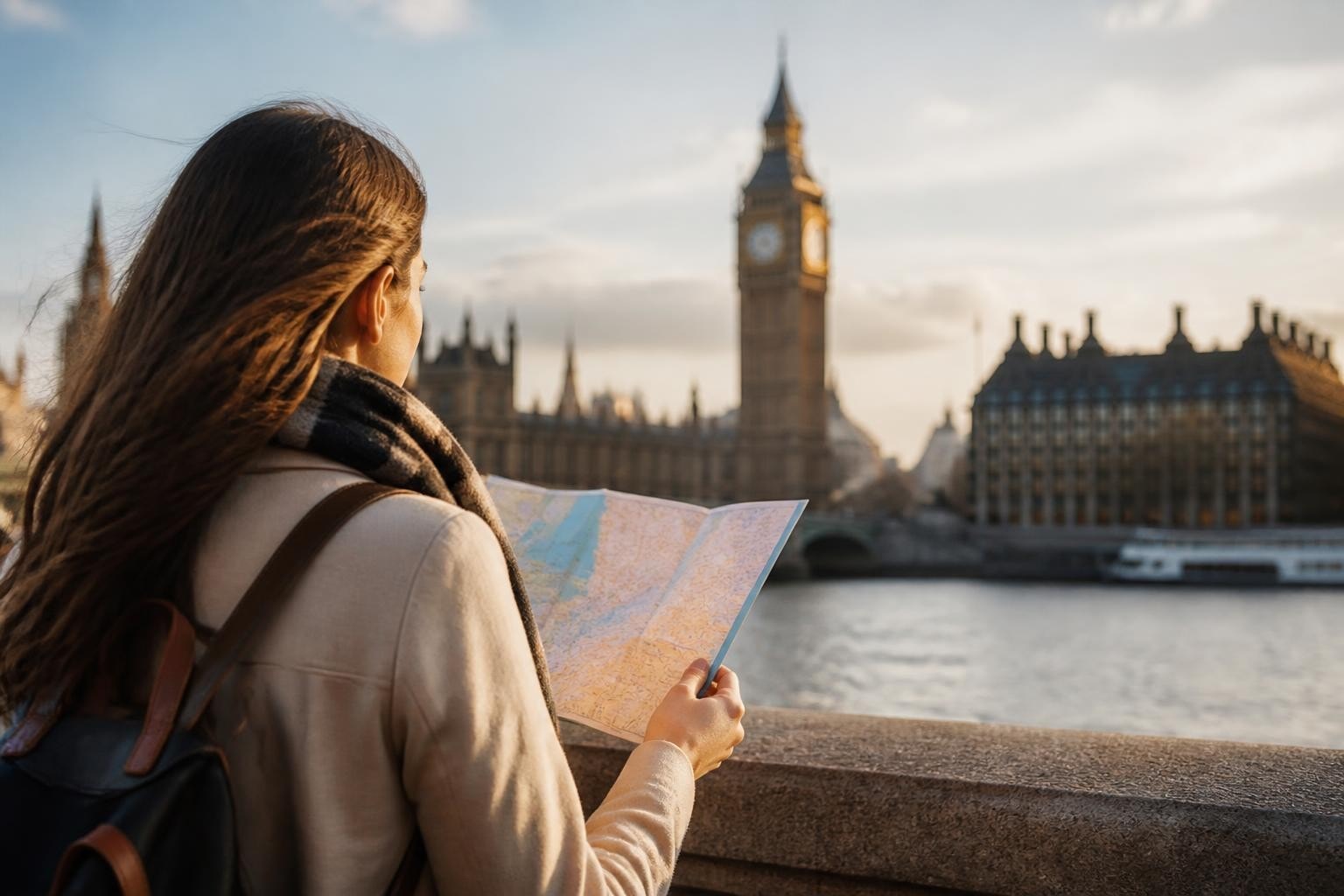
Every great journey begins with a carefully considered path. Whether you're wandering through ancient cities or discovering hidden corners of modern metropolises, the way you connect your destinations shapes your entire experience. Route tours represent more than just a sequence of stops-they're the narrative thread that transforms isolated moments into a coherent story of exploration.
Understanding the Essence of Route Tours
Route tours are structured journeys that connect multiple points of interest along a deliberate path, creating a seamless flow from one experience to the next. Unlike random wandering, these carefully planned excursions consider distance, timing, and thematic connections to maximize what travellers discover whilst minimizing unnecessary backtracking.
The beauty of route tours lies in their ability to reveal relationships between places. A historic square might lead to a traditional market, which connects naturally to an architectural landmark, each stop building upon the previous one. This sequential approach doesn't just save time; it deepens understanding.
The Psychology Behind Effective Routing
When you follow a well-designed route tour, your mind creates mental maps that stick. Our brains naturally prefer stories with clear beginnings, middles, and endings. The same principle applies to physical journeys through space.
Key psychological benefits include:
- Enhanced memory retention through spatial sequencing
- Reduced decision fatigue from constant navigation choices
- Greater emotional connection through narrative flow
- Improved satisfaction from completing a defined journey
Research shows that route recommendation methods can significantly impact how travellers perceive and remember their experiences, with strategic sequencing creating stronger emotional resonance than random exploration.
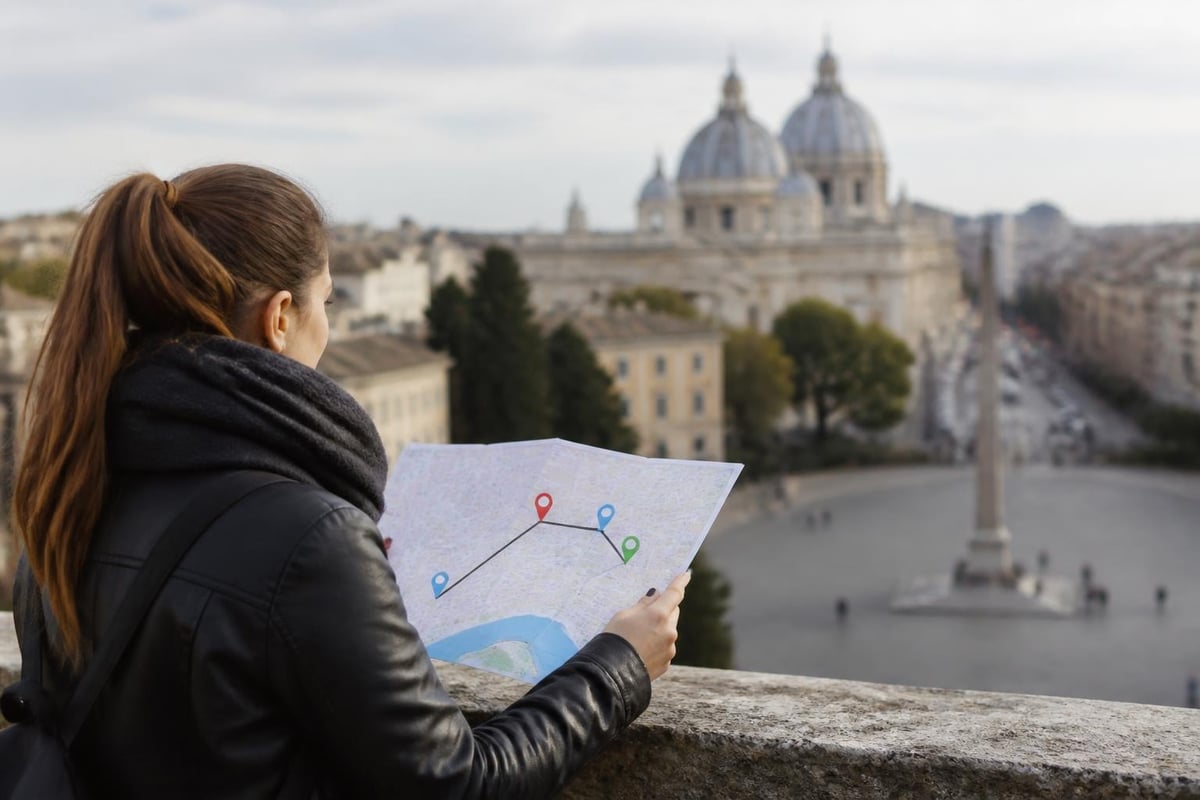
Planning Route Tours That Work
Creating effective route tours requires balancing multiple factors simultaneously. Distance matters, certainly, but so does elevation change, crowd patterns, sunlight direction, and even the emotional arc of the experience.
The Foundation: Objective Definition
Before mapping anything, clarify what you want to achieve. A route tour focused on architectural heritage follows different logic than one highlighting culinary traditions or natural landscapes. Defining clear objectives shapes every subsequent decision about sequencing and timing.
For walking tours specifically, consider these parameters:
- Maximum comfortable duration (typically 90-180 minutes)
- Physical difficulty level (flat terrain versus hills)
- Thematic coherence (what story does this route tell?)
- Practical constraints (opening hours, seasonal access)
- Recovery points (shade, seating, refreshments)
| Planning Factor | Walking Tours | Vehicle Tours | Self-Guided Tours |
|---|---|---|---|
| Distance Limits | 2-4 kilometers | 20-50 kilometers | Flexible |
| Time Flexibility | Fixed schedule | Moderate | High |
| Group Dynamics | Essential | Important | Individual |
| Navigation Tools | Verbal + gestures | GPS + maps | Apps + signage |
Sequencing Strategies for Maximum Impact
The order of stops dramatically affects how people experience route tours. Start too intensely, and you've nowhere to build. Begin too slowly, and interest wanes before the best moments arrive.
Effective sequencing approaches:
- Crescendo method: Build from modest sites toward spectacular highlights
- Sandwich technique: Strong opening, varied middle, powerful conclusion
- Thematic clustering: Group related sites together for deeper understanding
- Energy management: Alternate intensive stops with lighter moments
Consider morning light when planning route tours through photogenic locations. The same plaza that glows magnificently at dawn might feel harsh and shadeless at midday.
Wayfinding and Navigation Excellence
Even the most brilliantly planned route tour fails if people can't follow it. Navigation encompasses far more than just knowing where to turn-it includes creating confidence, managing expectations, and maintaining orientation throughout the journey.
Creating Clear Mental Maps
Enhancing navigation and wayfinding begins with helping people understand the overall geography before diving into details. Effective route tours provide both macro-level context (the complete path) and micro-level guidance (next immediate turn).
Visual wayfinding elements include:
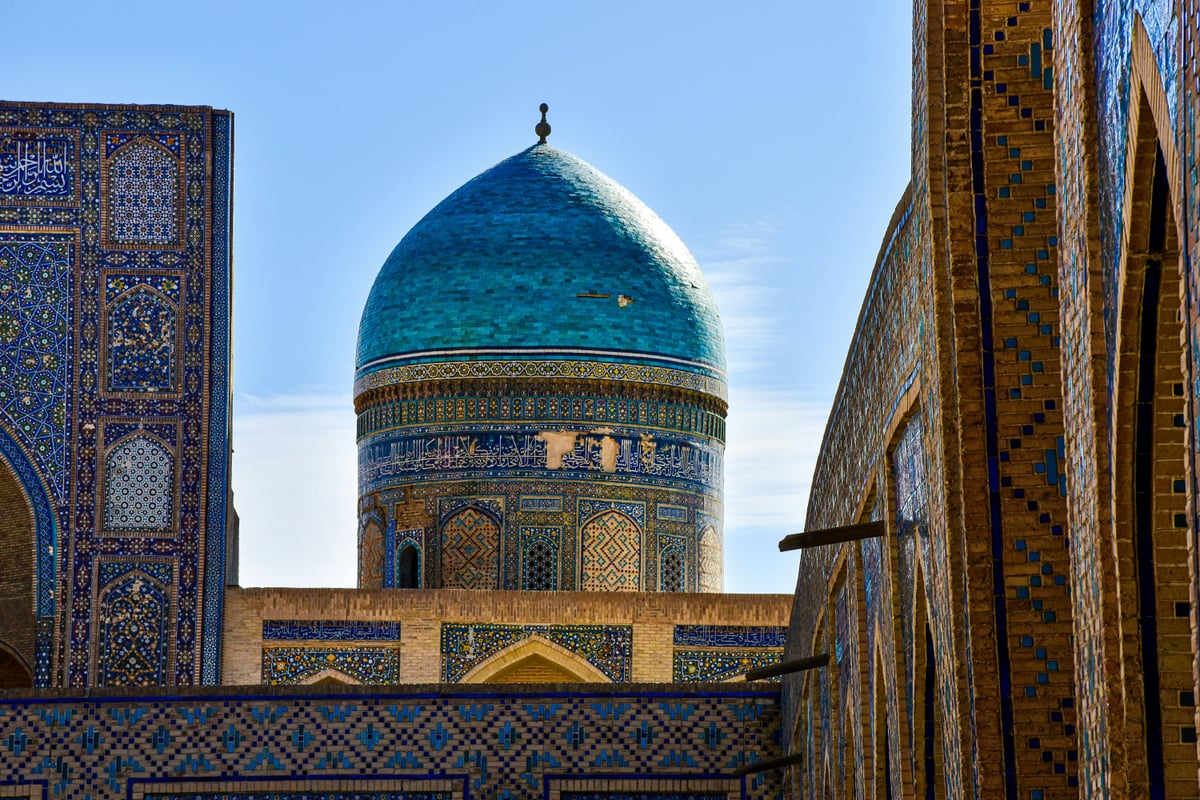
- Landmark-based directions ("turn at the blue-domed mosque")
- Consistent visual markers along the path
- Regular confirmation points ("you should now see…")
- Distance estimates in time rather than metres
Verbal navigation instructions work best when they reference distinctive features impossible to miss rather than subtle details easily overlooked.

Digital Tools and Traditional Techniques
Technology offers powerful assistance for route tours, but traditional methods remain surprisingly effective. Maps displayed on phones suffer in bright sunlight. GPS signals falter in narrow historic streets. Battery life limits digital reliability.
The most robust navigation systems combine multiple approaches. A printed map provides overview. Verbal directions handle immediate guidance. Landmark recognition offers constant confirmation. Digital tools supplement rather than replace human judgment.
Optimising Route Tours for Different Audiences
Not everyone experiences route tours the same way. Families with young children need different pacing than solo travellers. Photography enthusiasts require pause moments that might frustrate those seeking brisk walks. Cultural depth appeals to some; surface-level variety suits others.
Audience Segmentation Considerations
| Audience Type | Preferred Duration | Pace Preference | Priority Focus |
|---|---|---|---|
| Families | 60-90 minutes | Leisurely with breaks | Interactive elements |
| Photography enthusiasts | 120-180 minutes | Very slow | Visual opportunities |
| History buffs | 120-240 minutes | Moderate | Deep information |
| Active travellers | 90-120 minutes | Brisk | Coverage breadth |
Designing route tours that accommodate multiple audience types simultaneously presents challenges. One solution involves creating modular routes where different segments appeal to different interests, allowing natural exit points for those wanting shorter experiences.
Accessibility and Inclusion
Route tours should welcome everyone, regardless of physical capabilities or background knowledge. This means considering wheelchair accessibility, providing rest points for those with limited mobility, and offering information at varying depth levels.
For walking tours in historic cities like Samarkand, ancient streets sometimes present accessibility challenges. Alternative routes, whilst potentially slightly longer, ensure everyone can participate fully in the experience.
Managing Time and Energy Throughout the Journey
Even perfectly sequenced route tours can falter if they ignore human energy patterns. People experience cognitive and physical fatigue that affects their ability to absorb information and appreciate sights.
The Energy Arc Principle
Most people begin route tours with high energy and enthusiasm. This initial burst typically lasts 20-30 minutes before the first dip in attention occurs. Smart route planning accounts for these natural rhythms.
Energy management techniques:
- Front-load key information whilst attention peaks
- Build in renewal moments every 30-40 minutes
- Vary stimulus types (visual, auditory, kinesthetic)
- Save spectacular moments for when energy might flag
- End on emotional highs that compensate for physical tiredness
The traditional lunch slump affects afternoon route tours significantly. If conducting tours through midday heat, factor in reduced energy levels and shortened attention spans. Some destinations benefit from split-day approaches-morning tours, afternoon breaks, evening continuation.
How energy levels fluctuate during route tours: showing the initial enthusiasm peak, mid-tour attention dip, strategic renewal points, and final emotional high that ends the experience memorably
Technical Optimisation for Route Efficiency
Beyond the human experience elements, route tours benefit from technical optimisation that reduces wasted time and unnecessary distance. Travel route planning best practices emphasize minimizing backtracking whilst maintaining logical narrative flow.
Distance Versus Value Trade-offs
Sometimes the most efficient physical route sacrifices experiential quality. A shortcut might save five minutes but bypass a charming alley that perfectly illustrates local daily life. These trade-offs require careful evaluation.
Decision framework for route optimisation:
- Calculate time saved versus experience lost
- Consider whether shortcuts skip essential narrative connections
- Evaluate physical versus emotional journey length
- Balance efficiency with serendipity opportunities
The most memorable route tours often include planned "inefficiencies"-deliberate detours that enhance understanding or provide unexpected delight. Pure optimisation can create sterile experiences that miss the soul of a place.
Weather and Seasonal Considerations
Route tours exist in specific environmental conditions that dramatically affect their viability. Summer routes in desert climates require shade-seeking strategies. Winter tours in northern latitudes must account for limited daylight hours.
Seasonal route variations ensure consistent quality year-round. The same city might demand completely different paths in January versus July, adjusting for temperature, precipitation, daylight availability, and seasonal attractions.
Building Thematic Coherence
The strongest route tours tell clear stories. Whether exploring architectural evolution, culinary traditions, religious heritage, or artistic movements, thematic unity creates intellectual satisfaction alongside physical journey completion.
Narrative Thread Development
Every stop should advance an overarching theme whilst also standing alone as individually interesting. This dual purpose ensures that both those deeply engaged with the theme and those casually experiencing the tour find value.
Thematic connection techniques include:
- Chronological progression through historical periods
- Stylistic evolution showing artistic development
- Cultural contrast highlighting diversity
- Functional relationships revealing urban systems
Samarkand's position along the ancient Silk Road, for instance, offers natural thematic coherence for route tours exploring trade, cultural exchange, and architectural synthesis between East and West civilizations.
Group Dynamics and Social Aspects
Route tours conducted with groups introduce social dimensions that solo exploration lacks. These dynamics can enhance or complicate the experience depending on how they're managed.
Optimal Group Sizing
| Group Size | Advantages | Challenges | Best For |
|---|---|---|---|
| 2-6 people | Intimate, flexible, conversational | Limited perspectives | Deep engagement |
| 7-15 people | Diverse viewpoints, social energy | Harder to manage | Standard tours |
| 16-25 people | Economic efficiency | Lost intimacy, slower pace | Popular attractions |
| 26+ people | Maximum revenue | Communication difficulties | Special events |
Larger groups require different route considerations. Narrow passages create bottlenecks. Popular photo spots generate waiting times. Restaurants struggle to accommodate everyone simultaneously.
Creating Collective Experiences
The best route tours balance individual discovery with shared moments. People appreciate time to explore personally alongside structured group experiences that create collective memory.
When designing a Sight seeing of Samarkand tour, incorporating both guided narrative moments at major sites like Registan Square alongside brief independent exploration periods allows participants to engage at their own pace whilst still benefiting from expert context and group energy. This balanced approach, available through structured tour programmes, helps diverse groups find satisfaction in shared experiences.
Local Knowledge Integration
Route tours gain authenticity and depth when they incorporate local knowledge that outsiders would never discover independently. This insider perspective transforms good routes into exceptional ones.
Beyond the Obvious Highlights
Every destination has famous landmarks that appear in every guidebook. Whilst these merit inclusion, route tours that only connect obvious sites feel generic and superficial. The magic happens when lesser-known locations provide context and contrast.
Local knowledge categories worth integrating:
- Current neighbourhood dynamics and recent changes
- Personal stories connected to specific locations
- Seasonal patterns and optimal visiting times
- Hidden viewpoints and photography angles
- Local-favourite establishments versus tourist traps
This intimate knowledge typically comes from guides who actually live in the places they're showing, understanding daily rhythms and subtle cultural nuances that transform factual information into living stories.
Feedback Loops and Continuous Improvement
Route tours should evolve based on actual experience rather than remaining static from initial design. Systematic feedback collection and analysis reveals improvement opportunities that planning alone cannot anticipate.
Testing and Refinement Cycles
Before finalizing route tours, conduct multiple test runs under varying conditions. Walk them during different weather, at different times of day, with different group compositions. Each variation reveals previously invisible challenges or opportunities.
Refinement indicators to monitor:
- Timing accuracy (do segments take longer/shorter than planned?)
- Engagement levels (where does attention peak and fade?)
- Physical difficulty (are there unexpected challenges?)
- Navigation clarity (where do people get confused?)
- Logistical issues (restroom access, crowding, closures)
Route planning optimization principles from logistics industries offer surprisingly applicable insights for tourism contexts, particularly regarding efficiency metrics and continuous improvement methodologies.
Cultural Sensitivity and Ethical Considerations
Route tours enter communities and sacred spaces, creating responsibilities beyond mere entertainment or education. Ethical route design respects local populations whilst providing meaningful visitor experiences.
Balancing Tourism and Community Life
Over-tourism damages destinations when route tours funnel excessive numbers through residential areas or fragile sites. Responsible routing distributes visitor impact whilst maintaining experience quality.
Ethical routing principles:
- Avoid directing large groups through active residential areas
- Respect religious sites with appropriate timing and behaviour
- Support local economies through strategic stopping points
- Preserve fragile locations through visitor number management
- Share tourism benefits broadly rather than concentrating them
Route tours that benefit local communities create sustainable models where residents welcome rather than resent visitors. This requires conscious design that considers impact beyond the visitor experience itself.
Technology Integration Without Dependence
Modern route tours can leverage technology substantially whilst maintaining functionality when digital tools fail. This balanced approach maximizes benefits without creating fragile systems.
Smart Tool Selection
GPS navigation, augmented reality overlays, audio guides, and interactive maps all offer potential enhancements for route tours. However, each technology brings dependencies and potential failure points.
The most resilient route tours use technology to supplement rather than replace fundamental wayfinding and information delivery. When the app crashes or the battery dies, the tour continues successfully through traditional methods.
Route tours transform random sightseeing into intentional journeys that tell coherent stories whilst respecting both visitors' time and local communities' needs. By balancing efficiency with experience, structure with flexibility, and planning with spontaneity, well-designed routes create memorable explorations that reveal destinations' true character. Whether you're discovering Samarkand's magnificent Silk Road heritage or any other remarkable place, Visit Samarkand offers expertly crafted walking tours that connect the city's historic treasures through thoughtfully planned routes designed to maximize your understanding and enjoyment of this extraordinary cultural crossroads.