
Every journey begins with a single step, and sometimes the most remarkable adventures lie just beyond our doorstep. When we travel to a new destination, we often fixate on the main attraction whilst overlooking the treasures scattered nearby. The art of discovering nearby tourist attractions transforms a simple visit into a rich tapestry of experiences, each thread woven with stories, culture, and unexpected delights. Whether you're exploring ancient cities or modern metropolises, understanding how to navigate the surrounding area can elevate your entire journey from ordinary to extraordinary.
The Hidden Value of Exploring Beyond the Main Attraction
Picture this: you've travelled thousands of miles to see a world-famous monument, spent three hours queuing, and captured the obligatory photograph. Then what? This scenario plays out daily at iconic sites worldwide, where visitors tick boxes without truly experiencing the destination's soul.
Nearby tourist attractions offer something different entirely. They provide context, depth, and often a more authentic glimpse into local life than their famous neighbours. The small museum tucked down a side street, the historic building overshadowed by grander architecture, or the natural wonder just a short drive away – these places complete the picture.
Why Secondary Attractions Matter
The relationship between primary and secondary sites creates a fuller understanding of any destination. When visiting the historical sites near Valley Forge, for instance, each location adds layers to the Revolutionary War story, building upon what visitors learn at the main park.
- Cultural context: Understanding the broader region enriches your appreciation of individual sites
- Crowd avoidance: Popular nearby tourist attractions often have fewer visitors than the main draw
- Economic benefit: Exploring multiple sites supports local communities more comprehensively
- Time efficiency: Clustering visits maximizes your travel investment
- Serendipitous discoveries: Secondary sites often harbour unexpected treasures
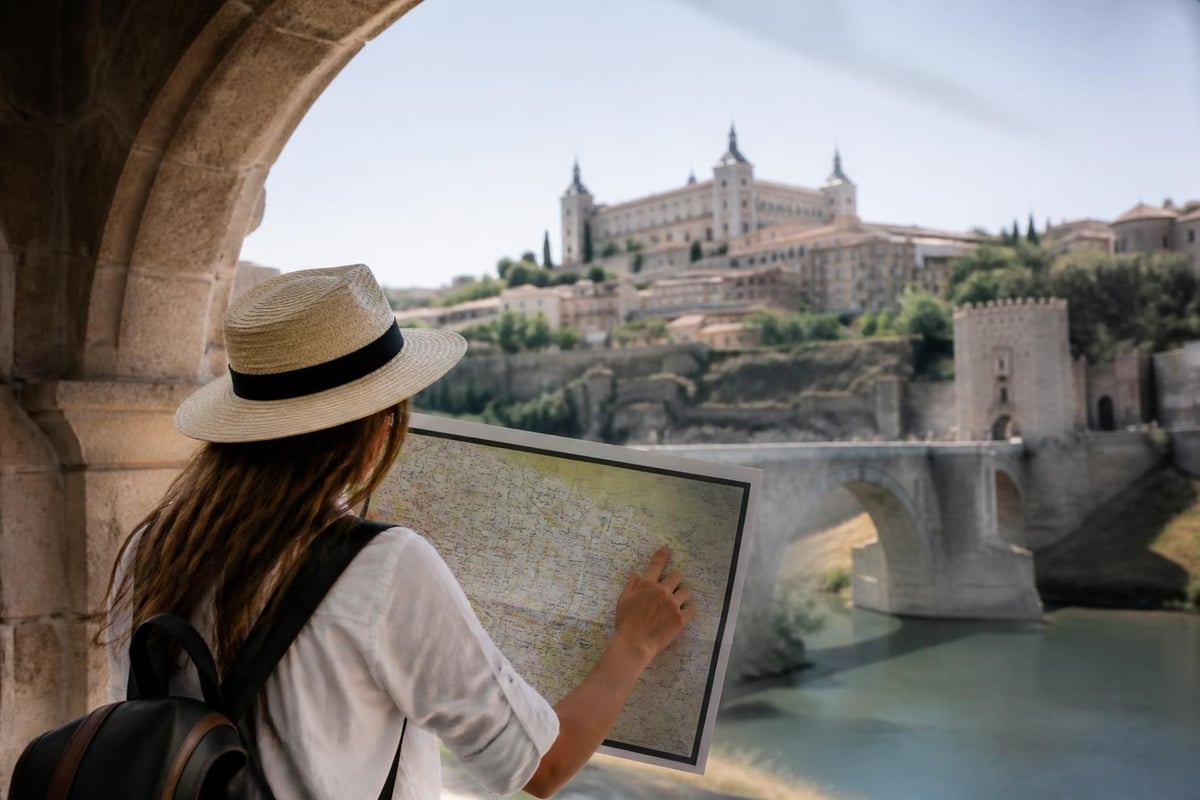
Planning Your Nearby Tourist Attractions Strategy
Sarah learned this lesson the hard way. She'd booked four days in Samarkand, planned meticulously for visiting Registan Square, and… that was it. By day two, she found herself wandering aimlessly, having exhausted her research. A chance conversation with a local guide revealed dozens of nearby tourist attractions she'd never known existed – ancient workshops, hidden mausoleums, and neighbourhood markets brimming with life.
Research Before You Go
Effective planning begins weeks before departure. Start with reputable sources like the National Park Service, which provides excellent guides for attractions surrounding major parks. These curated lists offer reliable information about accessibility, opening hours, and seasonal considerations.
- Map your primary destination and mark it as your central point
- Identify clusters of nearby tourist attractions within specific radius ranges (5km, 10km, 20km)
- Research connectivity between sites – transport options, walking distances, route conditions
- Check schedules for opening hours, closed days, and seasonal variations
- Read recent reviews to gauge current conditions and visitor experiences
- Note special requirements such as advance booking, dress codes, or photography restrictions
Creating Your Attraction Hierarchy
Not all nearby tourist attractions deserve equal time. A strategic approach involves categorizing sites by priority, interest level, and practical considerations.
| Priority Level | Criteria | Time Allocation | Booking Required |
|---|---|---|---|
| Must-see | Unique, unmissable, high personal interest | 2-4 hours | Usually yes |
| Should-see | Significant but less critical | 1-2 hours | Sometimes |
| Could-see | Interesting if time permits | 30-60 minutes | Rarely |
| Backup options | Weather alternatives, unexpected free time | Flexible | No |
Discovering Local Gems Through Walking Tours
The true character of a place reveals itself on foot. Walking tours unlock nearby tourist attractions that cars and coaches simply cannot reach – the narrow alleyways, the neighbourhood squares, the workshops where artisans have practiced their craft for generations.
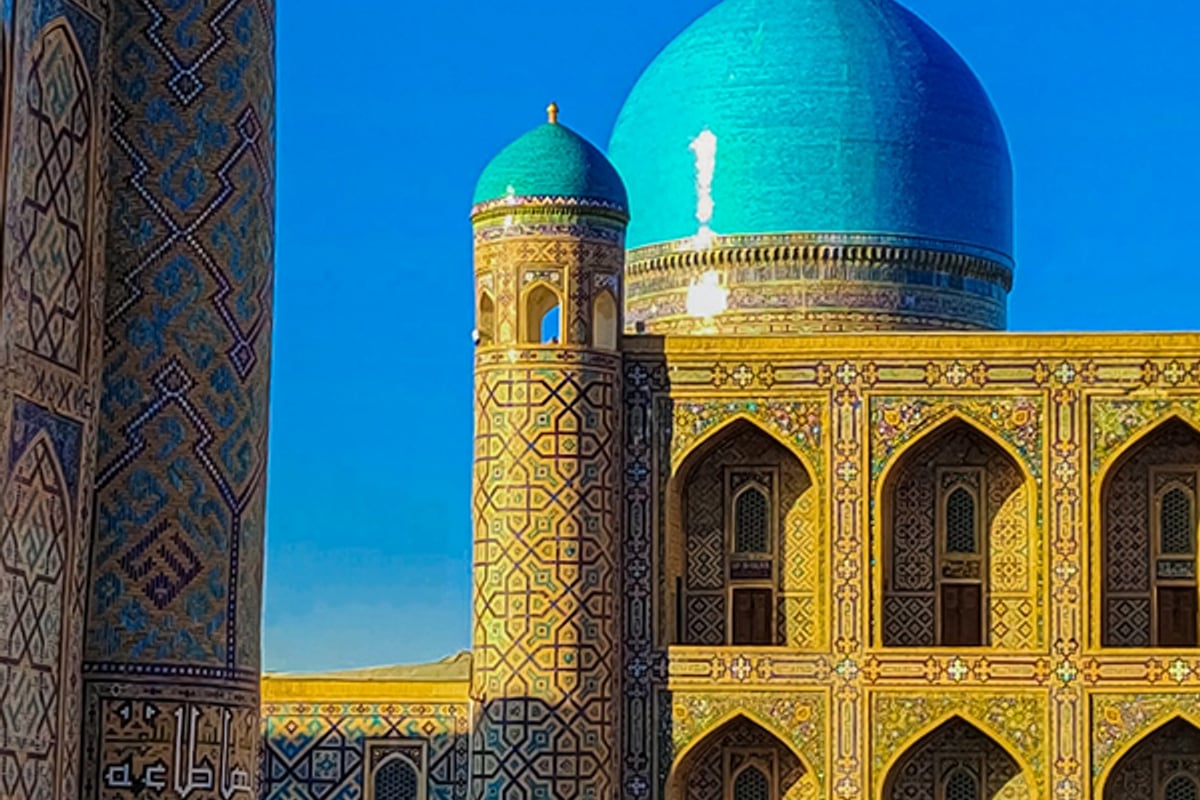
In Samarkand, for example, the grandeur of the Silk Road monuments tells only part of the story. The real magic happens when you venture into the mahallas (traditional neighbourhoods), where ancient bread-baking techniques survive, where ceramic workshops continue millennium-old traditions, and where the everyday rhythm of life provides context for the monumental architecture. Free Sight seeing tours of Samarkand offer exactly this kind of accessible exploration, connecting visitors with the city's soul through guided excursions that reveal both famous sites and hidden corners.
The Benefits of Guided Exploration
- Local knowledge: Guides share stories and connections that no guidebook captures
- Access: Some nearby tourist attractions only open through local connections
- Efficiency: Experienced guides optimize routes and timing
- Safety: Navigating unfamiliar areas becomes stress-free
- Spontaneity: Guides adapt to group interests, weather, and opportunities
Maximizing Time Across Multiple Sites
Thomas, a retired teacher from Manchester, had just three days to explore the area surrounding Grand Teton. By applying clustering principles and strategic timing, he visited numerous nearby attractions without feeling rushed, creating a rhythm that felt natural rather than frantic.
Time Management Techniques
Morning hours belong to photography and nature. Golden light transforms landscapes, and popular outdoor nearby tourist attractions remain relatively quiet before mid-morning tour buses arrive. Reserve these precious hours for sites where ambiance matters most.
Midday suits indoor exploration. Museums, galleries, and cultural centers provide comfortable refuge during the hottest hours whilst offering climate-controlled environments for detailed examination of artifacts and exhibitions.
- Start with sunrise at photogenic locations
- Transition to moderate-activity sites by mid-morning
- Lunch at local establishments near afternoon destinations
- Explore indoor nearby tourist attractions during peak heat
- Return to outdoor sites for golden hour
- Experience evening activities – performances, markets, dining
The Art of Saying No
Here's an uncomfortable truth: you cannot see everything. Attempting to cram too many nearby tourist attractions into limited time diminishes enjoyment and creates exhausting memory blur. Quality trumps quantity in travel experiences.

Transportation and Accessibility Considerations
The journey between nearby tourist attractions shapes your experience as much as the destinations themselves. In sprawling regions like the area surrounding Joshua Tree National Park, understanding transport options becomes essential for successful exploration.
Comparing Transport Options
| Method | Best For | Limitations | Cost Factor |
|---|---|---|---|
| Walking | Dense urban areas, clusters under 3km | Distance, weather, physical ability | Free |
| Public transport | Cities with robust systems | Schedules, routes, luggage | Low |
| Bicycle/e-bike | Mid-range distances, scenic routes | Weather, terrain, security | Low-moderate |
| Rental car | Rural areas, multiple scattered sites | Parking, navigation, costs | Moderate-high |
| Organized tours | Comprehensive coverage, stress-free | Fixed schedules, group pace | Moderate-high |
Walkability deserves special consideration. Cities like Samarkand concentrate remarkable nearby tourist attractions within pedestrian-friendly distances, allowing visitors to absorb the atmosphere whilst moving between sites. The transition becomes part of the experience rather than dead time.
Seasonal Strategies for Nearby Attractions
The calendar dramatically influences which nearby tourist attractions shine brightest. Elena discovered this when she visited Mammoth Cave’s surrounding region in autumn, finding that seasonal changes had transformed certain sites whilst closing others entirely.
Weather-Responsive Planning
- Spring: Gardens, nature reserves, and outdoor historic sites peak in beauty
- Summer: Extended hours allow maximum coverage of nearby tourist attractions
- Autumn: Reduced crowds, pleasant temperatures, harvest festivals
- Winter: Indoor cultural sites, special seasonal events, unique atmospheric qualities
Build flexibility into your itinerary. Weather contingencies matter when exploring outdoor nearby tourist attractions, particularly in regions with unpredictable conditions. Maintain a list of indoor alternatives that interest you, ready to deploy when rain appears or temperatures soar.
Cultural Sensitivity and Responsible Tourism
James encountered an unexpected lesson at a small historic site near Fredericksburg’s Civil War battlefields. His casual photography disturbed a memorial service he hadn't noticed, teaching him that nearby tourist attractions often hold living significance beyond their historical status.
Respectful Exploration Principles
- Research local customs before visiting religious or culturally significant sites
- Dress appropriately for the setting and culture
- Ask permission before photographing people or private spaces
- Support local economies through authentic businesses rather than mass-market vendors
- Minimize environmental impact especially at natural nearby tourist attractions
- Observe quiet hours and designated restricted areas
- Learn basic local phrases showing respect for the host culture
Photography etiquette requires particular attention. That perfect Instagram shot might intrude upon someone's worship, work, or private moment. The best nearby tourist attractions deserve to be experienced first and documented second.
Hidden Gems Versus Popular Sites
The tension between well-known nearby tourist attractions and undiscovered treasures defines modern travel. Social media has paradoxically made "secret" spots mainstream whilst highlighting genuinely obscure locations that reward curious explorers.
Finding Authentic Experiences
Talk to residents. The person serving your morning coffee, the shopkeeper wrapping your purchase, the guide leading your walking tour – these individuals know nearby tourist attractions that algorithms never surface. Their recommendations come with context, current conditions, and genuine enthusiasm.
Ask specific questions:
- Where do you take visitors from out of town?
- What's changed recently that tourists might not know about?
- Which nearby tourist attractions do locals actually visit?
- What's overrated versus genuinely worthwhile?
The Role of Timing in Discovery
Visiting popular nearby tourist attractions at unconventional hours transforms the experience entirely. That crowded museum becomes contemplative at opening time. The bustling market reveals different character during evening setup.
Budget-Friendly Approaches to Multiple Attractions
Finance needn't limit exploration. Strategic planning allows access to numerous nearby tourist attractions whilst maintaining reasonable budgets, particularly when combining free options with selective paid experiences.
Money-Saving Tactics
- Combination passes: Many regions offer discount cards covering multiple sites
- Free days: Museums and galleries often waive admission weekly or monthly
- Walking tours: Free guided explorations provide expert knowledge without fees
- Public spaces: Parks, squares, and viewpoints cost nothing but offer immense value
- Early research: Advanced booking often includes substantial discounts
Consider the total value equation. An expensive nearby tourist attraction that provides three hours of engagement and lasting memories delivers better value than a cheap site that disappoints in fifteen minutes.
Technology Tools for Discovery
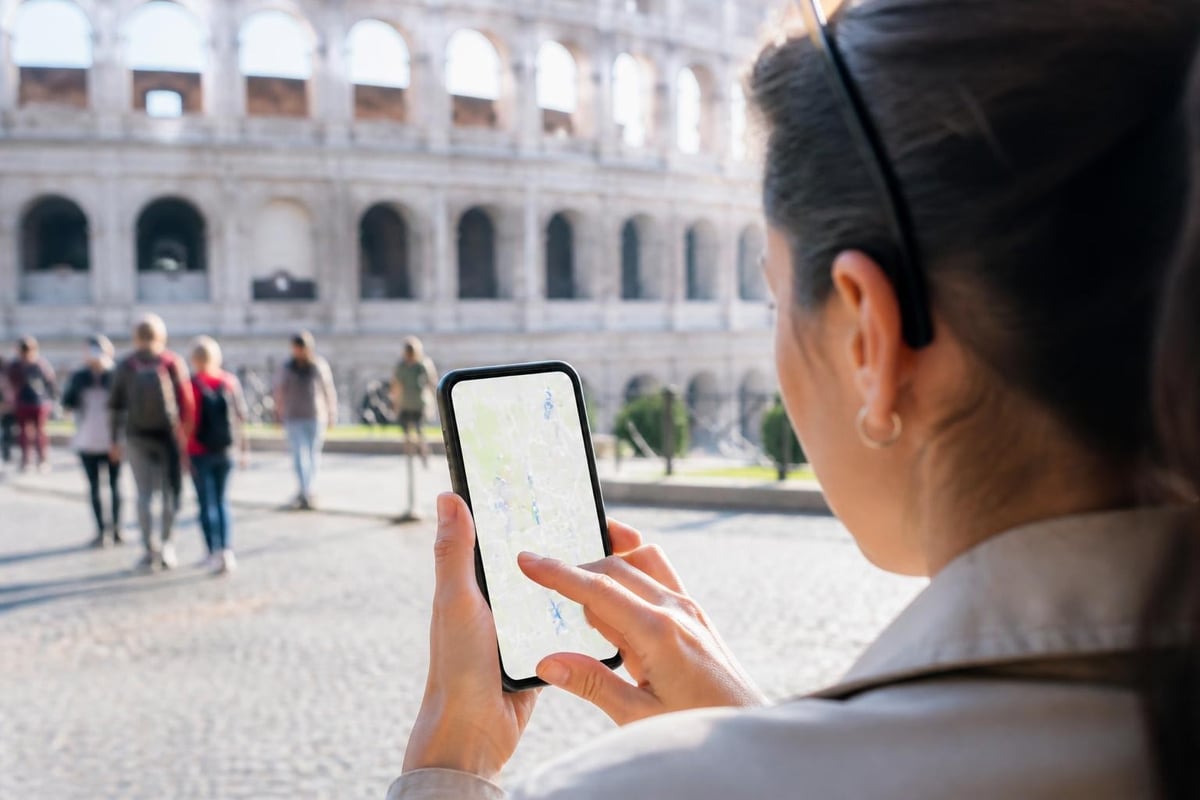
Modern travelers carry powerful research tools in their pockets. Smartphones equipped with mapping applications, translation software, and review platforms revolutionize how we discover and navigate nearby tourist attractions.
Essential Digital Resources
| Tool Type | Purpose | Recommended For |
|---|---|---|
| Mapping apps | Navigation, distance calculation, route planning | All travelers |
| Review platforms | Current conditions, recent experiences, tips | Researching nearby tourist attractions |
| Translation apps | Communication, menu reading, sign understanding | International destinations |
| Audio guides | Self-paced learning, detailed information | Cultural and historical sites |
| Booking platforms | Tickets, reservations, tour scheduling | Popular attractions requiring advance planning |
Offline functionality matters enormously. Download maps, guides, and essential information before venturing into areas with limited connectivity. Many nearby tourist attractions occupy regions where mobile signals disappear.
Creating Thematic Journeys
Rather than randomly hopping between nearby tourist attractions, consider organizing exploration around themes that create coherent narratives. This approach transforms disconnected visits into meaningful journeys.
Theme Categories
Historical progression: Visit sites chronologically to understand how a region evolved through time. The attractions surrounding Santa Monica Mountains span from indigenous heritage through Spanish missions to modern cultural institutions, creating a timeline experience.
Artistic movements: Follow architectural styles, artistic periods, or creative traditions across multiple nearby tourist attractions within a region.
Natural systems: Explore how ecosystems connect – watersheds, migration routes, geological formations linking separate sites.
Cultural traditions: Trace how customs, crafts, or cuisines manifest across different nearby tourist attractions, seeing variations and shared heritage.
Family-Friendly Planning Strategies
Traveling with children or mixed-age groups requires different approaches to discovering nearby tourist attractions. Balance becomes crucial between educational value, entertainment, and physical demands.
Multigenerational Considerations
- Vary activity intensity: Alternate between active and relaxed nearby tourist attractions
- Include child-friendly spaces: Parks, interactive museums, hands-on experiences
- Plan realistic daily limits: Fewer sites explored thoroughly beats exhausting marathons
- Build in downtime: Rest periods prevent meltdowns and allow experience processing
- Offer choices: Let different family members select nearby tourist attractions matching their interests
The pacing paradox: Children often remember unplanned moments – the fountain they played in, the cat they befriended – more vividly than scheduled nearby tourist attractions. Build spaciousness into itineraries allowing spontaneity.
Sustainable Tourism Practices
Our exploration of nearby tourist attractions carries responsibility. Over-tourism damages fragile sites, whilst thoughtful visitation supports preservation and local communities.
Environmental Stewardship
- Choose public transport or walking over private vehicles when possible
- Respect capacity limits at fragile nearby tourist attractions
- Support conservation fees that fund site maintenance
- Follow marked paths avoiding damage to vegetation or artifacts
- Remove all waste leaving sites cleaner than you found them
- Avoid peak seasons at vulnerable locations already struggling with visitor pressure
Economic sustainability matters equally. Your spending decisions influence whether nearby tourist attractions thrive or become tourist traps. Seek authentic businesses, pay fair prices, and avoid exploitative practices even when they offer convenience.
Solo Versus Group Exploration
The social dynamics of discovering nearby tourist attractions profoundly affect the experience. Solo travelers enjoy complete freedom and spontaneity, whilst groups share costs, safety, and memories.
Solo Traveler Advantages
Complete autonomy: Spend three hours at one nearby tourist attraction and skip another entirely without negotiation or compromise. Change plans instantly based on mood, weather, or inspiration.
Easier connections: Solo travelers often receive warmer local interactions, invitations, and recommendations that groups might miss.
Personal pacing: Move quickly through less interesting sections, linger indefinitely at captivating sites.
Group Travel Benefits
- Shared costs: Transport, guides, and admission fees become more affordable
- Safety in numbers: Certain nearby tourist attractions feel more comfortable with companions
- Diverse perspectives: Different group members notice and appreciate varied aspects
- Shared memories: Joint experiences create lasting bonds and stories
Photography and Documentation
Capturing nearby tourist attractions presents both opportunities and challenges. The balance between experiencing moments and documenting them requires conscious attention.
Photographing Responsibly
Put the camera down sometimes. Research shows that constant photography actually impairs memory formation. Experience nearby tourist attractions primarily through your senses, documenting selectively rather than continuously.
When you do photograph:
- Arrive early for better light and fewer people
- Respect photography restrictions at sacred or sensitive sites
- Ask permission before including identifiable individuals
- Avoid blocking others' views or experiences
- Consider the stories behind images rather than just collecting visual trophies
Weather Contingency Planning
Nothing disrupts exploration of nearby tourist attractions quite like unexpected weather. Preparation transforms potential disasters into minor adjustments.
Building Resilient Itineraries
Identify indoor nearby tourist attractions matching your interests before departure. When rain appears at an outdoor site, you'll have appealing alternatives rather than sheltering miserably in cafes.
| Weather Scenario | Alternative Options | Preparation Needed |
|---|---|---|
| Heavy rain | Museums, galleries, covered markets, workshops | Research indoor nearby tourist attractions |
| Extreme heat | Air-conditioned cultural sites, underground spaces | Water, sun protection, appropriate clothing |
| Cold/snow | Heated venues, winter-specific attractions | Warm clothing layers, proper footwear |
| High winds | Sheltered locations, urban rather than exposed sites | Flexible schedule, backup plans |
Accessibility and Inclusive Travel
Nearby tourist attractions vary enormously in their accessibility for visitors with mobility challenges, sensory needs, or other requirements. Advance research prevents disappointing discoveries.
Universal Design Considerations
Not all historic sites accommodate wheelchairs. Ancient nearby tourist attractions often predate accessibility awareness, featuring stairs, uneven surfaces, and narrow passages. However, many destinations offer alternative experiences or specific accommodations.
Contact sites directly asking about:
- Physical accessibility features (ramps, elevators, accessible toilets)
- Sensory accommodations (audio descriptions, tactile exhibits, quiet spaces)
- Service animal policies
- Accessible parking and transport options
- Staff training and assistance availability
The Art of Spontaneous Discovery
Despite all this planning advice, some of travel's greatest moments arise from unplanned wandering. The nearby tourist attractions you stumble upon accidentally often become treasured memories.
Build unscheduled time into every day. These hours allow pursuit of unexpected opportunities – the festival you hear about from locals, the newly opened exhibition, the perfect weather for an outdoor site you'd deprioritized.
Follow curiosity. That interesting doorway, the music drifting from a side street, the crowd gathering in a square – these breadcrumbs lead to nearby tourist attractions that guidebooks haven't discovered or that exist only temporarily.
Discovering nearby tourist attractions transforms travel from a checklist exercise into rich, layered exploration that reveals destinations in their full complexity. Whether you're drawn to historical depth, natural beauty, cultural immersion, or spontaneous adventure, the areas surrounding major sites offer endless opportunities for meaningful experiences. If you're ready to explore Samarkand's treasures beyond the famous monuments, Visit Samarkand offers free walking tours that connect you with both iconic landmarks and hidden gems, creating the kind of comprehensive exploration that turns visitors into storytellers. Let local knowledge guide your journey through one of the Silk Road's most captivating cities.