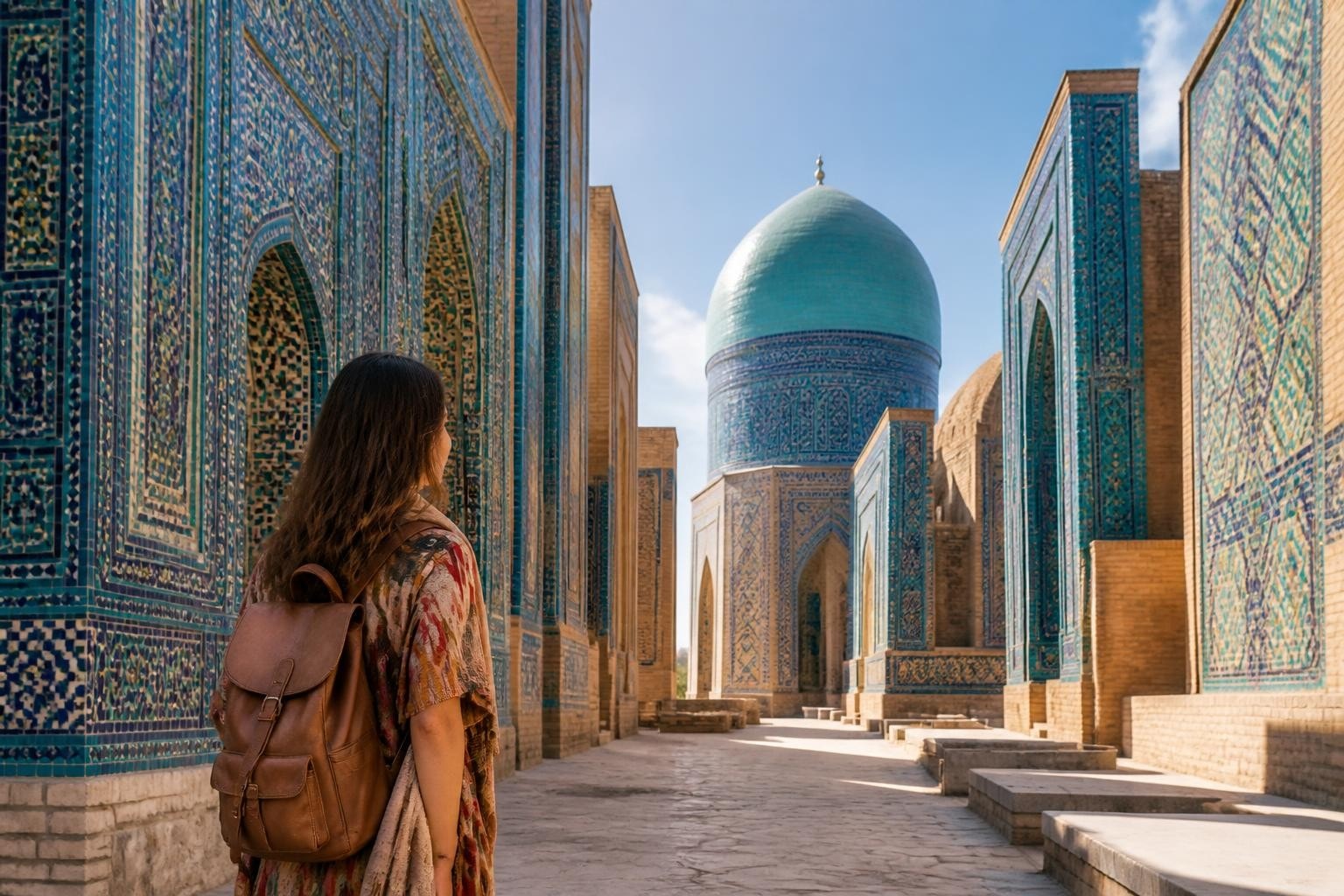
There's something magical about stepping into a world where history doesn't just live in museums but breathes through cobblestone streets, echoes in turquoise-tiled domes, and whispers from the walls of ancient madrasas. An Uzbek tour isn't merely a holiday; it's a passage through time, where the legendary Silk Road comes alive beneath your feet. I remember speaking with a traveler who'd just returned from Uzbekistan in early 2026, her eyes still gleaming with wonder as she described watching the sun set over Registan Square. "I thought I knew what beauty was," she told me, "but nothing prepared me for this." That's the power of Uzbekistan, a country that has quietly been transforming into one of Central Asia's most captivating destinations.
Why an Uzbek Tour Captures the Imagination
The appeal of an Uzbek tour lies in its remarkable ability to transport visitors to a world that feels both ancient and surprisingly accessible. Unlike many historical destinations that have been polished into tourist-friendly sanitized versions of themselves, Uzbekistan retains an authenticity that catches you off guard.
Walking through the old quarters of Samarkand, Bukhara, or Khiva, you'll encounter elderly craftsmen still practicing trades passed down through generations. The scent of fresh bread from tandoor ovens mingles with the sweet aroma of spices in centuries-old bazaars. Children play in courtyards surrounded by walls that witnessed the passage of Marco Polo himself.
The Cultural Tapestry That Awaits
What makes an Uzbek tour genuinely distinctive is the cultural depth you encounter at every turn:
- Architectural wonders that showcase Persian, Islamic, and Soviet influences layered across centuries
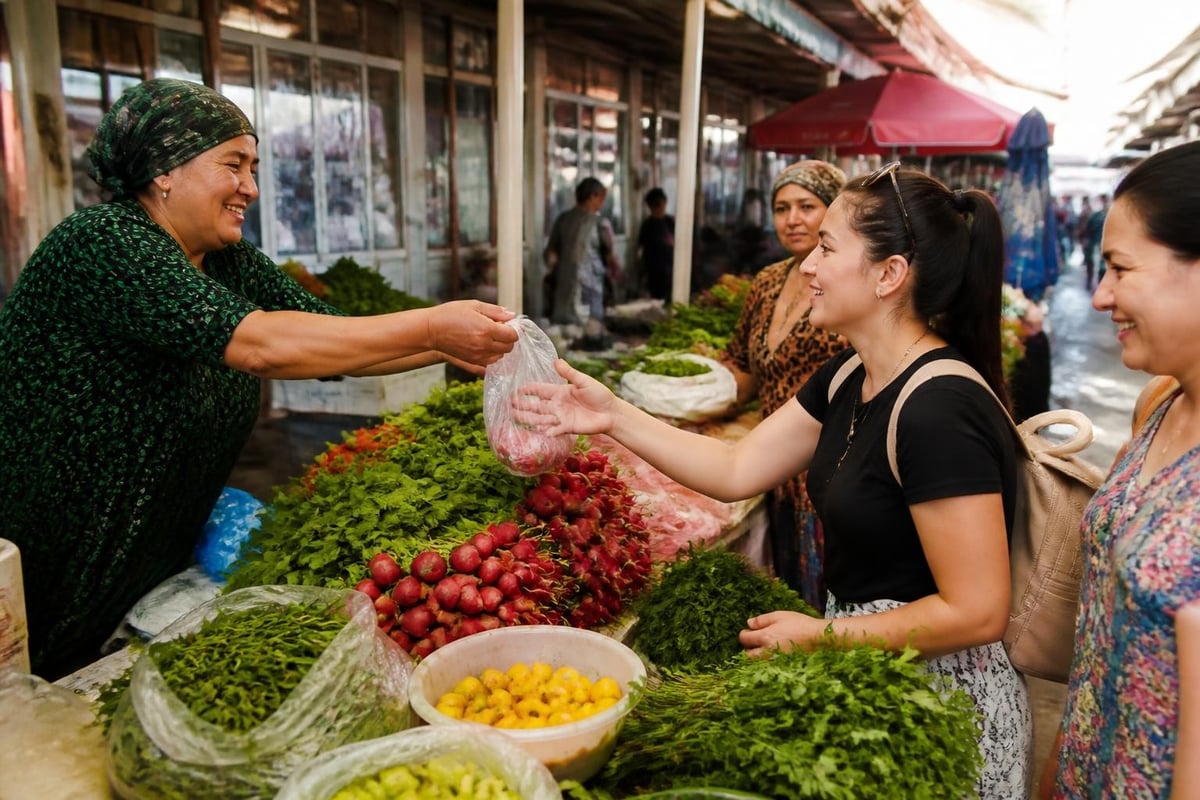
- Vibrant bazaars where haggling is an art form and silk road traditions remain alive
- Culinary experiences featuring plov, samsa, and regional dishes that vary dramatically from city to city
- Warm hospitality that transforms strangers into honored guests within moments
- Living traditions in craft workshops where ceramics, textiles, and metalwork are created using medieval techniques
The country's relatively recent opening to tourism means you're exploring places before mass tourism reshapes them. The official tourism portal has worked diligently to improve infrastructure whilst preserving authenticity, a delicate balance that they're managing rather well in 2026.
Planning Your Uzbek Tour: Practical Considerations
When I first started researching Uzbek tours several years ago, information was scattered and often outdated. Today, planning has become significantly more straightforward, though certain aspects still require thoughtful consideration.
Timing Your Journey
The season you choose fundamentally shapes your Uzbek tour experience:
| Season | Temperature | Advantages | Considerations |
|---|---|---|---|
| Spring (April-May) | 15-25°C | Blooming landscapes, pleasant weather | Popular period, book early |
| Summer (June-August) | 30-40°C+ | Long daylight hours, festival season | Extreme heat in desert regions |
| Autumn (September-October) | 18-28°C | Harvest season, ideal weather | Peak tourist period |
| Winter (November-March) | -5-10°C | Fewer crowds, snow-capped mountains | Some attractions have limited hours |
Most travelers find spring and autumn ideal for an Uzbek tour, though summer offers unique festivals and winter provides an entirely different atmospheric experience, with cities blanketed in occasional snow.
Navigating Visa Requirements and Entry
Uzbekistan has progressively simplified its visa policies. Citizens from over 90 countries now enjoy visa-free entry for periods ranging from 30 to 60 days. The e-visa system handles most other nationalities efficiently, processing applications within three working days in most cases.
Currency matters have also improved dramatically. Whilst the Uzbek som remains the official currency, US dollars and euros are widely accepted in tourist areas. ATMs are increasingly common in major cities, though carrying some cash remains prudent for smaller towns and rural areas.
The Essential Uzbek Tour Route
Most first-time visitors follow what locals call the "Golden Triangle" route, connecting Uzbekistan's three most spectacular historical cities. This classic Uzbek tour itinerary typically spans 7-10 days, though many travelers find themselves wishing they'd allocated more time.
Tashkent: The Modern Gateway
Your Uzbek tour likely begins in Tashkent, the capital that serves as both arrival point and fascinating contrast to the ancient cities ahead. The Soviet-era architecture and broad boulevards might initially surprise you, but the city reveals its charms gradually.
The Chorsu Bazaar provides an immediate immersion into Uzbek culture. Beneath its turquoise dome, you'll find everything from fresh produce to traditional crafts. The metro system, built during Soviet times, features stations decorated like underground palaces, each telling stories through murals and chandeliers.
Samarkand: The Heart of the Silk Road
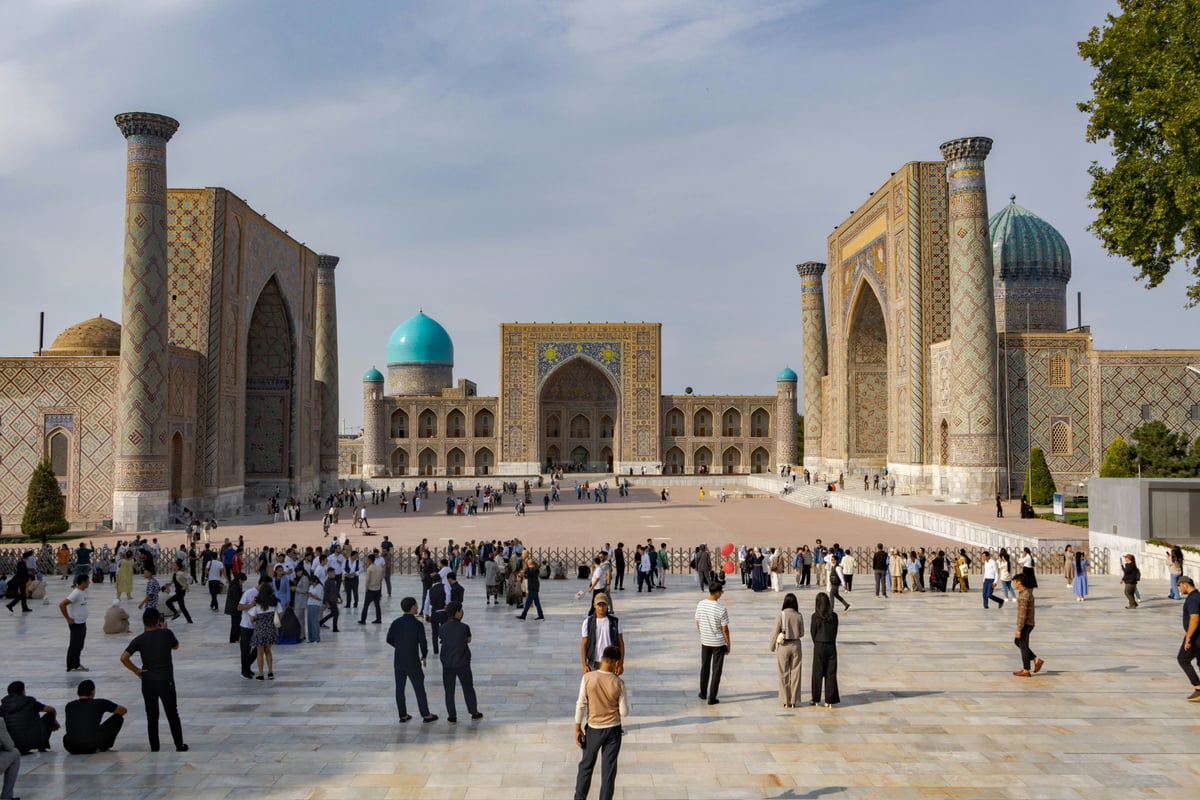
Then comes Samarkand, and suddenly you understand why this city has captured imaginations for millennia. The moment you enter Registan Square, with its three towering madrasas creating a perfect architectural composition, something shifts. You're no longer simply touring; you're connecting with human ambition across centuries.
For those seeking deeper engagement with Samarkand's layers, taking a free walking tour offers insights that go far beyond what guidebooks provide. Local guides share stories passed down through generations, point out architectural details you'd otherwise miss, and introduce you to hidden courtyards where time seems suspended.
The Shah-i-Zinda necropolis deserves an entire morning. This avenue of mausoleums, each more intricately decorated than the last, showcases tilework that remains unmatched centuries after its creation. The blue ceramics seem to shift color as sunlight moves across them, creating an almost hypnotic effect.
Bukhara: Where Time Stands Still
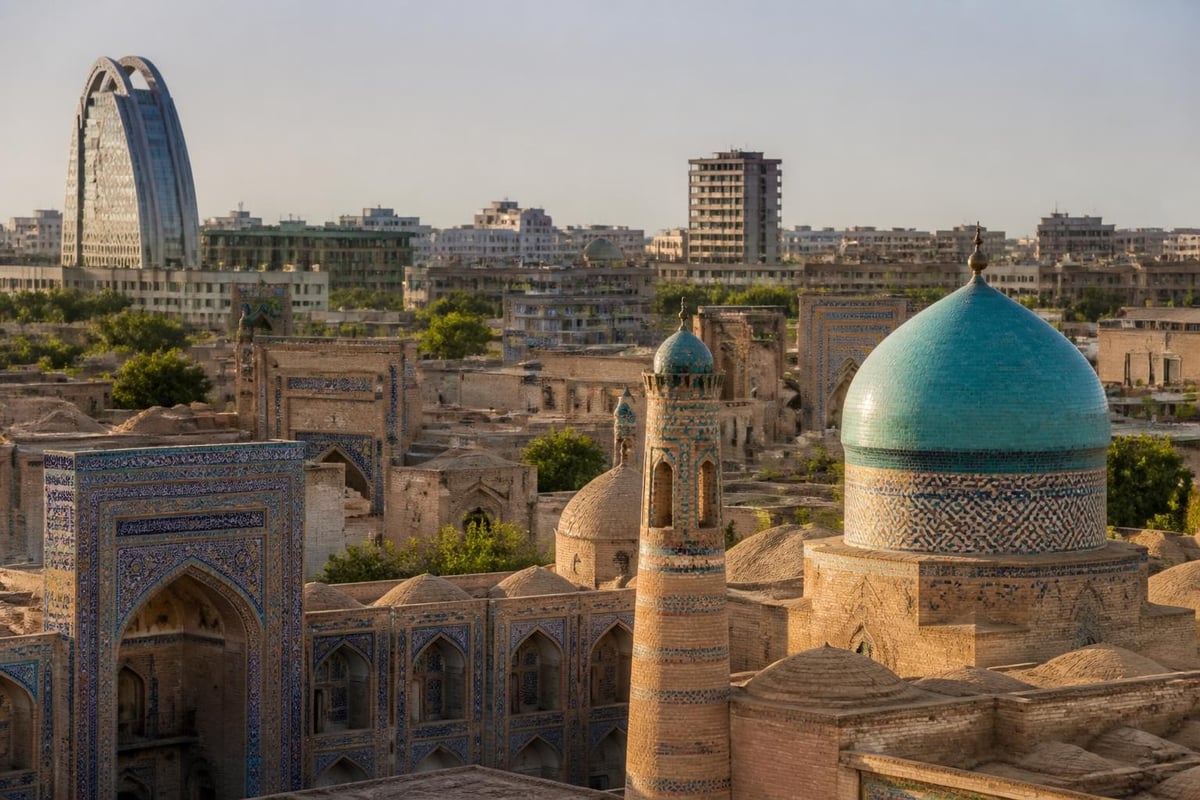
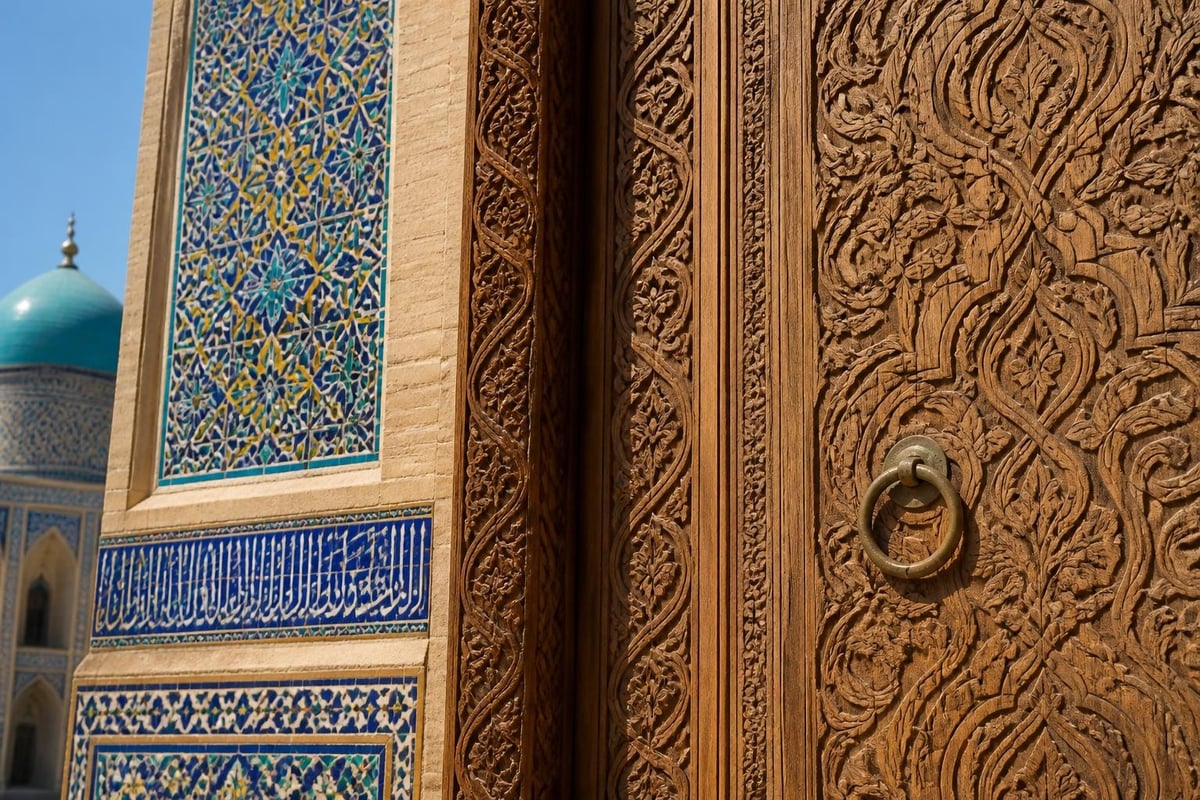
Bukhara completes the triangle with an entirely different energy. If Samarkand impresses with grandeur, Bukhara charms with intimacy. The old city remains largely intact, a maze of narrow lanes where you can genuinely lose yourself in medieval atmosphere.
The Lyab-i Hauz plaza becomes a focal point for travelers, where you can sit beneath mulberry trees, sip tea, and watch life unfold exactly as it has for centuries. Trading domes house workshops where craftsmen create miniature paintings, embroider suzani textiles, and hammer copper into intricate patterns.
Beyond the Tourist Trail
The standard Uzbek tour route satisfies most visitors, but venturing beyond reveals entirely different dimensions of the country. Khiva, located further west, presents possibly the best-preserved medieval Islamic city anywhere. Walking through its walled old town, Itchan Kala, feels like stepping onto a film set, except everything is authentically ancient.
The Fergana Valley, often overlooked by tourists, offers insight into contemporary Uzbek life alongside traditional crafts. This fertile region produces the country's finest silk, ceramics, and wood carvings. Visiting workshops here, you'll meet master craftspeople whose techniques haven't changed in generations.
Experiencing Uzbek Hospitality
What truly distinguishes an Uzbek tour from other travel experiences is the warmth you encounter from local people. The concept of "mehmon" (guest) holds sacred significance in Uzbek culture. Being invited into someone's home for tea or a meal isn't unusual; it's expected.
These spontaneous encounters often become trip highlights. I've heard countless stories from travelers who were invited to family celebrations, taught to cook traditional dishes, or simply sat for hours drinking tea and communicating through gestures and translation apps. This hospitality isn't performative; it's deeply rooted in cultural values.
The Evolution of Tourism in Uzbekistan
Understanding how rapidly tourism has developed provides context for your Uzbek tour experience. Until quite recently, visiting Uzbekistan required considerable patience with bureaucracy and infrastructure challenges. According to insights from Uzbekistan’s cultural tourism initiatives, the country has invested substantially in modernizing whilst preserving heritage.
The transformation accelerated following 2016 reforms that overhauled visa policies, encouraged private enterprise in tourism, and prioritized infrastructure improvements. High-speed rail now connects major cities, reducing journey times dramatically. Hotels ranging from budget guesthouses to luxury properties have multiplied across tourist centers.
Sustainable Tourism Challenges
This rapid growth presents both opportunities and challenges. The international perspective on Uzbekistan’s tourism development highlights concerns about balancing economic benefits with heritage preservation and community impact.
Responsible travelers can contribute positively by:
- Choosing local guides and businesses that directly benefit communities
- Respecting religious and cultural sites through appropriate dress and behavior
- Supporting traditional craftspeople by purchasing authentic handicrafts
- Staying in family-run guesthouses when possible
- Learning basic Uzbek or Russian phrases to show cultural respect
Culinary Adventures on Your Uzbek Tour
No discussion of an Uzbek tour would be complete without addressing the extraordinary food. Uzbek cuisine, influenced by Persian, Russian, Turkish, and Chinese traditions, offers far more than most visitors anticipate.
Essential Dishes to Experience
| Dish | Description | Where to Try |
|---|---|---|
| Plov | Rice pilaf with lamb, carrots, and spices (national dish) | Anywhere, but especially at traditional plov centers |
| Shashlik | Grilled meat skewers | Street vendors and restaurants throughout |
| Lagman | Hand-pulled noodles in rich broth | Tashkent and Fergana Valley |
| Samsa | Baked pastries filled with meat or vegetables | Fresh from tandoor ovens in bazaars |
| Manti | Steamed dumplings | Family restaurants and home kitchens |
Beyond individual dishes, the dining experience itself matters. Eating in a traditional chaikhana (teahouse) while seated on raised platforms called "tapchan," sharing dishes family-style, transforms meals into social ceremonies. The bread, baked fresh in tandoor ovens and treated with reverence, accompanies every meal.
Crafts and Commerce Along the Silk Road
The historical Silk Road wasn't merely about silk; it was a network exchanging ideas, techniques, and artistic traditions. An Uzbek tour offers unique opportunities to witness living traditions that trace directly back to these ancient exchanges.
Traditional Crafts Worth Exploring
Visiting workshops provides context that transforms how you see finished products in bazaars. Watching a master ceramicist create the distinctive blue-and-white patterns of Rishtan pottery, you understand the skill accumulated across generations. Observing silk production from cocoon to finished fabric reveals why these textiles commanded such high prices historically.
In Bukhara's trading domes, specialists focus on specific crafts. One dome houses miniature painters creating intricate scenes on ivory or paper. Another specializes in jewelry using techniques unchanged since medieval times. A third focuses on suzani embroidery, where women create large decorative textiles requiring months of meticulous work.
Purchasing directly from artisans ensures fair compensation whilst preserving these traditions. Most craftspeople welcome visitors, happy to explain their processes and demonstrate techniques. Some offer brief workshops where you can try your hand at pottery, miniature painting, or bread-making.
Practical Aspects of Your Uzbek Tour
Successfully navigating Uzbekistan requires understanding certain practicalities that differ from more frequently visited destinations.
Transportation Between Cities
Getting around has improved remarkably. The Afrosiyob high-speed train connects Tashkent, Samarkand, and Bukhara efficiently, offering comfort that rivals European trains. Regular trains serve other routes, though journey times extend considerably.
Shared taxis operate on fixed routes between most cities, departing when full. They cost more than buses but save considerable time. For maximum flexibility, hiring a driver for multi-day segments proves surprisingly affordable, especially when traveling with others.
Within cities, taxis remain inexpensive, though agreeing on prices beforehand prevents misunderstandings. Ride-hailing apps have launched in major cities, simplifying this process. Walking remains the best way to explore old quarters, where narrow lanes prohibit vehicles anyway.
Accommodation Options
The accommodation landscape has diversified significantly. Major cities now offer everything from international chain hotels to boutique properties occupying restored historical buildings. The latter provide atmospheric settings whilst supporting preservation efforts, as detailed in governmental tourism development programs.
Guesthouses run by local families offer the most authentic experiences. These typically include breakfast featuring homemade bread, fresh fruits, and traditional dishes. Hosts often provide invaluable local knowledge and can arrange guides, transportation, and even home-cooked meals.
Creating Meaningful Connections
What transforms a good Uzbek tour into an unforgettable journey often involves the unexpected human connections you forge. The elderly craftsman who invites you into his workshop for tea. The family who insists you join their celebration. The fellow traveler whose enthusiasm reignites your own sense of wonder.
These moments can't be scheduled or guaranteed, but creating space for them enriches any journey. Slowing down, staying curious, and remaining open to spontaneity all increase the likelihood of meaningful encounters.
Learning even basic Uzbek phrases demonstrates respect and often opens doors. "Rahmat" (thank you), "Salom" (hello), and "Zo'r" (excellent) go surprisingly far. Most Uzbeks appreciate any effort to communicate in their language, regardless of pronunciation.
The Future of Uzbek Tourism
Looking ahead, Uzbekistan appears poised to become an increasingly popular destination. Government initiatives continue improving infrastructure whilst international recognition grows. The country's unique position offering rich historical sites without overwhelming tourist crowds won't last indefinitely.
This transitional moment presents opportunities for travelers seeking authentic experiences before mass tourism potentially alters the landscape. An Uzbek tour in 2026 still offers chances to explore magnificent sites without fighting crowds, to wander bazaars where locals outnumber tourists, and to experience hospitality unspoiled by tourism fatigue.
The challenge, both for visitors and the country itself, lies in managing growth sustainably. Preservation efforts require adequate funding, which tourism provides, yet excessive visitation threatens the very authenticity that makes these places special.
An Uzbek tour offers something increasingly rare in our globalized world: the chance to experience places where history remains alive, where traditions continue unbroken, and where hospitality flows from genuine cultural values rather than commercial calculation. Whether you're drawn by architectural magnificence, cultural immersion, or simple curiosity about places beyond typical tourist circuits, Uzbekistan rewards those who make the journey. Ready to discover Samarkand's hidden stories and experience the Silk Road firsthand? Visit Samarkand offers free walking tours that transform sightseeing into genuine cultural connection, making one of history's most legendary cities accessible to every traveler.