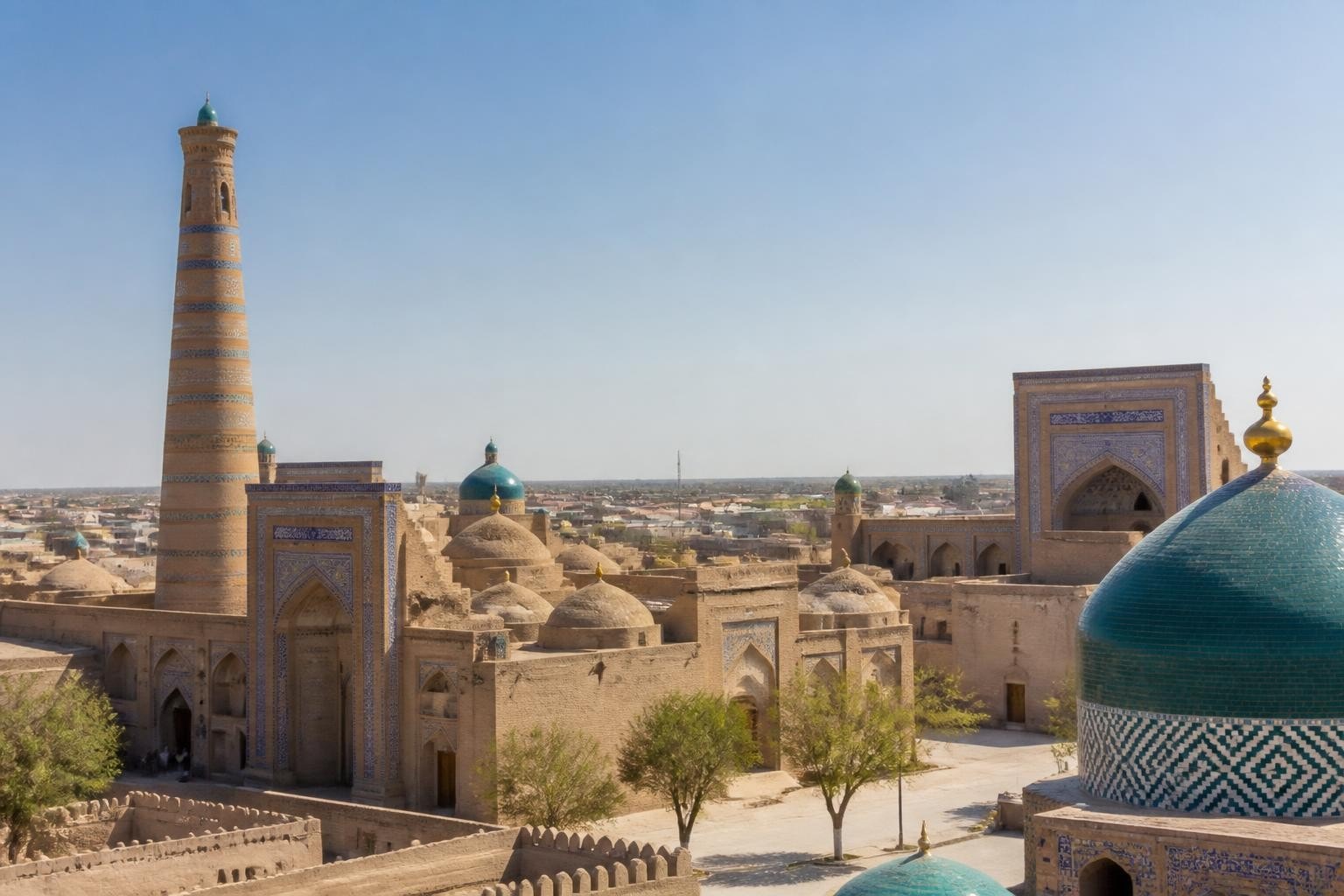
The ancient Silk Road wasn't just a single path but a vast network of trading routes stretching over 6,400 kilometres, connecting the East to the West through deserts, mountains, and bustling cities. Today, silk route travel offers modern explorers the chance to follow in the footsteps of merchants, pilgrims, and adventurers who once carried precious goods, ideas, and stories across continents. This journey through history reveals architectural marvels, cultural exchanges, and timeless traditions that shaped civilisations for over two millennia.
The Historic Significance of Silk Route Travel
Silk route travel takes you back to when camel caravans laden with Chinese silk, Indian spices, Persian carpets, and precious stones traversed some of the world's most challenging terrain. The route flourished between the 2nd century BCE and the 15th century CE, creating an extraordinary cultural melting pot.
The network facilitated far more than commerce. Buddhist monks carried sacred texts from India to China. Islamic scholars shared mathematical innovations. Artisans exchanged techniques for pottery, metalwork, and textile production. Each city along the route became a living museum of cross-cultural fertilisation.
Understanding the Major Routes
The Silk Road comprised several distinct pathways, each offering unique experiences for today's travellers:
- Northern Route: Passed through Central Asian steppes, connecting China to the Black Sea
- Southern Route: Traversed the Taklamakan Desert, linking oasis cities
- Maritime Route: Connected coastal ports from China to the Arabian Peninsula
- Trans-Tibetan Route: Wound through mountain passes in the Himalayas
The Central Asian corridor, passing through modern-day Uzbekistan, Kazakhstan, and Turkmenistan, served as the heart of this ancient network. Cities like Samarkand, Bukhara, and Merv became legendary centres of learning, commerce, and architectural splendour.
Planning Your Silk Route Travel Experience
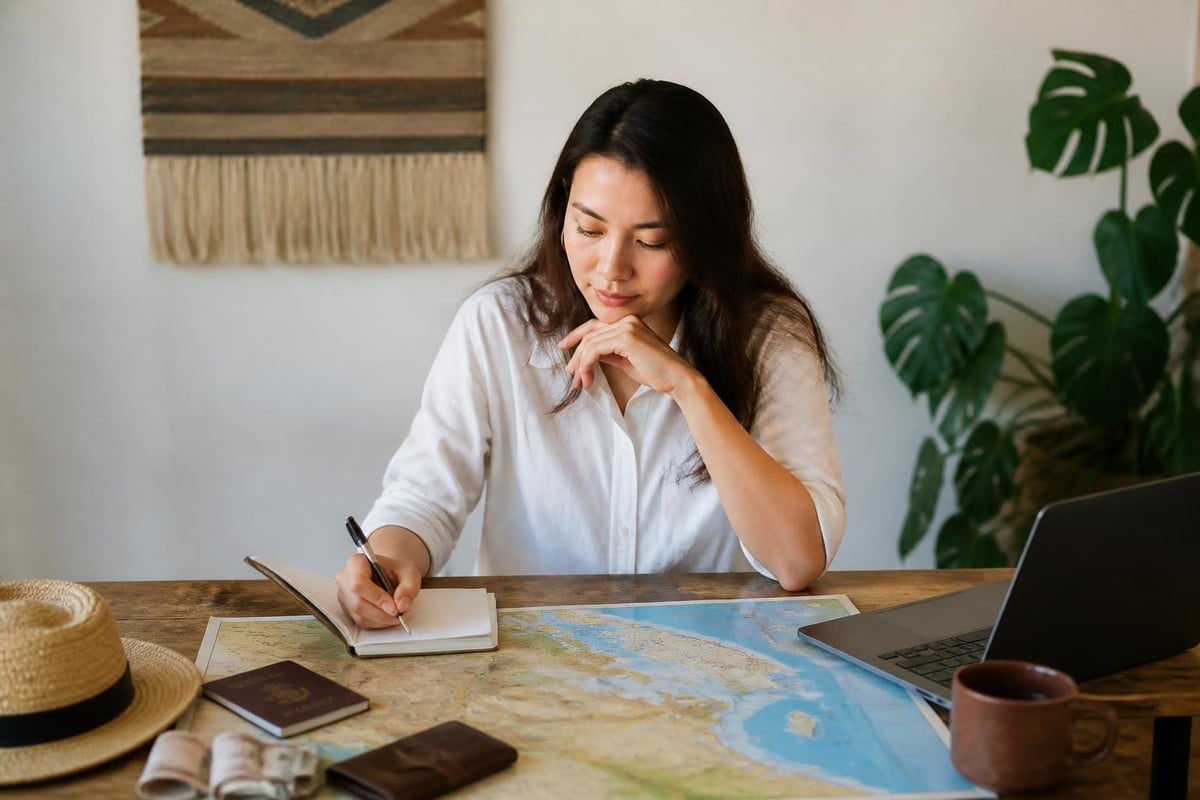
Modern silk route travel requires thoughtful preparation. The best time to explore Central Asian sections is during spring (April to June) or autumn (September to November), when temperatures remain comfortable and the landscapes burst with colour.
Practical Considerations
| Aspect | Details | Tips |
|---|---|---|
| Visas | Required for most Central Asian countries | Apply 4-6 weeks in advance |
| Currency | Local currencies vary by country | Carry USD or EUR for exchange |
| Language | Russian, Uzbek, Kazakh, Turkmen | Learn basic phrases or hire guides |
| Accommodation | Range from guesthouses to luxury hotels | Book heritage properties for authentic experiences |
| Transportation | Trains, buses, shared taxis | Embrace flexibility in schedules |
Your silk route travel adventure becomes richer when you engage local guides who understand the layered histories of each site. Walking tours provide intimate access to neighbourhood stories, hidden courtyards, and family-run workshops that large group tours often miss.
Samarkand: The Jewel of the Silk Road
No discussion of silk route travel would be complete without exploring Samarkand, the city that Alexander the Great described as "more beautiful than I ever imagined". This UNESCO World Heritage site served as a critical crossroads for traders, scholars, and conquerors throughout history.
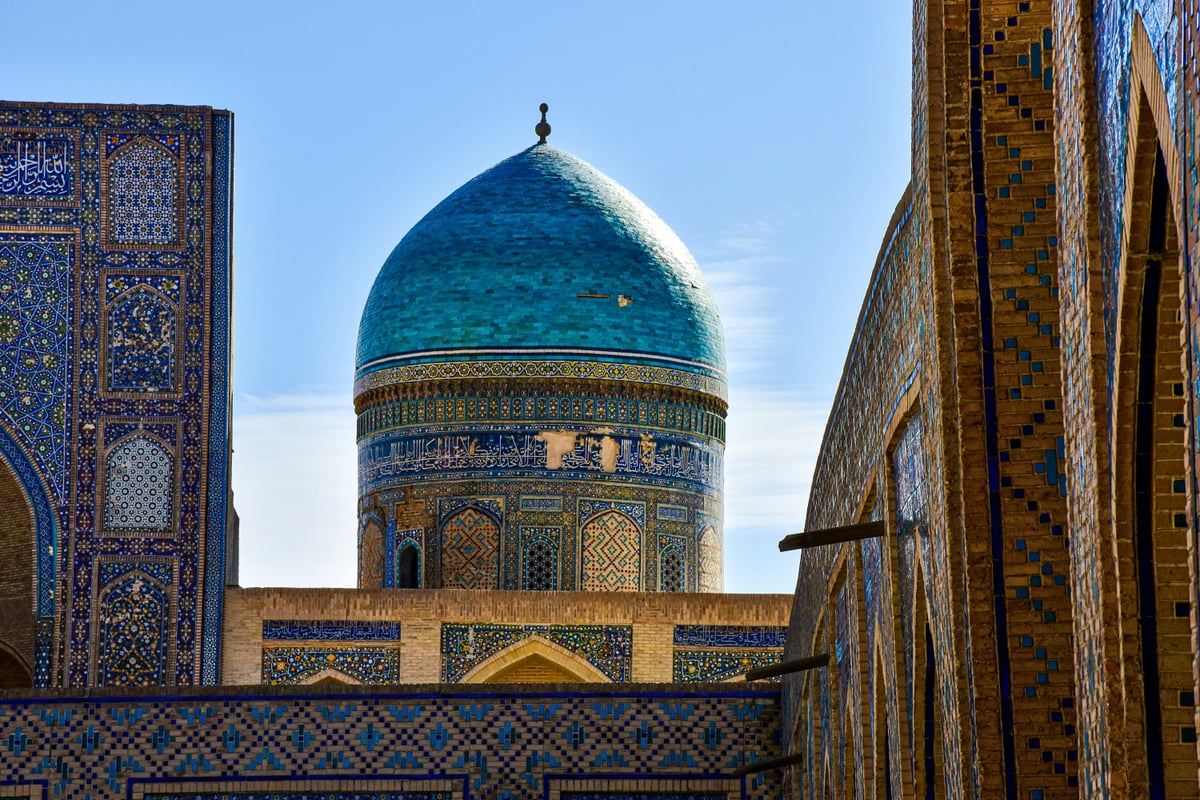
The Registan Square stands as perhaps the most iconic symbol of Central Asian architecture. Three madrasahs, built between the 15th and 17th centuries, showcase stunning tilework in turquoise, cobalt blue, and gold. The geometric patterns and calligraphic inscriptions demonstrate the mathematical sophistication and artistic vision of Timurid craftsmen.
Exploring Beyond the Monuments
Whilst the grand structures captivate first-time visitors, the authentic heart of Samarkand beats in its neighbourhoods and markets. The Siab Bazaar has operated continuously for centuries, offering everything from fresh pomegranates to hand-woven suzani textiles.
Taking a free walking tour will be a great opportunity to get acquainted with the local colour, traditions and sights that package tours often bypass. These guided excursions through Samarkand reveal how contemporary life continues to weave itself around ancient monuments, creating a living tapestry of past and present.
Walking through the old city's mahallas (neighbourhoods), you'll encounter:
- Artisan workshops where fifth-generation craftspeople create traditional ceramics
- Neighbourhood teahouses where locals gather for plov and conversation
- Historic caravanserais now converted into bustling craft centres
- Family courtyards with centuries-old mulberry trees
- Restored bathhouses showcasing traditional architectural techniques
The Cultural Treasures Along the Route
Silk route travel introduces you to cultural practices that have survived remarkably intact despite modernisation. The hospitality traditions of Central Asia reflect the route's trading heritage, when welcoming strangers meant survival in harsh landscapes.
Traditional Crafts and Their Stories
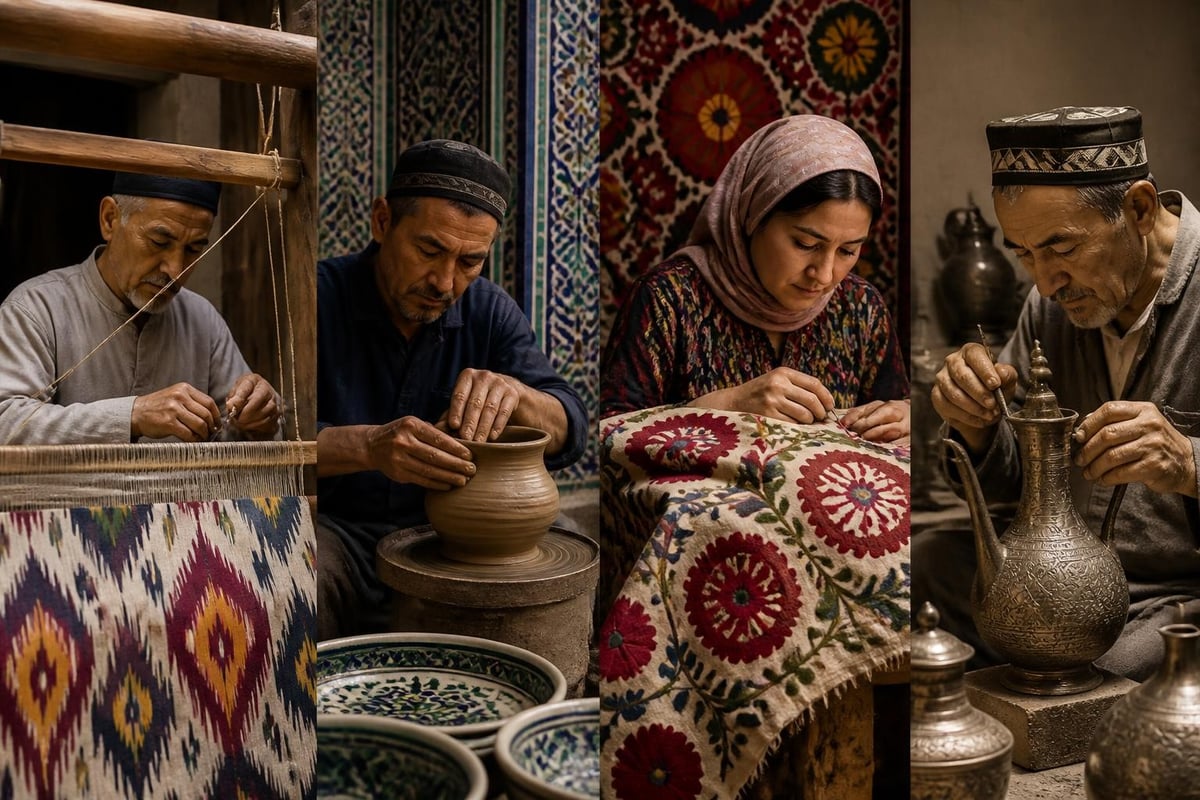
Each region along the Silk Road developed distinctive artistic traditions based on available materials and cultural influences:
Textile Arts
- Ikat weaving using resist-dye techniques
- Suzani embroidery featuring nature motifs
- Silk velvet production in Margilan
- Carpet weaving with geometric patterns specific to each tribe
Ceramics
- Blue and white pottery influenced by Chinese techniques
- Glazing methods developed in Persian workshops
- Modern interpretations honouring historical designs
Metalwork
- Engraved copper vessels for serving tea
- Silver jewellery incorporating semi-precious stones
- Bronze casting for architectural elements
These crafts weren't merely decorative. They represented currency, diplomatic gifts, and cultural identity markers. Today's artisans maintain these traditions whilst adapting to contemporary markets.
Culinary Journeys on the Silk Road
Food tells the story of silk route travel through flavours that merged along the trading paths. Central Asian cuisine blends Chinese, Persian, Turkish, Indian, and Russian influences into distinctive regional dishes.
Plov (pilaf) serves as the quintessential Silk Road dish, with each region claiming the definitive recipe. The Uzbek version combines rice, lamb, carrots, onions, and a carefully guarded blend of spices cooked slowly in a kazan (large cast-iron pot).
Must-Try Dishes
- Samsa: Baked pastries filled with lamb and onions, descended from Central Asian samosa
- Lagman: Hand-pulled noodles in savoury broth, showing Chinese influence
- Shashlik: Grilled meat skewers, variations found from Turkey to China
- Manti: Steamed dumplings with meat filling
- Naryn: Cold noodle dish with horse meat, traditional to nomadic cultures
Tea culture demonstrates the route's social dimensions. Green tea in summer, black tea in winter, always served with dried fruits, nuts, and sweets. The ritual of tea-drinking creates space for storytelling, business negotiations, and friendship formation.
Contemporary Silk Route Travel Routes
Planning silk route travel in 2026 offers unprecedented accessibility compared to even a decade ago. Improved infrastructure, international flights, and tourism development have opened previously challenging regions.
Popular Multi-Country Itineraries
Classic Central Asian Route (14-21 days)
- Uzbekistan: Tashkent, Samarkand, Bukhara, Khiva
- Turkmenistan: Ashgabat, ancient Merv
- Kazakhstan: Almaty, Turkestan
Extended Silk Road Journey (30+ days)
- Start in Xi'an, China
- Cross into Kyrgyzstan via Kashgar
- Continue through Uzbekistan
- End in Iran or Turkey
Focused Cultural Immersion (7-10 days)
- Base in Samarkand or Bukhara
- Daily excursions to nearby historical sites
- Workshop visits with local craftspeople
- Home-stays with local families
The focused approach allows deeper engagement with specific locations rather than rushing between countries. You'll have time to attend craft workshops, explore markets thoroughly, and develop meaningful connections with local communities.
Sustainable and Responsible Silk Route Travel
As silk route travel increases in popularity, travellers carry responsibility for preserving the cultural and environmental heritage of these ancient sites. Mass tourism threatens the very authenticity that draws visitors to the Silk Road.
Principles for Responsible Travel
Support Local Economies Directly
Purchase crafts from artisans rather than tourist shops. Eat at family-run restaurants. Choose locally owned guesthouses over international chains.
Respect Cultural Norms
Dress modestly when visiting religious sites. Ask permission before photographing people. Learn basic greetings in local languages.
Minimise Environmental Impact
Carry reusable water bottles. Avoid single-use plastics. Choose walking or public transport when possible.
| Practice | Impact | Alternative |
|---|---|---|
| Large tour groups | Overcrowding at sites | Small group or private tours |
| Imported goods | Reduced local benefit | Locally produced souvenirs |
| Photography without permission | Cultural insensitivity | Respectful interaction first |
| Skipping guides | Missed context and stories | Engaging knowledgeable local guides |
Free walking tour initiatives represent sustainable tourism models. They provide accessible cultural education whilst supporting local economies through voluntary contributions and recommendations for locally owned businesses.
The Living Legacy of the Silk Road
What makes silk route travel compelling in 2026 isn't just visiting ancient ruins or photographing beautiful architecture. It's experiencing how these trading route traditions continue influencing contemporary life throughout Central Asia.
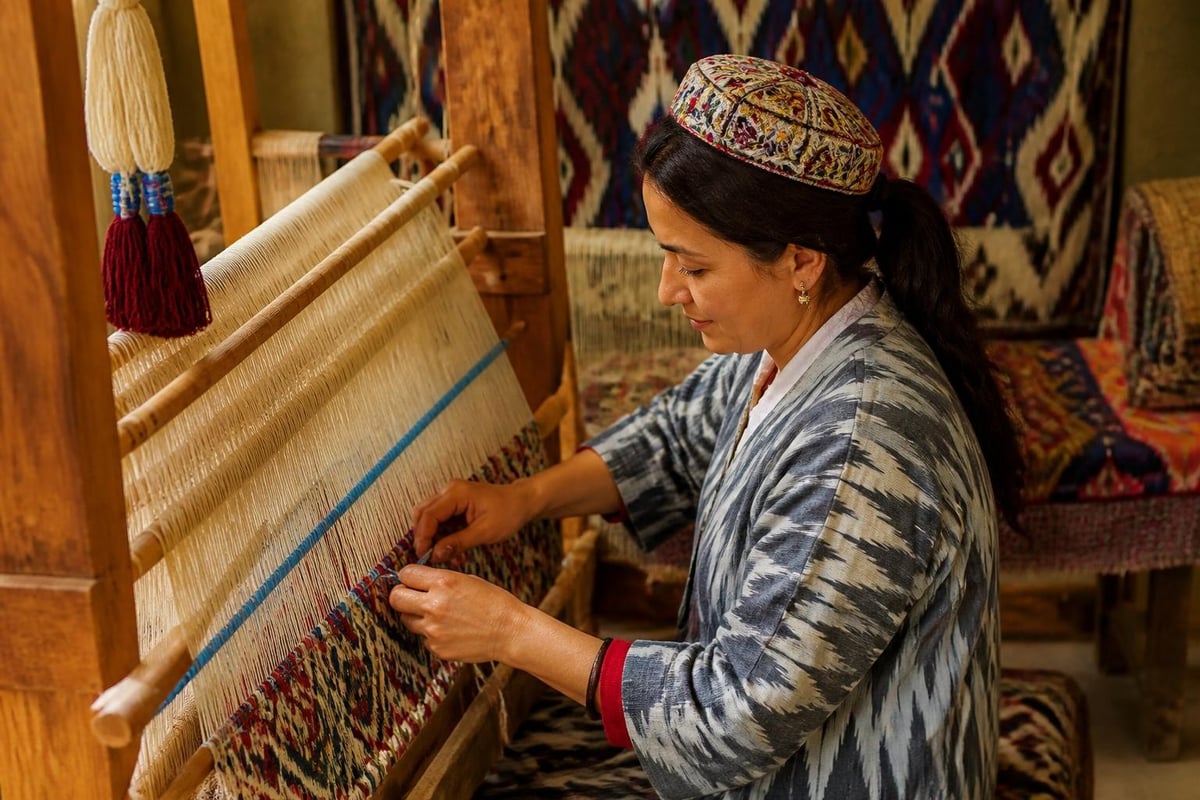
In Samarkand's old city, you might watch a master potter using techniques passed down through twenty generations, then see his daughter marketing those ceramics through Instagram to international buyers. Traditional music performances incorporate modern instruments whilst maintaining classical maqam structures. Restored caravanserais now house contemporary art galleries alongside traditional craft workshops.
Modern Connections to Ancient Routes
The Belt and Road Initiative launched by China in 2013 explicitly references the historic Silk Road, proposing new infrastructure connections between Asia, Europe, and Africa. This modern interpretation focuses on railways, highways, and digital networks rather than camel caravans, yet it acknowledges the enduring relevance of cross-cultural exchange.
For travellers, this means improved connectivity. High-speed trains now link major Uzbek cities. New airports reduce journey times. Digital payment systems simplify transactions. Yet these conveniences shouldn't distance you from authentic encounters that define meaningful silk route travel.
Preparing for Your Journey
Successful silk route travel balances preparation with openness to unexpected experiences. Research historical context before departure, but remain flexible when opportunities arise for unplanned detours or local invitations.
Essential Pre-Trip Research
- Read historical accounts from Marco Polo, Ibn Battuta, and other Silk Road travellers
- Study basic architectural terminology to appreciate building techniques
- Learn about regional variations in Islamic art and design
- Understand the Timurid Empire's influence on Central Asian culture
Packing Considerations
- Lightweight, modest clothing suitable for varying temperatures
- Comfortable walking shoes for cobblestone streets
- Sun protection for desert climates
- Journal for recording stories and impressions
- Small gifts from your home country for hosts
The stories you'll collect during silk route travel extend far beyond typical tourist experiences. A conversation with a suzani embroiderer about symbolism in traditional patterns. Tea shared with a family in their courtyard. The call to prayer echoing across ancient madrasah courtyards at sunset. These moments create lasting connections to places and people along the route.
Silk route travel offers more than a holiday; it provides a journey through human history's most significant cross-cultural exchange network. The stories, architecture, crafts, and traditions you'll encounter represent millennia of connection between civilisations. Whether you're exploring for days or weeks, engaging deeply with local culture transforms sightseeing into genuine understanding. Visit Samarkand connects you with the authentic spirit of the Silk Road through walking tours led by passionate local guides who bring centuries of history to life in the streets where it unfolded. Start planning your own silk route adventure today and become part of this continuing story of discovery.