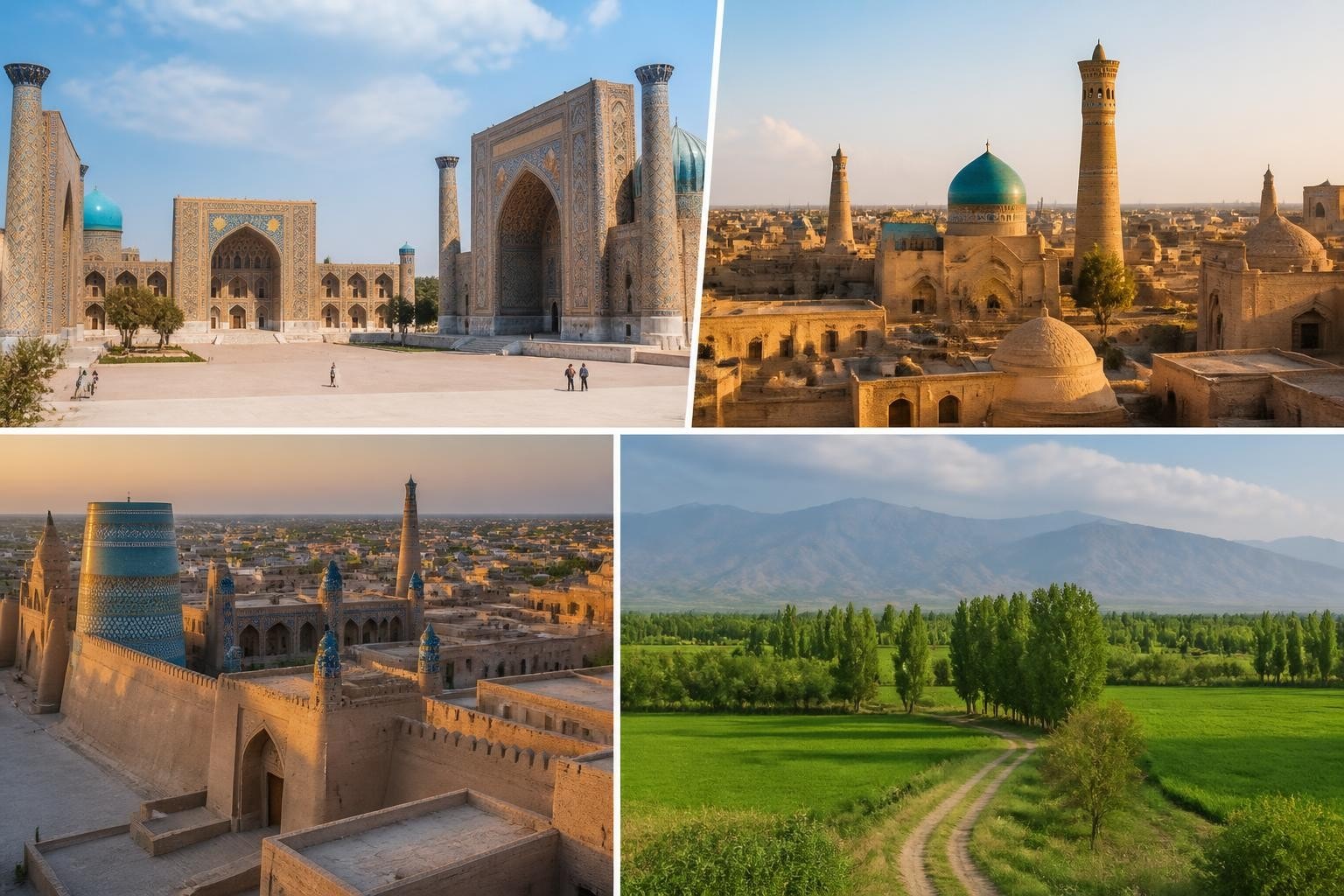
When I first stepped off the Afrosiyob high-speed train in Samarkand, the azure domes rising against the desert sky took my breath away. This moment marked the beginning of an extraordinary journey through one of Central Asia's most captivating countries. From the bustling bazaars of Tashkent to the remote fortresses of Karakalpakstan, the places to visit in Uzbekistan reveal layers of history that few destinations can match. This ancient crossroads of civilizations continues to enchant modern travellers with its architectural marvels, warm hospitality, and stories woven into every cobblestone and tile.
The Jewel of the Silk Road: Samarkand
Samarkand stands as the crown jewel amongst all places to visit in Uzbekistan, and for compelling reasons that unfold with every step through its storied streets.
The Registan Square commands attention immediately. Three madrasahs-Ulugh Beg, Sher-Dor, and Tilya-Kori-frame this monumental ensemble, their facades adorned with geometric patterns and calligraphy that shimmer in the changing light. I watched as sunset painted the ancient tiles in shades of amber and gold, transforming the square into something almost otherworldly.
Beyond the famous square, Samarkand reveals deeper treasures:
- Shah-i-Zinda necropolis, where successive generations built mausoleums climbing up a hill
- Bibi-Khanym Mosque, once the largest in Central Asia, still imposing despite centuries of earthquakes
- Gur-e-Amir mausoleum, the final resting place of Timur himself
- Ulugh Beg Observatory, testament to medieval astronomical sophistication
- Afrasiyab Museum, housing pre-Mongol frescoes that predate the city we see today
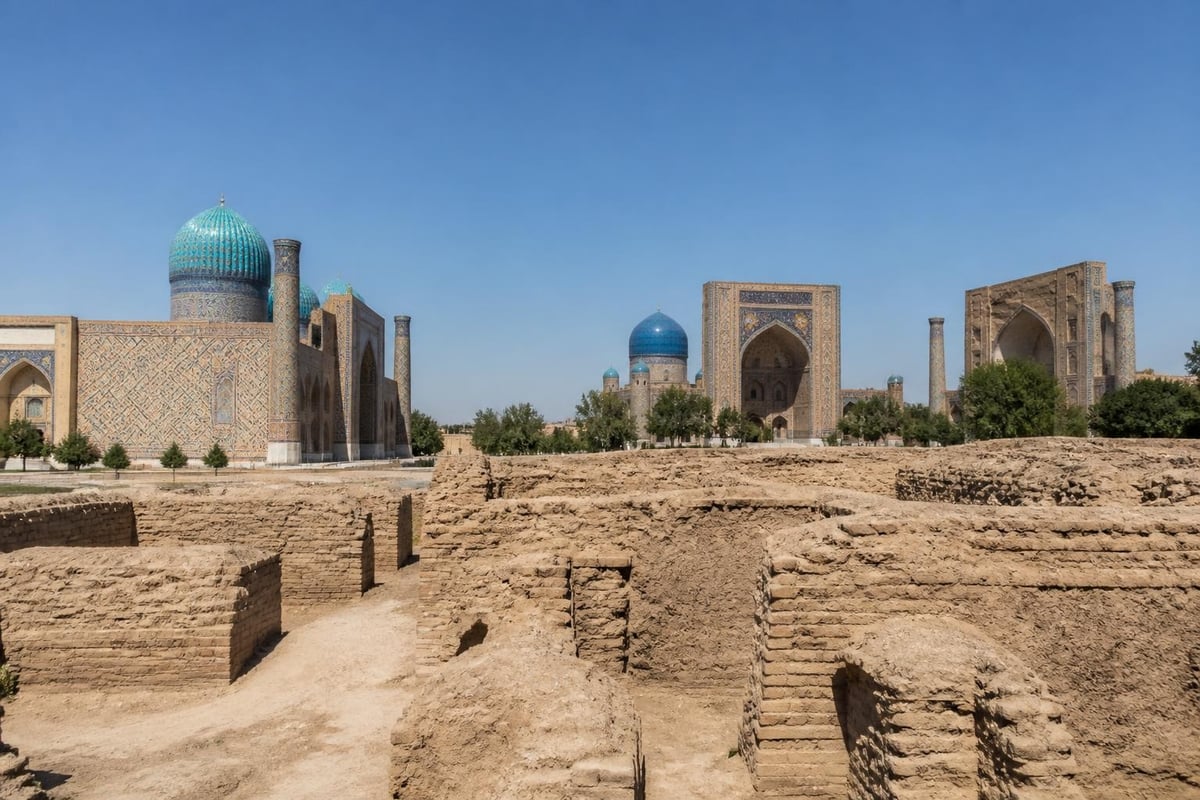
Walking through these sites with a knowledgeable guide transforms marble and majolica into narratives. Free Sight seeing of Samarkand tours provide exactly this opportunity-local experts share legends and historical context that bring the city's past into vivid focus, making Samarkand accessible to every visitor regardless of budget.
Getting Around Samarkand
The city's compact historic centre makes exploration manageable on foot, though summer heat demands an early start. The train connections between major Uzbek cities make Samarkand an easy addition to any itinerary, with the modern Afrosiyob service covering the distance from Tashkent in just over two hours.
Bukhara: The City Museums Call Home
If Samarkand dazzles with grandeur, Bukhara captivates through intimacy. The entire old town functions as a living museum, one of the most atmospheric places to visit in Uzbekistan.
The Ark fortress dominates the western edge of the historic centre, its massive earthen walls concealing centuries of dynastic intrigue. I spent an afternoon wandering the ramparts, imagining the view as medieval rulers saw it-a city of domes and minarets stretching toward the desert.
| Attraction | Era | Highlight |
|---|---|---|
| Kalon Minaret | 1127 | Survived Genghis Khan's destruction |
| Poi-Kalyan Complex | 12th-16th c. | Minaret, mosque, and madrasah ensemble |
| Lyab-i Hauz | 1620 | Central plaza with reflecting pool |
| Trading Domes | 16th c. | Covered bazaars organized by craft |
The charm of Bukhara lies in its details:
Walking through the trading domes-Toki Zargaron for jewellers, Toki Telpak Furushon for hat-makers-you encounter craftspeople continuing traditions their ancestors practised on the same spots centuries ago. The rhythm of copper being hammered, silk being woven, and ceramics being glazed creates a soundtrack unique to this place.
The Chor-Minor madrasah, with its four eccentric towers, sits in a quiet residential neighbourhood. Finding it requires navigating narrow lanes where children play and neighbours chat over courtyard walls, offering glimpses of daily life that the main monuments cannot provide.
Khiva: A Fortress Frozen in Time
Among the places to visit in Uzbekistan, Khiva presents the most complete medieval Central Asian cityscape still standing. The Itchan Kala fortress walls enclose roughly fifty monuments within two square kilometres, creating an immersive historical experience.
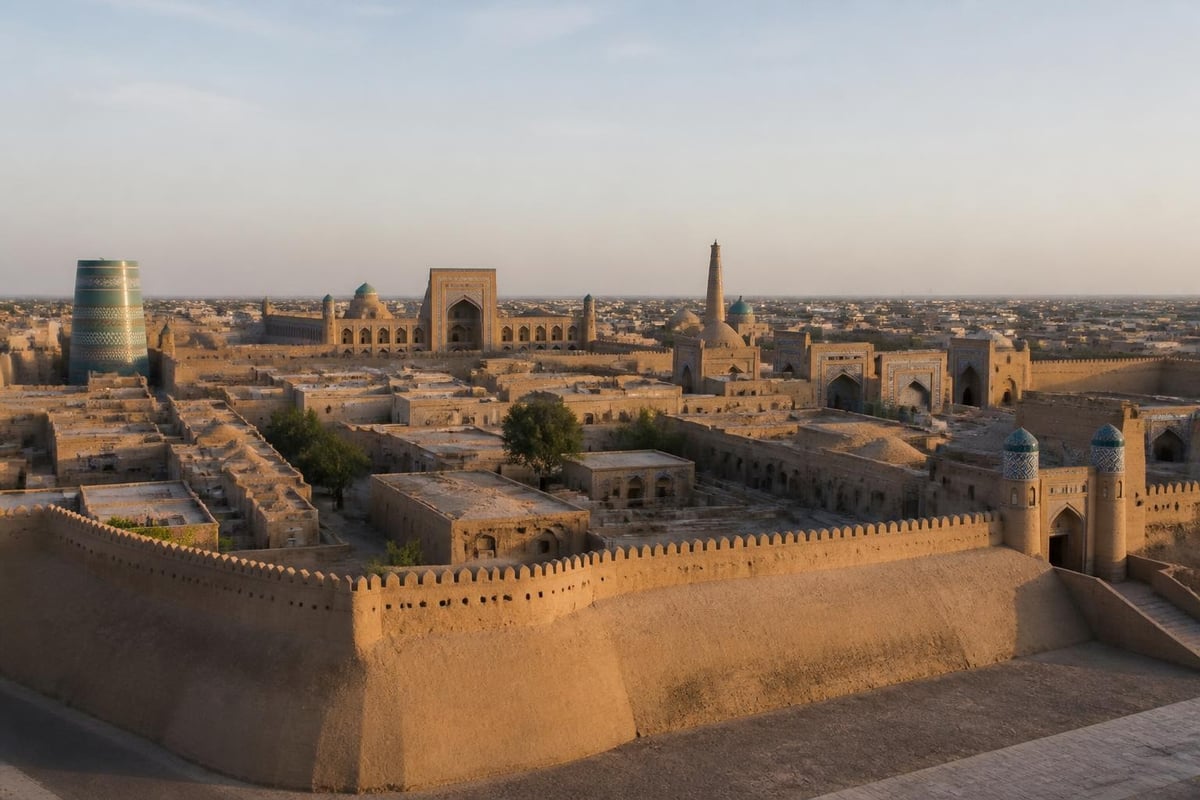
I climbed the Islam Khoja minaret at dawn, watching light creep across the terracotta rooftops and illuminate the blue-tiled Kalta Minor tower. From this vantage point, Khiva's logic becomes clear-madrasahs for education, caravanserais for commerce, palaces for power, all interconnected through lanes designed for foot traffic and pack animals.
The Tash Hauli palace showcases the zenith of Khivan decorative arts. Room after room displays carved wood, majolica tilework, and intricate ganch (carved plaster) in patterns that never repeat. The harem quarters, with their series of courtyards, illustrate how architecture served social structures in nineteenth-century Central Asia.
Practical Khiva Considerations
This smallest of Uzbekistan's major cities rewards slow exploration. Stay inside the fortress walls to experience the atmosphere after day-trippers depart. Evening light transforms the monuments, and morning reveals them before crowds gather.
Tashkent: Where Soviet Meets Silk Road
As Uzbekistan's capital, Tashkent offers a different flavour amongst places to visit in Uzbekistan-a twentieth-century Soviet city built atop ancient Silk Road foundations.
The 1966 earthquake destroyed much of historic Tashkent, yet fragments survived. The Khast Imam complex in the old town preserves several sixteenth-century buildings, including the library housing the Uthman Quran, reputedly the world's oldest existing Quran.
Modern Tashkent reveals itself through contrasts:
- Soviet-era Metro stations adorned with chandeliers and themed decorations
- Chorsu Bazaar's soaring blue dome covering mountains of dried fruits and spices
- Amir Timur Museum's contemporary architecture celebrating medieval history
- Broadway pedestrian street connecting Independence Square to Amir Timur Square
- Minor Mosque, a new building in traditional style completed in 2014
The city serves as most visitors' entry point, and National Geographic highlights how Uzbekistan has developed its tourism infrastructure in recent years, with Tashkent leading these improvements. The capital's restaurants, cafés, and hotels offer comfort that prepares or recovers travellers from adventures in more remote destinations.
The Fergana Valley: Craft Traditions Continue
Few international visitors include the Fergana Valley when listing places to visit in Uzbekistan, yet this oversight means missing some of the country's most authentic cultural experiences.
This fertile crescent, hemmed by mountains, has sustained civilizations for millennia. Today it remains Uzbekistan's most densely populated region, famous for specific crafts practiced nowhere else.
The valley's craft centres each specialise:
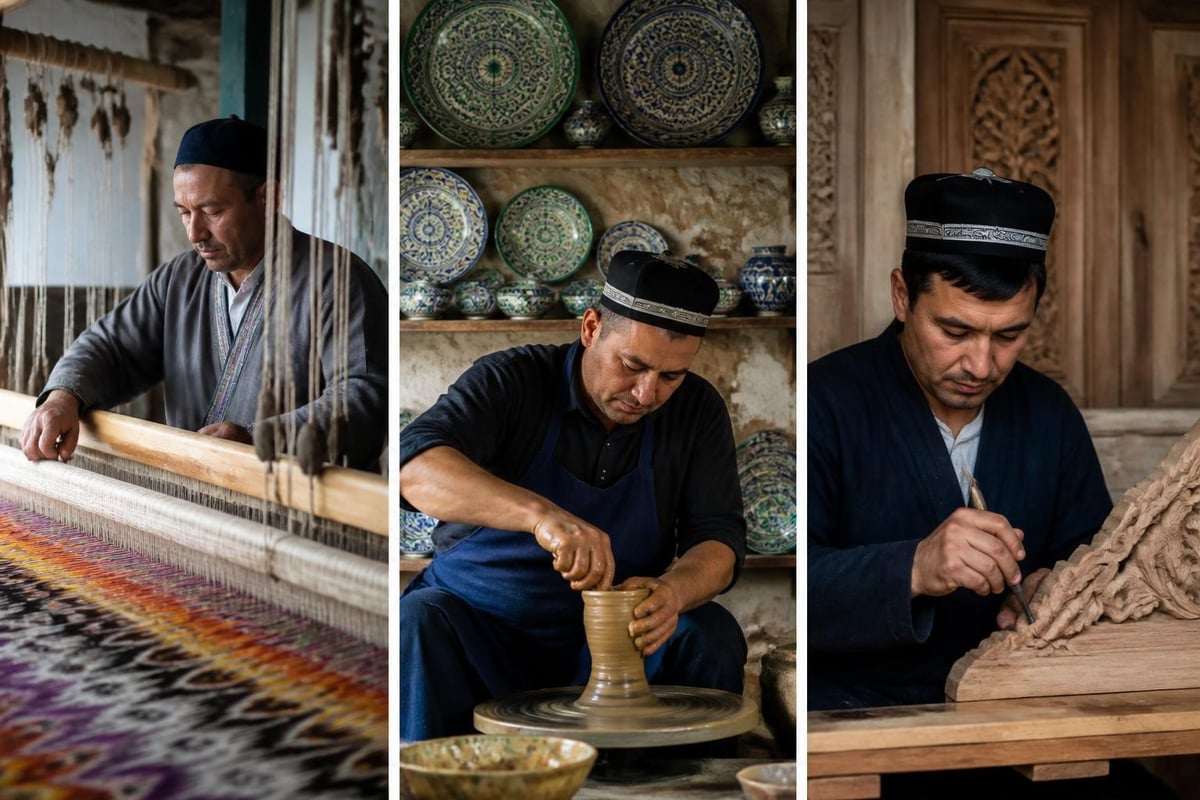
- Margilan: Silk production using traditional methods at Yodgorlik factory
- Rishtan: Distinctive blue-glazed ceramics shaped and painted by master craftspeople
- Kokand: Nineteenth-century Khudoyar Khan Palace showcasing Khivan influence
- Andijan: Birthplace of Babur, founder of India's Mughal Empire
The official tourism portal details the Fergana Valley’s attractions, including opportunities to watch silk being extracted from cocoons, observe potters throwing clay on wheels, and visit workshops where suzani embroidery continues as both art and livelihood.
I spent two days in Margilan, watching silk weavers create ikat patterns through a resist-dyeing process so complex it takes years to master. The Yodgorlik Silk Factory maintains traditional techniques whilst producing fabrics sold worldwide, demonstrating how heritage crafts adapt to contemporary markets.
Beyond the Main Circuit: Lesser-Known Destinations
Adventurous travellers discover that the best places to visit in Uzbekistan extend far beyond the classic quartet of Samarkand, Bukhara, Khiva, and Tashkent.
Shakhrisabz
Timur's birthplace, two hours south of Samarkand, contains the ruins of his Ak-Saray Palace. The entrance portal still stands forty metres high, bearing an inscription: "If you doubt our power, look at our buildings." The scale of what remains suggests the original palace was more magnificent than anything surviving in Samarkand.
Termez
On the Afghan border, Termez reveals Uzbekistan's Buddhist past. The Fayaz-Tepe monastery complex and archaeological museum display artifacts from when this region connected Indian and Chinese Buddhist traditions along the Silk Road.
Nurata and Aydar Lake
This combination offers nature alongside history. The Nurata mountains contain Alexander's fortress and sacred springs, whilst nearby Aydar Lake-actually a reservoir created by Soviet engineering-provides swimming, camping, and yurt stays in a desert setting.
The Aral Sea
Once the world's fourth-largest lake, the Aral Sea's catastrophic shrinking stands as one of history's greatest environmental disasters. Visiting the ship graveyard at Moynaq-where fishing vessels rust on sand hundreds of kilometres from water-confronts visitors with the consequences of Soviet-era cotton irrigation projects.
Planning Your Journey Through Uzbekistan
Planning a comprehensive Uzbekistan itinerary requires balancing major sites with travel time, local transport, and seasonal considerations.
Seasonal factors influence your experience:
| Season | Advantages | Challenges |
|---|---|---|
| Spring (Apr-May) | Mild weather, fruit blossoms | Occasional rain |
| Summer (Jun-Aug) | Long days, all sites accessible | Extreme heat (40°C+) |
| Autumn (Sep-Oct) | Perfect weather, harvest season | Peak crowds |
| Winter (Nov-Mar) | Empty sites, clear skies | Cold, some mountain passes closed |
The official Uzbekistan Railways operates efficient services connecting major destinations. The Afrosiyob high-speed train makes travelling between Tashkent, Samarkand, and Bukhara comfortable and quick. Overnight trains serve longer routes to Khiva and Urgench.
For those venturing beyond railway connections, shared taxis offer flexibility. Drivers congregate at designated points in each city, departing when full. This system lacks the comfort of private transport but provides authentic interaction with local travellers.
Immersing in Uzbek Culture
The places to visit in Uzbekistan gain depth through cultural engagement that extends beyond monuments and museums.
Uzbek hospitality manifests most clearly during meals. Whether sharing plov (the national dish of rice, meat, and vegetables cooked in one pot) at a family table or sampling manti (steamed dumplings) at a chaikhana teahouse, food opens conversations and connections.
Learning basic Russian or Uzbek phrases transforms interactions. While younger people in tourist areas speak English, attempts at local language-even just "rahmat" (thank you) or "xayr" (goodbye)-elicit warm responses.
Attending performances of traditional music and dance reveals another dimension of Uzbek culture. The haunting sound of a dutar (two-stringed lute) or the complex rhythms of doira (frame drum) connect contemporary Uzbekistan to its Silk Road heritage.
Cultural etiquette smooths your journey:
- Remove shoes before entering homes and some historic buildings
- Dress modestly when visiting religious sites
- Ask permission before photographing people, especially women
- Use your right hand when giving or receiving items
- Accept tea when offered-refusing appears rude
Practical Tips for Independent Travellers
Exploring the places to visit in Uzbekistan independently has become significantly easier following visa liberalisation and infrastructure improvements.
Most Western nationals now receive thirty-day visa-free entry. This reform, implemented in recent years, removed one of Central Asia's most significant travel barriers.
Currency matters require attention. The Uzbek som trades at approximately 12,500 to one US dollar (rates fluctuate). ATMs exist in major cities, though carrying some dollars or euros provides backup. Small denominations prove useful in rural areas and bazaars.
Accommodation ranges from Soviet-era hotels to boutique properties in restored historic buildings. In Samarkand, Bukhara, and Khiva, guesthouses operated by local families offer authentic experiences and insider knowledge about lesser-known sites.
Internet connectivity reaches all major destinations, with cafés and restaurants offering Wi-Fi. Local SIM cards with data packages cost minimal amounts and activate immediately, providing navigation and translation assistance throughout your journey.
The Changing Face of Uzbek Tourism
Recent years have witnessed dramatic changes in how visitors experience places to visit in Uzbekistan. The government's focus on tourism development has simplified logistics whilst investment in restoration and interpretation has enhanced the visitor experience.
New hotels, restaurants, and tour operators have emerged to serve growing visitor numbers. This development brings both opportunities and challenges-increased accessibility risks diluting authenticity, yet without infrastructure, remarkable places remain inaccessible to all but the most determined travellers.
The balance between preservation and development plays out differently in each destination. Khiva sometimes feels more museum than living city, whilst parts of Bukhara's old town maintain residential character alongside tourist facilities. Samarkand navigates between its role as a working provincial capital and showcase for Uzbekistan's Timurid heritage.
These tensions create the dynamic environment that makes Uzbekistan fascinating beyond its architectural splendours. Visiting now captures a moment of transition, when the country opens to the world whilst negotiating how much of itself to share and how much to protect.
From the turquoise domes of Samarkand to the silent fortresses guarding desert roads, Uzbekistan rewards every visitor with discoveries that resonate long after departure. The places to visit in Uzbekistan tell stories that shaped not just Central Asia but the broader sweep of human civilization along the Silk Road. Whether you're drawn to architectural masterpieces, authentic cultural encounters, or simply the adventure of exploring a destination still finding its place on the global tourism map, this remarkable country delivers experiences that transform how you understand history, hospitality, and the enduring legacy of ancient trade routes. Visit Samarkand offers the perfect starting point for your journey, with expert guides revealing the layers of history and culture that make this city-and this country-truly unforgettable.