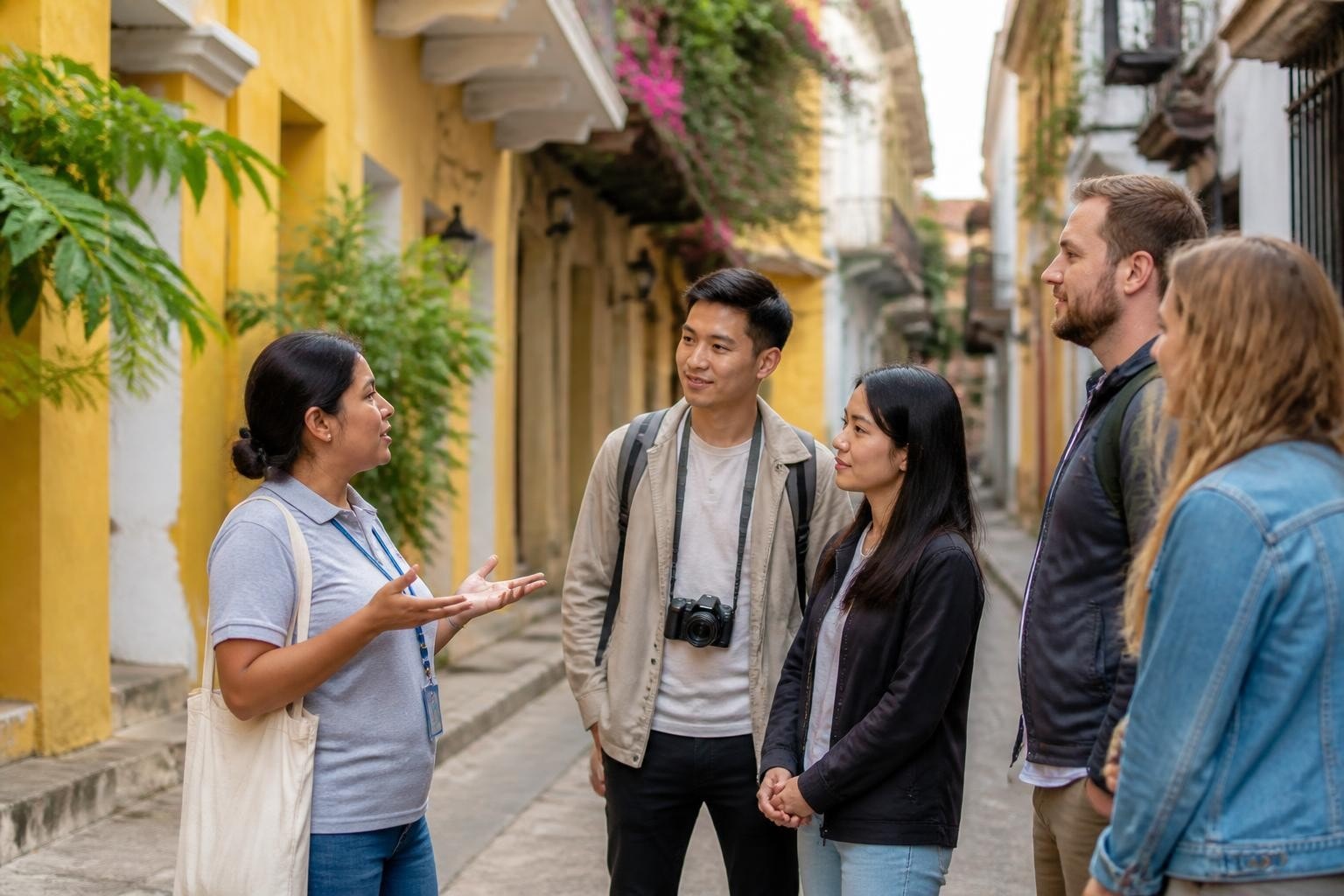
The morning sun cast long shadows across the ancient marketplace as Maria joined a small group of strangers, all clutching photocopied maps and curious expressions. Their guide, a university student with encyclopaedic knowledge of the city's forgotten corners, gestured toward a crumbling archway. "This is where our story begins," he said. This scene plays out thousands of times daily across the globe, as walkabout free tours have revolutionized how we discover cities, transforming casual visitors into engaged explorers without the barrier of upfront costs.
The Revolution That Changed City Exploration
Walkabout free tours emerged from a simple yet radical idea: what if anyone could access expert local knowledge without paying beforehand? The concept gained momentum in the early 2000s, when backpackers and budget-conscious travellers sought authentic experiences beyond guidebook recommendations.
Unlike traditional paid tours with fixed prices, these excursions operate on a tip-based model. Participants pay what they feel the experience was worth at the end, creating a unique dynamic where guides must genuinely earn their compensation through storytelling, knowledge, and connection.
The Birth of a Movement
The free tour phenomenon began in Berlin, where young locals started showing visitors around their reunified city. They shared personal stories, historical context, and insider perspectives that no commercial operator could replicate. Word spread rapidly through hostel networks and early travel forums.
Key factors that fuelled the growth:
- Authentic local perspectives versus scripted corporate narratives
- Financial accessibility for students and budget travellers
- Social media amplification and traveller reviews
- Economic opportunities for multilingual locals
- Peer-to-peer recommendation culture
By 2010, walkabout free tours had spread to major European capitals, then to Asia, Latin America, and beyond. Each city developed its own flavour, its own cast of charismatic guides, its own network of hidden gems waiting to be discovered.
Why Travellers Choose the Walkabout Experience
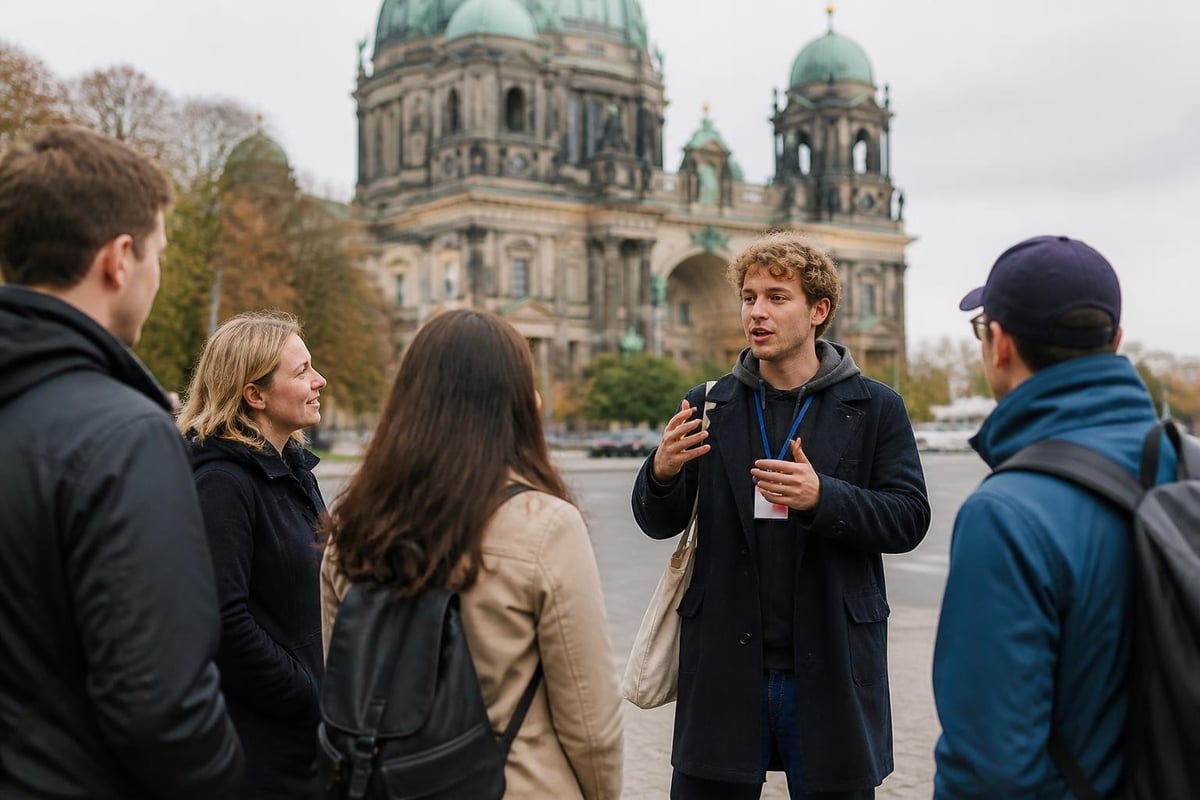
Sarah had visited twelve countries in three months. She'd paid for museum entries, guided excursions, and transport passes. But the moments she remembered most vividly were those three-hour morning walks through Prague, Lisbon, and Barcelona, each led by passionate locals who worked for tips alone.
The appeal transcends mere economics. When you join walkabout free tours, you're entering a social contract built on mutual respect. The guide knows their payment depends on delivering value. You, the traveller, know you're receiving knowledge freely given, creating a psychological shift from consumer to participant.
The Trust Factor
Traditional tourism often feels transactional. You pay £50, receive two hours of information, and part ways. Free tours eliminate this commercial barrier, allowing authentic relationships to form during the journey.
Guides share recommendations you won't find online. They point out the café where locals actually eat, the park where families gather on Sundays, the bookshop that hosts poetry readings. This insider knowledge carries immense value precisely because it isn't commodified.
| Traditional Paid Tours | Walkabout Free Tours |
|---|---|
| Fixed price upfront | Payment based on experience |
| Scripted presentations | Personalised storytelling |
| Large commercial groups | Smaller, intimate gatherings |
| Focus on major landmarks | Balance of famous and hidden sites |
| One-way information flow | Interactive conversations |
The contemporary challenges in destination management include balancing tourism growth with local quality of life, a tension that free tours navigate by emphasising cultural exchange over pure consumption.
The Guide's Perspective: Passion Meets Profession
Marco had finished his history degree with no clear career path. Teaching positions were scarce, museum roles competitive. Then a friend suggested he try leading free tours of his hometown's medieval quarter. Three years later, he was supporting himself entirely through tips, meeting people from six continents weekly.
Building a Career on Stories
Successful free tour guides develop distinctive styles. Some adopt theatrical personas, others favour academic depth. The best blend entertainment with education, reading their audience and adjusting their narrative accordingly.
Essential skills for walkabout free tour guides:
- Deep local and historical knowledge
- Public speaking and crowd management
- Language proficiency (often multiple languages)
- Weather adaptability and route flexibility
- Emotional intelligence and cultural sensitivity
- Stamina for daily walking in all conditions
The income varies dramatically. In popular tourist cities during peak season, experienced guides can earn more than many traditional jobs. During winter months or economic downturns, earnings plummet. This precarity shapes the industry, with guides often juggling other work or transitioning between cities seasonally.
The Hidden Economics of "Free"
Nothing is truly free, of course. Walkabout free tours operate within complex economic ecosystems that deserve scrutiny. Companies organizing these excursions invest in marketing, booking platforms, and guide recruitment. They recoup costs through various channels.
Many operators upsell paid tours, pub crawls, or food experiences to free tour participants. Others partner with local businesses, receiving commissions when guides recommend specific restaurants or shops. Some cities have introduced regulations, as tourist guides advocate for sustainable coexistence models between locals and visitors.
The Tipping Culture Dilemma
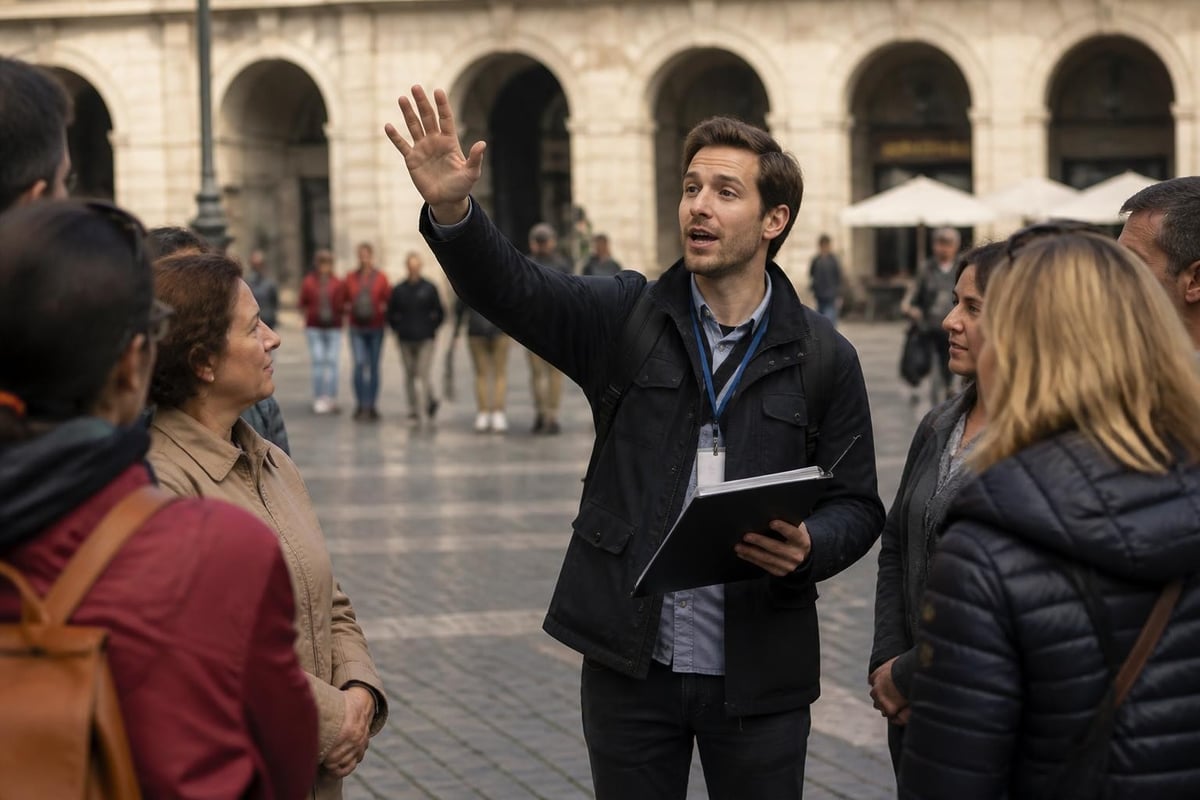
How much should you tip? This question generates endless debate. In Western Europe, €10-15 per person for a three-hour tour is common. In Southeast Asia, expectations might be lower. American travellers often tip more generously; others less so.
Factors influencing tip amounts:
- Tour quality and guide engagement
- Group size and personal attention
- Weather conditions endured
- Traveller's budget and home culture
- Length and comprehensiveness of tour
The ambiguity creates stress for both guides and participants. Unlike restaurant tipping with established percentages, free tour compensation remains subjective, sometimes leading to guides receiving inadequate payment for skilled work.
Cultural Impact: Beyond Tourism Revenue
Elena had lived in her city for forty years, walking the same streets daily. One afternoon, curious about what tourists saw in her neighbourhood, she joined a free walking tour. The guide pointed out architectural details she'd never noticed, shared histories she'd never learned. She finished the tour seeing her home through fresh eyes.
This story illustrates walkabout free tours' profound cultural dimension. They don't simply extract value from places; they can deepen both visitor and resident appreciation for shared spaces. When executed thoughtfully, they foster genuine cultural exchange.
The Authenticity Question
Critics argue that free tours commodify local culture, turning lived experience into performative spectacle. Guides might emphasise quirky anecdotes over complex realities, or skip uncomfortable histories in favour of entertaining narratives.
Yet defenders counter that walkabout free tours democratise knowledge previously available only to wealthy visitors who could afford private guides or expensive excursions. They create economic opportunities for locals who possess cultural capital but lack formal tourism credentials.
The market entry guidance for walking tourism emphasises buyer requirements and quality standards, though free tours often operate outside traditional industry frameworks.
Regulatory Challenges and Future Directions
Barcelona, Prague, and Rome have all grappled with regulating free tours. Some cities require licenses, limit group sizes, or restrict where tours can operate. The Scottish government’s consultation on visitor management includes international examples of policy responses to tourism pressure, relevant to destinations managing free tour proliferation.
Common regulatory approaches:
- Licensing requirements: Guides must demonstrate knowledge and obtain permits
- Group size limits: Preventing large crowds blocking pavements or sites
- Acoustic restrictions: Banning amplification devices in sensitive areas
- Time-slot management: Coordinating tours to reduce congestion
- Quality standards: Enforcing minimum professional requirements
These regulations attempt to balance tourist access with resident quality of life, a tension likely to intensify as urban tourism grows.
Technology and Evolution
Mobile apps now offer self-guided "free" tours, challenging the human guide model. Virtual reality experiences promise to transport people to distant cities without travel. Yet walkabout free tours persist because they offer something technology cannot replicate: spontaneous human connection.
The next generation might blend approaches, with augmented reality enhancing guide narratives, or blockchain-based tipping systems ensuring fair compensation. Whatever emerges, the core appeal will likely endure-the magic of walking alongside someone who loves their city and wants to share it.
Choosing the Right Tour: A Traveller's Guide
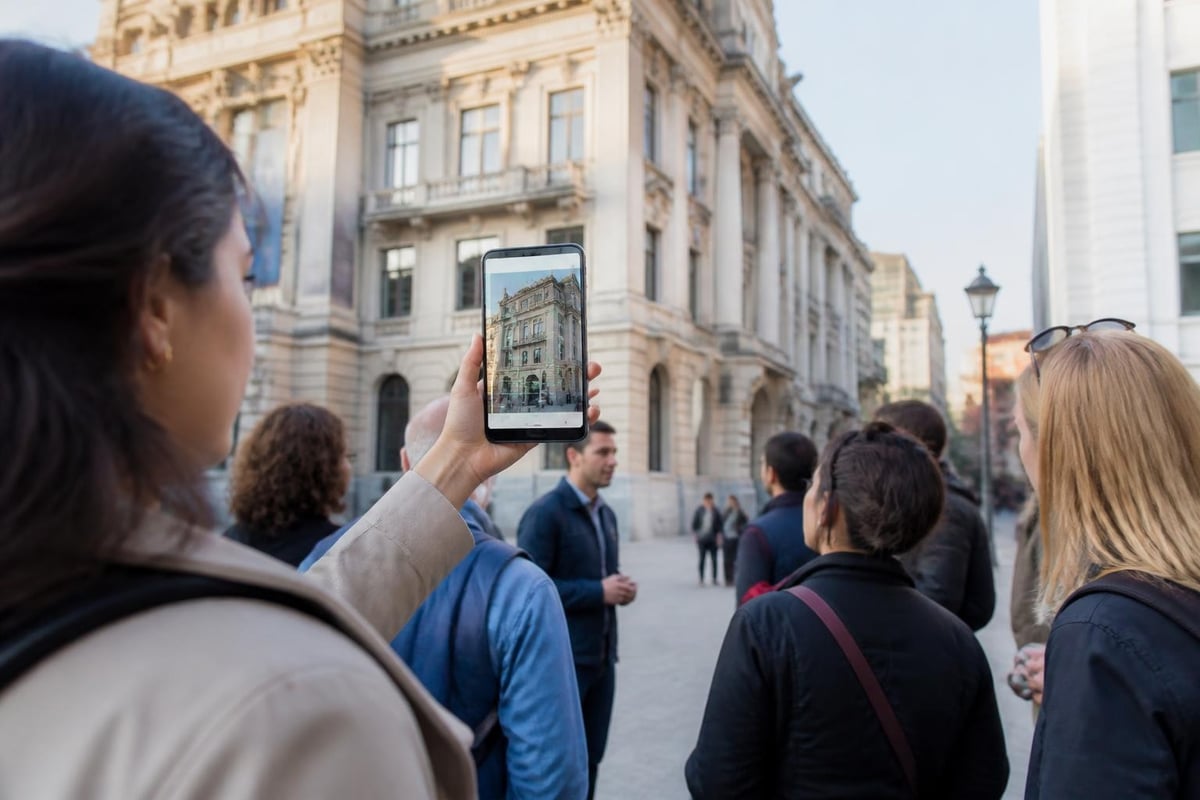
Not all free tours are created equal. Veteran travellers develop instincts for identifying quality experiences before committing three hours of holiday time.
Research the company and read recent reviews. Check guide credentials where possible. Look for tours that limit group sizes, ensuring you can actually hear and interact. Consider thematic tours focusing on specific aspects-street art, culinary traditions, architectural styles-rather than generic overviews.
Making the Most of Your Experience
Preparation tips:
- Wear comfortable walking shoes (you'll cover 5-8 kilometres typically)
- Bring water and sun protection or rain gear
- Charge your phone for photos and maps
- Arrive five minutes early to introduce yourself
- Prepare questions about topics you're curious about
- Budget for an appropriate tip based on tour quality
The best participants engage actively, asking questions and sharing observations. They recognise that walkabout free tours succeed through collaboration between guide and group, each contributing to the collective experience.
The Samarkand Model: Heritage and Accessibility
In cities with profound historical significance, walkabout free tours serve an especially vital function. They transform ancient stones and faded frescoes into living narratives, connecting contemporary visitors with civilizations stretching back millennia.
Samarkand exemplifies this potential. The Silk Road's crossroads deserves exploration that honours its layered past whilst remaining accessible to travellers of all budgets. When institutions like the Silk Road Travel Academy sponsor initiatives making guided exploration available to everyone, they recognise that cultural heritage belongs to humanity, not just those who can afford premium experiences.
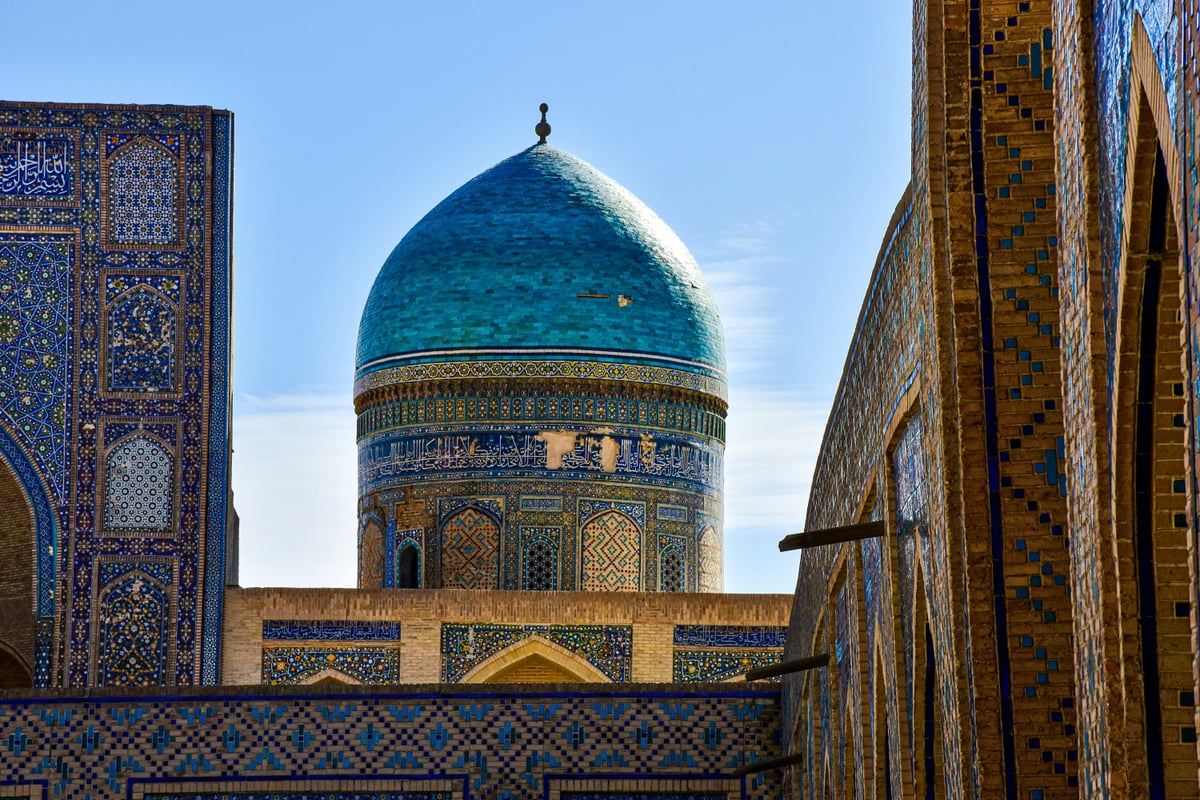
The city's turquoise domes, intricate tilework, and storied bazaars contain countless hidden details that casual visitors miss. A knowledgeable guide transforms these sites from impressive backdrops into chapters of human achievement, tragedy, and resilience.
Beyond the Walking: Lasting Connections
The tour ended at a viewpoint overlooking the city as sunset painted the sky orange and purple. The group had started as strangers; now they exchanged contact details, made dinner plans, and promised to recommend each other's home cities. The guide had done more than show them historical sites-he'd created a temporary community united by curiosity.
This social dimension distinguishes walkabout free tours from other tourism forms. You might join solo but rarely finish that way. Shared discovery forges bonds quickly, whether you're comparing travel stories with a retired couple from Canada or debating history with a philosophy student from Seoul.
Common post-tour outcomes:
- Forming travel friendships and future meetups
- Discovering recommendations for onward journeys
- Gaining local contacts and insider knowledge
- Developing deeper interest in specific historical periods
- Booking additional specialized tours or experiences
- Sharing experiences through social media and reviews
These ripple effects extend the tour's value far beyond its immediate duration, influencing future travel decisions and fostering global connections.
The Environmental Consideration
Walking tours inherently carry lower environmental impact than coach tours or activities requiring transport. They encourage slow tourism, where depth replaces breadth, and understanding replaces mere sightseeing.
Yet mass free tours can damage fragile sites through repeated foot traffic. Venice's narrow alleys and ancient bridges suffer when multiple large groups traverse them daily. Responsible operators rotate routes, educate participants about conservation, and support preservation initiatives through partnerships or donations.
| Environmental Benefits | Environmental Concerns |
|---|---|
| Zero transport emissions | Concentrated foot traffic |
| Promotes local businesses | Overcrowding at popular sites |
| Encourages longer stays | Noise pollution in residential areas |
| Raises conservation awareness | Potential littering and degradation |
| Supports walkable urbanism | Pressure on public facilities |
The challenge lies in scaling walkabout free tours sustainably, ensuring they enhance rather than harm the places they showcase.
Skills You'll Acquire as a Participant
Regular free tour participants develop surprising competencies. They learn to navigate unfamiliar cities confidently, decode architectural styles, and engage strangers in meaningful conversation. They acquire historical frameworks for understanding contemporary politics and cultural dynamics.
These skills compound over time. Your tenth free tour will be richer than your first because you'll recognize patterns, ask better questions, and make connections across cities and epochs. You become not just a consumer of tourism but a sophisticated cultural learner.
The Educational Value
Universities increasingly recognize experiential learning's importance. Walking tours complement academic study, providing sensory and emotional dimensions that textbooks cannot convey. Students of history, architecture, anthropology, or urban planning gain immeasurable insight from guides who inhabit their subject matter daily.
Some institutions now incorporate walkabout free tours into study-abroad programmes, understanding that these experiences teach research skills, cultural competency, and critical thinking as effectively as classroom instruction.
Walkabout free tours have fundamentally reshaped how we explore unfamiliar places, democratising access to expert local knowledge whilst creating meaningful connections across cultures. They remind us that the best journeys balance curiosity with respect, entertainment with education, and individual discovery with shared experience. If you're ready to explore Samarkand's rich tapestry of history and culture through authentic local perspectives, Visit Samarkand offers the perfect introduction to this magnificent Silk Road city, where every cobblestone holds a story waiting to be discovered.