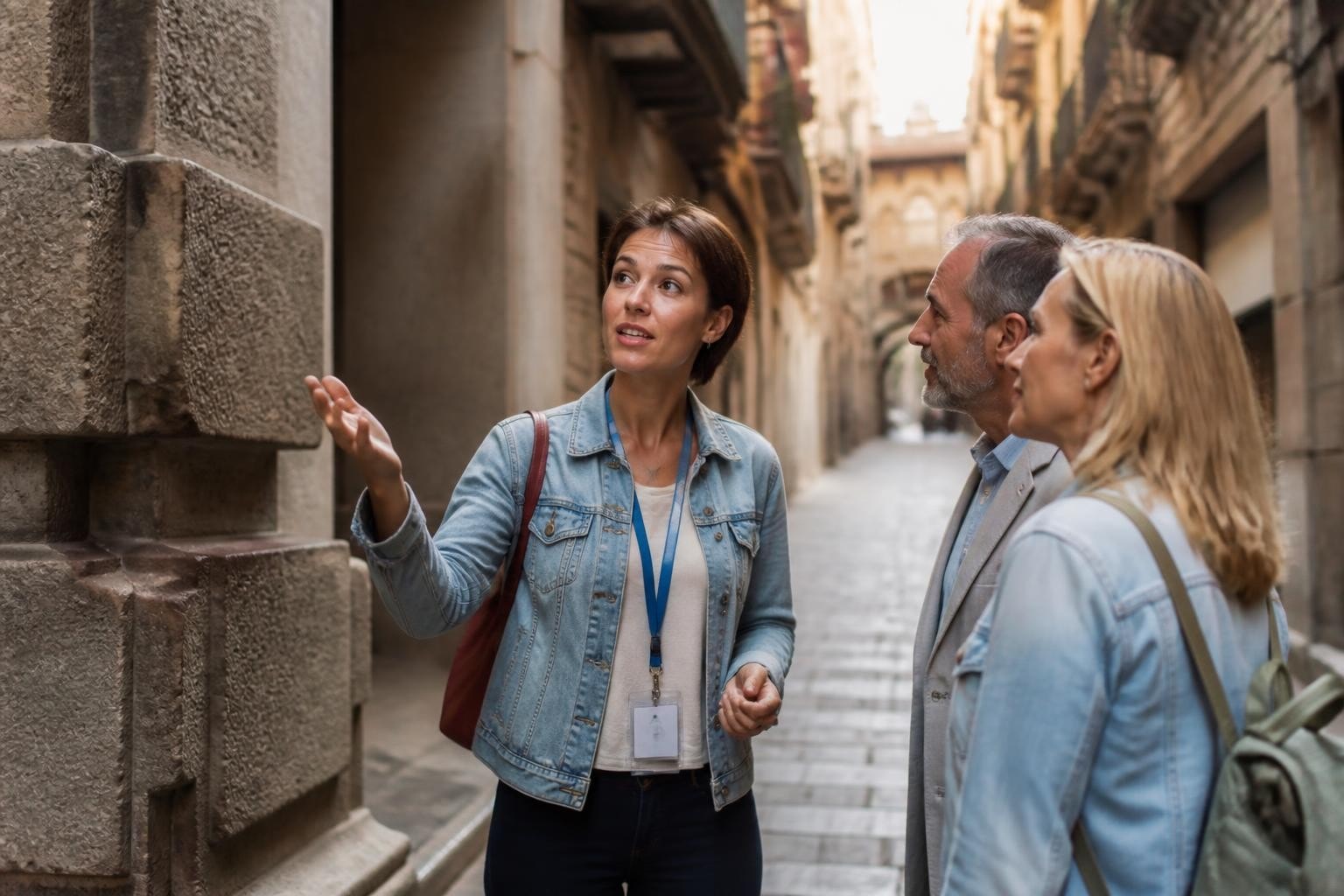
The difference between wandering aimlessly through cobbled streets and truly understanding the soul of a place often comes down to one person: your guide. I still remember the first time I realised this, standing in a dusty square somewhere in Central Asia, guidebook in hand, feeling utterly lost despite having read every page. Then a local guide appeared, and within moments, the stones beneath my feet began to whisper their secrets. Finding the right person to lead your journey transforms tourism into genuine connection, facts into stories, and buildings into time machines. When you find your tour guide thoughtfully, you're not just hiring a service, you're inviting someone to be the bridge between you and a culture that might otherwise remain wonderfully mysterious but frustratingly opaque.
Why the Right Guide Changes Everything
A tour guide isn't simply someone who knows dates and directions. They're storytellers, cultural translators, and sometimes the difference between a good holiday and an experience that reshapes how you see the world.
Consider what happens when you arrive in an ancient city like Samarkand. The tilework is stunning, yes, but why those particular geometric patterns? What do they mean? A brilliant guide doesn't just point at mosaics; they explain the mathematical genius behind Islamic art, the silk route merchants who funded these monuments, and perhaps even the apprentice who made a deliberate mistake because only Allah creates perfection.
The best guides offer:
- Deep local knowledge that no guidebook captures
- Personal anecdotes that bring history alive
- Flexibility to adapt tours to your interests
- Cultural context that prevents embarrassing mistakes
- Access to hidden spots tourists never find alone
The Human Element
I once joined a walking tour where the guide, a retired schoolteacher, didn't just recite facts. She told us about her grandmother who remembered the Soviet era, the family recipes that survived political upheaval, and the secret garden where locals still gather for tea. That's when I understood: to find your tour guide means to find someone who doesn't just know the place, but loves it enough to share its intimate truths.
Where to Search for Exceptional Guides
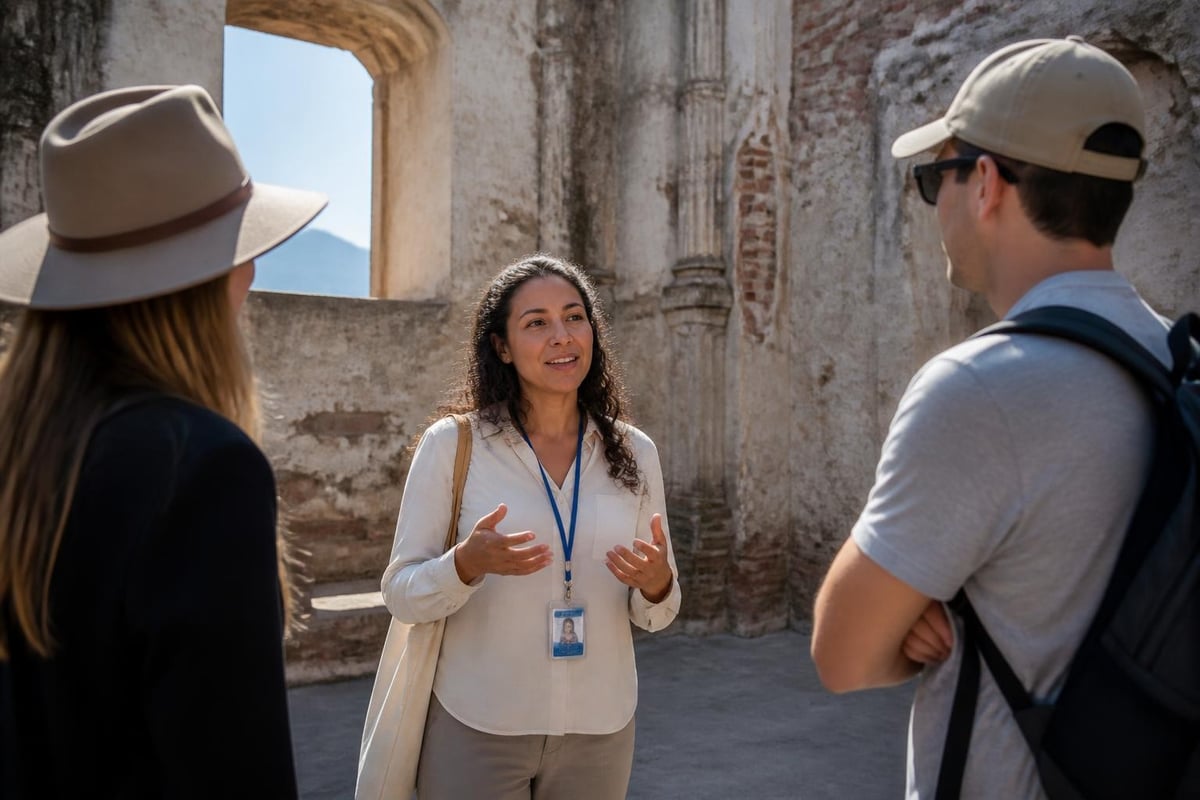
The hunt for a brilliant guide requires knowing where to look and what signals quality. In 2026, we're blessed with options our parents never had, yet cursed with choice overload.
Official Tourism Platforms
Start with government-backed tourism websites. These platforms typically vet their guides, ensuring basic competency and legal compliance. The U.S. National Park Service maintains strict Commercial Use Authorization requirements, demonstrating how regulated environments protect both visitors and natural resources through proper credentialing.
For Uzbekistan and the Silk Road region, official channels often list certified guides who've completed training programmes. These professionals understand not just history but also safety protocols, first aid, and cultural sensitivity.
Walking Tour Companies
Free walking tour companies have revolutionised how we explore cities. The model is simple: guides work for tips, which means they're motivated to deliver exceptional experiences. When you're trying to find your tour guide through these platforms, read reviews carefully. Look for comments about knowledge depth, personality, and how the guide handled questions or unexpected situations.
| Platform Type | Pros | Cons |
|---|---|---|
| Official tourism boards | Vetted, insured, accountable | Sometimes pricier, less personality |
| Free walking tour companies | Passionate guides, pay-what-you-wish | Variable quality, crowded groups |
| Private tour operators | Personalised, flexible itineraries | Expensive, harder to verify credentials |
| Freelance guides | Authentic, local connections | No oversight, payment issues |
Professional Associations
The World Federation of Tourist Guide Associations maintains a Code of Guiding Practice that outlines ethical standards, accuracy requirements, and sustainability commitments expected of professional guides. When you find your tour guide through accredited associations, you're tapping into a network that values ongoing education and professional conduct.
In the UK, the Institute of Tourist Guiding sets rigorous Blue Badge standards, whilst other countries maintain similar frameworks. These qualifications aren't just letters after a name; they represent hundreds of hours of study, practical assessment, and genuine expertise.
What Separates Good Guides from Great Ones
I've walked with dozens of guides across continents, and certain qualities consistently distinguish the memorable from the merely competent.
Knowledge Depth and Breadth
A great guide possesses layers of knowledge. Surface level: dates, names, basic facts. Middle layer: context, connections, why things matter. Deep layer: nuanced understanding, conflicting interpretations, questions that don't have easy answers.
When you find your tour guide, ask yourself during the first ten minutes: are they reciting or teaching? Are they open to questions or defensive? Do they admit what they don't know, or bluff through gaps?
Green flags indicating expertise:
- References to specific historians or archaeological discoveries
- Acknowledgement of scholarly debates or uncertainty
- Connection of local events to broader historical movements
- Ability to adjust explanation complexity for different audiences
- Genuine enthusiasm that hasn't been eroded by repetition
Communication Skills
The most knowledgeable person in the world makes a terrible guide if they can't communicate clearly. Brilliant guides read their audience constantly, adjusting pace, complexity, and tone.
They know when to pause for photos, when to inject humour, and when solemnity suits the moment better. They project their voice without shouting, make eye contact with shy group members, and notice when someone has a question they're too polite to ask.
Cultural Sensitivity and Inclusion
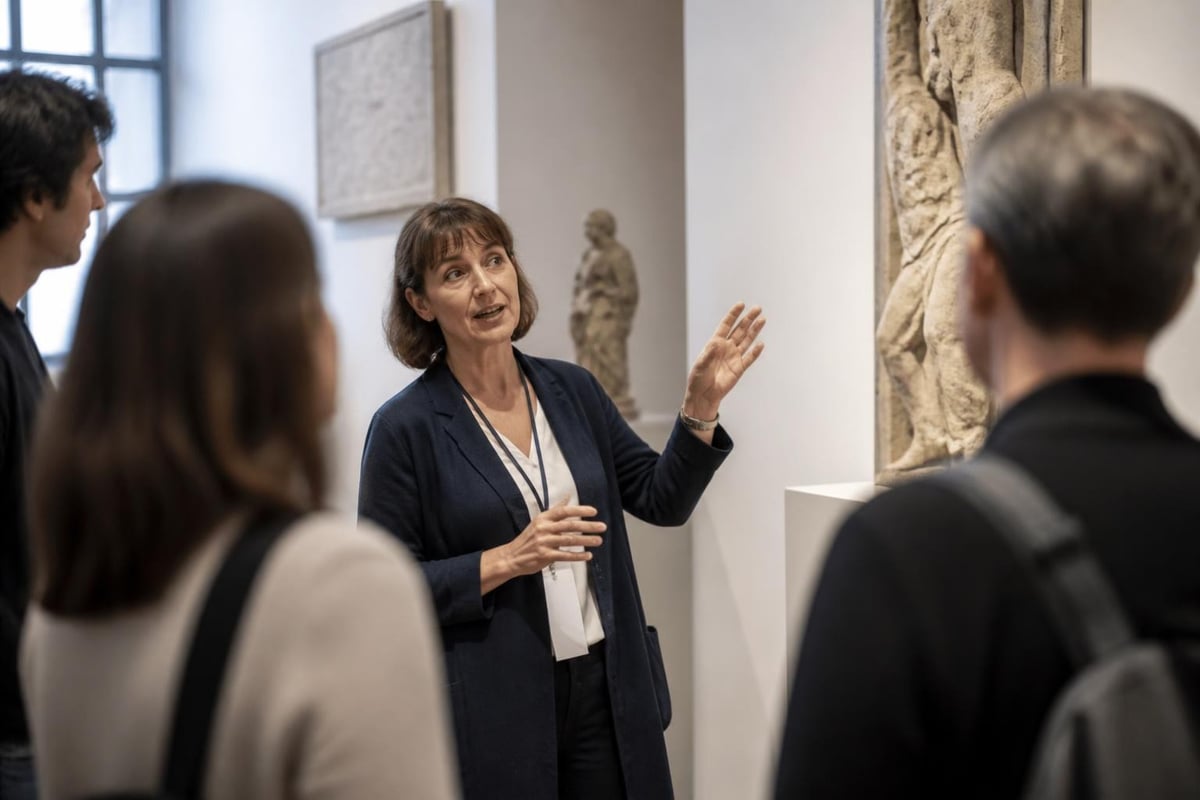
Tourism can either respect or exploit local communities. Exceptional guides navigate this ethically, ensuring their tours benefit rather than burden the places they showcase.
The UN World Tourism Organization provides comprehensive guidance on accessible tourism, emphasising that guides should serve visitors with diverse needs. When you find your tour guide, consider whether they've thought about accessibility, not just physical but also economic, cultural, and educational.
Red Flags to Watch For
Not every enthusiastic person with a good story makes a trustworthy guide. Protect yourself by recognising warning signs early.
Unlicensed or Illegal Operations
In many destinations, guiding without proper licensing is illegal. There's a reason: unregulated guides may provide false information, compromise safety, or lack insurance coverage if something goes wrong.
If someone approaches you on the street offering tours, ask to see credentials. Legitimate guides carry identification and permits. They can explain their qualifications and won't pressure you into immediate decisions.
Inflexibility and Rigidity
Whilst some structure is necessary, beware guides who refuse to deviate from scripts or become irritated by questions. Tours should be conversations, not lectures.
I once joined a group where the guide refused to answer questions until the "designated Q&A time." We lost interest long before that moment arrived. When you find your tour guide, test their flexibility by asking a question early. Their response tells you everything.
Commercial Agendas
Some guides receive commissions for steering tourists to particular shops, restaurants, or hotels. This isn't inherently wrong if disclosed, but it becomes problematic when "authentic experiences" turn into high-pressure sales environments.
Watch for these patterns:
- Sudden, unscheduled stops at shops
- Defensive reactions when you decline to enter
- Recommendations that all lead to the same three establishments
- Dismissal of alternatives you've researched
Making Your Decision
You've researched, read reviews, and perhaps contacted a few guides. Now comes the decision.
Trust Your Instincts
After all the practical vetting, your gut matters. Email exchanges reveal personality. Does this person seem genuinely excited about their city, or are they just going through motions? Do their responses feel personal, or template-generated?
When I was trying to find your tour guide for my first visit to Samarkand, I contacted several people. One responded with a detailed email explaining not just what we'd see, but why certain sites matter to Samarkandis themselves. That thoughtfulness sealed the deal.
Consider Group Size Preferences
Some people thrive in large, energetic groups. Others prefer intimate small-group experiences or private tours. Neither is objectively better, but knowing your preference matters.
| Group Size | Advantages | Considerations |
|---|---|---|
| Large (15+) | Lower cost, diverse perspectives, social energy | Less personalisation, harder to hear, rigid schedule |
| Small (6-10) | Balanced cost and intimacy, easier questions | Still some compromise on pacing |
| Private (1-4) | Total flexibility, deep dives possible, personal attention | Higher cost, less social interaction |
Value Beyond Price
The cheapest option rarely delivers the best experience. Conversely, expensive doesn't guarantee quality. When you find your tour guide, consider value holistically: knowledge, personality, flexibility, local connections, and how they align with what you hope to gain.
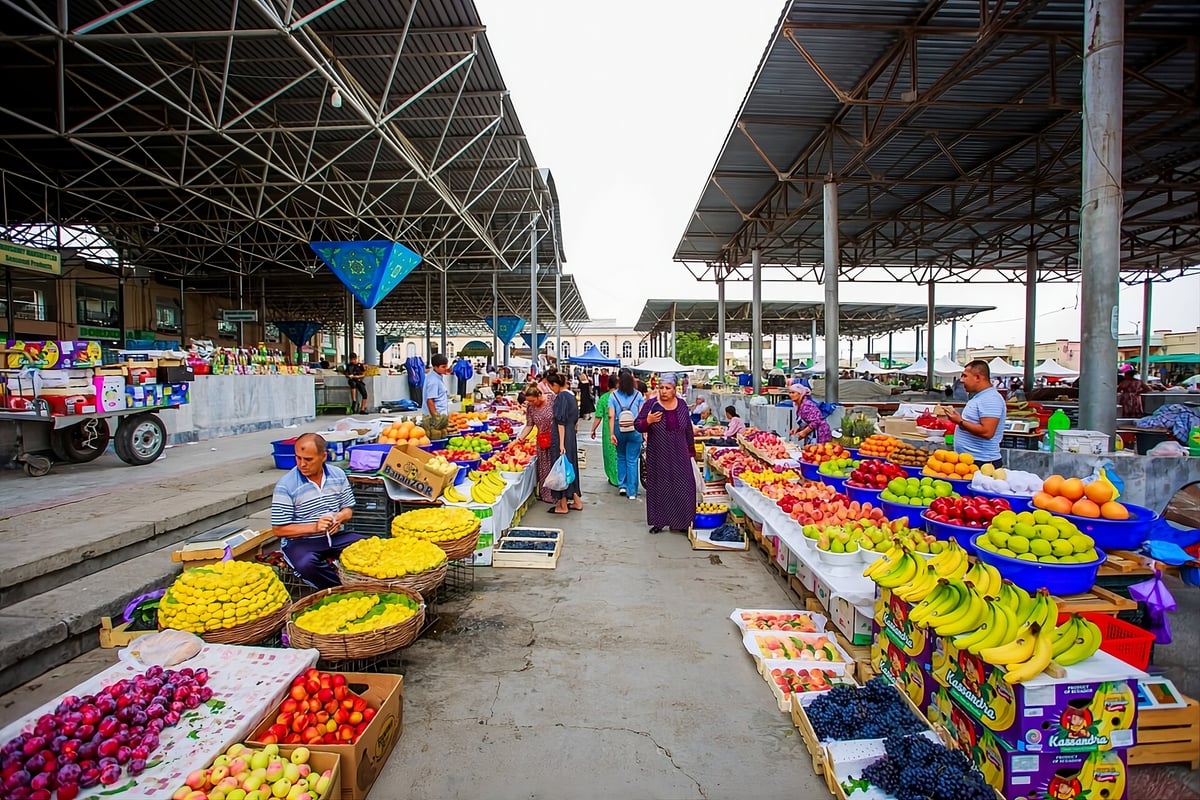
For travellers conscious of budget but unwilling to sacrifice quality, free walking tours offer remarkable value. Visit Samarkand provides free walking tours that immerse visitors in the city's colours, contrasts, and centuries of history, making authentic exploration accessible to everyone regardless of financial constraints. The model works because guides passionate about their city deliver excellence, supported by satisfied visitors' tips rather than upfront fees.
Questions to Ask Before Booking
Don't be shy about interrogating potential guides. Professionals welcome informed questions as evidence of engaged clients.
About Their Background
- What's your training and experience?
- How long have you lived in/studied this area?
- What do you love most about guiding?
- Can you provide references or reviews?
About the Experience
- What exactly does the tour cover?
- How much walking or physical activity is involved?
- What happens in bad weather?
- Can the itinerary accommodate specific interests?
- Are entrance fees included?
Practical Matters
- What's your cancellation policy?
- Do you carry insurance?
- What's the maximum group size?
- How do you handle dietary restrictions or accessibility needs?
The European Network for Accessible Tourism offers valuable resources on inclusive tourism practices. When you find your tour guide, asking about accessibility demonstrates that you value inclusive experiences and helps guides prepare appropriately.
The Power of Specialisation
Whilst general city tours provide excellent overviews, specialised guides unlock even deeper understanding.
Thematic Tours
Food tours, architecture walks, photography expeditions, or literary journeys each require specific expertise. A brilliant Roman history guide might know nothing about authentic street food.
When your interests run deep, find your tour guide who shares that passion. Their enthusiasm and specialised knowledge transform good tours into extraordinary ones.
Language and Cultural Background
Native guides offer insider perspectives outsiders cannot replicate. Yet foreign guides who fell in love with a place and stayed bring fresh eyes and comparative context.
Neither is superior; they're different. The Australian guide who moved to Samarkand sees things local guides take for granted. The born-and-raised Samarkandi knows family stories spanning generations. Both perspectives enrich understanding.
Building a Relationship
The best guide-client relationships extend beyond single transactions into ongoing connections.
During the Tour
Show up on time. Stay engaged. Ask questions. Offer feedback. Guides invest emotional energy into their work; reciprocal respect enhances everyone's experience.
Photography etiquette matters too. Whilst photos preserve memories, being glued to a screen means missing the moments guides carefully orchestrate. Strike balance.
After the Experience
Leave honest reviews. These testimonials help future travellers find your tour guide more easily and support guides building their reputations.
If the experience truly moved you, stay in touch. Some of my deepest friendships began with tour guides who became cultural mentors, dinner companions, and correspondents sharing how their cities evolve.
Technology's Role
Apps, platforms, and digital tools have revolutionised how we discover and book guides, yet technology complements rather than replaces human expertise.
Online Platforms
TripAdvisor, Viator, GetYourGuide, and similar platforms aggregate tours and reviews. Use them for initial research, but dig deeper. Read between the lines of reviews. Look for patterns across multiple sources.
Direct Communication
Once you've identified potential guides, communicate directly when possible. Email or WhatsApp conversations reveal personality and professionalism better than platform profiles.
Virtual Previews
Some guides now offer virtual tours or consultation calls. These brief interactions help you find your tour guide with greater confidence before committing to in-person experiences.
Seasonal and Timing Considerations
When you book matters as much as who you book.
Peak tourist season means experienced guides are busy, groups are larger, and sites are crowded. Shoulder seasons offer more personalised attention and often better weather.
Consider time of day too. Morning tours capture golden light and quieter streets. Evening walks offer different atmospheres, cooler temperatures in hot climates, and perhaps sunset views.
Spontaneity vs Planning
Some travellers swear by booking everything in advance. Others prefer spontaneous decisions upon arrival. Both approaches work, with trade-offs.
Pre-booking guarantees availability and sometimes better rates. It also locks you into schedules. On-the-ground decisions offer flexibility but risk missing popular tours or exceptional guides already booked.
I've learned to book one or two priority experiences in advance, then leave room for spontaneous discoveries. That balance accommodates both my need for structure and hunger for serendipity.
Beyond Traditional Tours
The concept of guide extends beyond formal tours into informal cultural exchange.
Local Friend Experiences
Some platforms connect travellers with residents willing to share their city through personal perspectives rather than professional tours. These experiences feel less scripted, more authentic, though they lack the knowledge depth professional guides provide.
University Students
Many destinations have students eager to practise languages and earn extra income by showing visitors around. Whilst they may lack professional training, their enthusiasm and peer perspective offer unique value, particularly for younger travellers.
The Ethics of Tipping
Free tours and tip-based models require understanding of appropriate compensation.
General guidelines:
- Research local norms before your trip
- Consider tour length, quality, and group size
- Remember guides often rely on tips as primary income
- Cash is usually preferred over digital transfers
- Tip at tour's end, privately if possible
In Central Asia, including Uzbekistan, guides appreciate tips that reflect both effort and local economic realities. Don't assume Western tipping standards apply everywhere, but also don't undervalue expertise.
Learning from Multiple Guides
No single guide holds all knowledge. Engaging multiple guides during longer trips provides complementary perspectives.
I spent a week in Samarkand, taking four different tours with three guides. Each revealed different aspects: one focused on Islamic architecture, another on Soviet history, the third on contemporary culture. Together, they painted a complete picture no single perspective could capture.
When you find your tour guide for each experience, you're assembling a teaching team rather than relying on one instructor.
Preparing Yourself
Being a good client makes you more likely to receive exceptional experiences.
Do Your Homework
Basic research before tours shows respect and enables deeper conversations. Guides appreciate when they can skip elementary facts and explore nuance instead.
Communicate Your Interests
Share what excites you. Passionate about textiles? Fascinated by water management? Tell your guide. Most can incorporate these interests if they know in advance.
Respect Boundaries
Guides are professionals, not friends you can monopolise. Respect their time, don't expect free consultations via messages, and understand they have lives beyond tourism.
When Guides Become Gatekeepers
In less-visited destinations, guides sometimes serve as necessary intermediaries to communities, sacred sites, or restricted areas.
This gatekeeping role carries responsibility. Ethical guides use access to benefit local communities and preserve cultural integrity. Problematic guides exploit their position, extracting maximum value whilst giving little back.
When you find your tour guide in these contexts, ask how your visit benefits locals. Where does your money go? How does the guide ensure tourism enhances rather than harms community life?
The Future of Guiding
Tourism evolves constantly, and guiding adapts alongside.
Augmented reality apps, AI translators, and virtual reality previews offer new tools, but they can't replace human connection, emotional intelligence, and spontaneous storytelling that brings places alive.
The future likely holds hybrid models: technology handles logistics and basic information, whilst guides focus on interpretation, storytelling, and cultural mediation.
Sustainability concerns also reshape guiding. Responsible guides limit group sizes, choose less-visited sites to distribute tourism pressure, and educate visitors about environmental and social impacts.
Finding the right guide transforms travel from sightseeing into genuine understanding, from visiting into belonging. The effort you invest in identifying someone knowledgeable, passionate, and trustworthy pays dividends in memories, insights, and connections that endure long after you've returned home. Whether you're exploring ancient Silk Road cities or anywhere else in the world, Visit Samarkand demonstrates how accessible, high-quality guiding can open doors to authentic cultural experiences that honour both visitor curiosity and local heritage.