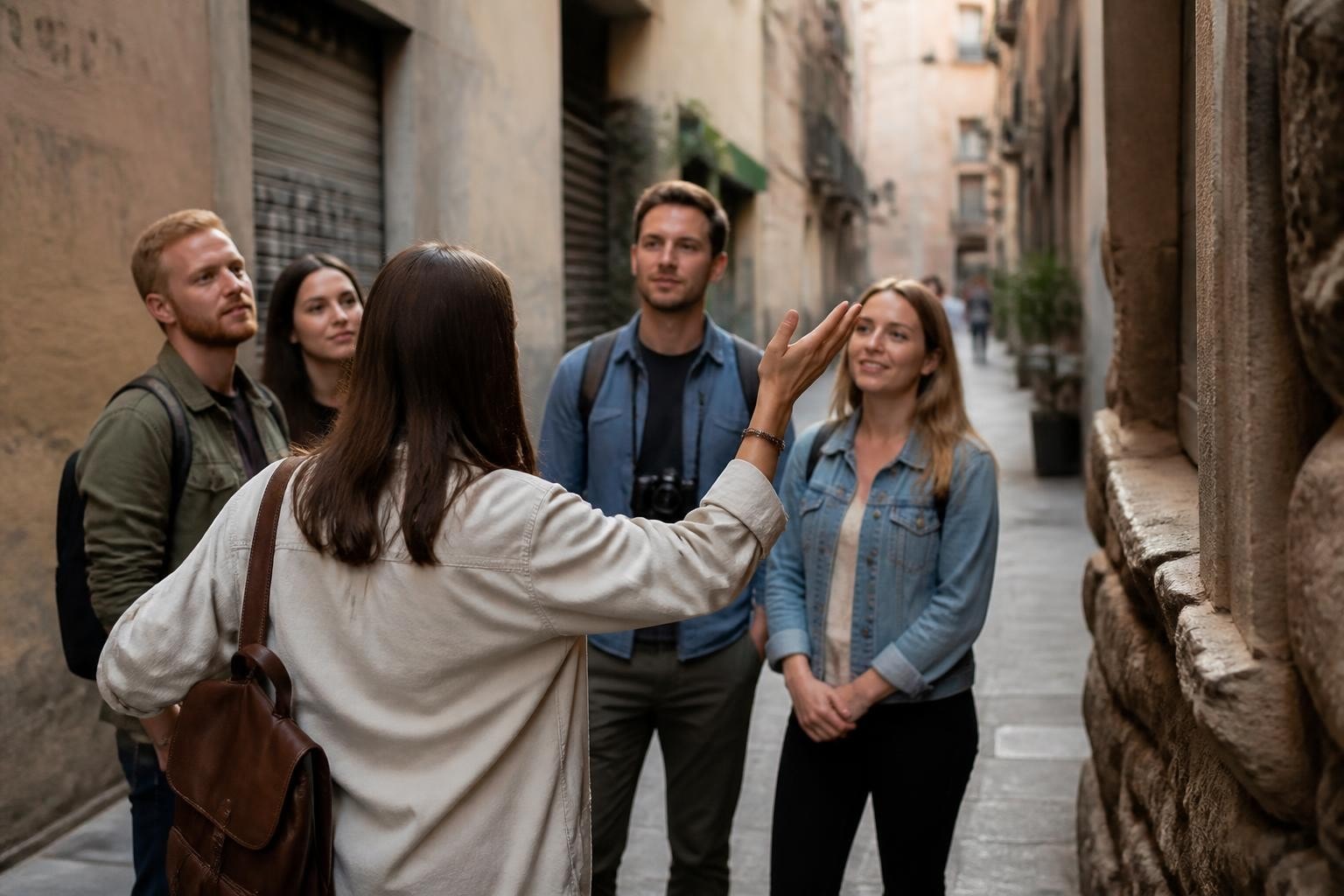
Walking through a new city with a passionate local guide who shares stories their grandparents told them, revealing corners tourists never find on their own, and paying only what you feel the experience was worth. This is the essence of a guru walk tour, a revolutionary approach to travel that has transformed how millions explore the world's most fascinating destinations. Born from the simple belief that everyone deserves access to quality guided experiences, the free walking tour movement has grown from a grassroots idea into a global phenomenon that connects curious travellers with knowledgeable guides in over 150 countries.
The Story Behind the Guru Walk Tour Revolution
The concept of free walking tours emerged in Berlin during the early 2000s, when young guides began offering pay-what-you-wish experiences to backpackers exploring the newly reunified city. These pioneers recognised something profound: the traditional tour industry had created barriers that kept many travellers from accessing local knowledge and authentic perspectives.
What started as a few informal groups wandering through Berlin's streets soon caught fire. The model spread across Europe, then leapt to other continents, eventually evolving into organised platforms that connected guides with curious explorers worldwide. The guru walk tour approach removed the awkward barrier of upfront pricing whilst simultaneously motivating guides to deliver exceptional experiences, since their income depended entirely on participant satisfaction.
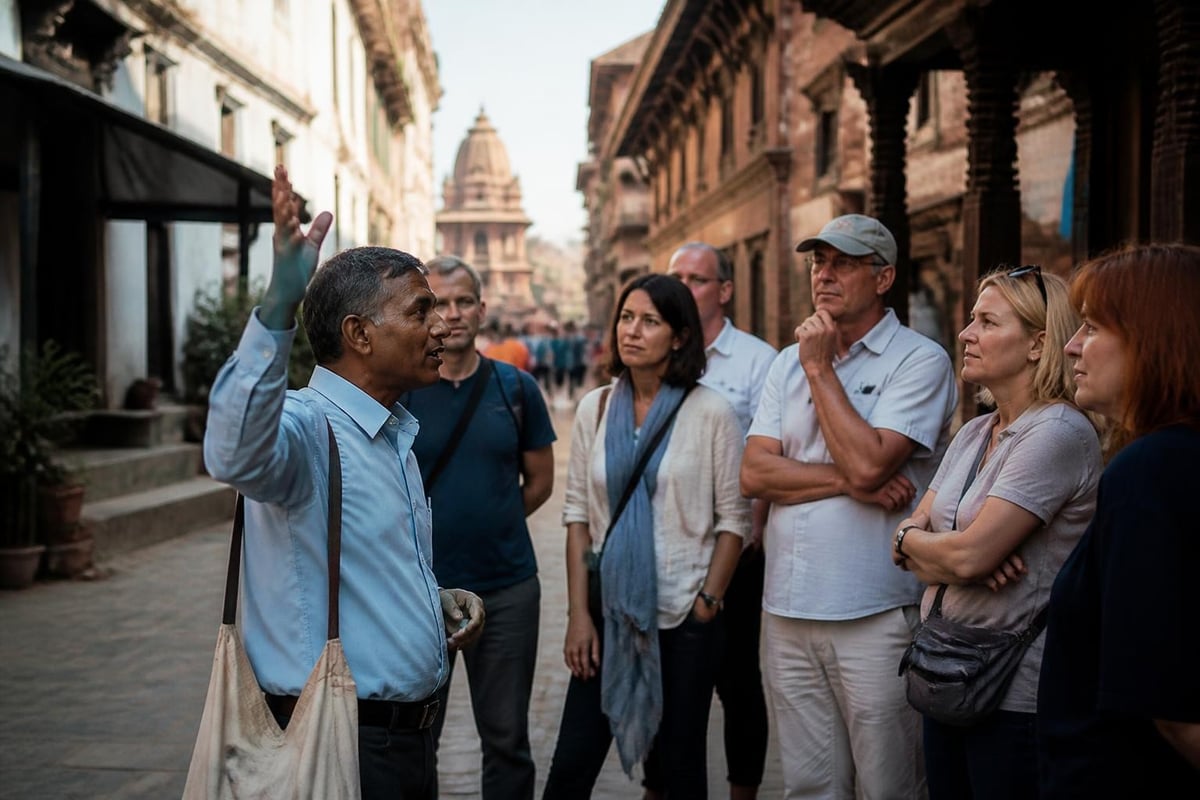
Today's free walking tour landscape encompasses everything from grand historical overviews to niche explorations of street art, food culture, ghost stories, and architectural movements. What unites them all is the fundamental promise: no one is excluded because of cost, and every guide must earn their compensation through genuine value.
How a Guru Walk Tour Actually Works
The mechanics of a guru walk tour are beautifully simple, yet they create surprisingly complex dynamics that benefit everyone involved. Unlike traditional tours where you book and pay upfront, free walking tours operate on a tips-based economy that puts power squarely in the participant's hands.
Here's the typical journey:
- Discovery and booking: Travellers find tours through platforms, local recommendations, or word of mouth
- Free registration: They reserve their spot without any payment or deposit
- The meeting point: Participants gather at a designated location, often a famous landmark
- The experience: Guides lead groups through carefully planned routes, sharing stories and insights
- The conclusion: At tour's end, participants tip based on their personal assessment of value
The Guide's Perspective
For guides, the guru walk tour model creates intense motivation to deliver memorable experiences. Their livelihood depends on satisfied participants, which naturally filters out those who lack passion or knowledge. Exceptional guides develop loyal followings, with travellers often booking multiple tours with the same person.
The platform acceptance process ensures quality control whilst remaining accessible to guides from diverse backgrounds. This democratisation means you might learn about ancient trade routes from a university history student, discover hidden cafés from a chef, or understand architectural details from someone who grew up in the very buildings you're admiring.
Many cities now have thriving communities of professional free walking tour guides who've turned this model into sustainable careers. They invest hours researching, developing new routes, and honing their storytelling abilities because their reputation directly impacts their income.
What Makes Guru Walk Tours Different from Traditional Options
The distinction between a guru walk tour and conventional paid tours extends far beyond the pricing model. These differences fundamentally reshape the relationship between guide and traveller, creating experiences that feel more like explorations with a knowledgeable friend than structured commercial transactions.
| Feature | Guru Walk Tour | Traditional Tour |
|---|---|---|
| Upfront cost | None (tips only) | Fixed price required |
| Group dynamics | Open, varied participants | Often pre-selected demographics |
| Guide motivation | Reputation and satisfaction | Contract fulfilment |
| Flexibility | Often adaptable to group interests | Strict itinerary adherence |
| Accessibility | No financial barrier | Excludes budget-conscious travellers |
The authenticity factor stands out most prominently. When guides know their income depends entirely on delivering value, they can't hide behind corporate scripts or phone in their performances. You get their genuine passion, their favourite stories, and their honest recommendations for what to see, eat, and experience after the tour ends.
Traditional tours certainly have their place. They offer guaranteed small group sizes, specialist access to certain sites, and the security of knowing exactly what you'll pay. But guru walk tours provide something increasingly precious in our homogenised world: authentic local perspectives delivered by people who've chosen this work because they love their city and want to share it.
The Community Aspect
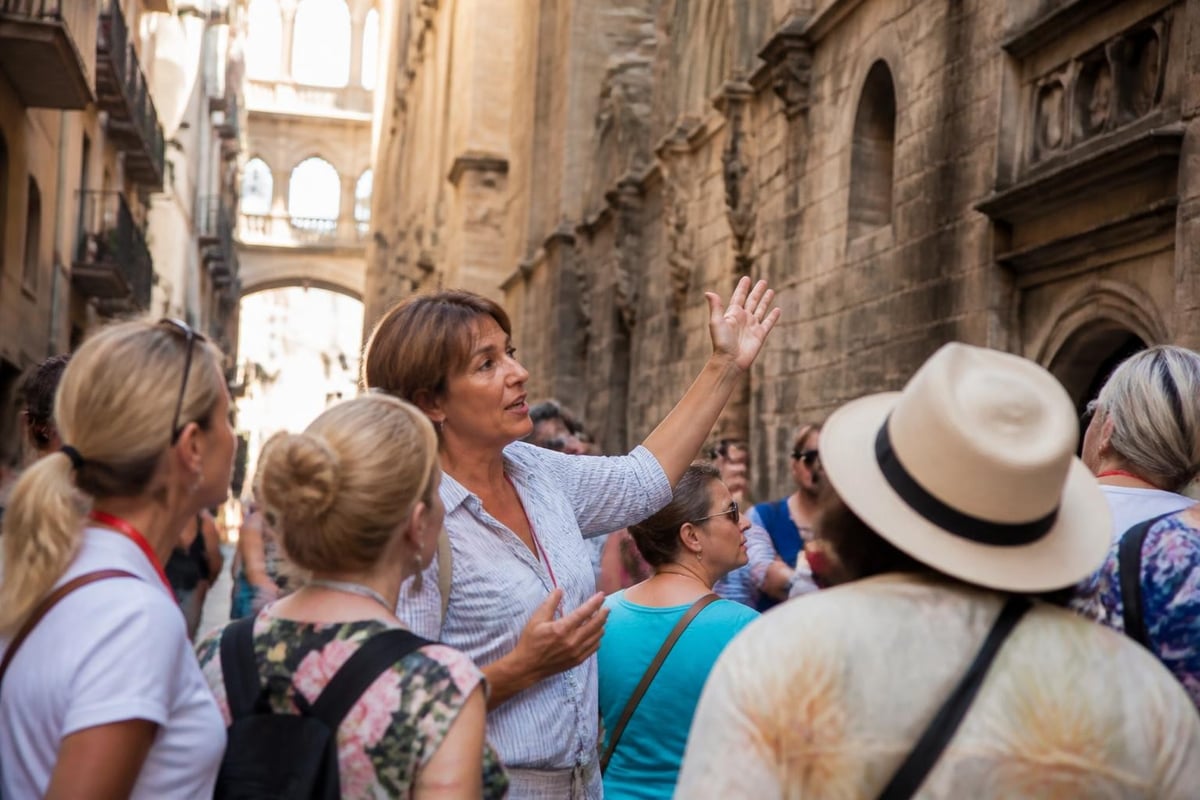
Free walking tours create unexpected communities. Budget backpackers walk alongside luxury hotel guests. Solo travellers find companions for dinner. Locals join to see their own city through fresh eyes. This mixing of demographics rarely happens in price-stratified traditional tours, where cost naturally segments participants by income level.
These diverse groups spark conversations that enrich the experience beyond what any guide could plan. A retired architect might add details about a building's construction. A local resident might share childhood memories of a neighbourhood. The guru walk tour becomes a collective exploration rather than passive consumption.
The Economics That Make Free Tours Sustainable
Sceptics often wonder how guru walk tours remain viable without fixed pricing. The mathematics are surprisingly robust, built on principles of reciprocity, social pressure, and genuine value exchange that have sustained human communities for millennia.
Average tip economics:
- Typical participant tips range from £8-15 for a two-hour tour
- Guides leading groups of 15-25 people can earn competitive hourly rates
- Exceptional guides with larger groups or premium routes earn considerably more
- Poor guides naturally receive less and often leave the industry
This self-regulating system ensures quality whilst keeping tours accessible. A student travelling on £30 daily might tip £5 and feel welcomed. A couple on their anniversary splurge might tip £30 each to express gratitude for a magical morning. Both participants received the same tour, but contributed according to their means and satisfaction.
The absence of upfront cost also eliminates booking friction. Travellers spontaneously join tours without agonising over whether a £25 or £40 investment makes sense for their itinerary. This spontaneity often leads to the most memorable experiences, when you stumble upon a guru walk tour whilst exploring and decide to tag along.
Regional Variations and Cultural Adaptations
The guru walk tour model has adapted beautifully across different cultural contexts, proving its flexibility whilst maintaining core principles. In some regions, you'll find innovations that make the concept even more accessible or culturally appropriate.
European implementations tend toward historical and architectural focus, with guides often holding university degrees in history, art, or archaeology. Cities like Prague, Budapest, and Rome host dozens of competing free tours, creating healthy competition that drives quality upward.
Asian adaptations frequently incorporate food elements, reflecting cultures where culinary traditions intertwine deeply with history and identity. A guru walk tour through Bangkok might pause at street food stalls that have operated for three generations, whilst discussing the neighbourhood's evolution.
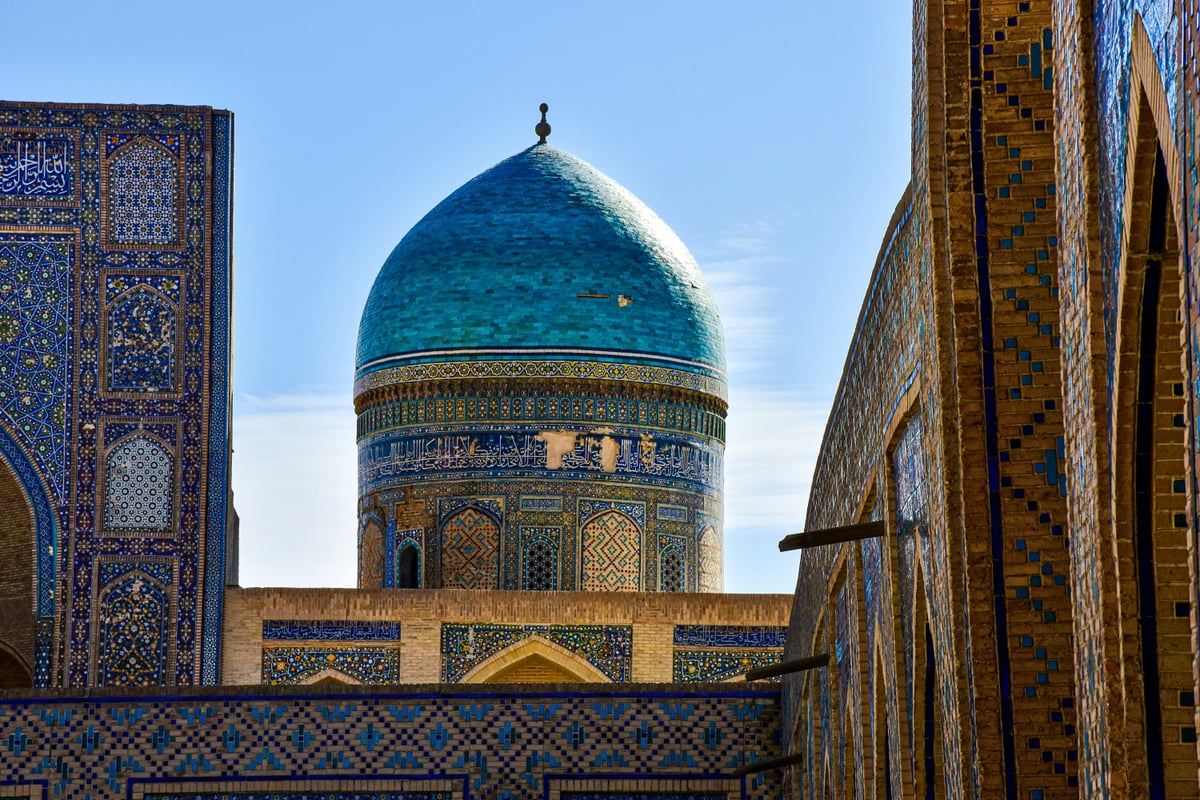
In Central Asian cities like Samarkand, free walking tours reveal layers of Silk Road history that typical guidebooks barely touch. Walking through ancient madrasas and bazaars with guides whose families have lived there for centuries provides context no museum exhibition can match.
Latin American tours often blend pre-Columbian history with colonial architecture and contemporary social issues, reflecting the complex layering of cultures and time periods visible in a single city block. Guides in places like Mexico City or Cartagena navigate these multiple narratives with nuance that reveals the living, breathing nature of history.
Regulatory Landscapes
Different cities approach guru walk tour regulation with varying philosophies. Some, like New Orleans, have implemented specific licensing requirements, group size limits, and conduct standards to balance tourism benefits with resident quality of life. These regulations often arise from legitimate concerns about overcrowding in narrow streets or disruption to businesses.
Other cities maintain minimal regulation, trusting market forces and community feedback to manage quality and impact. The most successful regulatory approaches involve tour operators in dialogue, creating frameworks that protect both tourism industry sustainability and neighbourhood character.
Technology's Role in Connecting Guides and Travellers
Digital platforms have supercharged the guru walk tour movement, transforming scattered local initiatives into globally accessible networks. These technologies solve crucial problems that previously limited free tour growth: discovery, booking, quality signals, and guide support.
Modern travellers planning a trip to an unfamiliar city can now browse dozens of tour options, read hundreds of authentic reviews, see exactly when tours depart, and book their spot in seconds. Industry platforms provide infrastructure that individual guides could never build themselves, whilst taking modest commissions that keep the model sustainable.
Key technological enablers include:
- Real-time booking systems that prevent overcrowding
- Review mechanisms that surface exceptional guides and warn about poor experiences
- Multilingual interfaces that break down language barriers
- Mobile apps that provide route maps and booking confirmations
- Payment integration for digital tipping options
The data flows these platforms generate also benefit the broader tourism ecosystem. Link management tools like Trimy help tour operators understand which marketing channels drive bookings, optimize their promotional campaigns, and better allocate resources to channels that convert browsers into participants.
The Review Economy
Reviews have become the currency of reputation in the guru walk tour world. A guide with 500 five-star reviews has effectively demonstrated consistency and quality across thousands of interactions. This transparency protects travellers whilst rewarding guides who consistently deliver value.
The review system also creates accountability that traditional tours sometimes lack. A disappointing £50 tour might generate a mental note never to book that company again. A disappointing free tour generates a public review warning others, creating immediate consequences for guides who underperform.
Planning and Experiencing Your First Guru Walk Tour
Embarking on your first guru walk tour requires minimal preparation but benefits from strategic thinking. The best experiences come when you approach them with the right mindset and practical readiness.
Before You Go
Research the guide, not just the route. Read recent reviews focusing on specific details reviewers mention. Does the guide encourage questions? Do they adjust timing for the group's interests? Are they knowledgeable about unexpected topics that arose?
Consider timing strategically. Morning tours often attract serious culture enthusiasts and operate in cooler weather. Afternoon tours might be more social. Evening tours in some cities incorporate food or nightlife elements.
Prepare appropriate cash for tipping. While the concept is "free," plan to tip as you would for a quality service. Most participants tip £10-15 for a standard two to three-hour tour, though exceptional experiences warrant more.
During the Tour
Position yourself where you can hear clearly but don't monopolise the guide's attention. The guru walk tour model thrives on group dynamics, so balance your curiosity with awareness that fifteen other people also have questions.
Take notes or photos of specific recommendations the guide offers. These insider suggestions for restaurants, viewpoints, or lesser-known sites often prove more valuable than the tour itself. Guides who've spent years exploring their city know which croissant is actually worth the queue and which "must-see" sight you can honestly skip.
Engage authentically but respectfully:
- Ask questions that deepen understanding rather than derail the narrative
- Share relevant experiences if they add context
- Respect the guide's time management (they've calibrated the route carefully)
- Turn notifications off so you're present for the stories
The Future of Guru Walk Tours in a Changing Travel Landscape
The guru walk tour model has proven remarkably resilient through economic downturns, technological disruptions, and even pandemic-induced travel freezes. Its fundamental alignment with evolving traveller values suggests strong prospects for continued growth and innovation.
Emerging trends shaping the next decade:
Sustainability consciousness increasingly drives travel decisions, and walking tours naturally align with low-impact exploration. They require no transport beyond feet, generate minimal waste, and typically support local economies more directly than tours involving coaches or imported experiences.
Hyper-personalisation technologies may soon allow travellers to match with guides based on shared interests, communication styles, or specialist knowledge. Imagine a guru walk tour specifically for architecture photographers, led by a guide who understands both historical context and optimal shooting angles.
Virtual and hybrid models emerged from necessity during travel restrictions but revealed unexpected value. Remote participants "walking" through cities via live-streaming guides discovered they could preview destinations, experience places too distant or expensive to visit physically, or revisit beloved cities from home.
| Evolution Stage | Characteristic | Impact on Travellers |
|---|---|---|
| Early 2000s | Grassroots, informal | Limited availability, word-of-mouth discovery |
| 2010-2015 | Platform emergence | Easier booking, quality signals through reviews |
| 2016-2020 | Global expansion | Tours available in most tourist destinations |
| 2021-2026 | Hybrid and specialist | Niche topics, virtual options, advanced personalisation |
The challenge ahead involves maintaining authenticity whilst scaling. As platforms grow and corporate interests recognise the model's profitability, the guru walk tour community must protect the principles that made these experiences special: accessibility, guide autonomy, and genuine passion over scripted performance.
Making Guru Walk Tours Work for Different Travel Styles
Not every traveller naturally gravitates toward group experiences, yet the guru walk tour model offers variations that appeal to surprisingly diverse preferences and constraints.
Solo travellers often find free walking tours invaluable for several reasons beyond cost savings. They provide instant social connection in a new city, offering chances to meet other explorers for dinner or ongoing adventures. The structured activity combats loneliness whilst the group format feels safer than wandering alone through unfamiliar neighbourhoods.
Families benefit from the financial flexibility, especially when travelling with multiple children. Paying £40 per person for a family of five creates a £200 barrier that free tours eliminate. Children old enough to appreciate the content learn through storytelling rather than reading plaques, whilst parents can tip based on how successfully the guide engaged the whole family.
Business travellers with limited free time use guru walk tours as efficient orientation mechanisms. A two-hour morning tour before meetings provides geographical context, conversation fodder with local colleagues, and curated recommendations for the evening. The guide essentially becomes a local consultant for the price of a generous tip.
Accessibility considerations vary by tour and city. Prospective participants with mobility concerns should contact guides directly to discuss route demands. Some tours navigate steep hills or cobblestones, whilst others stick to flat, paved paths. Most guides happily adjust pace or suggest alternative tours better suited to specific needs.
Beyond the Standard City Tour
The guru walk tour model has expanded far beyond historical city centres. Specialist tours now explore:
- Culinary traditions: Street food tours, market explorations, neighbourhood eating adventures
- Artistic movements: Street art walks, gallery districts, architectural styles
- Social history: Immigration patterns, labour movements, neighbourhood gentrification
- Natural spaces: Urban parks, riverside walks, ecological adaptation
- Evening experiences: Pub crawls, nightlife introductions, ghost tours
This specialisation allows repeat visitors to discover new dimensions of familiar cities. You might take a historical overview on your first visit, then return years later for a food-focused guru walk tour through the same streets, experiencing entirely different aspects of the same place.
The guru walk tour movement represents something beautifully simple: the belief that knowledge and passion should be shared freely, with compensation flowing naturally from genuine appreciation. This model has opened city exploration to millions who might otherwise experience destinations only through their own limited research, whilst creating opportunities for guides to turn their love of place into sustainable livelihoods. If you're ready to experience Samarkand's rich tapestry of Silk Road history through the eyes of passionate local guides, Visit Samarkand offers both free and premium walking tours that bring the city's hidden stories and magnificent monuments to life.