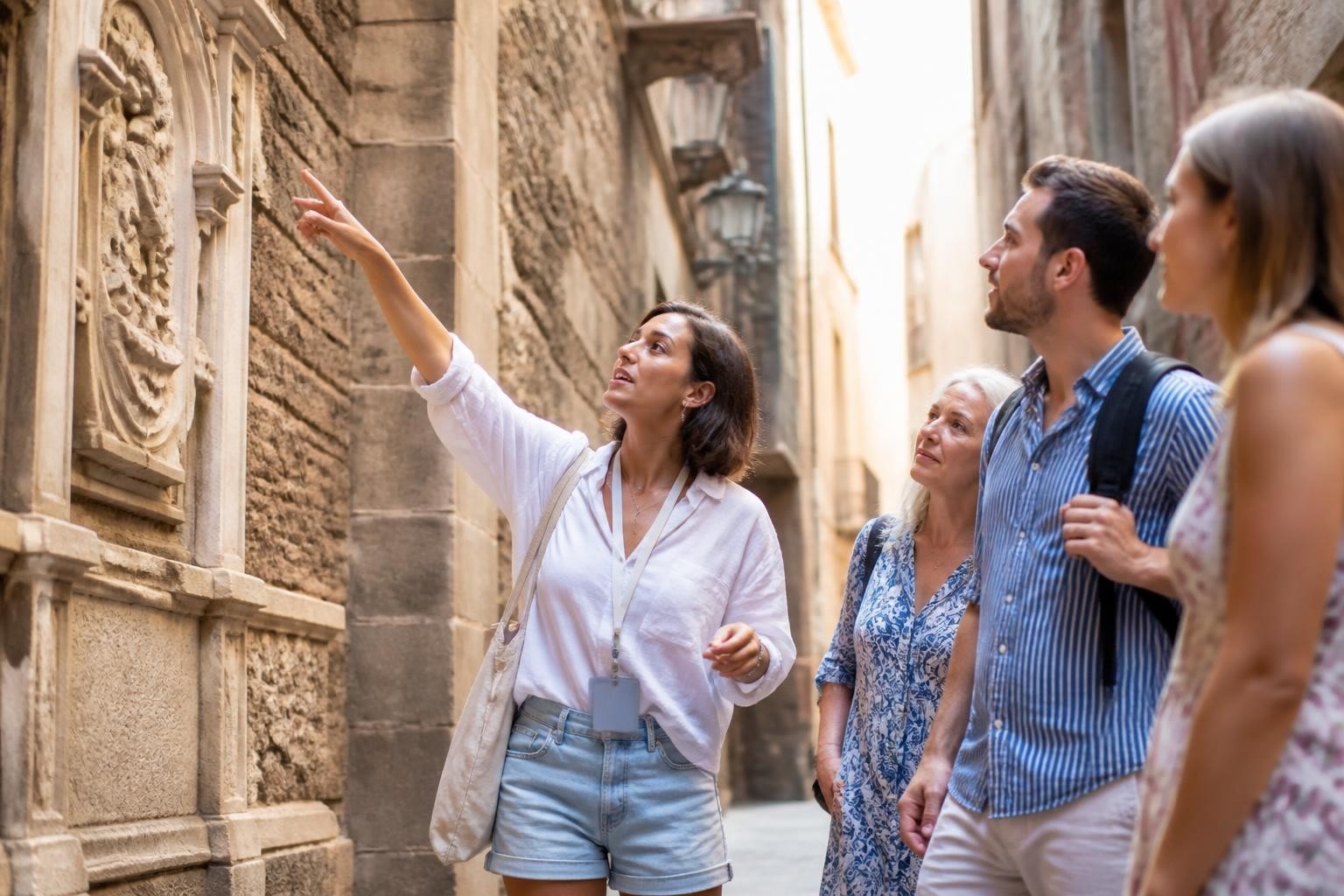
Walking through the shadowed archways of an ancient city, I watched a young traveller pause mid-step. Her guide had just explained how the geometric patterns on a 14th-century mosque told the story of mathematical knowledge travelling along the Silk Road. Her eyes widened. This wasn't just sightseeing anymore. This was understanding. This moment captures the essence of what in sight tours offer: the transformation of observation into genuine comprehension, turning every journey into a revelation.
The Revolution in How We Experience Places
Travel has changed. Gone are the days when success meant ticking off monuments from a checklist, snapping quick photos, and rushing to the next landmark. Today's explorers crave something deeper.
In sight tours represent this evolution. Unlike conventional sightseeing that shows you what to see, these experiences reveal why it matters. They peel back layers of context, culture, and human connection that transform buildings into stories and streets into timelines.
What Sets In Sight Tours Apart
The distinction matters more than semantics. Traditional tours focus on facts and figures. In sight tours prioritize understanding and emotional connection.
Consider these fundamental differences:
| Traditional Tours | In Sight Tours |
|---|---|
| Broadcast information | Facilitate discovery |
| Focus on landmarks | Reveal hidden narratives |
| Guide as lecturer | Guide as storyteller |
| Surface-level facts | Contextual understanding |
| Rushed schedules | Thoughtful pacing |
The shift reflects broader changes in the tourism industry. According to authentic experience research from Skift, travellers increasingly seek meaningful cultural immersion over passive consumption. They want insight, not just sights.
Building Blocks of Meaningful Tours
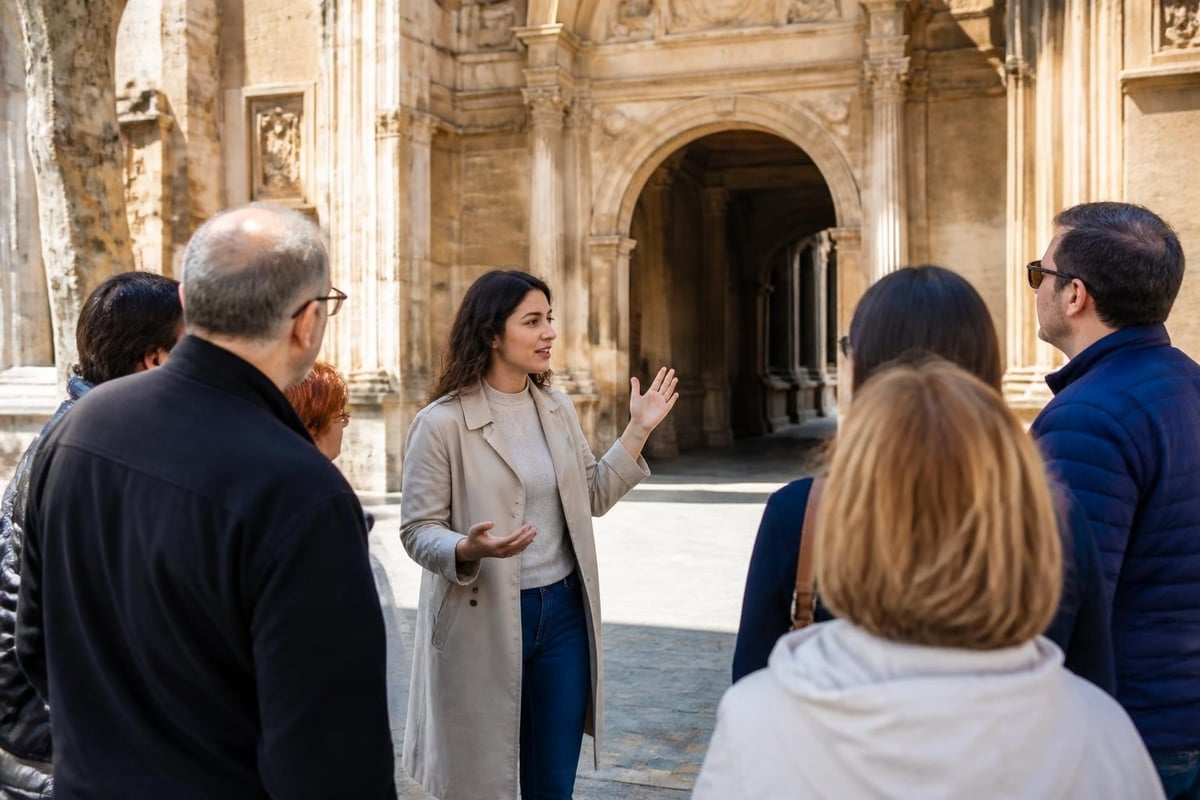
Creating tours that truly provide insight requires deliberate design. Every element serves the goal of deeper understanding.
The Power of Story Architecture
Great in sight tours are built on narrative frameworks. A guide doesn't simply point at a market square and recite its construction date. Instead, they might describe the merchant who travelled from China in 1375, the spices he traded, the family he started, and how his descendants still sell textiles three stalls from where we stand.
This storytelling approach has measurable impact. Research published in PLOS ONE examining visitor learning dynamics demonstrates that narrative-based interpretation significantly increases both engagement and retention compared to factual delivery alone.
Key storytelling elements include:
- Personal anecdotes that humanize history
- Sensory details that recreate moments
- Emotional hooks that create empathy
- Clear beginnings, middles, and endings
- Local voices and perspectives
Pacing That Allows Absorption
Rush kills insight. The best in sight tours understand that comprehension needs time.
Watch a skilled guide work. They know when to pause. After explaining a complex historical event, they'll let silence settle, allowing the group to absorb what they've heard whilst gazing at the physical space where it unfolded. These contemplative moments transform information into understanding.
Designing Tours That Reveal Rather Than Recite
The Texas Historical Commission’s heritage tourism resources offer practical frameworks for creating interpretive experiences. Their guidance emphasizes preparation, thematic coherence, and continuous evaluation.
Choosing What to Reveal
Not everything deserves equal attention. Curating content is crucial.
- Identify core themes that connect multiple sites and stories
- Select stopping points that best illustrate these themes
- Layer information from accessible to complex
- Include surprises that challenge assumptions
- Balance famous and hidden gems
The art lies in weaving these elements into a cohesive journey. When Visit Samarkand designs their free walking tours, they don't try to show everything in three hours. Instead, they craft thematic routes that might focus on architectural evolution, the role of women artisans, or the city's transformation across centuries. Each tour provides genuine insight into specific aspects of Samarkand's rich tapestry.
Training Guides as Insight Facilitators
Tour guides make or break the experience. For in sight tours, guides need skills beyond memorization.
Essential guide capabilities:
- Deep subject knowledge to answer unexpected questions
- Storytelling ability to make history vivid and relatable
- Cultural sensitivity to navigate diverse audiences
- Observation skills to read group energy and adjust
- Passion that makes enthusiasm contagious
The best guides create dialogue rather than monologue. They ask questions that prompt travellers to notice details themselves, fostering active discovery.
The Geography of Insight: Where Tours Work Best
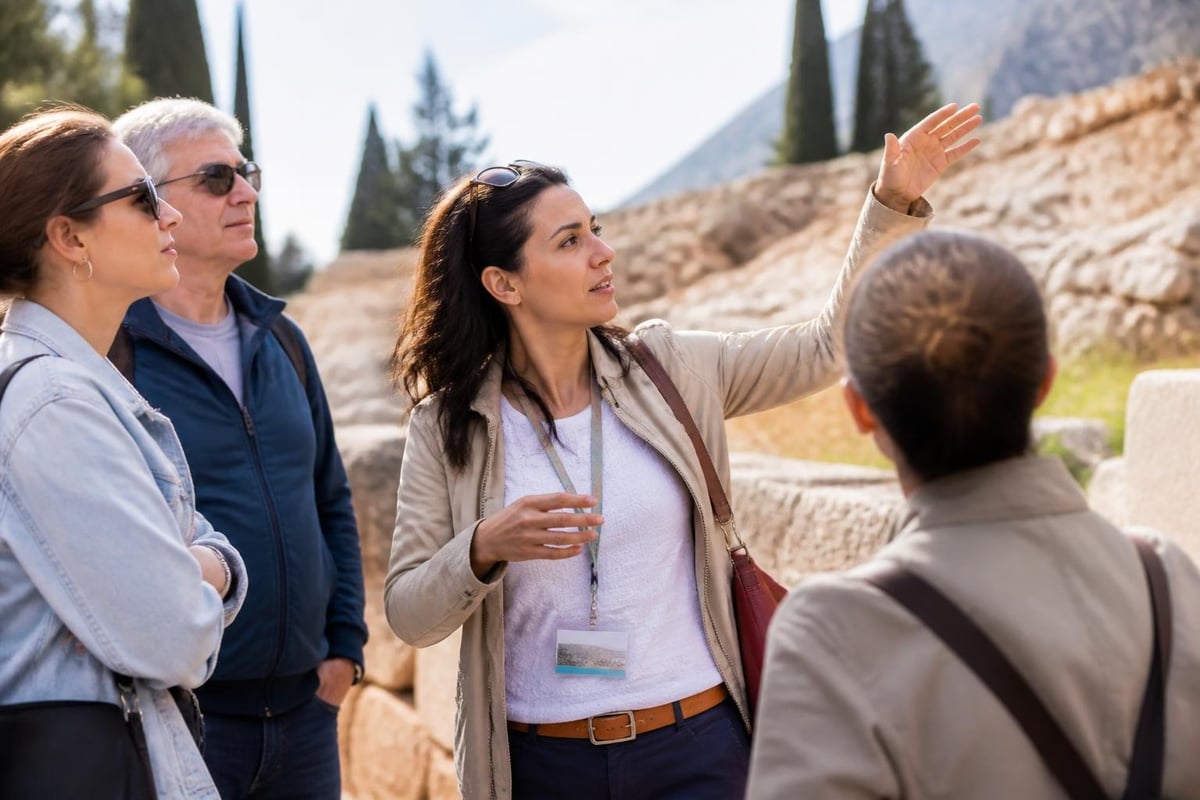
Some destinations naturally lend themselves to in sight tours. Places with layered histories, living traditions, and visible cultural continuity offer rich material.
Historic Cities as Living Classrooms
Cities like Samarkand, Jerusalem, Kyoto, or Edinburgh carry centuries in their stones. Every corner holds stories. Every building reflects multiple eras. Walking becomes reading, and the city itself becomes text.
These environments reward the in sight tour approach because surface appearances only hint at deeper realities. That unassuming doorway might lead to a caravanserai where Marco Polo stayed. That modern café might occupy a building where medieval scholars debated astronomy.
Community-Based Experiences
The UN Tourism Best Tourism Villages initiative showcases how smaller communities can offer profound insight into traditional lifeways, crafts, and cultural practices. These settings allow intimate, authentic connections impossible in larger tourist venues.
Village-based in sight tours might include:
- Observing traditional craft techniques with local artisans
- Participating in food preparation using ancestral methods
- Learning about agricultural practices adapted to local ecology
- Hearing oral histories directly from community elders
- Understanding the relationship between landscape and culture
Measuring Success: Beyond Satisfaction Scores
How do you know if a tour truly delivered insight? Evaluation requires looking beyond simple happiness metrics.
Meaningful Assessment Approaches
The American Alliance of Museums’ post-pandemic evaluation resources offer frameworks applicable to tours. They emphasize assessing learning outcomes, behavior change, and long-term impact rather than just immediate satisfaction.
Effective evaluation methods:
| Method | What It Measures | When to Use |
|---|---|---|
| Pre/post questions | Knowledge gain | Educational tours |
| Observational tracking | Engagement levels | During tour |
| Follow-up surveys | Lasting impact | 1-4 weeks later |
| Qualitative interviews | Depth of understanding | Small sample |
| Behavioral indicators | Real-world application | Long-term tracking |
The goal isn't just whether people enjoyed themselves, but whether they genuinely understood something new. Did they see the city differently? Will they notice architectural details they previously ignored? Have they connected present to past in meaningful ways?
Making Tours Accessible to All
True insight should be available regardless of physical ability. Inclusive design expands who can participate in these transformative experiences.
Universal Design Principles
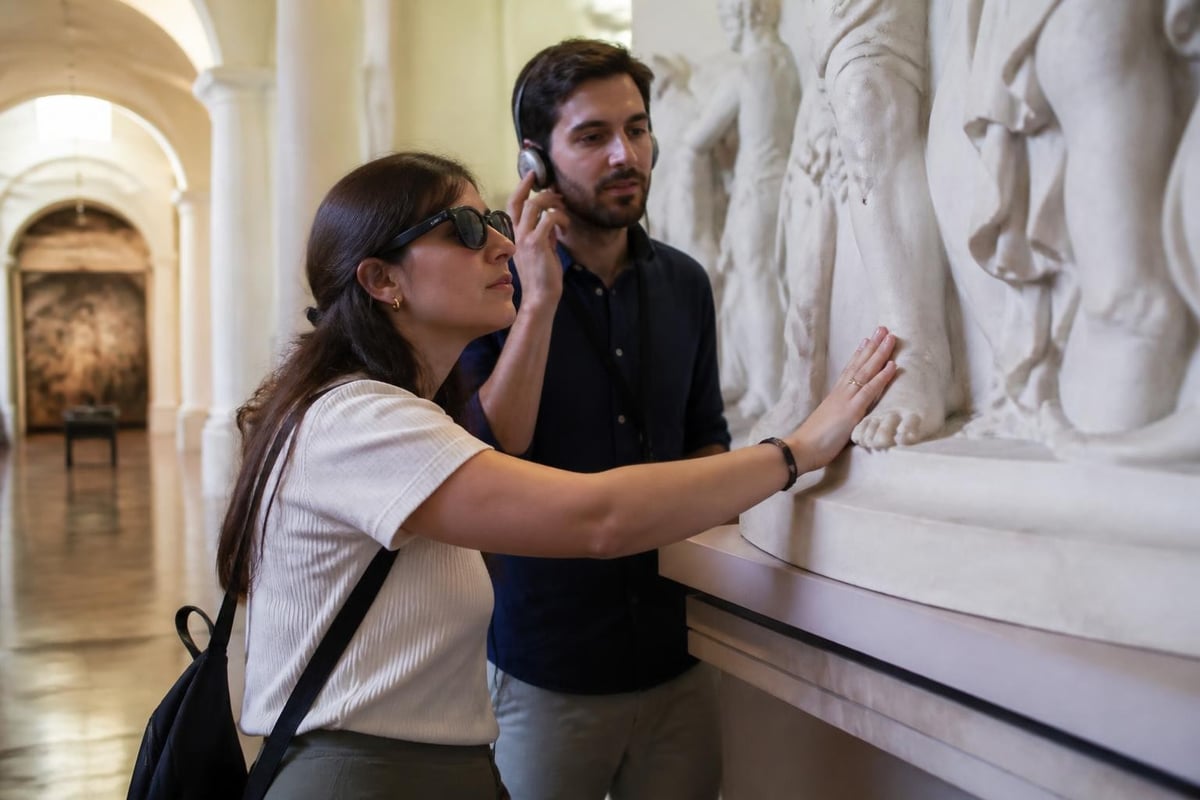
Organizations like IN-SIGHT provide guidance on creating accessible tours for visitors with vision loss and other disabilities. Their resources emphasize multi-sensory experiences and varied interpretation methods.
Accessibility strategies include:
- Detailed verbal descriptions for visual elements
- Tactile models and touchable reproductions
- Audio guides with rich soundscapes
- Pacing that accommodates different mobility levels
- Route options for varying physical capabilities
- Sign language interpretation availability
- Clear advance information about accessibility features
When in sight tours embrace accessibility, they often become richer for everyone. Describing textures benefits sighted visitors too. Slower pacing allows deeper contemplation. Multi-sensory approaches create more memorable experiences.
The Economics of Insight
Can tours that prioritize depth over volume remain financially sustainable? The answer increasingly is yes.
Value-Based Pricing Models
Travellers demonstrate willingness to pay premium prices for genuinely insightful experiences. The key is clearly communicating and delivering that value.
Free walking tour models, like those pioneered by various operators including Visit Samarkand, operate on gratuity-based economics. When guides consistently deliver insight, participants recognize the value and contribute accordingly. This model democratizes access whilst rewarding quality.
Paid in sight tours typically command higher prices than conventional alternatives because they offer:
- Smaller group sizes for better interaction
- Longer durations allowing thorough exploration
- Expert guides with specialized knowledge
- Exclusive access to certain sites or experiences
- Follow-up resources and continued learning
Sustainability Through Repeat Business
Tours that create genuine insight generate powerful word-of-mouth marketing. A traveller who truly understood the cultural significance of what they experienced becomes an evangelist, recommending the tour to friends and returning themselves when they visit again.
This repeat and referral business provides more stable economics than constantly needing to attract new customers through paid advertising.
Adapting to Contemporary Traveller Needs
The expectations visitors bring to tours continue evolving. Successful in sight tours stay responsive to these changes.
Post-Pandemic Priorities
Since 2020, travellers have shown heightened interest in:
- Outdoor experiences that minimize indoor crowding
- Small group sizes allowing personal space
- Local expertise rather than international tour companies
- Authentic connections to communities
- Flexibility in scheduling and participation
Walking tours naturally align with these preferences. In sight tours that emphasize outdoor exploration, community connection, and intimate group sizes meet contemporary comfort levels whilst delivering meaningful content.
Technology as Enhancement, Not Replacement
Digital tools can enrich in sight tours when used thoughtfully. GPS-triggered audio stories, augmented reality historical overlays, and post-tour digital resources extend the experience beyond the physical walk.
However, technology should enhance human connection, not replace it. The insight comes through dialogue with a knowledgeable guide who responds to questions, reads the group's energy, and adapts in real-time.
Effective technology integration:
- Pre-tour digital resources that build anticipation
- Apps that provide optional deeper dives into topics
- Photo and map sharing for post-tour reflection
- Online communities connecting past participants
- Virtual follow-up sessions with guides
Training the Next Generation
Sustaining quality in sight tours requires investing in guide development. This means moving beyond simple script memorization to cultivating genuine expertise and interpretive skill.
Comprehensive Guide Education
Professional development for in sight tour guides should include:
- Historical and cultural research methods to deepen knowledge
- Narrative and storytelling techniques from experienced communicators
- Group facilitation skills to manage dynamics
- Accessibility training to serve diverse audiences
- Continuous learning about new research and interpretations
The Silk Road Travel Academy's sponsorship of educational tour initiatives recognizes that quality experiences require quality preparation. Guides who feel supported in their professional development deliver better tours.
Mentorship and Peer Learning
Pairing experienced guides with newcomers creates knowledge transfer that textbooks can't match. Shadowing tours, debriefing sessions, and collaborative route development build collective expertise.
Regular guide gatherings where professionals share successful approaches, challenging situations, and innovative techniques strengthen the entire community of practice.
The Ripple Effects of Genuine Insight
When in sight tours succeed, benefits extend beyond individual participants. These experiences can shift entire communities' relationships with their heritage.
Locals Seeing Anew
Hearing visitors' fascination with everyday surroundings often prompts residents to reconsider places they'd taken for granted. A local who overhears a guide explaining the astronomical significance of a mosque's orientation might look at that building with fresh appreciation.
Some tour operators deliberately recruit locals to join free or discounted walks, fostering hometown pride and deeper community knowledge.
Heritage Preservation Through Understanding
People protect what they value. When tours build genuine insight into why a building, tradition, or place matters, they create stakeholders invested in its preservation. This understanding can translate into:
- Community advocacy for protection of historic sites
- Support for traditional crafts and practices
- Reduced vandalism and neglect
- Political will for heritage funding
- Intergenerational knowledge transmission
Seasonal and Thematic Variations
The best in sight tours evolve throughout the year, offering returning visitors new perspectives and maintaining guide engagement.
Seasonal Storytelling
The same route transforms across seasons. Spring tours might emphasize renewal traditions and agricultural cycles. Autumn walks could explore harvest festivals and preparation rituals. Winter tours offer different light, different activities, different stories.
This seasonal rotation keeps content fresh for guides and creates reasons for visitors to return, experiencing familiar places through new lenses.
Special Focus Tours
Thematic variations allow deeper dives into specific aspects:
- Architectural tours examining construction techniques and stylistic evolution
- Culinary walks connecting food traditions to cultural history
- Women's history routes highlighting often-overlooked contributions
- Artisan tours meeting craftspeople and understanding their work
- Literary walks following authors and the settings they described
Each theme provides different insight into the same geography, revealing how multifaceted any place truly is.
The transformation from simple sightseeing to genuine insight represents travel's evolution toward meaning. When tours prioritize understanding over checklist completion, they create memories that last and knowledge that shapes how we see the world. For those ready to experience Samarkand beyond its surface beauty, Visit Samarkand offers free walking tours that reveal the city's soul through stories, context, and authentic local connection. Every step becomes discovery, every corner holds revelation, and every tour opens eyes to wonders hidden in plain sight.