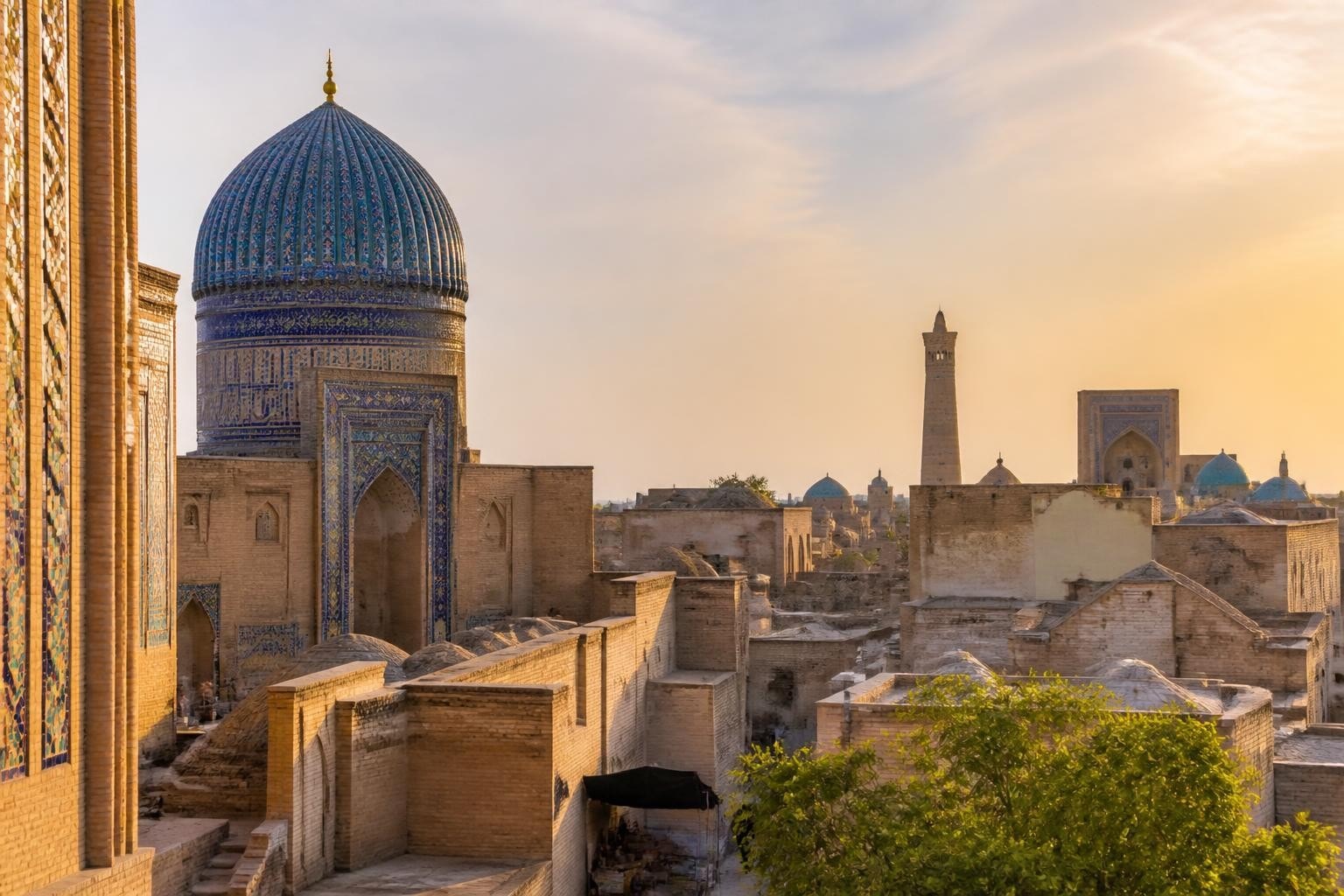
The wind carries whispers of ancient caravans through the desert air, and somewhere between the mountains and the sand, history waits to greet you. Silk road travel isn't merely about visiting destinations; it's about stepping into the pages of a story written over two millennia, where merchants, philosophers, and adventurers walked alongside camels laden with spices, silks, and dreams. Today's travelers follow those same paths, but with a perspective shaped by both reverence for the past and the comfort of modern exploration. Whether you're wandering through turquoise-domed mosques in Samarkand or haggling in centuries-old bazaars, every moment along this legendary route connects you to the pulse of human civilization itself.
The Living Legacy of the Ancient Routes
The Silk Road was never a single road. Instead, it was a sprawling network of trade routes stretching from China to the Mediterranean, weaving through deserts, over mountain passes, and across steppes. When we talk about silk road travel in 2026, we're discussing an experience that honours this complexity whilst offering unprecedented access to regions once shrouded in mystery.
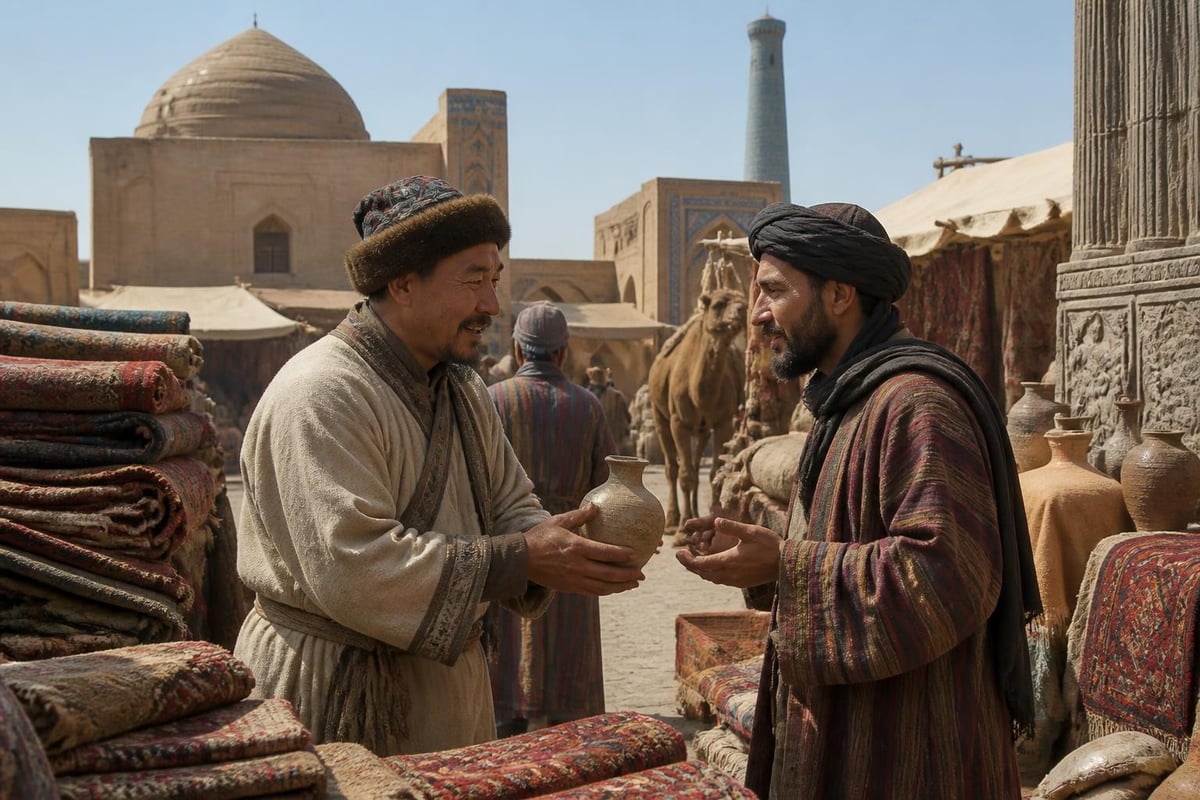
What made these routes extraordinary wasn't just commerce. Yes, silk moved westward and gold flowed east, but ideas traveled even faster than goods. Buddhism spread from India to China along these paths. Islamic architecture bloomed in Central Asian cities. Scientific knowledge and artistic techniques crossed continents on the backs of merchants who were as much ambassadors as traders.
Why the Silk Road Captivates Modern Travelers
Today's silk road travel enthusiasts are drawn by several compelling factors:
- Architectural Marvels: Buildings that seem to defy gravity with their turquoise domes and intricate tilework
- Cultural Authenticity: Communities that maintain traditions spanning centuries
- Historical Significance: Sites recognized by UNESCO’s Silk Roads programme for their global importance
- Culinary Adventures: Food traditions that blend Persian, Turkish, Chinese, and Russian influences
- Photographic Opportunities: Landscapes and cityscapes unchanged in essence for hundreds of years
The romance of retracing merchant footsteps resonates deeply. There's something profound about standing in a caravanserai where traders once rested, or walking through a bazaar that's operated continuously for a thousand years. Modern silk road travel transforms tourism into time travel.
Planning Your Silk Road Adventure
Embarking on silk road travel requires thoughtful preparation. Unlike package holidays to beach resorts, this journey rewards those who invest time in understanding the region's rhythm, customs, and practical realities.
Choosing Your Route and Duration
The full historical Silk Road spans thousands of miles, so most travelers focus on specific sections. Central Asia offers the most concentrated collection of iconic sites, making it ideal for first-time silk road travel enthusiasts.
| Route Section | Duration | Key Highlights | Best For |
|---|---|---|---|
| Uzbekistan Circuit | 7-10 days | Samarkand, Bukhara, Khiva | Architecture lovers, first-timers |
| Kyrgyzstan & Kazakhstan | 10-14 days | Almaty, Issyk-Kul, mountain passes | Nature enthusiasts, adventure seekers |
| Trans-Silk Road | 21+ days | Multiple countries, diverse landscapes | Experienced overland travelers |
| China's Western Route | 14-21 days | Dunhuang, Kashgar, Turpan | History buffs, desert landscapes |
National Geographic’s comprehensive guide offers brilliant insights into planning an overland journey through Central Asia, with practical advice on transport connections and must-see stops.
Seasonal considerations matter enormously. Spring (April-May) and autumn (September-October) offer comfortable temperatures and clear skies. Summer brings scorching heat to desert cities, whilst winter sees some mountain passes close entirely.
Navigating Logistics and Practicalities
Modern infrastructure has transformed silk road travel from arduous expedition to accessible adventure. High-speed trains now connect major Uzbek cities. Domestic flights whisk travelers across distances that once took weeks. Yet some things remain beautifully unchanged.
Visa requirements vary significantly:
- Uzbekistan now offers visa-free entry to many nationalities
- Kazakhstan has introduced simplified e-visa systems
- Kyrgyzstan welcomes most travelers without advance visas
- Turkmenistan requires more complex paperwork and often mandates guides
Currency exchange can be quirky. US dollars remain widely accepted alongside local currencies. ATMs are common in major cities but scarce in rural areas, so carrying cash remains essential.
The Crown Jewels: Unmissable Cities
Certain cities along the Silk Road stand out not just for their beauty, but for their role in shaping global history. These aren't museum pieces preserved under glass; they're living, breathing urban centers where ancient and modern coexist.
Samarkand: Where Dreams are Tiled in Blue
No city embodies silk road travel more perfectly than Samarkand. Timur the Great made this his capital in the 14th century, commissioning buildings so magnificent they still inspire awe six centuries later. The Registan Square, flanked by three madrasahs adorned with geometric patterns and calligraphy, ranks among humanity's greatest architectural achievements.
Walking through Samarkand means encountering layers of history at every turn. The Shah-i-Zinda necropolis showcases evolution in tilework spanning two centuries. Bibi-Khanym Mosque, once among the world's largest, tells stories of ambition and engineering at the limits of medieval technology.
For those seeking deeper connection to this legendary city, Visit Samarkand offers both free and paid walking tours that reveal hidden courtyards, local artisan workshops, and neighbourhood stories most tourists never discover. Guided excursions transform sightseeing into genuine cultural exchange. Travelers who prefer a set itinerary can also book silk road tours that pair these walks with transport and expert guides.
Bukhara: The Museum City
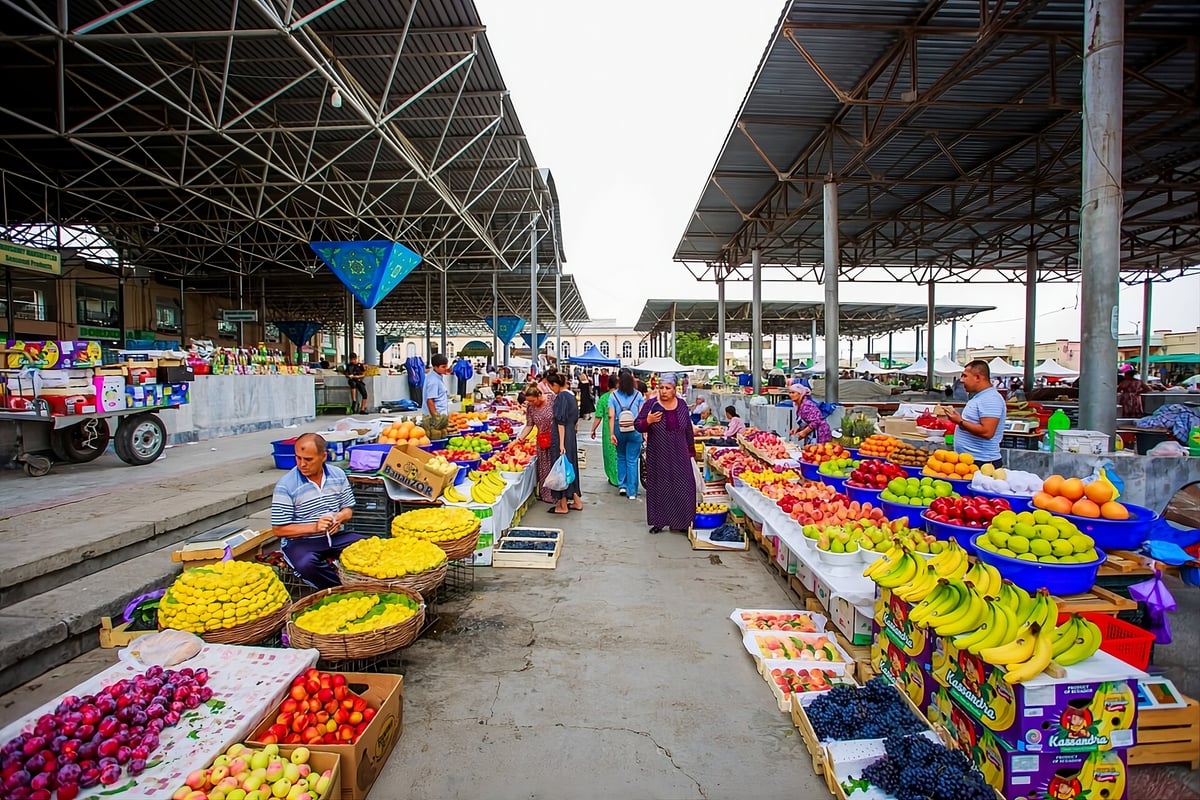
If Samarkand dazzles with grandeur, Bukhara charms with intimacy. Its old town remains remarkably intact, with over 140 architectural monuments within walking distance. The Ark fortress has witnessed empires rise and fall. Trading domes still shelter merchants selling carpets, spices, and metalwork using techniques passed through generations.
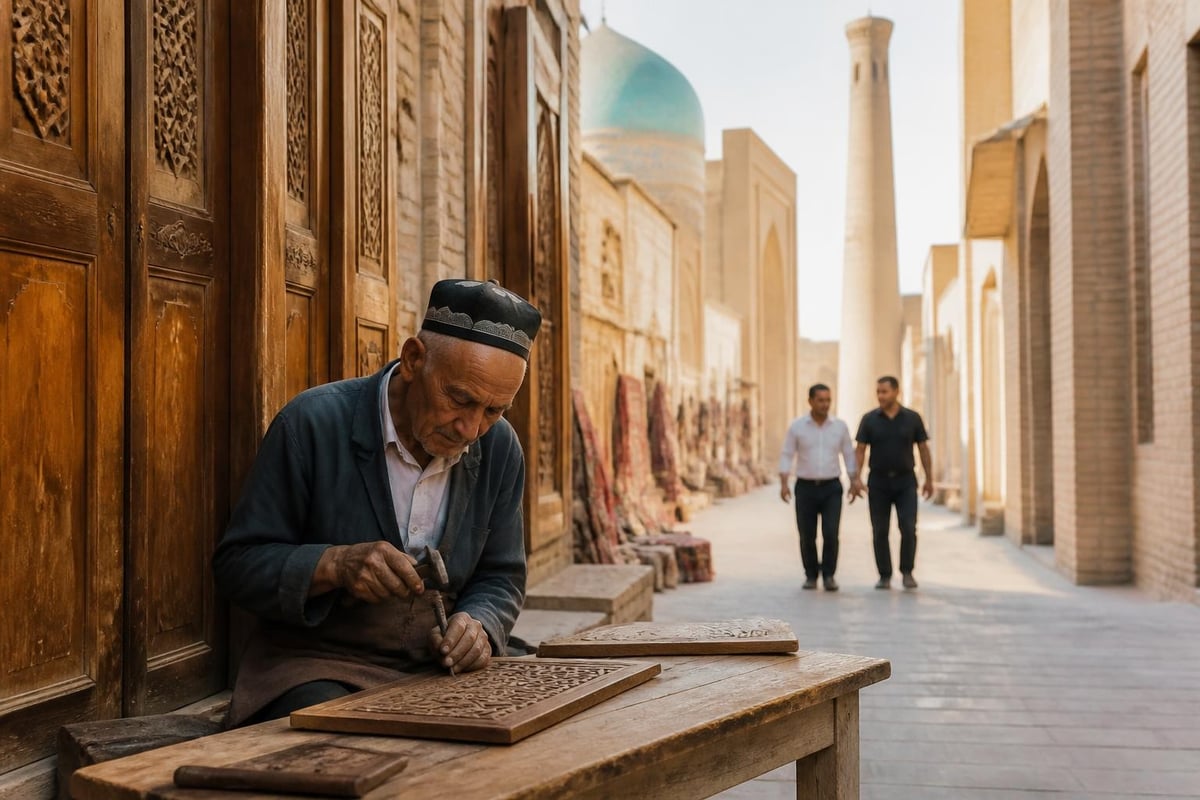
Bukhara's magic reveals itself in details: the acoustics in the Kalyan Minaret's base where criminals once awaited execution, the gentle splash of water in hidden courtyard pools, the smell of freshly baked non bread emerging from clay ovens.
Beyond the Famous Trio
Whilst Samarkand, Bukhara, and Khiva dominate Uzbek silk road travel itineraries, other destinations offer equally compelling experiences:
- Shahrisabz: Timur's birthplace, featuring ruins that hint at palaces rivaling Samarkand
- Fergana Valley: Lush agricultural region known for ceramics and traditional crafts
- Kashgar: Chinese frontier city where Uyghur culture blends with Han influences
Cultural Immersion and Authentic Experiences
The difference between merely visiting Silk Road sites and truly experiencing silk road travel lies in engagement with living culture. History isn't confined to monuments; it pulses through daily life, traditions, and human connections.
Market Culture and Craftsmanship
Bazaars serve as cultural heartbeats. Unlike sterile shopping centers, these markets maintain social functions unchanged for centuries. Men gather over tea to discuss politics and crops. Women examine fabrics whilst exchanging news. Children dart between stalls on errands for their families.
Observing master craftspeople at work provides humbling perspective on skill and patience. Watching a ceramicist paint intricate designs freehand, or observing a silk weaver operate traditional looms, connects you to artistic lineages stretching back centuries.
Culinary Journeys
Food along the Silk Road reflects its role as cultural crossroads. Persian rice dishes meet Chinese noodle-making techniques. Central Asian plov (pilaf) varies by region, with each city claiming superiority. Samsa pastries, lagman noodles, and manti dumplings tell stories of trade and adaptation.
Street food culture thrives. Shashlik grilled over coal fires, fresh lepyoshka bread from tandoor ovens, and steaming bowls of shorpa soup offer delicious entry points into local life. Tea houses (chaikhanas) serve as community gathering spaces where travelers receive warmth alongside their beverages.
The Modern Silk Road: Infrastructure and Development
Contemporary silk road travel occurs against the backdrop of massive geopolitical and economic initiatives. China's Belt and Road Initiative aims to recreate Silk Road connectivity through 21st-century infrastructure, profoundly impacting tourism development throughout the region.
Tourism Development and Heritage Preservation
The relationship between tourism growth and heritage preservation remains delicate. Recent research published in PLOS ONE examines how Belt and Road development affects tourism and heritage along historical Silk Roads, highlighting both opportunities and challenges.
Increased visitor numbers bring economic benefits but also strain fragile historical sites. Uzbekistan has invested heavily in conservation whilst expanding tourism infrastructure. New hotels, improved roads, and modernized airports make silk road travel more accessible, yet questions persist about maintaining authenticity.
| Development Aspect | Positive Impacts | Challenges |
|---|---|---|
| Infrastructure | Easier access, better facilities | Risk of over-tourism, environmental impact |
| Economic Growth | Job creation, cultural pride | Pressure to commercialize traditions |
| Heritage Conservation | Funding for restoration | Authenticity concerns, over-restoration |
| Cultural Exchange | Global awareness, understanding | Cultural commodification risks |
Sustainable Travel Practices
Responsible silk road travel means considering your impact. Supporting local businesses, respecting cultural norms, and choosing eco-conscious transport options all matter. Staying in family-run guesthouses rather than international chains keeps money within communities. Hiring local guides provides income whilst ensuring accurate cultural interpretation.
Historical Resources and Continued Scholarship
Understanding silk road travel deepens through engagement with scholarly resources. The British Library’s International Dunhuang Programme offers fascinating access to manuscripts and artifacts from Dunhuang, a crucial Silk Road oasis city. These primary sources illuminate daily life, religious practices, and trade networks with remarkable detail.
Academic research continues evolving our understanding. World Bank analyses of modern 'New Silk Road' economics provide context for how contemporary development echoes historical trade patterns, helping travelers appreciate continuity alongside change.
Practical Tips from Seasoned Travelers
Veterans of silk road travel share hard-won wisdom that transforms good trips into extraordinary ones:
- Learn basic greetings in local languages; effort matters more than fluency
- Dress modestly, especially when visiting religious sites or rural areas
- Carry small denominations of cash for markets and small purchases
- Accept hospitality graciously; tea invitations create meaningful connections
- Wake early for the best light and smallest crowds at major sites
Photography etiquette varies. Always ask before photographing people, especially women. Some craftspeople expect payment if you photograph their work. Sacred spaces may prohibit photography entirely.
Travel insurance matters more than many realize. Medical facilities in smaller cities may lack modern equipment. Political situations can shift, affecting borders and transport. Comprehensive coverage provides peace of mind alongside practical protection.
The Transformative Power of the Journey
What separates silk road travel from typical tourism is its capacity for transformation. Something about walking paths used by Marco Polo, Ibn Battuta, and countless unknown merchants shifts perspective. Modern concerns shrink against timescales measured in millennia.
You return changed. Perhaps more patient, having witnessed craftsmanship that cannot be rushed. Maybe more appreciative of cultural complexity, having seen Islam, Buddhism, and Zoroastrianism coexist. Certainly more humble, recognizing yourself as one tiny thread in humanity's vast tapestry.
The friendships forged along these routes often endure beyond the journey itself. Shared bread at a homestay, assistance navigating a confusing bus station, or an impromptu music session in a teahouse creates bonds transcending language and nationality.
Silk road travel offers more than destinations; it provides perspective on human achievement, resilience, and creativity across centuries. Every turquoise dome, every market stall, every cup of tea shared with strangers adds another chapter to your personal story. Whether you're planning your first venture into Central Asia or returning to explore deeper, Visit Samarkand stands ready to unlock the hidden layers of this extraordinary city through guided experiences that connect you authentically with its living heritage. The ancient routes await, and they have stories yet to share with those willing to listen.