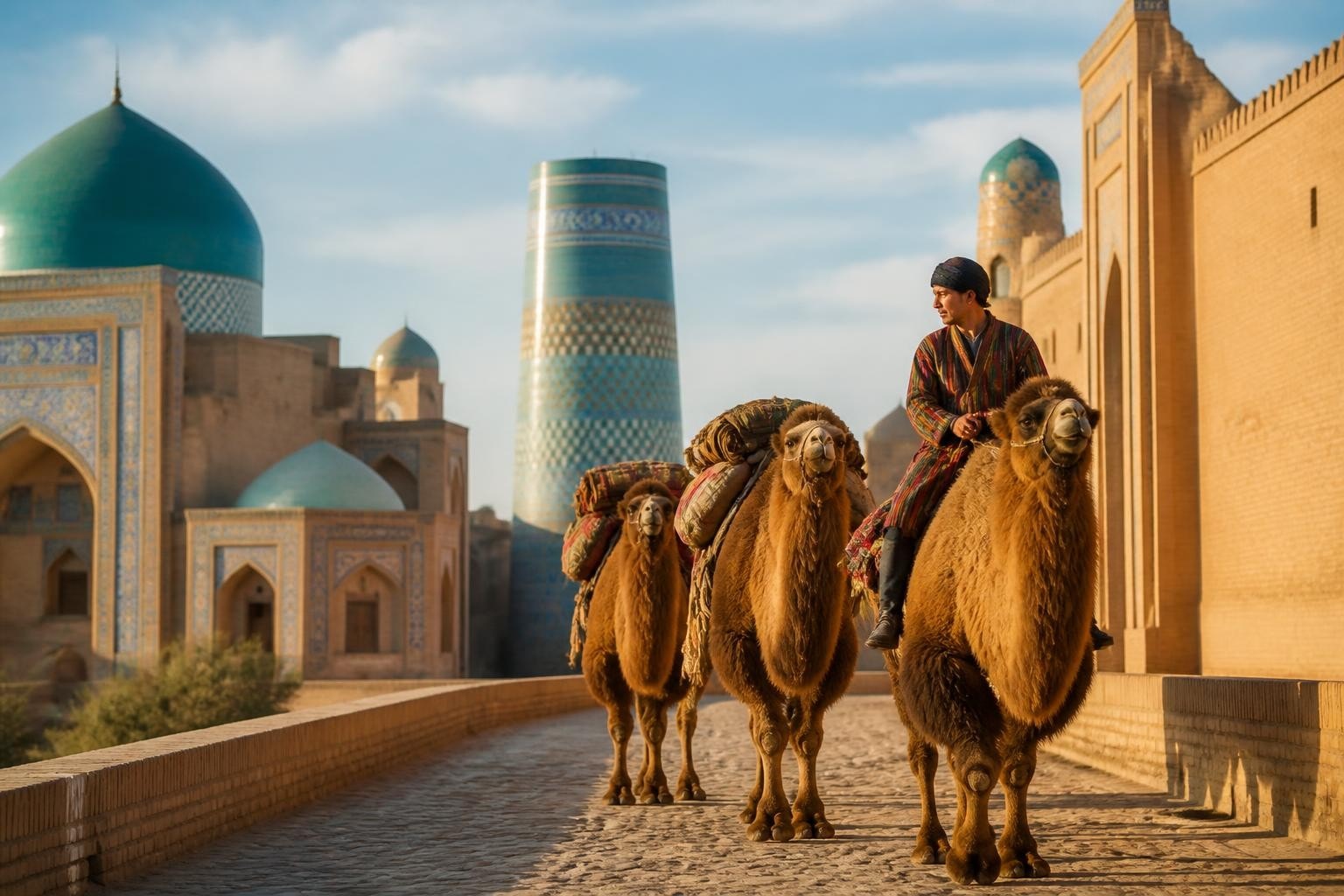
I'll never forget the moment I first stood beneath the turquoise domes of Samarkand's Registan Square at sunrise. The soft light painted the medieval madrasas in shades of gold and azure, and I realized I wasn't just looking at monuments-I was witnessing the living memory of the Silk Road itself. An Uzbekistan Silk Road tour isn't merely a holiday; it's a journey through time, where ancient caravanserais whisper stories of merchants who crossed deserts laden with silk and spices, and where cities that once connected East and West continue to thrive with that same spirit of exchange. This is where history breathes.
The Living Canvas of the Silk Road
The Silk Road was never a single path but a constellation of routes threading through Central Asia, and Uzbekistan sat at its brilliant heart. When you embark on an Uzbekistan Silk Road tour, you're tracing the footsteps of traders, scholars, and adventurers who shaped civilizations.
Why Uzbekistan Remains the Silk Road's Soul
Uzbekistan hosts the most intact Silk Road cities on Earth. Samarkand, Bukhara, and Khiva aren't museum pieces preserved under glass-they're vibrant urban centres where centuries-old buildings frame daily life. The UNESCO Silk Roads Programme recognizes these cities as essential to understanding the cultural exchanges that defined medieval commerce and scholarship.
What sets Uzbekistan apart is authenticity layered with accessibility. You can:
- Explore mosques that have hosted prayers for seven centuries
- Wander bazaars where merchants still barter as their ancestors did
- Stay in restored caravanserais where Silk Road travellers once sheltered
- Taste dishes perfected over generations of culinary exchange
The country has invested heavily in tourism infrastructure whilst preserving its heritage. Recent government reports show tourism numbers climbing steadily, with Central Asia's Silk Road heritage drawing curious travellers from every continent.
Samarkand: Where Timur's Dream Lives On
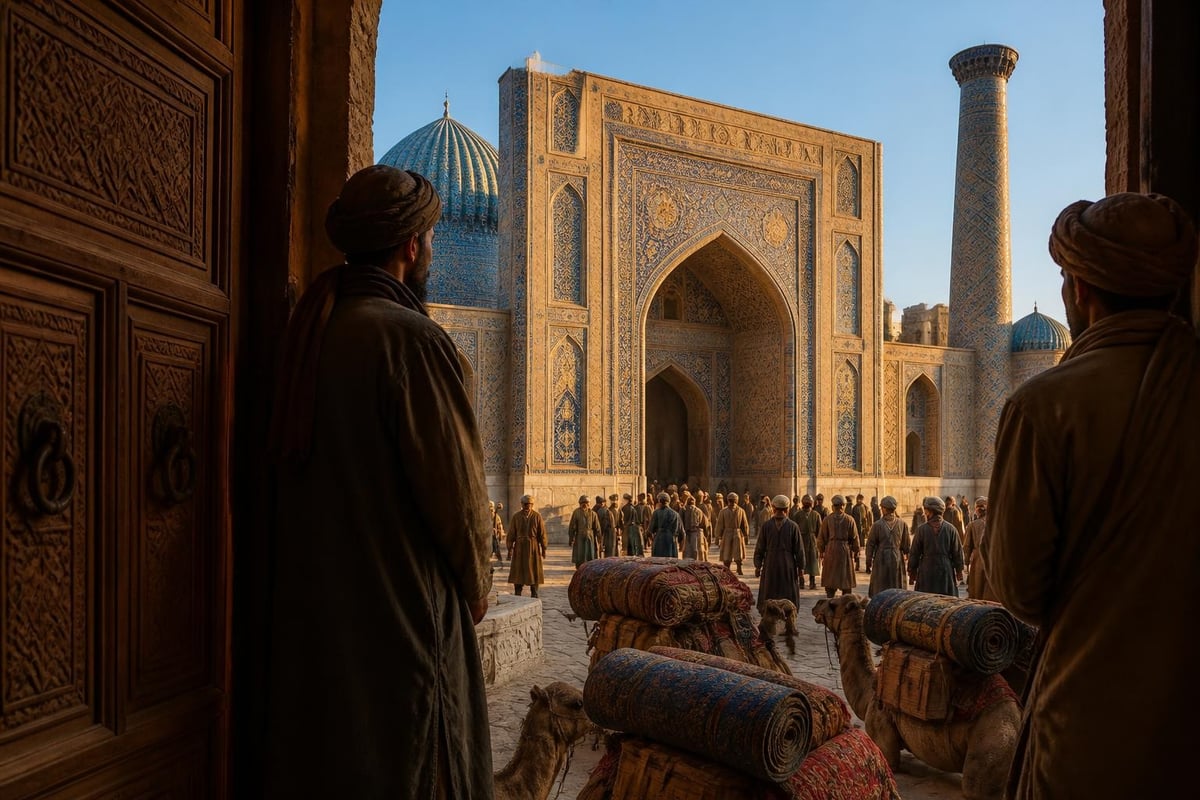
Samarkand deserves special attention in any Uzbekistan Silk Road tour narrative. This city-older than Rome-was transformed by Timur (Tamerlane) in the 14th century into the jewel of his empire. He conscripted the finest artisans from conquered territories, demanding they create monuments that would make the world gasp.
They succeeded beyond imagination. The Registan, with its three grand madrasas, forms a public square so magnificent that it defies modern replication. The Bibi-Khanum Mosque, once the Islamic world's largest, tells of Timur's ambition-and the engineering challenges of medieval architecture. International efforts, including restoration funding from Qatar, continue to preserve these treasures for future generations.
The Shah-i-Zinda necropolis offers something different: an intimate avenue of mausoleums adorned with tilework so intricate, so perfectly preserved, that you might believe the craftsmen laid the final tile yesterday. Each tomb tells a story-of royal wives, military heroes, spiritual leaders-creating a narrative mosaic of medieval Central Asian society.
Planning Your Uzbekistan Silk Road Tour
The best stories require thoughtful preparation. An Uzbekistan Silk Road tour rewards those who invest time in understanding visa requirements, seasonal considerations, and route options.
Practical Foundations for Your Journey
Visa access has transformed dramatically. The Uzbekistan e-Visa portal streamlined entry for over 80 nationalities, allowing online applications processed within days. Many European, Asian, and American travellers now enjoy visa-free access for stays up to 30 days, removing a barrier that once made Central Asian travel daunting.
| Season | Temperature | Crowds | Best For |
|---|---|---|---|
| Spring (Apr-May) | 15-25°C | Moderate | Blooming gardens, comfortable walking |
| Summer (Jun-Aug) | 30-40°C | High | Long daylight, festivals, desert heat |
| Autumn (Sep-Oct) | 18-28°C | Low | Harvest markets, ideal weather |
| Winter (Nov-Mar) | 0-10°C | Very low | Snow-dusted domes, authentic local life |
Spring and autumn offer the sweet spot-mild temperatures, reasonable crowds, and landscapes that shift between verdant and golden. Summer brings intense heat but also the energy of peak tourism and cultural festivals. Winter reveals a quieter, more contemplative Uzbekistan, where you'll share sites with local families rather than tour groups.
Connecting the Silk Road Cities
Modern infrastructure makes multi-city tours remarkably smooth. The Afrosiyob high-speed train rockets between Tashkent and Samarkand in just over two hours, offering comfortable carriages and stunning views of the Zarafshan mountains. Uzbekistan Railways operates reliable services connecting all major Silk Road destinations, though booking ahead during peak season proves wise.
A classic seven-day Uzbekistan Silk Road tour might flow like this:
- Tashkent (1 day): Modern capital with Soviet-era architecture and contemporary Uzbek culture
- Samarkand (2-3 days): The jewel, requiring time to absorb its layered history
- Bukhara (2 days): Medieval trading hub with the region's best-preserved old town
- Khiva (1-2 days): Fairy-tale walled city feeling suspended in the 17th century
Alternatively, focus deeply on a single city. Samarkand alone offers enough depth for a week-long exploration, particularly when you venture beyond the marquee monuments into neighbourhood streets, local workshops, and evening teahouses.
Experiencing Samarkand Through Local Eyes
Here's where your Uzbekistan Silk Road tour transforms from sightseeing into storytelling. The monuments provide the stage, but the real drama unfolds in the spaces between-in conversations with craftsmen, meals shared with local families, and moments when you stumble upon scenes unchanged for centuries.
Beyond the Postcard Views
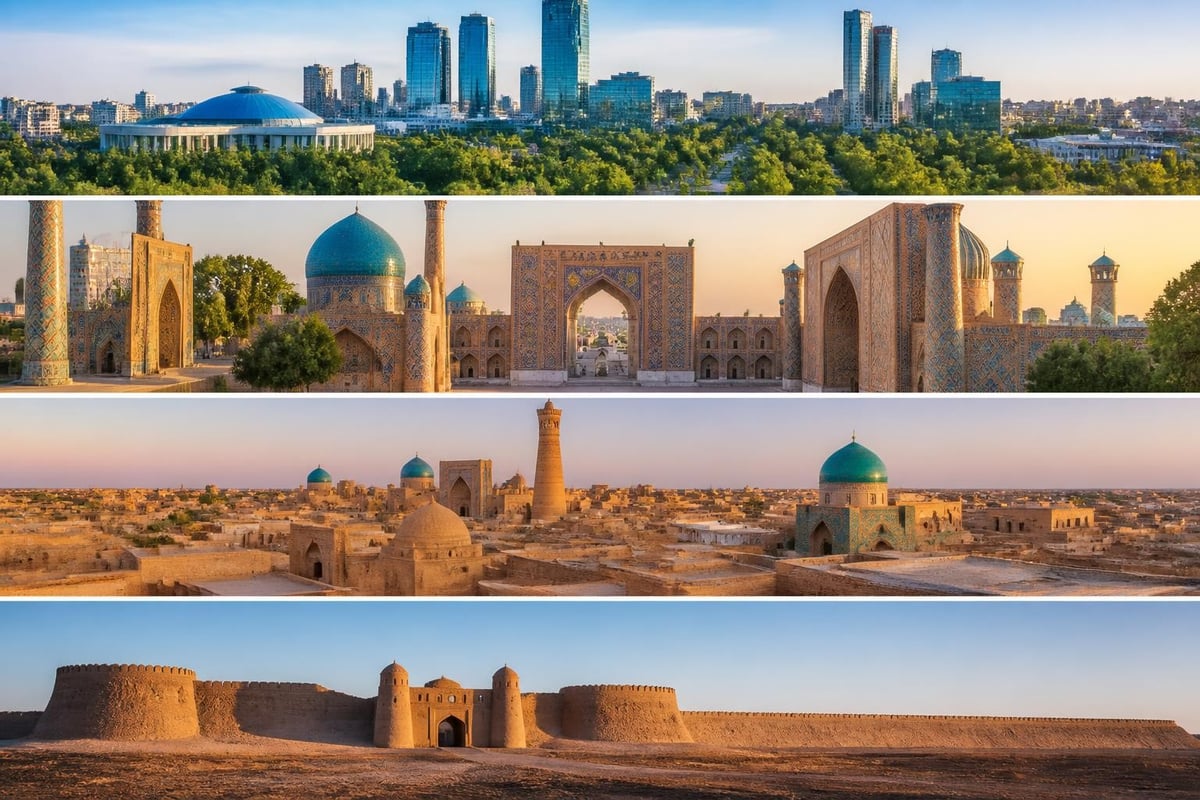
Tourist photographs of Samarkand tend to showcase the same angles: the Registan at golden hour, the turquoise domes against cloudless skies. These images capture genuine beauty, yet they miss the texture of lived experience.
The morning bazaar near Siyob offers something different. Arrive at dawn when farmers spread seasonal produce across tables, when the scent of fresh non bread mingles with bundles of coriander and dill, when babushkas argue good-naturedly over melon prices. Archaeological research, including recent studies on material culture from Silk Road sites, reveals that such markets have operated continuously in Central Asian cities for over a millennium-the faces change, but the commerce endures.
Walking tours unlock Samarkand's hidden narratives in ways that rushed coach tours cannot. When you explore on foot, you notice the elderly craftsman still practicing miniature painting in his workshop, using techniques passed through twelve generations. You discover neighbourhood mosques where locals welcome curious visitors for tea and conversation. You witness the daily rituals-children walking to school past medieval madrasas, vendors setting up chai stalls in ancient courtyards-that reveal how history and modernity coexist.
Those interested in structured yet accessible exploration can join free walking tours in Samarkand that introduce visitors to both famous sites and lesser-known corners, guided by locals who share personal stories alongside historical facts. These walking experiences, sponsored by cultural preservation initiatives, make guided exploration available to travellers of all budgets whilst supporting knowledge-sharing about Uzbek heritage.
The Stories in the Tiles
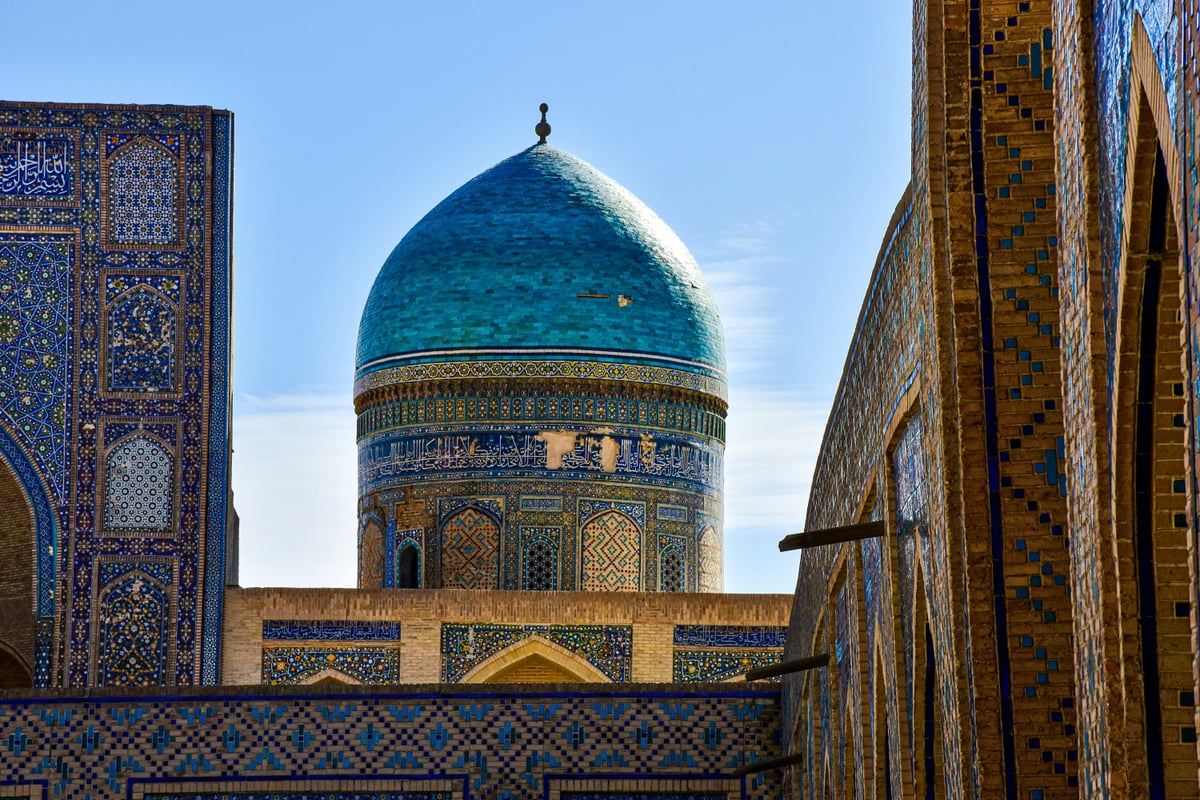
Samarkand's architectural glory rests in its tilework-millions of individually cut and glazed pieces assembled into geometric patterns and floral arabesques that seem to shimmer with inner light. Yet controversy shadows some restorations. National Geographic has documented concerns about over-restoration in Samarkand, where authentic medieval tiles have sometimes been replaced with bright modern reproductions that prioritize visual impact over historical accuracy.
This tension-preservation versus presentation-defines heritage tourism globally. As a visitor, you become part of this conversation. Your interest and entrance fees fund ongoing conservation, but your expectations also shape how sites are managed. Thoughtful travellers seek balance: appreciating restored monuments whilst also valuing worn stones that bear the authentic patina of centuries.
Cultural Immersion on Your Uzbekistan Silk Road Tour
The Silk Road succeeded because it facilitated not just trade but cultural exchange-music, mathematics, medicine, philosophy, and cuisine flowed along those routes as surely as silk and spices. Your Uzbekistan Silk Road tour should embrace this spirit of exchange.
Uzbek Cuisine: Where East Met West
Every Uzbekistan Silk Road tour should dedicate serious time to food. Uzbek cuisine itself tells the Silk Road story, blending Persian rice techniques, Chinese noodle traditions, Russian influences, and distinctly Central Asian flavours.
Essential dishes to seek out include:
- Plov (osh): The national dish-rice cooked with lamb, carrots, and onions in a precise ritual that varies by region
- Shashlik: Grilled meat skewers seasoned simply but perfectly
- Samsa: Baked pastries filled with meat or pumpkin, descendants of Chinese baozi that travelled west
- Laghman: Hand-pulled noodles with vegetables and meat, showing Silk Road Chinese influence
- Non: Round flatbread baked in clay ovens, each region stamping unique patterns
Sharing plov from a communal dish on Sunday-traditionally men's cooking day-offers insight into Uzbek social customs. Watching a chef hand-pull laghman noodles into impossibly thin strands demonstrates skills refined over generations. These aren't just meals; they're edible history lessons.
Traditional Crafts Alive Today
| Craft | Primary Location | What to Look For | Heritage Value |
|---|---|---|---|
| Silk ikat weaving | Margilan (near Fergana) | Khan atlas fabric, abr patterns | Pre-Islamic Central Asian tradition |
| Miniature painting | Bukhara, Samarkand | Persian-influenced detailed illustrations | Medieval court art preserved |
| Ceramics | Gijduvan, Rishtan | Turquoise glazes, geometric patterns | Techniques unchanged since 9th century |
| Gold embroidery | Bukhara | Suzani wall hangings, bridal garments | Women's artisan tradition |
| Woodcarving | Khiva | Doors, pillars with Islamic geometric designs | Architectural decoration heritage |
Visiting workshops where these crafts continue lets you witness living tradition. A master ceramicist in Gijduvan might explain how local clay and mineral pigments create that distinctive turquoise-the same colour that adorns Samarkand's domes. An ikat weaver can demonstrate the resist-dyeing process that creates those characteristic blurred patterns, a technique that predates Islamic rule in Central Asia.
The Deeper Journey
Every Uzbekistan Silk Road tour ultimately becomes personal. The monuments and meals provide the framework, but the transformative moments arrive unexpectedly.
Finding Your Own Silk Road Story
Mine came in a Bukhara teahouse on a warm September evening. I'd spent the afternoon exploring the Ark fortress and Kalyan minaret, dutifully photographing famous sites. Exhausted, I ducked into a small establishment where local men played backgammon and sipped green tea.
The owner, noticing my foreign face, brought tea and fresh bread without asking. Through broken Russian and generous gestures, he introduced me to regulars who'd gathered there every evening for decades. One elderly gentleman pulled out photos from the 1970s showing the same teahouse, the same corner table, with his younger self and friends long since passed.
This is what an Uzbekistan Silk Road tour offers beyond Instagram moments: connection to continuity, recognition that these cities don't exist for tourists but welcome visitors into ongoing life. The Silk Road wasn't about destinations-it was about the journey and the exchanges that happened along the way.
Responsible Travel in Heritage Cities
Tourism brings both opportunities and pressures. Official statistics show visitor numbers to Uzbekistan climbing significantly each year, with Samarkand receiving particular attention. This growth funds restoration projects and creates local employment, but also risks overwhelming fragile sites and communities.
Travellers can lighten their footprint by:
- Supporting local guides and family-run guesthouses
- Respecting photography restrictions at religious sites
- Learning basic Uzbek or Russian phrases
- Shopping directly from artisans rather than souvenir warehouses
- Visiting during shoulder seasons when possible
- Spending time in neighbourhoods beyond tourist zones
The government’s tourism strategy emphasizes sustainable development, recognizing that Uzbekistan's heritage must be preserved even as access expands. As visitors, we participate in that balance through our choices-where we stay, what we buy, how we engage.
Seasonal Rhythms and Festival Life
An Uzbekistan Silk Road tour gains extra dimension when timed with traditional celebrations. The Islamic calendar and seasonal agricultural cycles shape a rhythm of festivals that has persisted for centuries.
Navruz: The Silk Road New Year
Navruz, marking the spring equinox (March 21), predates Islam-it's a Zoroastrian celebration absorbed into Central Asian culture. In Samarkand, Navruz transforms public squares into festivals of music, wrestling competitions, and communal feasting. The traditional dish, sumalak, is prepared from wheat sprouts in an overnight ritual involving storytelling and singing.
Experiencing Navruz offers a window into pre-Islamic Central Asian traditions that survived centuries of cultural change-exactly the kind of layered history that makes the Silk Road fascinating.
Summer Festivals and Autumn Harvests
Summer brings music festivals showcasing traditional instruments-the dutar, rubab, and doira-that travelled the Silk Road and influenced musical traditions from Turkey to China. Autumn celebrates harvests with melon festivals in the countryside, where dozens of varieties are judged, sliced, and shared freely.
These seasonal celebrations ground your Uzbekistan Silk Road tour in the agricultural and cultural cycles that sustained Silk Road cities. The harvest markets of September overflow with pomegranates, persimmons, grapes, and melons-the same fruits that medieval travellers described in their journals.
Practical Wisdom for Modern Silk Road Travellers
Romance aside, successful travel requires practical knowledge. Here's what years of Central Asian exploration have taught me about navigating an Uzbekistan Silk Road tour smoothly.
Money Matters
Uzbekistan still operates largely on cash, though Tashkent and Samarkand increasingly accept cards at hotels and upscale restaurants. The Uzbek som (UZS) has stabilized significantly, but carrying US dollars or euros for exchange remains wise, particularly outside major cities.
Budget guideline per day (mid-range travel):
- Accommodation: $30-60 (comfortable guesthouse or mid-range hotel)
- Meals: $15-25 (mix of local restaurants and occasional upscale dining)
- Transport: $5-20 (depending on distances and methods)
- Entrance fees: $5-15 (most major sites charge nominal fees)
- Guides/tours: $0-50 (free walking tours to private guides)
Travelling independently in Uzbekistan costs remarkably little compared to Western Europe or North America, particularly if you embrace local transport and eateries.
Communication and Connectivity
Wi-Fi reaches most hotels and many cafés in tourist areas. Local SIM cards with generous data packages cost under $10 and work well in cities, though rural coverage can be spotty. Download offline maps before departing urban areas.
Russian remains the lingua franca, though younger Uzbeks increasingly speak English, particularly in tourism. Learning basic courtesies in Uzbek-rahmat (thank you), assalomu alaykum (peace be upon you)-opens doors and hearts.
Health and Safety
Uzbekistan ranks among Central Asia's safest countries for travellers. Violent crime targeting tourists is rare, though standard precautions against pickpockets in crowded bazaars make sense.
Water quality varies. Stick to bottled water in smaller towns, though Tashkent and Samarkand's tap water generally proves safe for teeth-brushing. Summer heat demands serious hydration-carry water constantly and seek shade during midday hours.
Food safety concerns are minimal at established restaurants, though street food requires common sense-choose stalls with high turnover and visible cooking processes.
The Digital Age Meets Ancient Routes
Modern technology reshapes how we experience an Uzbekistan Silk Road tour, for better and occasionally worse. Instagram has made Samarkand's domes iconic to millions who've never travelled there, sparking curiosity but also creating certain expectations.
Photographing Heritage Responsibly
The blue domes and intricate tilework photograph magnificently, and sharing images helps preserve interest in Silk Road heritage. Yet the quest for perfect shots can distance us from genuine experience.
I've learned to balance documentation with presence:
- Arrive at major sites early, take photos, then put the camera away to simply observe
- Respect restrictions at active mosques and mausoleums
- Ask permission before photographing people, particularly women
- Seek unusual perspectives that tell broader stories, not just iconic angles
- Dedicate time to sites that don't photograph spectacularly but reward quiet attention
Some of my most treasured memories from Uzbekistan exist only in my mind-conversations that couldn't be photographed, fleeting moments of light through ancient windows, the precise taste of morning tea in a village guesthouse.
Online Resources and Current Information
Official government sites, including detailed visa and travel information, provide up-to-date entry requirements and regulations. Tourism infrastructure evolves rapidly in Uzbekistan, so verifying current conditions before departure proves worthwhile.
Travel forums and recent blogs offer ground-level perspectives from other visitors, though information quality varies. Cross-reference practical advice against official sources, particularly regarding visas, transport schedules, and seasonal closures.
The Silk Road's true legacy isn't the monuments or traded goods-it's the reminder that connection across cultures creates something greater than isolation ever could. An Uzbekistan Silk Road tour offers more than beautiful photographs and exotic experiences; it provides perspective on our interconnected world, lessons written in turquoise tiles and shared meals, in languages blending across borders and traditions surviving centuries of change. Whether you spend a week or a season exploring these ancient cities, you're participating in the same exchange that defined the Silk Road itself-curiosity rewarded by discovery. Ready to write your own chapter in this continuing story? Visit Samarkand offers the perfect starting point, with free walking tours that transform first-time visitors into confident explorers, revealing layers of history and culture that bring Samarkand's Silk Road heritage vibrantly to life.