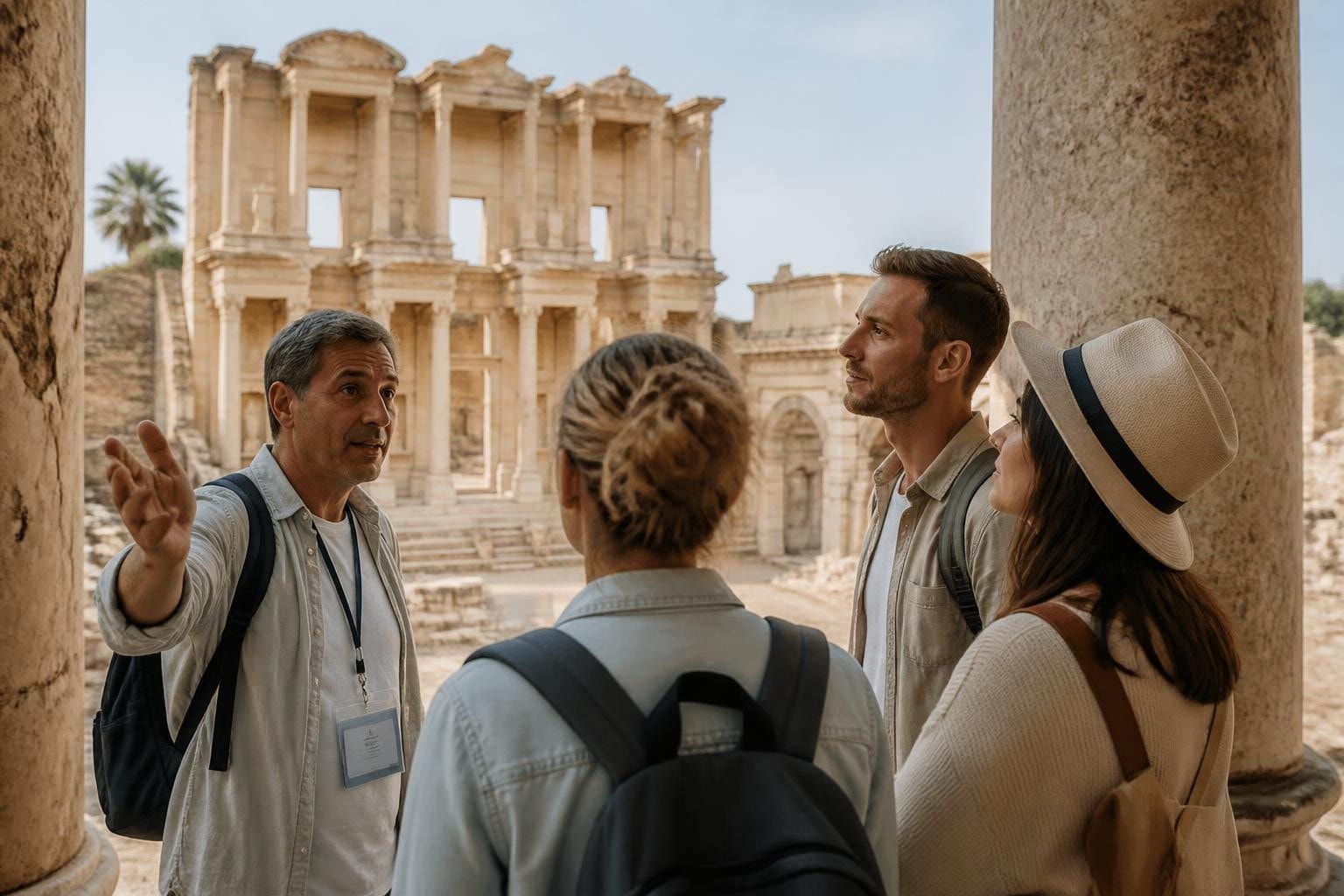
The moment you decide to book a travel guide, you're not just arranging a service. You're opening a door to stories untold, pathways unexplored, and connections unmade. I remember standing in a bustling square in Central Asia, guidebook in hand, feeling utterly lost among the architectural wonders around me. Then a local guide appeared, and suddenly every tile, every archway began to whisper its secrets. That's the magic that transforms a simple trip into a journey worth remembering. In 2026, travel guide booking has evolved from a luxury reserved for group tours into an essential tool for curious travellers seeking authentic experiences. Whether you're navigating ancient Silk Road cities or contemporary urban landscapes, understanding how to find, evaluate, and book the right guide can mean the difference between seeing a place and truly experiencing it.
Why Travel Guide Booking Matters More Than Ever
The travel landscape has shifted dramatically. Gone are the days when tourists followed flag-waving leaders in matching hats, content with superficial snapshots. Today's travellers crave depth, authenticity, and personalised experiences that guidebooks simply cannot provide.
Travel guide booking connects you with local knowledge that transforms your visit. A skilled guide doesn't just recite facts; they weave history, culture, and personal anecdotes into a narrative that brings destinations alive. According to recent traveller behaviour research, experiential travel continues to dominate booking preferences, with guided experiences ranking among the top requests.
The Human Connection Factor
There's something profound about learning from someone who calls your destination home. When you complete a travel guide booking, you're not purchasing information. You're investing in perspective.
Consider these benefits:
- Local insights that reveal hidden gems tourists typically miss
- Cultural context that helps you understand what you're seeing
- Real-time adaptation to weather, crowds, or your interests
- Safety and navigation in unfamiliar environments
- Authentic recommendations for restaurants, shops, and experiences beyond tourist traps
I've watched travellers' faces light up when a guide shares a childhood memory tied to a particular street corner. That emotional connection cannot be replicated by any app or audio tour, no matter how sophisticated.
Understanding Different Types of Guide Services
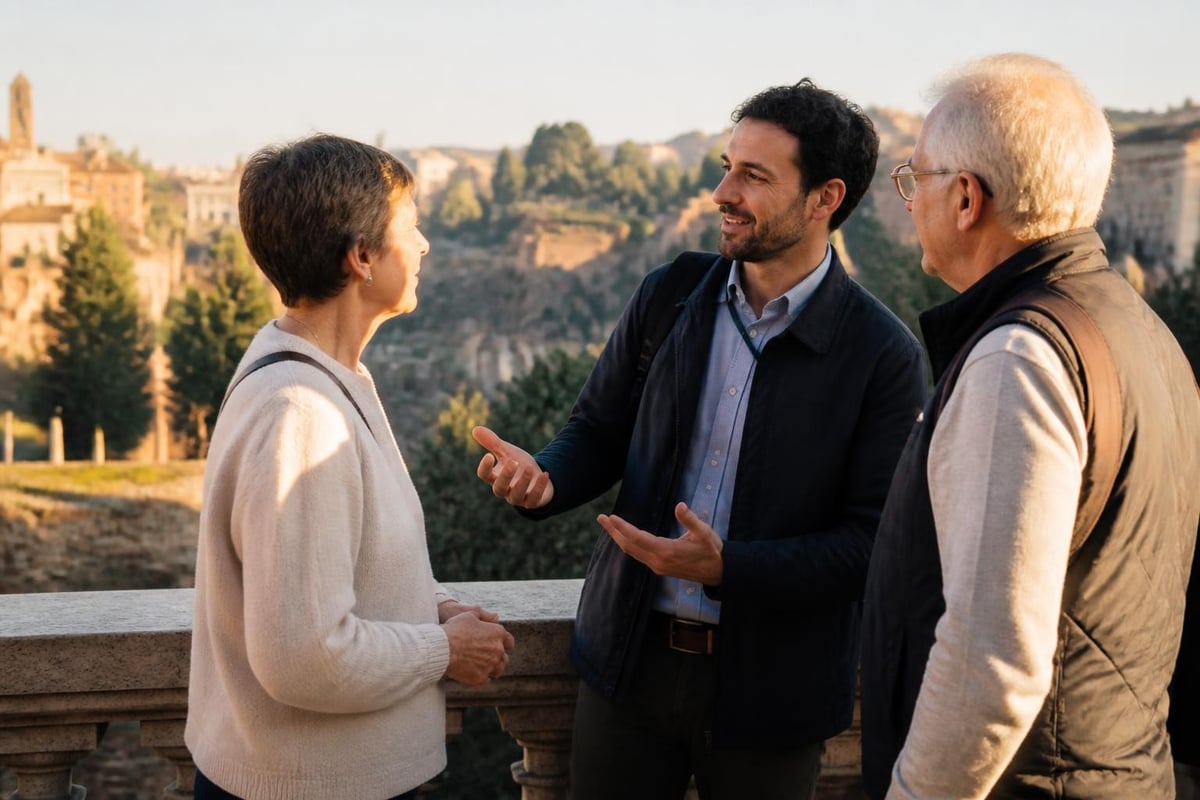
Travel guide booking isn't one-size-fits-all. The landscape offers remarkable variety, each suited to different traveller needs and preferences.
| Guide Type | Best For | Typical Duration | Booking Lead Time |
|---|---|---|---|
| Free walking tours | Budget travellers, first-time visitors | 2-3 hours | 1-7 days |
| Private guides | Customised experiences, families | Flexible | 1-4 weeks |
| Group tours | Social travellers, structured itineraries | Half or full day | 1-2 weeks |
| Specialist guides | Niche interests (archaeology, food, architecture) | Variable | 2-8 weeks |
Free Walking Tours: Accessibility Meets Quality
The rise of free walking tour models has democratised access to expert guidance. These tip-based services operate in cities worldwide, making travel guide booking accessible regardless of budget constraints.
Free walking tours typically gather at central meeting points, where enthusiastic guides share their cities with groups ranging from five to thirty people. The model works brilliantly: guides earn their income through voluntary tips, incentivising them to deliver exceptional experiences. When exploring destinations like Samarkand and its rich historical tapestry, free walking tours offer an outstanding introduction to a city's layers of history and culture.
The key advantage? You can test the waters before committing to longer, paid experiences. Many travellers use free tours on their first day to orient themselves, then book private guides for deeper exploration later.
Private and Specialist Guides
Sometimes your travel guide booking needs demand exclusivity or expertise. Private guides offer flexibility that group tours cannot match.
Photographers might seek guides who know the best light at specific times of day. History enthusiasts may want specialists who can discuss archaeological details for hours. Families with children often prefer private guides who can adapt pacing and content to younger audiences.
The booking process for specialist guides requires more planning. Many operate independently or through boutique agencies, necessitating email correspondence to discuss your specific interests and requirements.
The Booking Process: From Research to Confirmation
Successful travel guide booking begins long before you arrive at your destination. The digital age has simultaneously simplified and complicated the process, offering unprecedented choice alongside increased decision paralysis.
Step 1: Define Your Needs
Begin by asking yourself critical questions:
- What specifically interests you about this destination?
- How much time can you dedicate to guided experiences?
- What's your budget for guide services?
- Do you prefer social group settings or private experiences?
- Are there accessibility requirements?
Write down your answers. This clarity prevents you from booking the wrong type of experience simply because it appeared first in search results.
Step 2: Research Platforms and Providers
Travel guide booking now happens across multiple channels, each with distinct advantages.
Dedicated tour platforms like GetYourGuide and Viator aggregate thousands of experiences, offering reviews, instant confirmation, and customer protection. However, they charge commissions that can inflate prices.
Direct bookings through guide websites or local agencies often cost less and put more money in guides' pockets. The trade-off? You lose platform protection and must coordinate details yourself.
Social proof matters enormously. Read reviews critically, looking for specific details rather than generic praise. A review that mentions "Our guide Maria taught us to identify different architectural periods in the tilework" tells you far more than "Great tour!"

Step 3: Evaluate Guide Credentials
Not all guides are created equal. Professional credentials vary by country and region, but certain markers indicate quality.
Look for:
- Official certification or licensing numbers
- Years of experience in their specific area
- Language proficiency clearly stated
- Specialist knowledge backed by education or deep study
- Consistent positive feedback across multiple platforms
Many destinations require guides to pass rigorous exams covering history, culture, and practical skills. Licensed guides often display their credentials prominently.
Step 4: Communication Before Booking
Before finalising your travel guide booking, establish contact. A brief email or message accomplishes several goals simultaneously.
It confirms availability beyond automated calendars, which aren't always current. It reveals communication style, helping you gauge whether you'll enjoy spending hours with this person. It allows customisation, letting you mention specific interests or physical limitations.
One traveller I know always asks potential guides to recommend their favourite local restaurant. The answer reveals whether they give tourist-friendly responses or share genuine personal favourites.
Technology's Role in Modern Guide Booking
The digital transformation of travel and tourism has fundamentally altered how we discover and book guide services. Yet technology serves the experience rather than replacing it.
Digital Tools That Enhance the Process
- Real-time availability systems prevent double-booking frustrations
- Secure payment gateways protect both travellers and guides
- Translation features enable communication across language barriers
- Interactive maps help you visualise tour routes beforehand
- Digital ticketing reduces paper waste and streamlines meeting logistics
The Web Content Accessibility Guidelines have pushed booking platforms to become more inclusive, ensuring travellers with disabilities can research and book guide services independently.
The Limits of Automation
Despite technological advances, travel guide booking remains inherently human. AI cannot replicate the spontaneous story triggered by a question, the knowing smile when a guide shares a local secret, or the adaptive intelligence that reroutes a tour to avoid sudden crowds.
Smart travellers use technology to facilitate booking but never mistake the medium for the experience itself. Your phone helps you find the guide; the guide helps you find the soul of a place.
Payment, Cancellation, and Practical Considerations
The financial aspects of travel guide booking deserve careful attention. Mistakes here can sour otherwise wonderful experiences.
| Consideration | Best Practice | Why It Matters |
|---|---|---|
| Payment timing | 50% deposit, balance on completion | Protects both parties |
| Cancellation policy | Understand terms before booking | Avoid unexpected charges |
| Tipping guidance | Research local customs | Show appropriate appreciation |
| Group size | Confirm maximum participants | Ensures quality experience |
| Meeting logistics | Save offline maps of meeting point | Prevents last-minute panic |
Secure Payment Practices
When making a travel guide booking, payment security cannot be overlooked. The PCI Security Standards Council provides essential guidance for protecting your payment information during online transactions.
Never send payment through unsecured channels. Legitimate guides and platforms use encrypted payment systems. If someone asks you to wire money or pay via peer-to-peer apps to "save fees," consider it a red flag.
Understanding Cancellation Terms
Life happens. Flights delay. Weather disrupts plans. Illnesses strike unexpectedly. Your travel guide booking should account for uncertainty.
Most professional services offer tiered cancellation policies: full refund with 72 hours' notice, partial refund with 24-48 hours, no refund for same-day cancellations. Read these terms carefully before confirming your booking.
Some travellers purchase travel insurance that covers pre-paid experiences. If you're booking expensive private guides or multi-day tours, this additional protection may prove worthwhile.
Maximising Your Guided Experience
Completing your travel guide booking is just the beginning. The real art lies in extracting maximum value from the experience itself.
Preparation Makes Perfect
Arrive prepared but not over-informed. Read basic background about your destination, but save detailed questions for your guide. They thrive on curiosity and engagement.
Bring essentials:
- Comfortable walking shoes (broken in, never new)
- Water bottle for longer tours
- Sun protection or rain gear as needed
- Camera with charged batteries
- Small notebook if you enjoy jotting down recommendations
- Cash for tips (cards aren't always convenient)
Engagement Strategies
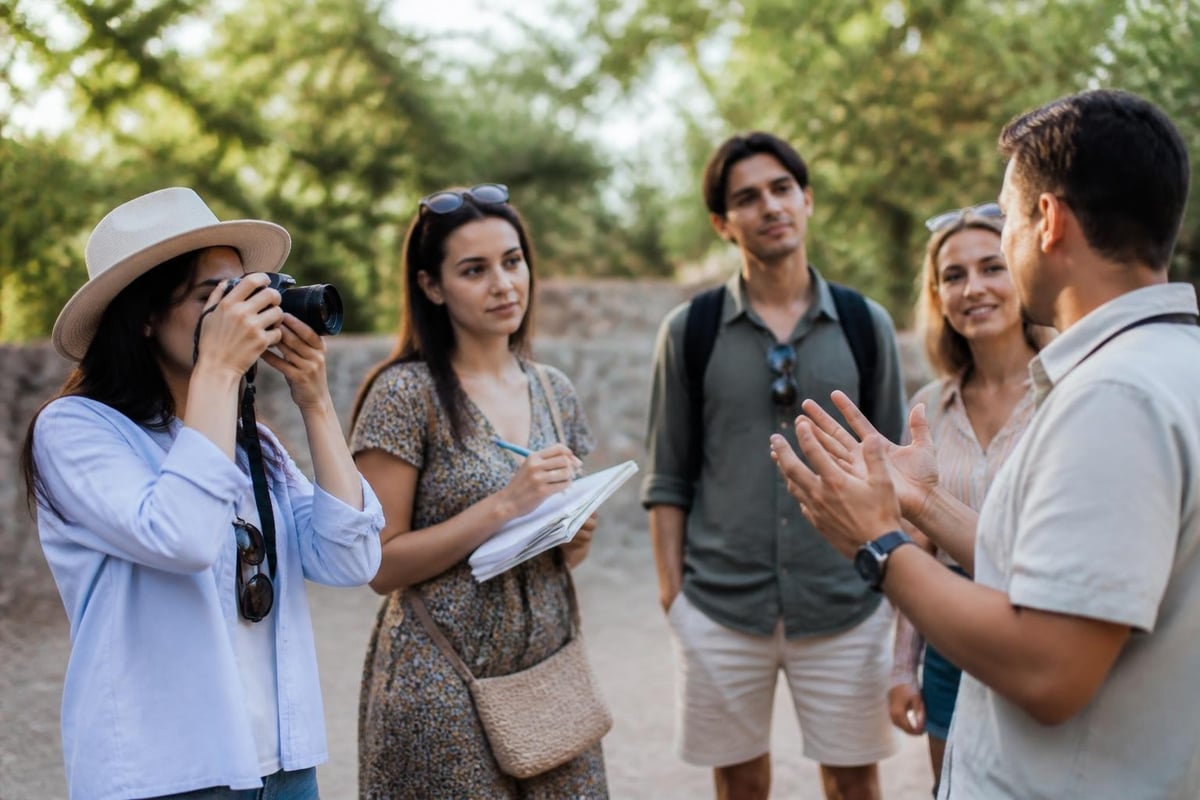
The travellers who gain most from their travel guide booking share common behaviours. They ask questions freely, listen actively, and engage authentically with the experience unfolding around them.

One couple I met had perfected the art of guided tours. They divided roles: one asked historical questions while the other focused on contemporary culture and daily life. By the end of their free walking tour through Samarkand's ancient streets, they'd gathered both scholarly knowledge and practical insights about modern Uzbek life, from the best samsa vendors to the meaning behind traditional textile patterns.
The Feedback Loop
After your experience concludes, complete the circle by leaving thoughtful reviews. Future travellers depend on honest, detailed feedback to make informed travel guide booking decisions.
Effective reviews mention:
- Specific knowledge or stories the guide shared
- Pacing and group dynamics
- Areas covered and time management
- Value for money
- Any challenges or disappointments
Constructive criticism, delivered respectfully, helps guides improve. Glowing praise, when deserved, brings them future bookings. Your few minutes writing a review contributes to the broader ecosystem that makes quality guided experiences sustainable.
Regional Variations in Guide Services
Travel guide booking practices vary dramatically across regions, shaped by local regulations, cultural norms, and tourism infrastructure.
Europe's Structured Approach
European cities typically mandate official licensing for guides, especially in heritage sites. Your travel guide booking in Rome or Paris likely connects you with someone who passed comprehensive examinations. This regulation ensures baseline quality but can also limit the storytelling spontaneity found in less formal systems.
Asia's Diverse Landscape
Asian destinations present fascinating contrasts. Some, like Japan, maintain rigorous professional standards. Others embrace informal guide networks where passionate locals share their cities with minimal official oversight.
Central Asian destinations like Uzbekistan blend both approaches. Official guides receive training and certification, whilst grassroots initiatives create accessible opportunities for cultural exchange through models like free walking tours.
Emerging Destinations
As travel and tourism development accelerates globally, more destinations build guide service infrastructure. Your travel guide booking in a newly-opened destination might connect you with pioneers developing tourism from the ground up.
These emerging guide services often deliver exceptional authenticity. Guides genuinely want to share their previously overlooked homes with curious outsiders, bringing infectious enthusiasm to every tour.
Building Lasting Connections
The best travel guide booking experiences transcend the transaction entirely. They create connections that endure long after you've returned home.
I've watched friendships blossom between travellers and guides, maintained through social media and occasional emails. One guide I met in 2024 still sends me photos when seasons change in his city, knowing I fell in love with its autumn colours.
These relationships enrich both sides. Guides gain perspective on how outsiders perceive their homes. Travellers acquire local friends who provide invaluable advice for return visits or recommend trusted contacts in other cities.
Some travellers return year after year, specifically requesting the same guide. What began as a simple booking becomes an annual reunion, a chance to catch up on life changes whilst exploring new corners of a beloved destination.
Adapting to Post-Pandemic Realities
Travel guide booking in 2026 still bears the fingerprints of the global pandemic that reshaped tourism. Many changes that began as emergency measures have become permanent improvements.
Smaller group sizes remain popular, even as restrictions lift. Travellers discovered they prefer intimate experiences over crowded tours. Enhanced hygiene practices continue because they simply make sense. Flexible booking terms persist because uncertainty, pandemic-related or otherwise, remains part of travel.
Virtual pre-tour consultations, initially born of necessity, now serve as valuable planning tools. A 15-minute video call before your travel guide booking finalises allows you to discuss interests, establish rapport, and ensure mutual understanding.
The Future of Guided Experiences
Looking ahead, travel guide booking will continue evolving, shaped by technology, sustainability concerns, and shifting traveller values.
Augmented reality may supplement guide narratives, overlaying historical images onto modern landscapes. Sustainability certifications will help conscious travellers identify guides committed to responsible tourism. Hyper-personalisation driven by AI might match travellers with ideal guides based on compatibility algorithms.
Yet the core remains unchanged: human connection, local knowledge, and the irreplaceable value of learning from someone who calls your destination home. No algorithm can replicate the twinkle in a guide's eye when they share their favourite hidden courtyard, or the pride in their voice when they explain their city's resilience through centuries of change.
Accessibility and Inclusive Tourism
Modern travel guide booking must account for diverse needs and abilities. The industry has made significant progress, though work remains.
Many guide services now clearly indicate:
- Wheelchair accessibility of routes and sites
- Hearing assistance availability (portable audio systems, sign language)
- Visual impairment accommodations (tactile experiences, detailed verbal descriptions)
- Neurodiversity considerations (quiet tour options, sensory-friendly pacing)
- Dietary restrictions for food-focused tours
When making a travel guide booking, communicate your needs explicitly. Professional guides appreciate advance notice, allowing them to plan appropriately rather than improvising accommodations on the spot.
The usability research on tours and experiences demonstrates that clear accessibility information benefits everyone, not just those with specific requirements. It eliminates uncertainty and allows travellers to book with confidence.
The Economics of Guide Services
Understanding the financial ecosystem behind travel guide booking helps you make ethical, informed decisions.
Free walking tours operate on voluntary tips, typically suggesting €10-15 per person. Guides depend entirely on your generosity. Quality experiences merit appropriate appreciation.
Paid tours include guide compensation in the upfront price, though additional tips for exceptional service remain customary. Commission structures vary: platform bookings might give guides 60-80% of the fee, with the remainder covering platform operations.
Private guide rates range from €100-300+ per day, depending on specialisation, language skills, and destination. What seems expensive often represents fair compensation for years of study, licensing costs, and the reality of seasonal tourism work.
Your travel guide booking supports livelihoods. In many destinations, guide work provides stable income that keeps families housed and children educated. It's economic exchange, certainly, but also cultural preservation: guides who earn sustainable incomes continue sharing knowledge rather than abandoning tourism for other sectors.
Travel guide booking transforms how you experience the world, converting passive observation into active discovery. The strategies and insights shared here equip you to find, evaluate, and book guides who'll unlock destinations in ways you never imagined possible. When you're ready to explore Samarkand's storied streets and architectural marvels, Visit Samarkand offers both free walking tours and curated experiences that bring the Silk Road's heritage alive through passionate local guides. Whether you're budget-conscious or seeking in-depth exploration, the right guide awaits to share their city's secrets with you.