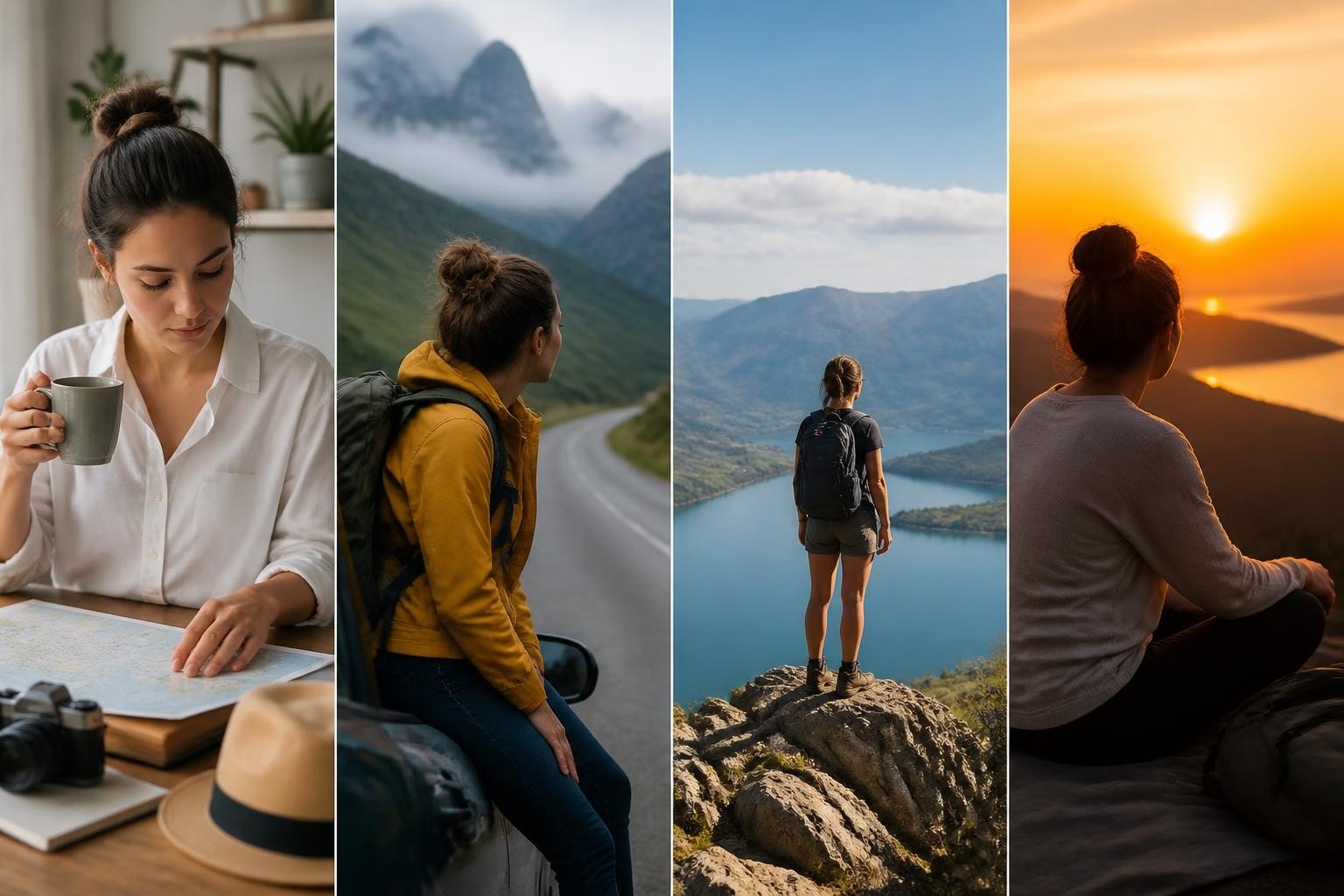
I still remember the morning my grandmother handed me a worn leather notebook filled with her day excursion notes from the 1960s. Each page told a story: a sunrise hike in the Lake District, an afternoon wandering through Bath's Georgian streets, a spontaneous ferry ride to the Isle of Wight. "The best adventures," she said, "don't require a fortnight's holiday. They just require curiosity and a train ticket." That wisdom has stayed with me through decades of exploring cities, countryside, and coastal paths, all within the boundaries of a single day. The day excursion remains one of travel's most underrated pleasures, offering transformation without the baggage of extended trips.
The Art of the Single-Day Adventure
A day excursion differs fundamentally from both casual outings and multi-day journeys. It occupies a sweet spot in the travel spectrum: substantial enough to feel like a proper adventure, yet compact enough to fit into the rhythm of ordinary life.
The psychology behind this format is fascinating. When we plan a day excursion, we're forced to curate ruthlessly. There's no time for mediocre museums or half-hearted wandering. Every hour carries weight. This constraint breeds creativity and intentionality that often evaporates during longer trips.
Time Becomes Currency
In my years of organising day excursions across Central Asia and beyond, I've watched travellers undergo a subtle shift in consciousness. Around mid-morning, usually after the first major sight or experience, something clicks. People start moving differently. They notice more. The awareness that sunset will come, that the return journey looms, sharpens their senses.
This heightened presence transforms ordinary moments into lasting memories:
- The exact angle of morning light on turquoise tile
- The vendor's smile at the market stall
- The unexpected conversation with a local craftsperson
- The taste of fresh bread still warm from a tandoor oven
The temporal boundary creates urgency without stress. You're not rushing, exactly. You're savouring with awareness.
Planning Your Day Excursion: The Framework
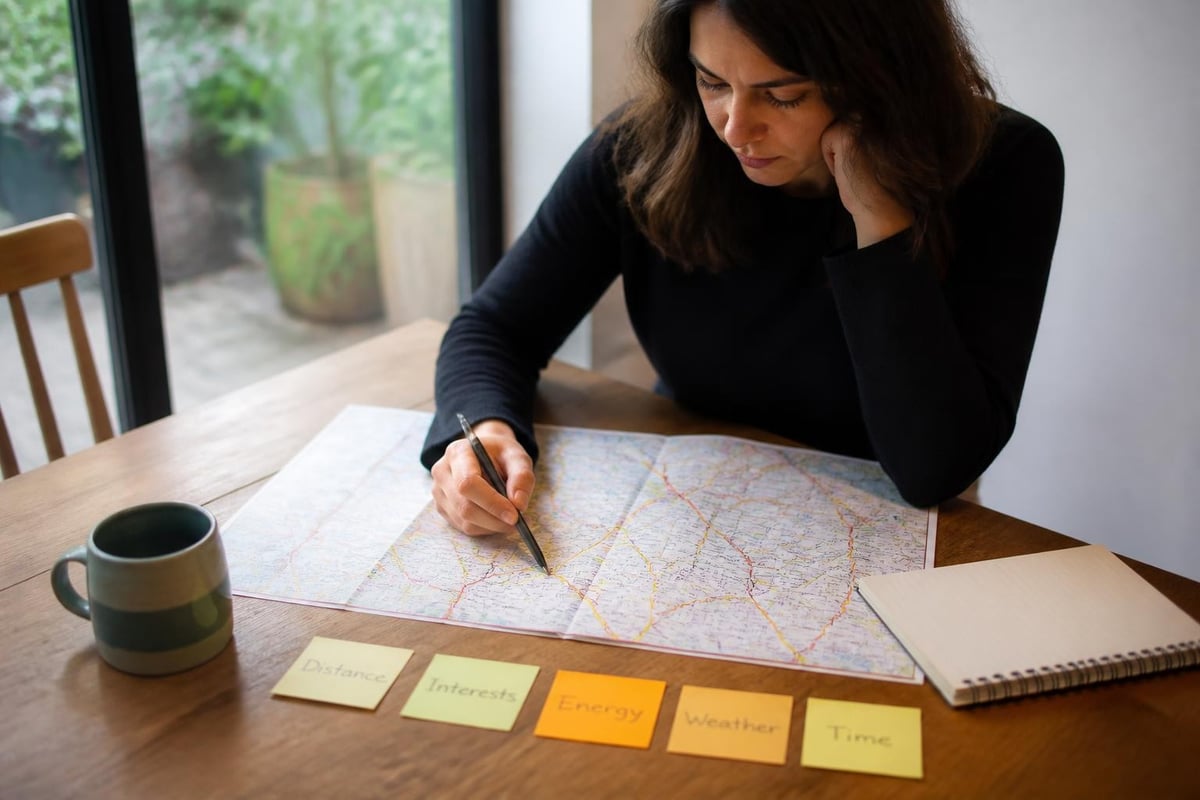
Successful day excursions rarely happen by accident. They emerge from a planning framework that balances structure with spontaneity.
The Six-Hour Rule
Most satisfying day excursions follow what I call the six-hour rule: approximately six hours on the ground at your destination, bookended by travel time. This allows for:
- Arrival and orientation (30-45 minutes): Finding your bearings, perhaps grabbing a coffee, getting your head in the game
- Morning exploration (2-3 hours): Your freshest, most energetic period
- Midday meal and rest (60-90 minutes): Refuelling and processing what you've experienced
- Afternoon immersion (2-3 hours): Deeper engagement or discovering secondary sights
- Golden hour reflection (30-60 minutes): Watching the light change, finding a viewpoint, buying that last souvenir
This structure isn't rigid. It's a rhythm that matches human energy levels and attention spans.
| Excursion Duration | Ideal Destination Distance | Sweet Spot Activities |
|---|---|---|
| 4-6 hours on ground | 30-60 minutes travel | City walking tours, historic sites, coastal walks |
| 6-8 hours on ground | 60-90 minutes travel | Regional parks, provincial cities, vineyard regions |
| 8-10 hours on ground | 90-120 minutes travel | Mountain excursions, remote archaeological sites, island visits |
Weather and Seasonality
The same destination offers completely different day excursions across seasons. I've led groups through Samarkand in April's fresh bloom and September's golden heat, and they might as well be different cities.
Check forecasts obsessively, but remember that weather adds texture to memory. Some of my most vivid day excursions happened in drizzle, fog, or unexpected heat. The key is appropriate preparation, not perfect conditions.
Transportation: The Journey as Prologue
How you travel to your day excursion destination shapes the entire experience. This isn't merely logistics. It's storytelling.
Public Transport as Cultural Immersion
Trains, buses, and shared taxis place you immediately into local life. When planning sustainable day excursions, public transport offers environmental benefits alongside cultural richness. The European Commission’s guidance on sustainable urban mobility highlights how well-designed public transport networks can transform regional tourism while reducing carbon footprints.
On an early morning marshrutka from Tashkent to Samarkand, you'll encounter:
- Grandmothers with baskets of apricots
- Students heading to university
- Traders discussing prices in rapid-fire Uzbek
- The vendor selling hot samsa at rest stops
This is the prologue to your day excursion. The adventure begins the moment you board.
Private Options and Flexibility
Sometimes a private car or tour makes sense, particularly when:
- Accessing remote sites without regular public transport
- Travelling with mobility considerations
- Maximising limited time during peak season
- Combining multiple dispersed locations
The accessibility guidance from the ADA offers valuable frameworks for ensuring day excursions accommodate diverse needs, from wheelchair-accessible transport to sensory-friendly planning.
Cultural Day Excursions: Walking Through History
The finest day excursions often centre on cultural and historical exploration. Cities like Samarkand, with layers of history visible in every street, offer inexhaustible material for single-day deep dives.
The Free Walking Tour Advantage
Free walking tours have revolutionised how we approach cultural day excursions. They lower barriers, democratise access, and often provide richer context than expensive private guides.
When you join a free walking tour in Samarkand, you're not just seeing monuments. You're hearing stories that connect the Timurid dynasty to contemporary Uzbek identity, understanding how Silk Road trade routes shaped architectural choices, meeting fellow curious travellers from six continents.

These tours typically last two to three hours, leaving ample time for independent exploration. The guides work for tips rather than fixed fees, creating an incentive structure that rewards engagement and expertise.
Layering Your Cultural Experience
After the structured tour, the day excursion continues through personal exploration:
- Revisiting a site that intrigued you during the tour
- Finding a local café mentioned by your guide
- Exploring neighbourhoods beyond the main circuit
- Visiting craft workshops or artisan studios
- Simply sitting in a courtyard, watching light move across ancient walls
Documentation matters. Whether through photos, sketches, or journal entries, capturing impressions during your day excursion helps cement memories and notice details that would otherwise blur.
Natural Environment Day Excursions
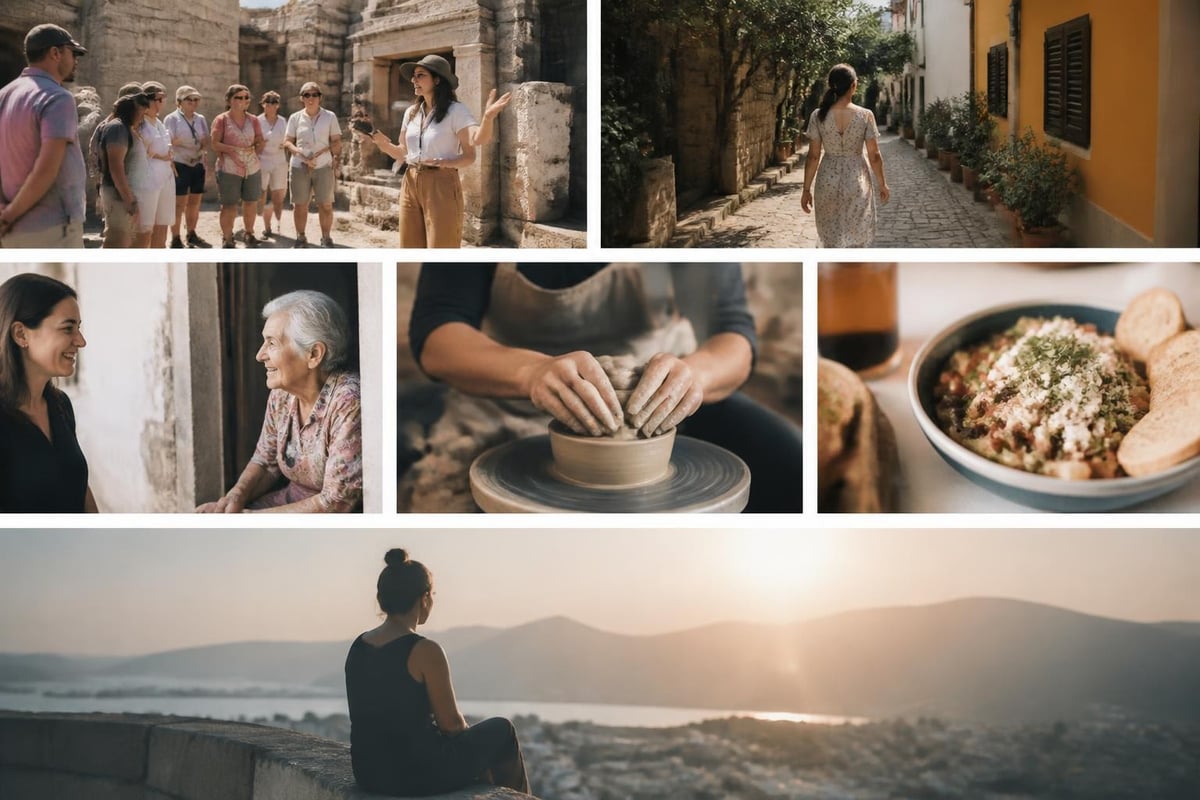
Not every day excursion centres on human-built heritage. Some of the most restorative single-day adventures unfold in natural settings.
National Parks and Protected Areas
The U.S. National Park Service has refined day-use planning into an art form, balancing conservation with access. Their planning resources offer templates applicable to day excursions anywhere in the world.
Recent innovations include the Rocky Mountain National Park’s day-use visitor access plan, which manages overcrowding through timed entry reservations. This model is spreading globally as popular natural sites grapple with day-visitor pressure.
For your natural day excursion:
- Book any required permits or reservations weeks in advance
- Start absurdly early (dawn arrivals avoid crowds and capture the best light)
- Pack more water than seems reasonable (dehydration ruins more excursions than any other factor)
- Bring layered clothing (microclimates shift rapidly in mountains and coastal areas)
- Download offline maps (mobile signals disappear precisely when you need them)
Coastal and Waterfront Excursions
Shorelines offer natural boundaries that make day excursion planning intuitive. You can walk in one direction until lunch, then return, or loop via inland paths.
The rhythm of tides adds a temporal dimension. Arriving at low tide reveals rock pools, sea caves, and sand flats. High tide brings drama and spray. Consult tide tables when planning coastal day excursions to align activities with conditions.
Food as Anchor Point
Every memorable day excursion includes at least one exceptional meal. Food grounds you in place, provides a narrative break, and often becomes the story you tell first when you return home.
The Midday Meal Strategy
Resist the temptation to grab fast food or skip lunch entirely. Instead:
- Research one special restaurant or café before your day excursion
- Make a reservation if it's remotely popular
- Arrive slightly early (1:00 rather than 1:30) to avoid the crush
- Order regional specialities you can't get at home
- Linger longer than feels comfortable in our rushed culture
This meal becomes a fulcrum. The morning's experiences settle. Energy rebuilds. You transition from consumption to digestion, literally and metaphorically.
Street Food and Market Grazing
Alternatively, make food a thread running through your day excursion rather than a single event:
- Morning pastry from a vendor near the train station
- Mid-morning fruit from a market stall
- Lunch from multiple small plates at different locations
- Afternoon tea and sweets at a traditional teahouse
- Early evening snack before your journey home
This approach creates rhythm and provides natural breaks between major sights. It also pushes you into local spaces that purely attraction-focused visitors miss.
Solo Versus Group Day Excursions
The social dimension of your day excursion profoundly affects the experience.
The Solo Advantage
Travelling alone on a day excursion offers:
- Complete schedule flexibility: Stay three hours at the museum or leave after thirty minutes
- Openness to serendipity: Conversations happen more naturally when you're alone
- Introspection space: Processing experiences in real-time without group consensus
- Photography freedom: Waiting for perfect light without feeling you're holding others back
I've met solo day-trippers who've stumbled into family wedding celebrations, been invited to craftspeople's workshops, and discovered unlisted historical sites, simply because they looked approachable and unhurried.
Group Dynamics
Sharing a day excursion with friends or family creates different magic:
- Distributed planning burden (someone handles tickets, another maps the route)
- Shared meals feel celebratory rather than awkwardly solitary
- Photos include you, not just what you saw
- Inside jokes and shared references that last for years
The ideal group size is three. Pairs can feel insular. Four or more fragment into sub-groups. Three balances intimacy with variety.
| Group Size | Advantages | Challenges | Best For |
|---|---|---|---|
| Solo | Total flexibility, serendipity | Meals feel odd, safety concerns | Photography, introspection, spontaneity |
| 2-3 people | Balanced conversation, shared costs | Some compromise needed | Mixed activities, couples, close friends |
| 4-6 people | Distributed skills, group rates | Logistics complexity, slow movement | Celebrations, family outings |
| 7+ people | Event feeling, rare gatherings | Impossible to please everyone | Organized tours, special occasions |
Risk Management and Practical Considerations
Even a day excursion requires thought about safety and preparation.
Health and Insurance
While a day trip feels low-risk, incidents happen. The Consumer Reports guidance on travel health emphasises that even domestic day excursions can involve medical costs if you're injured away from home.
Basic precautions:
- Carry identification and emergency contact information
- Pack a small first-aid kit (plasters, pain relief, any prescription medications)
- Know your travel insurance coverage (does it include day trips? domestic travel?)
- Share your itinerary with someone not on the trip
- Charge your phone fully and bring a portable battery
The Emergency Fund
Carry more cash than your planned expenses require. Transport delays, missed connections, or spontaneous opportunities all benefit from financial buffer. I recommend 50% above your expected spending for a day excursion.

Seasonal Variations: Four Approaches to the Same Destination
A summer day excursion and a winter day excursion to the same place offer completely different experiences. Understanding seasonal character helps you choose timing strategically.
Spring: Renewal and Crowds
Spring day excursions benefit from:
- Fresh landscapes and blooming flora
- Moderate temperatures ideal for walking
- Longer daylight hours without summer's peak heat
- Local festivals and celebrations
The challenge? Peak season pricing and popular sites already filling with visitors. Book early and consider weekday trips.
Summer: Extension and Energy
Summer offers maximum time. A day excursion can stretch from 6 AM to 10 PM, allowing ambitious itineraries.
Watch for:
- Extreme heat in southern or desert regions
- School holiday crowds at family-friendly sites
- Higher prices across transport and admission
- Need for sun protection and hydration
Autumn: Balance and Beauty
Many travellers consider autumn the sweet spot for day excursions:
- Comfortable temperatures
- Fewer crowds than summer
- Spectacular foliage in temperate zones
- Harvest festivals and seasonal foods
Winter: Intimacy and Challenge
Winter day excursions feel different. Shorter daylight compresses your timeline. Cold weather limits certain activities.
Yet winter offers:
- Sites to yourself at popular destinations
- Different atmospheric qualities (fog, snow, dramatic skies)
- Off-season pricing
- Traditional winter celebrations and markets
Adjust expectations rather than avoiding winter entirely. A five-hour winter day excursion can be just as satisfying as a ten-hour summer version.
The Digital Dimension: Technology and Day Excursions
Smartphones have transformed day excursion planning and execution, mostly for the better.
Essential Apps and Tools
Before your day excursion, download:
- Offline maps (Google Maps, Maps.me, or region-specific options)
- Translation apps with offline language packs
- Transport apps for real-time schedules and tickets
- Note-taking apps for capturing impressions
- Photography apps if your camera app lacks manual controls
The Disconnection Question
Some travellers advocate for phone-free day excursions to enhance presence. I take a middle path:
Use your phone as a tool, not a crutch. Navigate, capture images, research that building you've just noticed. But don't scroll social media, check work email, or disappear into group chats. The day excursion deserves your attention.
Budget Spectrum: From Shoestring to Splurge
Day excursions accommodate virtually any budget level.
The Ultra-Budget Approach (£10-20)
- Free or donation-based walking tours
- Packed lunch from supermarket ingredients
- Public transport using day passes
- Free museums and galleries
- Parks and natural areas without entrance fees
The Moderate Approach (£40-80)
- Paid guided tour or attraction admission
- One sit-down meal at a local restaurant
- Public transport or budget private transfer
- Souvenir shopping allowance
- Perhaps one paid activity (boat trip, bike rental)
The Premium Approach (£150+)
- Private guide or specialized tour
- Multiple paid attractions
- Exceptional meals at noted restaurants
- Private transport with driver
- Special experiences (cooking class, craft workshop)
None of these budgets guarantees a better day excursion. I've had transcendent £15 days and forgettable £200 days. Money buys comfort and access, not meaning.
Making It Repeatable: Building a Day Excursion Practice
The most valuable shift happens when you stop treating day excursions as occasional treats and start integrating them into regular life.
The Monthly Practice
Commit to one day excursion per month. Mark it in your calendar. Protect it like a doctor's appointment.
This rhythm creates:
- Anticipation: Something to look forward to during routine weeks
- Exploration habit: You'll discover nearby places you've overlooked for years
- Expanded geography: Within a year, you'll have deep familiarity with your region
- Stories: Monthly adventures generate material for conversations and connections
The Excursion Journal
Document each day excursion in a dedicated journal or digital file:
- Date and destination
- Weather conditions
- Who you went with
- Three highlights
- One surprise
- What you'd do differently
- Cost breakdown
Over time, this record becomes precious. Patterns emerge. You notice how your interests shift. You have a roadmap for recommending excursions to visiting friends.
The Day Excursion Mindset
Ultimately, successful day excursions depend less on destinations than on mindset.
Presence Over Productivity
Resist the urge to "maximise" every moment. A day excursion isn't a productivity challenge. It's an opportunity to engage deeply with a single place.
Give yourself permission to sit. To watch. To do "nothing" for twenty minutes in a park or café. These moments of stillness often lodge most firmly in memory.
Curiosity as Compass
Let questions guide your exploration:
- Why is this neighbourhood laid out this way?
- What's the story behind that unusual building?
- How do locals use this public space?
- What smells, sounds, and textures characterise this place?
Following curiosity leads to experiences no guidebook can script.
Gratitude and Perspective
As your day excursion winds down, riding the train or bus home as dusk settles, take stock. You've travelled through space and time. You've engaged with history, culture, nature, or all three. You're returning home slightly different than you left.
This accessibility, this possibility of transformation within the boundaries of a single day, deserves recognition. Not every era or place has made such experiences available to ordinary people.
The humble day excursion offers a gateway to sustained curiosity and engagement with the world beyond our immediate surroundings. Whether you're drawn to ancient cities or coastal paths, cultural immersion or natural beauty, the one-day adventure format makes exploration sustainable and repeatable. If you're planning to discover Samarkand's extraordinary heritage within a day excursion framework, Visit Samarkand offers free walking tours that reveal the city's hidden stories and architectural marvels, making world-class cultural exploration accessible to every traveller. The journey of a thousand miles might begin with a single step, but the journey of a fulfilled life often begins with a single day well spent.