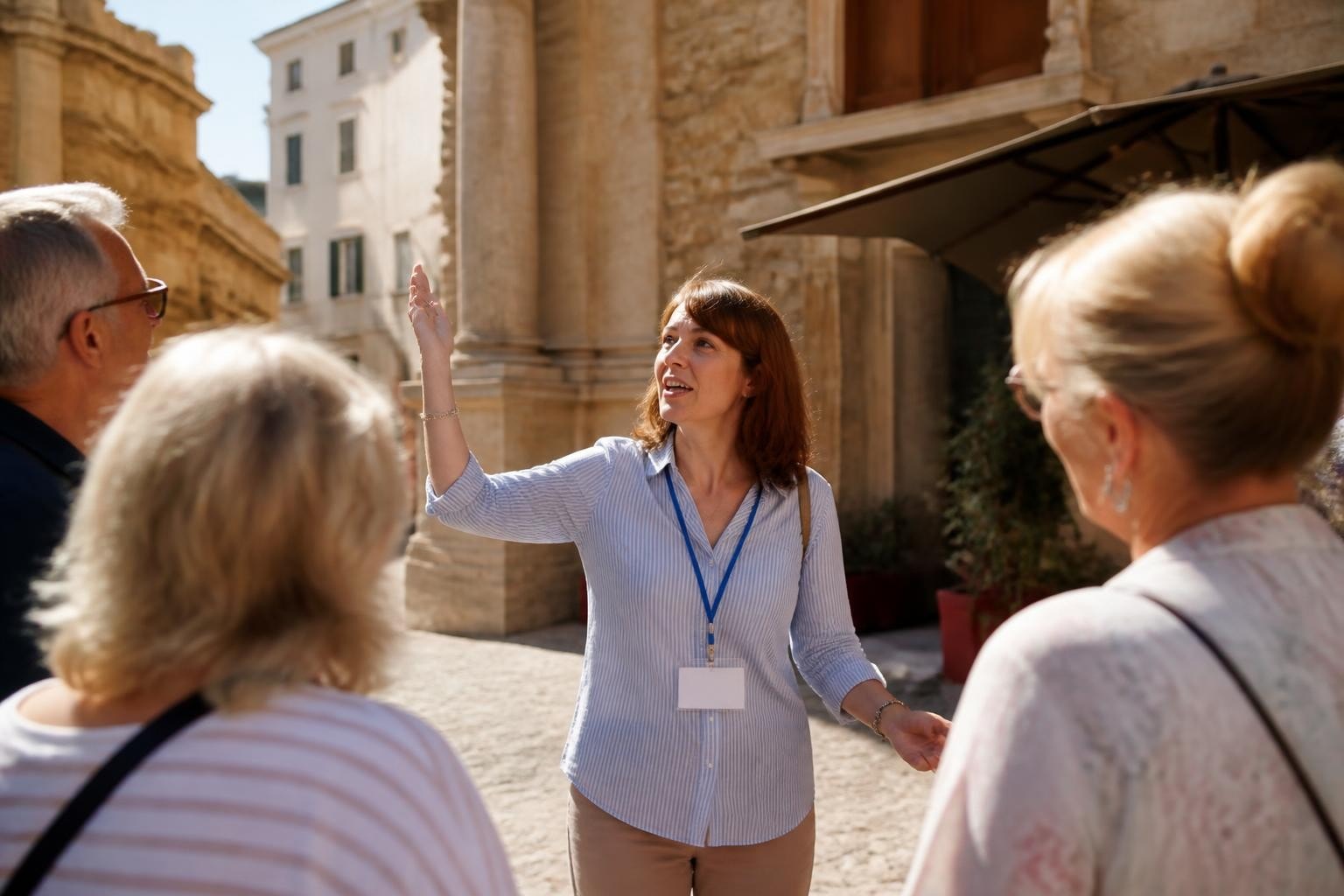
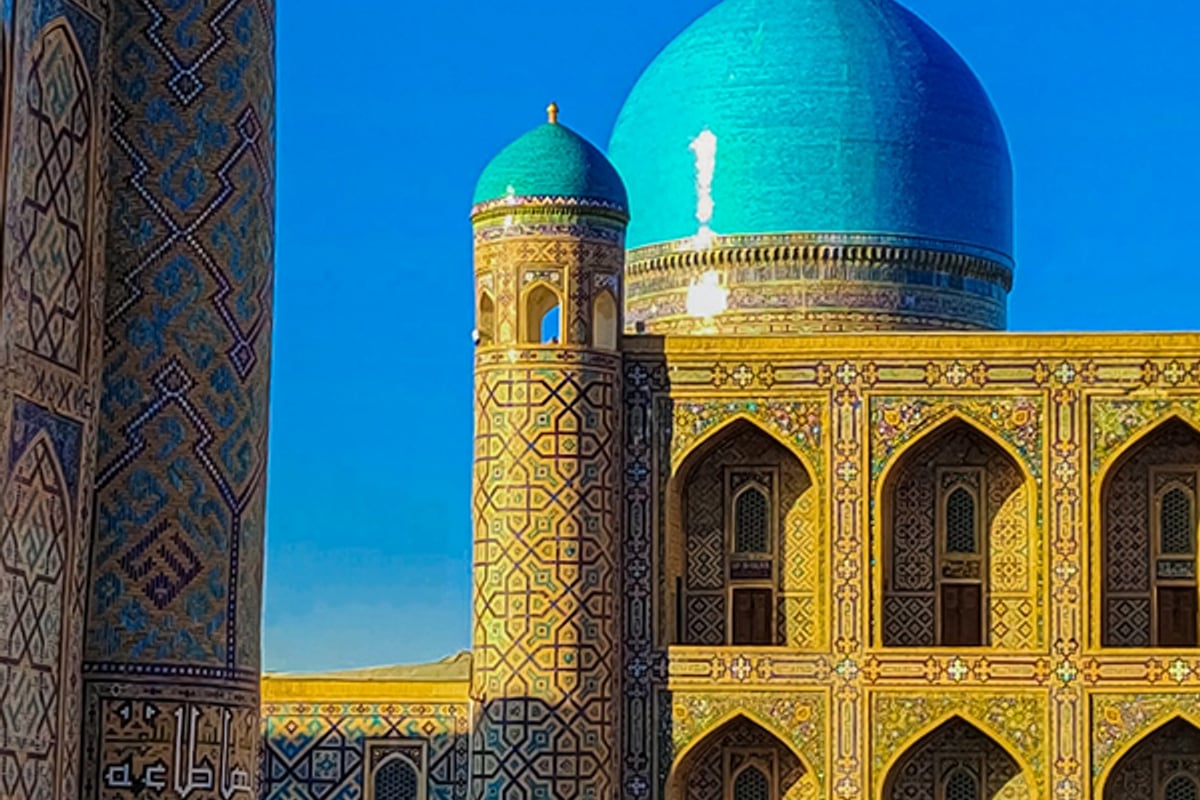
The sun was barely climbing over the ancient domes when Marina first stepped into Registan Square. She'd visited dozens of historical sites before, ticking them off her bucket list with the efficiency of a seasoned traveller. But something felt different that morning. A local guide named Aziz was gathering a small group near the entrance, and his opening words would change how she experienced not just Samarkand, but every destination thereafter: "These aren't just buildings. They're storytellers waiting for someone to listen." That moment encapsulates what distinguishes exceptional tour sites from mere locations on a map. They're portals to understanding, carefully curated experiences that transform passive observation into active discovery.
What Makes Tour Sites More Than Just Destinations
Tour sites represent the intersection where place, narrative, and human connection converge. Unlike self-guided wandering, these locations offer structured experiences designed to reveal layers of meaning that casual visitors might miss entirely.
Think about the difference between photographing a monument and understanding why it was built, who built it, and what sacrifices were made in its creation. Tour sites bridge that gap through intentional design, expert interpretation, and thoughtful visitor management.
The Evolution of Cultural Tourism Spaces
The concept of tour sites has transformed dramatically over the past two decades. What once meant queuing at rope-lined corridors whilst listening to recycled facts has evolved into dynamic spaces that prioritise engagement and authentic connection.
Modern tour sites incorporate multiple elements:
- Interactive storytelling that invites participation rather than passive listening
- Multi-sensory experiences engaging sight, sound, and sometimes taste
- Flexible pacing that accommodates different learning styles and interests
- Local expertise from guides who bring personal perspective and community knowledge
- Cultural sensitivity ensuring respect for living traditions and sacred spaces
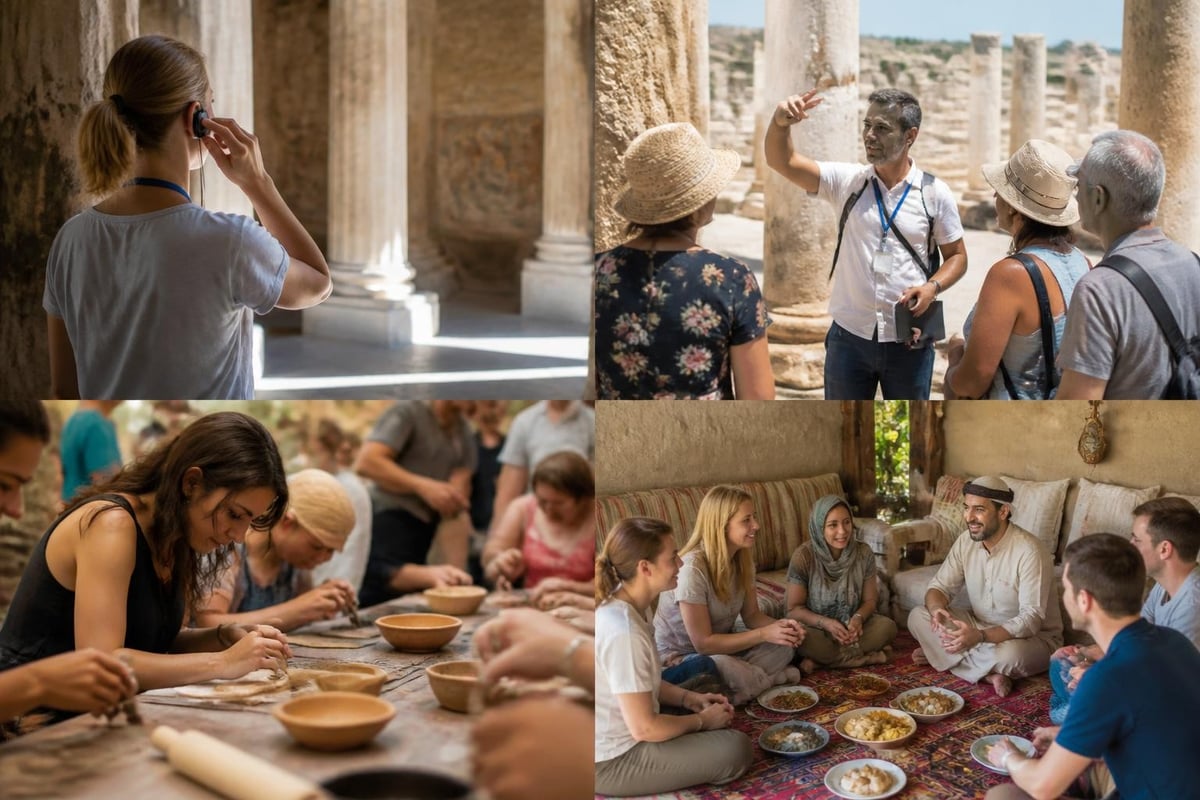
According to Skift Research’s analysis of travel trends, experiential tourism has grown exponentially, with travellers increasingly seeking deeper connections rather than superficial encounters. This shift has fundamentally reshaped how tour sites conceptualise their offerings.
Creating Meaningful Connections Through Guided Experiences
The magic of exceptional tour sites lies in their ability to create emotional resonance. A skilled guide transforms dates and architectural details into human stories that visitors carry home long after their photographs fade.
I remember speaking with a couple who'd visited Uzbekistan during their honeymoon. Years later, they couldn't recall specific facts about the tilework patterns, but they vividly remembered their guide describing how artisans would spend entire lifetimes perfecting a single craft, passing knowledge from father to son across generations. That narrative thread connected them emotionally to the space in ways no informational placard could achieve.
The Role of Local Knowledge in Authentic Tourism
Tour sites gain authenticity when they're rooted in genuine community connection. Guides who've grown up hearing family stories about local landmarks, who know which teahouse serves the best samsa, who can explain why certain traditions persist – these individuals elevate tour sites from tourist attractions to cultural exchanges.
Visit Samarkand embodies this philosophy by offering experiences led by locals passionate about sharing their heritage. When guides have personal investment in the stories they're telling, visitors sense that authenticity immediately.
The ICOMOS International Cultural Heritage Tourism Charter emphasises the importance of community involvement in heritage site management, recognising that sustainable tour sites must benefit local populations whilst protecting cultural integrity.
Balancing Accessibility and Preservation at Tour Sites
One of the greatest challenges facing tour sites worldwide involves managing the delicate balance between welcoming visitors and protecting cultural treasures. Too many tourists can damage fragile structures, whilst too few can't sustain the local economy that depends on cultural tourism.
Visitor Management Strategies That Work
The Visitor Use Management framework developed by the U.S. National Park Service offers valuable insights applicable to cultural tour sites globally. This systematic approach helps managers identify carrying capacity, monitor impacts, and implement adaptive strategies.
Effective tour sites employ several key strategies:
| Strategy | Purpose | Example Implementation |
|---|---|---|
| Timed entry | Distribute visitor flow | Staggered group departures every 30 minutes |
| Multiple routes | Reduce congestion | Alternative pathways highlighting different aspects |
| Pre-booking systems | Plan capacity | Online reservation platforms with daily limits |
| Off-peak incentives | Balance demand | Reduced fees for early morning or late afternoon tours |
| Educational programs | Build awareness | Visitor briefings on cultural sensitivity and preservation |
Walking tours particularly excel at managing these dynamics because group sizes remain manageable and routes can be adjusted based on conditions. Unlike bus tours that lock visitors into rigid schedules, walking experiences offer flexibility whilst maintaining structure.
The Technology Integration Paradox
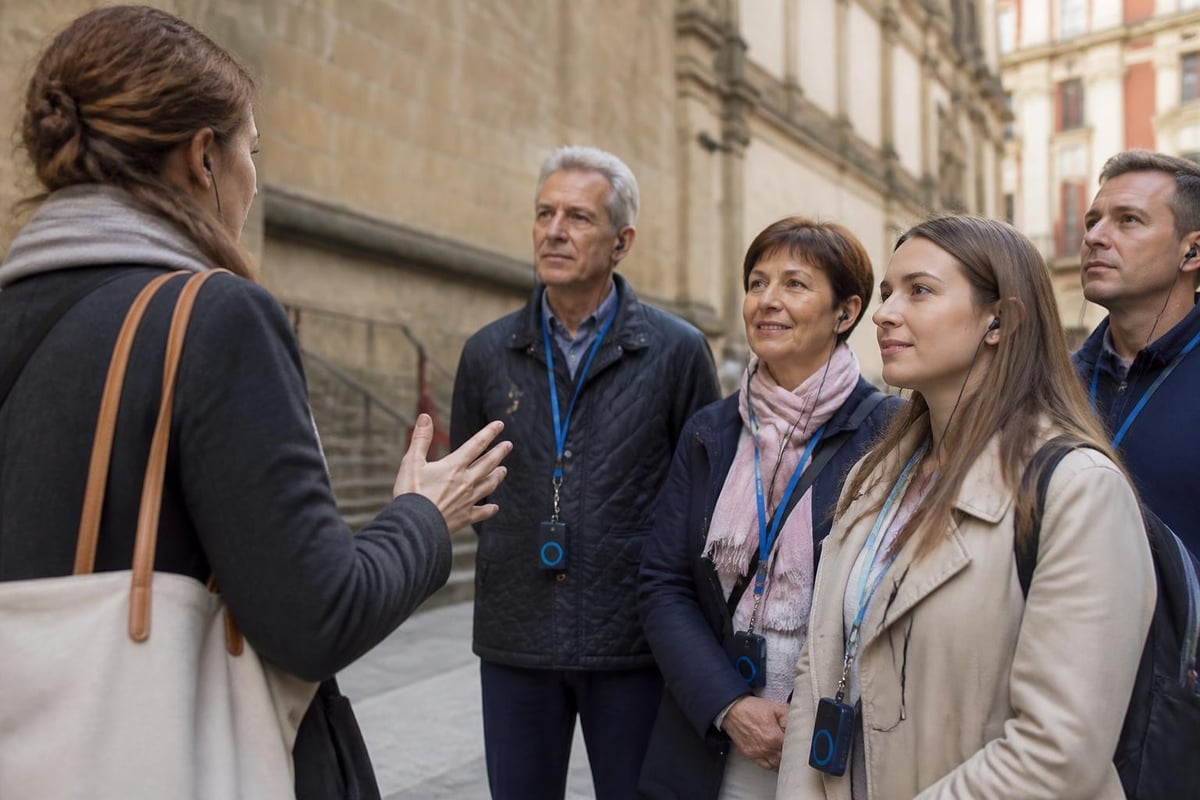
Modern tour sites face an interesting challenge: how to leverage technology enhancement without losing the human connection that makes guided experiences valuable. Smartphones offer instant translation, augmented reality can overlay historical scenes onto contemporary landscapes, and apps provide unlimited background information. Yet none of these replace the spark of curiosity ignited by a passionate guide's storytelling.
The most successful tour sites find the sweet spot. They might use GIS mapping tools for route planning to optimise visitor flow whilst ensuring the actual experience remains deeply human. Technology serves the story rather than replacing it.
Virtual and Hybrid Tour Site Models
The pandemic accelerated experimentation with digital tour offerings. Google Arts & Culture’s virtual tours demonstrated that remote access could complement rather than compete with physical visits. Many travellers now research destinations virtually before booking trips, using digital previews to inform their choices about which tour sites to prioritise.
Hybrid models have emerged stronger. A visitor might attend an in-person walking tour, then access supplementary digital content afterwards – detailed photographs, extended interviews with artisans, recipes for traditional dishes encountered, or virtual reality reconstructions showing how sites appeared centuries ago.
Designing Tours That Educate and Inspire
The architecture of memorable tour sites extends beyond physical structures to encompass narrative architecture. How is information sequenced? What emotional journey does the experience create? Where are the moments of revelation carefully placed?
Consider how master storytellers build tension and release, foreshadowing and surprise. The best tour sites apply these principles deliberately.
Elements of Compelling Tour Narratives
- Strong opening that immediately captures attention and establishes themes
- Character development introducing historical figures as complex humans, not distant names
- Conflict and resolution exploring the challenges faced and how they were overcome
- Sensory details that ground stories in tangible experience
- Personal connection points linking historical events to contemporary relevance
- Emotional peaks strategically placed to create memorable moments
- Satisfying closure that ties themes together whilst leaving space for wonder
Walking through the old quarters of Samarkand, a guide might pause at a seemingly ordinary courtyard. "This is where Ulugh Beg's students would debate astronomy," they explain. "Imagine: whilst Europe was still believing the sun orbited the earth, scholars here were calculating planetary movements with stunning accuracy." Suddenly, that dusty courtyard transforms into a portal to scientific revolution.
Safety and Sustainability at Cultural Tour Sites
Responsible tour sites prioritise both visitor safety and long-term cultural preservation. The CDC’s guidance on travel to mass gatherings addresses health considerations particularly relevant for popular tourist attractions where crowds concentrate.
Beyond immediate health and safety, sustainability encompasses:
- Environmental impact minimising waste, respecting natural habitats, managing foot traffic
- Economic sustainability ensuring tourism revenue benefits local communities equitably
- Cultural sustainability protecting intangible heritage like languages, traditions, and crafts
- Infrastructure sustainability maintaining historical sites without over-restoration that erases authentic patina
| Sustainability Dimension | Measurement Indicators | Example Actions |
|---|---|---|
| Environmental | Waste generated per visitor, path erosion rates | Biodegradable materials, rotational pathway use |
| Economic | Percentage of revenue to local businesses | Priority hiring of local guides, partnerships with community vendors |
| Cultural | Continuation of traditional practices | Apprenticeship programs, documentation of oral histories |
| Infrastructure | Maintenance frequency, structural assessments | Regular conservation audits, visitor impact studies |
The Future of Tour Sites in Global Tourism
As we navigate 2026, tour sites continue evolving in response to changing traveller expectations. Several trends are reshaping the landscape:
Hyper-local experiences digging deeper into neighbourhood stories rather than just hitting major landmarks. Visitors increasingly value the hidden teahouse where locals actually gather over the famous restaurant that's become a tourist factory.
Multi-day immersive programs that transform tour sites from two-hour stops into week-long learning experiences. Imagine pottery workshops with master craftsmen, cooking classes with grandmothers who've perfected family recipes, or architecture seminars exploring restoration techniques.
Inclusive accessibility ensuring tour sites welcome visitors of all physical abilities, language backgrounds, and cultural contexts. Universal design principles make experiences richer for everyone, not just those with specific needs.
Small Group Dynamics and Personal Connection
The intimate scale of walking tours offers advantages that larger operations struggle to match. When groups stay small – typically six to fifteen people – several magic elements emerge:
- Guides can read the room, adjusting pace and depth based on visible interest
- Participants ask questions without feeling they're holding up dozens of people
- Spontaneous conversations develop between travellers from different backgrounds
- Detours become possible when someone spots something intriguing
- The experience feels less like a lecture and more like exploring with knowledgeable friends
One veteran guide described it perfectly: "In a bus tour, I'm a broadcaster. On a walking tour, I'm a conversation partner." That distinction fundamentally changes the nature of what tour sites can offer.
Crafting Your Own Tour Site Philosophy
Whether you're developing new tour offerings or refining existing ones, several principles create consistently excellent experiences:
Start with authentic stories that matter to local communities. Tourist-friendly narratives that sanitise complexity or ignore difficult histories ultimately ring hollow. Visitors appreciate nuanced truth.
Train guides as storytellers first, fact-deliverers second. Anyone can memorise dates. Creating emotional connections requires different skills entirely.
Build flexibility into structures. The outline provides framework, but the best moments often emerge when guides can respond to group energy, unexpected questions, or serendipitous encounters.
Continuously gather and integrate feedback. Tour sites should evolve based on what resonates with visitors whilst staying true to core cultural values.
Consider how your offerings complement the broader destination ecosystem. Tour sites work best as part of interconnected experiences rather than isolated events.
The Human Element That Technology Cannot Replace
Despite all the digital innovations and sophisticated planning tools available to modern tour sites, the irreplaceable core remains profoundly human. It's the guide who notices a quiet participant and draws them into conversation. The moment when someone's eyes light up making an unexpected connection. The shared laughter when a story takes a humorous turn.
These micro-moments of connection accumulate into transformative experiences that travellers remember for decades. They're the reason someone returns home and tells friends, "You absolutely must visit," with an urgency no marketing campaign could manufacture.
Tour sites at their finest create spaces where strangers become temporary communities, united by curiosity and wonder. They remind us that despite cultural differences, humans share fundamental desires to understand our past, connect with beauty, and find meaning in the physical spaces we inhabit.
The guide who welcomed Marina to Registan Square that morning understood this instinctively. By framing those ancient structures as storytellers rather than monuments, he invited her into a different relationship with place. She stopped being a tourist collecting sights and became a listener receiving gifts of knowledge and perspective.
That transformation, replicated across thousands of individual encounters at tour sites worldwide, represents tourism at its most powerful. Not the extraction of experiences to post online, but the genuine exchange of culture, understanding, and human connection that makes travel meaningful.
The most memorable journeys happen when expertise meets passion, when ancient stories find contemporary voices, and when visitors become active participants rather than passive observers. Whether you're planning your first visit to a historic destination or seeking deeper connections with the places you explore, thoughtful tour sites offer pathways to understanding that independent wandering simply cannot match. Visit Samarkand invites you to experience this philosophy firsthand through free walking tours that reveal the hidden layers of one of the Silk Road's most extraordinary cities, where every archway holds secrets and every guide brings generations of stories to life.