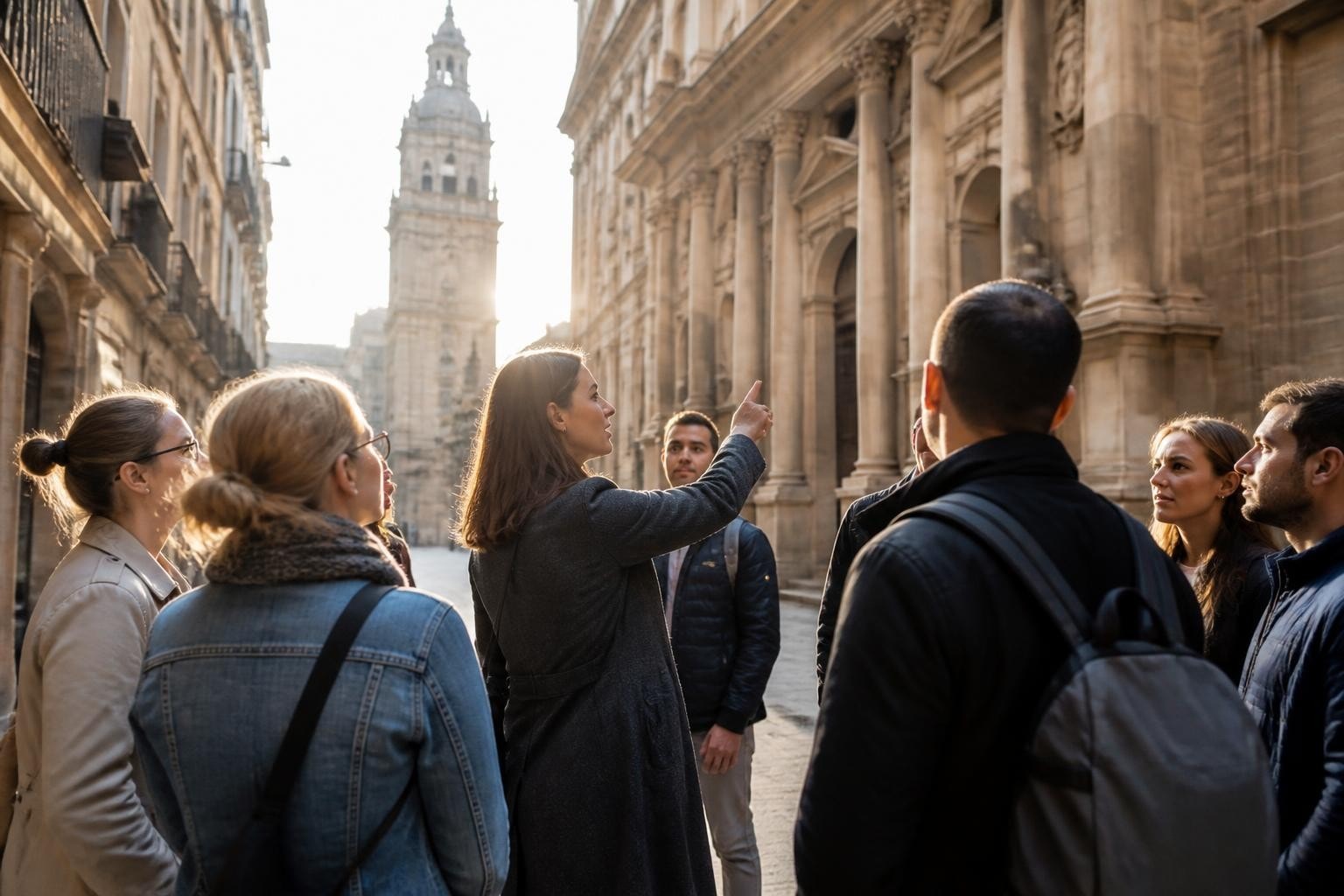
Picture this: you've just arrived in a city you've never visited before, and within hours you're standing in a hidden courtyard listening to stories that no guidebook would ever tell you. This isn't a scene from an expensive private tour, it's the magic of what's become known as the guru free walking tour, a movement that's transformed how millions of travellers experience cities around the world. Born from a simple idea that knowledge should be accessible to everyone, this model has created something far more valuable than free admission to history-it's built bridges between cultures, empowered local storytellers, and proven that the best things in travel often come without a price tag attached.
The Birth of a Movement That Changed Everything
The guru free walking tour concept didn't emerge from a marketing agency or tourism board. It started in Europe during the early 2000s, when a handful of passionate guides began challenging the traditional pay-upfront model that had dominated walking tours for decades.
These pioneers recognised something fundamental: not every traveller could afford £20-30 for a city tour, yet everyone deserved to understand the places they visited. The solution was elegantly simple-offer tours for free, then invite participants to pay what they felt the experience was worth.
Why Traditional Tours Were Failing Travellers
Before the guru free walking tour revolution, city exploration followed a rigid pattern:
- High upfront costs deterred budget travellers and backpackers
- Fixed pricing didn't account for tour quality or personal budgets
- Commercial focus often prioritised profit over authentic storytelling
- Limited accessibility excluded students, families, and long-term travellers
The traditional model created barriers. A family of four might spend £100 just to learn about a city's history, whilst solo backpackers often skipped guided tours entirely, missing crucial context that would have enriched their journey.
How the Pay-What-You-Wish Model Actually Works
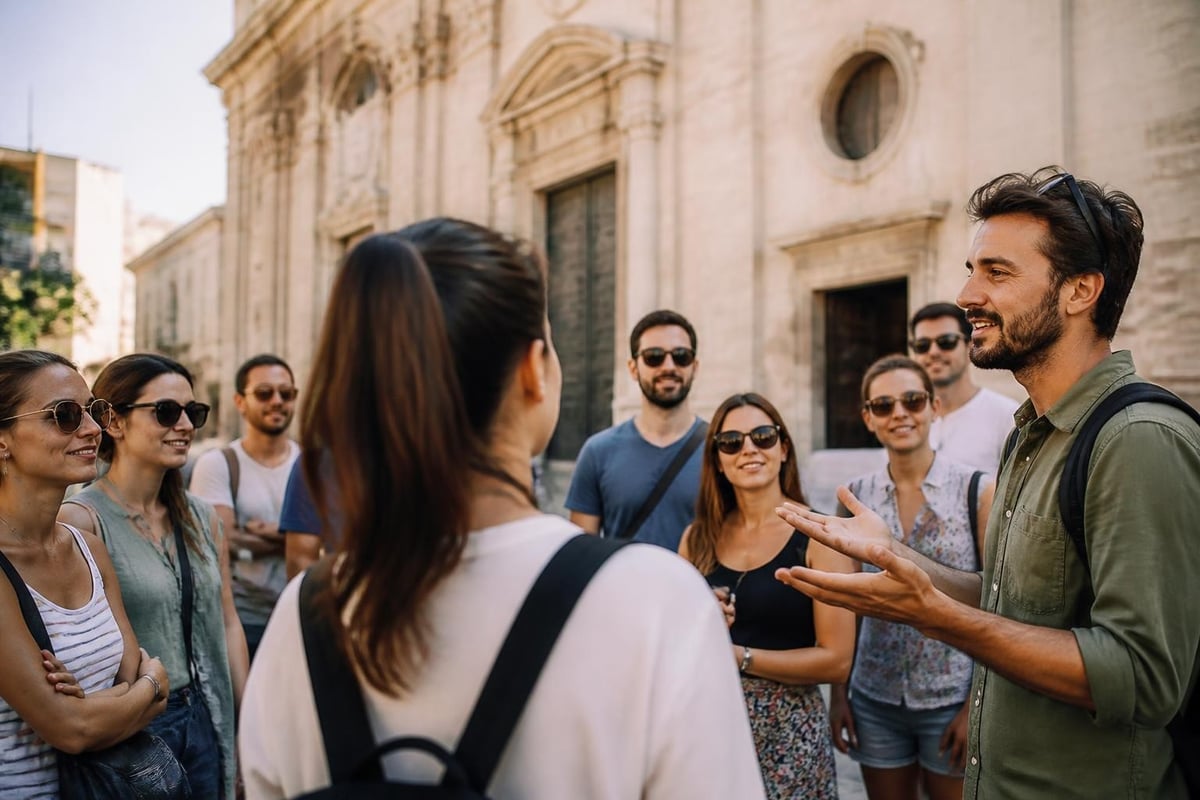
The genius of a guru free walking tour lies in its psychological framework. When you remove the financial barrier to entry, something remarkable happens-people engage more deeply, listen more intently, and often give more generously than they would have paid upfront.
Guides don't work for free, though. They rely on tips, which creates a powerful incentive structure. A mediocre tour earns modest tips. An exceptional tour, delivered with passion and insider knowledge, can generate substantial income through voluntary contributions.
The Economics Behind Free Tours
| Aspect | Traditional Tour | Guru Free Walking Tour |
|---|---|---|
| Upfront cost | £20-40 per person | £0 |
| Guide motivation | Fixed wage | Performance-based tips |
| Attendance barrier | High | None |
| Quality incentive | Moderate | Very high |
| Accessibility | Limited | Universal |
This table reveals why the model works so brilliantly. Guides earn their income through excellence, not through marketing or advance bookings. The best storytellers thrive, whilst those who merely recite facts struggle.
Many cities now require tour operators to maintain proper licensing, similar to regulations outlined in municipal codes for commercial tour operations, ensuring quality standards whilst preserving the accessible nature of free tours.
What Makes These Tours Different From Every Other Option
I remember my first guru free walking tour in Prague, expecting a rushed, superficial overview. Instead, our guide spent three hours weaving together architecture, political history, local legends, and personal anecdotes that brought cobblestone streets to life. When the tour ended, I handed over double what I'd budgeted for a paid tour, and felt I'd received triple the value.
That's the secret sauce. These tours aren't just cheaper versions of paid experiences-they're often superior.
The Human Element That Changes Everything
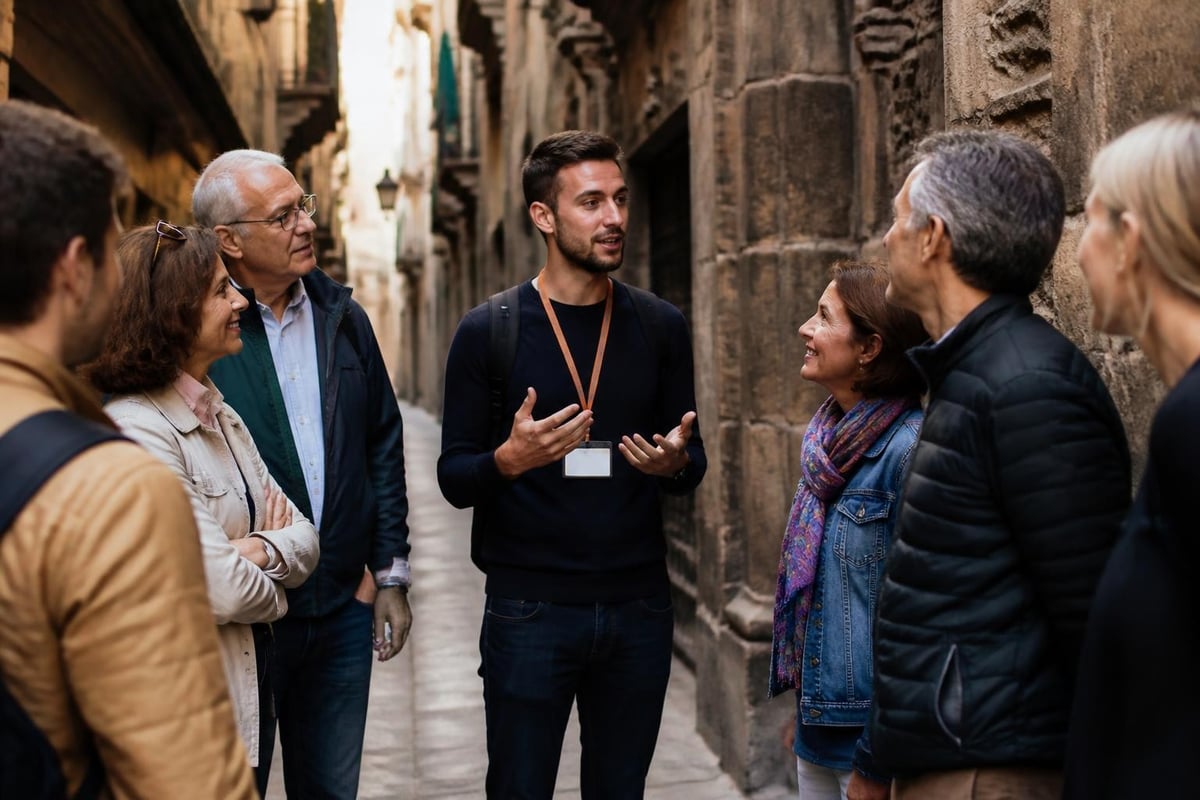
Authentic passion drives guru free walking tours. Guides choose this work because they genuinely love their cities, not because it's a job that pays the bills. They're historians, storytellers, comedians, and cultural ambassadors rolled into one.
The format encourages interaction in ways rigid, scripted tours never could:
- Questions flow naturally throughout the walk
- Guides adjust pace and content based on group interest
- Spontaneous detours happen when something catches attention
- Conversations continue beyond official tour endpoints
- Genuine connections form between guides and travellers
This flexibility transforms tours from lectures into conversations, from transactions into experiences.
Where You'll Find the Best Guru Free Walking Tours
The model has spread across six continents, from European capitals to Southeast Asian cities, South American metropolises to Central Asian Silk Road destinations. Each location brings its own flavour to the concept. For a wider view of how guided journeys cross continents, see our guide to tours around the world.
Cities Leading the Free Tour Revolution
European pioneers continue to set the standard. Berlin, Prague, and Budapest offer dozens of daily free tours covering everything from Communist history to street art, traditional architecture to underground culture.
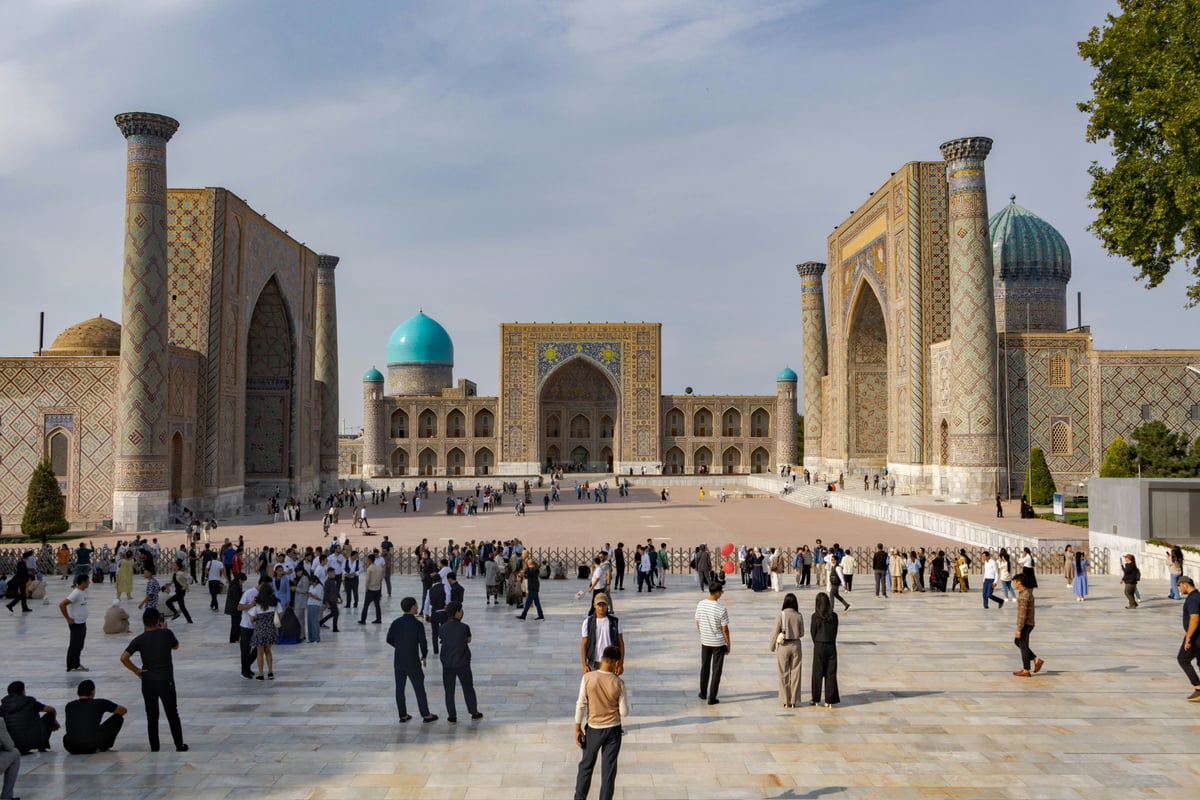
Asian adaptations have flourished in places like Hanoi, Bangkok, and Samarkand, where the model perfectly aligns with cultural values of hospitality and knowledge-sharing. Visit Samarkand demonstrates how free tours can showcase historical treasures along the ancient Silk Road, making UNESCO World Heritage sites accessible to every traveller regardless of budget.
Latin American enthusiasm for the concept has created vibrant tour scenes in cities like Buenos Aires, Mexico City, and Cartagena, where passionate locals share both colonial history and contemporary culture.
| Region | Tour Focus | Typical Duration | Average Group Size |
|---|---|---|---|
| Western Europe | Architecture & History | 2-3 hours | 15-25 people |
| Eastern Europe | Communist Era & Culture | 2.5-3.5 hours | 20-30 people |
| Southeast Asia | Local Life & Traditions | 2-4 hours | 10-20 people |
| Latin America | Colonial & Modern Mix | 2-3 hours | 15-25 people |
The guru free walking tour concept adapts beautifully to local contexts. In Samarkand, tours might focus on Timurid architecture and Silk Road trading history, whilst in Berlin they explore Cold War divisions and reunification stories.
Why Guides Choose This Unconventional Career Path
You might wonder why talented historians and storytellers would work for uncertain tips rather than guaranteed wages. The answer reveals something profound about human motivation.
Creative freedom tops the list. Free tour guides craft their own narratives, choose their favourite spots, and express their personalities without corporate scripts constraining them. They're artists as much as educators.
The direct feedback loop provides immediate validation. When a guide delivers an exceptional experience, they see it reflected in participants' faces, hear it in their questions, and feel it in the tips they receive. There's no waiting for quarterly reviews or customer satisfaction surveys.
The Community That Forms Around Free Tours
- Guides develop loyal followings of travellers who recommend them to friends
- Local communities appreciate guides who represent their cities authentically
- International networks connect guides across cities and countries
- Knowledge-sharing platforms allow guides to exchange stories and techniques
- Professional development happens organically through peer learning
Many guides start with free tours before launching their own paid speciality tours, using the platform to build reputation and refine their craft. The guru free walking tour serves as both career and calling.
Hidden Benefits Beyond the Obvious Cost Savings
The financial accessibility of guru free walking tours opens doors, but the real value runs deeper. These tours create something traditional tourism often misses-genuine cultural exchange.
When you join a free tour, you're not just a customer. You're a participant in a shared experience, learning alongside fellow travellers from around the world. I've made friends on free tours that I've stayed in touch with for years, connected by the stories we heard together and the places we discovered.
The Ripple Effects on Local Economies
Free tours generate paid business. Guides recommend restaurants, craftspeople, and local experiences, directing tourist spending toward authentic businesses rather than tourist traps. This creates sustainable economic benefits that ripple through communities.
The model also:
- Encourages longer stays as travellers discover hidden gems
- Distributes tourism more evenly across neighbourhoods
- Supports local guides rather than international tour companies
- Creates entry-level tourism jobs for passionate locals
- Preserves cultural heritage by making it economically valuable
For cities like Samarkand, where architectural wonders and historical significance deserve global recognition, free tours serve as powerful marketing tools that ultimately benefit the entire tourism ecosystem.
What Travellers Should Know Before Joining
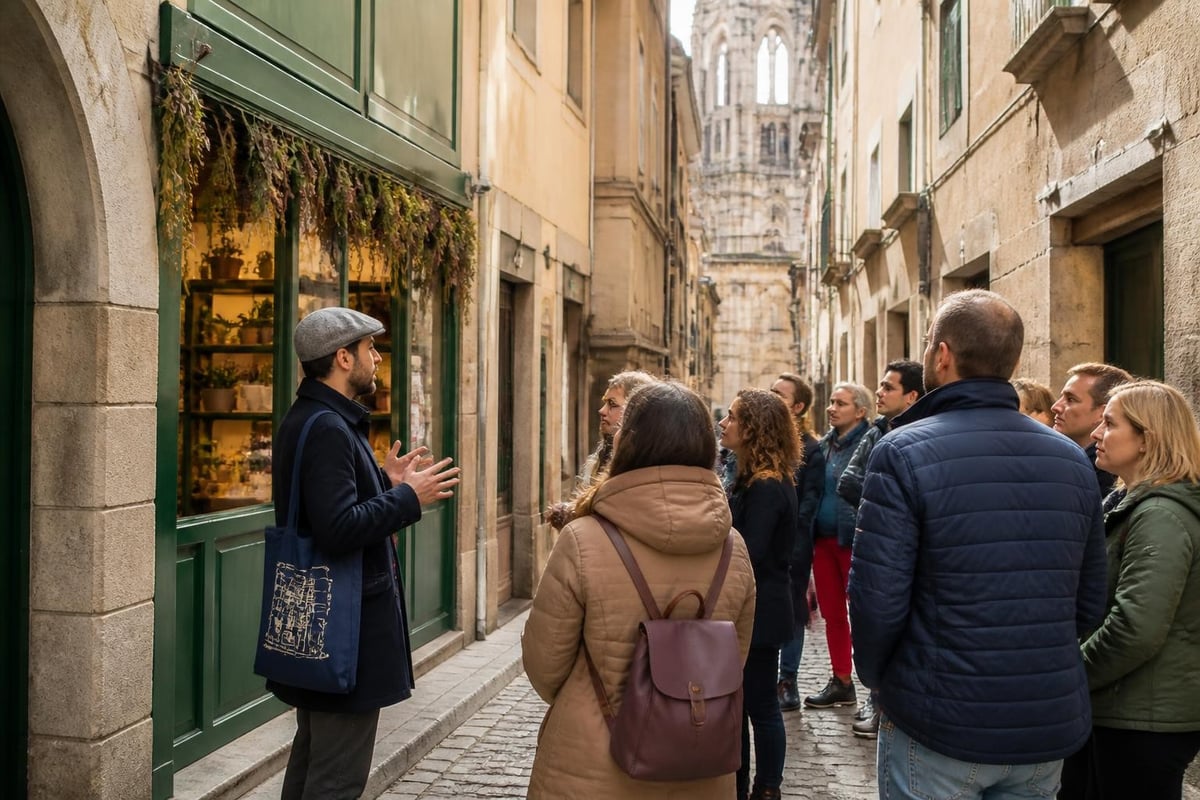
The guru free walking tour experience works best when you understand the unspoken social contract. You're not obligated to tip, but you're expected to show up if you book, pay attention during the tour, and contribute if you can afford it.
Booking typically happens online through tour company websites or platforms that aggregate options. Some cities require reservations whilst others operate on a show-up basis. Always check specific requirements.
Tipping Etiquette That Benefits Everyone
How much should you tip? There's no fixed rule, but consider these factors:
- Tour length and quality deserve appropriate recognition
- Your budget matters, but so does fairness to the guide
- Local cost of living varies dramatically between cities
- Group size affects how much guides earn overall
A general guideline suggests £5-15 per person for a standard 2-3 hour tour, adjusted for quality and your financial situation. Students and budget travellers might give less; those on comfortable budgets might give more.
The key is sincerity. Guides recognise genuine appreciation regardless of amount. A heartfelt £3 from a backpacker counts more than a begrudging £10 from someone who feels obligated.
How Free Tours Are Evolving in 2026
The guru free walking tour model continues adapting to changing travel patterns and technological advances. Virtual tours emerged during global travel restrictions, and whilst they can't replace walking actual streets, they've created new ways for people to explore cities remotely.
Hybrid models now blend free general tours with paid speciality experiences. A guide might offer a free overview tour of a city centre, then invite interested participants to join paid deep-dives into specific topics like food culture, architectural details, or political history.
Technology Enhancing the Human Touch
Modern tours incorporate:
- Audio enhancement systems for larger groups
- WhatsApp groups connecting participants before and after tours
- Digital tip payments alongside traditional cash
- GPS-enabled booking apps helping travellers find meeting points
- Review platforms building guide reputations transparently
These tools support rather than replace the human connection that makes guru free walking tours special. Technology handles logistics whilst guides focus on storytelling.
The model's sustainability has been proven over two decades. Cities that initially questioned whether free tours would undermine paid tourism now recognise them as essential parts of healthy tourism ecosystems.
Why This Model Matters Beyond Tourism
The guru free walking tour represents something larger than a clever business model. It's a working example of how removing barriers to knowledge creates value for everyone involved.
This philosophy aligns perfectly with educational movements toward open-access learning and cultural initiatives promoting heritage preservation. When historical knowledge becomes accessible regardless of economic status, societies benefit in ways that extend far beyond tourism revenue.
Cultural preservation receives grassroots support when locals take pride in sharing their heritage. Guides become informal historians, documenting stories that might otherwise disappear as older generations pass on.
The model also challenges assumptions about how value should be measured and exchanged. In an economy obsessed with fixed pricing and advance payments, guru free walking tours prove that trust-based, pay-what-you-wish systems can thrive.
Building Global Understanding One Story at a Time
Every guru free walking tour creates micro-moments of cultural understanding. A guide explaining how their grandparents survived difficult times helps travellers comprehend historical events in human terms. A story about a local tradition bridges the gap between "tourist" and "temporary community member."
These accumulated moments matter. They transform travel from passive sightseeing into active learning, from taking photos to understanding context, from checking boxes to building empathy.
When you multiply these individual experiences across millions of travellers taking free tours annually, you see the model's true impact-a global network of cultural ambassadors creating understanding one walking tour at a time.
The guru free walking tour model has proven that accessibility and quality needn't be opposing forces in travel experiences. By removing financial barriers whilst maintaining high standards through performance-based compensation, these tours have democratised cultural exploration for millions of travellers worldwide. Whether you're planning your first city break or your fiftieth, discovering a new destination through local eyes creates connections that last far beyond your journey. Visit Samarkand invites you to experience this philosophy firsthand, exploring one of the world's most historically significant cities through free walking tours that make the Silk Road's treasures accessible to everyone.