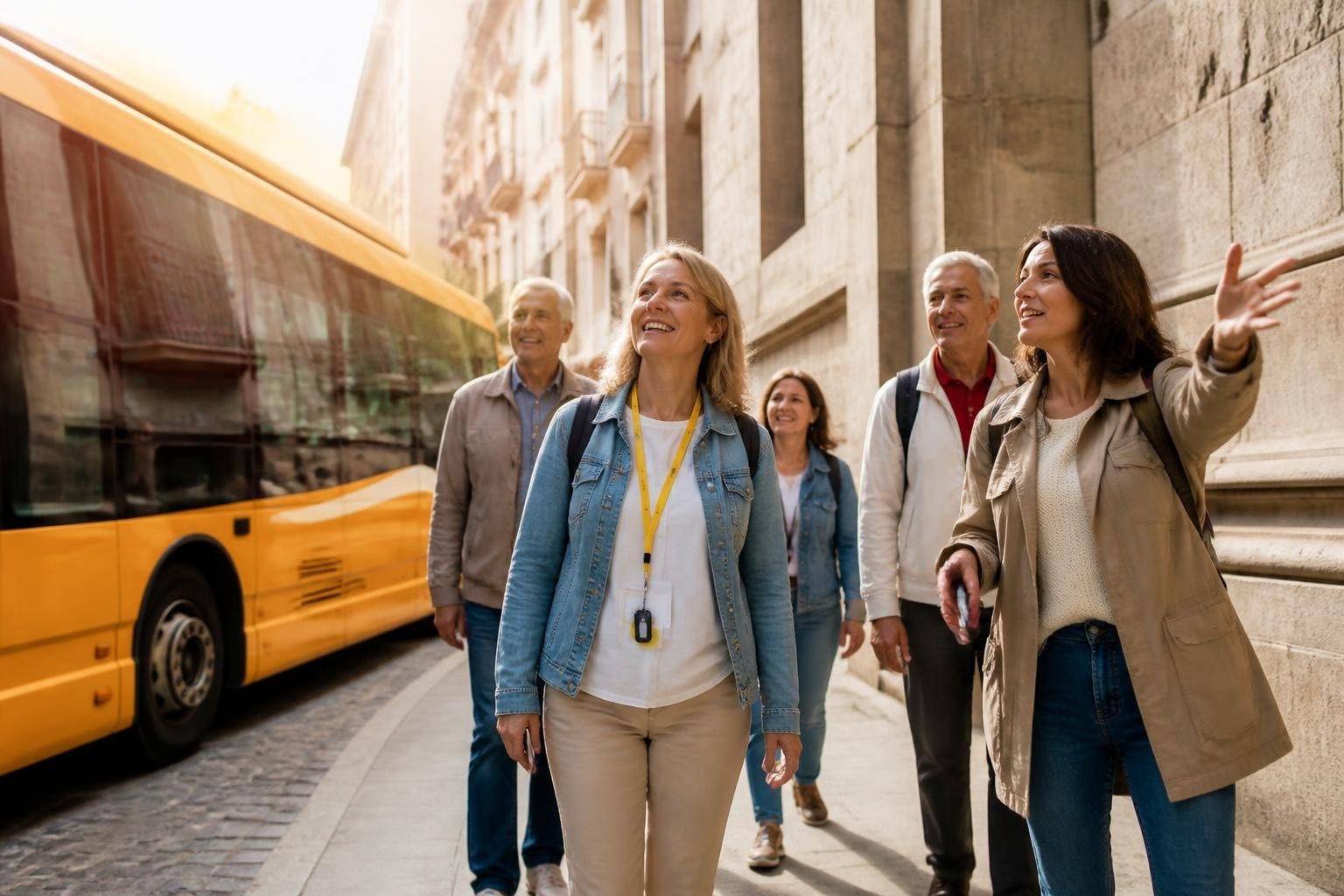
The sun hasn't quite risen over the ancient city when Maria laces her walking shoes, but already she can hear the murmur of morning prayers echoing through narrow streets. This is tourist sightseeing as it should be: unhurried, intimate, guided by someone who knows every cobblestone's story. Unlike the coach tour that whisked her through three cities yesterday, this morning walk will change how she understands travel forever. Tourist sightseeing has evolved dramatically in recent years, shifting from tick-box exercises to transformative cultural exchanges that honour both visitor curiosity and local heritage.
The Evolution of Tourist Sightseeing in the Modern Age
Tourist sightseeing once meant following a raised umbrella through crowded squares, cameras clicking in unison as guides recited dates from laminated cards. Those days haven't vanished entirely, but they're no longer the gold standard.
Today's travellers crave something deeper. They want the backstory behind the monument, the family recipe that's sustained a community for generations, the political context that explains why certain buildings face particular directions. This shift reflects broader changes in how we value experiences over possessions, connection over consumption.
Why Traditional Tours Are Losing Their Appeal
The coach-and-commentary model served its purpose brilliantly for decades. It efficiently moved large groups past important landmarks, providing basic historical context whilst maximising the number of sights packed into limited holiday time. Yet somewhere between the gift shop and the next scheduled stop, something essential was lost.
- Superficial engagement that prioritises photo opportunities over understanding
- Rigid schedules that prevent spontaneous exploration or deeper questions
- Barrier creation between visitors and local communities through bus windows
- Environmental impact from large vehicles navigating fragile historic districts
- Generic experiences that feel identical whether you're in Samarkand or Seville
Modern tourist sightseeing increasingly recognises these limitations. Research on technology for smart crowd monitoring highlights how destinations are rethinking visitor flow and engagement to create more sustainable, meaningful experiences.
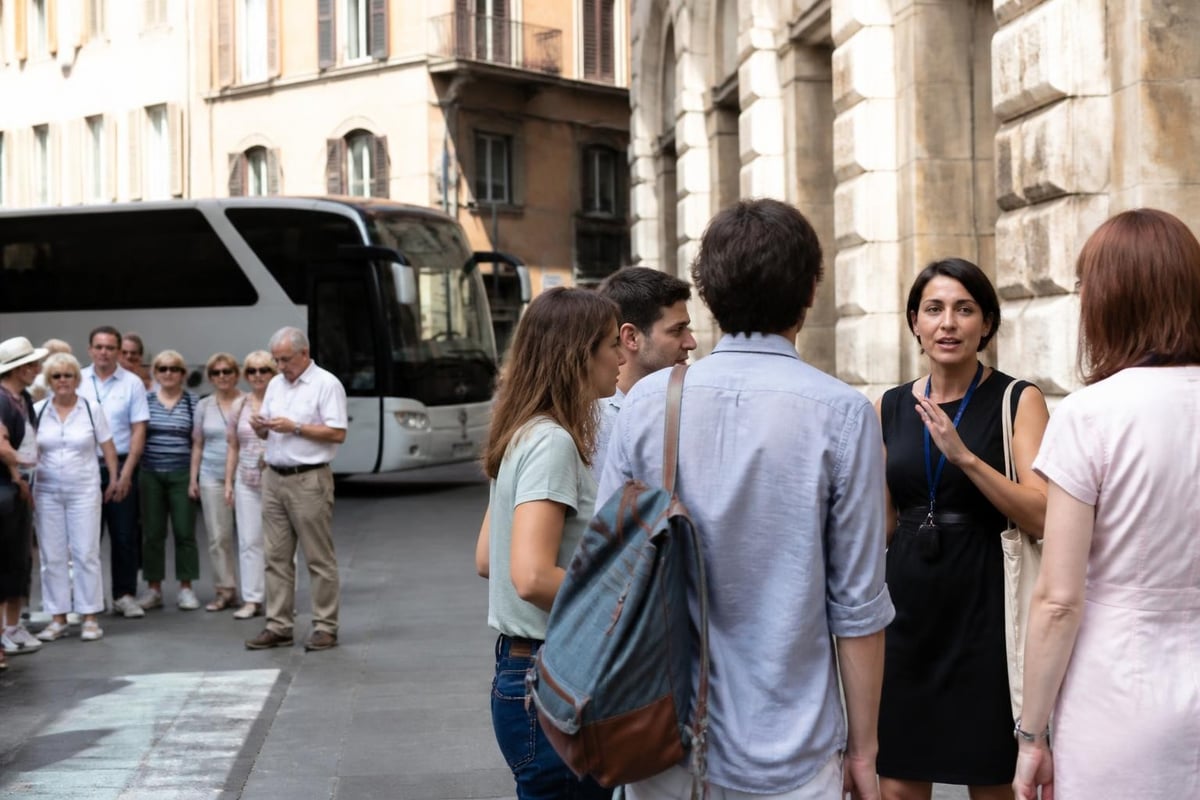
Walking Tours: The Heart of Authentic Exploration
Something magical happens when you slow down to walking pace. Details emerge: the geometric patterns in tilework that encode mathematical principles, the worn threshold stone that speaks of centuries of footfall, the cafe where locals actually gather rather than establishments that exist solely for tourists.
Walking tours represent tourist sightseeing at its most human scale. They facilitate conversation, allow for spontaneous detours when something catches the group's interest, and create space for questions that bus tours simply cannot accommodate.
Benefits That Transform How You See
The advantages of exploring on foot extend far beyond physical health, though that's certainly a welcome bonus after days of sedentary travel.
Cultural Immersion: You navigate streets as residents do, encountering daily rhythms rather than sanitised versions of local life. The baker pulling fresh bread from traditional ovens, schoolchildren in uniform chattering past ancient walls, elderly men debating over tea-these scenes unfold naturally when you move at human speed.
Environmental Sensitivity: Walking generates zero emissions whilst supporting local economies directly. Money spent on guide tips, artisan workshops, and neighbourhood cafes circulates within communities rather than enriching distant tour operators.
Accessibility for All: Free walking tour models have democratised tourist sightseeing, removing financial barriers that once excluded budget travellers from quality guided experiences. This inclusive approach builds bridges between cultures and economic backgrounds.
| Walking Tour Advantages | Traditional Bus Tours | Self-Guided Exploration |
|---|---|---|
| Personal interaction with guides | Limited Q&A opportunities | No expert context |
| Flexible pace and detours | Fixed schedule and route | Complete freedom but less learning |
| Environmental sustainability | Higher carbon footprint | Eco-friendly but potentially inefficient |
| Direct local economic benefit | Money to large operators | Variable local spending |
| Community connection | Observer experience | Potential misunderstandings |
Creating Meaningful Encounters Through Heritage Interpretation
The difference between good and exceptional tourist sightseeing lies in interpretation. A guide who merely recites dates might as well be an audio recording. A storyteller who weaves history, culture, personal anecdotes, and contemporary relevance transforms sightseeing into something that resonates long after you've returned home.
UNESCO’s work on values-driven heritage interpretation emphasises how thoughtful interpretation enhances visitor understanding whilst protecting cultural significance. This approach ensures tourist sightseeing contributes positively to heritage conservation rather than accelerating its degradation.
Elements of Exceptional Interpretation
- Contextual storytelling that connects past events to present realities
- Multiple perspectives acknowledging diverse viewpoints on historical events
- Sensory engagement beyond purely visual observation
- Emotional resonance through personal stories and human-scale narratives
- Critical thinking that invites visitors to question and reflect rather than passively consume
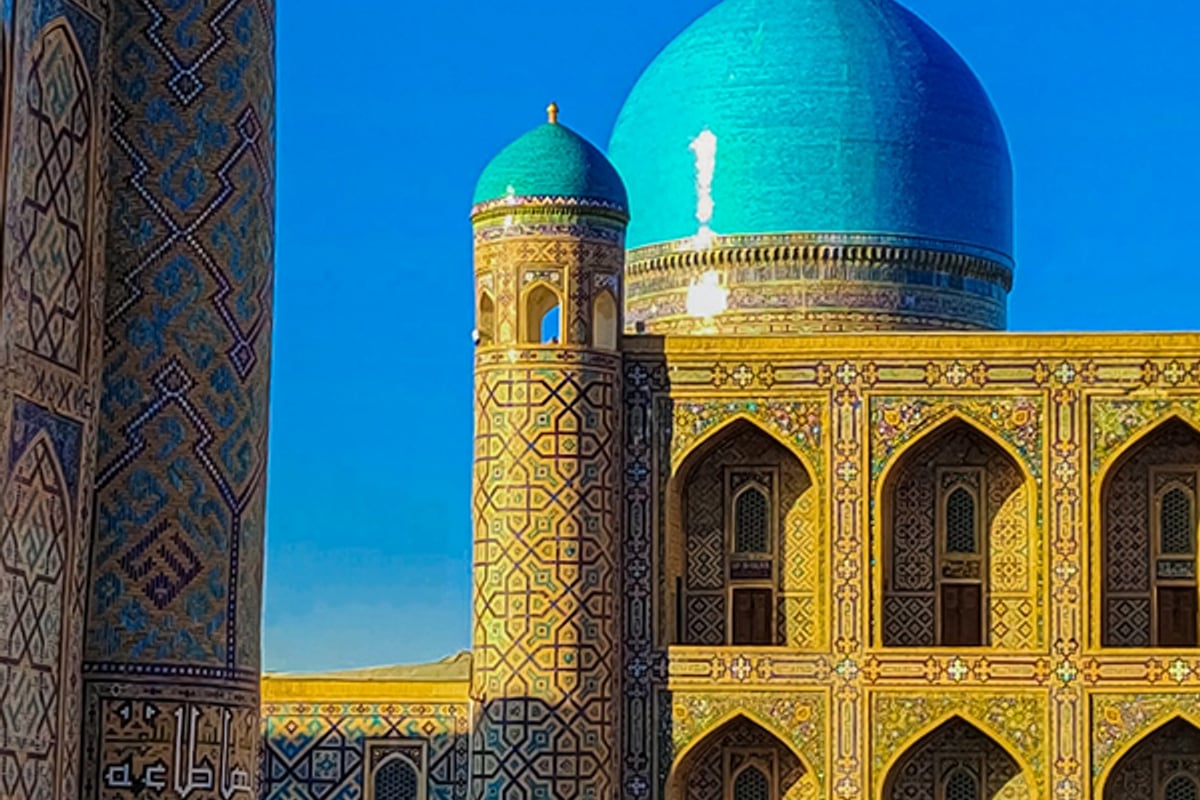
When you join a free walking tour in Samarkand, you're experiencing this interpretive approach firsthand, where ancient Silk Road history comes alive through guides who know these streets intimately and share their cultural heritage with genuine passion.
Responsible Tourist Sightseeing: Balancing Access and Preservation
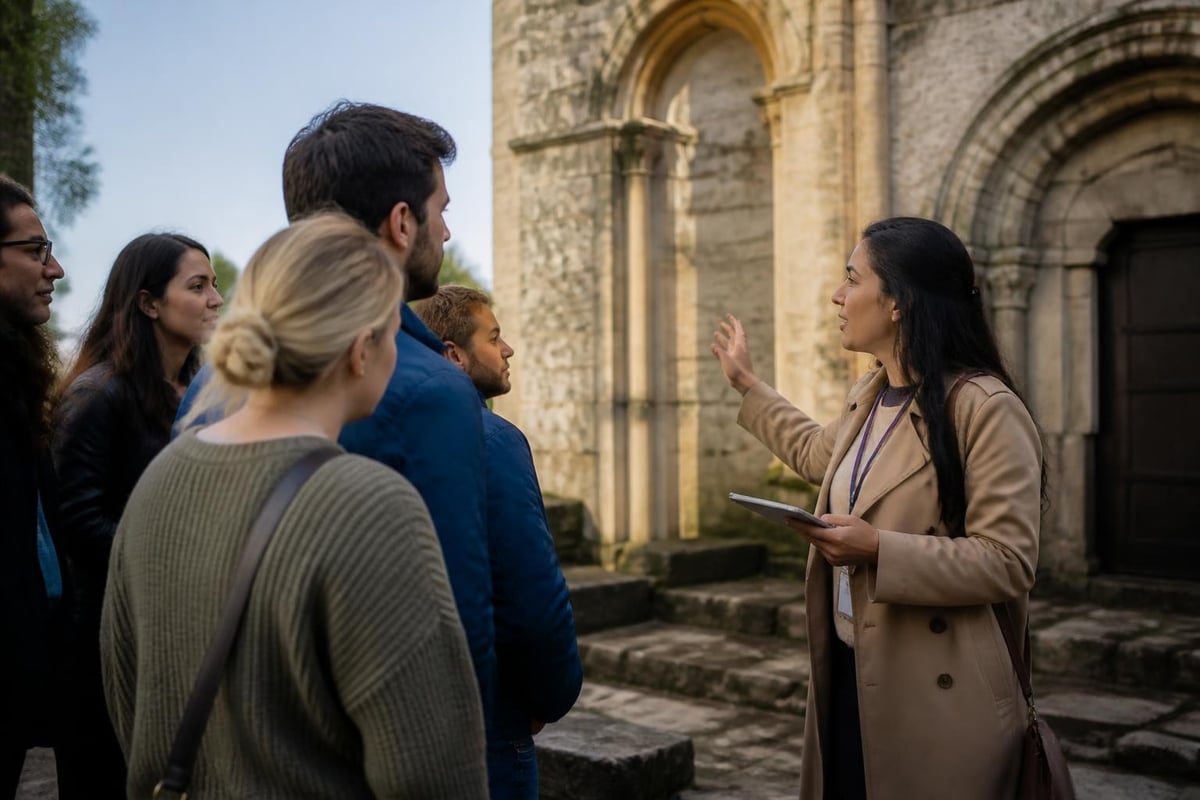
Every footstep on ancient stones contributes to their erosion. Every camera flash potentially damages delicate pigments. Yet isolation preserves nothing if it severs the living connection between heritage and humanity. This paradox sits at the heart of sustainable tourist sightseeing.
The solution isn't to eliminate visitors but to manage engagement thoughtfully. ICOMOS guidance on conservation and interpretation provides frameworks for destinations balancing preservation with access, ensuring tourist sightseeing sustains rather than depletes cultural resources.
Practical Steps Towards Responsible Exploration
Travellers bear responsibility alongside destination managers. Your choices shape the industry's trajectory and signal what values you prioritise when planning adventures.
- Choose smaller groups that minimise impact on fragile sites and local communities
- Support local guides whose livelihoods depend on sustainable visitor engagement
- Respect photography restrictions designed to protect heritage integrity
- Engage with cultural context rather than treating sites as backdrops for selfies
- Time your visits to avoid peak congestion that degrades experiences for everyone
- Spend locally in businesses that reinvest in community wellbeing
The most responsible tourist sightseeing occurs when visitors approach destinations as guests rather than consumers, recognising their temporary presence in places where others build entire lives.
Technology's Role in Enhanced Sightseeing Experiences
Smart tourism applications have revolutionised how we navigate unfamiliar cities, access information, and connect with fellow travellers. Yet technology serves tourist sightseeing best when it enhances rather than replaces human connection.
Augmented reality applications can overlay historical views onto contemporary streets, helping visitors visualise how places evolved. Translation apps break down language barriers, enabling conversations that wouldn't otherwise occur. Mapping tools ensure you never miss hidden gems tucked away from main thoroughfares.
Finding the Balance Between Digital and Human
The challenge lies in preventing screens from becoming barriers. When tourist sightseeing devolves into photographing everything and experiencing nothing directly, technology defeats its purpose.
Beneficial Uses:
- Pre-visit research to maximise your limited time
- Post-tour exploration of topics that sparked your curiosity
- Sharing experiences to inspire others' travels
- Accessing layers of interpretation unavailable through verbal guides alone
Problematic Patterns:
- Experiencing entire tours through phone screens whilst recording video you'll never watch
- Missing real-time moments because you're editing photos for social media
- Prioritising documentation over presence and genuine engagement
- Relying solely on apps rather than asking locals for recommendations
The sweetest spot combines digital resources with analogue attention. Download helpful apps, then silence your phone and be present.
Seasonal Considerations for Optimal Sightseeing
Tourist sightseeing quality varies dramatically with seasons, though not always in obvious ways. Peak summer months deliver long daylight hours and vibrant street life, but they also bring crushing crowds, inflated prices, and uncomfortable heat in many historic destinations.
Strategic Timing for Superior Experiences
| Season | Advantages | Challenges | Best For |
|---|---|---|---|
| Spring | Moderate weather, blooming gardens, manageable crowds | Unpredictable rain, some sites still in winter mode | Photography, comfortable walking |
| Summer | Maximum daylight, full services, bustling atmosphere | Extreme crowds, heat, premium pricing | Festival participation, long exploration days |
| Autumn | Beautiful light, harvest celebrations, thinning crowds | Shorter days, variable weather | Cultural depth, local interaction |
| Winter | Minimal crowds, authentic local life, budget-friendly | Limited hours, cold conditions, some closures | Intimate experiences, undiscovered perspectives |
Seasoned travellers increasingly favour shoulder seasons when tourist sightseeing feels less like combat and more like discovery. Guides have bandwidth for deeper conversations, you can photograph monuments without armies of selfie-sticks, and locals approach visitors with curiosity rather than exhaustion.
Cultural Sensitivity: The Foundation of Meaningful Exchange
Every destination carries unique social codes, religious sensitivities, and cultural expectations. Successful tourist sightseeing requires humility to acknowledge what you don't know and willingness to adapt your behaviour to local norms.
In conservative communities, modest dress isn't optional; it's fundamental respect. In sacred spaces, silence matters more than spectacular photos. When invited into homes, understanding gift-giving protocols and removing shoes prevents unintended offence.
Before You Arrive
Research saves embarrassment and demonstrates respect. Invest time learning basic greetings in the local language, understanding major religious observances that might affect opening hours, and grasping historical context that explains contemporary sensitivities.
- Learn essential phrases beyond "hello" and "thank you"-include "may I take a photo?" and "I don't understand"
- Understand dress codes for religious sites and conservative areas
- Research tipping customs to avoid under or over-compensating service
- Know gesture meanings since innocent signs can carry offensive connotations
- Respect privacy boundaries especially around photographing local people
The most enriching tourist sightseeing occurs when visitors demonstrate genuine interest in cultures rather than treating them as exotic entertainment. This reciprocal respect transforms encounters from transactions into exchanges.
Beyond the Highlights: Hidden Treasures and Local Secrets
Every guidebook mentions the same dozen landmarks. Those sites merit their fame, yet exclusive focus on celebrity attractions impoverishes your tourist sightseeing experience whilst concentrating impact on already over-stressed locations.
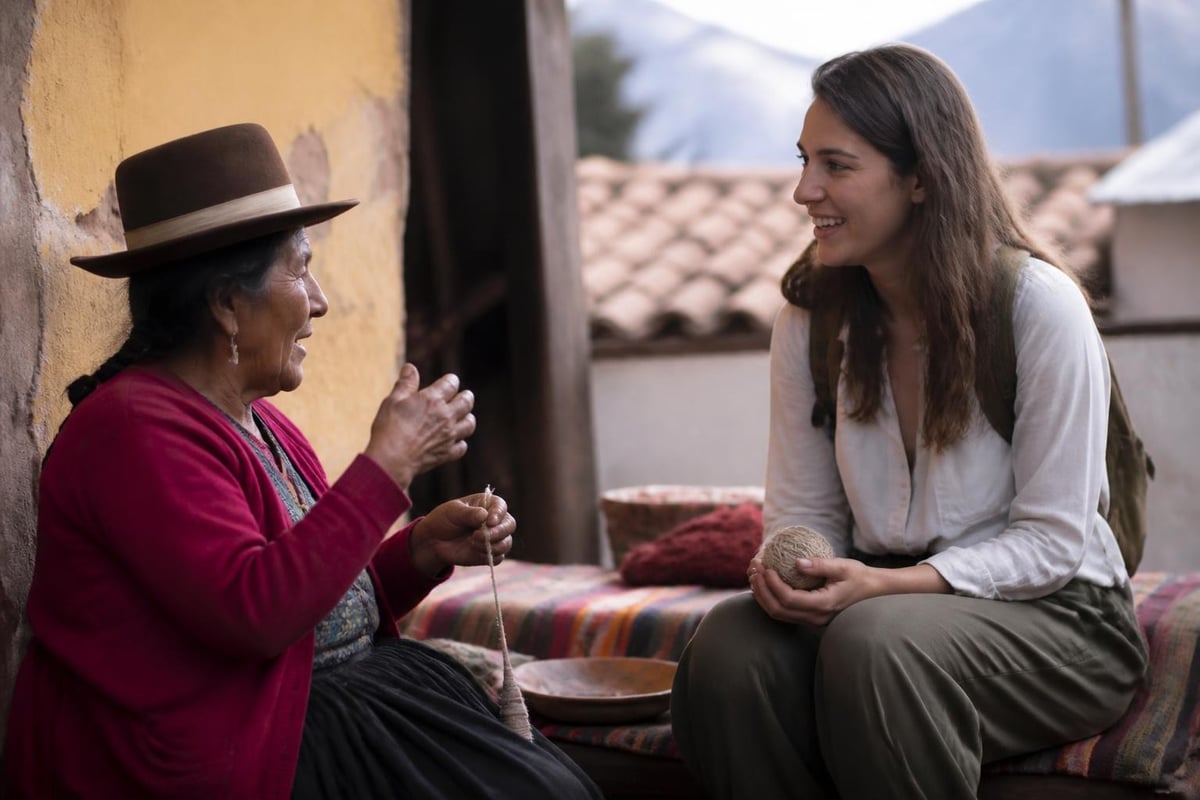
The neighbourhood bakery operating since your guide's grandmother was young, the workshop where artisans practise crafts unchanged for centuries, the viewpoint locals cherish but tourists rarely discover-these experiences reveal destinations' authentic character.
How to Access Hidden Layers
Guidebooks can't catalogue everything, nor should they. Some magic requires serendipity and local knowledge. This is precisely where quality guided experiences demonstrate their value.
- Ask guides about personal favourites beyond official tour routes
- Explore residential neighbourhoods where daily life unfolds authentically
- Attend local events listed in community calendars rather than tourist publications
- Visit markets where residents shop rather than souvenir bazaars
- Dine where menus aren't translated and staff seem surprised by foreign faces
The most memorable tourist sightseeing moments often occur spontaneously: the impromptu concert in a courtyard, the elder who insists on sharing tea and conversation, the festival you stumbled upon by fortunate timing.
Making Sightseeing Accessible to All Abilities
Tourism infrastructure has historically favoured able-bodied visitors, but inclusive design increasingly recognises that accessibility benefits everyone. Gradual slopes help parents with pushchairs just as they assist wheelchair users. Clear signage aids those with cognitive challenges whilst helping all visitors navigate efficiently.
Progressive destinations audit historic sites for accessibility improvements that don't compromise architectural integrity. Ramps can be sensitively integrated, audio guides provide rich experiences for visually impaired visitors, and rest points accommodate those who fatigue quickly.
Choosing Inclusive Experiences
When selecting tourist sightseeing options, enquire about accessibility provisions. Responsible operators clearly communicate route challenges, provide alternatives where possible, and train guides in inclusive practices.
Questions worth asking include:
- What percentage of the route involves stairs or steep gradients?
- Are rest stops available at regular intervals?
- Can the pace be adjusted for participants with varying mobility?
- Are audio or visual aids available for different learning styles?
- Does the tour accommodate service animals?
Inclusive tourist sightseeing enriches everyone's experience by bringing diverse perspectives to shared exploration.
The Economics of Free and Paid Tours
Free walking tours operate on a tips-only model that democratises access whilst rewarding quality. Visitors pay what they feel the experience merited, creating direct feedback loops between guide performance and compensation.
This model benefits budget travellers whilst generating sustainable livelihoods for knowledgeable guides. The tipping system motivates excellence since guides earn based on satisfaction rather than fixed fees regardless of effort or expertise.
Paid tours complement free options by offering specialised themes, smaller groups, or access to sites requiring admission fees. Neither model is inherently superior; they serve different needs within the tourist sightseeing ecosystem.
Navigating Your Options
| Factor | Free Tours | Paid Tours |
|---|---|---|
| Financial commitment | Pay what you wish (typically 10-15% of paid tour equivalent) | Fixed price upfront |
| Group size | Often larger (15-30 people) | Usually smaller (6-12 people) |
| Specialisation | Broad introductions to destinations | Niche themes or extended experiences |
| Booking flexibility | Often walk-up or easy online registration | May require advance booking |
| Economic model | Tips-only, guide-dependent income | Shared revenue with operators |
Both models contribute to vibrant tourist sightseeing industries when operated ethically and sustainably. Your choice depends on budget, interests, and desired group dynamics.
Transforming Sightseeing into Lasting Impact
The most profound tourist sightseeing doesn't end when you board your flight home. It sparks ongoing curiosity, challenges preconceptions, and builds bridges between cultures that persist long after tan lines fade.
Perhaps you'll study the language you barely scratched, support artisan cooperatives whose work you admired, or advocate for preservation of heritage you came to cherish. Maybe you'll return, bringing friends or family to share discoveries that moved you. These ripples constitute tourism's highest purpose: expanding human understanding through direct encounter with our world's magnificent diversity.
Every journey begins with a single step down an unfamiliar street, guided by someone who knows its stories and welcomes your presence. That's where transformation starts.
Tourist sightseeing has evolved into something far more meaningful than ticking attractions off lists-it's become an opportunity for genuine cultural exchange and lasting understanding. When you're ready to experience this approach firsthand, Visit Samarkand offers free walking tours that transform ancient Silk Road history into vivid, personal stories you'll carry with you long after your journey ends.