I'll never forget standing in front of the Registan Square for the first time, guidebook in hand, feeling utterly overwhelmed. The turquoise domes sparkled under the afternoon sun, and my trusty travel guide had three paragraphs about this magnificent plaza. Three paragraphs to capture centuries of Silk Road history, architectural genius, and the souls of countless merchants who once traded beneath these very arches. That's when I understood: the best travel guides aren't just collections of facts and opening hours. They're keys that unlock doors to understanding, companions that whisper secrets in your ear, and storytellers who transform monuments into memories.
What Makes the Best Travel Guides Stand Apart
The golden age of travel writing gave us explorers who chronicled their adventures with such vivid detail that readers could practically taste the dust on desert winds. Today's best travel guides carry forward this legacy, but they face a unique challenge: competing with infinite information available at our fingertips.
The Human Element That Algorithms Can't Replicate
A quick internet search delivers facts. The Bibi-Khanym Mosque was built in 1404. It stands 44 metres tall. Admission costs a few thousand som. But does that data tell you about the legend of Tamerlane's Chinese wife, or explain why the morning light hits the prayer hall in a way that makes even skeptics pause?
The best travel guides excel because they:
- Provide context that transforms sights into stories
- Offer insider knowledge earned through years of local experience
- Connect historical dots that create meaningful narratives
- Anticipate questions before you even think to ask them
- Share the emotional resonance of places, not just their specifications
Physical guidebooks from established publishers still hold tremendous value. Publishers Weekly regularly highlights how new editions adapt to changing travel landscapes, incorporating sustainable tourism practices and updated cultural sensitivities alongside traditional recommendations.
Traditional Guidebooks Versus Living, Breathing Guides
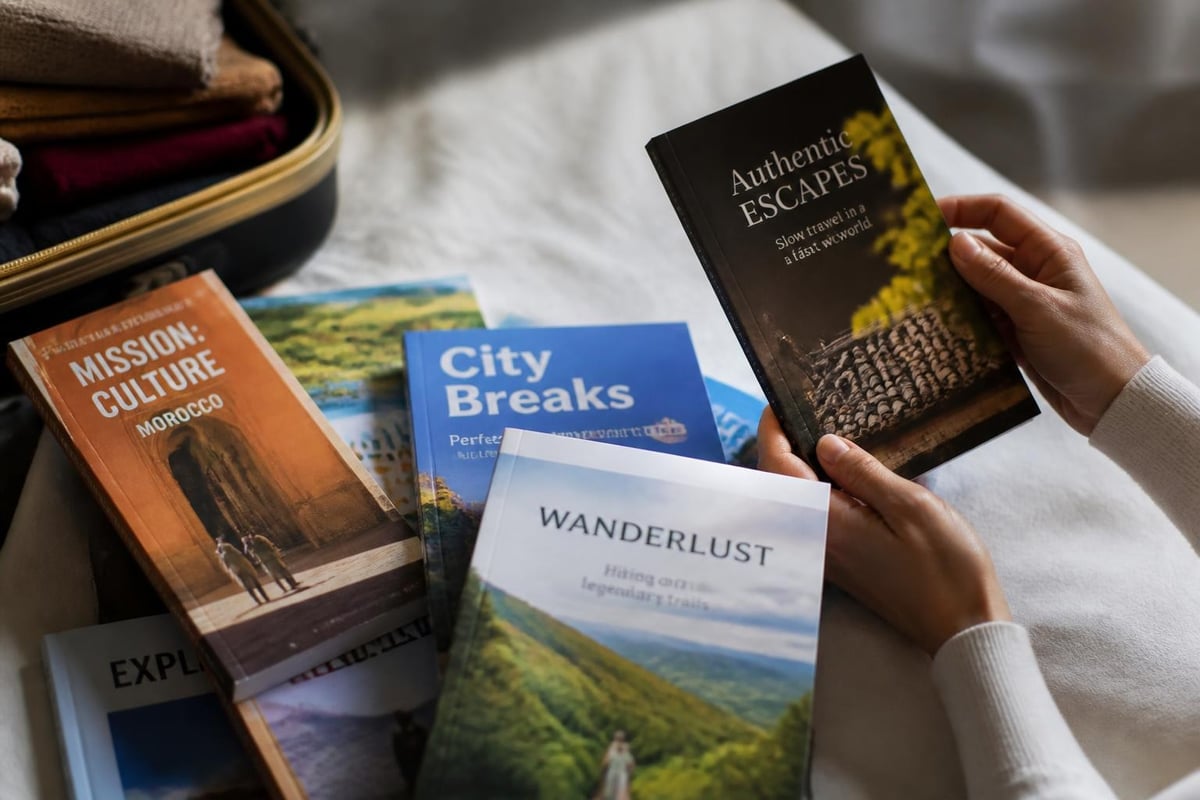
My bookshelf groans under the weight of travel guides accumulated over two decades. Each spine represents a journey, a promise of discovery. Yet the most transformative travel experiences I've had came not from these printed companions alone, but from the voices of people who call these places home.
When Pages Come Alive Through People
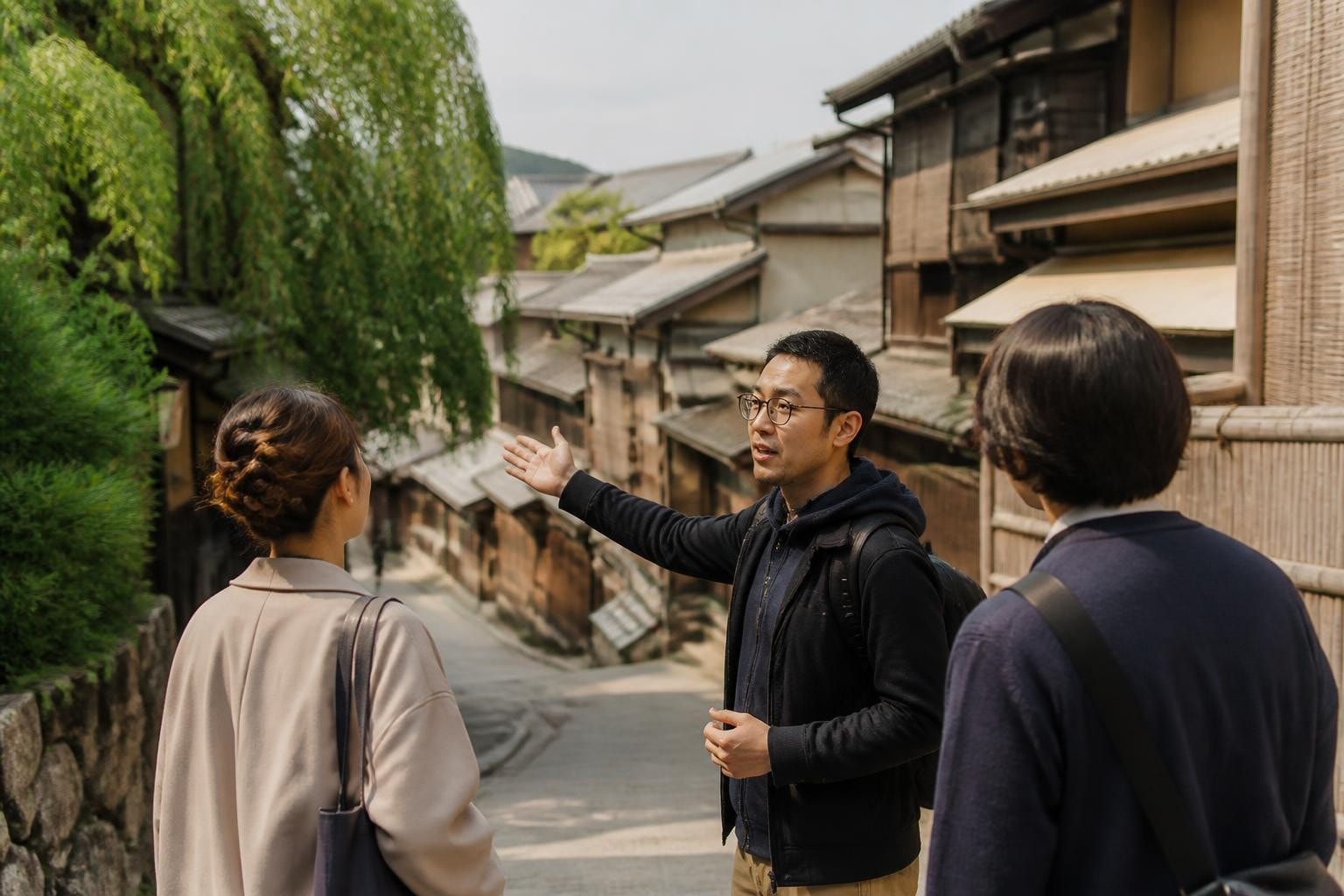
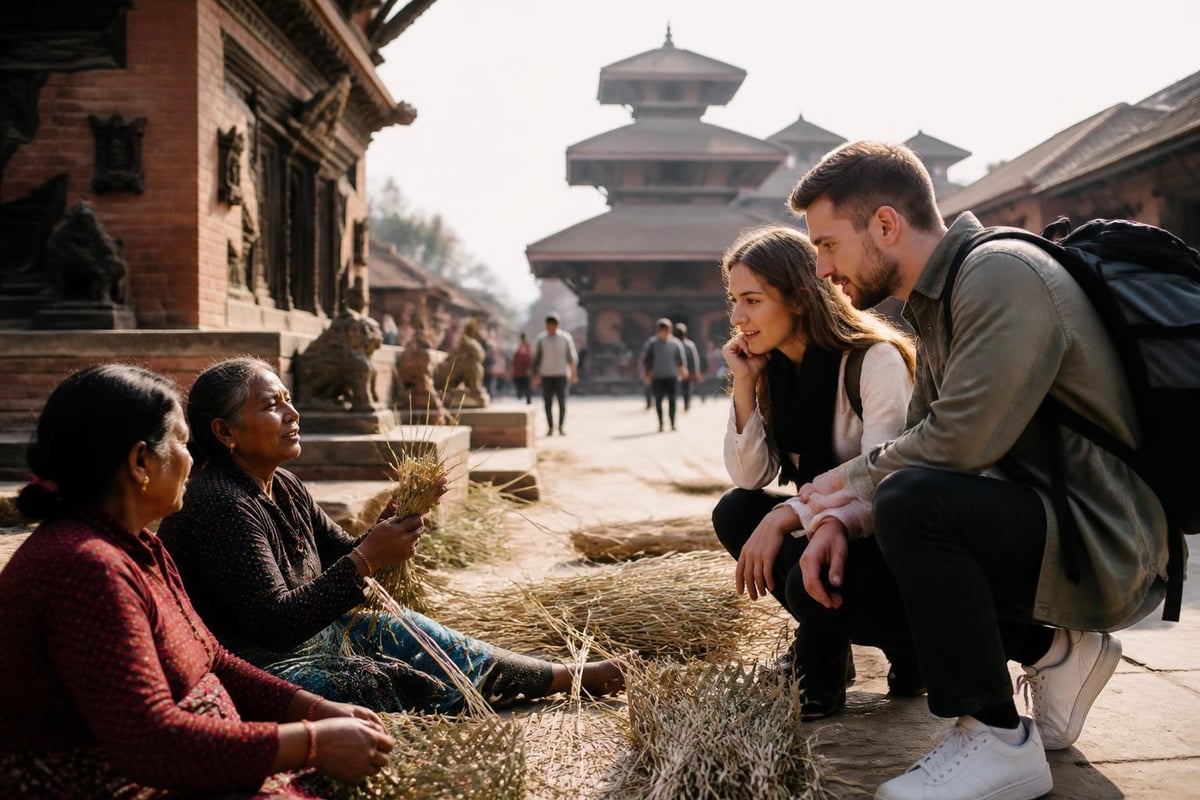
Consider the difference between reading about a monument and hearing its story from someone whose grandmother sold pomegranates in its shadow. The architectural details remain the same, but suddenly you're not just observing history, you're standing inside it.
| Guide Type | Strengths | Limitations |
|---|---|---|
| Traditional Books | Comprehensive research, expert editing, portable reference | Static information, can be outdated, general audience focus |
| Walking Tour Guides | Real-time adaptation, personal anecdotes, interactive Q&A | Limited to specific routes, dependent on individual guide quality |
| Digital Apps | Regular updates, multimedia content, user reviews | Requires connectivity, can lack depth, screen fatigue |
| Local Experts | Authentic insights, hidden gems, cultural nuance | Variable availability, language barriers possible |
The National Geographic Travel team understands this balance beautifully, combining rigorous research with compelling narratives that bring destinations to life on the page.
Free walking tours represent an evolution in how we think about the best travel guides. They're not replacing traditional guidebooks but complementing them, adding layers of interpretation that printed pages struggle to capture. When you explore Samarkand through Visit Samarkand's offerings, you're accessing centuries of oral history passed down through generations, stories that never made it into conventional guides because they lived in the hearts of locals rather than archive collections.
The Research Behind Great Recommendations
Creating truly useful travel guides demands extraordinary dedication. The Library of Congress Research Guides demonstrate the scholarly approach that underpins the best reference materials, showing how proper documentation and source verification separate authoritative guides from casual blog posts.
Quality travel guides typically involve:
- Multiple site visits across different seasons and times of day
- Verification of practical details like prices, schedules, and accessibility
- Cultural consultation with local historians and community members
- Fact-checking against primary sources and academic research
- Regular updates to maintain accuracy and relevance
I once met a guidebook author who'd spent three years researching a single city. Three years. She'd interviewed everyone from university professors to street vendors, traced architectural influences across continents, and walked every alley until her shoes wore through. That commitment shows on every page.
Choosing Your Perfect Travel Companion
The "best" travel guide isn't universal, it's personal. Your ideal companion depends on your travel style, interests, and the depth of experience you're seeking.
Matching Guides to Journey Types
For first-time visitors, comprehensive guides offering broad coverage work brilliantly. You need orientation, practical logistics, and enough context to make informed choices about how to spend limited time.
For return visitors, specialized guides focusing on specific aspects deliver more value. Perhaps you're fascinated by Islamic architecture, Silk Road trade routes, or contemporary cultural movements. Depth trumps breadth.
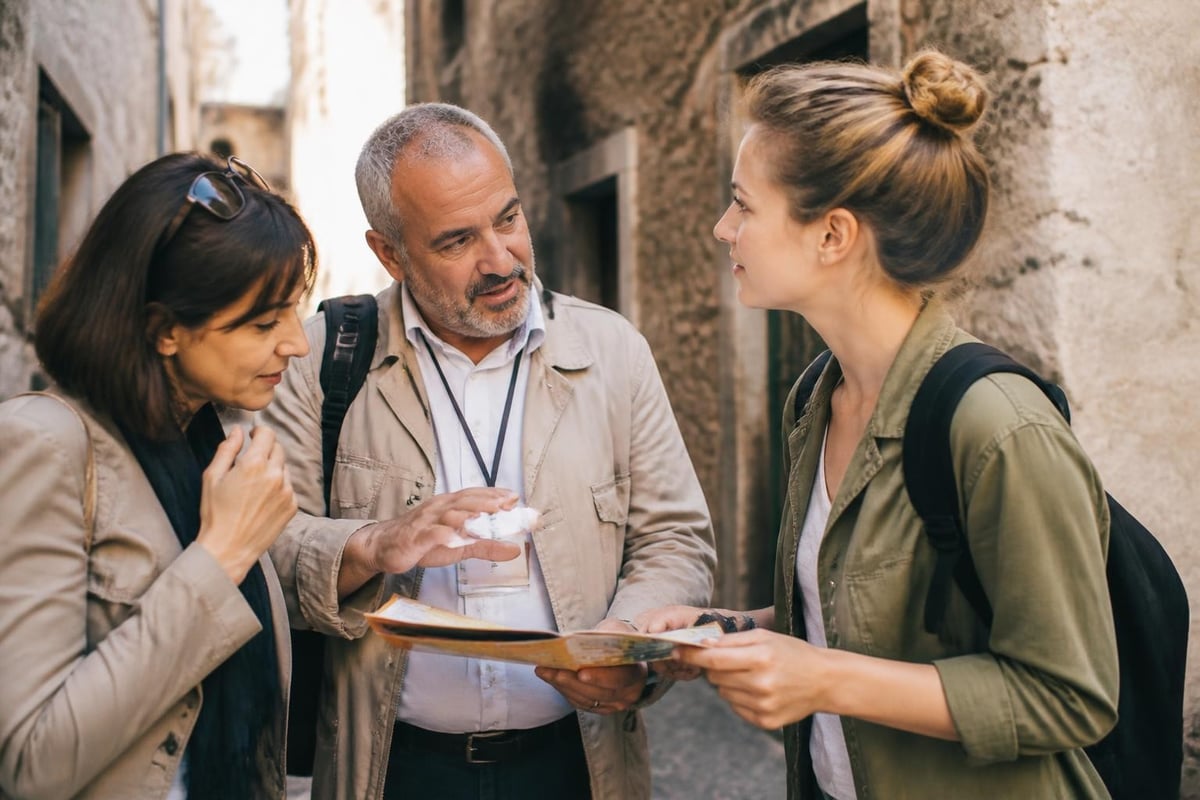
For immersive travelers, nothing beats human guides who can read the room, literally. They notice when you're fascinated by tilework and linger on those details. They spot your fatigue and suggest a perfect tea house. They answer the questions you didn't know you had.
Reading Between the Lines
The best travel guides reveal themselves through subtle markers. Watch for these signs of quality:
- Specific rather than vague descriptions: "The best spot for sunrise photos is the northeastern corner, arriving by 6:15 AM" beats "nice views in the morning"
- Honest acknowledgments of limitations: "The museum's English signage is minimal" helps you prepare
- Cultural sensitivity: Explaining local customs without judgment or exoticization
- Practical wisdom: "Bring small bills for the toilet attendant" seems minor but prevents awkward moments
- Personal voice: The author's personality and passion should shine through
I can always tell when guidebook writers haven't actually visited locations they're describing. The language becomes generic, recommendations feel copied from tourism boards, and that essential spark of genuine enthusiasm disappears.
Regional Expertise and Specialist Knowledge
Some destinations demand specialist guides with deep regional expertise. Central Asia generally, and the Silk Road specifically, represent such places where surface-level tourism misses the extraordinary depth available to those willing to dig deeper.
Why Regional Focus Matters
A guide trying to cover thirty countries in 400 pages spreads itself too thin. Meanwhile, a guide devoted entirely to a single city or region can explore nuances that transform your understanding.
Specialist guides excel at:
- Explaining complex historical narratives that span centuries
- Identifying architectural details and their significance
- Recommending authentic experiences over tourist performances
- Connecting you with local artisans, scholars, or craftspeople
- Navigating cultural protocols and etiquette with confidence
Walking through Samarkand's Shah-i-Zinda necropolis without understanding the Timurid dynasty is like reading poetry in a language you don't speak. You see beauty, but you miss meaning. The best travel guides serve as translators, not just of language but of culture, history, and significance.
The Living Library of Local Guides
Every experienced local guide carries a library in their head. They know which legends have historical basis and which are romantic inventions. They remember when the mulberry trees bloom and how that timing connects to ancient agricultural calendars. They can point to a seemingly ordinary doorway and explain how it represents a particular architectural innovation.
This knowledge isn't available in books because it's dynamic, changing with each season and each conversation. It's earned through years of walking the same streets, answering thousands of questions, and continuously learning from both visitors and fellow locals.
The Digital Revolution and Travel Information
Technology has democratized travel information while simultaneously flooding us with noise. Sorting signal from noise requires discernment.
Navigating the Digital Landscape
Strengths of digital resources:
- Instant updates when situations change
- User-generated content providing diverse perspectives
- Multimedia elements enhancing understanding
- Community feedback identifying outdated information
- GPS integration for navigation assistance
Weaknesses to consider:
- Algorithm-driven recommendations prioritizing popularity over quality
- Sponsored content masquerading as genuine advice
- Review manipulation and fake testimonials
- Information overload creating decision paralysis
- Shallow content optimized for search engines rather than genuine usefulness
The best travel guides in 2026 often combine formats. A core printed or digital guidebook provides foundational knowledge, supplemented by apps for real-time updates, and enriched through human interaction with guides who bring everything into focus.
Accessibility and Inclusive Travel Guidance
Outstanding travel guides recognize that travelers have diverse needs, abilities, and backgrounds. Inclusivity isn't a nice-to-have feature, it's essential.
Beyond Basic Accessibility Information
Truly inclusive guides address:
- Physical accessibility details for mobility challenges
- Sensory considerations for neurodivergent travelers
- Budget-friendly options alongside luxury recommendations
- Cultural and religious accommodation needs
- Family-friendly versus adult-focused experiences
- Solo travel safety and community connection opportunities
Free walking tour models particularly excel at accessibility. By removing financial barriers, they welcome travelers who might otherwise skip guided experiences entirely. This democratization of knowledge enriches everyone, creating diverse groups where a student backpacker and a retired professor share insights during the same tour.
Sustainable and Responsible Travel Guidance
The best travel guides now carry responsibility beyond simply showcasing destinations. They guide us toward traveling in ways that preserve what we've come to see and support communities we visit.
The New Mandate for Travel Guides
Modern travelers increasingly seek guidance on:
- Supporting local economies through authentic businesses rather than international chains
- Minimizing environmental impact with sustainable transport and accommodation choices
- Respecting cultural sites by understanding proper behavior and photography etiquette
- Contributing positively through volunteer opportunities or social enterprises
- Avoiding over-tourism by exploring less-visited sites of equal merit
A guide that leads you to the tenth-most-famous mosque instead of the most-photographed one isn't steering you wrong. They're sharing treasures while reducing pressure on over-visited sites. That's wisdom, not second-rate recommendations.
Practical Evaluation Criteria
When selecting from countless options claiming to be the best travel guides, systematic evaluation helps.
| Evaluation Factor | What to Look For | Red Flags |
|---|---|---|
| Publication Date | Within past 2-3 years for practical info | Outdated pricing, closed businesses |
| Author Credentials | Demonstrated local expertise or research | Anonymous or unclear authorship |
| Depth of Coverage | Balance of history, culture, and logistics | All restaurants, no context |
| Source Attribution | Referenced research and expert consultation | Unattributed claims |
| User Feedback | Specific praise or constructive criticism | Only generic five-star reviews |
Testing Guide Quality Before You Travel
Smart travelers:
- Read sample pages online before purchasing full guides
- Check multiple sources for contradictory information
- Verify recent reviews mentioning current conditions
- Look for guides updated after major events or changes
- Consider author track records across multiple destinations
I learned this lesson expensively in Morocco, purchasing three different guidebooks that essentially plagiarized each other, offering identical (and partially incorrect) information. Now I investigate more carefully.
The Future of Travel Guidance
Emerging technologies promise to transform how we access and experience travel information, but the core principle remains unchanged: the best travel guides create understanding, not just awareness.
Innovations on the Horizon
Augmented reality overlays might soon show you how a ruined palace looked in its prime. AI-powered personalization could tailor recommendations to your specific interests. Real-time translation may break down language barriers that currently limit deeper engagement.
Yet none of these advances can replicate the moment when a guide's eyes light up sharing a story their grandfather told them, or when they introduce you to their cousin who makes the finest suzani embroidery in her workshop. Technology enhances, but humanity connects.
The most effective approach combines tools thoughtfully. Carry a comprehensive guidebook for reference. Download apps for practical updates. But allocate time for human-guided experiences that transform information into insight, facts into feelings, and sights into stories you'll carry home.
Investing in Quality Guidance
Travel guides range from free resources to premium personalized services. Understanding this spectrum helps allocate your resources wisely.
The Value Equation
Free resources provide:
- Basic orientation and practical information
- Community-sourced tips and recommendations
- General historical and cultural background
- Starting points for independent research
Premium guides offer:
- Curated experiences based on expertise
- Exclusive access or special arrangements
- Personalized attention and flexible pacing
- Deep knowledge from decades of study
Neither is inherently superior. The question is matching resource to need. For your first afternoon in a new city, a free walking tour provides fantastic value, offering orientation and overview before you dive deeper into specific interests.
The journey toward finding the best travel guides mirrors travel itself: it's personal, evolving, and most rewarding when you remain open to surprise. Whether you're drawn to comprehensive printed volumes, digital platforms, or the irreplaceable wisdom of local experts, the right guide transforms monuments into memories and strangers into storytellers. If you're planning to explore the architectural wonders and cultural richness of Central Asia's most legendary city, Visit Samarkand offers free walking tours that bring history alive through the voices of those who know it best, ensuring your journey becomes the story you'll tell for years to come.