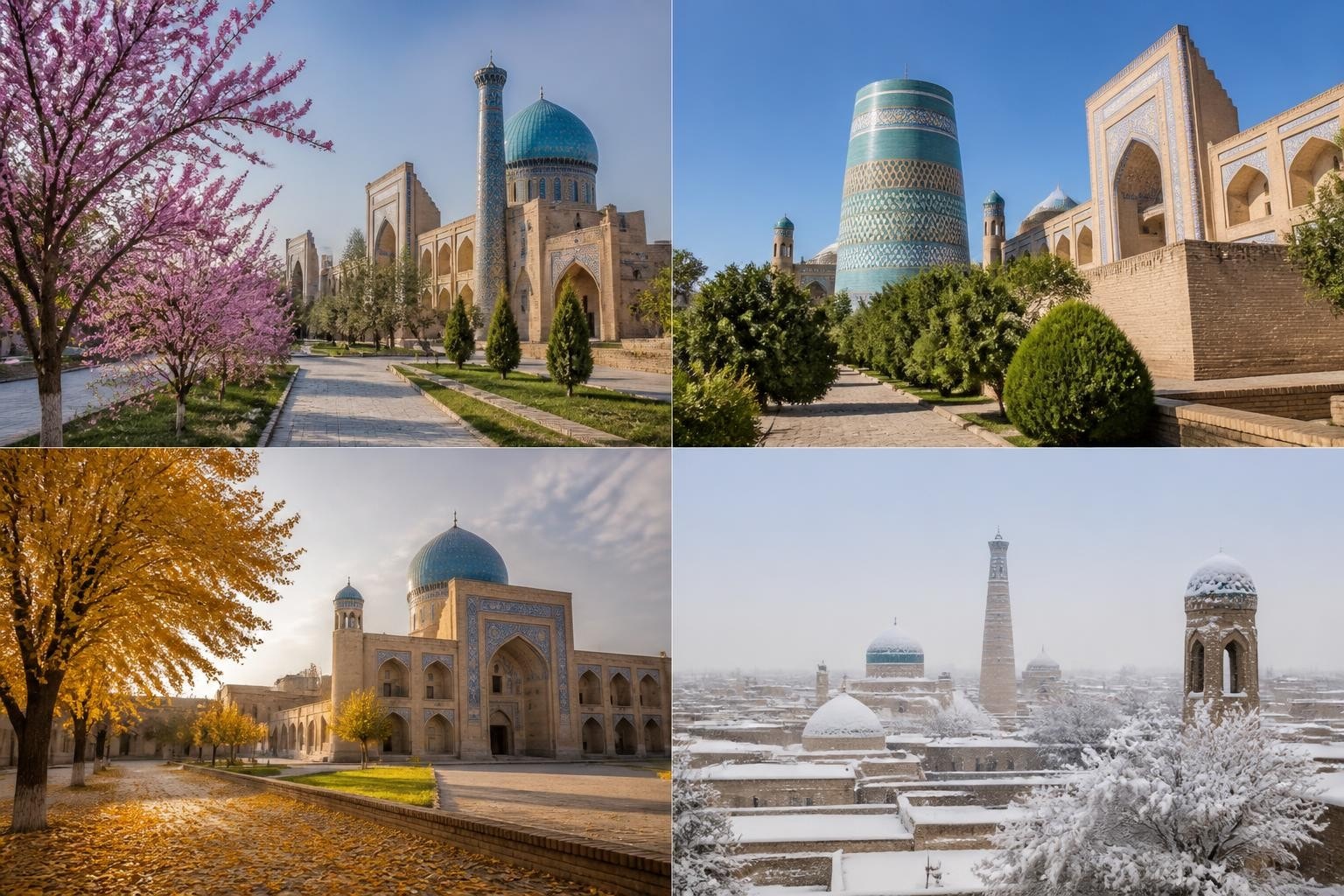
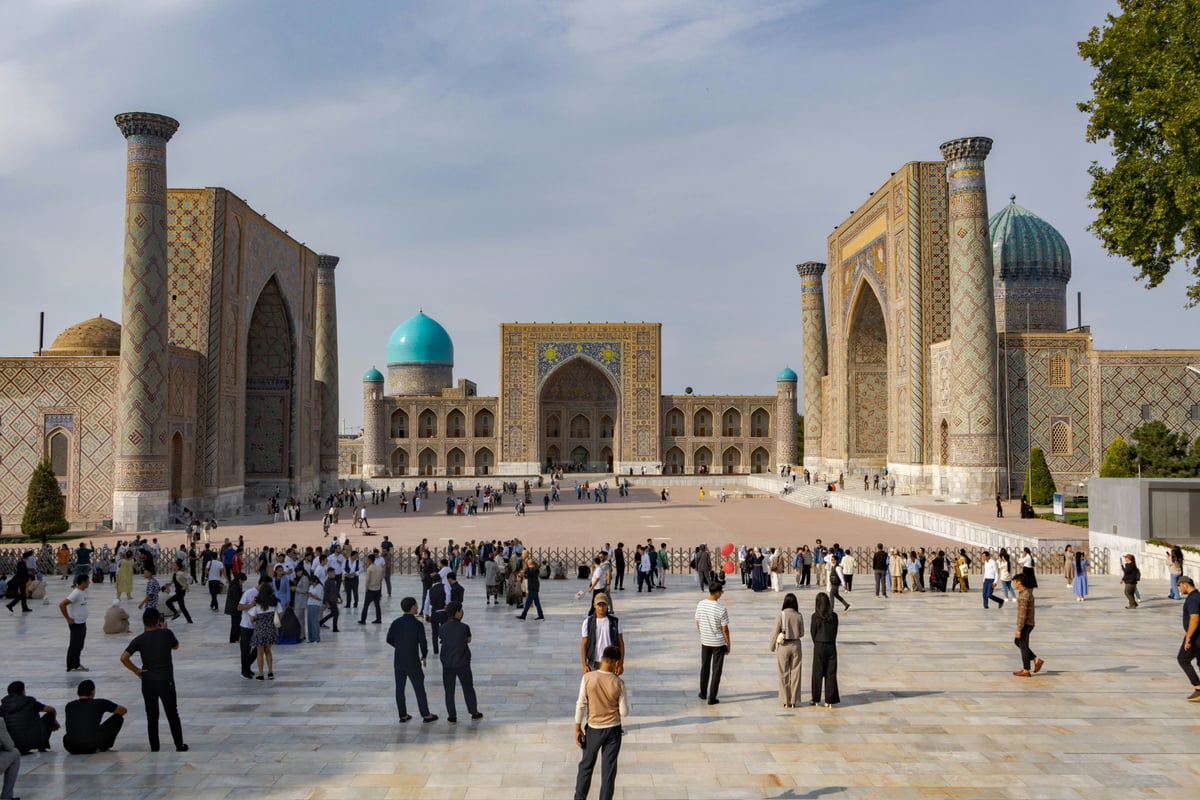
Standing in Registan Square as the late afternoon sun turned the azure tiles to molten gold, I understood why timing matters so deeply in Uzbekistan. The temperature was perfect, the crowds manageable, and the light painted every mosaic in shades I'd never seen in photographs. That September afternoon taught me something guidebooks rarely capture: finding the uzbekistan best time to visit isn't just about avoiding extremes; it's about catching those fleeting moments when weather, culture, and atmosphere align perfectly. Whether you're planning to trace the ancient Silk Road or explore hidden courtyards in Samarkand's old city, understanding Uzbekistan's seasonal rhythms will transform your journey from good to extraordinary.
Understanding Uzbekistan's Continental Climate
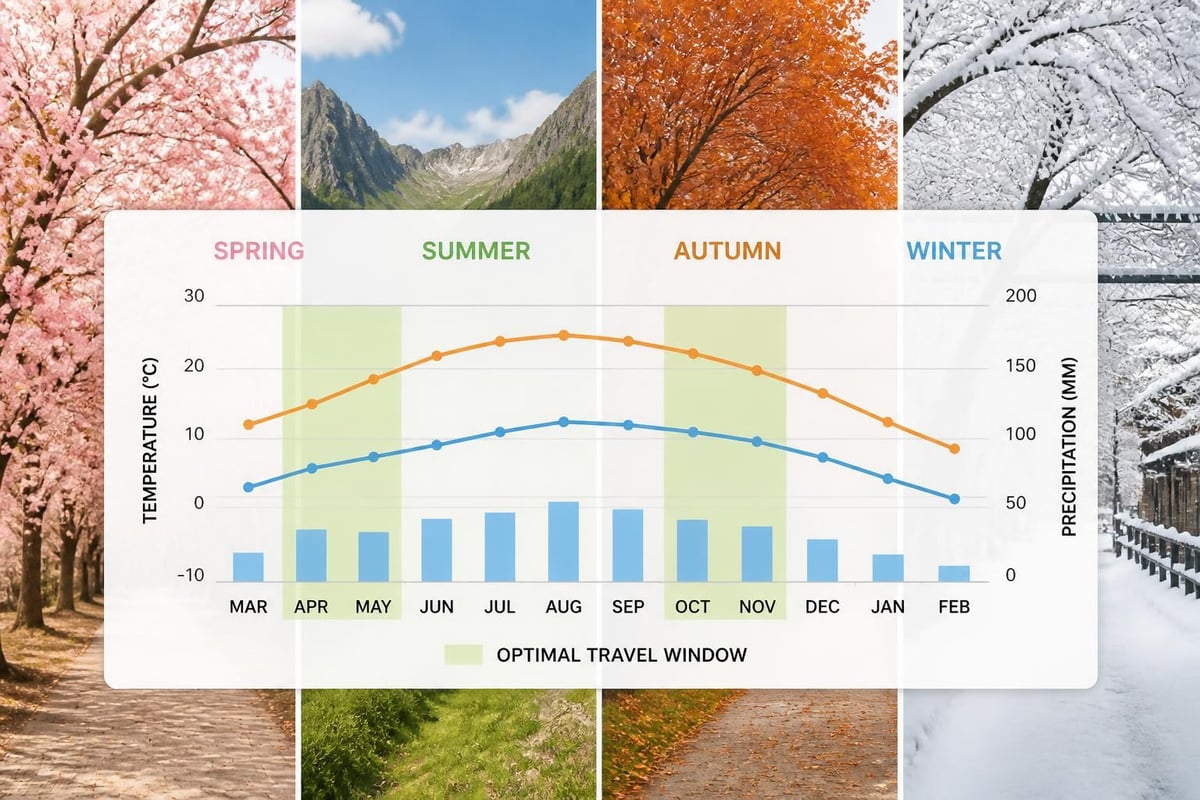
Uzbekistan's landlocked position creates a sharply continental climate with dramatic seasonal swings. Summer temperatures regularly exceed 40°C (104°F) in cities like Samarkand and Bukhara, whilst winter can plunge below freezing, particularly in the mountainous regions.
The country experiences four distinct seasons, each painting the landscape in different colours:
- Spring (March-May): Mild temperatures, blooming orchards, occasional rain
- Summer (June-August): Intense heat, cloudless skies, very dry conditions
- Autumn (September-November): Comfortable warmth, harvest season, stable weather
- Winter (December-February): Cold temperatures, occasional snow, crisp air
What makes the uzbekistan best time to visit question particularly interesting is how differently these seasons affect various regions. The Fergana Valley enjoys milder conditions year-round, whilst the desert regions near the Aral Sea experience more extreme temperatures. Rough Guides provides detailed month-by-month temperature data that helps travelers understand these regional variations.
Rainfall Patterns and What They Mean for Travelers
Uzbekistan receives minimal precipitation throughout the year, averaging just 100-200mm annually in most regions. The wettest months typically fall between March and May, though "wet" remains relative-you're unlikely to face extended rainy periods.
This aridity means you'll rarely need to cancel outdoor plans due to weather. However, it also means scorching summers and the importance of choosing your season wisely.
Spring: Uzbekistan's Renaissance Season
March arrives with a transformation. After months of grey skies and bare branches, Uzbekistan awakens. Apricot trees explode in pink blossoms, tulips carpet the foothills, and the air carries that distinctive scent of renewal that poets have celebrated for millennia.
April and May represent prime traveling months for several compelling reasons. Daytime temperatures hover between 20-25°C (68-77°F)-warm enough for comfortable sightseeing but cool enough to explore without wilting. The countryside glows emerald green, a colour that fades quickly once summer arrives.
Nowruz: The Persian New Year Celebration
Spring's greatest cultural treasure is Nowruz, celebrated on March 21st. This ancient Zoroastrian festival marking the spring equinox fills cities with street performances, traditional wrestling matches, and communal feasts. Markets overflow with special dishes like sumalak, a sweet paste made from germinated wheat that takes all night to prepare.
Witnessing Nowruz offers insights into Uzbek culture that ordinary tourism cannot provide. Families open their homes, strangers share meals, and ancient traditions blend seamlessly with contemporary celebrations. However, popular destinations do see increased domestic tourism during this period.
| Spring Months | Avg. Temperature | Pros | Cons |
|---|---|---|---|
| March | 12-18°C | Nowruz celebrations, early flowers | Unpredictable weather, cooler evenings |
| April | 18-24°C | Perfect temperatures, green landscapes | Occasional rain, moderate crowds |
| May | 22-28°C | Stable weather, long daylight hours | Prices rising, warming quickly |
According to Lonely Planet’s seasonal recommendations, late April through early May offers the sweet spot between comfortable weather and manageable tourist numbers.
Summer: For the Heat-Hardy Adventurer
June transforms Uzbekistan into a furnace. By July, stepping outside at midday feels like walking into a wall of heat. Temperatures regularly exceed 40°C (104°F), and the sun beats down from cloudless skies with relentless intensity.
Yet summer has its devotees. Budget travelers appreciate significantly lower accommodation rates and virtually empty tourist sites. That iconic Registan Square photograph with no other tourists? Summer afternoons make it possible.
If you're considering summer travel, adopt local rhythms:
- Start your day at sunrise when temperatures remain bearable
- Retreat indoors between noon and 5pm
- Explore again as evening brings relief
- Stay hydrated-drink more water than seems necessary
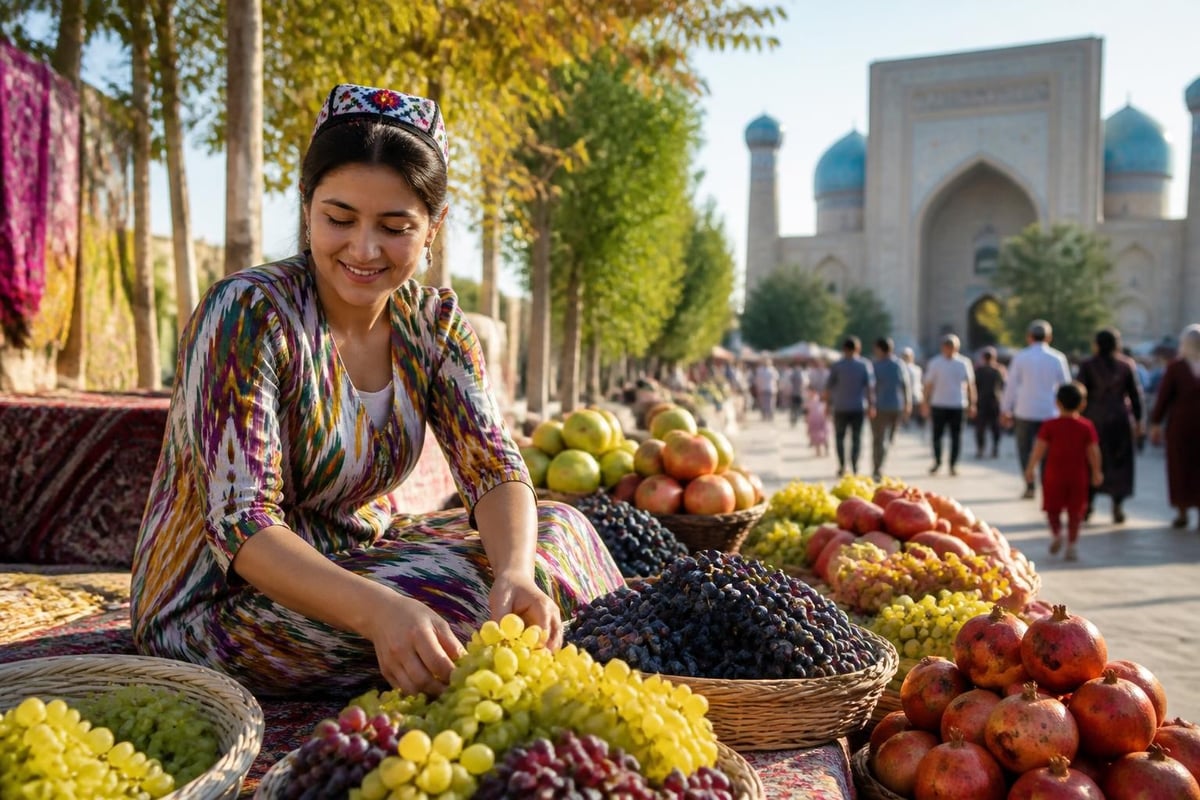
The heat does offer advantages. Fruit season peaks in July and August, with melons, grapes, and peaches bursting with sweetness impossible to achieve elsewhere. Chaihanas (teahouses) become social hubs where locals escape the heat, and the pace of life slows to something almost meditative.
Regional Variations in Summer
Mountainous areas near the Kyrgyz border offer refuge from lowland heat. Towns like Chimgan provide cooler temperatures and hiking opportunities. Similarly, Tashkent's slightly higher elevation makes it marginally more bearable than Bukhara or Khiva.
Summer definitely isn't the uzbekistan best time to visit for most travelers, but certain personalities thrive in these conditions. Solo adventurers, photographers seeking dramatic light, and those with genuine heat tolerance find summer rewarding.
Autumn: The Golden Season
September arrives like a gift. The oppressive heat breaks almost overnight, replaced by warm days and pleasantly cool evenings. This is when Uzbekistan reveals its finest character.
Autumn (particularly September and October) consistently ranks as the uzbekistan best time to visit for multiple reasons. Temperatures mirror spring's comfortable range, but with even more stable weather patterns. The harvest season fills markets with produce, and a festive atmosphere permeates cities and villages alike.
The light changes too. Summer's harsh glare softens to a golden quality that makes every ancient monument glow. Photographers worship this season for good reason-the colours, textures, and atmospheric clarity create magical conditions.
Cultural Festivals and Events
October brings Silk and Spices Festival to Bukhara, celebrating traditional crafts with workshops, performances, and demonstrations. Artisans from across Central Asia gather to share techniques passed down through generations. For visitors interested in authentic cultural immersion rather than staged entertainment, these autumn festivals deliver genuine experiences.
Taking advantage of this season to explore Samarkand's layered history becomes even more rewarding with expert guidance. Free walking tours of Samarkand allow you to discover hidden courtyards and hear local legends whilst the weather remains perfect for extended walking-neither too hot nor requiring heavy layers.
| Autumn Months | Avg. Temperature | Highlights | Considerations |
|---|---|---|---|
| September | 22-28°C | Perfect weather, harvest season | Popular month, book ahead |
| October | 16-22°C | Excellent conditions, festivals | Evenings cooling, pack layers |
| November | 10-16°C | Fewer crowds, lower prices | Shorter days, chillier mornings |
Winter: Uzbekistan's Secret Season
December through February sees tourist numbers plummet. Most travelers assume winter means closed attractions and miserable conditions. They're missing an extraordinary opportunity.
Winter in Uzbekistan brings crisp, clear days with temperatures averaging 2-8°C (36-46°F). Snow occasionally dusts Samarkand's domes, creating scenes of breathtaking beauty. The Chimgan mountains near Tashkent offer skiing, whilst cities maintain their usual rhythms with indoor markets and warm teahouses providing refuge.
Winter advantages include:
- Dramatically reduced accommodation costs (sometimes 50-70% lower)
- Zero crowds at major monuments
- Authentic local life without tourist influence
- Clear, photogenic skies
- Unique seasonal foods and celebrations
The celebration of Navruz preparations begins in late winter, with communities cleaning, painting, and readying for spring. Observing these preparations offers cultural insights unavailable during other seasons.
Practical Winter Considerations
Heating in budget accommodation can be inconsistent. Pack thermal layers and don't rely solely on room heating. However, Uzbeks take hospitality seriously, and you'll find warmth-both literal and figurative-in homes, restaurants, and public spaces.
Transport remains reliable year-round, though occasional snowfall might delay mountain routes. National Geographic’s recent feature on Khiva highlights infrastructure improvements making winter travel increasingly accessible.
Practical Planning Considerations
Beyond weather, several practical factors influence the uzbekistan best time to visit for your specific circumstances.
Visa and Entry Requirements
Uzbekistan's e-visa system has simplified entry significantly, with most nationalities receiving approval within 2-3 business days. However, processing times can extend during peak seasons (April-May, September-October), so apply well in advance.
Current requirements include proof of accommodation and travel insurance. UK government travel advice provides regularly updated information on entry requirements, safety considerations, and health precautions.
Booking Timelines and Pricing
Accommodation pricing follows predictable seasonal patterns:
- Peak season (April-May, September-October): Book 2-3 months ahead for best choices
- Shoulder season (March, June, November): Book 1-2 months ahead
- Low season (July-August, December-February): Last-minute bookings often available with discounts
International flights to Tashkent see price variations of 30-50% between peak and low seasons. Flexibility with dates can yield significant savings.

Regional Timing: Matching Destinations to Seasons
Uzbekistan's diverse geography means different regions shine in different seasons.
Samarkand and Bukhara
These lowland cities follow similar patterns. April-May and September-October provide ideal conditions for exploring architectural wonders. The UNESCO World Heritage sites in Samarkand particularly benefit from spring and autumn light, which enhances the famous blue tiles and brings out details invisible in harsh summer sun.
Winter remains viable for dedicated travelers, whilst summer demands heat tolerance and strategic timing.
Khiva and Western Regions
Khiva's desert location creates extreme summer heat but spectacular spring conditions. The ancient city walls and narrow streets become ovens in July but magical in April.
Fergana Valley
This fertile valley enjoys milder conditions year-round. Summer temperatures stay marginally cooler than western cities, making June-August more bearable. Spring brings spectacular mountain wildflowers to surrounding slopes.
Mountain Regions
Areas near the Kyrgyz and Tajik borders follow mountain weather patterns. Summer (June-August) offers the best trekking conditions, whilst spring and autumn bring unpredictable weather. Winter transforms these regions into snow-covered wonderlands suitable for skiing but challenging for general tourism.
Crowd Patterns and Tourism Dynamics
Understanding crowd patterns helps optimize the uzbekistan best time to visit for your travel style.
Peak tourist season (mid-April to mid-May, September to mid-October) brings:
- International tour groups filling major attractions
- Advanced booking requirements for quality accommodation
- Vibrant atmosphere with fellow travelers
- Higher prices but also more services operating
Shoulder seasons (March, June, November) offer:
- Moderate crowds with space to explore
- Reasonable pricing
- Full service availability
- Flexible booking options
Low season (July-August, December-February) delivers:
- Near-empty monuments
- Bargain accommodation rates
- Authentic local atmosphere
- Some services operating reduced hours
For photographers seeking iconic shots without crowds, early mornings during peak season or any time during low season work equally well. The Registan Square looks magnificent whether you share it with three people or three hundred, but solitude changes the experience profoundly.
Festival Calendar and Cultural Events
Timing your visit around festivals adds immeasurable richness:
- Nowruz (March 21): Persian New Year, nationwide celebrations
- Silk and Spices Festival (late May, Bukhara): Crafts, music, traditional culture
- Independence Day (September 1): National celebrations, parades, concerts
- Harvest Festivals (September-October): Regional celebrations varying by area
- Constitution Day (December 8): Cultural events, particularly in Tashkent
These festivals provide windows into Uzbek culture that ordinary tourism cannot access. Locals welcome visitors during celebrations, and the atmosphere becomes infectiously joyful.
Making Your Final Decision
The uzbekistan best time to visit ultimately depends on your priorities, tolerance for weather extremes, and what experiences matter most.
Choose April-May if you prioritize:
- Comfortable weather
- Green landscapes
- Cultural festivals
- Photography conditions
Choose September-October if you want:
- Peak conditions with stable weather
- Harvest season atmosphere
- Excellent photography
- Festival opportunities
Choose winter if you're drawn to:
- Solitude at monuments
- Budget savings
- Authentic local life
- Unique seasonal atmosphere
Consider summer only if:
- Budget constraints are paramount
- Heat tolerance is exceptional
- Crowd avoidance matters deeply
- Schedule flexibility is impossible
Choosing when to visit Uzbekistan shapes your entire journey, from the colours you'll photograph to the festivals you'll experience and the crowds you'll navigate. Whether you chase spring blossoms, autumn harvests, or winter solitude, each season reveals different facets of this Silk Road jewel. Ready to explore Samarkand's timeless beauty with expert guidance? Visit Samarkand offers both free and premium walking tours that bring the city's history, architecture, and hidden stories to life, helping you make the most of whichever season you choose for your Central Asian adventure.