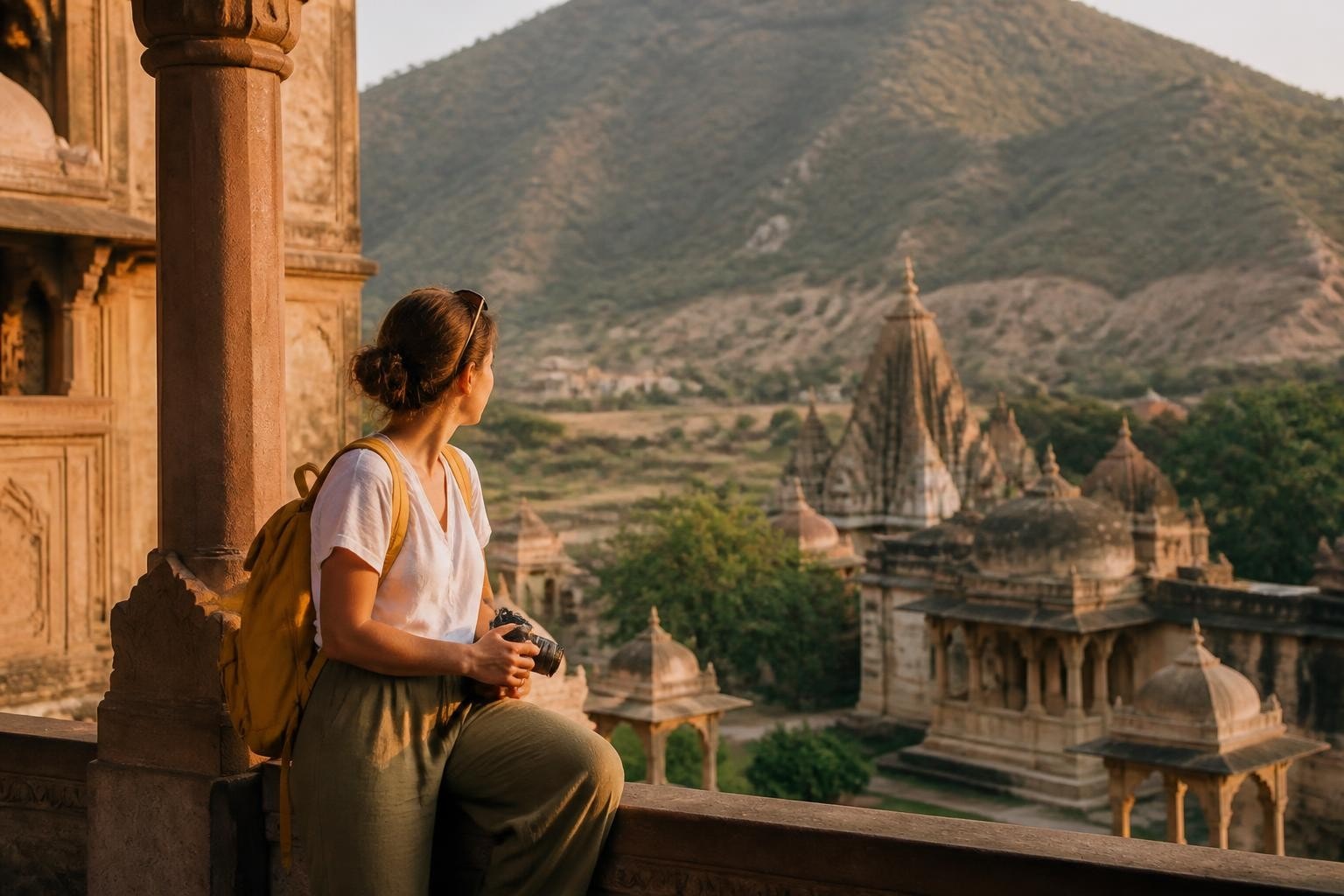
There's something magical about the moment when someone says "lets travel" to you. It's not just an invitation to visit a new place-it's a promise of transformation, discovery, and stories yet to be written. Whether whispered over morning coffee or shouted across a crowded room, these two simple words carry the weight of countless adventures, the thrill of the unknown, and the joy of shared experiences. In a world that moves increasingly fast, where screens dominate our attention and routines can feel suffocating, the simple act of choosing to explore somewhere new becomes an act of rebellion, self-care, and profound education all at once.
The Philosophy Behind "Lets Travel"
When we say lets travel, we're making a statement about how we choose to live. It's not merely about booking flights or ticking destinations off a bucket list. Travel represents a fundamental shift in perspective, a willingness to step outside our comfort zones and embrace uncertainty as a teacher rather than a threat.
I remember the first time someone said those words to me-a university friend bursting into my flat with a crumpled map of Central Asia, eyes sparkling with possibility. That impromptu conversation led to three months wandering the Silk Road, sleeping in teahouses, and learning that the best education doesn't happen in lecture halls. It happens when you're lost in a medina at sunset, trying to communicate with hand gestures, and discovering that kindness transcends language barriers.
Travel as a Counter-Cultural Choice
Modern culture often pushes us toward accumulation-bigger homes, newer cars, more possessions. But when we choose to travel, we're saying something different. We're valuing experiences over things, memories over materials, and growth over comfort.
The benefits of prioritising travel include:
- Enhanced cognitive flexibility and creative problem-solving
- Deeper cultural understanding and empathy
- Improved language skills and communication abilities
- Lasting friendships that span continents
- Stories that enrich your entire life
The World Health Organization emphasises the importance of preparation, but also recognises that travel, when done thoughtfully, contributes to overall wellbeing and mental health. There's scientific backing to what travellers have always known intuitively-exploring new places makes us healthier, happier humans.
Planning Your "Lets Travel" Moments
The beauty of spontaneous adventures shouldn't overshadow the importance of thoughtful planning. When someone says "lets travel," the next question is always "where and how?" The planning phase itself becomes part of the journey-a time of anticipation, research, and dreaming.
Creating a Travel Timeline
Not all trips require months of preparation, but having a framework helps transform intention into reality.
Four weeks before departure:
- Research visa requirements and health recommendations
- Book accommodation for at least the first few nights
- Create a flexible itinerary with must-see highlights
- Arrange travel insurance and necessary vaccinations
- Notify your bank of travel plans
Two weeks before:
- Finalise packing list based on weather and activities
- Download offline maps and useful apps
- Learn basic phrases in the local language
- Research local customs and cultural etiquette
- Make copies of important documents
One week before:
- Confirm all bookings and reservations
- Pack strategically (less is more)
- Arrange airport transportation
- Share itinerary with trusted contacts
- Let excitement build naturally
The anticipation phase shouldn't be rushed. There's a particular joy in spending evenings reading about your destination, watching documentaries, or listening to local music. When you finally arrive, you're not a complete stranger-you're a student eager to deepen your preliminary knowledge.
The Economics of Adventure
One of the biggest barriers people cite when they hesitate after hearing "lets travel" is cost. But travel doesn't have to be prohibitively expensive. In fact, some of the most memorable journeys happen on shoestring budgets, forcing creativity and authentic local interactions.
| Budget Level | Daily Spend | Accommodation | Transport | Food | Activities |
|---|---|---|---|---|---|
| Backpacker | £25-40 | Hostels, homestays | Local buses, walking | Street food, markets | Free walking tours, hiking |
| Mid-Range | £60-100 | Budget hotels, guesthouses | Mix of public/private | Local restaurants | Paid tours, entry fees |
| Comfortable | £150-250 | Hotels, boutique stays | Private transfers, taxis | Variety of dining | Premium experiences |
| Luxury | £300+ | High-end hotels | Private transport | Fine dining | Exclusive access |
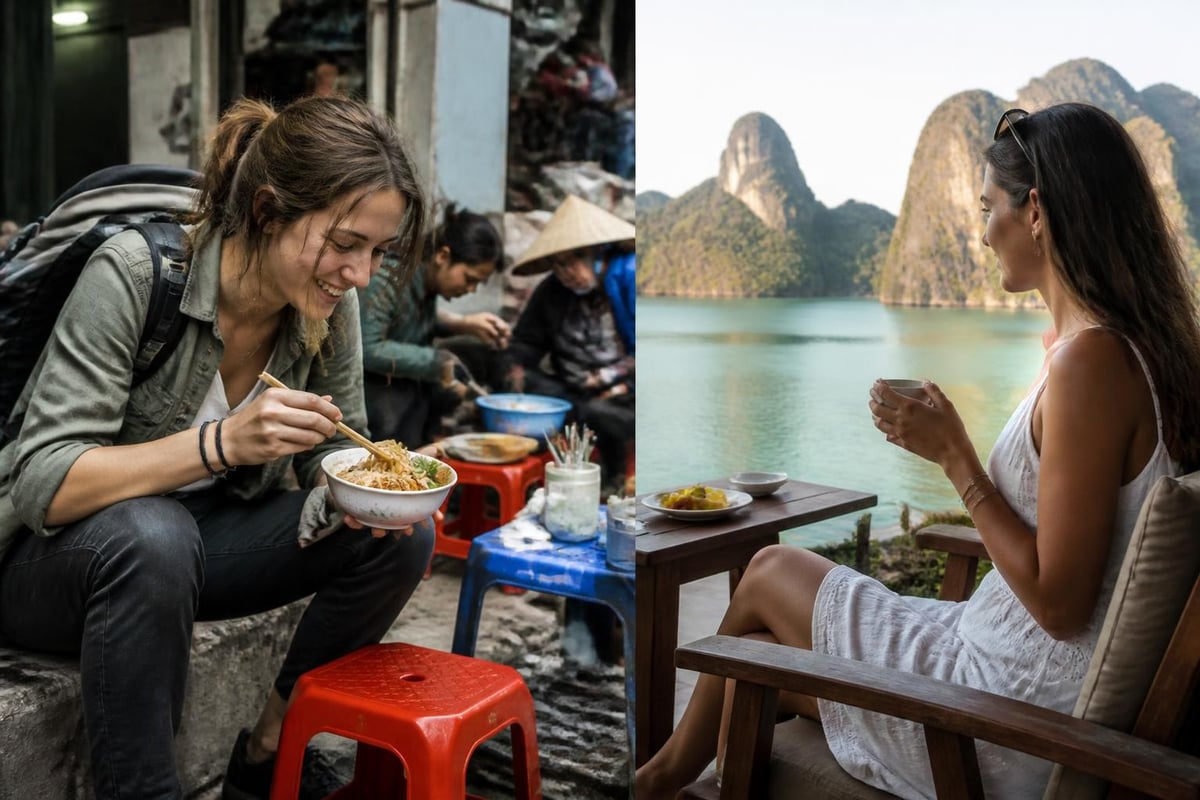
What's fascinating is that budget level doesn't directly correlate with trip satisfaction. Some of my richest travel memories come from £20-a-day adventures where resource constraints pushed me to engage more deeply with local communities. When you can't afford the fancy restaurant, you end up at the family-run canteen where the owner's grandmother teaches you to make plov. When you walk instead of taking taxis, you stumble upon the neighbourhood festival that isn't in any guidebook.
Making Travel Accessible
The democratisation of travel has been one of the most exciting developments of recent years. Budget airlines, home-sharing platforms, and free resources have opened up possibilities that previous generations couldn't imagine. Digital platforms have transformed how travellers discover and book experiences, making it easier than ever to say "lets travel" and actually follow through.
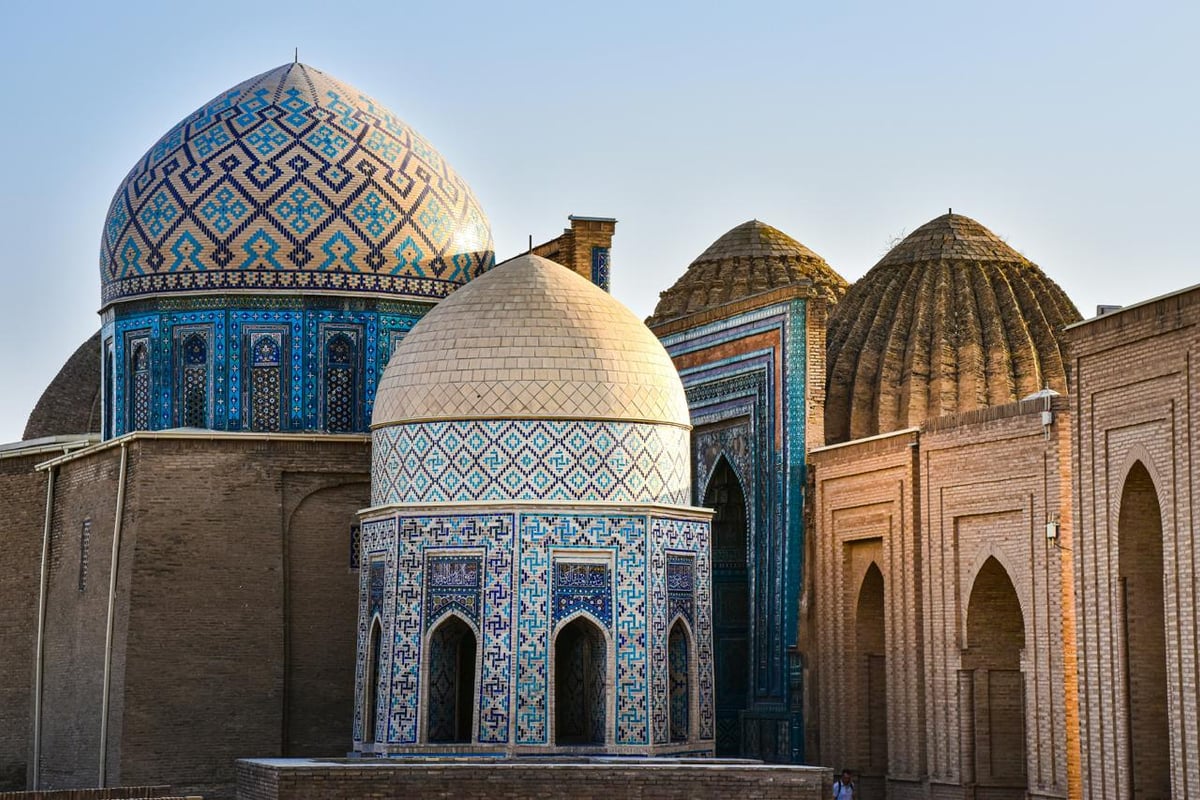
Free walking tours represent a perfect example of this accessibility revolution. These tours, often run by passionate local guides working for tips, provide deep cultural insights without the hefty price tag of traditional tour operators. In cities like Samarkand, where free walking tours allow visitors to explore stunning architecture and rich history without financial barriers, travellers can allocate their budgets to accommodation, food, and perhaps a more specialised paid tour later.
Cultural Immersion and Authentic Experiences
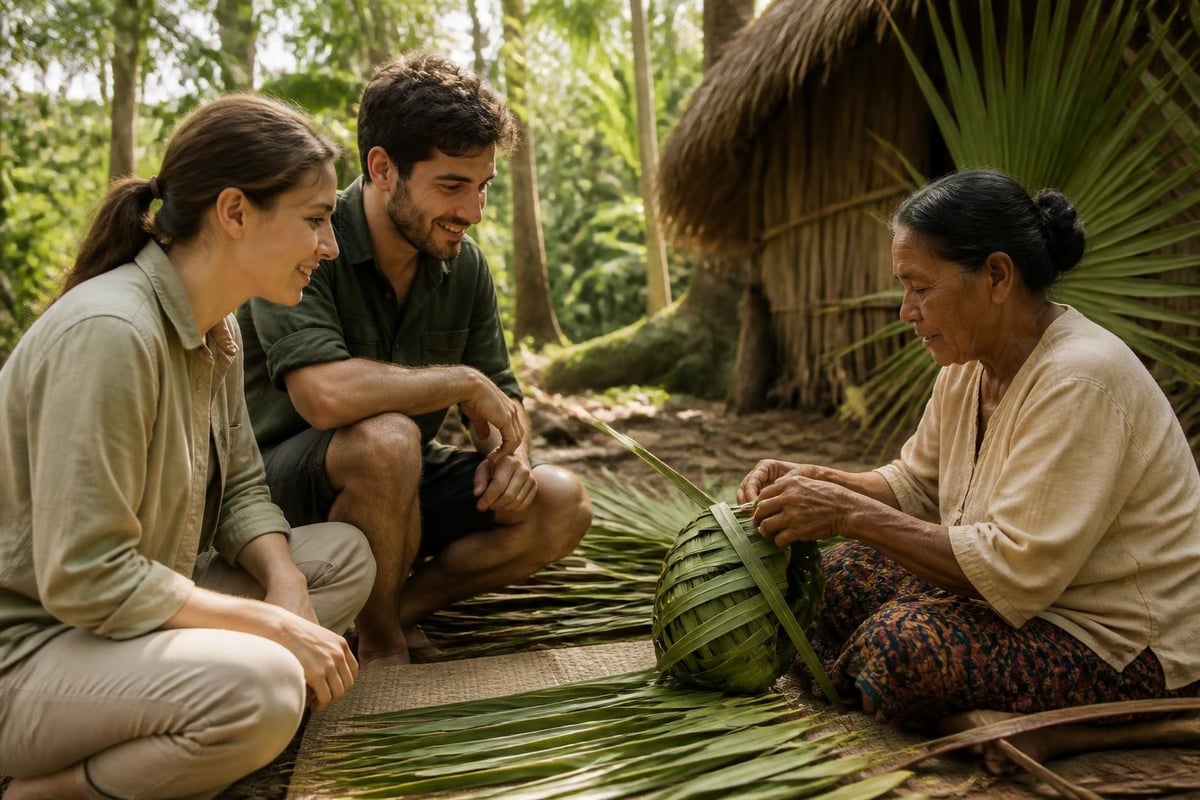
When we say lets travel, we're not just talking about seeing sights-we're committing to genuine cultural exchange. The difference between a tourist and a traveller often comes down to engagement level. Tourists observe from a distance; travellers participate, however imperfectly.
Building Bridges Through Curiosity
Strategies for deeper cultural connection:
- Learn basic language phrases (please, thank you, hello, goodbye)
- Eat where locals eat, not just tourist restaurants
- Attend cultural events, concerts, and community gatherings
- Stay curious and ask questions respectfully
- Accept invitations when safely possible
- Support local businesses and artisans
I once spent an afternoon in a Samarkand teahouse because I stopped to admire the tilework outside. The owner, seeing my interest, invited me in for tea and spent three hours explaining the symbolism in the geometric patterns. We communicated through broken Russian, hand gestures, and lots of laughter. He introduced me to his regular customers-a retired teacher, a young artist, a bread baker. That unplanned afternoon taught me more about Uzbek culture than any museum could.
The beauty of travel lies in these unscripted moments. When you approach new places with humility and genuine interest, doors open that no amount of money could unlock. People recognise authentic curiosity, and most humans are delighted to share their culture with someone who truly wants to learn.
Solo Travel: The Ultimate "Lets Travel" to Yourself
Sometimes the most important person to say "lets travel" to is yourself. Solo travel intimidates many people, but it offers unparalleled opportunities for self-discovery and confidence building.
The Solo Journey Advantages
Travelling alone means total freedom-you wake when you want, change plans on a whim, and spend three hours in that museum that fascinates you without worrying about boring your companion. It forces you to be present, to navigate challenges independently, and to connect with other travellers and locals more readily than you might when travelling with company.
Solo travel teaches you:
- Self-reliance and problem-solving under pressure
- Comfort with your own company
- Openness to unexpected connections
- Trust in your own judgement
- Resilience when things go wrong
The first solo trip feels terrifying. The tenth feels like coming home to yourself. There's something profoundly empowering about navigating a foreign city alone, handling unexpected situations, and realising you're more capable than you knew.
That said, solo doesn't mean lonely. Solo travellers often form the deepest friendships on the road precisely because they're more open to connection. Without the comfort of a travel companion, you're more likely to strike up conversations with fellow explorers or accept that invitation to join a local family for dinner.
Sustainable and Responsible Travel Choices
As travel becomes more accessible, we must grapple with its environmental and social impacts. When we say lets travel in 2026, we're also committing to doing so responsibly.
Making Ethical Travel Decisions
The tourism industry's impact on local communities and environments cannot be ignored. Responsible travellers consider these factors when planning trips.
| Sustainable Practice | Why It Matters | How to Implement |
|---|---|---|
| Slow travel | Reduces carbon footprint | Stay longer in fewer places |
| Support local economies | Keeps money in communities | Book local guides, eat local food, buy local crafts |
| Respect cultural sites | Preserves heritage for future generations | Follow rules, dress appropriately, hire knowledgeable guides |
| Minimise waste | Reduces environmental impact | Carry reusable water bottle, refuse single-use plastics |
| Choose responsible operators | Ensures fair wages and practices | Research company values, read reviews, ask questions |
Transparency in pricing and business practices has become increasingly important, with travellers demanding clarity about where their money goes and how tourism impacts local communities. The best travel experiences benefit everyone involved-visitor, guide, community, and environment.
Walking tours exemplify sustainable tourism at its finest. They produce zero emissions, employ local guides, support small businesses along the route, and encourage intimate engagement with places rather than superficial observation from tour buses.
The Transformative Power of Exploration
Every journey changes us, even if we return to the same home and routine. When someone says lets travel, they're inviting transformation. You might leave seeking adventure and return with perspective. You might depart looking for Instagram photos and come back with philosophical questions.
Personal Growth Through Travel
Travel strips away the familiar frameworks we use to understand ourselves. Without the usual reference points of home, work, and social circles, we're forced to encounter ourselves more directly. Who am I when nobody knows my background? What do I value when I can't rely on possessions? How do I behave when comfortable routines aren't available?
These aren't abstract questions. They emerge in concrete moments-when you're navigating a market in a language you don't speak, when you're invited to share a meal with strangers, when your carefully planned itinerary falls apart and you must improvise. Each challenge, each unexpected detour, each moment of discomfort followed by breakthrough becomes part of your expanding sense of what's possible.
The stories we gather while travelling become part of our identity. Years later, you'll reference that night in the desert, that conversation with the carpet seller, that wrong turn that led to the perfect viewpoint. These experiences weave into who we are, expanding our empathy, challenging our assumptions, and enriching our understanding of human diversity.
Building Your Travel Community
Travel becomes richer when shared, whether in the moment or through storytelling afterwards. The lets travel philosophy thrives in community-people who understand the pull of the horizon, who'd rather discuss visa requirements than mortgage rates, who get excited about archaeological sites and local festivals.
Finding Your Travel Tribe
Where travel communities gather:
- Hostel common rooms and communal meals
- Walking tours and group activities
- Online forums and social media groups
- Language exchange meetups
- Volunteering and work exchange programmes
- Travel-focused events and presentations
These communities serve multiple purposes. They're sources of practical information (which border crossings are easiest, which restaurants are worth the splurge, which scams to avoid). They're emotional support when travel feels hard. They're inspiration when you need that push to book the next trip. And often, they become lifelong friendships.
I've maintained friendships with people I met for a single evening in hostels halfway across the world. We've visited each other's home countries, been guests at weddings, supported each other through career changes and personal challenges. Travel friendships form quickly because they're forged through shared vulnerability and adventure.
Making "Lets Travel" a Lifestyle
For some people, travel is an occasional escape from regular life. For others, it becomes the foundation of how they structure their entire existence. Neither approach is wrong, but there's something powerful about integrating travel into your life's fabric rather than treating it as a separate category.
Practical Steps to Prioritise Travel
Budget strategies:
- Automate savings into a dedicated travel fund
- Cut one regular expense and redirect to travel
- Choose experiences over consumer goods
- Find remote work opportunities when possible
- Consider house-sitting or home exchanges
Time management:
- Use all your holiday allowance (don't leave days unused)
- Combine work trips with personal exploration
- Plan weekend microadventures close to home
- Take advantage of bank holidays strategically
- Negotiate sabbaticals or career breaks
Mindset shifts:
- View travel as education, not indulgence
- Let go of perfection in favour of experience
- Embrace discomfort as growth
- Build flexibility into career and housing choices
- Prioritise memories over material accumulation
The lets travel lifestyle doesn't require being wealthy or jobless. It requires clarity about your priorities and creativity in structuring your life around them. Some people achieve this through digital nomadism, others through strategic career breaks, still others through intensive travel during university years or early retirement.
The Future of Travel
As we move further into 2026, travel continues evolving. Technology shapes how we discover destinations, book experiences, and share our journeys. Integration with platforms and digital surfaces changes how travellers find and access tours and activities, making spontaneous exploration easier than ever.
Yet despite technological advances, the fundamental human desire to explore remains unchanged. We still crave authentic connection, cultural understanding, and the thrill of the unknown. The best uses of technology enhance rather than replace these core travel experiences-helping us navigate more efficiently so we can focus on human connection, providing translation services that facilitate conversation, connecting us with local guides who share deep knowledge.
The post-pandemic era has shifted how we think about travel. There's greater appreciation for domestic tourism, more consciousness about overtourism, increased focus on wellness and nature-based experiences, and deeper desire for meaningful connection over superficial sightseeing.
When we say lets travel now, we're often thinking smaller, slower, and deeper. The race to visit every country is giving way to genuine engagement with a few places. The Instagram-driven checklist is being replaced by curiosity-led wandering. And perhaps most importantly, there's growing recognition that travel is a privilege that comes with responsibility.
Travel transforms us in ways both subtle and profound, teaching lessons no classroom could offer and creating memories that sustain us through ordinary days. When you're ready to answer that call to exploration with your own enthusiastic "lets travel," consider starting your journey through the ancient streets and stunning architecture of Samarkand. Visit Samarkand offers free walking tours that make cultural discovery accessible to everyone, combining expert local knowledge with the freedom to explore at your own pace-because the best adventures begin with a single curious step.