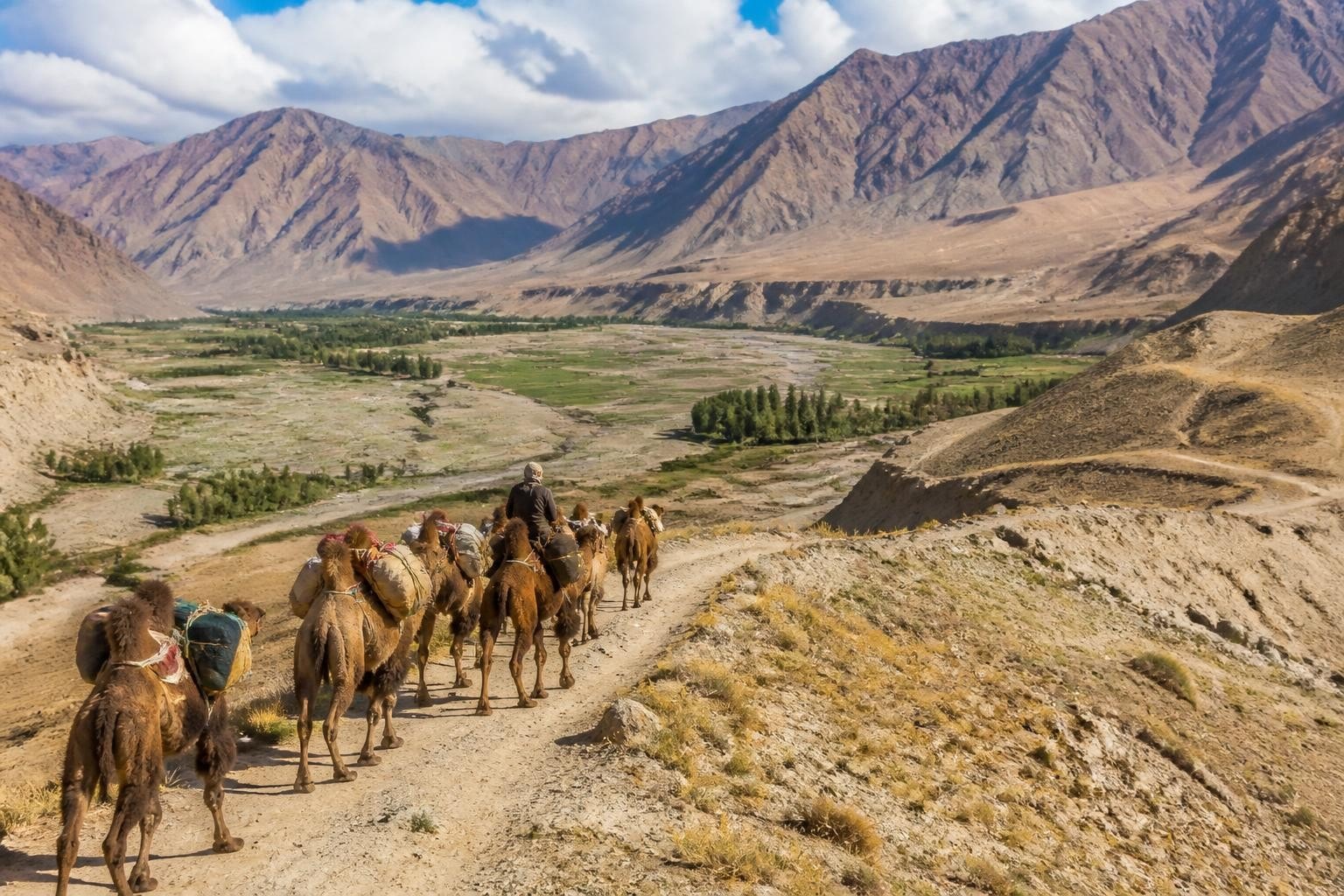
The whispers of camel caravans still echo through the mountain passes of Central Asia, beckoning modern travellers to trace routes that once connected empires. A silk route trip isn't merely a holiday; it's a pilgrimage through layers of civilisation, where every stone tells stories of merchants, scholars, and adventurers who shaped our world. From the moment you set foot on these ancient paths, you'll discover that the Silk Road was never a single route but a constellation of trading networks that wove together East and West, creating a tapestry of cultural exchange that still captivates us today.
The Silk Route: More Than a Trading Path
The romance of the Silk Road begins with understanding what it truly was. Contrary to popular imagination, no single merchant ever travelled the entire route from China to the Mediterranean. Instead, goods passed through countless hands, with each city serving as a vibrant marketplace where cultures collided and mingled.
Understanding the Historical Network
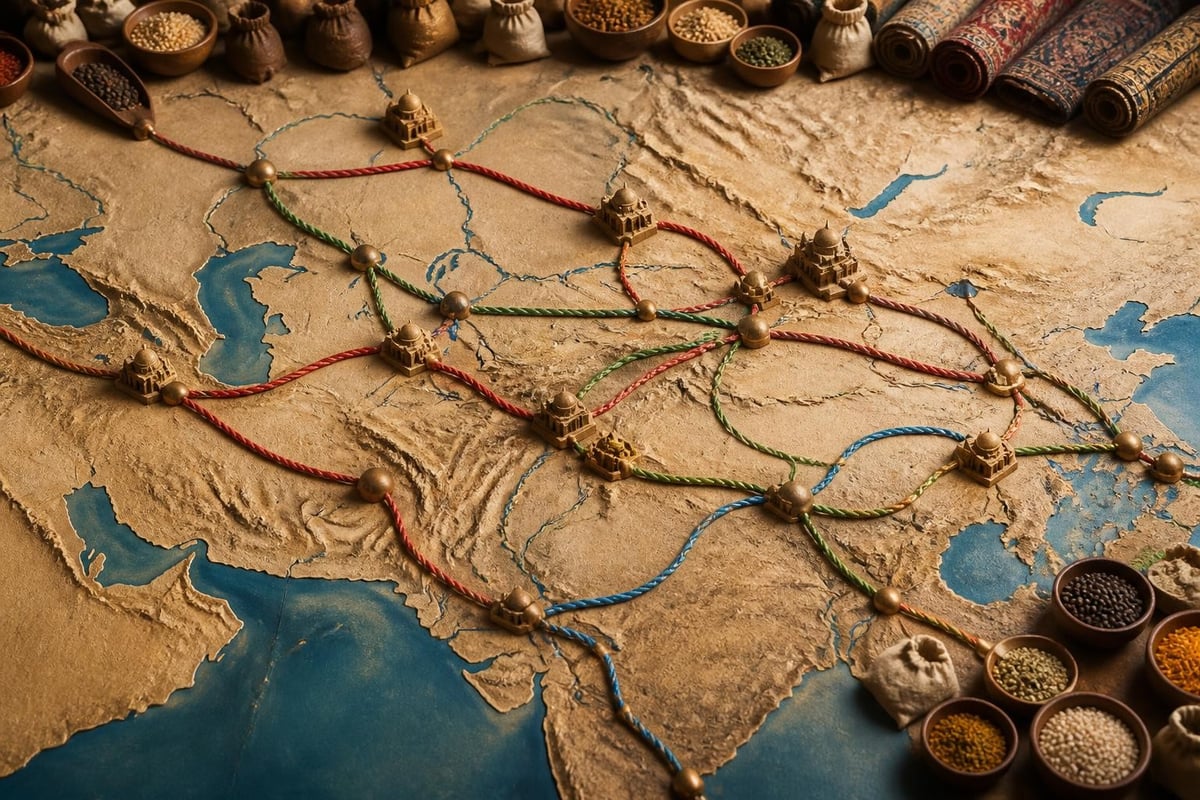
When planning your silk route trip, it helps to grasp the route's complexity. The network branched like blood vessels across the Asian continent, adapting to political changes, natural disasters, and the rise and fall of empires.
The main arteries included:
- Northern Route: Traversing the steppes through Kazakhstan and southern Russia
- Central Route: Cutting through the Tian Shan mountains via Uzbekistan and Kyrgyzstan
- Southern Route: Skirting the Taklamakan Desert through Kashgar and Khotan
- Maritime Routes: Sea lanes connecting Persian Gulf ports to China's eastern coast
Recent archaeological discoveries continue to reshape our understanding of these networks. Scientists using UAV-LiDAR technology have uncovered massive medieval urban centres high in Central Asia's mountains, revealing that Silk Road civilisation extended far beyond the valleys we previously knew.
Planning Your Modern Silk Route Trip
Choosing Your Section
No traveller can experience the entire Silk Road in a single journey, nor should they try. The secret to a meaningful silk route trip lies in selecting a section that resonates with your interests and allows deep exploration rather than superficial sightseeing.
Popular Sections for First-Time Silk Road Travellers
| Route Section | Key Cities | Best For | Duration |
|---|---|---|---|
| Uzbek Golden Road | Samarkand, Bukhara, Khiva | Architecture enthusiasts | 10-14 days |
| Kyrgyz Mountain Route | Bishkek, Karakol, Osh | Adventure seekers | 7-10 days |
| Iranian Cultural Trail | Isfahan, Yazd, Shiraz | History buffs | 14-21 days |
| Chinese Western Frontier | Kashgar, Turpan, Dunhuang | Desert and cave art lovers | 12-18 days |
The heart of many silk route trips beats strongest in Uzbekistan, where UNESCO-recognised Silk Roads cities preserve some of the finest Islamic architecture on Earth. Samarkand, in particular, offers an intoxicating blend of the ancient and accessible.
When to Embark on Your Journey
Timing can make or break your silk route trip. Central Asia's continental climate swings between blistering summers and frigid winters, with spring and autumn offering the sweetest spots for travel.
Seasonal Considerations:
- Spring (April-May): Wildflowers blanket mountain valleys, temperatures remain comfortable, and fruit trees blossom across ancient cities
- Autumn (September-October): Harvest season brings abundant fresh produce, stable weather, and stunning mountain colours
- Summer (June-August): Extreme heat in lowland cities, but perfect for high-altitude trekking
- Winter (November-March): Challenging conditions but authentic experiences and empty tourist sites
I once met a photographer in Samarkand who'd timed his silk route trip for late September. "The light," he told me, adjusting his camera at Registan Square, "hits the tilework at exactly the right angle. And the melons taste like sunshine." He'd planned his entire journey around those golden hours and sweet fruit, and it showed in every image he captured.
Essential Stops Along the Silk Route
Samarkand: The Jewel of the Silk Road
No silk route trip feels complete without experiencing Samarkand's magnificence. The city that made even Alexander the Great pause in wonder continues to astound visitors with its azure domes and intricate mosaics.
Walking through Registan Square at sunrise, watching the tiles shift from deep blue to brilliant turquoise as the sun climbs, you understand why this city became the beating heart of Timur's empire. The free walking tours in Samarkand offer an excellent introduction to the city's layers of history, from Sogdian traders to Timurid astronomers.
The guided excursions through Samarkand’s historical sites reveal stories that guidebooks often miss, from the astronomical precision built into Ulugh Beg's observatory to the symbolism encoded in Shah-i-Zinda's ceramic work.
Bukhara: Where Time Stands Still
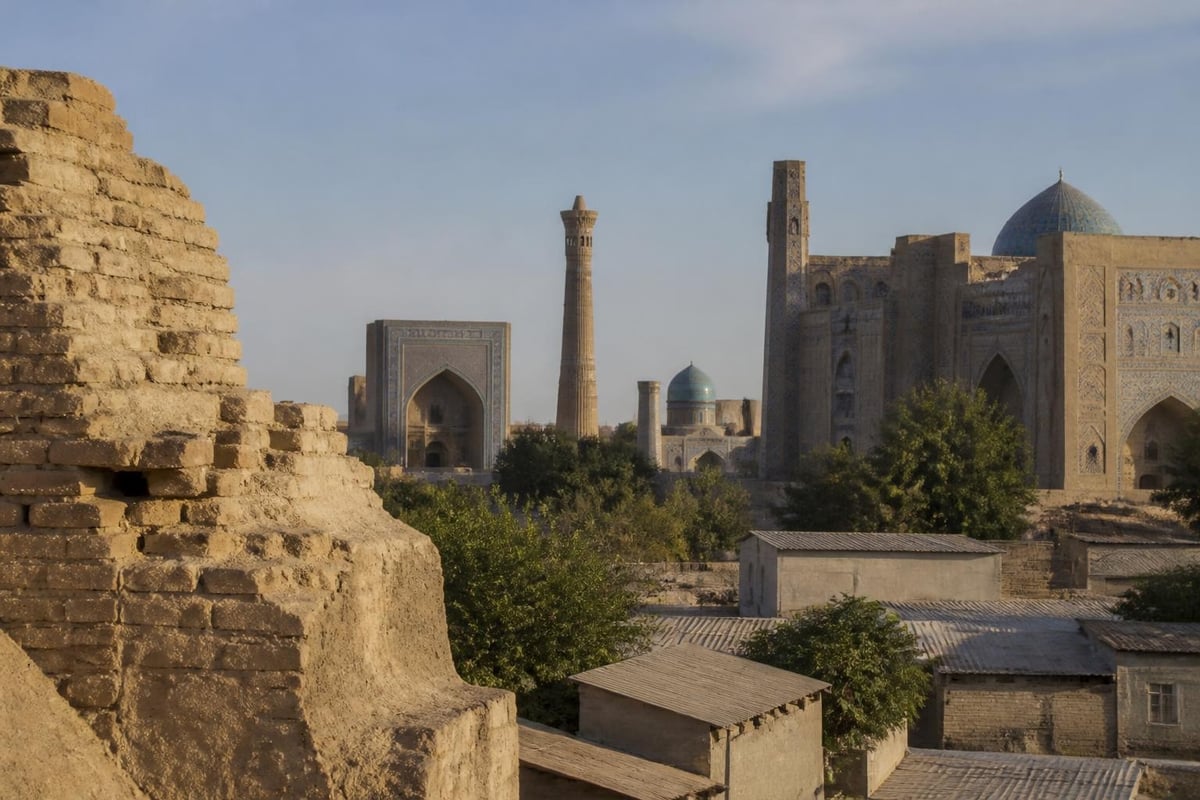
If Samarkand dazzles with grandeur, Bukhara seduces with intimacy. This living museum of a city rewards slow exploration, with its maze of covered bazaars, hidden madrasas, and caravanserais that still function after seven centuries.
During my last silk route trip, I spent an entire afternoon in Bukhara's Jewish Quarter, listening to an elderly carpet seller explain how patterns migrated along the Silk Road. Each geometric design, he insisted, carried DNA from multiple cultures, woven together like the trade routes themselves.
Beyond the Usual Suspects
Hidden Gems Worth Adding to Your Silk Route Trip:
- Khiva: A perfectly preserved walled city that feels like stepping onto a film set
- Merv (Turkmenistan): Ancient ruins that once rivalled Baghdad in size and sophistication
- Tash Rabat (Kyrgyzstan): A 15th-century caravanserai nestled in alpine meadows
- Takht-e Soleyman (Iran): Zoroastrian fire temple with stunning mountain backdrop
The recent discoveries of highland urban centres remind us that much of the Silk Road's story remains untold. Planning a silk route trip in 2026 means you're participating in living archaeology, where new sites and interpretations emerge constantly.
Practical Considerations for Your Journey
Visas and Border Crossings
Central Asian bureaucracy can test patience, but preparation smooths the path considerably. Most Uzbekistan visitors now benefit from visa-free entry for stays up to 30 days, whilst Turkmenistan maintains stringent visa requirements that require weeks of advance planning.
Before finalising your silk route trip, consult current travel advisories and entry requirements, as regulations shift frequently in this region. The UK Foreign Office maintains detailed guidance on Central Asian travel that proves invaluable during planning stages.
Transportation Between Cities
Comparison of Transport Options
| Method | Pros | Cons | Best For |
|---|---|---|---|
| Shared Taxi | Fast, flexible, local experience | Can be cramped, informal | Short hops between cities |
| Train | Comfortable, scenic, authentic | Limited routes, slower | Overnight journeys |
| Domestic Flights | Time-efficient | Misses landscape, less reliable | Long distances |
| Private Driver | Total flexibility, luggage space | Expensive, language barriers | Groups or families |
I've done portions of the silk route trip by every method imaginable. The overnight train from Tashkent to Samarkand remains my favourite, despite the hard bunks and enthusiastic tea sellers. There's something about waking to sunrise over the Kyzylkum Desert that connects you to centuries of travellers who witnessed the same light.
The evolution of transportation along Silk Road routes, from ancient camel caravans through modern trains and shared taxis, showing continuity of travel patterns
Accommodation Strategy
Your silk route trip accommodation will likely range from Soviet-era hotels to boutique guesthouses in restored merchant houses. Each offers different windows into local life.
Budget travellers find excellent homestays throughout Central Asia, where £15 might buy a room, three meals, and extended family stories late into the night. Mid-range options cluster around historical centres, whilst luxury offerings have expanded dramatically, with several international chains now operating in major Silk Road cities.
Cultural Immersion and Authentic Experiences
Market Life and Local Cuisine
The soul of any silk route trip lives in its markets. Chorsu Bazaar in Tashkent, the Sunday market in Kashgar, Bukhara's trading domes-these aren't tourist attractions but functioning ecosystems where locals still shop for everything from saffron to saddles.
Food along the Silk Road tells migration stories more eloquently than any historian. Plov (osh) varies dramatically from Uzbekistan to China, each version carrying the fingerprints of local ingredients and cooking traditions. Samsa reveals Persian influences, whilst laghman noodles trace clear lines to China.
Essential Silk Road Dishes to Try:
- Plov: Rice pilaf with meat, carrots, and secret spice blends varying by region
- Shashlik: Grilled meat skewers perfected over millennia
- Manty: Steamed dumplings that travelled from China and evolved along the way
- Non: Flatbread baked in tandoor ovens, different in every city
- Samsa: Flaky pastries filled with meat or pumpkin
Engaging with Local Communities
The most transformative moments of any silk route trip happen when schedules relax enough to accept invitations. Tea with a potter in Rishtan, bread-baking lessons from a Bukharan grandmother, sunset conversations with shepherds in the Pamirs-these unplanned encounters etch themselves into memory far deeper than any monument.
For travellers seeking structured cultural exchange without sacrificing spontaneity, planning an itinerary through experienced local guides can create frameworks that still allow serendipity. The best silk route trips balance organised logistics with open-ended exploration time.
Archaeological and Historical Sites
Major Monuments and Their Stories
Every significant silk route trip includes time among ruins and reconstructed splendour. Yet the relationship between these categories grows increasingly complex as UNESCO and international organisations work to preserve Silk Roads heritage whilst making it accessible to growing tourist numbers.
Shah-i-Zinda in Samarkand exemplifies this tension beautifully. The necropolis contains some of the finest ceramic tilework in existence, yet remained a living pilgrimage site throughout Soviet atheism and into the present day. Tourists photograph the mosaics whilst locals pray, creating a delicate dance of purposes.
Recent Archaeological Breakthroughs
The highland urbanism research project centred on Tugunbulak has revolutionised how we understand medieval Central Asian civilisation. These mountaintop cities, invisible until recent LiDAR surveys, suggest Silk Road commerce extended into environmental zones previously considered too harsh for major settlement.
For those planning a silk route trip with archaeological interests, these discoveries mean new sites to explore and fresh interpretations of familiar ones. The dusty museum displays of the 1990s have given way to dynamic exhibitions incorporating cutting-edge research and digital reconstructions.
Connecting with Modern Silk Road Initiatives
China's Belt and Road Impact
Today's silk route trip unfolds against the backdrop of China's Belt and Road Initiative, which is reshaping infrastructure across Central Asia. New highways slice through mountains, high-speed rail links cities, and logistics centres sprout in former desert towns.
This development brings both opportunities and concerns. Travel becomes easier and faster, yet some worry about the erosion of authenticity. The mud-brick caravanserais I photographed in 2016 now sit beside concrete truck stops serving identical instant noodles from Almaty to Kashgar.
Sustainable Tourism Considerations
As silk route trips grow more popular, questions of sustainable tourism intensify. How many visitors can Khiva's narrow streets accommodate before the city loses its living character? What responsibility do travellers bear toward communities whose lives become tourist attractions?
Principles for Responsible Silk Route Travel:
- Support local guides and family-run accommodations
- Respect religious sites and local customs around dress and behaviour
- Purchase directly from artisans when buying crafts
- Ask permission before photographing people, especially in rural areas
- Consider travelling in shoulder seasons to distribute tourist pressure
Regional Variations and Route Combinations
Linking Silk Road Regions
Ambitious travellers sometimes attempt multi-country silk route trips, combining regions for maximum cultural diversity. A journey from Iran through Central Asia into western China offers extraordinary contrasts, though visa complexities and transportation logistics require careful orchestration.
National Geographic’s planning guide for Silk Road adventures offers practical frameworks for multi-country itineraries, addressing common pitfalls around border crossings and seasonal timing.
Some travellers extend their silk route trip by connecting to destinations where Silk Road influence remains visible but less obvious. The trade networks stretched fingers into eastern Europe, southern India, and maritime Southeast Asia, creating a web of cultural exchange far broader than the Central Asian core.
Thematic Silk Route Trips
Specialised Silk Road Journey Ideas
| Theme | Focus | Recommended Cities | Duration |
|---|---|---|---|
| Islamic Architecture | Mosques, madrasas, mausoleums | Samarkand, Bukhara, Isfahan | 14-21 days |
| Buddhist Heritage | Cave temples, monasteries | Dunhuang, Turpan, Bamiyan | 18-25 days |
| Textile Arts | Carpet weaving, silk production | Bukhara, Margilan, Kashgar | 10-14 days |
| Astronomical Legacy | Observatories, astronomical traditions | Samarkand, Maragheh, Beijing | 16-20 days |
I once travelled with a ceramicist from Devon who'd designed her entire silk route trip around tilework. We spent five days in Samarkand alone, visiting workshops, studying restoration techniques, and learning how modern craftsmen recreate medieval glazes. Her focus created depth that general sightseeing rarely achieves.
Language and Communication
Navigating Linguistic Diversity
The Silk Road's greatest legacy might be linguistic borrowing. Persian, Arabic, Turkic, Mongolic, and Chinese languages all left traces in the regions they touched, creating fascinating linguistic archaeology visible in place names and everyday vocabulary.
Most silk route trip participants manage with English, Russian, and creative hand gestures. Younger people in cities increasingly speak English, particularly those working in tourism. Russian remains the lingua franca across former Soviet Central Asia, though Turkish is increasingly useful in western regions.
Learning a few phrases in local languages-even just greetings and thank yous-transforms interactions dramatically. The delighted smile when a Uzbek grandmother hears "rахмат" (thank you) from a foreign visitor creates connections no guidebook can manufacture.
Photography and Documentation
Capturing the Silk Road
Every silk route trip generates thousands of photographs, yet the most meaningful images often resist casual snapping. The interplay of light and ceramic tilework demands patience and multiple visits. The character in a craftsman's hands requires relationship-building before cameras emerge.
Photography Considerations:
- Many religious sites prohibit interior photography or charge fees
- Always ask permission before photographing people, especially women
- Early morning and late afternoon provide the best light for architectural photography
- Respect local sensitivities around military installations and border areas
The most powerful documentation of a silk route trip often combines images with journal notes, sketches, collected recipes, and recorded conversations. These multi-layered accounts capture atmospheres and emotions that photographs alone cannot convey.
Health, Safety, and Preparedness
Medical Considerations
Central Asia's remoteness means medical facilities vary dramatically by location. Major cities offer adequate care for common ailments, whilst rural areas may require evacuation for serious conditions. Comprehensive travel insurance with medical evacuation coverage isn't optional for a silk route trip-it's essential.
Health Preparation Checklist:
- Update routine vaccinations and consider Hepatitis A/B
- Carry a comprehensive first-aid kit including altitude medication if visiting high passes
- Bring sufficient supplies of any prescription medications
- Prepare for stomach adjustments with appropriate medications
- Stay hydrated in desert climates and at high altitudes
Water safety deserves particular attention. Whilst tap water quality has improved in major cities, bottled water remains the safe choice. The same applies to ice in drinks and raw vegetables in smaller establishments.
Security Situations
Despite Western media portrayals, most Silk Road regions welcome tourists warmly and maintain good safety records. Central Asia ranks among the world's safer destinations for international travel, with street crime rare and violent incidents against tourists exceptional.
That said, political situations can shift, particularly near borders and in disputed territories. Stay informed through official channels, register with your embassy if travelling in remote areas, and maintain awareness without paranoia.
A silk route trip offers far more than exotic sightseeing-it's a journey into the forces that shaped our interconnected world. Every tile, every market transaction, every shared meal connects you to the traders, scholars, and adventurers who walked these paths before. Whether you're drawn to monumental architecture, archaeological mysteries, or authentic cultural exchange, the Silk Road rewards curiosity with transformative experiences. Visit Samarkand provides the perfect entry point to this legendary route, offering both free and guided walking tours that unlock the city's layers of history, making the wonders of the Silk Road accessible to every traveller ready to step into its timeless story.