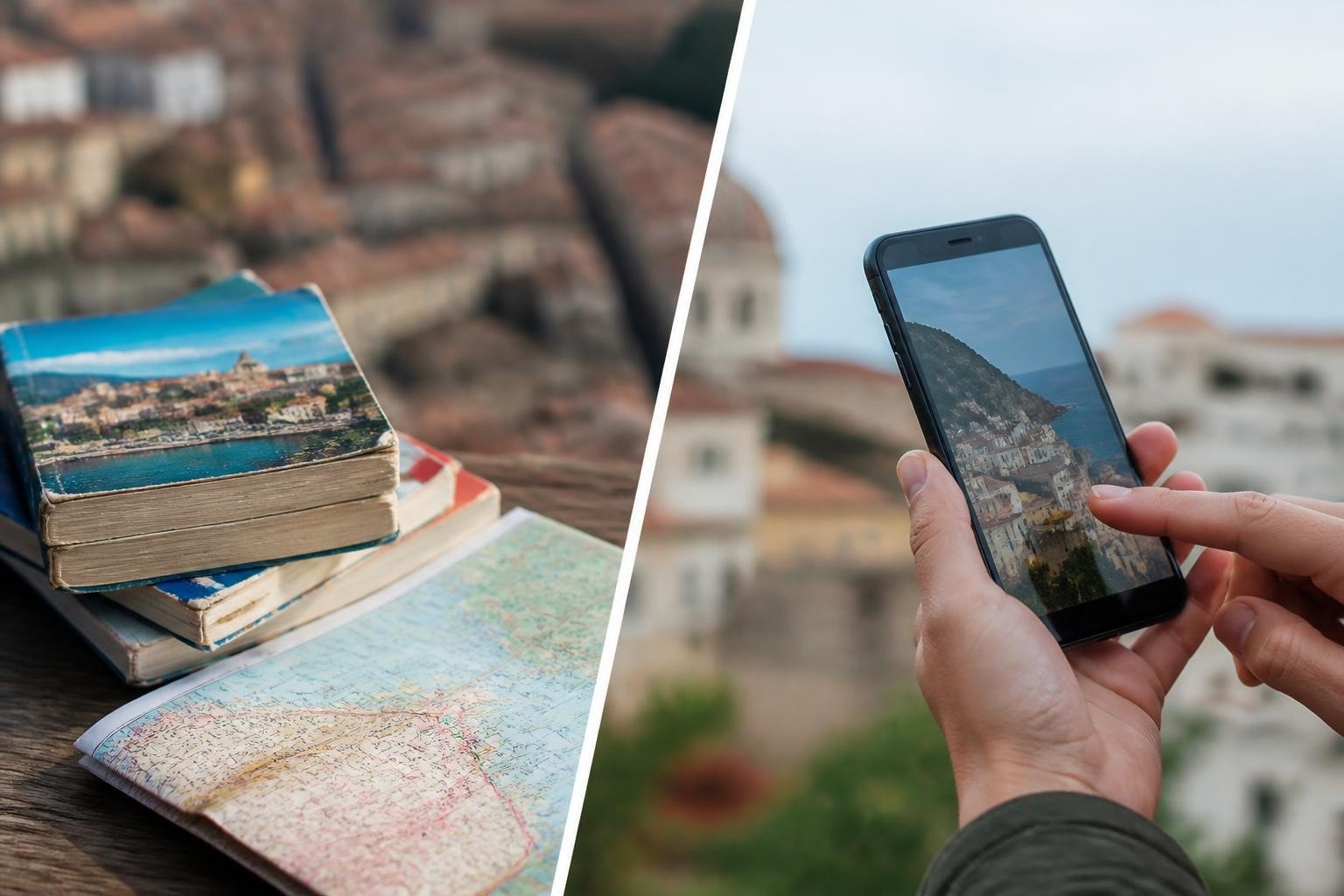
I still remember the weight of my first tourist guide book, its pages dog-eared and spine cracked from constant consultation during a journey through Central Asia. That worn volume became more than a reference tool; it was a companion, a storyteller, and sometimes, when I ignored its advice, a source of valuable lessons. In 2026, as we stand at the crossroads between digital immediacy and tactile tradition, the tourist guide book continues to evolve, yet its fundamental purpose remains unchanged: to bridge the gap between curiosity and discovery, between the armchair dreamer and the intrepid explorer.
The Enduring Magic of Printed Guidance
The tourist guide book occupies a unique space in travel literature. Unlike promotional brochures or sponsored content, a well-crafted guidebook serves as an honest broker between destination and traveller. It offers context where search engines provide fragments, narrative where apps deliver notifications, and the kind of serendipitous discoveries that algorithms struggle to replicate.
Why Physical Guides Still Matter
In an era of smartphone ubiquity, the persistence of printed tourist guide books might seem counterintuitive. Yet sales figures tell a different story. According to tourism recovery data from the World Bank, travellers increasingly seek authentic, curated experiences over generic itineraries, a need that traditional guidebooks fulfil remarkably well.
Physical guidebooks offer distinct advantages:
- Reliability in areas with limited connectivity — no battery life concerns or signal dropouts
- Spatial awareness through fold-out maps and area overviews
- Annotation capability — scribbled notes, personal recommendations, memories preserved in margins
- Tactile engagement that enhances memory retention and trip planning
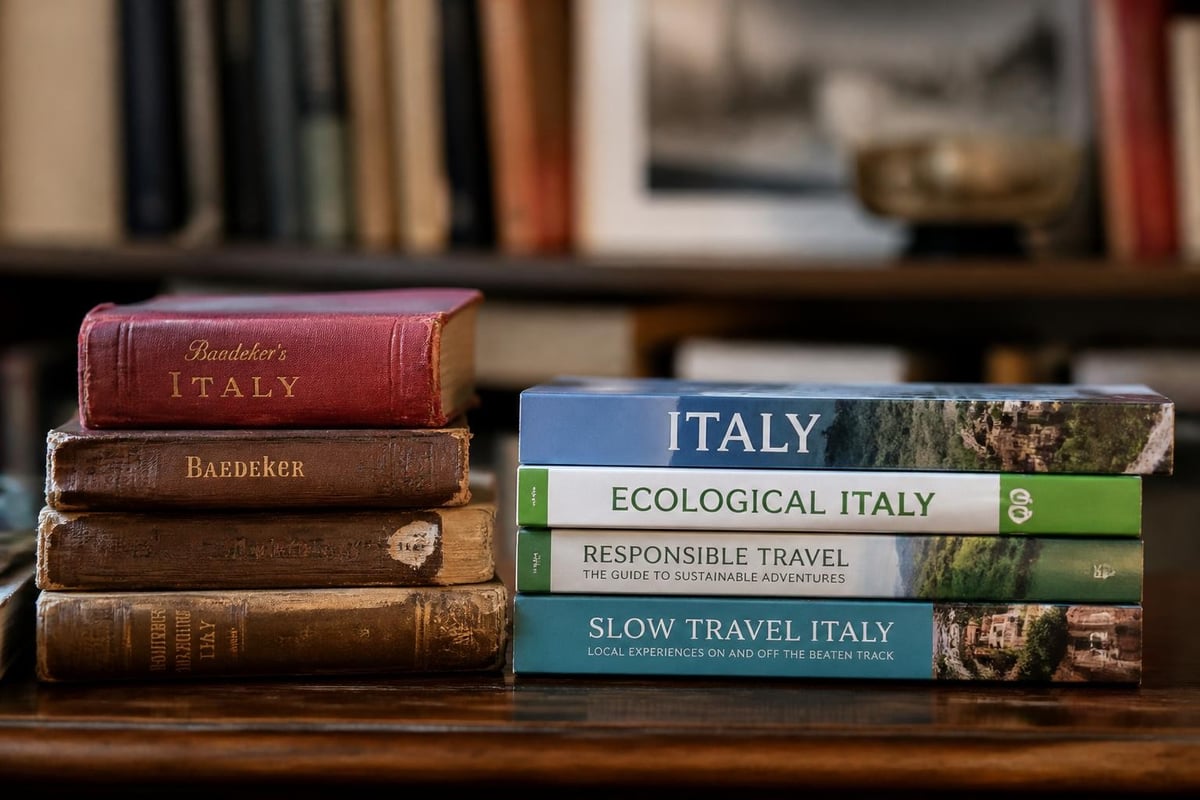
The British Library’s digital collections preserve centuries of travel guides, revealing how guidebooks have consistently adapted to travellers' changing needs whilst maintaining their essential character. From Baedeker's meticulous ratings to Lonely Planet's backpacker ethos, each era's guidebooks reflect contemporary travel values.
The Craft of Guidebook Creation
Creating a tourist guide book requires a peculiar alchemy of journalism, local knowledge, practical logistics, and literary craft. The best guidebooks transport readers before they've boarded a single flight.
Essential components of effective guidebooks:
- Historical context that enriches understanding without overwhelming
- Practical information verified, current, and comprehensive
- Cultural insights that promote respectful engagement
- Honest assessments balancing enthusiasm with realism
- Alternative perspectives beyond mainstream attractions
The Library of Congress cataloguing standards for guidebooks provide fascinating insight into how institutions classify and preserve these works, treating them not merely as ephemeral travel aids but as valuable cultural documents reflecting their era's understanding of place and movement.
How Guidebooks Shape Travel Experiences
A tourist guide book doesn't simply inform; it actively shapes the journey. Academic research examining the impact of travel guidebooks on tourist behaviour reveals how these publications influence everything from destination choice to spending patterns, from route planning to cultural expectations.
The Guidebook's Hidden Influence
When you choose a restaurant recommended in your tourist guide book, you're participating in a complex ecosystem of influence. Guidebook writers curate experiences, and their selections can transform obscure family-run establishments into must-visit destinations or consign equally worthy venues to obscurity.
| Impact Area | Positive Effects | Potential Challenges |
|---|---|---|
| Local Economy | Distributes tourist spending; highlights small businesses | Can create over-reliance on guidebook mentions |
| Cultural Preservation | Draws attention to heritage sites; funds conservation | May accelerate wear on fragile locations |
| Traveller Experience | Reduces uncertainty; builds confidence | Can limit spontaneous discovery |
| Destination Management | Helps spread visitors across areas | Can concentrate crowds at featured sites |
I've witnessed this firsthand in historic cities where guidebook recommendations have both saved struggling artisan workshops and, paradoxically, sometimes overwhelmed them with visitors. The responsibility weighing on guidebook authors extends far beyond accurate opening hours.
Personalisation in a Standardised Format
The beauty of a tourist guide book lies in how readers interpret and adapt its contents. Two travellers with identical copies will experience entirely different journeys based on their interests, energy levels, and willingness to deviate from suggested routes.
Modern guidebooks increasingly acknowledge this diversity through:
- Themed itineraries catering to specific interests (architecture, cuisine, nature)
- Budget tiers offering options across spending levels
- Accessibility information for travellers with different mobility needs
- Seasonal variations acknowledging that destinations transform throughout the year
Digital Integration and Hybrid Models
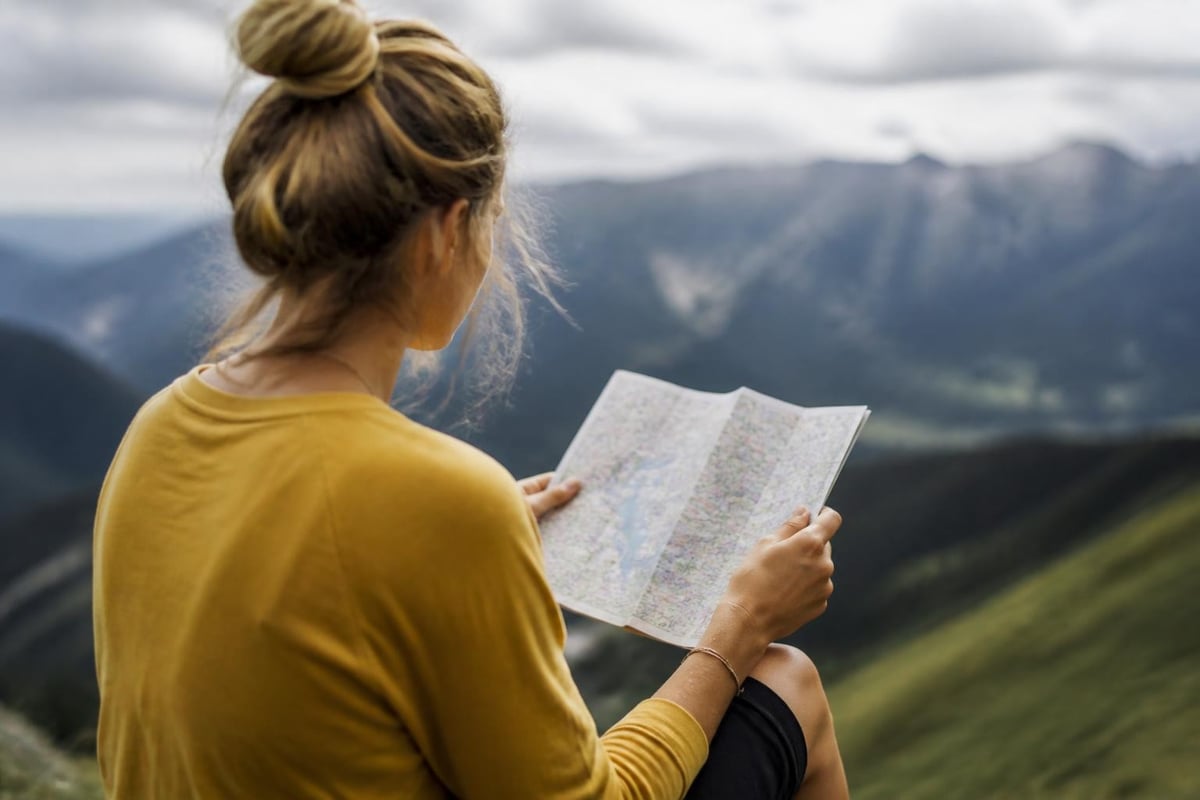
The twenty-first-century tourist guide book exists in multiple dimensions simultaneously. Publishers now offer print editions alongside digital versions, apps, and regularly updated online platforms. This hybrid approach addresses both the reliability of printed information and the immediacy of digital updates.
The Complementary Digital Toolkit
Digital enhancements that extend traditional guidebooks:
- Real-time updates for closures, price changes, or new openings
- Interactive maps with GPS functionality
- Community reviews and recent visitor experiences
- Booking integration for accommodation and tours
- Multimedia content (videos, audio guides, photo galleries)
Yet digital additions serve the core content rather than replacing it. The carefully researched background on Samarkand's Registan Square gains depth from a video walk-through, but the video cannot replace the nuanced written context explaining why those three madrasahs represent distinct architectural periods and political ambitions.
Free walking tours, such as those offered by Visit Samarkand, complement guidebook information beautifully. Whilst a tourist guide book provides essential context and self-directed exploration frameworks, guided experiences add living narrative, answer immediate questions, and reveal details that printed pages might miss.

Navigating Copyright and Cartography
Creating guidebooks involves complex legal considerations, particularly regarding maps. The Ordnance Survey’s licensing guidance exemplifies the careful permissions required when incorporating geographical data, ensuring accuracy whilst respecting intellectual property rights.
Publishers must balance comprehensive mapping with legal compliance, often commissioning original cartography or licensing established data sets. This investment reflects how crucial accurate wayfinding remains to traveller confidence, even in the GPS era.
The Ethics of Representation
Every tourist guide book makes editorial choices that carry ethical weight. Which neighbourhoods receive coverage? Whose stories get told? What aspects of local culture merit explanation versus what might be considered too sensitive or commodifying?
Responsible Travel Writing
The National Geographic style guidance sets professional standards for travel publishing that prioritise accuracy, cultural sensitivity, and transparent disclosure of commercial relationships. These principles combat the persistent challenges of orientalism, stereotyping, and extractive tourism narratives.
Ethical guidebook practices include:
- Compensating local contributors fairly for knowledge and guidance
- Representing communities with nuance and agency
- Disclosing sponsorships or partnerships transparently
- Considering environmental impact of promoted activities
- Updating information to reflect changing circumstances
My conversations with guidebook researchers reveal the constant tension between comprehensive coverage and responsible promotion. Should you highlight a pristine natural area if publicity might accelerate its degradation? How do you support struggling local businesses without triggering unsustainable tourism surges?
Cultural Context Beyond Clichés
A sophisticated tourist guide book transcends basic etiquette tips to provide genuine cultural insight. Rather than simply noting "remove shoes before entering", excellent guides explain the cultural and religious significance of this practice, helping travellers understand rather than merely comply.
This depth of context transforms tourism from consumption to engagement. When travellers understand the centuries-old silk-weaving traditions behind the textiles in Samarkand's markets, they're more likely to appreciate craftsmanship over bargain-hunting, to engage respectfully with artisans, and to make purchases that genuinely support traditional skills.
Specialisation and Niche Markets
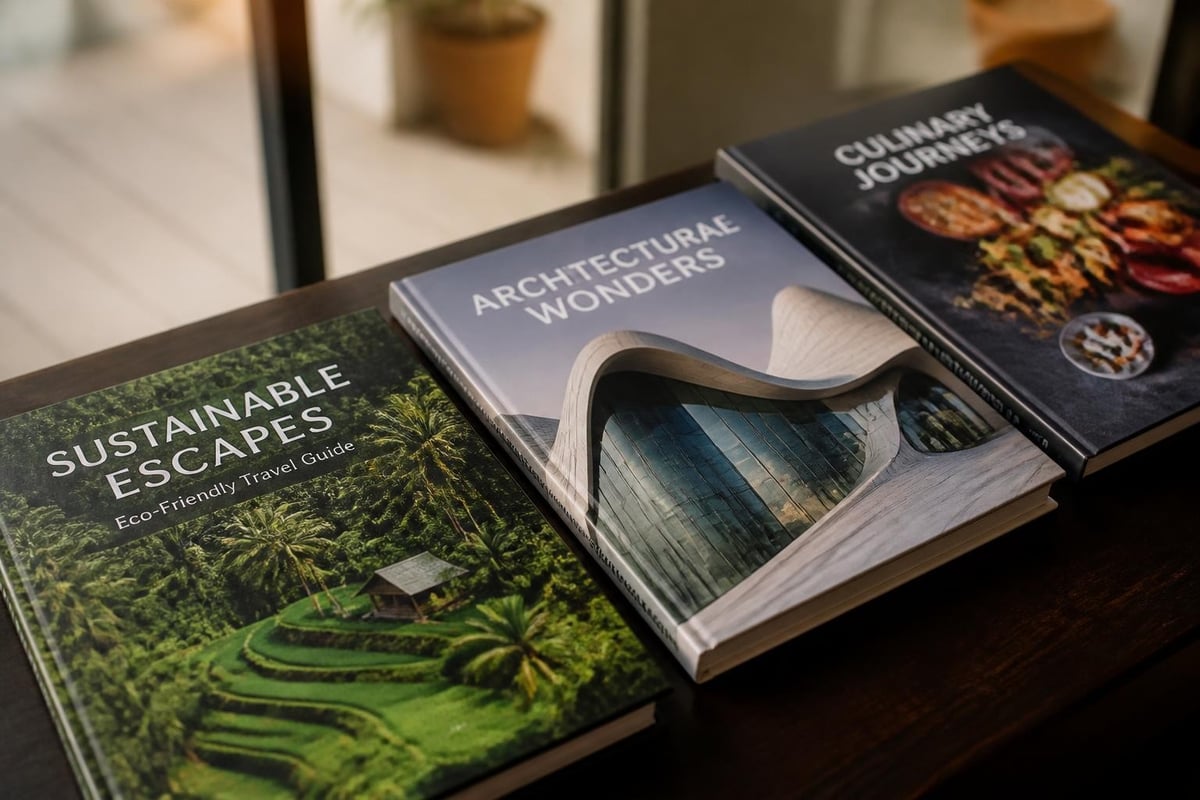
The tourist guide book landscape has fragmented into increasingly specialised publications. General country guides coexist with city-specific volumes, activity-focused manuals, and ultra-niche titles serving particular communities or interests.
The Rise of Focused Guides
| Guide Type | Target Audience | Unique Value |
|---|---|---|
| Architectural | Design enthusiasts, professionals | Deep dives into building history, styles, materials |
| Culinary | Food travellers, cooking enthusiasts | Restaurant insights, market guides, recipe context |
| Sustainable | Eco-conscious travellers | Low-impact options, conservation projects, ethical operators |
| Accessibility | Travellers with disabilities | Detailed accessibility information, adapted routes |
| Solo Travel | Independent explorers | Safety tips, social opportunities, single-friendly venues |
This specialisation acknowledges that modern travellers often possess sophisticated knowledge in specific areas. A architecture-focused tourist guide book serving professionals might assume familiarity with terms like "muqarnas" or "squinch" whilst providing unprecedented detail on Islamic architectural evolution.
Local Voices and Self-Published Guides
Technology has democratised guidebook publishing. Local experts and passionate travellers now produce self-published tourist guide books that offer hyper-local knowledge impossible for major publishers to match. These micro-guides might cover a single neighbourhood, a specific hiking trail, or a particular cultural tradition with extraordinary depth.
The challenge lies in discoverability and credibility. How do travellers distinguish between thoroughly researched independent guides and superficial compilations? User reviews, author credentials, and publication standards all influence these judgments.
Preparing Your Journey with Guidebooks
The relationship between traveller and tourist guide book begins long before departure. Reading guidebooks forms part of the anticipatory pleasure of travel, building excitement whilst managing expectations.
Strategic Guidebook Use
Maximising your guidebook before travelling:
- Read historical sections first to build foundational understanding
- Mark must-see sites, noting opening hours and admission costs
- List restaurants across price ranges and neighbourhoods
- Identify potential day trips and estimate required time
- Note cultural customs, appropriate dress codes, basic phrases
During the journey, guidebooks serve different functions. They become quick-reference tools for opening hours, emergency contacts, and neighbourhood maps. They offer evening reading that contextualises the day's experiences and plans tomorrow's adventures.
The Post-Journey Guidebook
After returning home, many travellers keep their tourist guide books as souvenirs, the annotations and ticket stubs pressed between pages forming a parallel narrative to photograph albums. Some particularly meaningful guidebooks migrate from reference shelf to coffee table, their recommendations shared with friends planning similar journeys.
This extended lifespan distinguishes guidebooks from purely functional travel products. They become memory vessels, their weight and texture triggering recollections of specific moments: the café where you first opened it, bewildered and jet-lagged; the park bench where you recalibrated your itinerary; the hotel room where you circled tomorrow's possibilities.
The Future of Travel Guidance
As we navigate 2026, the tourist guide book faces both challenges and opportunities. Artificial intelligence can now generate personalised itineraries instantaneously, virtual reality offers preview experiences of destinations, and real-time translation reduces language barriers. Yet these technologies complement rather than replace the curated wisdom of well-researched guidebooks.
Emerging Trends Reshaping Guidebooks
The next generation of tourist guide books will likely embrace:
- Climate-aware routing suggesting lower-carbon travel options and seasonal timing
- Community-verified information combining editorial expertise with crowdsourced updates
- Augmented reality integration where printed pages trigger digital overlays
- Regenerative tourism focus highlighting how visitors can contribute positively
- Hyper-current hybrid models with permanent print content supplemented by continuous digital updates
Publishers experimenting with these innovations recognise that trustworthiness remains paramount. Travellers will tolerate outdated restaurant hours more readily than they'll forgive promotional content masquerading as objective advice.
Preserving Serendipity in the Age of Optimisation
Perhaps the tourist guide book's most valuable gift is its inefficiency. Unlike algorithmic recommendations optimised for engagement metrics, guidebooks invite wandering, wrong turns, and unexpected discoveries. They create space for the spontaneous conversations, the unplanned detours, the happy accidents that transform ordinary trips into transformative journeys.
The most memorable travel moments often occur between guidebook recommendations, in the gaps where curiosity leads and structure loosens. A guidebook that encourages this exploratory spirit whilst providing sufficient structure to prevent overwhelming uncertainty achieves the delicate balance that defines excellent travel guidance.
The tourist guide book remains an invaluable companion for thoughtful travellers, offering curated wisdom, cultural context, and practical frameworks that empower exploration whilst respecting destinations. Whether you're planning a journey through historic Silk Road cities or seeking hidden corners closer to home, a well-chosen guidebook enriches every stage of travel from anticipation through remembrance. Visit Samarkand brings this spirit of guided discovery to life through free walking tours that complement any guidebook's insights, connecting you directly with local knowledge, hidden stories, and the living culture that makes Samarkand an unforgettable destination.