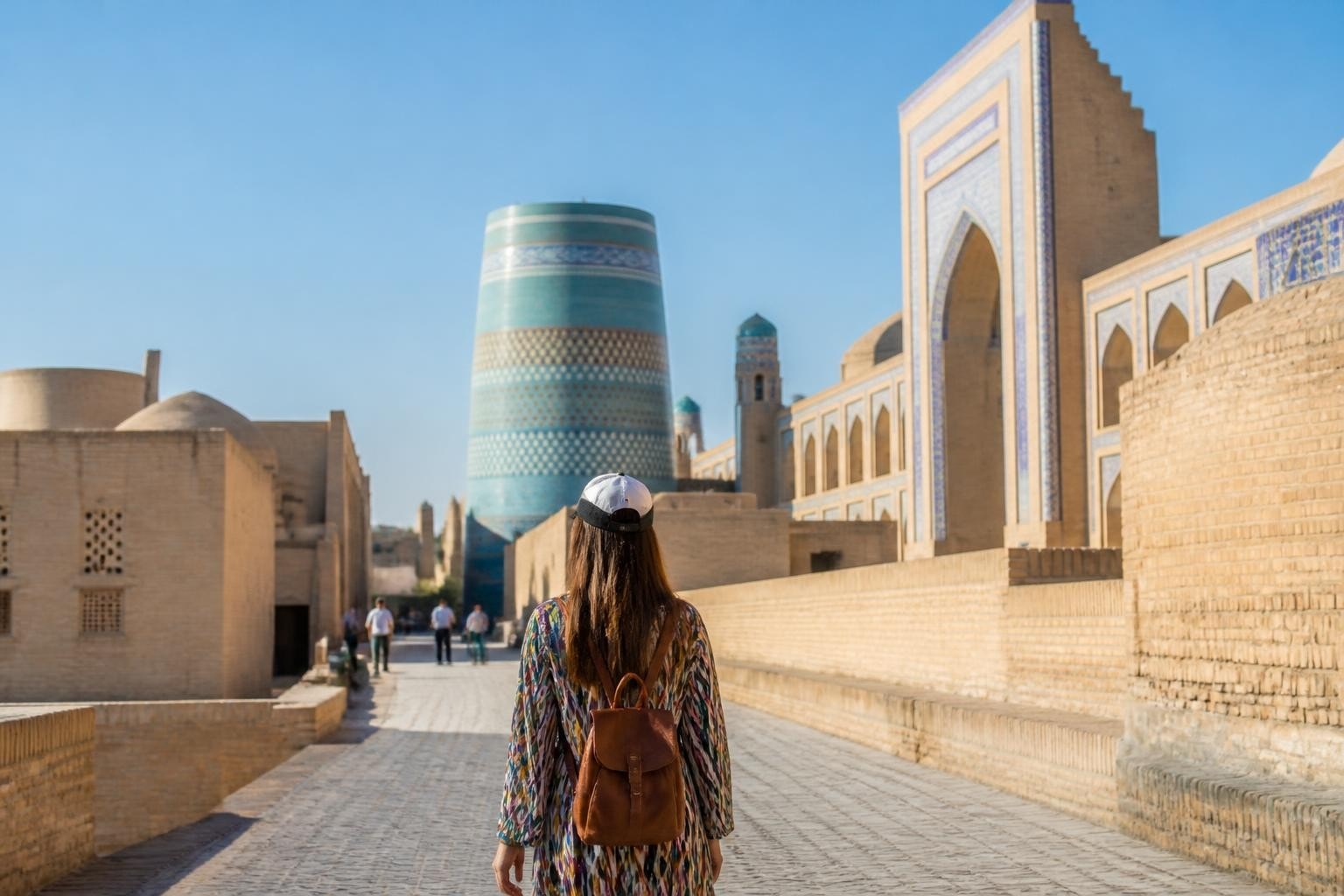
The wind whispers across azure domes and sun-baked clay walls, carrying stories that have echoed through centuries. Uzbekistan, cradled in the heart of Central Asia, holds within its borders a treasure chest of history so profound that even the most seasoned traveller finds themselves transported to another era. When you embark on tours of Uzbekistan, you're not merely visiting monuments; you're walking the same paths that merchants, scholars, and conquerors once trod, breathing life into tales that shaped civilizations.
The Timeless Allure of Uzbekistan's Ancient Cities
Uzbekistan's cities read like a poem written in turquoise and terracotta. Each settlement along the legendary Silk Road carries its own distinct personality, yet they're bound together by threads of shared heritage and architectural magnificence.
Samarkand: The Pearl of the East
Samarkand stands as perhaps the most iconic destination for tours of Uzbekistan, and with good reason. The city's Registan Square, flanked by three magnificent madrasahs, creates a spectacle that seems almost too perfect to be real. The intricate tilework catches the light differently at every hour, transforming the facades into living canvases.
Beyond the famous landmarks, Samarkand reveals its soul through:
- Bustling Siyob Bazaar, where pomegranates pile high and fresh bread emerges from tandoor ovens
- Shah-i-Zinda necropolis, an avenue of turquoise mausoleums ascending a hillside
- Ancient observatory ruins where Ulugh Beg once charted the stars with remarkable precision
- Neighbourhood workshops where artisans still practice centuries-old crafts
For those seeking an authentic introduction to the city, a free walking tour in Samarkand offers an excellent starting point. These guided excursions peel back the layers of history whilst connecting visitors with local perspectives that transform monuments from mere photo opportunities into chapters of living narratives.
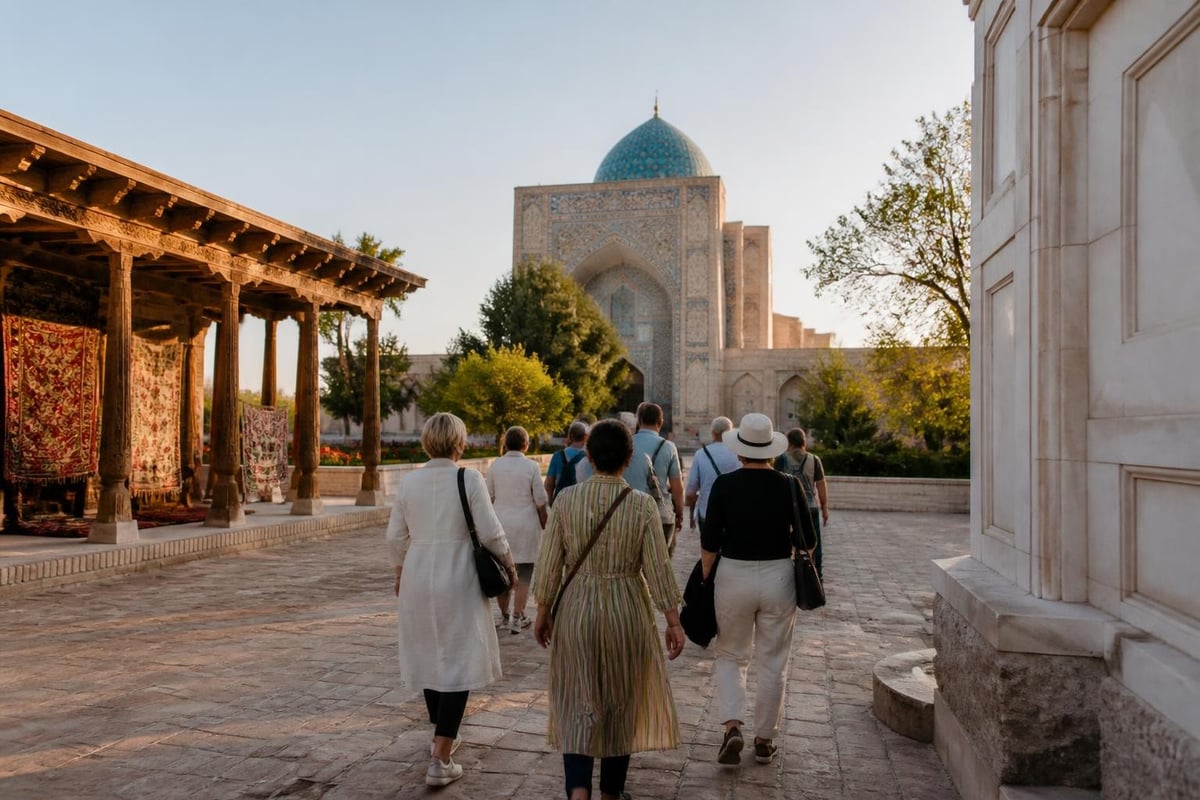
Bukhara: Where Time Stands Still
If Samarkand dazzles with grandeur, Bukhara enchants with intimacy. The entire old city functions as an open-air museum, yet it remains vibrantly alive with residents going about daily routines much as their ancestors did.
| Bukhara Highlights | Historical Significance | Best Experienced Through |
|---|---|---|
| Ark Fortress | 5th-century citadel | Guided historical walks |
| Lyabi-Hauz Complex | Social heart since 1620 | Evening strolls, local interaction |
| Trading Domes | Ancient covered bazaars | Shopping tours, craft demonstrations |
| Chor Minor | Unique four-minaret gateway | Photography walks |
The National Geographic feature on Uzbekistan’s Silk Road cities beautifully captures how Bukhara's architectural ensemble transports visitors across centuries, making it an essential stop on any comprehensive tour itinerary.
Khiva: A Living Museum
Stepping through Khiva's western gate feels like walking onto a film set, except every stone is authentic, every carving genuine. The inner walled city, Ichan-Kala, preserves medieval Central Asian urban life with such completeness that UNESCO designated the entire area a World Heritage Site.
Tours of Uzbekistan frequently culminate in Khiva because it offers such a concentrated dose of architectural wonder within walkable confines. The Kalta Minor Minaret, with its unfinished turquoise-tiled trunk, stands as a monument to ambition, whilst the Juma Mosque's forest of wooden columns creates an otherworldly atmosphere.
Planning Your Uzbek Adventure
Understanding Visa Requirements and Entry
Modern Uzbekistan has flung open its doors to international tourism with remarkable enthusiasm. The e-visa portal now makes obtaining travel authorization straightforward for citizens of most countries, typically processing applications within days.
Current visa landscape for tours of Uzbekistan:
- 30-day e-visas available for tourism purposes
- Visa-free entry for many nationalities
- Simplified registration procedures at hotels
- Extended validity options for multi-entry travel
The official tourism portal provides comprehensive guidance on entry requirements, ensuring your journey begins smoothly.
Best Seasons for Touring
Uzbekistan's continental climate swings between extremes, making timing crucial for comfort.
Spring (March-May) transforms the country into a garden. Fruit trees blossom, temperatures hover in the pleasant range, and tours of Uzbekistan benefit from clear skies perfect for photography. However, this popularity means booking accommodation well ahead becomes essential.
Autumn (September-November) rivals spring for ideal conditions. The harvest season fills markets with melons, grapes, and pomegranates whilst temperatures moderate after summer's fierce heat. Many consider October the absolute sweet spot for touring.
Summer blazes hot, particularly in June through August when temperatures routinely exceed 40°C. Yet this season offers advantages: fewer crowds, vibrant local life, and the opportunity to experience how Uzbeks have adapted architecture and daily rhythms to accommodate the climate.
Winter tours appeal to hardy travellers seeking solitude and dramatically different perspectives on famous sites dusted with snow. Many hotels reduce rates, and you'll have monuments largely to yourself.
How different seasons shape the tours of Uzbekistan experience: spring blossoms at Registan, autumn harvests in bazaars, summer heat management, and winter's quiet monuments
Transportation: Connecting the Silk Road Pearls
High-Speed Rail Revolution
Uzbekistan's investment in modern rail infrastructure has revolutionized how tours navigate between cities. The sleek Afrosiyob high-speed trains slash journey times whilst offering comfort that makes travel part of the experience rather than merely a means to an end.
Key rail connections:
- Tashkent to Samarkand: 2 hours (formerly 6+ hours)
- Samarkand to Bukhara: 1.5 hours
- Tashkent to Bukhara: 4 hours
The official railway website allows advance booking, essential during peak seasons when tours fill trains rapidly. Carriages feature air conditioning, comfortable seating, and windows perfect for watching the landscape transform from mountains to desert steppes.
Road Travel and Domestic Flights
Shared taxis remain popular for shorter hops and reaching destinations without rail service. The experience offers cultural immersion as you'll likely share your ride with locals, though departure schedules remain flexible until vehicles fill completely.
Domestic flights connect major cities efficiently, particularly valuable when time constraints limit your tour duration. Uzbekistan Airways operates the primary network, with improving standards and reasonable fares.
Cultural Immersion Beyond the Monuments
Culinary Adventures
Tours of Uzbekistan incomplete without diving into the nation's rich food culture. Plov, the national dish, transcends mere sustenance to become a social ritual, particularly at weddings and celebrations.
Must-try dishes that define Uzbek cuisine:
- Plov – Rice pilaf with lamb, carrots, and spices, each region claiming superiority
- Shashlik – Grilled meat skewers, best enjoyed at outdoor chaikhanas
- Lagman – Hand-pulled noodles in savory broth
- Samsa – Flaky pastries stuffed with meat or pumpkin
- Non – Traditional bread stamped with intricate patterns
The chaikhana (teahouse) serves as Uzbekistan's social hub. Here, over endless cups of green tea, locals gather to discuss everything from politics to poetry. Many tours now incorporate cooking classes, allowing visitors to master plov-making or bread-baking techniques passed down through generations.
Artisan Crafts and Living Traditions
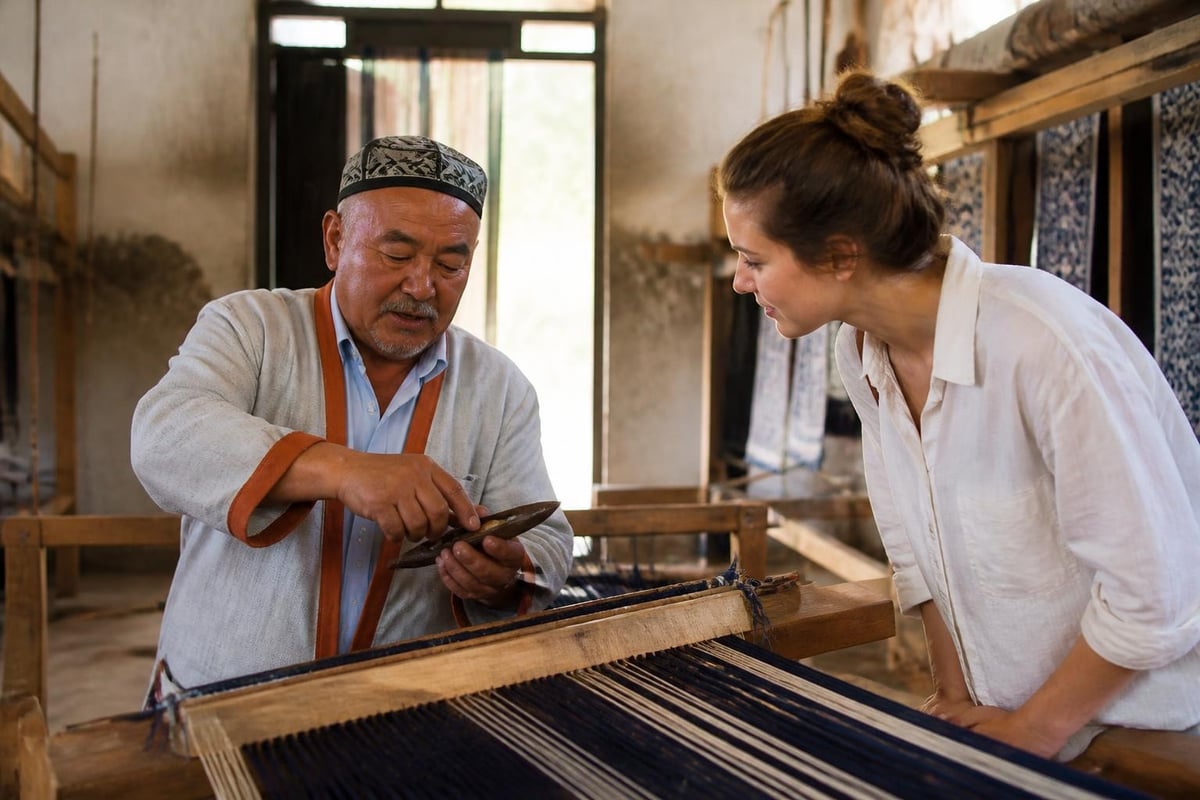
Uzbekistan's artistic heritage extends far beyond historical monuments into vibrant contemporary practice. In workshops tucked along narrow streets, master craftspeople continue traditions their ancestors perfected centuries ago.
| Craft Tradition | Primary Centres | What to Look For |
|---|---|---|
| Silk ikat weaving | Margilan, Bukhara | Vivid patterns, natural dyes, hand-loomed textiles |
| Ceramics | Rishtan, Gijduvan | Distinctive blue glazes, intricate geometric patterns |
| Miniature painting | Bukhara, Samarkand | Detailed manuscript illustrations, natural pigments |
| Metalwork | Khiva, Kokand | Engraved copper, brass teapots and serving sets |
Specialized tours focusing on craft traditions offer opportunities to meet artisans, understand techniques, and purchase directly from makers. These interactions often prove more memorable than monument visits, creating personal connections that outlast any souvenir.
Off the Beaten Path: Hidden Gems
The Fergana Valley
Most tours of Uzbekistan concentrate on the Silk Road triangle of Samarkand-Bukhara-Khiva, but venturing into the Fergana Valley rewards with authentic cultural experiences and stunning mountain scenery.
Kokand's palace and madrasahs receive fraction of Samarkand's visitors yet offer comparable architectural splendor. Margilan's silk factories demonstrate ikat production from cocoon to finished fabric. The valley's orchards and vineyards paint the landscape in seasonal colours whilst traditional festivals showcase music and dance forms barely touched by modern influences.
Nurata and the Kyzylkum Desert
For those seeking adventure beyond cities, the Kyzylkum Desert offers a completely different dimension to Uzbek tours. Nurata, with its sacred spring and ancient fortress ruins, serves as gateway to yurt camps where nomadic traditions persist.
Camel treks across red sand dunes, nights under impossibly star-dense skies, and hospitality extended by desert families create contrast to urban monument-hopping. These experiences remind visitors that Uzbekistan encompasses diverse landscapes and lifestyles beyond its famous architectural treasures.
Lesser-Known Historical Sites
Shakhrisabz, Timur's birthplace, holds ruins of his summer palace and remarkable standing monuments that escape mainstream tour itineraries despite UNESCO recognition. The Ak-Saray Palace portal, though fragmentary, hints at the original structure's staggering scale.
Termez, on the Afghan border, preserves Buddhist archaeological sites from eras predating Islamic conquest. These ruins speak to Uzbekistan's position at civilization crossroads where religions and cultures mingled and merged.
Practical Considerations for Tours
Accommodation Options
Uzbekistan's tourism infrastructure has expanded dramatically, offering everything from Soviet-era hotels to boutique guesthouses within converted madrasahs.
Homestays provide the most authentic cultural immersion, with families opening their homes to guests. Expect generous hospitality, home-cooked meals, and insights into daily Uzbek life that hotels cannot match.
Mid-range hotels balance comfort with reasonable prices, typically including breakfast and offering tour booking assistance. Many occupy historical buildings lovingly restored whilst incorporating modern amenities.
Luxury properties have emerged in major cities, offering international standards with local aesthetic touches. These suit travelers seeking creature comforts after long touring days.
Budget and Costs
Tours of Uzbekistan remain remarkably affordable compared to many international destinations. Outside accommodation and transport, daily expenses stay modest.
- Meals: Restaurant dinners cost £5-15; street food under £2
- Entrance fees: Major monuments £2-5 each
- Transport: Shared taxis £5-10 between cities; trains £10-25
- Guides: Full-day rates £30-50
The Lonely Planet Uzbekistan guide offers detailed budget breakdowns and money-saving strategies without sacrificing experience quality.
Health and Safety
Uzbekistan ranks as one of Central Asia's safest destinations. Violent crime remains rare, though standard precautions against pickpocketing apply in crowded bazaars.
Health considerations for tours:
- Tap water requires purification or boiling
- Summer heat demands constant hydration
- Altitude sickness possible in mountainous regions
- Comprehensive travel insurance recommended
Pharmacies stock basic medications, though bringing prescription medicines with documentation proves wise.
The Human Element: Uzbek Hospitality
Perhaps no aspect of tours of Uzbekistan surprises visitors more than the extraordinary warmth extended by locals. The concept of mehmon (guest) carries profound cultural weight, transforming strangers into honored visitors deserving utmost respect and generosity.
Invitations to share meals occur frequently. Acceptance brings joy to hosts whilst offering visitors windows into family life and traditions. These spontaneous moments often eclipse planned itinerary highlights, creating stories you'll recount for years.
Language barriers matter less than genuine interest. Basic Russian phrases help in cities, whilst younger generations increasingly speak English. However, smiles, gestures, and willingness to connect transcend linguistic limitations.
Tour Types and Styles
Group Tours vs. Independent Travel
Organized group tours handle logistics seamlessly, providing expert guides, guaranteed accommodation, and efficient routing. They suit travelers preferring structure and social interaction whilst sacrificing some flexibility and spontaneity.
Independent touring allows complete freedom to linger where inspiration strikes and deviate from standard routes. Modern infrastructure and increasing English signage make self-guided tours of Uzbekistan increasingly viable, though requiring more research and adaptability.
Small group or private tours split the difference, offering expert guidance and logistical support whilst maintaining flexibility for individual interests and pace preferences.
Specialized Interest Tours
Thematic tours cater to specific passions:
- Photography expeditions time visits for optimal light whilst accessing vantage points regular tours miss
- Archaeological tours delve deeper into excavation sites with expert commentary
- Textile and craft tours arrange workshop visits and artisan meetings
- Culinary journeys explore regional specialties through cooking classes and market tours
- Hiking and adventure tours combine cultural sites with mountain trekking
Making the Most of Your Experience
Pre-Trip Preparation
Reading background material transforms monuments from beautiful facades into meaningful historical narratives. Understanding the Silk Road's role in connecting civilizations, Timur's empire building, and Soviet influence enriches every tour moment.
Recommended preparation:
- Basic Uzbek or Russian phrases for connection-building
- Research into sites' historical context
- Understanding of Islamic architectural vocabulary
- Awareness of cultural customs and etiquette
Photography Considerations
Uzbekistan offers photographers endless opportunities, from grand architectural vistas to intimate street scenes. Early morning and late afternoon light paint monuments in golden hues whilst reducing harsh shadows.
Important photography etiquette:
- Always ask permission before photographing people
- Some mosques restrict photography inside
- Drone usage requires special permits
- Respect privacy in residential areas
Supporting Local Communities
Thoughtful tourism benefits communities beyond entry fees. Purchasing crafts directly from artisans, eating at family-run restaurants, and hiring local guides ensure tourism revenue reaches those who need it most whilst preserving traditions that make tours of Uzbekistan meaningful.
Recent Tourism Developments
Since 2016, Uzbekistan has actively courted international tourism through visa liberalization, infrastructure investment, and hospitality sector development. The results speak clearly: visitor numbers have surged whilst maintaining the authentic character that makes the destination special.
Recent statistics show remarkable growth in tourism arrivals, with increasing diversity in visitor origins as the country gains recognition beyond traditional Russian and regional markets. This expansion brings both opportunities and challenges, balancing economic benefits against heritage preservation and cultural integrity.
Tourism development has accelerated restoration of historical monuments, improved urban infrastructure, and created employment whilst raising living standards. Walking through Samarkand's restored madrasahs or riding modern trains between ancient cities, you witness a nation confidently bridging past and future.
The magic of tours of Uzbekistan lies not in ticking monuments off a list, but in allowing yourself to be swept into the rhythms of a culture where history breathes through every alleyway and hospitality transforms strangers into friends. Whether you're drawn by architectural splendour, culinary adventures, or the simple pleasure of wandering where empires once flourished, Uzbekistan delivers experiences that linger long after you've returned home. Visit Samarkand offers an accessible entry point to this extraordinary country through free walking tours that reveal the layers of history, culture, and daily life that make Samarkand the jewel of the Silk Road, with expert guides ready to share the stories that transform sightseeing into genuine connection.