
Every city holds stories waiting to be discovered. The real magic of travel isn't just ticking off famous landmarks from a guidebook-it's stumbling upon the local bakery where generations have perfected their craft, or finding yourself in a quiet courtyard where history whispers through ancient tiles. Local tourist attractions offer something different from the well-trodden tourist circuits: they invite you to see a destination through the eyes of those who call it home. Whether you're planning your first visit to an unfamiliar city or rediscovering your own neighbourhood with fresh curiosity, understanding what makes these attractions special can transform an ordinary trip into an unforgettable journey.
What Makes Local Tourist Attractions Special
The phrase "local tourist attractions" might sound contradictory at first. After all, aren't tourists the opposite of locals? Yet this delightful paradox captures something essential about modern travel. These are the places that locals themselves visit, recommend to friends, and feel genuinely proud to share.
Local tourist attractions typically share several key characteristics:
- They reflect authentic cultural practices rather than manufactured experiences
- They're often maintained by community organizations or local authorities
- They tell stories specific to the region's history and identity
- They remain accessible to residents throughout the year
- They balance preservation with visitor engagement
What sets these attractions apart is their rootedness in genuine community life. A centuries-old marketplace isn't just a photo opportunity-it's where families still shop for fresh produce every morning. A historical monument isn't merely architecture; it's woven into the collective memory of everyone who grew up nearby.
The Human Element
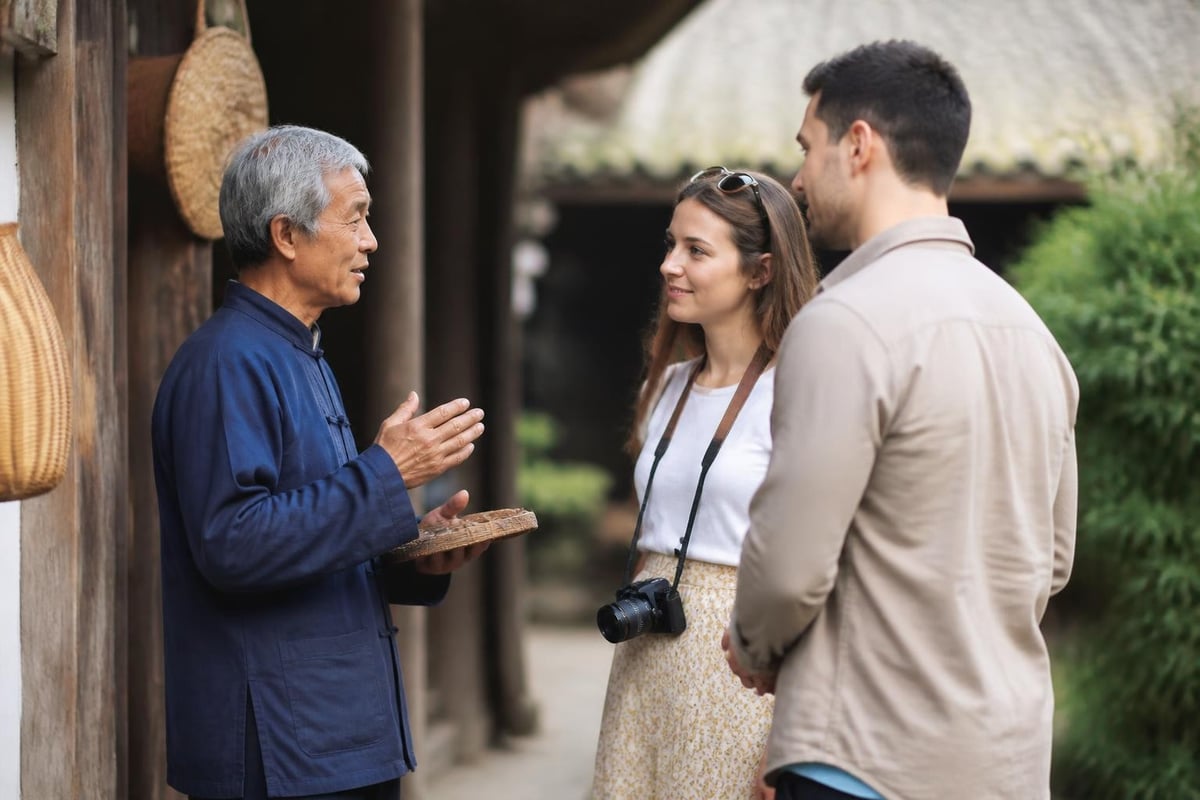
I remember speaking with a guide in Central Asia who explained how his grandmother used to sell bread in the same square where he now leads tours. His stories weren't memorised from books-they came from family dinners, childhood adventures, and generations of lived experience. That's the essence of local tourist attractions: they're alive with human connection.
Planning Your Visit to Local Tourist Attractions
Discovering local tourist attractions requires a different approach than booking standard tourist packages. The European Commission’s best practices for smart tourism highlight how digital tools and local knowledge combine to create richer visitor experiences.
Research Beyond the Guidebook
Start your planning by looking at what locals actually discuss. Online forums, neighbourhood blogs, and community social media groups often reveal gems that major travel platforms overlook. You'll find mentions of weekly craft markets, seasonal festivals, or walking routes that showcase historical architecture without the crowds.
Consider these planning steps:
- Connect with local cultural organizations or heritage societies
- Look for community-led tour initiatives
- Check municipal tourism boards for lesser-known sites
- Read local news sources for upcoming cultural events
- Join walking tour groups to get insider perspectives
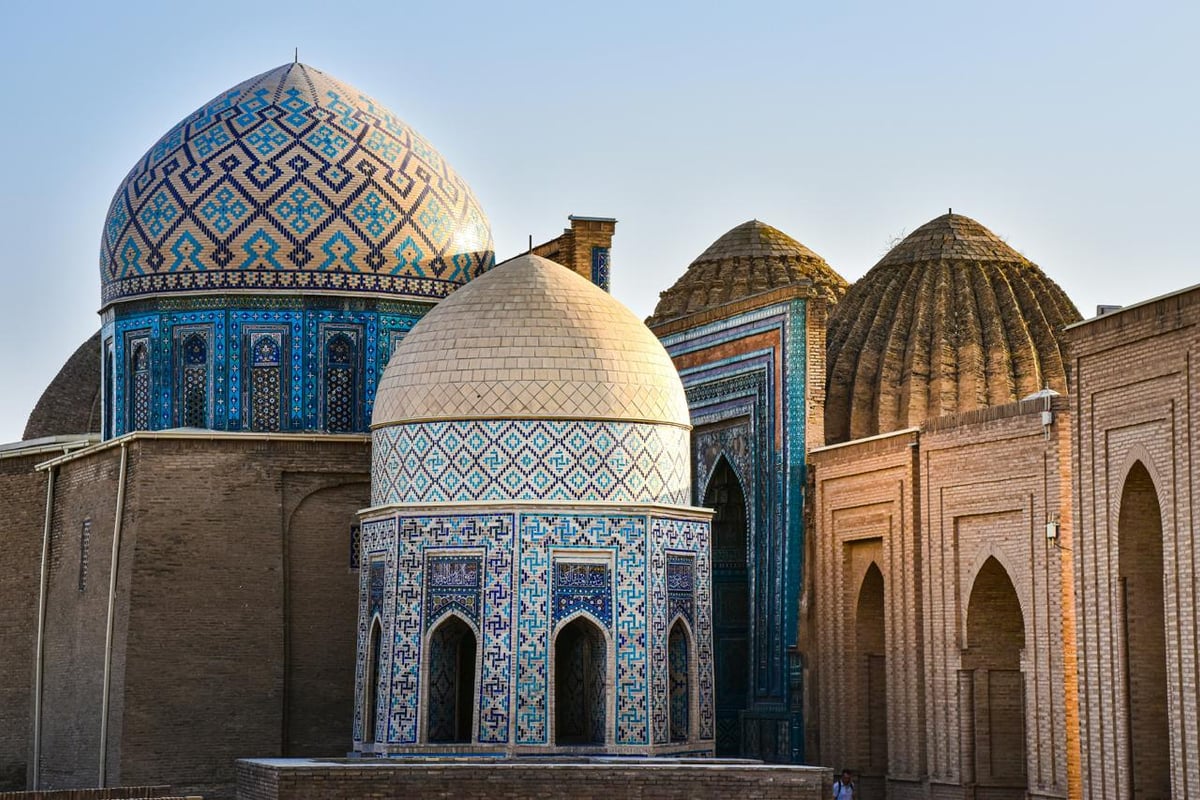
When exploring Samarkand's rich tapestry of historical sites, taking a free walking tour provides an excellent foundation for understanding which local tourist attractions deserve deeper exploration. These guided excursions help you navigate the city's layers of history whilst gaining context that transforms buildings into stories.
Timing and Accessibility
Not all local tourist attractions keep tourist-friendly hours. Some religious sites close during prayer times. Markets might wind down by noon. Historical monuments could offer different access depending on the season. The U.S. National Park Service’s accessibility guidelines provide valuable frameworks for understanding how heritage sites can accommodate diverse visitor needs whilst preserving their character.
| Attraction Type | Best Visiting Times | Accessibility Considerations |
|---|---|---|
| Historic Markets | Early morning (6-9 AM) | Variable pathways, crowded |
| Religious Sites | Mid-morning, late afternoon | Dress codes, quiet hours |
| Museums | Weekday mornings | Typically wheelchair accessible |
| Architectural Monuments | Golden hour (dawn/dusk) | Uneven surfaces common |
Categories of Local Tourist Attractions
Local tourist attractions span a remarkable range of experiences. Understanding these categories helps you build a balanced itinerary that captures different aspects of a destination's identity.
Architectural and Historical Sites
These form the cornerstone of most cities' cultural heritage. Ancient fortresses, religious buildings, historic homes, and civic monuments tell the story of how communities developed over centuries. What makes them "local" attractions rather than merely "tourist" ones is how they continue to function within community life.
In Samarkand, for instance, the magnificent madrasas aren't museum pieces-they're active spaces where crafts people still work, students gather, and traditional arts flourish. This living heritage creates encounters far more meaningful than simply photographing beautiful buildings.
Cultural Institutions and Museums
Smaller, community-focused museums often provide richer experiences than major institutions. A neighbourhood history museum curated by local historians offers insights you won't find in national collections. Folk art centres, craft workshops, and cultural foundations preserve traditional skills whilst welcoming curious visitors.
What to look for in local museums:
- Collections sourced from community donations
- Exhibitions that address local historical events
- Interactive elements demonstrating traditional crafts
- Guided tours led by resident experts
- Educational programs serving local schools
Natural and Environmental Attractions
Parks, gardens, geological features, and nature reserves maintained by local authorities serve both residents and visitors. These spaces often reveal how communities interact with their environment, from agricultural traditions to conservation efforts.
Markets and Commercial Heritage
Traditional markets, historic shopping streets, and artisan quarters represent living economic history. These aren't theme parks-they're functional commercial spaces where real transactions happen. The ICOMOS framework on cultural tourism emphasizes how such sites require careful management to protect their authentic character whilst supporting sustainable visitor engagement.
The Role of Guided Tours in Discovering Local Attractions
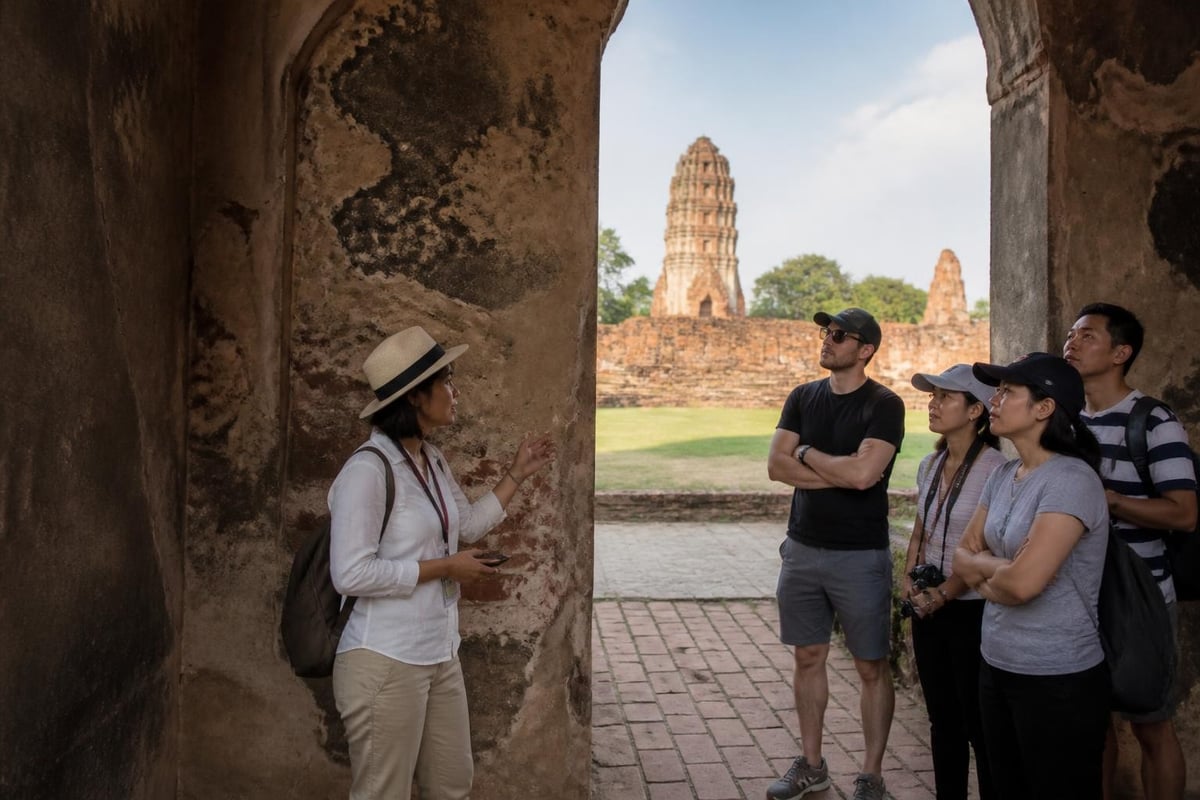
Free-walking tours have revolutionised how travellers discover local tourist attractions. These community-supported initiatives, often backed by cultural organizations and heritage academies, democratise access to expert knowledge. Instead of expensive private guides or impersonal audio tours, visitors experience destinations through passionate locals who share personal connections to the places they showcase.
Benefits of Community-Led Tours
When guides have genuine ties to their city, every tour becomes unique. They share family anecdotes, point out details invisible to outsiders, and adjust routes based on current events or seasonal changes. This flexibility creates authentic experiences that rigid commercial tours can't match.
The storytelling approach transforms how visitors understand local tourist attractions. Rather than memorising dates and architectural terms, you learn why a particular building matters to people today. You discover which festivals bring entire neighbourhoods together, where local craftspeople still practice traditional techniques, and how historical events shaped contemporary culture.
Choosing the Right Tour Experience
| Tour Type | Ideal For | Typical Duration | Cost Structure |
|---|---|---|---|
| Free Walking Tours | First-time visitors, budget travellers | 2-3 hours | Tip-based |
| Specialist Heritage Tours | History enthusiasts, researchers | 3-4 hours | Fixed fee |
| Neighbourhood Walks | Repeat visitors, culture seekers | 1-2 hours | Variable |
| Thematic Tours (food, architecture, etc.) | Focused interests | 2-5 hours | Typically paid |
Sustainable Engagement with Local Tourist Attractions
The popularity of local tourist attractions brings both opportunities and challenges. Responsible visitors recognize their role in preserving these special places for future generations and the communities who cherish them.
Respecting Community Spaces
Remember that local tourist attractions often serve residents first. A historic mosque isn't primarily a tourist site-it's an active place of worship. A traditional market exists to serve local shoppers, with tourism as a secondary benefit. This perspective should guide your behaviour.
Sustainable visiting practices include:
- Following local customs regarding photography, dress, and behaviour
- Shopping from local vendors rather than only observing
- Visiting during less crowded times when possible
- Supporting preservation through entrance fees or donations
- Learning basic greetings in the local language
The National Park Service’s facility management guidelines offer useful principles for how visitor services can enhance rather than detract from heritage sites. Although designed for American parks, these concepts apply broadly to managing local tourist attractions worldwide.
Economic Impact and Fair Tourism
Your choices as a visitor directly affect local communities. Purchasing handicrafts from the artisan who made them, eating at family-run restaurants, and choosing locally-guided tours ensures tourism revenue supports the people who maintain these attractions.
Consider the economics of free-walking tours. While there's no mandatory fee, these services depend on tips and often fund broader cultural education initiatives. Fair compensation acknowledges the expertise guides share and helps sustain programs that benefit entire communities.
Hidden Gems: Finding Undiscovered Local Attractions
The most memorable local tourist attractions are often those you discover yourself. Beyond the standard recommendations, every city holds secrets waiting to be uncovered.
Research Strategies
Local history societies frequently maintain archives, walking trail maps, and historical registers that tourists rarely consult. Municipal websites list heritage sites, many without significant visitor infrastructure but open to respectful exploration. Asking shop owners, café staff, and residents for their favourite spots often yields recommendations far superior to online reviews.
Seasonal and Temporary Attractions
Some local tourist attractions exist only at certain times. Festival grounds transform ordinary spaces into cultural showcases. Seasonal markets appear in historic squares. Special exhibitions highlight particular aspects of heritage. Paying attention to local calendars reveals experiences impossible to find in annual guidebooks.
Off-the-Beaten-Path Neighbourhoods
While famous historical centres attract most visitors, surrounding neighbourhoods often preserve traditional character more authentically. Residential areas with vernacular architecture, local workshops, neighbourhood shrines, and community gathering spaces offer glimpses of daily life rarely seen in tourist zones.
Questions to ask locals:
- Which historical site do you visit with out-of-town family?
- Where do you go to experience traditional culture?
- What place best represents our city's character?
- Which attraction gets overlooked by tourists but shouldn't?
- What's changing that visitors should see before it's gone?
Documenting and Sharing Your Experience
Thoughtfully sharing your discoveries helps others appreciate local tourist attractions whilst respecting the communities that maintain them. Social media and travel blogs influence where future visitors explore, making your documentation a form of advocacy.
Responsible Photography
Many local tourist attractions have photography guidelines protecting privacy, religious sanctity, or commercial interests. Active worship spaces, private workshops, and residential areas often require permission before photographing people. Even publicly accessible sites may restrict commercial photography or drone usage.
When you do photograph local tourist attractions, focus on capturing their character rather than just creating pretty images. Show how spaces function, who uses them, and why they matter. Context enriches your documentation and helps viewers understand significance beyond aesthetics.
Writing Helpful Reviews
Detailed reviews help future visitors while providing valuable feedback to site managers. Mention accessibility features, best visiting times, cultural protocols, and how attractions fit into broader exploration. Highlight what makes a place authentically local rather than comparing it to tourist sites elsewhere.

Technology and Local Tourist Attractions
Digital tools increasingly enhance how we discover and experience local tourist attractions. Mobile apps provide historical context through augmented reality. Online platforms connect travellers with community guides. Virtual tours help plan visits and revisit memories afterward.
Digital Accessibility
Smart tourism initiatives-highlighted in resources like the European Capital of Smart Tourism-demonstrate how technology can make local tourist attractions more accessible without compromising their character. Audio guides in multiple languages, interactive maps highlighting accessibility features, and real-time crowd information help diverse visitors engage comfortably.
However, technology should complement rather than replace human interaction. The best experiences still come from conversations with knowledgeable guides, chance encounters with local residents, and the unpredictable moments that happen when you put your phone away and simply observe.
Balancing Connectivity and Presence
While researching local tourist attractions online helps you plan efficiently, the richest discoveries happen through direct engagement. Use digital tools to identify possibilities, understand context, and navigate logistics. Then immerse yourself fully in the physical experience, saving documentation for later.
The Future of Local Tourist Attractions
As tourism evolves, local tourist attractions face both challenges and opportunities. Over-tourism threatens to commercialise authentic sites. Climate change endangers vulnerable heritage. Yet growing interest in sustainable, meaningful travel creates possibilities for community-led tourism models.
The most promising developments involve partnerships between heritage preservation, tourism management, and community development. When local populations benefit directly from visitor engagement, they become active stewards of cultural resources. When tourism revenue funds restoration and education, attractions remain viable for future generations.
Cities worldwide are rethinking how they manage local tourist attractions. Rather than maximising visitor numbers, progressive destinations focus on quality experiences that benefit both travellers and residents. This shift requires visitors to also evolve-choosing depth over breadth, respecting carrying capacities, and recognising their role in sustainable cultural exchange.
Emerging trends shaping local tourism:
- Community-owned tour cooperatives replacing commercial operators
- Time-limited access protecting fragile sites whilst ensuring access
- Educational programs connecting visitors with local students and experts
- Digital archives preserving intangible heritage alongside physical sites
- Revenue-sharing models ensuring tourism benefits flow to communities
Discovering local tourist attractions transforms ordinary travel into meaningful cultural exchange. By approaching destinations with curiosity, respect, and genuine interest in community stories, you'll uncover experiences that guidebooks can't capture. Whether you're drawn to architectural wonders, vibrant markets, or hidden historical gems, remember that the most valuable attractions are those that connect you authentically with the places you visit. Ready to explore Samarkand's remarkable heritage through the eyes of passionate local guides? Visit Samarkand offers both free and paid walking tours that reveal the city's hidden stories, making centuries of Silk Road history accessible to every curious traveller.