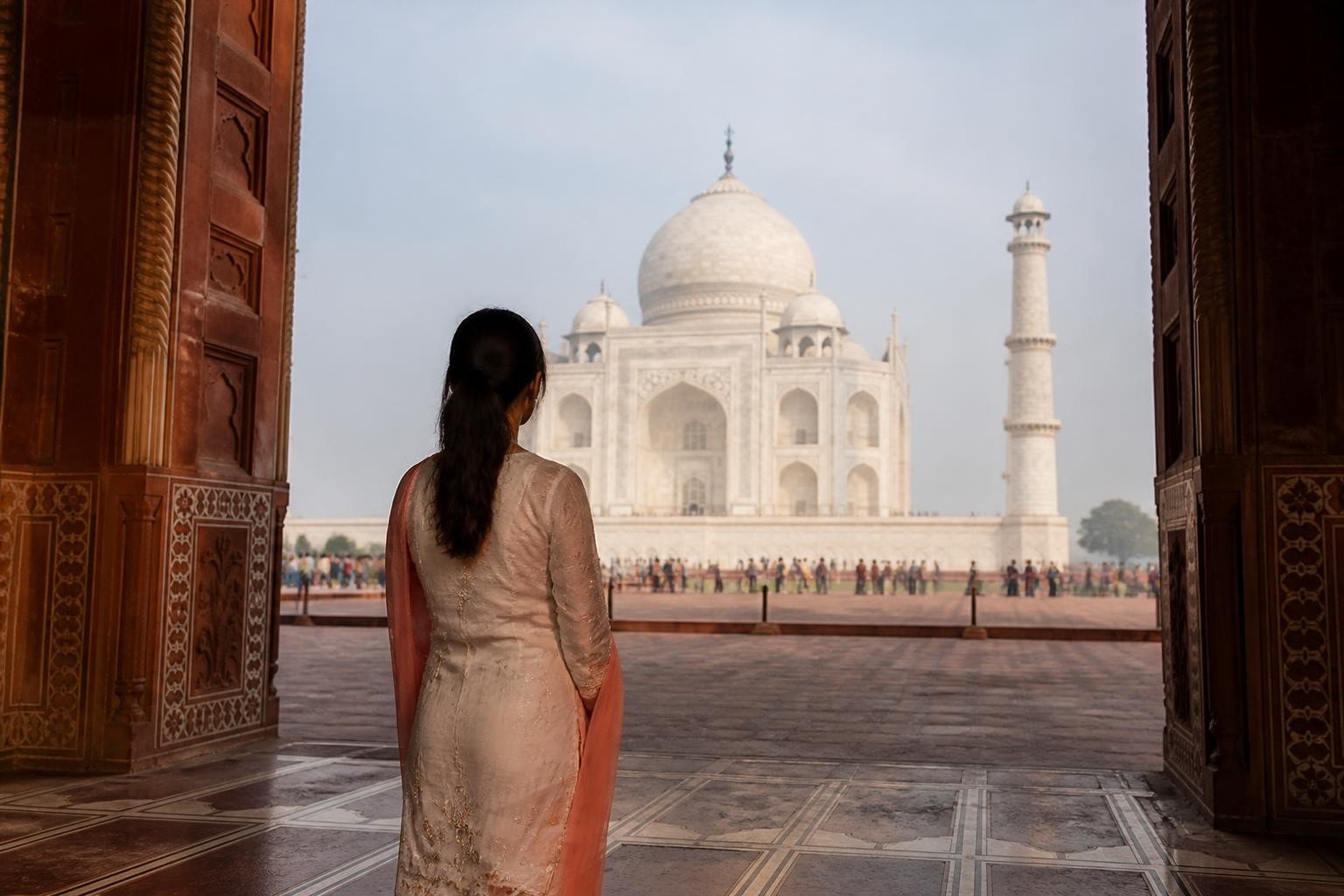
The dream of travelling around the world has captivated adventurers for centuries, but in 2026, this once-impossible feat has become more accessible than ever before. Whether you're drawn to the turquoise domes of Central Asian cities, the bustling markets of Southeast Asia, or the pristine landscapes of Patagonia, embarking on a round-the-world journey represents the ultimate expression of wanderlust. This comprehensive guide will walk you through everything you need to know to transform your global travel dream into reality, from initial planning stages to the transformative moments that await you in destinations you've only imagined.
Planning Your Round-the-World Adventure
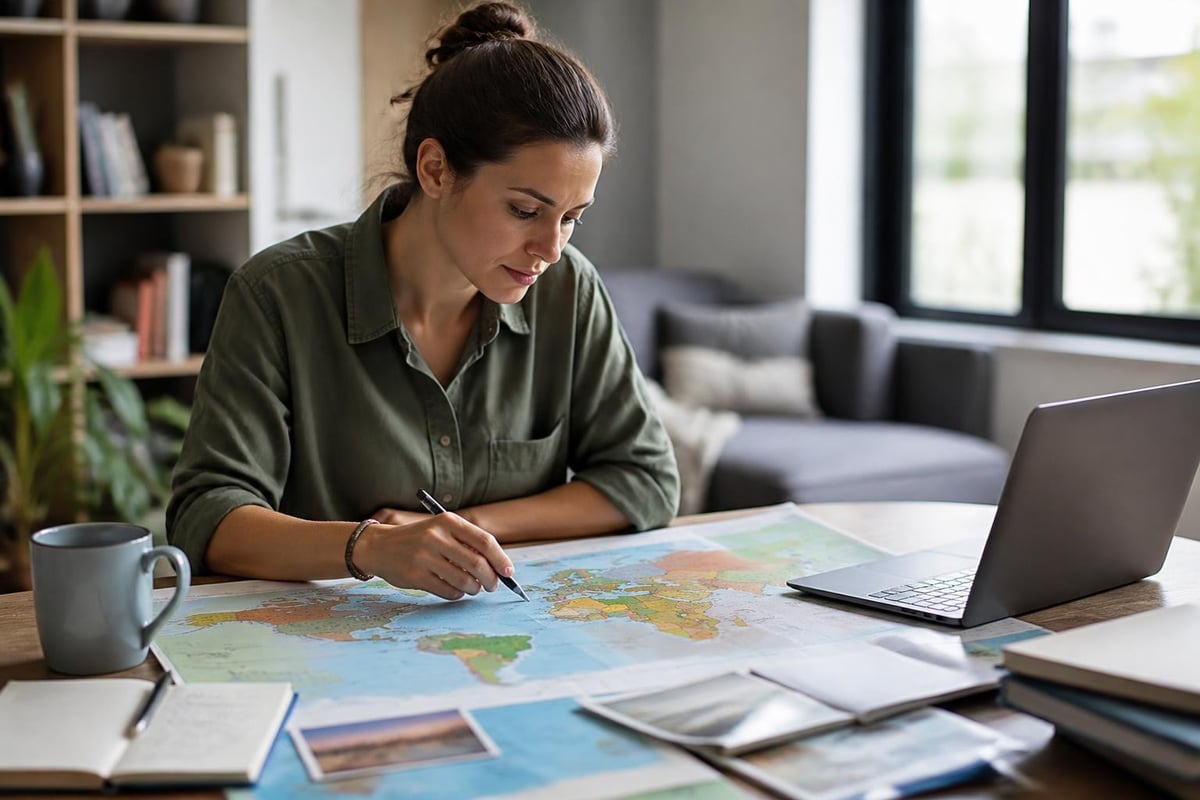
The foundation of any successful global journey begins months before you board your first flight. Travelling around the world requires strategic thinking, financial preparation, and a willingness to embrace both structure and spontaneity.
Choosing Your Route and Duration
Your route will define your entire experience, and the possibilities are genuinely endless. Most world travellers choose between three main directional strategies:
- Eastward routes that follow the sun, minimising jet lag
- Westward journeys that often align with seasonal weather patterns
- North-South configurations that chase eternal summer or winter sports seasons
According to recent international tourism data, travellers in 2026 are spending an average of four to six months travelling around the world, though some compress ambitious itineraries into three months whilst others stretch their adventures across an entire year.
The key is building flexibility into your timeline. I learned this lesson during my first attempt at global travel when I rigidly scheduled every stop, only to discover that the most magical experiences emerged when I allowed spontaneity to guide me.
Budgeting for Global Exploration
Money matters, and understanding the financial landscape of travelling around the world prevents mid-journey stress. Here's a realistic breakdown of expenses:
| Expense Category | Budget Range (per month) | Money-Saving Tips |
|---|---|---|
| Accommodation | £400-£1,200 | Hostels, homestays, house-sitting |
| Food & Drink | £300-£800 | Local markets, street food, self-catering |
| Transportation | £250-£600 | Regional buses, advance rail bookings |
| Activities | £150-£400 | Free walking tours, local experiences |
| Insurance & Visas | £100-£250 | Annual policies, visa-free routing |
Your daily costs will fluctuate dramatically based on geography. Southeast Asia, Central Asia, and South America typically offer exceptional value, whilst Scandinavia, Japan, and Australia command premium budgets.
Remember that travelling around the world doesn't mean constant movement. Slow travel-spending weeks rather than days in each destination-dramatically reduces costs whilst deepening cultural understanding.
Essential Documentation and Health Preparations
Nothing derails a world journey faster than documentation oversights or health emergencies. Your preparation checklist must include several critical components.
Passports, Visas, and Entry Requirements
Your passport needs at least six months' validity beyond your intended return date, with plenty of blank pages for stamps and visas. The IATA Travel Centre provides authoritative, up-to-date information about passport and visa requirements for every country combination.
Key documentation steps:
- Apply for visas well in advance for countries requiring pre-arrival approval
- Research visa-on-arrival options that provide flexibility
- Make digital and physical copies of all documents
- Consider expedited re-entry programmes like Global Entry if you're a frequent traveller
- Register with your embassy's traveller notification system
Some travellers mistakenly assume visa-free travel means unlimited stays. Most visa exemptions grant only 30-90 days, so when travelling around the world, you'll need to carefully track your time in each destination and understand exit requirements.
Health, Vaccinations, and Travel Insurance
The World Health Organization’s travel guidance emphasises that international travellers should consult healthcare providers at least six weeks before departure. Certain vaccinations require multiple doses over several weeks.
Comprehensive travel insurance is non-negotiable. You need coverage that includes:
- Medical emergencies and evacuations
- Trip cancellations and interruptions
- Lost or stolen belongings
- Adventure activities you plan to undertake
- Repatriation coverage
The CDC Travelers’ Health notices provide country-specific health risks and required precautions, regularly updated to reflect current conditions in 2026.
Packing Smart for Long-Term Travel
After fifteen years of travelling around the world, I've learned that the best travellers aren't those who pack for every possibility-they're the ones who pack light and adapt creatively.
The Minimalist Approach
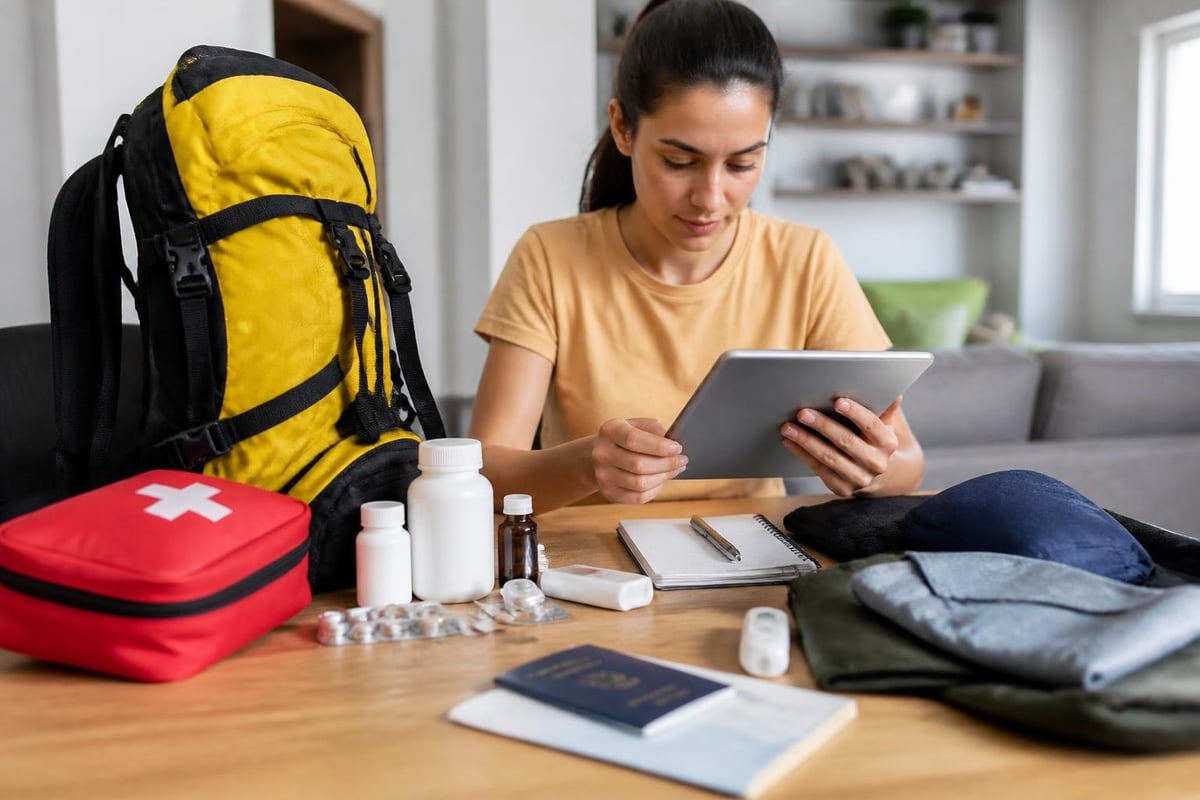
Your entire world travel kit should fit in a 40-50 litre backpack or a carry-on sized wheeled bag. This isn't just about avoiding checked baggage fees; it's about mobility and freedom.
Core packing principles:
- Choose versatile, quick-dry clothing in neutral colours
- Layer for temperature variation rather than packing bulky items
- Limit yourself to three pairs of shoes maximum
- Digitise documents, books, and entertainment
- Buy consumables (toiletries, medications) locally
Before checking TSA security screening rules, remember that regulations vary globally. What's permitted in your departure country might be confiscated elsewhere.
The items you'll genuinely treasure aren't clothes or gadgets-they're the small mementos collected along the way. Leave space for treasures discovered during your journey.
Cultural Immersion and Meaningful Experiences
Travelling around the world transcends merely visiting famous landmarks. The transformative power lies in genuine cultural exchange and local connections.
Beyond Tourist Attractions
The most profound travel memories emerge from unexpected encounters. Walking through residential neighbourhoods, attending local festivals, or joining community activities reveals layers invisible to rushed tourists.
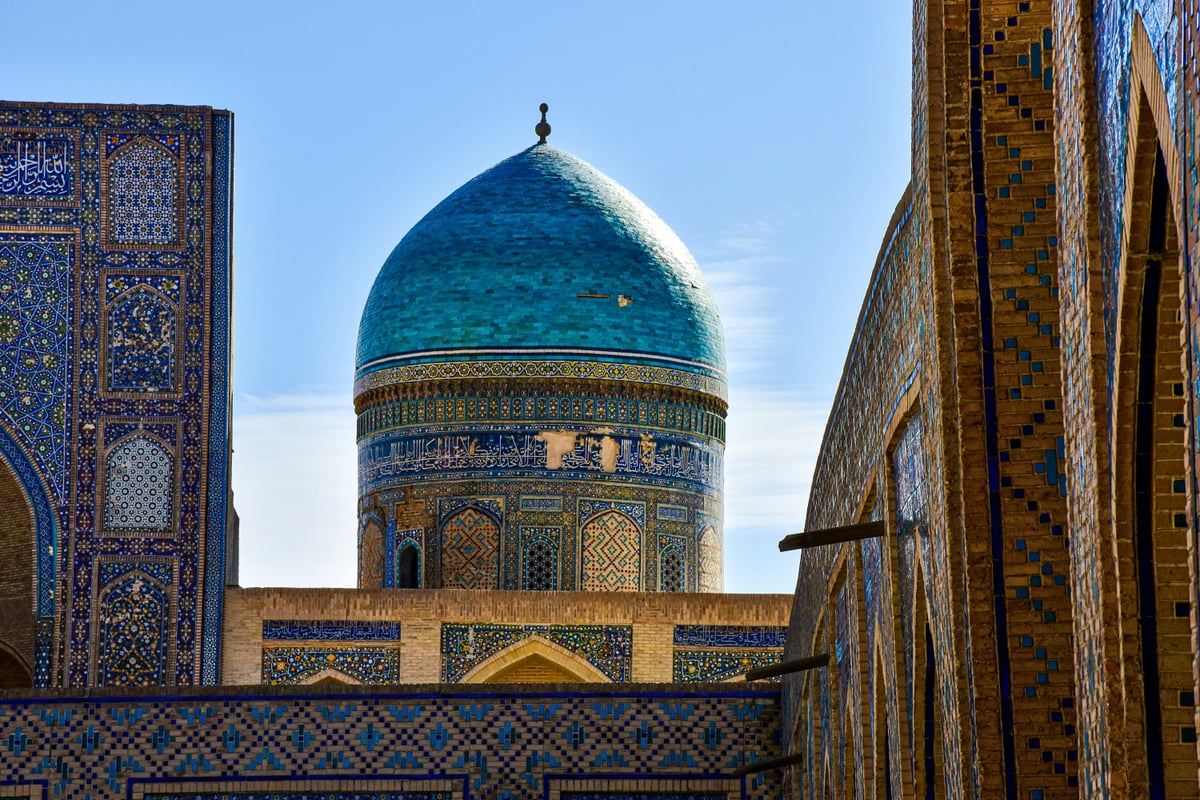
Free walking tours have revolutionised how budget travellers experience destinations. These locally-led excursions, offered in cities worldwide from Berlin to Bangkok, provide insider perspectives that guidebooks can't capture. When you're travelling around the world and arrive in historic cities along ancient trade routes, seeking out these guided experiences helps you understand not just what you're seeing, but why it matters. For instance, when exploring UNESCO World Heritage sites in Central Asia, a free walking tour can illuminate centuries of Silk Road history through local storytelling.
Learning from Local Communities
Meaningful cultural exchange requires humility and genuine curiosity. Here's how to deepen your connections:
- Learn basic phrases in each local language (hello, thank you, excuse me)
- Respect cultural norms regarding dress, behaviour, and photography
- Support local economies by choosing locally-owned businesses
- Ask questions and listen more than you speak
- Participate in cooking classes, craft workshops, or volunteer opportunities
The World Bank’s tourism research highlights how thoughtful tourism contributes to local economic development whilst preserving cultural heritage.
Navigating Challenges and Staying Safe
Every journey includes obstacles, but preparation and adaptability turn potential crises into memorable stories.
Common Hurdles When Travelling Around the World
| Challenge | Solution Strategy |
|---|---|
| Language barriers | Translation apps, visual dictionaries, patience |
| Homesickness | Regular video calls, travel communities, journaling |
| Budget overruns | Track spending daily, adjust plans proactively |
| Scams and theft | Stay alert, use common sense, trust your instincts |
| Burnout | Schedule rest days, don't over-plan, practice self-care |
Safety doesn't mean paranoia. Most places are far safer than sensational news coverage suggests. That said, travelling around the world requires situational awareness and smart precautions.
Digital Connectivity and Communication
Staying connected in 2026 is remarkably simple:
- International SIM cards or eSIM data plans provide affordable connectivity
- VPN services protect your data on public Wi-Fi networks
- Offline maps downloaded to your phone work without signal
- Cloud backup preserves photos and important documents
- Emergency contact list stored both digitally and physically
Technology enables you to work remotely whilst travelling around the world, extending your journey indefinitely if you choose the digital nomad path.
Sustainable and Responsible Travel Practices
Modern travellers carry responsibility alongside their backpacks. The choices you make whilst travelling around the world impact communities and environments for generations.
Minimising Your Environmental Impact
Air travel constitutes the largest carbon footprint of any round-the-world journey, but several strategies help mitigate environmental damage:
- Choose direct flights when possible (takeoffs consume the most fuel)
- Offset carbon emissions through verified programmes
- Use overland transportation between nearby destinations
- Stay in eco-certified accommodation
- Avoid single-use plastics by carrying reusable items
Surface transport alternatives:
- Trans-Siberian Railway across Russia
- Silk Road bus routes through Central Asia
- Coastal ferries in Southeast Asia
- Long-distance buses across South America
These slower options reduce emissions whilst providing richer cultural experiences than flying over the landscapes you're supposedly exploring.
Supporting Local Economies Ethically
Your spending decisions shape communities. Travelling around the world gives you power to support sustainable development or contribute to exploitative practices.
Choose experiences and businesses that:
- Employ local guides and staff at fair wages
- Source products and food from regional suppliers
- Respect wildlife and natural environments
- Preserve rather than commodify cultural traditions
- Contribute to community development initiatives
Tourist overcrowding threatens destinations worldwide, from Venice to Machu Picchu. Consider visiting lesser-known alternatives that offer similar experiences without the environmental strain.
Making the Journey Your Own
There's no single correct way to approach travelling around the world. Your journey should reflect your interests, values, and dreams rather than copying someone else's Instagram highlight reel.
Different Travel Styles for Different Souls
Some travellers thrive on adrenaline-fuelled adventures-trekking remote mountains, diving with sharks, or motorcycling across continents. Others seek spiritual growth through meditation retreats, yoga intensives, or volunteer work.
Still others approach travelling around the world as extended cultural education, spending weeks in museums, attending local theatre, or taking language courses in each destination.
Popular thematic approaches:
- Historical journeys following ancient trade routes or civilisations
- Culinary adventures learning regional cooking techniques
- Natural wonders prioritising national parks and wildlife
- Urban exploration experiencing the world's great cities
- Spiritual quests visiting sacred sites across religions
- Adventure challenges climbing, diving, or extreme sports
The beauty of long-term travel is that you can pivot. Perhaps you begin with backpacker intensity, then shift to slower, more contemplative exploration as your journey evolves.
Recording and Sharing Your Story
Decades from now, you won't remember every temple or beach. But thoughtfully documented experiences create lasting treasures.
Consider multiple recording methods:
- Daily journaling captures emotions and details that photos miss
- Photography with intention rather than compulsion
- Video diaries preserve voices and movement
- Collecting ephemera like tickets, maps, and postcards
- Regular blog or social media updates to share with loved ones
The act of reflection deepens travel experiences. Writing about your day forces you to process what you've learned and felt.
Financial Strategies for Extended Travel
Travelling around the world requires either substantial savings or creative income generation. Most long-term travellers combine both approaches.
Funding Your Adventure
Pre-departure savings strategies:
- Dramatically reduce living expenses for 12-24 months before departure
- Sell possessions you won't need whilst travelling
- Take on extra work or freelance projects
- Sublet your home rather than maintaining empty property
- Cut subscription services and recurring expenses
Earning whilst travelling:
- Remote work in your existing career field
- English teaching (online or in-person)
- Freelance writing, design, or programming
- Seasonal tourism work (hostels, tours, farms)
- Social media content creation or travel blogging
The digital nomad lifestyle has exploded in popularity, with entire communities of travellers working remotely from cafes and co-working spaces worldwide.
Managing Money on the Road
Banking whilst travelling around the world has never been simpler, though it requires preparation:
| Financial Tool | Benefits | Considerations |
|---|---|---|
| Travel credit cards | No foreign transaction fees, travel insurance | Pay in full monthly to avoid interest |
| Multi-currency accounts | Hold and exchange currencies efficiently | Compare exchange rates carefully |
| ATM withdrawals | Convenient local currency access | Choose bank-owned ATMs when possible |
| Digital payment apps | Easy splitting and transfers | Not universally accepted |
Always maintain emergency funds in multiple forms-cards, cash, and digital currencies-in case one method fails.
The Transformation Awaits
Travelling around the world changes you in ways you can't anticipate when you're still in the planning stages. The person who returns home bears little resemblance to the one who nervously boarded that first international flight.
You'll develop confidence navigating unfamiliar situations. You'll gain perspective on your own culture by experiencing alternatives. You'll build friendships across continents and languages. You'll discover capabilities you didn't know you possessed.
Perhaps most importantly, you'll learn that the world, despite its vast diversity, is fundamentally filled with kind people eager to share their stories and help travellers find their way.
The practical preparations covered in this guide provide your foundation. But the true journey begins when you step outside your comfort zone and into the magnificent uncertainty that awaits.
Every journey of travelling around the world starts with a single step-booking that first flight, applying for that first visa, having that first conversation with a stranger in broken phrases and hand gestures. The perfect moment to begin will never arrive. But right now, in 2026, the world awaits your exploration with open arms and countless stories yet to be written.
Travelling around the world transforms ordinary life into extraordinary adventure, teaching lessons no classroom can offer whilst creating memories that sustain you long after returning home. If you're ready to begin your journey through historic cities and cultural crossroads, Visit Samarkand offers an accessible introduction to meaningful travel-free walking tours that connect you with local guides, reveal hidden stories, and demonstrate that the best experiences often come not from expensive packages but from genuine human connection and shared discovery.