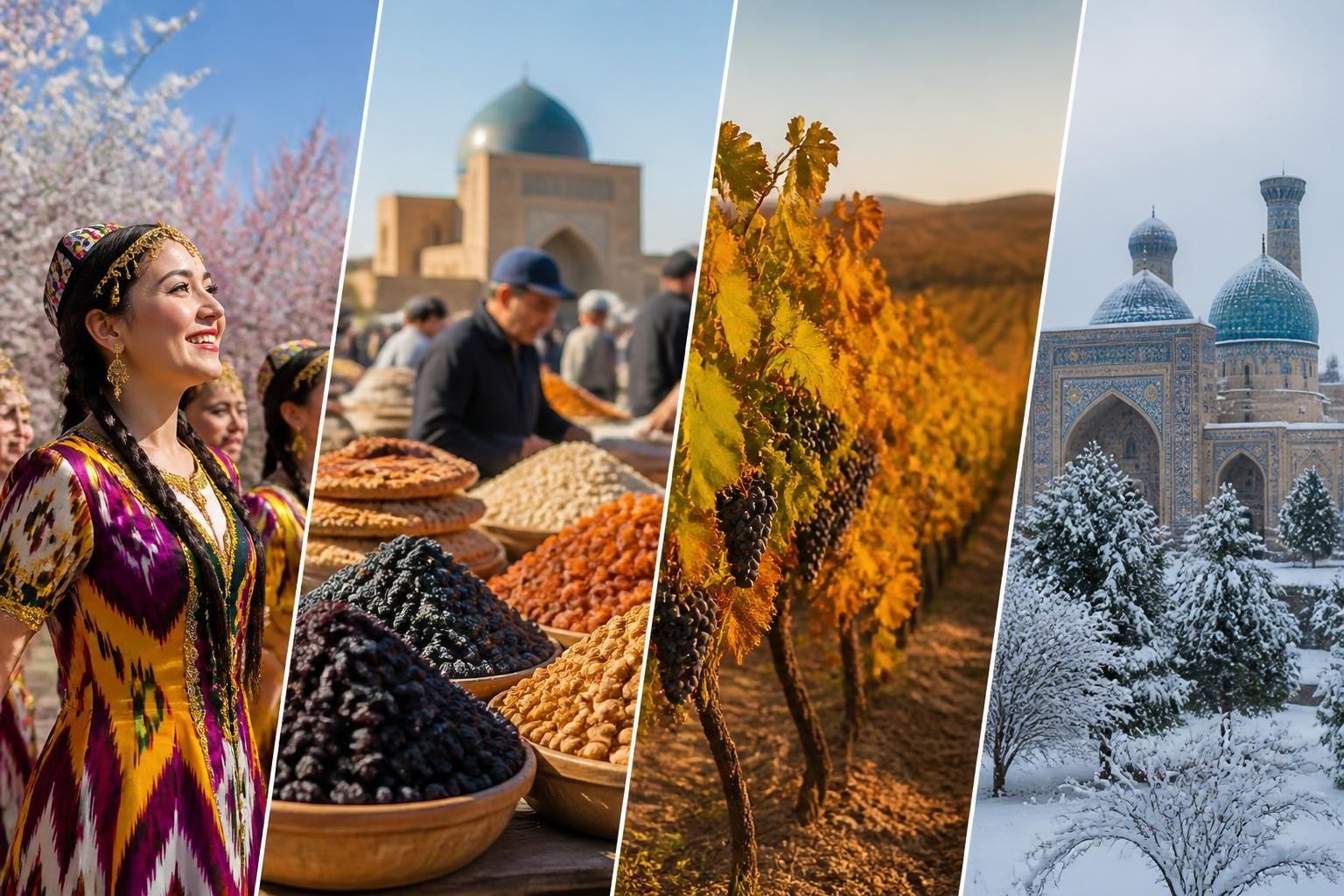
Choosing the best time to visit Uzbekistan transforms your journey from merely good to utterly extraordinary. This ancient Silk Road nation, where turquoise domes pierce cobalt skies and thousand-year-old cities whisper tales of Tamerlane and Zoroaster, reveals different facets of itself with each passing season. Whether you're wandering through Samarkand's Registan Square, haggling in Bukhara's covered bazaars, or photographing the ceramic towers of Khiva, timing shapes everything from the colours in your camera roll to the thickness of the crowds around you. The continental climate brings dramatic swings, fierce summers that make the desert shimmer and winters when frost gilds the madrasas, so understanding Uzbekistan's seasonal rhythms isn't just helpful-it's essential for planning the adventure of a lifetime.
Spring: The Golden Season for Discovery
Spring arrives in Uzbekistan like a long-awaited guest, bringing moderate temperatures and the nation's most beloved celebration. From late March through May, the country awakens from winter with blossoming orchards, green valleys and weather so pleasant it feels tailor-made for exploration.
Navruz and Cultural Immersion
The centrepiece of spring is Navruz, celebrated on March 21st each year as the Persian New Year. This ancient festival marks the spring equinox and transforms Uzbekistan into a kaleidoscope of street performances, traditional wrestling matches, and tables groaning under sumalak (a sweet wheat pudding cooked for hours with song and story). Cities erupt in festivity, with locals donning traditional dress and strangers welcomed to share in feasts. For travellers, it's an unparalleled window into living culture-the kind of experience that transcends mere sightseeing.
Why spring works brilliantly:
- Daytime temperatures hover between 15°C and 25°C
- Tourist numbers remain manageable before the peak summer rush
- Fruit trees blossom across the Fergana Valley
- Photography benefits from soft spring light and clear skies
- Hiking in the mountains becomes accessible as snow melts
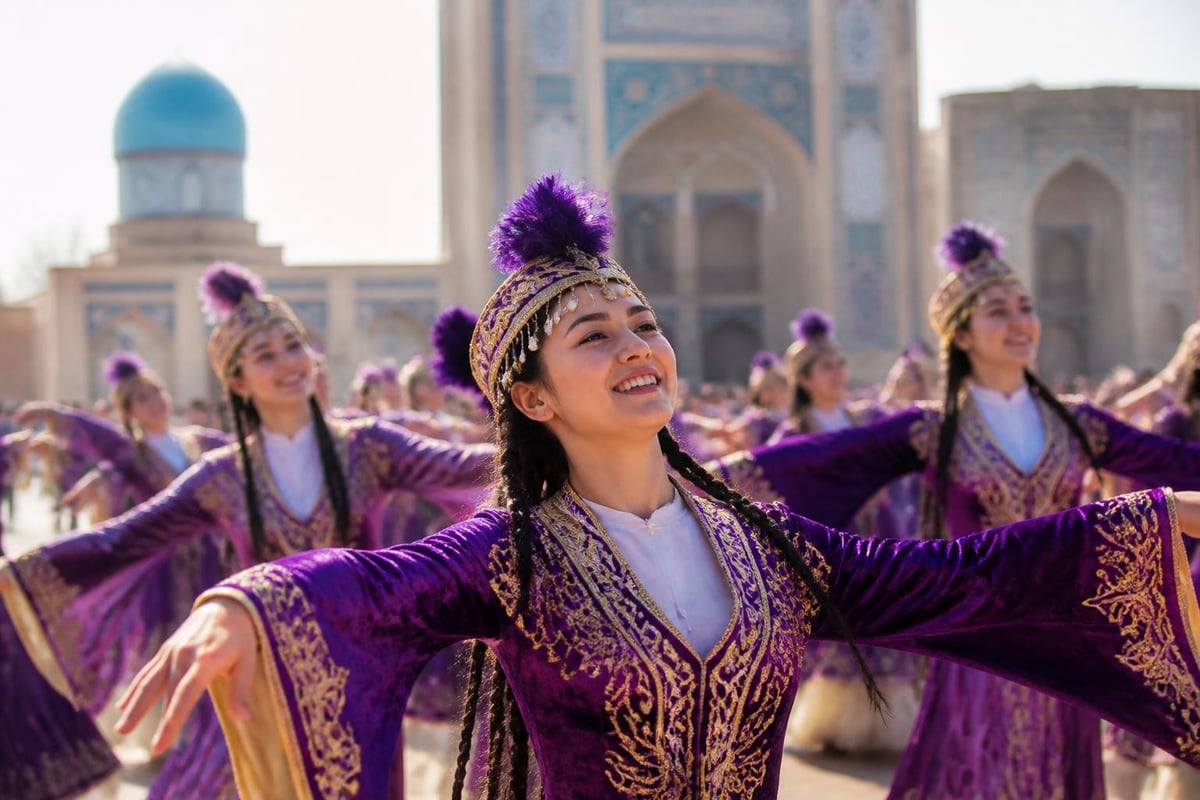
The official Uzbekistan tourism portal highlights spring as ideal for cultural tours, and after guiding visitors through Samarkand's hidden courtyards and craftsmen's workshops for years, I can confirm that April offers the sweet spot: warm enough for comfortable walking, cool enough to explore all day without wilting.
April and May Advantages
By April, the best time to visit Uzbekistan truly hits its stride. The landscape shifts from brown to emerald, wildflowers carpet the foothills, and outdoor cafés open their terraces. Market stalls overflow with early strawberries and cherries. May brings slightly warmer days-occasionally reaching 30°C in the south-but it's still eminently pleasant compared to the furnace of July.
One challenge: occasional spring rains can arrive, particularly in the mountains. Pack a light waterproof layer and flexible plans. The upside? Rain transforms the ancient brickwork, making the tiles of Shah-i-Zinda gleam like jewels.
Summer: For the Heat-Hardy and Festival Seekers
Summer divides opinion among travellers. June through August delivers scorching temperatures, with thermometers regularly climbing past 40°C in cities like Samarkand, Bukhara and Khiva. The climate data shows July and August as the hottest, driest months, when even locals retreat indoors during midday hours.
Yet summer holds its own magic for those who plan wisely. Early mornings transform into perfect touring windows-imagine having Registan Square nearly to yourself at 6am, golden light painting the portals, before the heat descends. Evenings extend deliciously long, with sunset arriving after 8pm and temperatures cooling to bearable levels.
| Month | Avg High | Avg Low | Rainfall | Best For |
|---|---|---|---|---|
| June | 35°C | 18°C | Minimal | Early birds, night markets |
| July | 38°C | 21°C | None | Mountain escapes, early starts |
| August | 37°C | 19°C | Trace | Late evening exploration |
Summer survival strategies include:
- Starting tours at dawn (6-7am)
- Taking midday siestas in shaded teahouses
- Exploring indoor attractions like museums during peak heat
- Visiting mountain regions where temperatures stay moderate
- Hydrating constantly and wearing sun protection
Summer fruit season is glorious. Markets explode with melons so sweet they taste of honey, apricots warm from the tree, and grapes in a dozen varieties. Street vendors sell chilled kompot (fruit juice) and ice cream to grateful crowds. If you're considering summer, the experience of summer travel in Uzbekistan demands respect for the climate but rewards those who adapt.
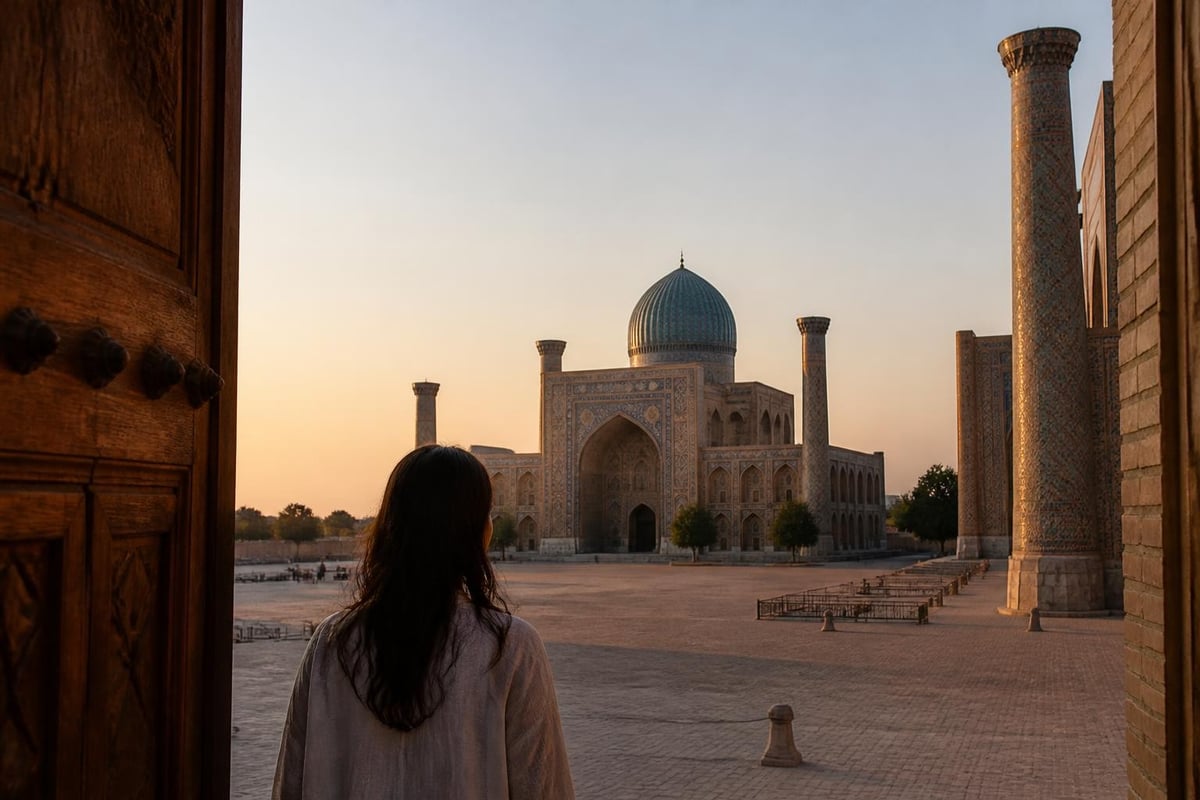
For those exploring Samarkand’s ancient streets, summer evenings become enchanted. The heat radiates from brick walls as you wander through old quarters, the call to prayer echoing from minarets, families gathering in courtyards for plov under mulberry trees. It's romantic in the truest sense, even if you're dripping with perspiration.
Autumn: The Connoisseur's Choice
Many seasoned travellers argue that September and October represent the best time to visit Uzbekistan, and the evidence supports them. Autumn brings ideal temperatures-warm days averaging 20-28°C, cool nights, minimal rainfall-and the harvest season transforms markets into cornucopias of pomegranates, persimmons, walnuts and cotton.
September's Sweet Spot
September delivers summer's warmth without its brutality. Days remain reliably sunny (Uzbekistan enjoys over 300 days of sunshine annually), perfect for photography and outdoor exploration. The tourist infrastructure still operates at full capacity, but crowds thin as European school holidays end.
I remember leading a walking tour through Samarkand's Bibi-Khanym Mosque one September morning, the air crisp and clear, leaves just beginning to turn gold on the plane trees lining the paths. A group from Melbourne, escaping their winter, kept marveling at the perfect weather-cool enough for scarves, warm enough for short sleeves by noon. That flexibility defines September.
October's Golden Light
October might be the photographer's favourite month. The low sun casts long shadows and bathes tilework in honeyed light. Vineyards around Samarkand turn amber and crimson. Cotton fields bloom white across the Fergana Valley. Rough Guides notes that autumn offers the best visibility for mountain views, with the snow-capped Tian Shan range visible from Tashkent on clear days.
Autumn advantages:
- Comfortable hiking weather in the mountains
- Harvest festivals in rural areas
- Lower hotel rates than spring peak
- Fewer tour groups at major monuments
- Stunning photographic conditions
The main consideration? By late October, temperatures can drop sharply, especially at night. Pack layers. In the mountains, early snow occasionally dusts the higher passes. But for urban exploration and Silk Road site visits, autumn provides near-perfect conditions.
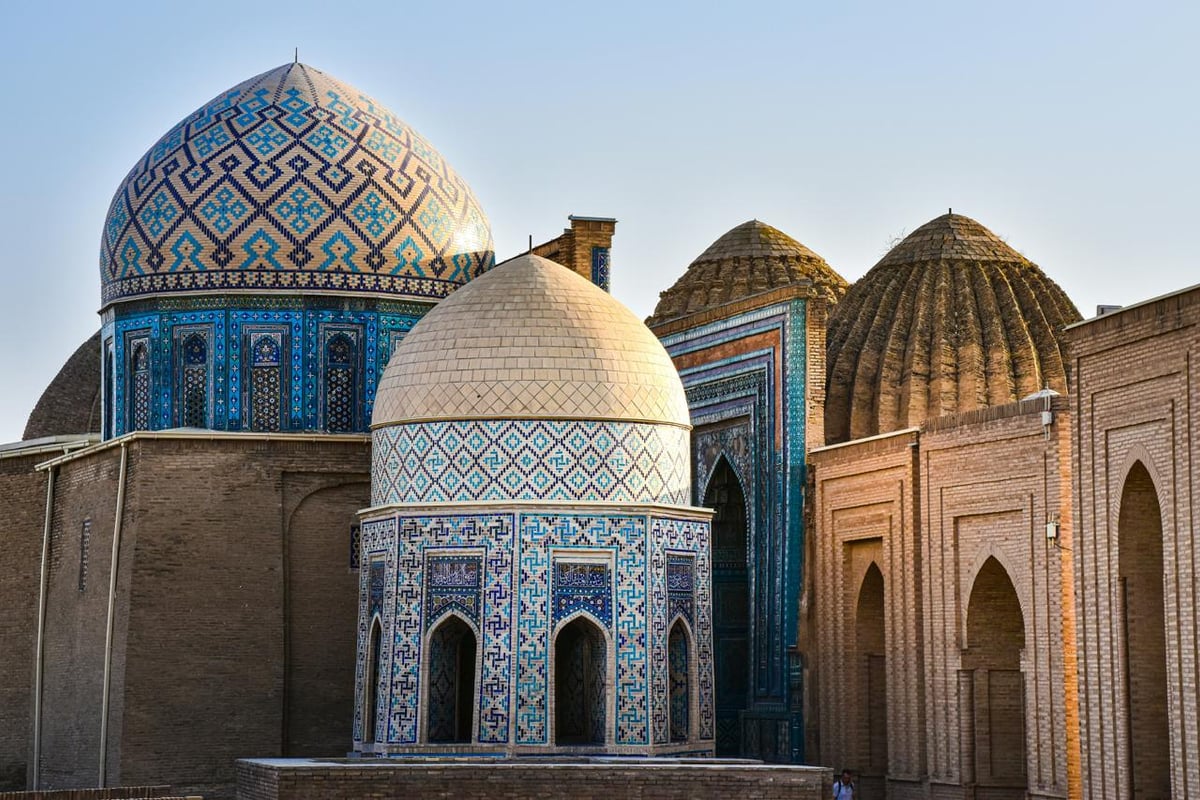
Those seeking deeper engagement with Samarkand's layered history find autumn ideal for structured exploration. The comfortable temperatures allow for full-day itineraries, and the light makes architectural details pop-crucial when you're trying to distinguish between Timurid and earlier Sogdian influences in the city's remarkable monuments.
Winter: The Off-Season Adventure
Winter remains the least popular season, and for good reason: cold. December through February brings daytime highs of just 5-10°C, with nights frequently dropping below freezing. Snow blankets the mountains and occasionally dusts the cities. Many smaller guesthouses close, and some transport routes become unreliable.
Yet winter has its devotees. Those seeking the best time to visit Uzbekistan for authentic local life, budget travel and uncrowded monuments should consider the cold months. I've walked through the Registan in January with perhaps twenty other souls, when normally hundreds throng the square. The silence amplifies the grandeur.
Winter Benefits Worth Considering
- Dramatic photography: Snow on turquoise domes creates striking contrasts
- Rock-bottom prices: Hotels discount rooms by 30-50%
- Cultural authenticity: You'll interact with locals, not other tourists
- Indoor attractions shine: Museums, craft workshops and teahouses welcome lingering
- Unique festivals: New Year and Orthodox Christmas add festive atmosphere
The Lonely Planet guide suggests winter for those with flexible schedules who can wait out occasional cold snaps indoors. Samarkand's covered bazaars, heated teahouses and welcoming hospitality make it possible to enjoy winter despite the chill.
Regional Variations and Microclimates
Understanding that "Uzbekistan" encompasses diverse climates helps refine timing. The country stretches from the Ustyurt Plateau's deserts to the Tian Shan's peaks, creating significant regional variation.
Tashkent and the North
The capital and northern regions experience more rainfall and slightly cooler temperatures than the south. Spring arrives a week or two later; autumn lingers longer. Winter brings more consistent snow.
Samarkand, Bukhara and the Silk Road Cities
These central cities share similar climates: continental, with extreme temperature swings. Summer scorches; winter freezes; spring and autumn shine. They're located on the ancient caravan routes partly because of reliable water sources, not gentle weather.
Fergana Valley
This eastern valley, enclosed by mountains, develops its own microclimate-slightly cooler in summer, milder in winter, and more prone to spring rain. It's famous for fruit production, thanks to fertile soil and adequate moisture.
The South and Termez
Near the Afghan border, southern cities like Termez experience even hotter summers and milder winters. For archaeological sites in this region, spring and autumn become not just preferable but essential.
| Region | Best Months | Avoid | Special Considerations |
|---|---|---|---|
| Tashkent | Apr-May, Sep-Oct | Jul-Aug | Air quality in winter |
| Samarkand | Apr-May, Sep-Oct | Dec-Feb | Extreme summer heat |
| Bukhara | Apr-May, Sep | Jun-Aug | Desert climate, very dry |
| Khiva | Apr-May, Oct | Jul-Aug | Protected from wind |
| Fergana | May-Jun, Sep | Jan-Feb | Mountain access limited winter |
Health and Practical Considerations
Seasonal timing affects more than comfort. CDC travel health guidance suggests considering heat-related illness risk when planning summer visits, particularly for older travelers or those with cardiovascular conditions. The extreme temperatures of June through August can be genuinely dangerous without proper precautions.
Seasonal health factors:
- Spring allergies from flowering plants and dust
- Summer dehydration risk and heat exhaustion
- Autumn generally poses fewest health challenges
- Winter respiratory infections more common
Air quality in Tashkent deteriorates during winter when coal heating contributes to smog. Those with respiratory sensitivities should factor this into timing decisions.
Making Your Decision: Matching Season to Purpose
The best time to visit Uzbekistan ultimately depends on what you value most. Culture enthusiasts chasing Navruz should book March. Photographers wanting dramatic light and autumn colors should target October. Budget travelers willing to bundle up will find January remarkably affordable. Those simply wanting comfortable weather and full tourism infrastructure should choose April, May or September.
After years of watching travelers experience Samarkand across all seasons, I've observed that the most satisfied visitors are those who understand what they're signing up for. The Australian couple who came in July knew they'd wake at 5am and nap during midday-they loved it. The photographer who chose February for dramatic snow shots got exactly what he wanted. The family who visited in May enjoyed perfect conditions and still talk about it years later.
Consider these questions:
- How important is weather versus cultural events?
- Are you photographing or just experiencing?
- Do crowds bother you?
- What's your budget flexibility?
- Are you combining Uzbekistan with other countries?
The Euronews feature on Uzbekistan’s UNESCO sites notes that heritage sites reveal different character across seasons-ancient brick glowing amber in autumn, tilework brilliant against spring's green backdrop, winter snow emphasizing architectural forms.
Festivals and Events Beyond Navruz
Timing your visit around cultural events adds immeasurable richness. Beyond the major Navruz celebration, Uzbekistan's calendar includes harvest festivals in autumn, Independence Day celebrations on September 1st, and various regional festivals celebrating silk, cotton and melons.
Notable annual events:
- Silk and Spices Festival (May, Bukhara): Craft demonstrations and traditional music
- Melon Festival (August, various cities): Celebrating Uzbekistan's legendary melons
- Sharq Taronalari (September, Samarkand): International music festival held biennially
- Independence Day (September 1): Concerts and fireworks nationwide
Local festivals in smaller towns and villages occur throughout the year, often tied to agricultural cycles. These offer the most authentic experiences but require flexibility and local knowledge to discover.
Booking and Planning Considerations
Peak season (April-May and September-October) requires advance booking for quality accommodation, especially in Samarkand, Bukhara and Khiva. Book three months ahead for these periods. Summer and winter offer more flexibility, with same-week booking often possible.
Transport follows similar patterns. Trains between major cities fill during peak months, particularly the high-speed Afrosiyob services. Domestic flights remain relatively available year-round but prices fluctuate with demand.
Tour guides and walking tour programs operate year-round in major cities but may reduce frequency in winter. Always confirm operating schedules if traveling December through February.
The best time to visit Uzbekistan from a pure logistics standpoint is shoulder season-late May or early September-when infrastructure operates fully but demand hasn't peaked. You'll find availability, reasonable prices and full services without the intense competition of peak weeks.
Whether you're drawn to spring's cultural festivals, autumn's perfect temperatures, or even winter's quiet authenticity, Uzbekistan rewards visitors across all seasons with unforgettable experiences along the ancient Silk Road. Understanding the rhythms of weather, crowds and local life helps you choose the ideal window for your journey. Once you've picked your season and arrived in Samarkand, Visit Samarkand offers both free and paid walking tours that bring the city's remarkable history to life, connecting you with local guides who share the stories behind the stunning architecture, regardless of when you choose to explore.