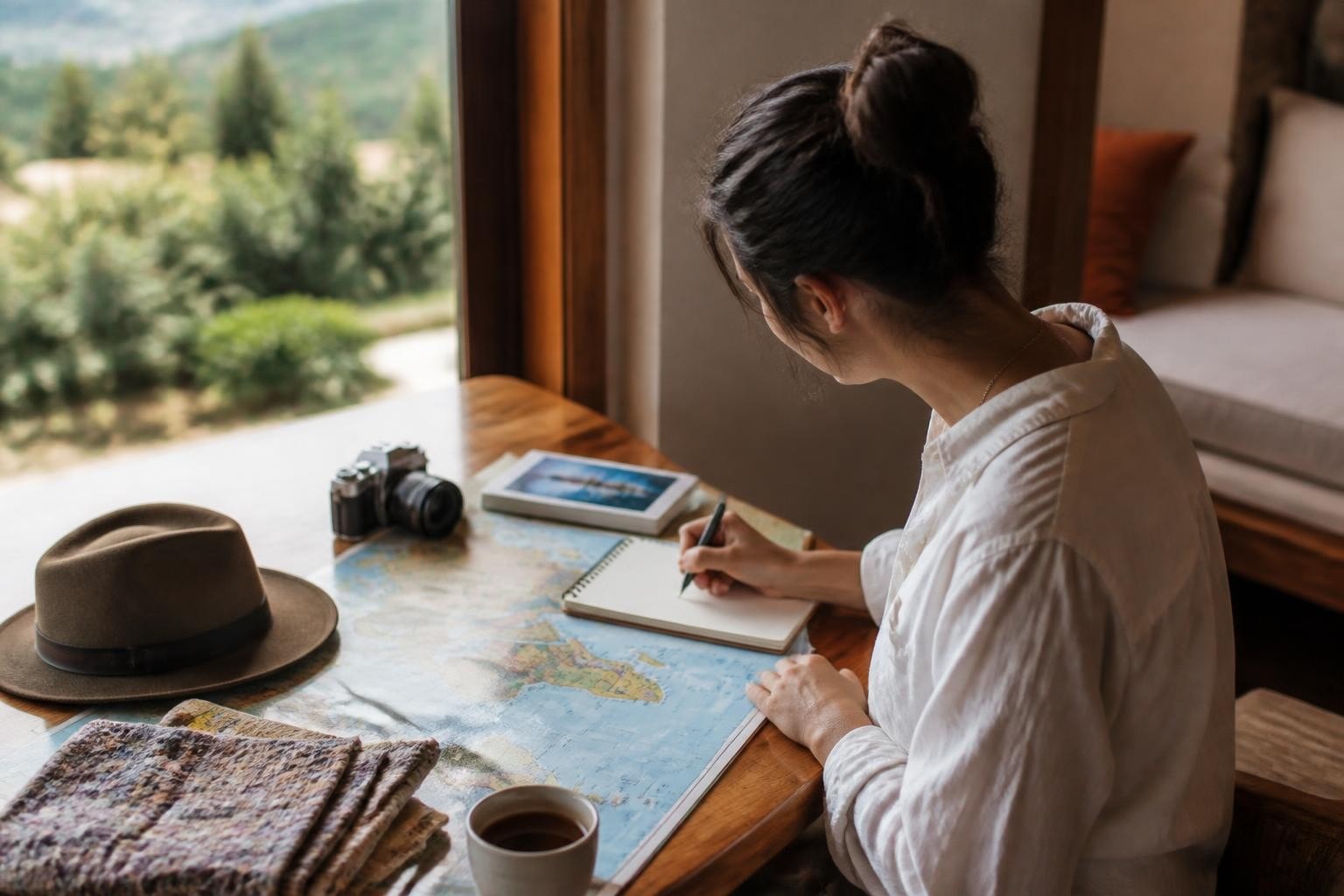
Every journey begins with a single step, but the most memorable adventures start with preparation. Whether you're planning a weekend city break or an extended cultural expedition, creating your travel guide transforms uncertainty into confidence and wandering into wonder. It's the difference between simply visiting a place and truly experiencing it. Your travel guide becomes more than a collection of addresses and opening hours; it's a roadmap to authentic connection, unexpected discoveries, and stories you'll treasure for decades.
Understanding What Makes Your Travel Guide Essential
The phrase "travel guide" might conjure images of hefty paperbacks and tourist-trap recommendations, but your travel guide is something far more personal. It's a living document that evolves with your interests, adapts to your pace, and reflects your curiosity about the world.
Think of your travel guide as a conversation with your future travelling self. What will you need to know when you step off that plane, train, or coach? What cultural nuances will help you navigate local customs with grace? Which hidden corners deserve your limited time?
The fundamental components of an effective travel guide include:
- Destination research and cultural context
- Practical logistics (transport, accommodation, documentation)
- Health and safety preparations
- Budget planning and financial tools
- Flexible itineraries that balance structure with spontaneity
- Local insights and authentic experiences
Creating your travel guide isn't about rigid schedules or ticking boxes. It's about giving yourself the freedom to embrace serendipity whilst knowing you've covered the essentials.
Building the Foundation: Research and Planning
The magic of crafting your travel guide starts months before departure. Sarah, a teacher from Manchester, discovered this truth when planning her Central Asian adventure. "I thought I could wing it," she recalls. "But spending just three evenings researching Samarkand completely transformed my trip. I found neighbourhoods I'd never have stumbled across and learned enough Uzbek phrases to make genuine connections."
Destination Deep Dive
Your travel guide should begin with understanding the soul of your destination. This goes beyond skimming Wikipedia entries or scrolling Instagram hashtags. Dive into history books, read local literature in translation, watch documentaries that explore contemporary life rather than just ancient monuments.
For destinations with complex entry requirements, consult authoritative resources like the IATA Travel Centre to verify passport, visa, and health documentation well in advance. Requirements change frequently, and your travel guide should include a checklist of these practicalities alongside the inspiring content.
| Research Component | Time Investment | Impact on Experience |
|---|---|---|
| Cultural norms and etiquette | 2-3 hours | Prevents awkward moments, earns respect |
| Historical context | 3-5 hours | Enriches site visits dramatically |
| Current events and local issues | 1-2 hours | Ensures sensitive, informed travel |
| Language basics (20-30 phrases) | 4-6 hours | Opens doors to authentic interactions |

Health and Safety Preparation
Your travel guide must address health considerations specific to your destination. The CDC Travelers’ Health destination pages provide current vaccine recommendations and health notices that should inform your pre-trip medical appointments.
Beyond vaccinations, consider travel insurance as an essential component of your travel guide planning. According to comprehensive guidance on travel insurance, asking the right questions before purchasing coverage can prevent devastating financial consequences. Your travel guide should include copies of insurance documents, emergency contact numbers, and locations of quality medical facilities at your destination.
Crafting Your Personal Itinerary
James and his partner spent weeks building their travel guide for Uzbekistan, only to discover their rigid hour-by-hour schedule created more stress than spontaneity. "We learned to build breathing room into our plans," James explains. "Now our travel guide has 'must-dos' and 'if-we-have-time' sections. It's transformed how we experience places."
The 60-40 Rule
Structure 60% of your travel guide around confirmed plans and reserve 40% for flexibility. This approach ensures you don't miss crucial experiences whilst leaving space for recommendations from locals, weather changes, or that fascinating side street that demands exploration.
Your travel guide might include:
- Morning anchors: One confirmed activity or destination per morning
- Flexible afternoons: Two or three options depending on energy and interest
- Evening possibilities: A range of dining or cultural experiences at different price points
- Rest days: Intentionally unstructured time, especially on longer trips
The World Economic Forum’s analysis of transformative travel emphasises that sustainable tourism thrives when visitors engage deeply rather than rushing through ticklists. Your travel guide should prioritise quality over quantity.
Mapping Local Knowledge
The most valuable sections of your travel guide often come from local voices. Seek out neighbourhood blogs, local Reddit communities, and independent tour guides who share insights beyond mainstream attractions.
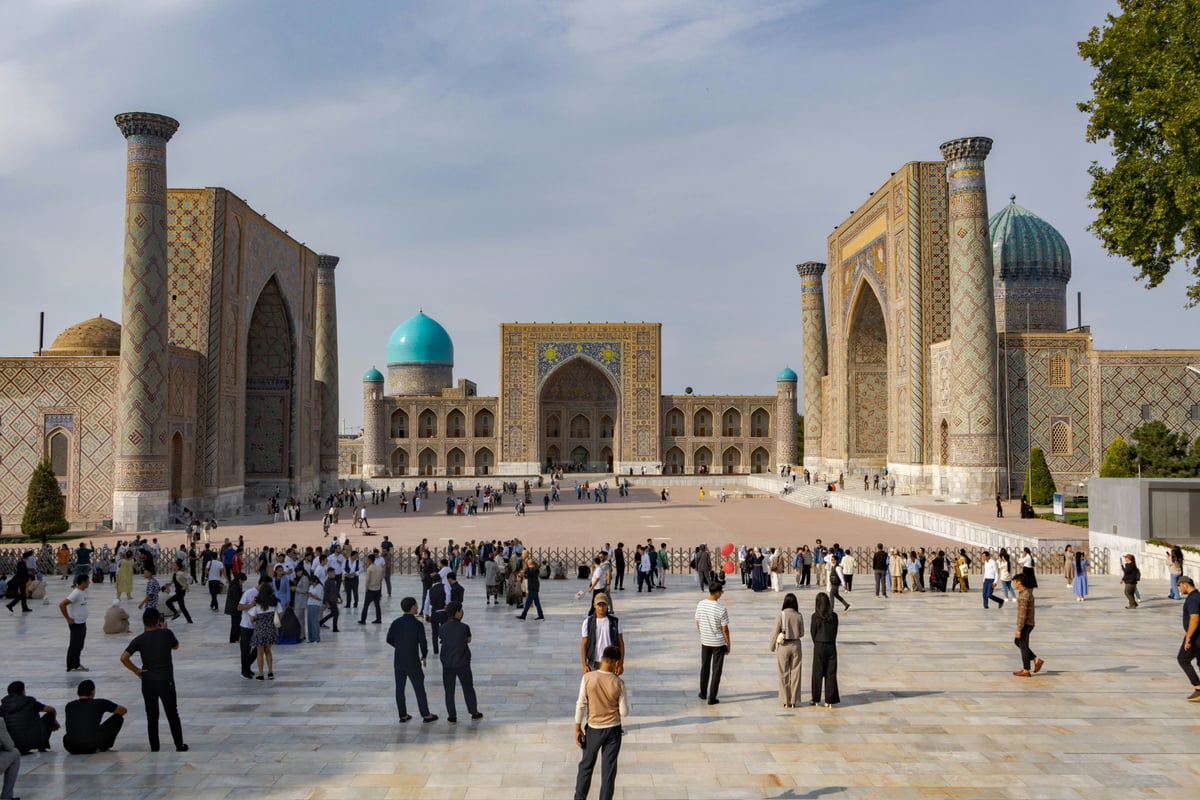
When exploring historic cities like Samarkand, guided walking tours offer invaluable context that transforms monuments from pretty backdrops into meaningful stories. Taking a free walking tour in Samarkand provides that crucial local perspective, where guides share legends, architectural details, and cultural significance that no app or guidebook can fully capture. These experiences often reveal the hidden gems that become the highlights of your journey.
Practical Logistics: The Unsexy Essentials
Your travel guide needs a solid foundation of practical information. This isn't the exciting part of planning, but it's what separates smooth adventures from stressful scrambles.
Documentation and Money
Create a section in your travel guide dedicated to:
- Passport photocopies (physical and digital)
- Visa confirmations and entry requirements
- Travel insurance policy numbers and emergency contacts
- Banking notifications (prevent card freezes)
- Currency exchange strategies and ATM locations
Financial planning for your travel guide:
| Category | Daily Budget (Mid-Range) | Notes |
|---|---|---|
| Accommodation | £40-80 | Varies dramatically by region |
| Meals | £15-30 | Mix of local eateries and markets |
| Transport | £5-15 | Local buses, metro, occasional taxis |
| Attractions | £10-25 | Many free options exist everywhere |
| Contingency | £10-20 | Buffer for opportunities and emergencies |
Packing Strategy
Your travel guide should include a tested packing list that evolves with experience. Comprehensive packing guides tested for 2026 conditions can help you choose luggage and gear that suit your travel style.
The capsule wardrobe approach works brilliantly:
- 5-7 tops that coordinate with everything
- 2-3 bottoms (trousers, skirts, shorts as appropriate)
- 1 versatile jacket
- 2 pairs of comfortable walking shoes
- Minimal accessories with maximum impact
Digital Tools and Your Travel Guide
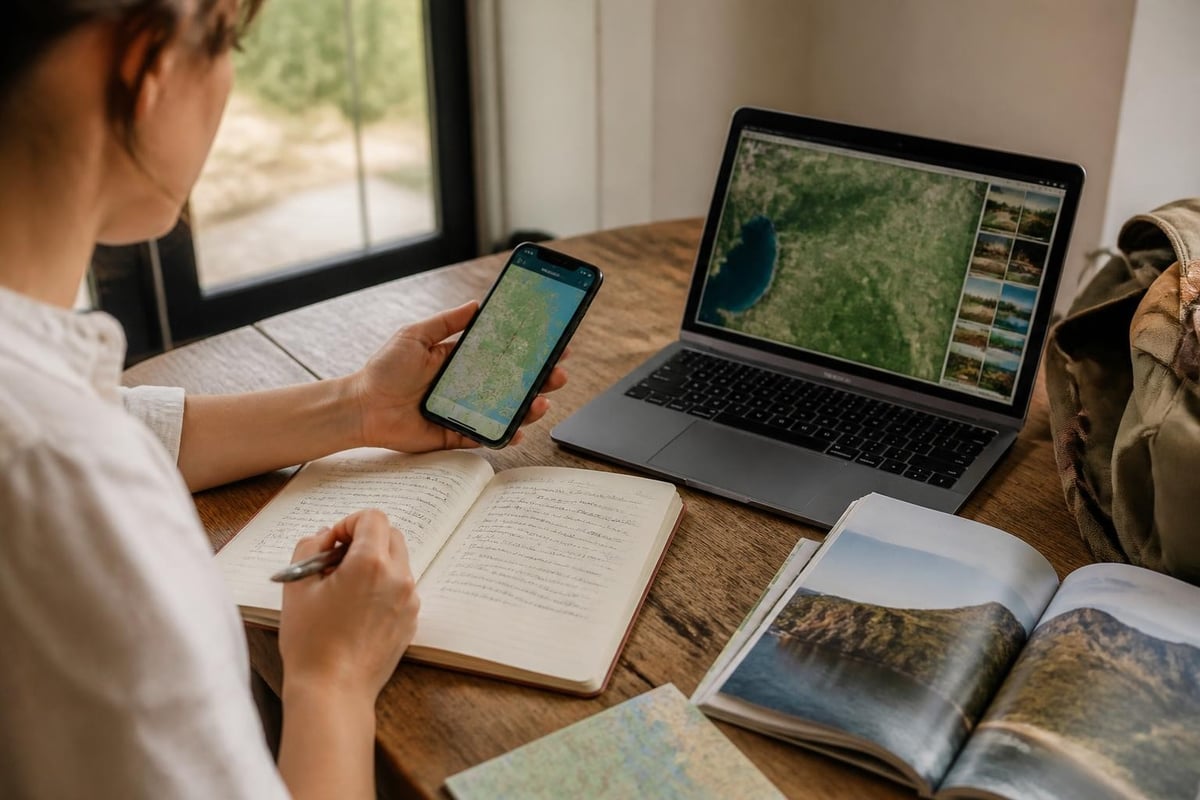
Modern travellers blend analogue and digital resources. Your travel guide might live partly in a Moleskine notebook and partly across apps, each serving different purposes.
Essential Apps for Your Travel Guide
Offline mapping remains crucial. Download maps before arrival, mark your accommodation, and note locations of interest. When internet connectivity fails, your travel guide's offline resources become lifesavers.
Translation tools have evolved beyond word-for-word translation. Modern apps can photograph menus, signs, and documents, providing instant context that makes your travel guide more flexible.
Finance tracking apps help monitor spending against your travel guide budget, preventing the end-of-trip shock when credit card statements arrive.
Cultural Intelligence: The Heart of Your Travel Guide
Marcus returned from his travels with a realisation: "My original travel guide focused entirely on what to see. I wish I'd spent more time on how to see it, how to engage respectfully, how to be a guest rather than a tourist."
Building Cultural Context
Your travel guide should dedicate substantial space to cultural preparation:
- Dress codes for religious sites and conservative areas
- Photography etiquette and when to ask permission
- Dining customs including tipping practices and table manners
- Appropriate greetings and basic social interactions
- Religious observances that might affect opening hours or behaviour
According to UN sustainable development reporting on tourism, culturally informed travel contributes more positively to local economies and community wellbeing. Your travel guide becomes an instrument of responsible tourism when it emphasises cultural respect alongside personal enjoyment.
Language Learning as Part of Your Travel Guide
You needn't achieve fluency, but learning 20-30 essential phrases transforms interactions. Your travel guide should include:
- Greetings and pleasantries
- Essential questions (Where is…? How much…? Can you help…?)
- Food and dietary terms
- Numbers and basic negotiation
- Thank you, please, excuse me (the most important phrases in any language)
Write these phonetically in your travel guide. Practice pronunciation before departure. The effort signals respect and often unlocks warmth that English alone cannot access.
Sustainable and Responsible Travel Planning
Your travel guide in 2026 must address sustainability. This isn't about virtue signalling; it's about ensuring the places you love remain vibrant for future travellers.
Making Sustainable Choices
Transport represents the largest environmental impact for most trips. Your travel guide might explore:
- Direct flights versus connections (fewer take-offs reduce emissions)
- Train alternatives for shorter distances
- Local transport over taxis when practical
- Walking and cycling options
Accommodation choices matter too. Research locally owned guesthouses, eco-certified hotels, or homestays that distribute tourism revenue more equitably. Include these options in your travel guide alongside mainstream hotels.
Supporting local economies should thread through your travel guide. Seek out:
- Locally owned restaurants over international chains
- Artisan workshops and markets
- Social enterprises and community projects
- Guides and tour operators from the destination
Health and Wellness on the Road
Your travel guide needs strategies for maintaining wellbeing during travel. Rachel, who spent three months travelling through Asia, emphasises this: "I didn't include health routines in my original travel guide. By week four, I was exhausted and unwell. Now I plan for wellness as carefully as I plan sightseeing."
Building Resilience into Your Travel Guide
Jet lag management starts before departure. Your travel guide should include strategies like:
- Adjusting sleep schedules three days before long-haul flights
- Hydration protocols during and after flying
- Light exposure timing to reset circadian rhythms
- Permission to rest rather than immediately sightseeing
Dietary considerations deserve space in your travel guide. Note:
- Common ingredients that might trigger allergies or intolerances
- Phrases to communicate dietary restrictions
- Safe food handling practices for your destination
- Backup snacks for long travel days or limited options
Mental health often gets overlooked in travel planning. Your travel guide might include:
- Strategies for managing solo travel loneliness
- Ways to decompress when overstimulated
- Maintaining connections with home
- Recognising when to slow down
For current health guidance specific to your destination, the World Health Organization travel advice provides authoritative recommendations on disease outbreaks and preventive measures that should inform your travel guide.
Budgeting and Financial Management
Creating a realistic budget forms the backbone of your travel guide. Underestimating costs causes stress; padding budgets excessively might mean working longer before travelling.
Building Your Travel Guide Budget
Start with the non-negotiables:
- Transport to and from destination (book early for best rates)
- Accommodation (balance location, comfort, and cost)
- Travel insurance (never skip this)
- Visa fees and entry requirements
- Essential vaccinations and health preparations
Then add flexible categories with realistic daily estimates. Your travel guide should track both pre-trip expenses and daily spending projections.
Hidden costs to include in your travel guide:
- Airport transfers and baggage fees
- Tourist taxes and environmental fees
- Laundry and toiletries
- SIM cards or international data
- Tips and service charges
- Souvenirs and meaningful purchases
Expert rankings of travel insurance providers can help you compare policies and understand what coverage your travel guide should prioritise based on your destination and activities.
Making Your Travel Guide Work for You
The most beautiful, comprehensive travel guide fails if it's impractical to use. Design yours for real-world functionality.
Format and Accessibility
Digital travel guides offer searchability and easy updates but depend on battery life and device function. Paper travel guides never crash but add weight and can't be updated on the fly.
Many travellers create hybrid versions:
- Detailed digital research and bookings
- Condensed paper quick-reference for daily use
- Phone screenshots of essential information
- Cloud backup of all documents
Your travel guide might include:
- Daily quick-sheets: One page per day with essentials
- Neighbourhood summaries: Transport, highlights, and dining for each area
- Emergency protocols: What to do if things go wrong
- Review space: Notes for future trips or recommendations to friends
Learning from Experience
Your travel guide should evolve. After each journey, spend an hour reviewing what worked and what didn't. These reflections make your next travel guide exponentially better.
Questions to ask yourself:
- Which planned activities exceeded expectations?
- What would I skip or shorten next time?
- Where did I over-pack or under-prepare?
- Which spontaneous moments became highlights?
- How accurate were my time and budget estimates?
Tom, who's visited 47 countries, maintains a "travel guide master document" that captures these lessons. "Each trip adds to my template," he explains. "Now when I plan trips, I'm building on years of learning. My travel guide gets smarter every time."
The Living Document Approach
Your travel guide shouldn't stop evolving when you board the plane. Build in mechanisms for real-time updates:
- Daily evening reviews noting discoveries and adjustments
- Recommendations from locals or fellow travellers
- Unexpected closures or changed opening hours
- New favourites that deserve more time
Share these insights with travel communities, contributing to collective knowledge that helps others craft their travel guides. The generosity you show gets repaid when you research your next destination and find nuggets of wisdom from travellers who came before.
Crafting your travel guide is an act of love for both the journey and the destination. It transforms passive tourism into active exploration, uncertainty into adventure, and strangers into the communities you'll come to cherish. When you're ready to explore one of the Silk Road's most magnificent cities, Visit Samarkand offers free walking tours that bring centuries of history to life through local expertise and genuine passion for sharing Samarkand's stories. Let your travel guide be the beginning of unforgettable adventures.