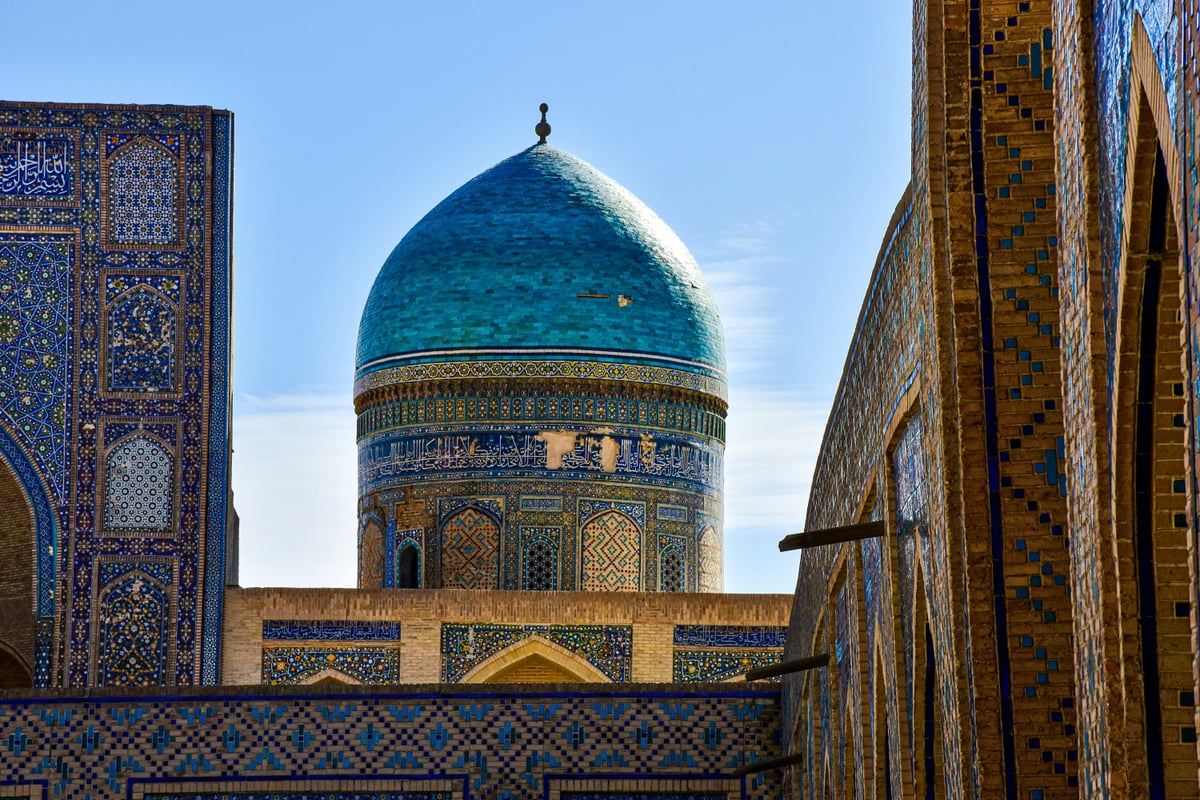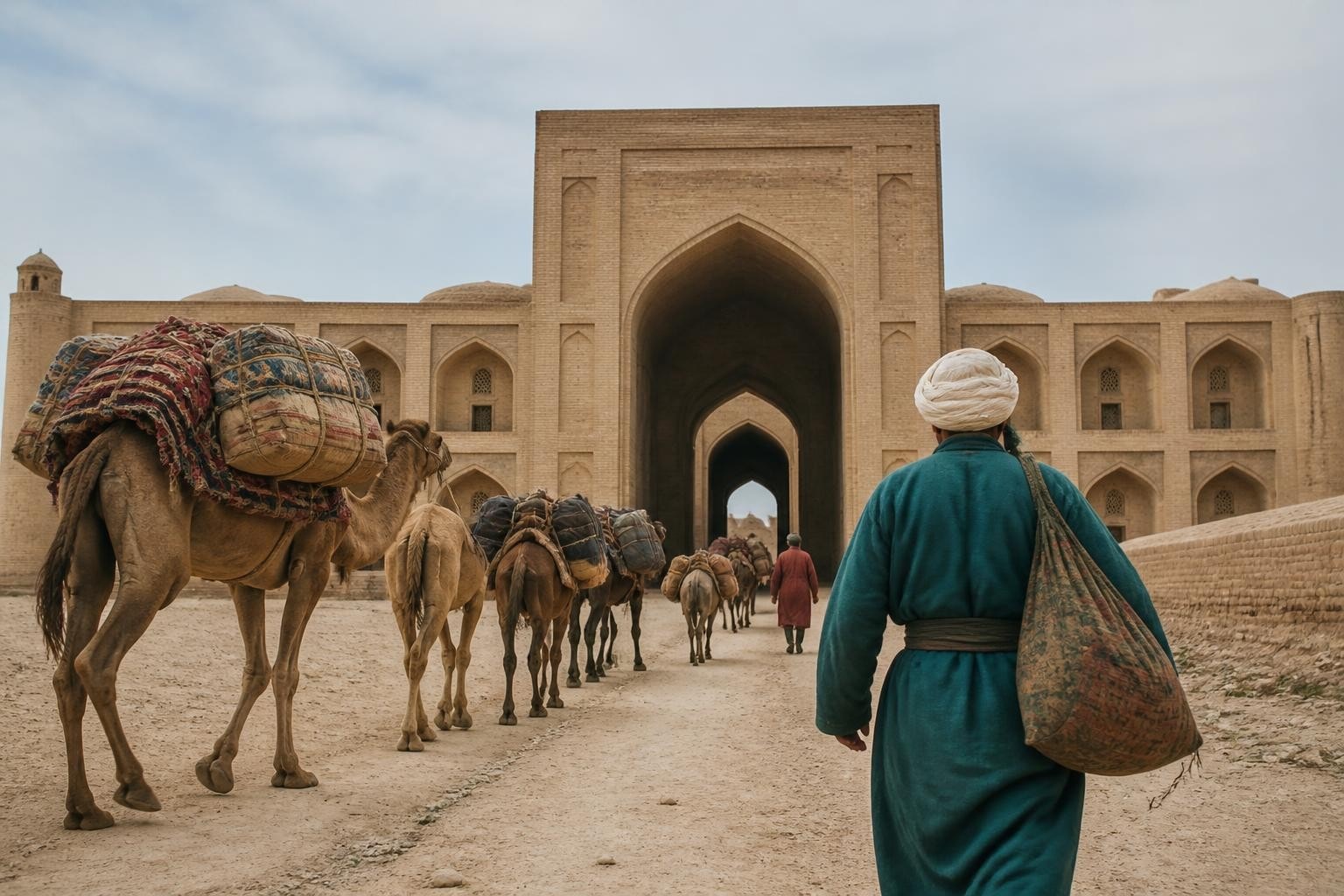
The scent of cumin and coriander hangs in the air as you step through an arched gateway, its tilework shimmering turquoise and gold under the Central Asian sun. You're not just entering a city. You're stepping into a story that's been unfolding for two millennia. This is what silk road tours offer: a chance to walk in the footsteps of merchants, pilgrims, and adventurers who once carried silk, spices, and ideas across continents. These journeys aren't merely holidays. They're passages through time itself, where every cobblestone whispers tales of empires risen and fallen, where every market square echoes with negotiations in a dozen languages, and where the present and past dance together in perfect harmony.
The Romance and Reality of Following Ancient Trade Routes
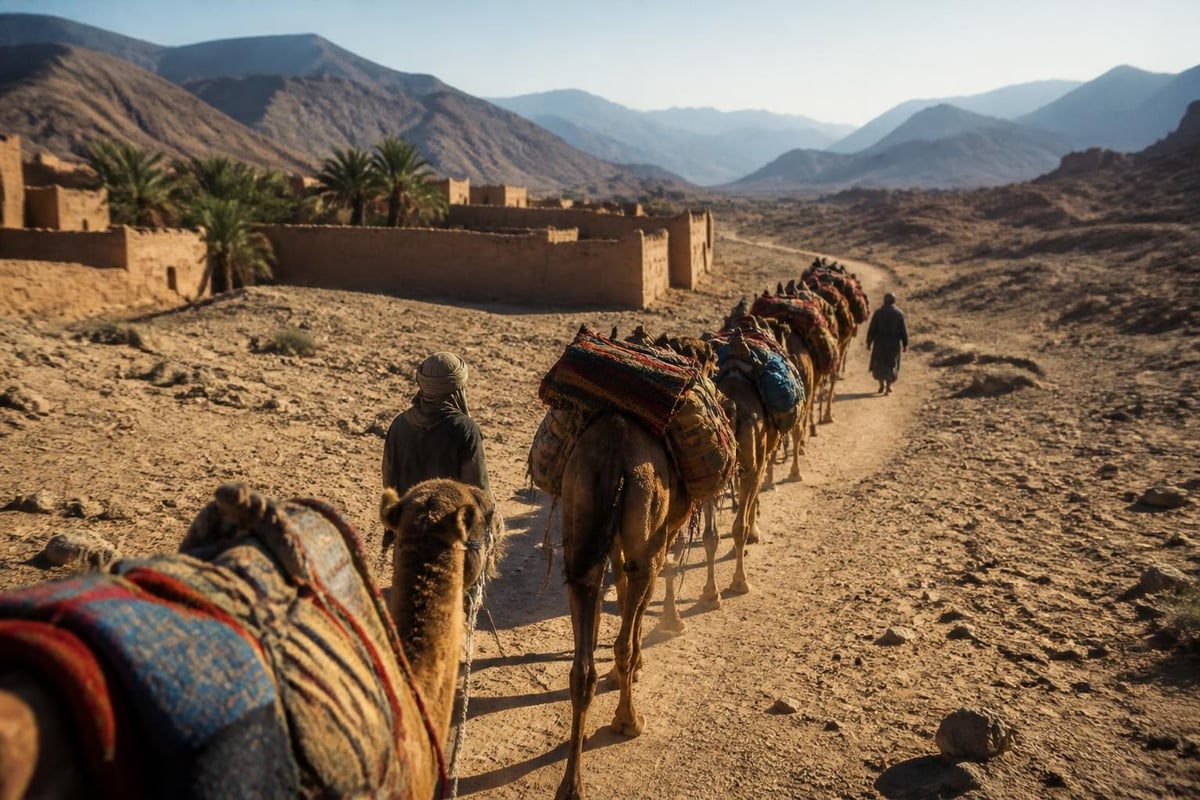
Picture this: you're standing at a crossroads where caravans once paused for rest, their camels laden with precious cargo. The romance of silk road tours lies in these moments of connection with history, but the reality is even richer than the fantasy.
Modern silk road tours have transformed what was once an arduous months-long journey into accessible adventures that capture the essence without the hardship. Travellers today can explore the same cities that Marco Polo documented, walk through bazaars that have operated continuously for centuries, and sleep in buildings that once sheltered merchant princes.
What makes these journeys special:
- Authentic cultural encounters with communities whose traditions stretch back generations
- Architecture that tells stories of Islamic, Buddhist, and Christian influences merging
- Cuisine born from centuries of culinary exchange
- Markets where traditional crafts are still practised as they were centuries ago
The British Museum’s Silk Roads exhibition demonstrates how objects travelled these routes, carrying not just commercial value but cultural significance. When you embark on silk road tours, you're essentially following the same paths these artefacts took, witnessing the living legacy of that exchange.
Why 2026 Is the Perfect Year for Silk Road Exploration
Tourism infrastructure along these historic routes has matured beautifully. Countries like Uzbekistan have invested heavily in making their treasures accessible whilst preserving their authenticity. National Geographic’s recent coverage of Uzbekistan’s Silk Road cities highlights this balance between modernisation and preservation.
Recent archaeological discoveries have added fresh dimensions to these journeys. LiDAR technology has revealed lost medieval cities along the Silk Road, sites that travellers can now visit knowing they're among the first to see these places in centuries.
Planning Your Silk Road Adventure
Not all silk road tours are created equal. The journey you choose depends on what calls to you: the architectural grandeur, the spiritual heritage, the culinary traditions, or perhaps the simple thrill of following in the footsteps of history's greatest explorers.
Different Routes for Different Travellers
| Route Type | Best For | Duration | Key Stops |
|---|---|---|---|
| Classic Central Asian | First-time visitors | 10-14 days | Samarkand, Bukhara, Khiva |
| Extended Silk Road | History enthusiasts | 21-30 days | Istanbul to Xi'an |
| Cultural Deep Dive | Art and architecture lovers | 7-10 days | Single country focus |
| Adventure Silk Road | Active travellers | 14-21 days | Mountain passes, remote villages |
The classic route through Uzbekistan remains the most popular for good reason. Cities like Samarkand offer concentrated experiences where you can witness the Silk Road's legacy in a compact timeframe. Walking through Registan Square or exploring the Shah-i-Zinda necropolis isn't just sightseeing. It's time travel.
Seasons and Timing Considerations
Spring (April to May) and autumn (September to October) offer ideal conditions. The weather is pleasant, the light is perfect for photography, and the tourist crowds are manageable. Summer brings intense heat, particularly in desert regions, whilst winter can be harsh but offers a different kind of beauty and dramatically fewer visitors.
Here's what each season offers:
- Spring: Blooming orchards, moderate temperatures, and renewed energy after winter
- Summer: Long daylight hours, vibrant markets, but scorching afternoon heat
- Autumn: Golden light, harvest festivals, and comfortable walking weather
- Winter: Snow-dusted domes, intimate experiences, and lower prices
The Samarkand Experience: Heart of the Silk Road
If the Silk Road were a book, Samarkand would be its most captivating chapter. This city has been a crossroads of civilisation for over 2,500 years, and it wears its history proudly.
The turquoise domes catch your eye first. Then the intricate tilework draws you closer. Before you know it, you're standing beneath soaring portals, craning your neck to take in the geometric patterns that seem to shift and dance in the changing light. This is architecture as storytelling, and Samarkand tells its tales with breathtaking eloquence.
Walking Through Living History
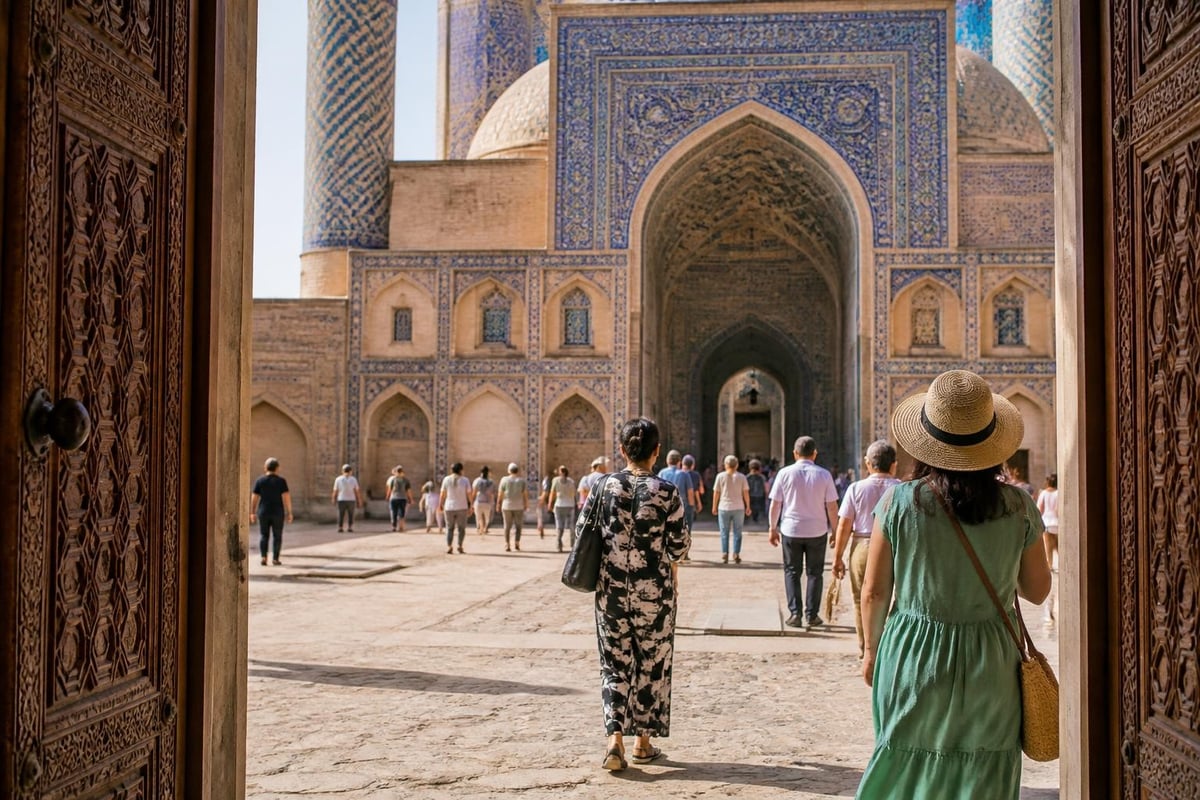
For those seeking to truly understand Samarkand's role in the Silk Road narrative, guided exploration makes all the difference. A knowledgeable guide transforms blue tiles into stories, turning architectural features into historical documents you can read with your eyes.
Free walking tours have democratised this experience, making it possible for any traveller to gain deep insights without the barrier of cost. The Free Sight seeing of Samarkand allows visitors to explore hidden courtyards, understand the symbolism in Islamic architecture, and hear local legends that bring the ancient stones to life. These tours connect you with the city's heartbeat, revealing layers that even the most detailed guidebook might miss.
Beyond the Obvious Monuments
While Registan Square rightfully dominates postcards, silk road tours that venture deeper reveal Samarkand's true character:
- Siab Bazaar: Where locals shop for everything from pomegranates to plov, maintaining traditions centuries old
- Paper-making workshops: Continuing techniques brought from China along the Silk Road
- Artisan quarters: Where craftspeople still create suzani embroidery and ceramics using ancestral methods
- Neighbourhood tea houses: Where the art of hospitality remains unchanged
The Shah-i-Zinda necropolis deserves special mention. This avenue of mausoleums climbs a hillside, each structure more stunning than the last. The tilework here reaches such perfection that you'll find yourself returning to the same panels repeatedly, discovering new details with each viewing.
Cultural Encounters Along the Way
The true treasure of silk road tours isn't found in museums or monuments alone. It lives in the people you meet: the baker pulling fresh non from a tandoor oven at dawn, the carpet weaver whose patterns carry symbolic meanings passed down through generations, the tea seller who insists you stay for another cup whilst he shares stories his grandfather told him.
The Art of Silk Road Hospitality
Central Asian hospitality isn't a tourist attraction. It's a cultural imperative woven into the social fabric. When you're invited to share a meal, you're participating in a tradition that sustained merchants and travellers for millennia.
What to expect:
- Tea served in small bowls, never filled to the brim (a sign the host wants you to stay)
- Bread placed face-up on the table (turning it over is considered disrespectful)
- Multiple courses appearing gradually, testing the limits of your appetite
- Genuine interest in your journey and your home
These encounters transform silk road tours from passive observation into active participation. You're not watching history. You're living a contemporary chapter of an ongoing story.
The Crafts and Commerce Connection
The Silk Road wasn't named arbitrarily. Silk was indeed one of its most precious commodities, but it was merely the most glamorous item in a vast catalogue of traded goods. Understanding this commerce illuminates the cultural exchange that accompanied it.
| Trade Good | Origin | Destination | Cultural Impact |
|---|---|---|---|
| Silk | China | Mediterranean | Influenced fashion, art |
| Spices | India, SE Asia | Europe | Transformed cuisine, medicine |
| Paper | China | Islamic World, Europe | Enabled knowledge spread |
| Glassware | Syria, Egypt | Central Asia, China | Advanced manufacturing techniques |
| Horses | Central Asia | China | Military, transport innovation |
Modern markets along silk road tours still echo this diversity. You'll find Chinese tea alongside Turkish carpets, Russian dolls near Persian miniatures. The exchange continues, adapted for new times but rooted in ancient patterns.
Learning Traditional Crafts
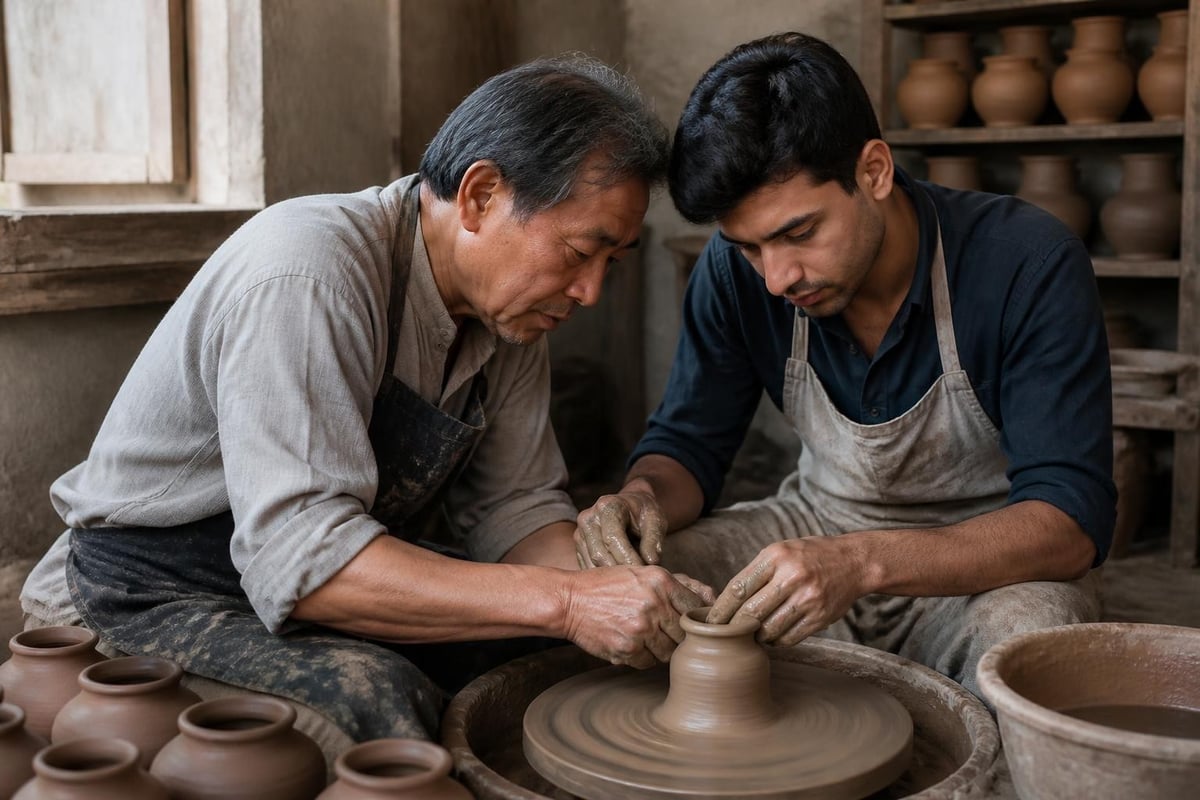
Many silk road tours now include workshops where you can try your hand at traditional crafts. Creating your own miniature suzani embroidery or shaping clay on a potter's wheel connects you physically to skills that travelled these routes.
These aren't tourist gimmicks. They're genuine introductions to living traditions, often taught by masters whose lineages stretch back generations. The patience required to create even simple items gives profound appreciation for the masterworks you'll encounter in museums and workshops.
Practical Wisdom for Modern Silk Road Travellers
Embarking on silk road tours requires some preparation, but not as much as you might imagine. The routes are well-established, infrastructure is improving annually, and fellow travellers form an instant community sharing advice and experiences.
What to Pack Beyond the Obvious
- Modest clothing: Respect for local customs opens doors that casual disregard closes
- Comfortable walking shoes: Cobblestones and uneven surfaces are authentic but challenging
- Sun protection: The Central Asian sun is fierce and relentless
- Cash in local currency: Cards work in cities, but smaller vendors prefer cash
- Open mind: Your most valuable travel asset
Navigating Language and Communication
English is increasingly common in tourist areas, but learning a few phrases in Russian or Uzbek demonstrates respect and effort. "Rahmat" (thank you) and "Assalomu alaykum" (peace be upon you) go remarkably far in creating connections.
Translation apps have improved dramatically, making menu navigation and basic conversations much easier than even a few years ago. However, gestures, smiles, and patience remain the universal languages that transcend any technological solution.
The Photography Pilgrimage
Silk road tours attract photographers from around the world, and for compelling reasons. The light here has a quality that seems to exist nowhere else, particularly during the golden hours of early morning and late afternoon when it turns ancient facades into glowing canvases.
Prime photography moments:
- Dawn at Registan Square, before tour groups arrive
- Sunset from Samarkand's old city walls
- Market scenes during mid-morning bustle
- Artisans at work in their workshops
- Architectural details in changing light
Respect is paramount when photographing people. Always ask permission, preferably through gesture if language is a barrier. Many will agree enthusiastically, some will politely decline, and understanding that boundary is part of being a responsible traveller.
Food as Cultural Document
Every meal on silk road tours is a history lesson served on a plate. The cuisine reflects centuries of exchange, with Chinese influences meeting Persian techniques, Russian ingredients blending with Indian spices, all filtered through Central Asian traditions.
Must-Try Dishes That Tell Stories
Plov (or palov) is more than Uzbekistan's national dish. It's a symbol of hospitality and celebration, with regional variations that spark fierce local pride. The way rice, meat, carrots, and onions transform in a massive kazan (cast-iron cauldron) into something transcendent demonstrates alchemy in edible form.
Samsa, those triangular pastries filled with meat or pumpkin, trace their lineage to samosas carried from India. Lagman noodles show Chinese influence adapted to Central Asian palates. Every dish has a journey, making each meal an opportunity to taste the Silk Road's complexity.
Dining etiquette basics:
- Bread is sacred; handle it respectfully
- Try a bit of everything offered
- Compliment the cook generously
- Pace yourself (there's always more coming)
The Spiritual Dimension
The Silk Road wasn't merely a commercial highway. It was a conduit for religions, philosophies, and spiritual practices. Buddhism travelled from India to China along these routes. Islam spread eastward. Christianity's Nestorian branch reached deep into Asia. This spiritual traffic left monuments, art, and practices that enrich silk road tours with contemplative dimensions.
Visiting active mosques, particularly during prayer times (with appropriate permission and behaviour), offers glimpses into living faith traditions. The acoustics of these spaces, designed to carry the call to prayer and Quranic recitation, create profound auditory experiences that complement the visual splendour.
Solo Travel Versus Group Journeys
Both approaches to silk road tours offer distinct advantages. Solo travellers enjoy flexibility and spontaneity, making decisions based purely on personal interest. You can spend three hours photographing tilework if it moves you, or skip an entire site if it doesn't.
Group tours provide instant community, shared experiences, and often better access. A good guide can secure permissions and insights that independent travellers might miss. The camaraderie of shared discovery creates bonds that often outlast the journey itself.
Consider your priorities:
| Solo Travel | Group Tours |
|---|---|
| Complete flexibility | Structured learning |
| Personal pace | Shared expertise |
| Serendipitous encounters | Logistical ease |
| Independence | Built-in community |
| Variable costs | Predictable budgeting |
Many travellers find hybrid approaches work best: join organized silk road tours for complex logistics or specialized sites, then explore independently in cities with good infrastructure.
Sustainable and Responsible Silk Road Tourism
As silk road tours grow in popularity, responsible travel becomes increasingly important. These cities and sites have survived millennia, but they're not indestructible. Modern tourism brings economic benefits but also challenges.
Supporting local businesses directly, rather than international chains, keeps money in communities. Buying crafts from artisans ensures skills survive another generation. Respecting cultural norms around dress, photography, and behaviour preserves the welcoming atmosphere that makes these journeys special.
Principles for responsible silk road tours:
- Choose operators who employ local guides
- Stay in locally-owned accommodations when possible
- Buy directly from craftspeople
- Respect photography restrictions at religious sites
- Learn about and honour local customs
- Leave sites exactly as you found them
The Modern Silk Road Renaissance
What makes silk road tours particularly exciting in 2026 is witnessing these ancient cities in the midst of renaissance. Uzbekistan, particularly, has emerged from decades of isolation with a determination to share its treasures whilst preserving their authenticity.
Restoration projects balance historical accuracy with structural necessity. Tourism infrastructure improves whilst maintaining character. Young people are rediscovering traditional crafts, not as museum pieces but as living practices relevant to contemporary life.
This isn't heritage frozen in amber. It's culture evolving whilst honouring its roots, exactly as the Silk Road has always functioned. Travellers today witness this dynamic moment, making the journey timely as well as timeless.
Making Memories That Last
The images you'll carry home from silk road tours aren't just in your camera. They're embedded in your senses: the call to prayer echoing across dawn-lit domes, the crunch of fresh non bread, the cool touch of centuries-old tilework, the warmth of unexpected hospitality.
These journeys change travellers in subtle but profound ways. You return with expanded perspective, understanding that your culture is one thread in humanity's vast tapestry, beautiful but not singular. You've witnessed how ideas, art, and traditions flow across borders, enriching everyone they touch.
The stories you'll tell aren't about ticking boxes on a bucket list. They're about moments of connection: with history, with strangers who became friends, with parts of yourself you only discover when you step outside your familiar world. That's the true gift of silk road tours, one that continues giving long after you've returned home.
The Silk Road's ancient magic remains potent for modern travellers willing to slow down, pay attention, and engage deeply with the places and people they encounter. Whether you're drawn to architectural splendour, cultural immersion, or simply the romance of following legendary routes, these journeys offer rewards beyond measure. Ready to write your own chapter in this continuing story? Visit Samarkand offers both free and paid walking tours that unlock the city's secrets through expert guidance, making the treasures of this Silk Road jewel accessible to every traveller regardless of budget.