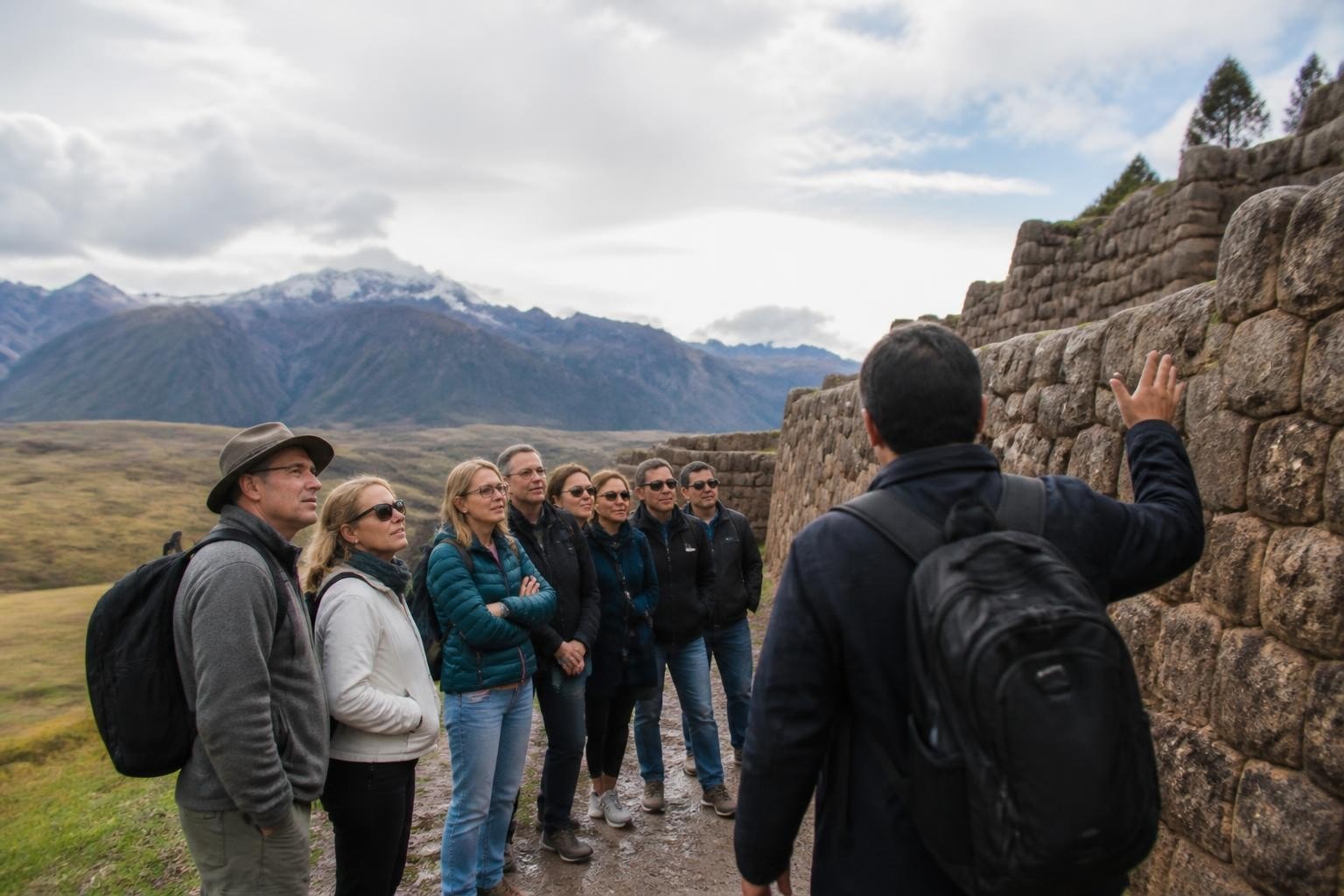
There's something magical about stepping onto unfamiliar streets with a knowledgeable guide who transforms mere buildings into stories, and cobblestones into chapters of human history. I remember my first guided tour in a foreign city, how the guide's voice brought medieval walls to life, and suddenly I wasn't just looking at architecture but witnessing centuries of human triumph and tragedy. This is the power of tours around the world: they don't just show you places; they invite you into the soul of a destination.
The Universal Language of Guided Exploration
Tours around the world share a common thread that transcends language barriers and cultural divides. Whether you're wandering through the ancient corridors of Angkor Wat or navigating the bustling souks of Marrakech, the fundamental promise remains the same: access to knowledge, context, and connection that solo wandering simply cannot provide.
The beauty of organised excursions lies in their ability to democratise travel experiences. Not everyone arrives in a new city armed with historical knowledge or the confidence to venture into unfamiliar neighbourhoods. A well-structured tour bridges this gap, transforming anxiety into adventure.
Free Walking Tours: The Revolution in Travel Accessibility
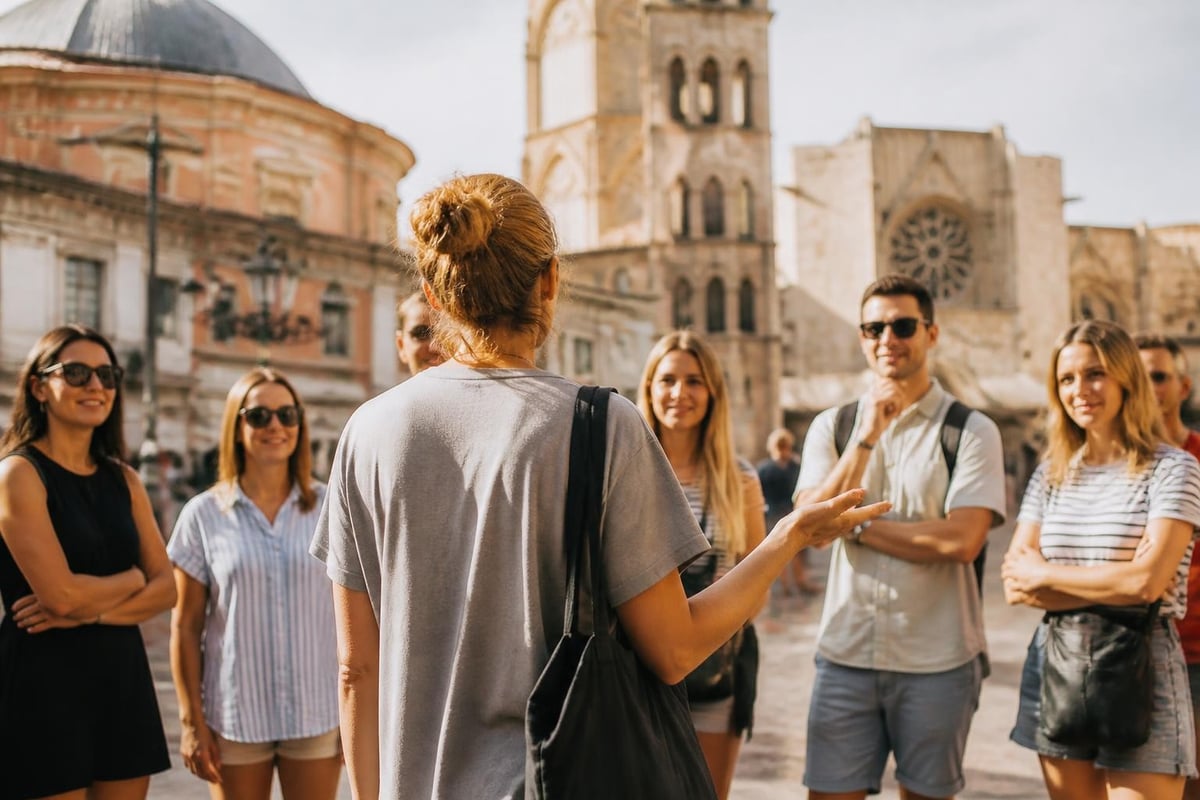
The free walking tour movement has fundamentally reshaped how travellers engage with destinations. Originating in Europe in the early 2000s, this model has spread globally, offering budget-conscious explorers and curious wanderers alike the chance to discover cities through local eyes.
Key benefits of free walking tours include:
- Zero financial barrier to entry for travellers on tight budgets
- Local perspective from guides who often grew up in the destination
- Flexibility to tip based on experience and financial capacity
- Authentic storytelling that commercial tours sometimes miss
- Community building among international travellers
The tip-based model creates a unique dynamic. Guides are motivated to deliver exceptional experiences because their livelihood depends on satisfied guests. This performance-based system often results in more passionate, engaging storytelling than you'd find on traditional paid excursions.
Regional Variations in Tour Experiences
Tours around the world adapt to their geographical and cultural contexts in fascinating ways. What works in Western Europe might feel entirely wrong in Southeast Asia, and savvy operators understand these nuances.
European Heritage Tours
Europe's tour landscape is dominated by historical narratives spanning millennia. From Roman ruins to Renaissance art, from medieval castles to World War memorials, European tours carry the weight of documented history.
Walking tours through cities like Prague, Lisbon, and Budapest typically follow chronological narratives, layering centuries of architectural styles and political upheavals. The compact nature of European city centres makes walking the ideal transport method, and the density of historical sites means guides can pack extraordinary value into two or three hours.
Asian Cultural Immersion
Asian tours often emphasise sensory experiences alongside historical facts. The aroma of street food, the sound of temple bells, the tactile experience of traditional crafts. Guides in Bangkok, Kyoto, or Delhi understand that Western visitors crave immersion in daily life as much as monument visits.
According to WTTC’s research, Asia-Pacific represents the fastest-growing region for international tourism, with travellers increasingly seeking authentic cultural exchanges rather than superficial sightseeing.
| Region | Tour Focus | Average Duration | Popular Format |
|---|---|---|---|
| Western Europe | Historical architecture | 2-3 hours | Walking |
| Southeast Asia | Cultural immersion | 3-4 hours | Walking + tuk-tuk |
| Latin America | Social history | 2.5 hours | Walking |
| Middle East | Heritage sites | 4-6 hours | Private vehicle |
| Africa | Wildlife & nature | Full day+ | Safari vehicle |
Latin American Social Narratives
Tours in cities like Bogotá, Buenos Aires, and Mexico City often tackle complex social histories. Guides don't shy away from discussing colonialism, dictatorship, or contemporary inequality. This honest approach resonates with modern travellers who seek understanding beyond tourist-friendly narratives.
The street art tours that have proliferated across Latin American cities exemplify this trend. What began as informal walks through graffiti-covered neighbourhoods has evolved into sophisticated commentary on politics, identity, and resistance.
The Digital Transformation of Global Tours
Technology has revolutionised how tours around the world operate, market themselves, and deliver experiences. The smartphone in your pocket now serves as guidebook, translator, and booking platform simultaneously.
Booking Platforms and Discovery
Online marketplaces have changed the game:
- GetYourGuide and Viator aggregate thousands of tours globally
- Reviews and ratings create transparency and accountability
- Instant booking removes friction from the planning process
- Dynamic pricing allows operators to adjust for demand
- Multilingual support breaks down communication barriers
Skift Research’s State of Travel report highlights how 67% of travellers now book tours and activities online before departure, a dramatic shift from the traditional practice of arranging excursions upon arrival.
Audio Guides and Self-Directed Tours
The rise of audio tour apps represents both opportunity and competition for traditional guides. Apps like Rick Steves' Audio Europe and proprietary museum guides offer convenience and flexibility, but they lack the human element that makes great tours memorable.
I've tried both approaches. The audio tour of the Uffizi Gallery was informative and professionally produced. But it couldn't answer my questions, couldn't adapt to my interests, and couldn't share the spontaneous observation that comes from a guide who's walked these halls a thousand times.

Sustainability and Responsible Tourism
The conversation around tours around the world increasingly centres on environmental and social impact. Overtourism has damaged fragile ecosystems and historic sites from Machu Picchu to Venice, forcing the industry to reconsider its practices.
The Sustainable Tour Operator Movement
Forward-thinking tour companies are adopting practices outlined in GSTC-recognized sustainability standards, which provide frameworks for minimising negative impacts while maximising benefits to local communities.
Sustainable tour practices include:
- Small group sizes to reduce environmental footprint and improve experience quality
- Local hiring that keeps tourism revenue within communities
- Cultural sensitivity training for guides and guests
- Support for conservation projects through ticket fees or direct contributions
- Carbon offset programs for transportation-heavy tours
Walking tours inherently rank among the most sustainable tourism activities. They generate minimal environmental impact, support local employment, and encourage respectful engagement with communities.
Specialisation and Niche Tours
The modern tour landscape celebrates specificity. Generic "city highlights" tours still exist, but travellers increasingly seek experiences aligned with personal passions.
Food and Culinary Tours
Food tours transform eating from sustenance into cultural education. A guide in Bangkok explaining the history of Pad Thai while you slurp noodles at a family-run stall creates memories that outlast any temple visit.
These tours often support small businesses that tourists might never discover independently. The grandmother making dumplings in her tiny shopfront doesn't appear in guidebooks, but she's preserved recipes for three generations.
Architecture and Design Tours
For the design-conscious traveller, architecture tours offer deep dives into urban development, stylistic movements, and the stories buildings tell. From Bauhaus tours in Tel Aviv to Art Deco explorations in Miami, these specialised excursions attract passionate enthusiasts.
Dark History and Conflict Tours
"Dark tourism" sounds morbid, but thoughtful tours addressing difficult histories serve important educational purposes. Walking through Auschwitz, visiting Hiroshima's Peace Memorial, or exploring Sarajevo's siege tunnels confronts visitors with humanity's capacity for both cruelty and resilience.
When executed with appropriate gravity and educational rigour, these tours around the world honour victims while ensuring contemporary generations understand history's harsh lessons.
| Tour Type | Primary Appeal | Typical Price Range | Best For |
|---|---|---|---|
| Free Walking | Budget, overview | £0-15 (tips) | First-time visitors |
| Food Tours | Culinary culture | £40-100 | Gastronomy enthusiasts |
| Private Tours | Customisation | £150-500+ | Families, special interests |
| Adventure Tours | Active experience | £60-300 | Active travellers |
| Photography Tours | Visual storytelling | £80-200 | Photographers |
The Human Element: What Makes Tours Unforgettable
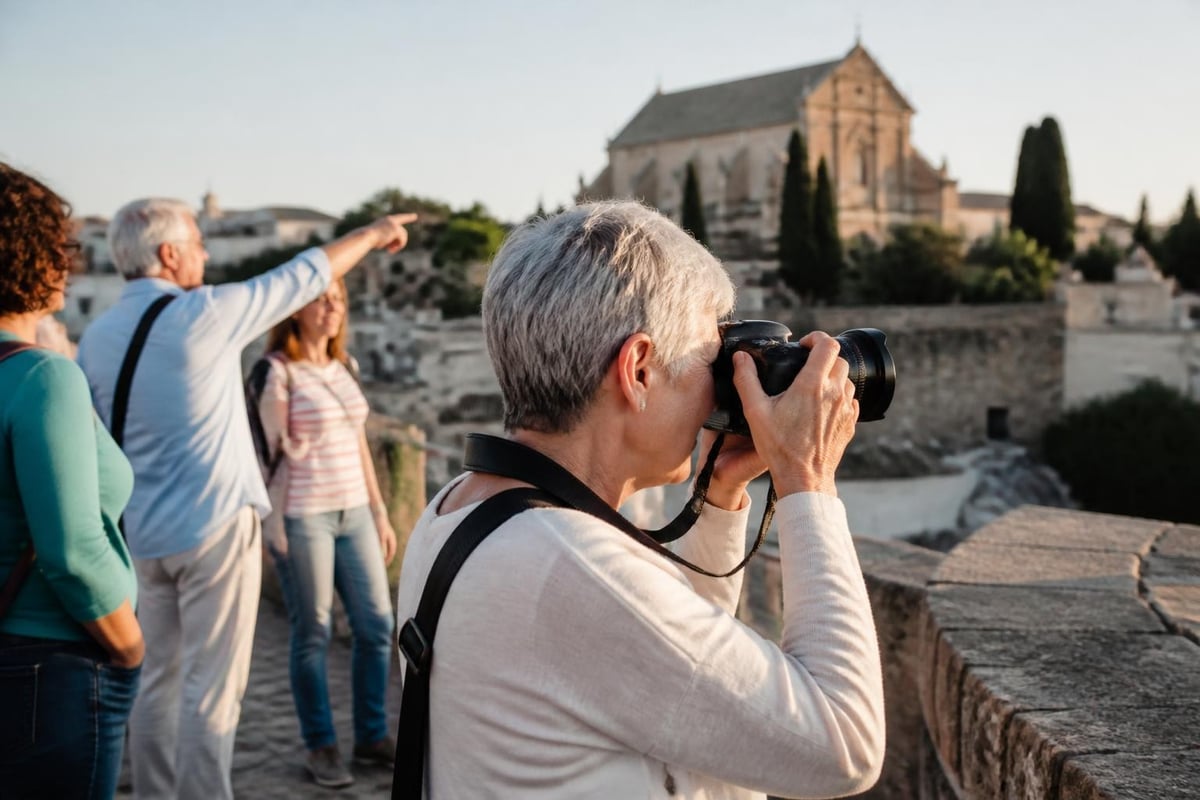
After experiencing tours around the world across dozens of countries, I've concluded that the difference between forgettable and extraordinary rarely relates to the destinations themselves. Rather, it's the guide's ability to create connection and meaning.
The Art of Storytelling
Great guides are fundamentally storytellers. They understand narrative arc, character development, and emotional resonance. When describing historical events, they zoom in on individual human experiences rather than reciting dates and statistics.
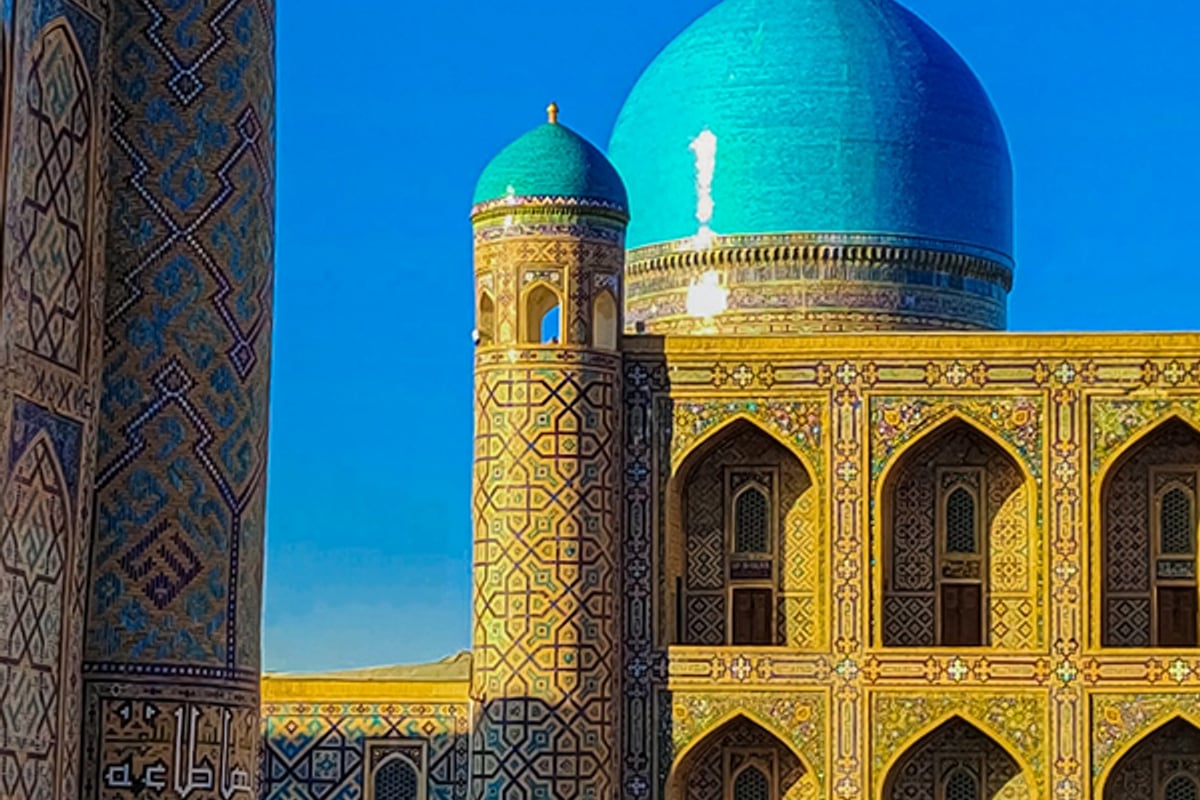
I once took a tour in Samarkand where the guide didn't just explain the architectural significance of the Registan. He told stories of the craftsmen who tiled those magnificent facades, the merchants who traded in those courtyards, the astronomers who studied in those madrasas. The square transformed from a photo opportunity into a living chronicle of human ambition and creativity. For travellers seeking this depth of engagement with Uzbekistan's extraordinary heritage, Visit Samarkand provides free walking tours that unlock similar layers of history and culture through passionate local guides.
Building Bridges Between Cultures
Tours serve as cultural translation devices. Guides explain why locals behave certain ways, what gestures mean, which topics are sensitive. This cultural mediation helps travellers move from observation to understanding.
Effective cultural bridging includes:
- Explaining context for unfamiliar customs and traditions
- Challenging stereotypes through nuanced conversation
- Highlighting commonalities between cultures
- Respecting difference without exoticising or othering
- Encouraging respectful interaction with local communities
Creating Community Among Strangers
One unexpected benefit of group tours is the instant community they create. You're sharing an experience with fellow travellers from diverse backgrounds, bound by curiosity and the mild vulnerability of being away from home.
I've maintained friendships with people I met on tours years ago. We were strangers at the tour's start, but shared laughter at a guide's joke, collective awe at a stunning vista, and mutual exhaustion after four hours of walking created bonds that transcended our different origins.
Economic Impact of the Global Tour Industry
Tours around the world represent significant economic engines for destinations both famous and emerging. Beyond the obvious revenue for tour operators, guided experiences generate cascading economic benefits throughout communities.
Local guides earn livelihoods sharing their knowledge and passion. Restaurants, cafes, and shops along popular routes benefit from increased foot traffic. Transportation providers, accommodation hosts, and artisans selling souvenins all participate in the economic ecosystem surrounding tourism.
The free tour model, in particular, creates employment opportunities for local residents who might otherwise struggle to enter the tourism industry. The relatively low barrier to entry-knowledge, communication skills, and enthusiasm matter more than formal credentials or capital investment-makes guiding accessible to talented individuals from diverse backgrounds.
Adapting Tours for Different Traveller Types
Not all visitors approach tours around the world with identical expectations or needs. Successful operators recognise these differences and adapt accordingly.
Solo Travellers
Solo adventurers often join tours partly for safety, partly for knowledge, but significantly for social connection. They're more likely to engage with fellow tour participants, ask questions, and linger after the official tour ends.
Families with Children
Family-friendly tours require different pacing, interactive elements, and flexibility for young attention spans. The best guides turn historical facts into stories that captivate children, perhaps focusing on knights and princesses rather than architectural periods.
Senior Travellers
Older visitors typically possess more historical knowledge and cultural sophistication but may require slower pacing and more frequent rest stops. They often ask the most insightful questions and appreciate guides who can engage at a deeper intellectual level.
Digital Nomads and Long-term Travellers
This growing demographic approaches tours differently than traditional tourists. They're living temporarily in a location rather than rushing through highlights, so they seek insider knowledge about daily life, local hangouts, and practical tips rather than monument facts.
The Future of Global Tours
Looking ahead, several trends will shape how tours around the world evolve in coming years. Virtual reality elements may supplement physical tours, providing visualisations of how ancient sites once appeared. Augmented reality apps could overlay historical scenes onto contemporary streetscapes.
Emerging trends include:
- Hyperlocal experiences focusing on specific neighbourhoods rather than city-wide overviews
- Regenerative tourism where tours actively contribute to environmental and social restoration
- Multi-sensory experiences incorporating tastes, sounds, and tactile elements
- Hybrid models blending digital pre-tour education with in-person exploration
- Accessibility innovations making tours available to visitors with diverse physical abilities
The core appeal, however, will remain unchanged. People will always crave authentic human connection, contextual understanding, and the transformative power of experiencing unfamiliar places through knowledgeable, passionate guides.
Climate change will inevitably impact tour operations, particularly in vulnerable destinations. Responsible operators will need to balance economic sustainability with environmental stewardship, perhaps limiting visitor numbers or supporting conservation initiatives.
The post-pandemic travel landscape has also reshaped expectations. Smaller group sizes, outdoor preferences, and emphasis on wellness and meaningful connection have become priorities that operators must address to remain relevant.
Building Your Own Tour Experience
Whether you're planning your first international adventure or you're a seasoned traveller seeking fresh perspectives, approaching tours around the world strategically enhances your journey.
Research multiple providers before booking. Read recent reviews carefully, looking for consistent themes rather than isolated complaints or praise. Consider what matters most to you: group size, specific topics, guide credentials, or price point.
Book popular tours in advance but leave room for spontaneity. Some of the best experiences come from last-minute decisions based on recommendations from locals or fellow travellers you meet.
Engage actively during tours. Ask questions, share observations, and participate in conversations. Guides appreciate engaged participants and often reward curiosity with additional insights or recommendations.
Respect the guide's expertise and time. Arrive punctually, silence your phone, and avoid dominating conversations with personal anecdotes. Remember that guides are professionals deserving of consideration and appropriate compensation.
Extend the experience beyond the tour itself. Use the knowledge gained to explore independently, visiting sites mentioned by the guide or trying recommended restaurants. The tour should be a beginning, not the entirety, of your engagement with a destination.
Tours around the world offer windows into cultures, histories, and perspectives that transform travel from sightseeing into genuine understanding. Whether you're walking ancient Silk Road cities or exploring contemporary urban landscapes, guided experiences connect you with the living soul of destinations in ways independent travel rarely achieves. If you're drawn to the legendary heritage of Central Asia, Visit Samarkand invites you to discover Uzbekistan's architectural treasures and centuries-old stories through accessible, authentic walking tours that bring this extraordinary crossroads of civilisations to life.