
Every transformative journey begins long before your feet touch foreign soil. The stories you'll carry home, the connections you'll forge, and the person you'll become through travel all depend on how well you guide your travel preparations. Whether you're planning your first international adventure or your fiftieth expedition, the art of orchestrating a memorable trip remains both a science and a creative endeavour that rewards those who invest time in proper planning.
Understanding What It Means to Guide Your Travel
The concept of travel guidance extends far beyond simply booking flights and accommodation. When you truly guide your travel experience, you're crafting a narrative that begins with a spark of inspiration and unfolds through deliberate choices that align with your values, interests, and budget.
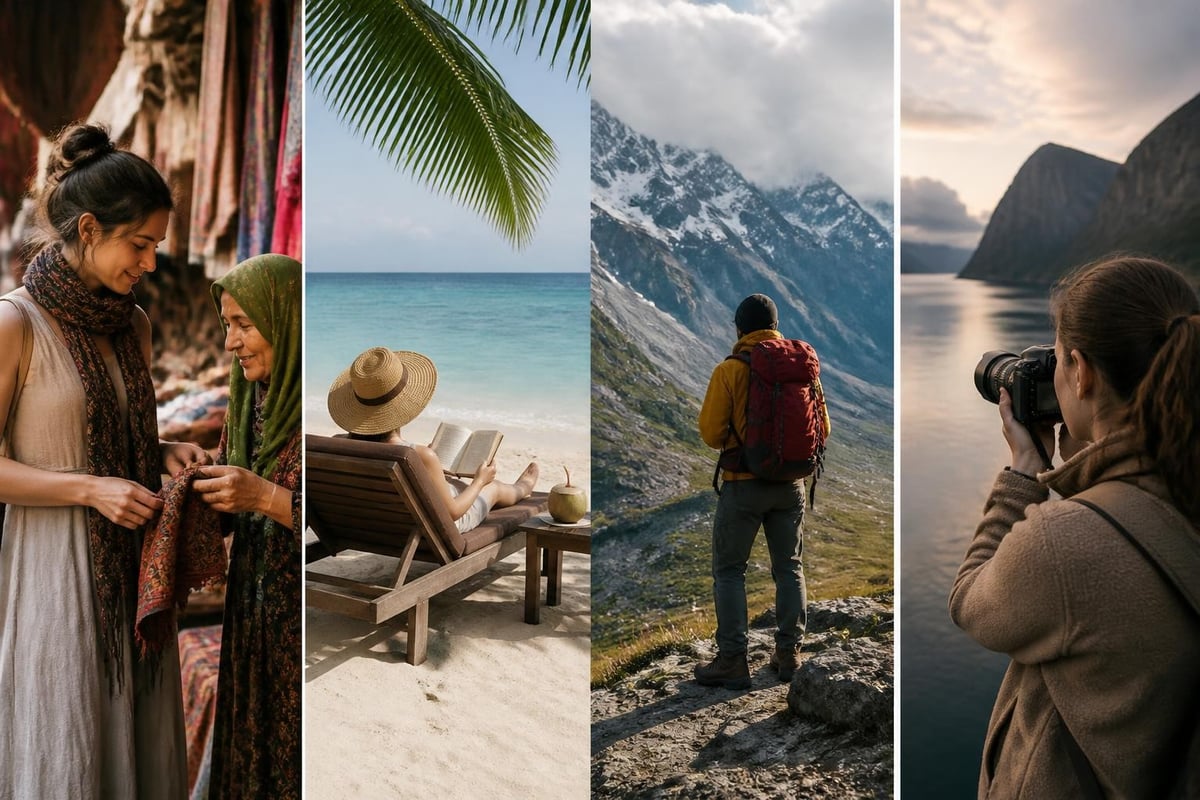
Think of yourself as the director of your own adventure film. Every decision you make writes another scene into your travel story. Some travellers prefer spontaneity, whilst others find comfort in detailed itineraries. The beauty lies in discovering which approach suits your personality and travel style.
Key elements of effective travel guidance include:
- Clarifying your purpose and expectations
- Setting realistic budgets and timelines
- Understanding destination requirements
- Building flexible yet structured plans
- Preparing for unexpected challenges
The Foundation: Why Purpose Matters
Before diving into logistics, ask yourself what drives this journey. Are you seeking cultural immersion, relaxation, adventure, personal growth, or perhaps a combination of these elements? Your underlying motivation will guide your travel decisions in ways that no guidebook can replicate.
Consider the difference between visiting a historic city to photograph landmarks versus visiting to understand its soul through local interactions. Both are valid, but they require different preparation strategies. Someone interested in architectural photography might research optimal lighting times and vantage points, whilst a culture-seeker might focus on language basics and social customs.
Creating Your Travel Budget Blueprint
Money conversations often feel uncomfortable, but financial planning is the backbone that supports your travel dreams. The practical budgeting guidance from Lonely Planet offers a solid foundation for estimating costs across different travel styles and destinations.
Breaking Down Travel Expenses
| Expense Category | Budget Percentage | Pro Tips |
|---|---|---|
| Accommodation | 25-35% | Book early for discounts; consider alternatives to hotels |
| Food & Drink | 20-30% | Balance restaurant meals with local markets |
| Transportation | 15-25% | Compare flight dates; research local transport options |
| Activities | 10-20% | Prioritise experiences; look for free alternatives |
| Emergency Fund | 10-15% | Always maintain a buffer for unexpected situations |
When you guide your travel budget effectively, you're not restricting yourself but rather empowering better choices. A well-structured budget allows you to splurge on experiences that truly matter whilst economising on elements that don't enhance your journey.
The Hidden Costs Nobody Mentions
Beyond the obvious expenses, seasoned travellers account for visa fees, travel insurance, vaccinations, equipment, currency conversion charges, and those inevitable "once-in-a-lifetime" opportunities that appear during your trip. Building a 15-20% buffer above your calculated budget provides breathing room without creating financial stress.
Travel insurance deserves special attention in your budget. The National Association of Insurance Commissioners provides comprehensive guidance on understanding policy options, from basic trip cancellation coverage to comprehensive medical evacuation plans. The cost seems negligible compared to the protection it offers against cancelled flights, medical emergencies, or lost belongings.
Health and Safety: The Non-Negotiables
Your ability to guide your travel successfully depends fundamentally on maintaining your health and safety throughout the journey. This preparation starts weeks or even months before departure, particularly for destinations with specific health requirements.
The World Health Organization’s travel advice provides authoritative guidance on disease risks, vaccination recommendations, and health precautions for virtually every destination worldwide. Cross-referencing this with the CDC’s travel health notices ensures you're working from the most current information available in 2026.
Essential health preparation steps:
- Schedule a travel health consultation 6-8 weeks before departure
- Research required and recommended vaccinations for your destination
- Obtain necessary prescriptions and medications
- Prepare a comprehensive first-aid kit
- Understand local medical facilities and emergency procedures
- Secure appropriate travel health insurance coverage
Packing for Health and Wellbeing
The detailed packing checklist from UC Davis Global Health goes beyond typical tourist packing lists to include health-focused essentials that many travellers overlook. From water purification tablets to altitude sickness medication, these items can transform a potentially miserable experience into a manageable one.
Don't underestimate the impact of time zone changes, climate variations, and dietary shifts on your body. Building recovery time into your itinerary isn't lazy planning but rather intelligent design that allows you to guide your travel experience rather than merely survive it.
Navigating Documentation and Requirements
Few aspects of travel planning feel more tedious than managing documentation, yet this administrative foundation prevents countless headaches at borders and airports. The IATA Travel Centre offers the same Timatic database that airlines use to verify passenger documentation, providing authoritative information on passport validity requirements, visa regulations, and health entry conditions.

The Six-Month Passport Rule
Many destinations require your passport to remain valid for six months beyond your intended departure date. This catches countless travellers off guard annually, resulting in denied boarding or refused entry. Check this requirement as your very first planning step, giving yourself time to renew if necessary.
When you guide your travel documentation process systematically, you'll maintain both physical and digital copies of:
- Passport identification pages
- Visa approvals and entry permits
- Travel insurance policies and emergency contacts
- Accommodation confirmations
- Transportation tickets
- Vaccination certificates
- Prescription information
Store digital copies in cloud storage accessible offline, and leave copies with trusted contacts at home. This redundancy has saved countless trips when original documents go missing.
Choosing Destinations and Experiences
The destinations you select tell your travel story, but the experiences you curate within those places define it. When planning where to go and what to do, consider the balance between iconic landmarks and authentic local encounters that reveal a place's true character.
The Power of Local Guidance
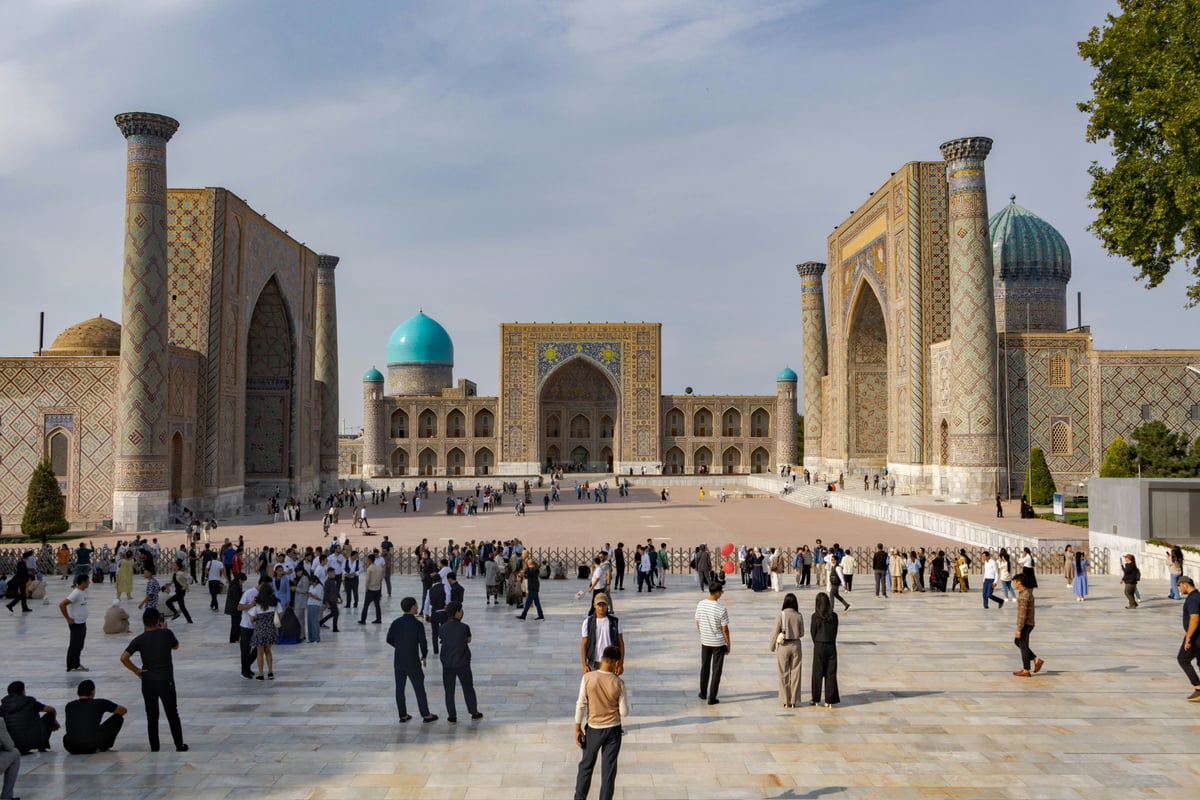
Whilst guidebooks and online research provide valuable frameworks, nothing replaces the insights of people who call your destination home. Free walking tours, for instance, offer an exceptional introduction to a city's layout, history, and hidden stories that you'd never discover alone. When exploring historic cities rich with cultural heritage, these guided experiences transform abstract research into tangible understanding.
For those planning to experience the architectural wonders and cultural depth of Central Asia's Silk Road cities, starting with a free walking tour in Samarkand provides an ideal foundation. These accessible tours connect you with knowledgeable local guides who share both historical context and contemporary insights, helping you understand not just what you're seeing but why it matters.
Balancing Structure and Spontaneity
The most memorable trips typically combine planned highlights with unstructured time for serendipitous discoveries. When you guide your travel itinerary, aim for 60-70% planned activities with 30-40% flexibility. This balance prevents the exhaustion of over-scheduling whilst ensuring you don't miss experiences that require advance booking.
Questions to guide your activity selection:
- Does this align with my travel purpose?
- Will I remember this experience in five years?
- Am I doing this for social media or genuine interest?
- Does this support or exploit local communities?
- What will I learn or discover through this experience?
Transportation: Getting There and Around
Movement defines travel, yet transportation planning often receives less attention than it deserves. The FAA’s traveller resources provide official guidance for air travel, including security procedures, prohibited items, and passenger rights that empower you to navigate airports confidently.
Strategic Flight Booking
Airlines release seats approximately 11 months in advance, and prices fluctuate based on complex algorithms considering demand, seasonality, and competitive routes. Generally, booking international flights 2-4 months in advance offers the sweet spot between availability and pricing, though this varies by destination and season.
| Booking Timeline | Advantages | Disadvantages |
|---|---|---|
| 6-11 months ahead | Maximum seat selection; potential early-bird discounts | Higher risk of schedule changes; limited fare sales |
| 2-4 months ahead | Balanced pricing; confirmed schedules; good availability | Less seat selection; moderate pricing |
| Last minute | Occasional deep discounts | Very limited options; high risk; usually expensive |
When you guide your travel plans with multiple destinations, consider open-jaw tickets (flying into one city and out of another) or regional budget carriers for inter-destination travel. The cheapest option isn't always the best value when you factor in time, convenience, and energy expenditure.
Ground Transportation Strategies
Once you arrive, understanding local transportation options before you land prevents expensive taxi rides and tourist traps. Research whether your destination offers reliable public transport, ride-sharing apps, rental cars, or bicycle schemes. Many cities now provide excellent public transport apps that guide your travel around urban areas with real-time updates and journey planning.
Accommodation: Your Home Away From Home
Where you sleep significantly impacts your travel experience and budget. The spectrum ranges from hostels and homestays to boutique hotels and luxury resorts, each offering distinct advantages depending on your travel style and purpose.
Matching Accommodation to Purpose
Solo travellers seeking social connections might thrive in hostels with common areas, whilst couples celebrating anniversaries deserve that splurge-worthy boutique hotel. Families often benefit from apartment rentals offering kitchens and separate sleeping areas. Business travellers need reliable wifi and workspace.
Your accommodation choice also determines your relationship with the destination. Staying in city centres maximises sightseeing time but may distance you from authentic neighbourhoods. Residential areas offer local immersion but require more transport planning. When you guide your travel accommodation decisions thoughtfully, you're choosing not just a bed but a lens through which you'll experience the destination.
Accommodation selection criteria:
- Location relative to planned activities
- Cancellation policies and flexibility
- Amenities that matter to your travel style
- Reviews focusing on cleanliness and safety
- Value proposition beyond just price
Cultural Preparation and Language Basics
The most enriching travel experiences happen when you've invested time understanding your destination's cultural context, social norms, and basic language. This preparation transforms you from a tourist observing from outside to a respectful visitor engaging with the place and its people.
Beyond "Hello" and "Thank You"
Learning a destination's language basics demonstrates respect and opens doors that remain closed to monolingual travellers. Focus on practical phrases: greetings, numbers, directions, food ordering, and emergency help. Even badly pronounced attempts generally receive warm appreciation from locals who recognise your effort to meet them halfway.
Cultural research should extend beyond dos and don'ts to understanding historical context, current events, religious practices, and social hierarchies. When you guide your travel preparation with cultural awareness, you avoid offensive mistakes whilst gaining deeper appreciation for why people live and think as they do.
Responsible and Sustainable Travel
Contemporary travellers increasingly recognise their impact on destinations and local communities. Guiding your travel with sustainability principles means considering environmental footprints, supporting local economies, respecting cultural sites, and leaving places better than you found them.
Choose locally-owned accommodation and restaurants when possible. Avoid attractions that exploit animals or people. Minimise plastic waste. Respect photography boundaries, especially regarding people and sacred sites. Travel slowly rather than rushing through destinations. These conscious choices compound into significant positive impact.
Technology and Communication
Smartphones have revolutionised how we guide our travel, providing navigation, translation, communication, and documentation tools in one pocket-sized device. Yet this convenience requires thoughtful preparation to ensure connectivity and functionality abroad.
Essential Digital Preparations
- Unlock your phone for international SIM cards or research eSIM options for your destination
- Download offline maps for navigation without data connections
- Install translation apps with offline language packs
- Set up international banking notifications to prevent card blocks
- Enable two-factor authentication backup codes before leaving
- Download entertainment for long flights and journeys
Cloud storage services protect your photos and important documents against device loss or theft. Password managers secure your accounts across public wifi networks. VPN services add privacy layers when accessing sensitive information abroad.
Staying Connected With Home
International data plans, local SIM cards, and wifi hotspots each offer connectivity solutions with different cost structures. For extended trips, local SIM cards typically provide the best value. For short visits, international roaming plans may offer adequate convenience. Free wifi remains widely available but requires security precautions when accessing financial or personal information.
Packing: The Art of Strategic Luggage
What you bring shapes your travel experience in surprising ways. Overpacking burdens you with heavy bags and limits mobility. Underpacking creates stress and unnecessary expenses replacing forgotten items. When you guide your travel packing thoughtfully, you're preparing for realistic scenarios without preparing for every unlikely possibility.
The Capsule Wardrobe Approach
Select versatile clothing items that layer, coordinate, and suit multiple occasions. Choose fabrics that resist wrinkles, dry quickly, and pack compactly. Neutral colours mix easily whilst one or two accent pieces add variety. This approach allows you to pack light whilst maintaining appropriate attire for various situations.
Universal packing essentials:
- Clothing: Underwear, socks, versatile layers, comfortable walking shoes
- Toiletries: Medications, sunscreen, basic first aid, personal hygiene items
- Electronics: Phone, chargers, adapters, backup battery
- Documents: Passport, insurance, reservations, emergency contacts
- Money: Local currency, credit cards, backup payment methods
Different destinations and activities require specific additions to this foundation. Beach holidays need swimwear and reef-safe sunscreen. Mountain treks require proper hiking boots and layers. Business trips demand professional attire. But this core list applies universally when you guide your travel preparations.
Risk Management and Contingency Planning
Experienced travellers know that something inevitably goes wrong: missed connections, lost luggage, unexpected closures, weather disruptions, or health issues. The difference between a minor inconvenience and a trip-ruining disaster often comes down to advance preparation and mental flexibility.
Building Your Safety Net
Travel insurance represents your primary safety net, but contingency planning extends beyond insurance coverage. Maintain emergency contacts for your embassy, travel insurance provider, bank, and trusted people at home. Research emergency services access in your destination. Understand your rights as a traveller regarding flight delays, cancellations, and denied boarding.
Keep emergency cash in multiple locations separate from your primary funds. Maintain digital and physical backup copies of essential documents. Know how to access emergency funds if cards are lost or stolen. These preparations rarely get used but prove invaluable when needed.
Mental Preparation for Challenges
The psychology of handling travel disruptions matters as much as practical preparations. Expect something to go wrong, plan for flexibility, and maintain perspective when problems arise. The stories travellers tell decades later often centre on challenges overcome rather than perfectly executed plans.
When you guide your travel with resilient mindset preparation, minor setbacks become plot twists in your adventure story rather than disasters. This mental framework transforms frustration into curiosity and problems into opportunities for creative problem-solving.
The Journey Begins at Home
Every extraordinary journey starts with that first step of commitment, followed by weeks or months of thoughtful preparation. When you guide your travel planning with intention, research, and strategic thinking, you're not just organising a trip but crafting an experience that will enrich your perspective, challenge your assumptions, and create memories that last a lifetime. The investment you make in proper preparation pays dividends in confidence, safety, and meaningful experiences throughout your journey.
Travel planning transforms dreams into reality, one thoughtful decision at a time. Whether you're navigating visa requirements, budgeting for adventures, or choosing between destinations, the preparation process itself becomes part of the journey's story. Visit Samarkand welcomes travellers to explore one of the world's most historically significant cities through accessible walking tours that reveal the hidden stories and architectural wonders of the Silk Road, making your Central Asian adventure both enriching and effortless.