Every traveller knows that magical feeling when you stumble upon a breathtaking mosque, a bustling bazaar, or a centuries-old monument just around the corner from where you're staying. Yet countless visitors spend their precious time researching distant destinations whilst remarkable experiences wait mere minutes away. The art of discovering nearby tourist places isn't just about convenience-it's about understanding that proximity doesn't diminish wonder, and that sometimes the most transformative journeys happen within a five-mile radius. Whether you're planning a weekend escape or leading visitors through your own city, mastering the skill of uncovering local treasures changes everything about how you experience travel.
Why Nearby Tourist Places Matter More Than Ever
The pandemic fundamentally shifted how we think about exploration. Suddenly, the world became smaller, and travellers began appreciating what lay within arm's reach rather than always chasing distant horizons.
Proximity tourism has emerged as a powerful economic force. According to World Bank research on tourism sector impacts, destinations that effectively promote nearby tourist places generate more sustainable revenue streams and create deeper connections between visitors and communities. When tourists explore multiple sites within a concentrated area, local businesses thrive, cultural exchange deepens, and environmental impact decreases.
The Economics of Staying Close
Consider these compelling benefits of nearby tourist places:
- Reduced transportation costs allow travellers to allocate more budget toward experiences, meals, and souvenirs
- Lower carbon footprint appeals to environmentally conscious visitors
- More time for immersion rather than transit means deeper cultural understanding
- Spontaneous exploration becomes possible when destinations are accessible
- Family-friendly logistics reduce stress for those travelling with children or elderly relatives
The mathematics are straightforward. If you spend three hours travelling to a distant attraction, you've consumed a quarter of your waking day before experiencing anything. Nearby tourist places return those hours to you.
Strategies for Discovering Remarkable Nearby Tourist Places
Finding extraordinary nearby tourist places requires shifting your perspective from tourist to explorer. The difference is profound.
Digital Tools That Reveal Hidden Treasures
Modern technology has democratised discovery. Google Maps' explore along your route feature transforms simple journeys into opportunities for serendipitous exploration. By revealing cafés, museums, and viewpoints between your starting point and destination, these tools help you maximise every kilometre.
Open-source mapping platforms provide another layer of discovery. The OpenStreetMap tourism framework enables local communities to tag and categorise nearby tourist places with granular detail that commercial platforms often miss. Historical plaques, architectural details, local craftspeople's workshops-these micro-attractions create texture in your travel experience.
The Power of Local Knowledge Networks
Technology complements but never replaces human insight. The shopkeeper who's spent forty years watching tourists walk past their neighbourhood's best sunset spot. The university student who knows which unmarked door leads to a stunning courtyard. These knowledge holders transform nearby tourist places from pins on a map into living stories.
| Discovery Method | Strengths | Best Used For |
|---|---|---|
| Walking tours | Curated narratives, expert context | First-time visitors, historical sites |
| Local social media | Real-time updates, insider tips | Seasonal events, trending spots |
| Community forums | Detailed recommendations, Q&A | Specific interests, accessibility needs |
| Tourist information centres | Official resources, maps | Planning, logistics, safety |
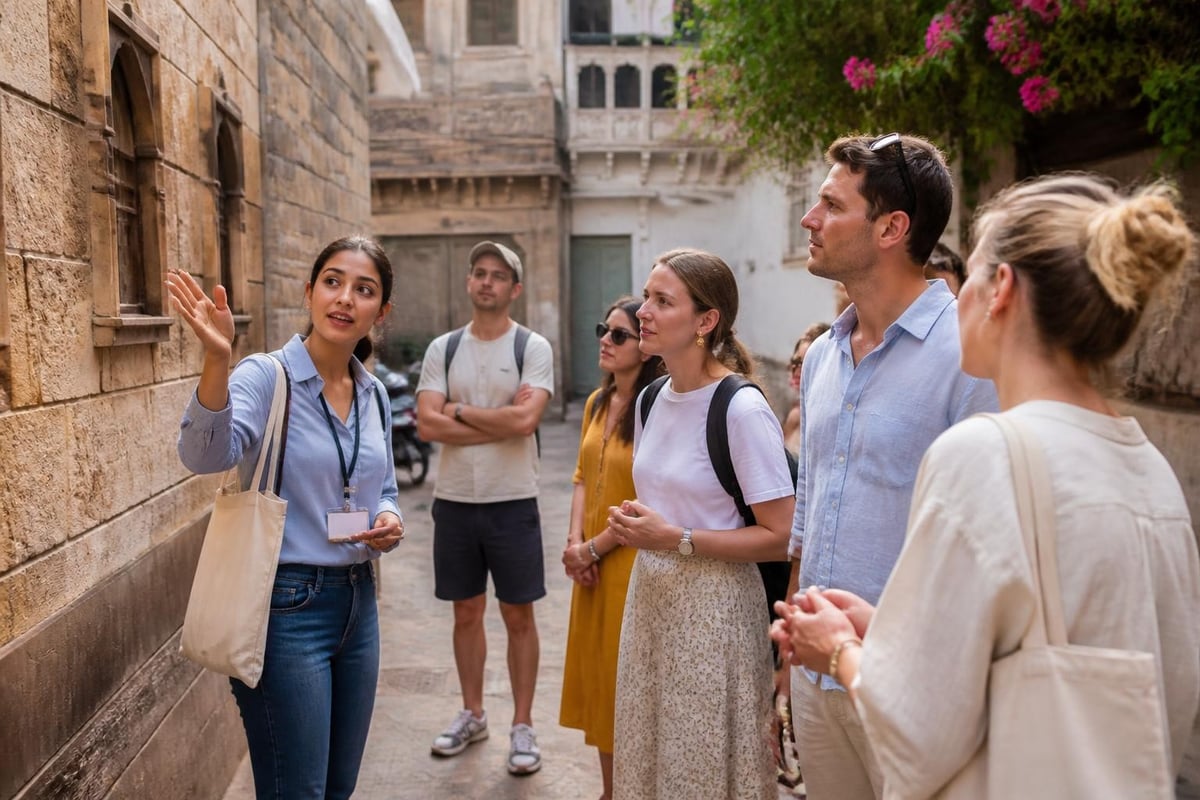
Building relationships with local guides creates exponential value. When you explore Samarkand through free walking tours, for instance, you're not merely seeing monuments-you're accessing generations of storytelling, understanding architectural evolution, and discovering nearby tourist places that guidebooks overlook entirely.
Creating Your Personal Nearby Tourist Places Strategy
Random wandering has romantic appeal, but intentional exploration yields richer results. Here's how to build a framework that balances spontaneity with structure.
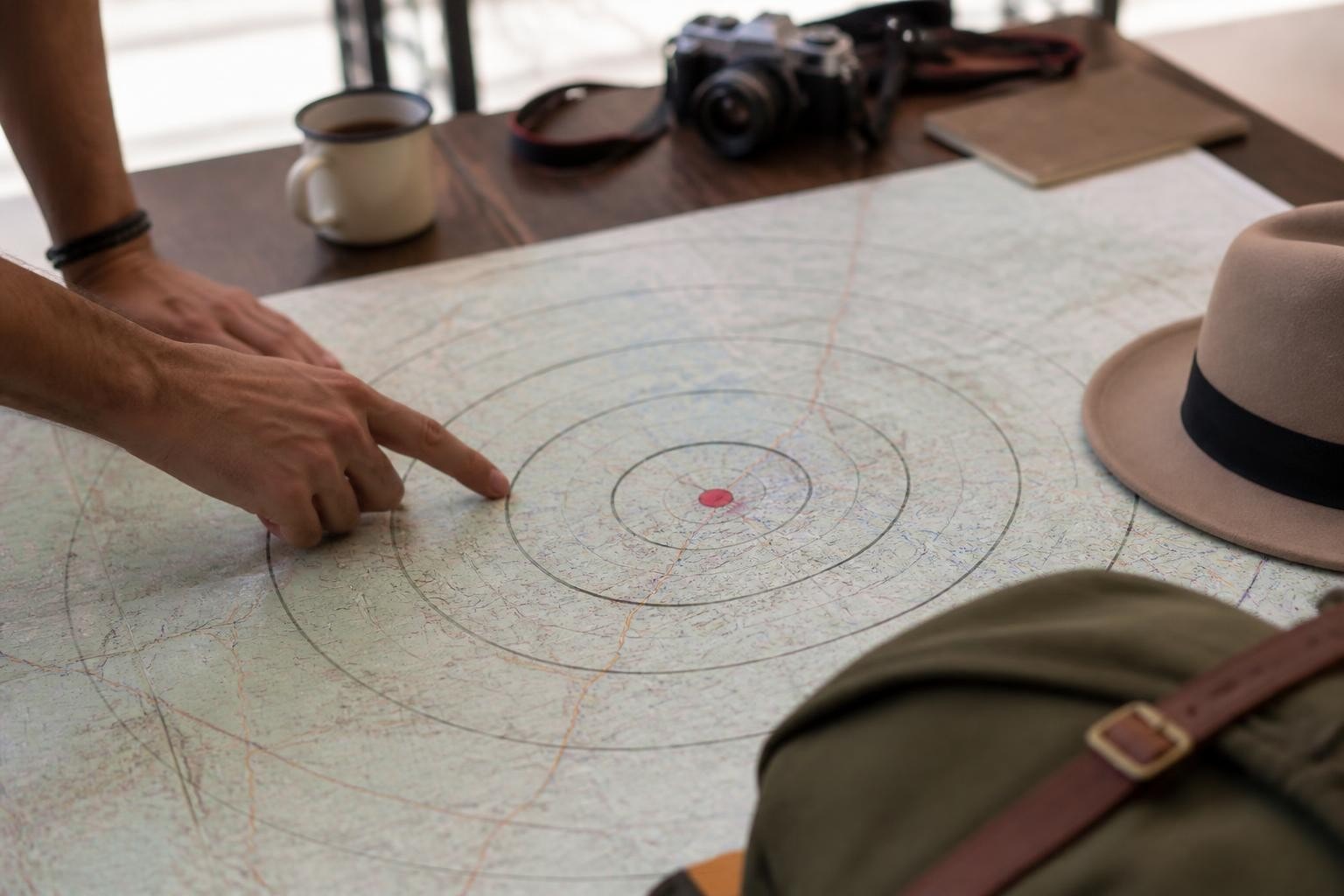
Mapping Your Radius of Wonder
Start by defining your travel range. What constitutes "nearby" depends entirely on your context, mobility, and available time. For some, nearby tourist places exist within a fifteen-minute walk. For others, an hour's drive qualifies as local exploration.
Consider creating concentric zones:
- Immediate zone (under 30 minutes): Daily exploration, morning coffee walks, evening strolls
- Extended zone (30-60 minutes): Half-day adventures, brunch excursions, sunset viewpoints
- Outer zone (1-2 hours): Full-day trips, weekend getaways, special occasions
This framework helps you categorise nearby tourist places by accessibility and time investment, ensuring you match your available energy to appropriate destinations.
Thematic Clustering for Deeper Understanding
The most satisfying nearby tourist places experiences emerge when you connect multiple sites through shared themes rather than simply checking boxes on a list.
Architectural journeys might link mosques, madrasas, and mausoleums from the same historical period. Culinary expeditions connect markets, traditional restaurants, and artisan bakeries. Craft trails reveal workshops where ceramicists, metalworkers, and textile artists preserve ancient techniques.
When visiting cities along the ancient Silk Road, this thematic approach transforms nearby tourist places into chapters of a larger narrative. You're not just seeing buildings-you're tracing trade routes, understanding cultural exchange, and witnessing how proximity shaped civilisational development.
Making Nearby Tourist Places Accessible to Everyone
True hospitality means ensuring that nearby tourist places welcome visitors of all abilities, backgrounds, and needs. This commitment transforms good destinations into exceptional ones.
Universal Design Principles
The ADA’s web guidance on accessibility extends beyond digital spaces into how we present and discuss nearby tourist places. Information accessibility matters just as much as physical accessibility.
Key considerations include:
- Clear distance measurements in multiple formats (metres, minutes walking, transit stops)
- Elevation changes and terrain descriptions
- Availability of seating and rest areas
- Accessible toilet facilities
- Sensory considerations (noise levels, crowd density, lighting)
- Multilingual information provision
When promoting nearby tourist places, specificity demonstrates respect. Rather than "short walk," specify "400 metres on paved, level pathway with benches every 50 metres." This detailed approach empowers visitors to make informed decisions about their capabilities and comfort.
Cultural Sensitivity and Inclusive Narratives
Nearby tourist places carry multiple stories-official histories, marginalised perspectives, contested memories. Responsible tourism acknowledges this complexity rather than presenting simplified, sanitised narratives.
In historically diverse cities, this might mean highlighting nearby tourist places that represent various cultural communities. In areas with painful pasts, it requires acknowledging difficult histories whilst respecting contemporary communities. The goal isn't political correctness-it's truthfulness and respect.
Seasonal Strategies for Year-Round Discovery
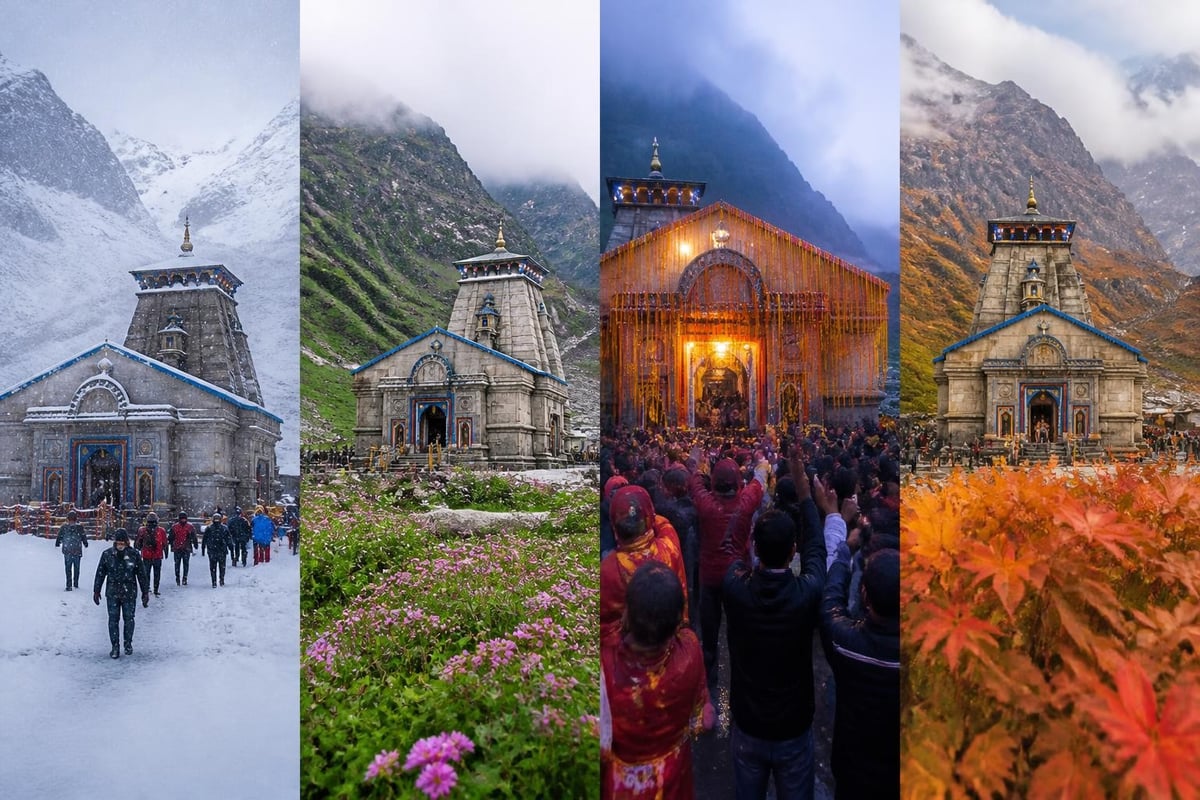
Nearby tourist places transform across seasons, offering returning visitors entirely new experiences without changing location.
Weather-Adaptive Planning
Smart travellers maintain season-specific lists of nearby tourist places. Summer's outdoor archaeological sites become winter's covered bazaars. Spring's garden walks shift to autumn's museum visits.
| Season | Ideal Nearby Tourist Places | Planning Tips |
|---|---|---|
| Spring | Gardens, markets, walking routes | Check bloom schedules, book popular spots early |
| Summer | Early morning sites, shaded courtyards | Visit before 10 AM or after 5 PM to avoid heat |
| Autumn | Museums, cultural venues, harvest festivals | Combine indoor and outdoor activities |
| Winter | Covered bazaars, workshops, cafés | Dress in layers, plan shorter outdoor segments |
This seasonal rotation means nearby tourist places never become stale. You're not revisiting-you're experiencing different facets of the same location.
Event-Based Discovery
Local festivals, religious holidays, and community celebrations transform familiar nearby tourist places into entirely new experiences. A mosque you've photographed a dozen times reveals different dimensions during Ramadan. A public square's character shifts completely during wedding season or cultural festivals.
Building an event calendar specific to your nearby tourist places creates anticipation and deepens engagement. You're no longer simply a visitor-you're participating in the rhythm of community life.
The Art of Slow Tourism in Nearby Tourist Places
The greatest luxury in modern travel isn't distance-it's time. Nearby tourist places enable slow tourism, where you can return repeatedly, notice details, and develop relationships.
Multi-Visit Mastery
First visits to nearby tourist places establish baseline understanding. You learn layouts, identify highlights, and form initial impressions. But second, third, and fourth visits reveal layers that rushed tourists never access.
Progressive exploration might look like:
- Visit one: Orientation walk, major monuments, general photography
- Visit two: Focus on architectural details, quieter corners, local interactions
- Visit three: Thematic deep dive (tiles, calligraphy, spatial relationships)
- Visit four: Seasonal or event-specific experience
This approach particularly suits those leading others through nearby tourist places. Each personal visit builds expertise that enriches future guided experiences.
The Photography Evolution
Photographers understand this progression instinctively. Your first photographs of nearby tourist places capture obvious compositions. Return visits yield subtler work-morning light on specific surfaces, human interactions with space, detail studies that reveal craftsmanship.
Social media has complicated this by rewarding iconic shots over deep seeing. Resist this pressure. The nearby tourist places that deserve your attention reward patient, repeated observation.
Building Community Through Nearby Tourist Places
Tourism often feels extractive-visitors take photographs and memories whilst communities bear costs. Nearby tourist places offer opportunities to flip this dynamic.
The Guide-Visitor Partnership
Quality guides don't simply recite facts about nearby tourist places-they facilitate exchange. When visitors ask questions, share their own experiences, and engage curiosity, both parties benefit. The guide refines their narrative. The visitor gains personalised insight.
This partnership flourishes in proximity tourism. Unlike rushed coach tours that deposit visitors for thirty minutes before moving on, nearby tourist places allow time for conversation, questions, and genuine connection. A Sight seeing tour of Samarkand transforms into dialogue about architecture, urban development, craftsmanship, and daily life when visitors can linger and ask follow-up questions.
Sustainable Tourism Economics
When travellers prioritise nearby tourist places, they often spend more locally. The money saved on long-distance transport gets redirected toward craft purchases, extended meals, additional guides, or workshop participation.
Economic multiplier effects include:
- Craft purchases that support artisan workshops
- Meals at family-owned restaurants
- Accommodation extensions that benefit local hosts
- Tipping guides and service providers
- Workshop fees that preserve traditional skills
The National Park Service’s approach to nearby attractions demonstrates how institutional support for proximity tourism creates economic ecosystems. When parks actively promote nearby tourist places, surrounding communities thrive.
Practical Planning for Nearby Tourist Places
Theory becomes valuable only when paired with practical action. Here's how to transform nearby tourist places knowledge into actual experiences.
The Research-to-Reality Pipeline
Effective planning balances preparation with flexibility. Over-planning kills spontaneity; under-planning wastes time and creates stress.
Your pre-visit checklist:
- Identify 8-10 potential nearby tourist places within your chosen radius
- Research opening hours, admission fees, and closure days
- Download offline maps covering your exploration area
- Note accessible toilet facilities and rest points
- Identify meal options suited to your dietary needs
- Save emergency contacts and addresses
- Prepare weather-appropriate clothing layers
Then, crucially, build flexibility into your actual schedule. Plan to visit 60% of your identified nearby tourist places, leaving space for serendipity, weather changes, energy levels, and local recommendations that emerge during your journey.
The Half-Day Framework
Most travellers overestimate how much they can comfortably accomplish. The half-day framework creates realistic, enjoyable experiences with nearby tourist places rather than exhausting marathons.
Morning exploration (8:00-13:00):
- Start with the most popular site before crowds arrive
- Visit 2-3 nearby tourist places with related themes
- Include one café or tea stop for rest and observation
- End with lunch at a local establishment
Afternoon exploration (14:00-18:00):
- Begin with quieter sites that complement morning experiences
- Allow extended time at 1-2 locations rather than rushing through many
- Schedule rest breaks in gardens, courtyards, or shaded spots
- Conclude with sunset viewing or early dinner
This rhythm respects human energy levels and attention spans. You'll remember more and enjoy the experience rather than simply collecting photographs.
Digital Documentation of Nearby Tourist Places
How you share nearby tourist places matters-both for your own memory and for inspiring future visitors.
Beyond the Instagram Aesthetic
Social media rewards specific visual formulas: symmetrical architecture, golden hour lighting, empty spaces. But these conventions rarely capture what makes nearby tourist places meaningful.
Consider documenting:
- Craftspeople at work in their workshops
- Weathered details that show age and use
- Locals interacting with spaces in everyday ways
- Signage, menus, and textual elements in original languages
- Sounds, through video or written description
- Your own emotional responses and questions
This richer documentation serves multiple purposes. It creates more useful resources for future visitors, preserves aspects that pure aesthetics miss, and respects the lived reality of nearby tourist places rather than presenting fantasy versions.
Ethical Sharing Practices
Not everything deserves broadcast. Some nearby tourist places maintain their magic precisely because they haven't become Instagram hotspots. Before sharing locations publicly, consider:
- Does this place have adequate infrastructure for increased visitors?
- Will publicity respect or damage local community life?
- Are there cultural or religious sensitivities about photography or promotion?
- Does the location depend on remaining relatively unknown?
Sometimes the greatest gift you can offer nearby tourist places is thoughtful silence.
Nearby Tourist Places as Educational Platforms
Tourism and education aren't separate categories-the best travel experiences teach whilst entertaining.
Historical Literacy Through Place
Nearby tourist places function as three-dimensional textbooks. Standing in a 15th-century madrasa whilst learning about Islamic scholarship creates different understanding than reading the same information at home. The spatial experience-scale, acoustics, light quality, material textures-embeds knowledge in ways that pure text cannot.
For families, this transforms nearby tourist places into interactive classrooms. Children who touch tile work, walk through arched doorways, and hear stories in situ develop geographical and historical literacy that standardised education rarely provides.
Architectural Education for Non-Specialists
You needn't be an architect to appreciate built environments. Nearby tourist places offer ongoing education in design, materials, spatial relationships, and cultural expression through architecture.
Focus areas for architectural learning:
- How buildings respond to climate (ventilation, light, shade)
- Decoration styles and their cultural meanings
- Construction techniques and material choices
- Spatial hierarchies and movement patterns
- Renovation approaches and conservation philosophies
The National Park Service’s urban planning resources demonstrate how official bodies can educate visitors about nearby tourist places through interpretive frameworks that build understanding progressively.
Technology's Role in Revealing Nearby Tourist Places
Digital tools should enhance rather than replace direct experience. The balance matters.
Augmented Reality and Historical Reconstruction
Emerging technologies allow visitors to nearby tourist places to see multiple temporal layers simultaneously. Point your device at ruins and view reconstructed buildings. Stand in empty courtyards and see historical crowds. This augmentation deepens rather than distracts from physical presence.
The key is ensuring technology serves storytelling rather than becoming the story itself. The focus remains the nearby tourist places-technology simply removes barriers to understanding.
Navigation Tools That Encourage Wandering
The best navigation apps for nearby tourist places don't just provide optimal routes-they suggest detours, highlight points of interest slightly off-path, and encourage exploratory instincts.
This creates productive tension between efficiency and discovery. You know you can find your destination when needed, so you feel safe wandering. Without that safety net, most visitors stick to main routes and miss the nearby tourist places that create memorable experiences.
Discovering nearby tourist places transforms how you experience any destination, turning fleeting visits into rich explorations that reward curiosity and presence. Whether you're leading others or exploring independently, the principles remain constant: slow down, look closely, ask questions, and recognise that proximity and wonder aren't opposites. When you're ready to experience Samarkand's architectural treasures, bustling bazaars, and hidden courtyards through expert local guidance, Visit Samarkand offers both free and paid walking tours that reveal the layers of history and culture waiting just around the corner.