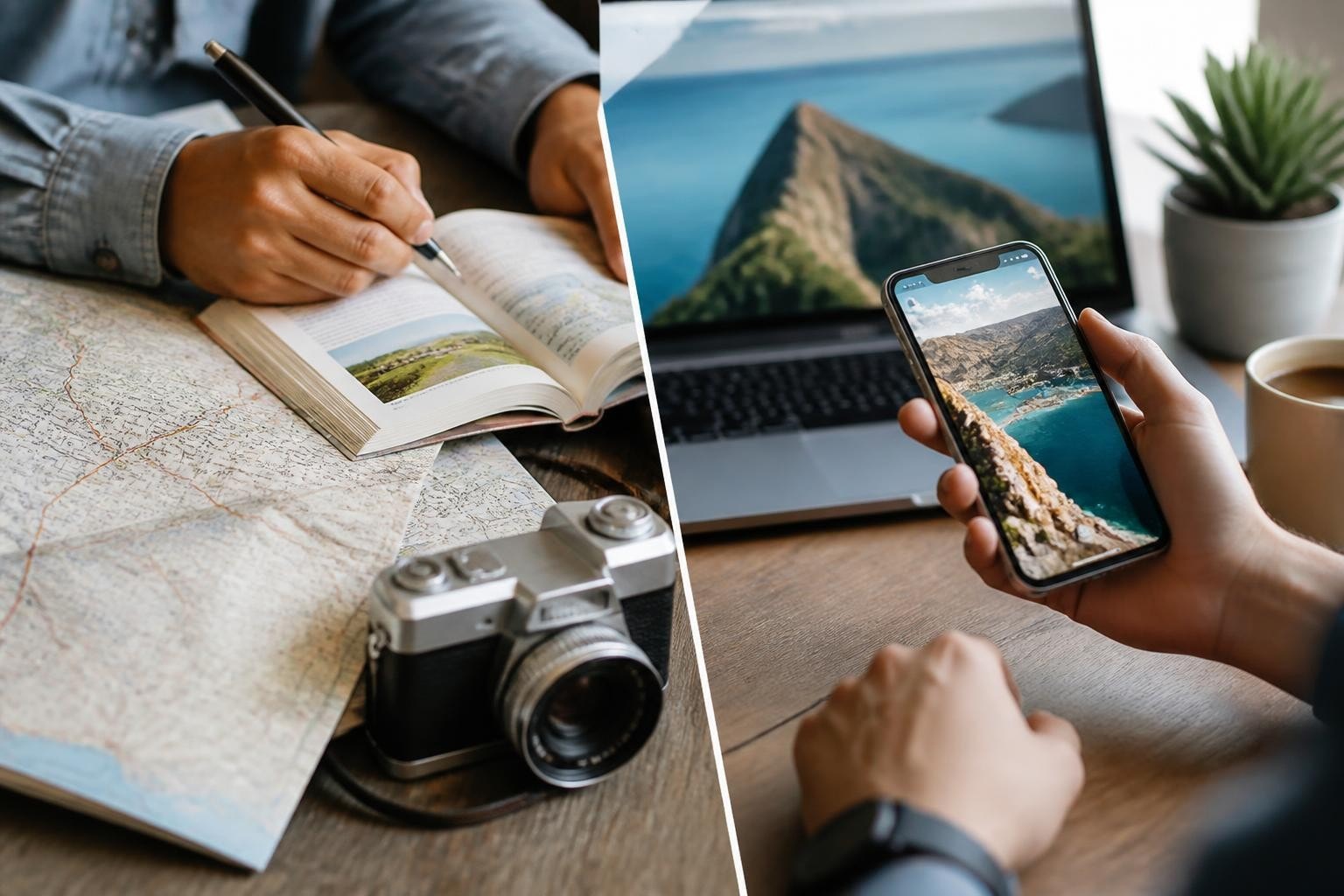
There's something magical about flipping through the pages of a well-worn travel guide book, its margins filled with notes and corners dog-eared at the places you simply must see. I remember clutching my first guidebook on a train through Central Asia, the weight of it in my backpack somehow reassuring, a companion that promised to unlock the secrets of ancient cities. Whether you're wandering through the markets of Samarkand or navigating the streets of Barcelona, a travel guide book serves as both compass and storyteller, bridging the gap between where you are and where you long to be. In an era of digital everything, these printed companions continue to evolve, offering travelers something screens simply cannot replicate: the tactile pleasure of planning, the joy of serendipitous discovery when a page falls open to an unexpected chapter.
The Enduring Appeal of Printed Travel Guides
The travel guide book has weathered countless technological revolutions, from the first pocket maps to smartphone apps that track your every step. Yet according to recent industry trends, print editions remain remarkably resilient, particularly in the niche and culturally focused segments.
Why travelers still choose physical guides:
- Battery independence: No charging cables needed when you're exploring all day
- Spatial awareness: Spreading out a full-page map creates context screens cannot match
- Annotation freedom: Highlighting, note-taking, and bookmark placement feel more intuitive
- Reduced screen fatigue: After hours on devices, paper offers welcome relief
- Souvenir value: A guidebook becomes a memory artifact of your journey
I once met a traveler in Uzbekistan who had filled three travel guide books with pressed flowers, ticket stubs, and handwritten stories from locals she'd met. Her collection wasn't just reference material. It was a living journal of transformation.
How Guidebooks Shape Our Understanding
Academic research has shown that guidebooks fundamentally influence how we perceive cultural heritage. They don't simply describe places; they construct narratives about what matters, what's worth seeing, and how we should interpret the world around us. This power comes with responsibility for both publishers and readers.
The best travel guide book acknowledges multiple perspectives. It celebrates iconic landmarks whilst revealing neighbourhood bakeries where locals queue each morning. It respects sacred spaces whilst explaining their significance to outsiders who wish to understand.
Choosing Your Ideal Travel Companion
Not all travel guide books serve the same purpose. Walking into a bookshop's travel section can feel overwhelming, with dozens of spines promising to unlock the perfect holiday. The key lies in matching the guide's philosophy to your travel style.
| Guide Type | Best For | Typical Features | Limitations |
|---|---|---|---|
| Comprehensive editions | First-time visitors, multi-week trips | Detailed maps, extensive listings, historical context | Heavy to carry, may lack depth on specific interests |
| Budget-focused guides | Backpackers, long-term travelers | Hostel reviews, money-saving tips, free activities | May miss upscale experiences, dated information |
| Specialty guides | Architecture enthusiasts, food travelers, hikers | Deep expertise in one area | Limited general information |
| Quick reference cards | Weekend breaks, business travelers with free time | Essential highlights, compact format | Superficial coverage, minimal background |
When I planned my first walking tour route through Samarkand's old city, I relied on three different guidebooks. One provided the historical framework, another highlighted architectural details I would've missed, and the third offered practical routing advice. Each contributed to understanding the city's layers.
Evaluating Guidebook Quality
Check the publication date first. Cities evolve rapidly, and a travel guide book from five years ago might direct you to closed museums or demolished restaurants. Look for editions updated within the past two years for established destinations, or the most recent available for rapidly changing locations.
Assess the author's credentials. Has the writer actually spent significant time in the destination? Do they speak the local language? The difference between someone who parachuted in for a week versus someone who lived there for months shows in every recommendation.
Research suggests that the most useful guides balance practical information with cultural context. You need opening hours and transport connections, certainly, but you also deserve to understand why a particular site matters to local identity.
The Architecture of Effective Guide Books
The physical design of a travel guide book profoundly affects its usability. Anyone who's fumbled with an unwieldy tome whilst trying to read a map in the rain understands this viscerally. Thoughtful book design considers how travelers actually use these resources in the field.
Navigation and Organization Systems
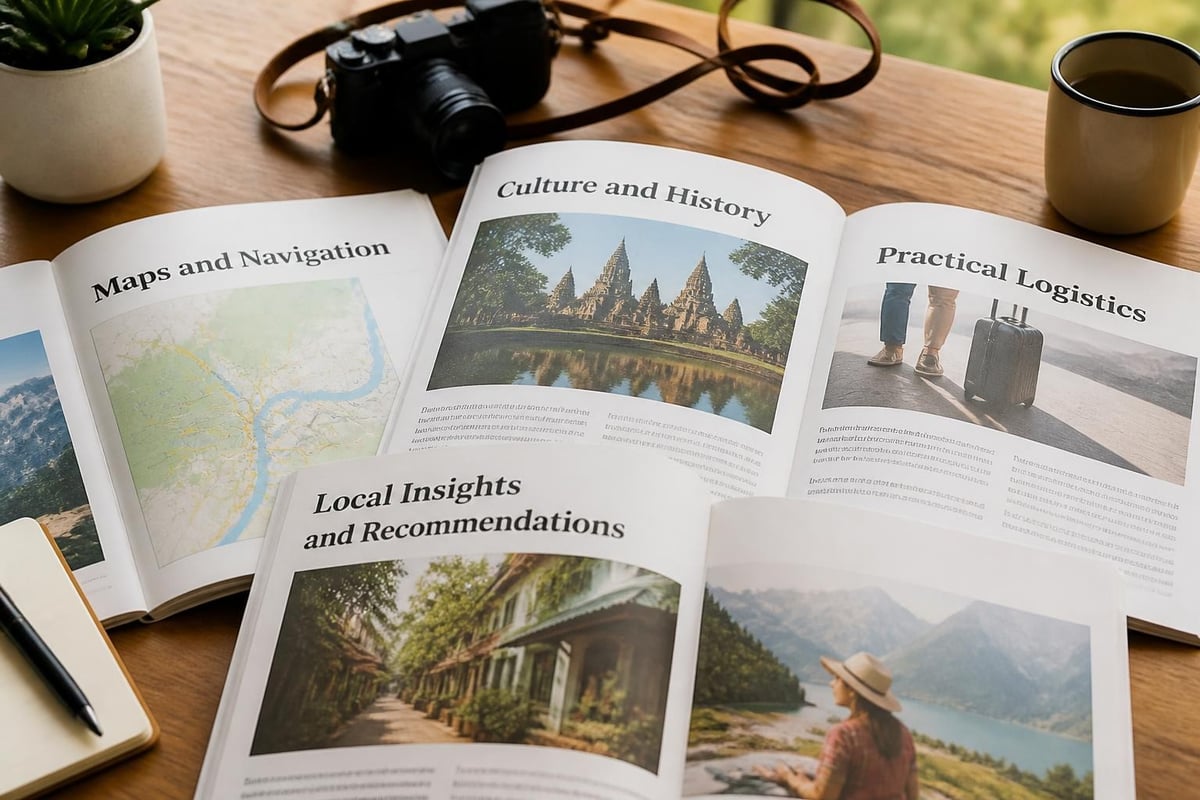
The best guides employ multiple navigation methods:
- Geographic organization that mirrors how you'll explore (by neighbourhood or region)
- Thematic indexes for finding specific interests (museums, restaurants, markets)
- Visual coding using colors, icons, or symbols for quick reference
- Cross-referencing that connects related information across chapters
Consider how Lonely Planet color-codes their maps or how Rough Guides use bold-face for their top picks. These aren't merely aesthetic choices. They're functional solutions to the challenge of presenting enormous amounts of information accessibly.
I've watched travelers in Samarkand’s ancient heart flip frantically through poorly organized guides, missing the very wonders they'd traveled thousands of miles to see. Meanwhile, those with well-designed books moved confidently, their attention freed to actually observe rather than merely locate.
Digital Versus Physical: The Hybrid Approach
The travel guide book has expanded beyond paper, yet the debate between digital and physical formats misses the point. Savvy travelers increasingly use both, leveraging each medium's strengths.
Digital advantages:
- Instant updates and corrections
- Interactive maps with GPS positioning
- Multimedia content (videos, audio guides)
- Space-saving when traveling light
- Searchability for specific queries
Physical advantages:
- No reliance on internet connectivity or battery life
- Better for browsing and discovering unexpected interests
- Easier to share with travel companions
- More comfortable for extended reading sessions
- Better retention of information read on paper
The traveler who downloads a digital map but carries a printed neighbourhood guide captures the best of both worlds. Technology complements rather than replaces the traditional travel guide book.
Creating Accessible Guide Content
If you're producing guidebook content, accessibility matters enormously. The W3C’s guidance on accessible digital publications provides essential standards for ensuring that travelers with visual impairments, learning differences, or other accessibility needs can benefit from your work.
Print editions benefit from thoughtful design too: adequate font sizes, high contrast between text and background, and logical heading hierarchies help everyone navigate content more easily.
The Business of Travel Guides
Publishing a travel guide book involves complex considerations around intellectual property, permissions, and ongoing updates. Authors must navigate agreements for reproducing maps, photographs, and quoted material whilst protecting their own creative work.
The copyright registration process establishes legal protection for original guidebook content, though it's worth noting that facts themselves cannot be copyrighted-only the specific expression and arrangement of those facts. This explains why multiple guides can cover the same destination legally, each bringing unique perspective and presentation.
Many independent travel writers and local tour operators now create niche guidebooks serving specific communities. A walking tour company might publish a detailed neighbourhood guide that complements their tours, offering participants a lasting resource that extends beyond the guided experience itself.
For businesses like walking tour operators, a well-crafted travel guide book serves multiple purposes: marketing tool, revenue stream, and genuine service to travelers seeking deeper understanding. The guides become conversation starters, introducing potential tour participants to your expertise and approach.

Maximizing Your Guidebook Investment
You've selected and purchased your travel guide book. Now how do you extract maximum value from it before, during, and after your journey?
Pre-Trip Preparation
Begin reading your guide weeks before departure. This isn't studying for an exam-it's cultivating anticipation and framework. I recommend three distinct reading passes:
- First pass: Read through cover-to-cover casually, flagging anything that sparks interest
- Second pass: Focus on practical planning-accommodation areas, transport networks, realistic itineraries
- Third pass: Deep dive into specific sites and experiences you've prioritized
Create a simple reference system. Some travelers use sticky notes in different colors: yellow for must-see attractions, pink for restaurants, blue for practical information they'll need repeatedly. Others maintain a separate notebook with page references and personal itinerary notes.
Build flexibility into your guidebook-based planning:
- Identify your top five absolute priorities
- Note alternatives for variable-weather days
- Mark experiences requiring advance booking
- Highlight free or low-cost backup options
In-Destination Usage
Your travel guide book becomes most valuable when you're actually exploring. Carry it strategically rather than lugging the entire volume everywhere. Many travelers photograph key pages for day trips, keeping the original safely at their accommodation.
Morning routine: Review the day's planned area in your guidebook over breakfast, noting opening hours, admission fees, and any special considerations. This five-minute investment prevents disappointment and wasted transport costs.
Evening reflection: Add your own notes whilst experiences remain fresh. Which recommendations proved accurate? What did you discover that wasn't mentioned? These annotations transform your guidebook into personalized documentation.
| Usage Strategy | Benefit | When to Apply |
|---|---|---|
| Pre-read entire sections | Contextual understanding | Before visiting each new area |
| Photograph map pages | Lightweight reference | Daily excursions |
| Mark visited sites | Track progress, avoid repeats | End of each day |
| Note discrepancies | Future travelers, your memory | When information proves incorrect |
| Add discoveries | Personal enrichment | Whenever you find something special |
Beyond Following the Guide
The paradox of the travel guide book is that it's most valuable when you're willing to occasionally ignore it. These books provide essential framework and baseline knowledge, but the most memorable travel moments often emerge from spontaneous deviation.
I'll never forget wandering off my planned route in Samarkand's old quarter, following the scent of fresh bread to a family-run bakery entirely absent from any guidebook. The grandmother there taught me three Uzbek words whilst her granddaughter sketched a map to a neighborhood tea house where locals gathered each evening. No guide could have orchestrated that encounter, yet my guidebook's foundational knowledge gave me confidence to wander safely off-script.
Signs it's time to set the guidebook aside:
- A local offers a personal recommendation with genuine enthusiasm
- You discover a neighbourhood or activity not covered in your guide
- Your interests shift based on what you're actually experiencing
- The prescribed route feels rushed or doesn't match your energy level
- Serendipity presents an unexpected opportunity
Trust the guidebook to get you oriented, but trust yourself to know when the most authentic experiences require stepping beyond its pages.
Specialized Guides for Deeper Understanding
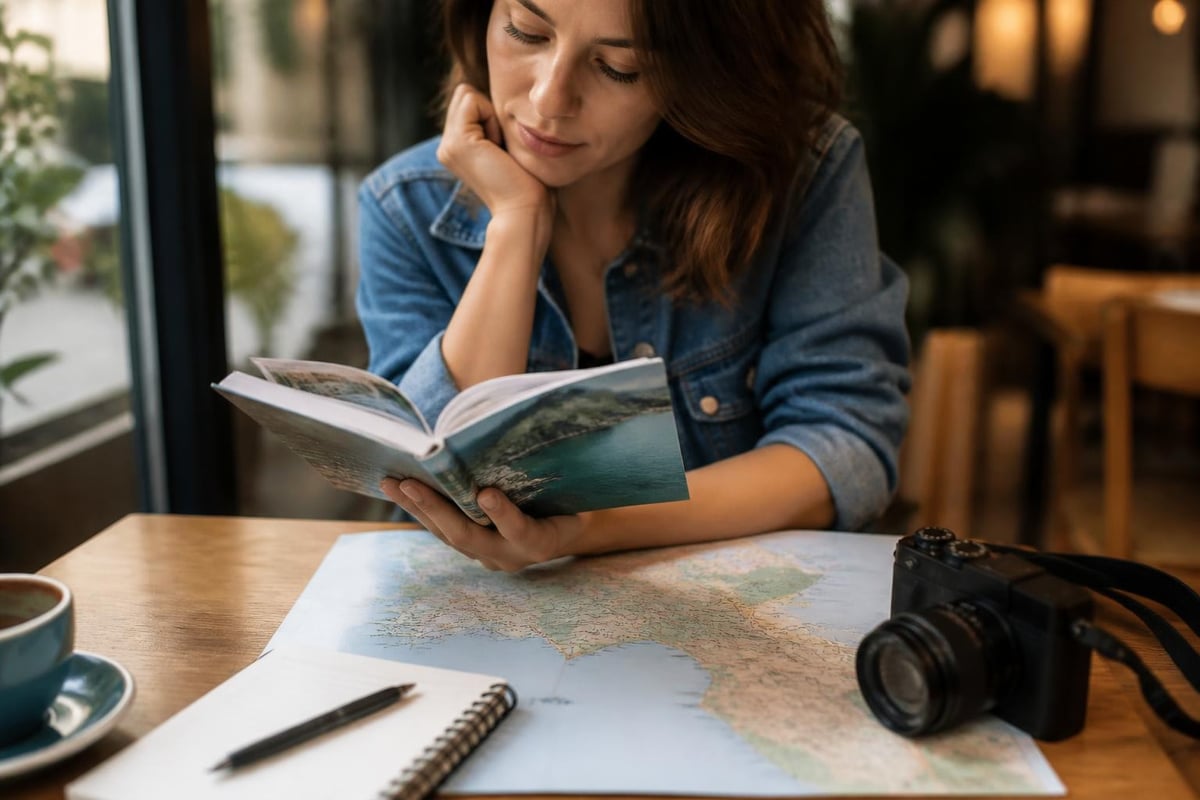
General travel guide books provide breadth, but specialized guides offer depth that transforms casual tourism into meaningful engagement. Food-focused guides, architectural guides, hiking guides, and cultural deep-dives serve travelers with specific passions.
Niche Publishing Opportunities
The travel publishing landscape increasingly rewards specificity. Rather than competing with established comprehensive guides, newer publishers succeed by serving underserved niches:
- Activity-based guides: Rock climbing routes, cycling itineraries, photography locations
- Cultural immersion: Language learning integrated with cultural context
- Historical deep-dives: Specific periods or themes within a destination
- Local perspective: Guides written by residents rather than visiting journalists
- Accessibility-focused: Resources for travelers with mobility challenges or other specific needs
These specialized travel guide books often command premium prices because they provide information unavailable elsewhere. A comprehensive architectural guide to Samarkand's Islamic heritage offers value far beyond a general chapter on "things to see."
Creating Your Own Travel Guide
What if the perfect travel guide book for your needs doesn't exist? Creating your own custom guide has never been more accessible, whether for personal use or commercial publication.
Steps to develop a custom guide:
- Define your scope precisely: Geographic area, target audience, unique angle
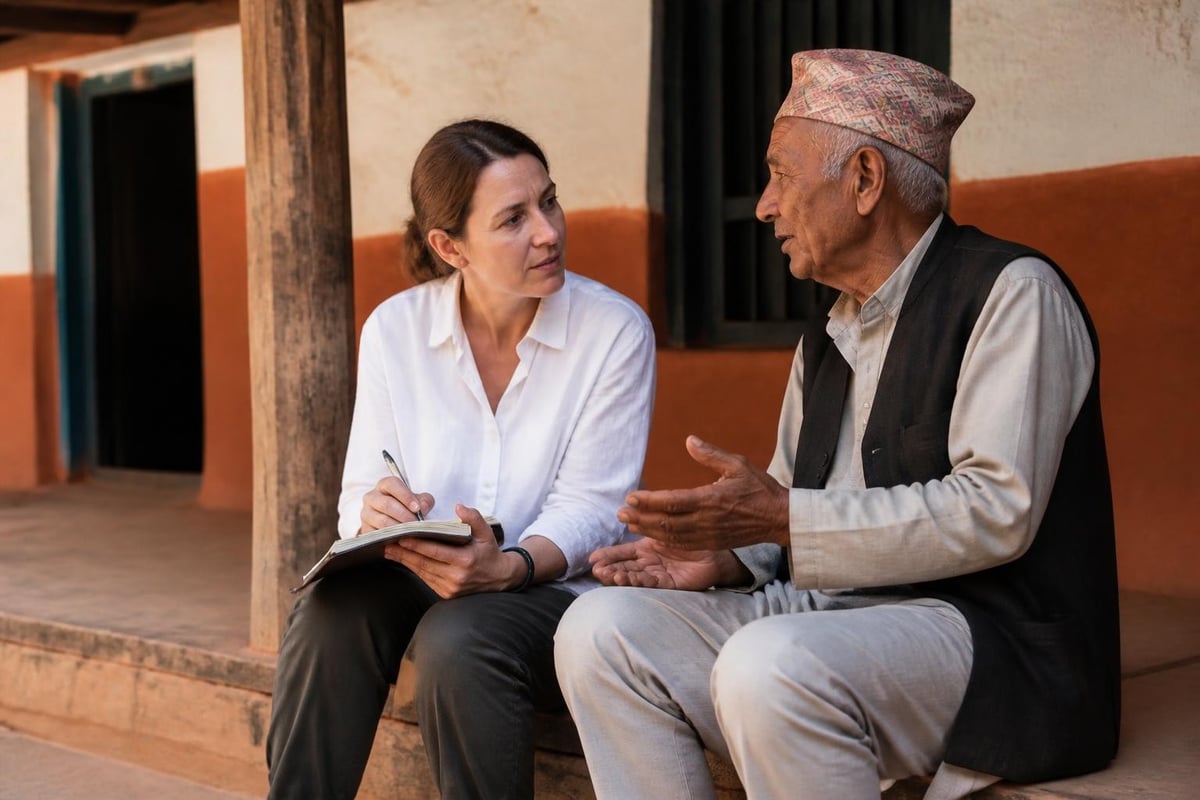
- Conduct thorough research: Multiple site visits, interviews with locals, expert consultation
- Organize information logically: Test your structure with potential users
- Include practical details: Verify all factual information multiple times
- Design for usability: Consider how readers will actually use the guide in-field
- Update regularly: Commit to verification and revision on a sustainable schedule
Small businesses-particularly those offering experiential services like walking tours-benefit enormously from proprietary guidebooks. These resources establish authority, provide value beyond the core service, and create additional revenue streams.
The investment in creating a quality travel guide book pays dividends through differentiation. When everyone has access to the same online information, a thoughtfully curated physical or digital guide offers something distinctive.
The Future of Travel Guides
The travel guide book continues evolving as technology enables new possibilities whilst travelers rediscover analog pleasures. We're seeing hybrid publications that blend printed guides with companion apps, each enhancing the other rather than competing.
Augmented reality features now overlay historical images onto current streetscapes when you point your phone at landmarks described in your guidebook. Sustainability-focused guides highlight low-impact travel choices, carbon footprints, and responsible tourism practices. Hyperlocal guides celebrate individual neighborhoods with the depth previously reserved for entire cities.
Yet the core purpose remains unchanged: helping curious travelers understand and appreciate the places they visit. Whether that travel guide book arrives as printed pages, pixels on a screen, or some yet-unimagined format matters less than the quality of information, insight, and inspiration it provides.
The best guides-in any format-tell stories. They connect past to present, explain cultural context that makes experiences meaningful, and empower travelers to engage respectfully and enthusiastically with the world beyond their familiar boundaries.
Whether you're planning your first adventure or your fiftieth, a thoughtfully chosen travel guide book enhances every journey by providing context, inspiration, and practical wisdom you can trust. The right guide transforms sightseeing into understanding, turning geographical movement into genuine connection with places and people. If you're ready to explore Samarkand's magnificent heritage with expert guidance that brings history to life, Visit Samarkand offers free walking tours that complement any guidebook with local insight and authentic experiences you'll treasure long after the journey ends.