
Picture this: you're standing at the gates of the Registan, the morning light painting its turquoise domes gold, and you're supposed to be somewhere else entirely. Your group has scattered, half are still having breakfast, and nobody quite knows what happens next. This chaos isn't just stressful-it's the death of magic. The difference between a trip people endure and a journey they'll treasure for decades often comes down to one simple document: a thoughtfully designed tour itinerary.
Whether you're leading strangers through ancient Silk Road cities or helping friends navigate a weekend getaway, your tour itinerary serves as the invisible thread that weaves individual moments into a coherent story. It's your promise to travelers, your operational backbone, and your best defence against the thousand small disasters that can derail even the most exciting adventure.
The Heart of Every Memorable Journey
A tour itinerary is far more than a schedule. It's a narrative arc that transforms logistics into experiences and wandering into wonder.
When travellers first glimpse your tour itinerary, they're not just reading times and places-they're imagining themselves in those moments. They're tasting the plov at lunch, feeling the cool shadows inside a medieval madrassa, hearing the stories that bring crumbling walls back to life. This document carries the weight of anticipation.
But here's the beautiful tension: whilst your guests see possibility and adventure, you need to see the mechanics. A robust tour itinerary balances inspiration with precision, leaving room for spontaneity whilst ensuring nothing essential falls through the cracks.
Building Blocks of Structure
Every effective tour itinerary contains several essential components:
- Clear timing that respects both efficiency and human rhythms
- Location details specific enough that nobody gets lost
- Activity descriptions that set proper expectations
- Practical information about meals, transport, and accessibility
- Emergency protocols discreetly woven throughout
The best examples read like invitations rather than instructions. They create excitement whilst providing certainty.
Crafting Itineraries That Sell and Deliver
The tour operators who thrive aren't just good guides-they're master storytellers who understand that a tour itinerary functions as both marketing tool and operational manual.
Consider the difference between "2:00 PM — Registan Square" and "2:00 PM — Discover the Registan's Three Madrassas. As afternoon light bathes the turquoise domes, we'll explore the tilework that took craftsmen decades to complete, and I'll share the legend of Ulugh Beg's secret astronomical tools." Both convey the same stop, but only one sells the dream.

According to industry best practices for tour itinerary development, successful operators invest as much time crafting their itineraries as they do training guides. The document does heavy lifting even before the first guest arrives.
The Guest Perspective
Put yourself in the traveller's shoes for a moment. You've booked a tour in a city you've never visited, possibly in a country whose language you don't speak. That tour itinerary isn't just helpful-it's your lifeline.
Travelers need to know:
- When to wake up and how much time they have to prepare
- What to wear for each segment of the day
- Where they'll eat and what's included
- How much walking or physical activity to expect
- When they'll have free time to explore independently
Transparency builds trust. Surprises should be delightful discoveries, not logistical shocks.
Practical Design for Real-World Conditions
Theory meets reality on dusty streets when the minibus breaks down or a sudden rainstorm floods the old city. Your tour itinerary needs buffer zones and backup plans.
Professional guides build in cushion time-those fifteen-minute gaps that seem like waste on paper but absorb the inevitable delays that come with moving groups of humans through unfamiliar spaces. Someone will need the toilet. Someone will want to buy that perfect souvenir. Someone will stop to take seventy nearly identical photos of the same archway.
| Time Type | Purpose | Typical Allocation |
|---|---|---|
| Core Activity | Main experiences and sights | 60-70% |
| Transitions | Moving between locations | 15-20% |
| Buffer Time | Absorbing delays | 10-15% |
| Personal Time | Photos, shopping, rest | 5-10% |
These percentages shift based on group size, mobility levels, and destination complexity. A tour itinerary for Samarkand's compact historical centre differs dramatically from one covering scattered rural sites.
Managing Energy and Attention
Human beings aren't machines. Even the most enthusiastic history lover can only absorb so many architectural lectures before their eyes glaze over.
Smart tour itinerary design follows a rhythm: intense experiences followed by lighter moments, complex information balanced with simple pleasures, group activities alternating with personal space. Think of it as composing music rather than scheduling meetings.
For sustainable tourism planning, this rhythm also means respecting local communities by spreading visitor impact across sites and times rather than overwhelming single locations. Your tour itinerary becomes an instrument for responsible travel.
The Cultural Dimension
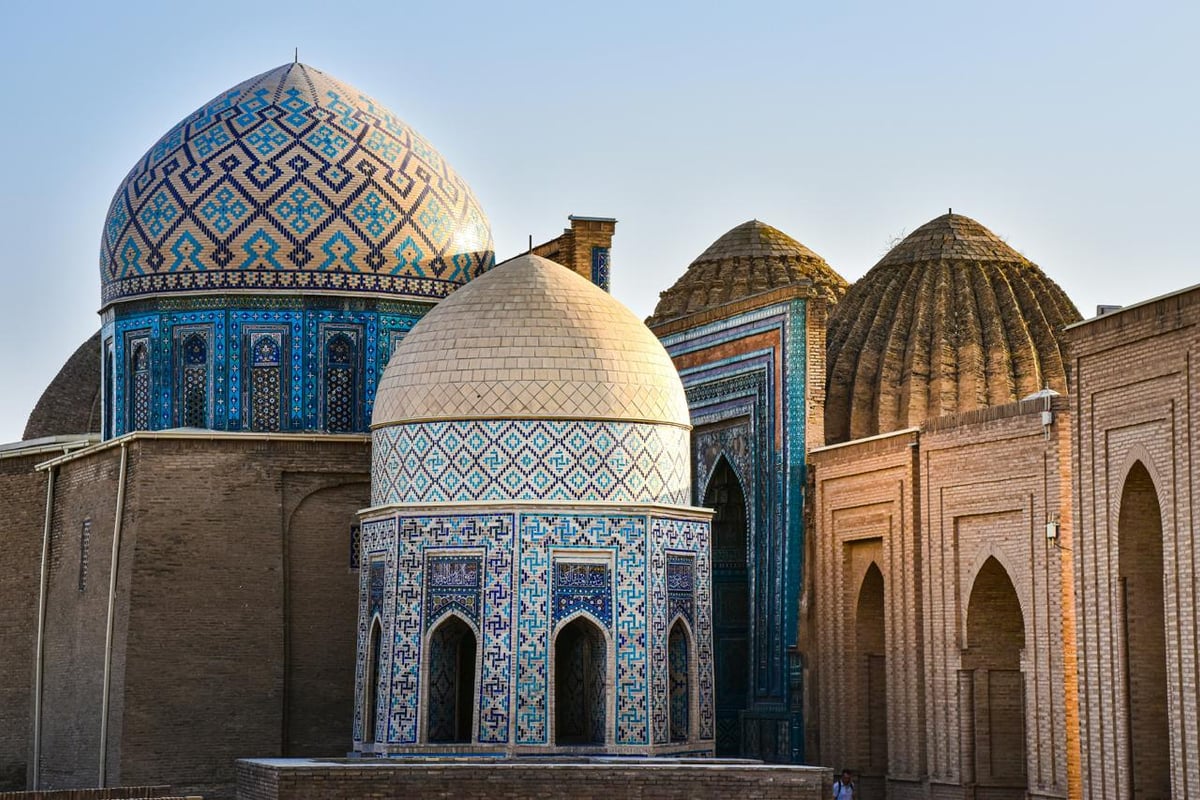
A tour itinerary isn't just about efficiency-it's about honour and connection. When you're guiding visitors through historic Samarkand, you're not showing them pretty buildings. You're introducing them to centuries of human creativity, struggle, and triumph.
This means your tour itinerary must account for cultural sensitivities and proper protocols. Visit mosques during appropriate hours. Allow time for guests to dress modestly if entering religious sites. Schedule breaks that respect prayer times without making a spectacle of religious practice.
The Free Sight seeing of Samarkand demonstrates this approach beautifully-offering immersive cultural experiences that honour local traditions whilst welcoming international visitors into the city's story. A tour itinerary that facilitates genuine cultural exchange creates bridges between worlds.
Language and Accessibility
Not everyone who reads your tour itinerary speaks English as their first language. Not everyone processes information the same way.
Clear formatting helps everyone:
- Use simple, direct language
- Break complex information into bullet points
- Include visual cues (icons for meals, transport, physical activity)
- Provide translations for key local terms
- Specify accessibility details upfront
When travelers understand what to expect, they arrive prepared and relaxed. Mystery might work in detective novels, but it creates anxiety in travel planning.
Operational Excellence Behind the Scenes
The tour itinerary your guests receive represents only half the story. Behind it lies your internal operational document-more detailed, more technical, packed with contingencies they never need to see.
This internal version includes emergency contact numbers, alternative venues if sites close unexpectedly, relationships with specific vendors, notes about which guides work best with which content. It's your mission control document.
| Guest-Facing Element | Internal Detail |
|---|---|
| "Lunch at a traditional restaurant" | Exact restaurant name, pre-order details, dietary alternatives, backup venue |
| "Transport provided" | Vehicle company, driver contact, parking locations, plan B transport |
| "Visit Bibi-Khanym Mosque" | Entry logistics, current restoration areas to avoid, site manager contact |
This dual-layer approach keeps guests focused on experiences whilst ensuring you can manage complexity invisibly. The best tour operations make difficult things look effortless.
Technology and Tools
Modern tour itinerary creation has moved beyond Word documents and spreadsheets-though those still work perfectly well. Specialized software can help you:
- Sync itineraries across team members instantly
- Update guests in real-time if plans change
- Track which version each group received
- Integrate with booking and payment systems
- Analyze which itinerary elements get the best feedback
But technology serves the story, not the other way round. A beautifully designed tour itinerary delivered as a simple PDF beats a clunky app every time.
For operators handling complex international arrangements, resources like IATA’s passenger data guidelines help ensure tour itineraries properly account for documentation requirements and connectivity logistics when air travel is involved.
Health and Safety Integration
Recent years have taught us that tour itinerary planning must incorporate health considerations more thoughtfully than ever before. This isn't about scaremongering-it's about duty of care.
Your tour itinerary should naturally address:
- Hydration opportunities during hot weather walking tours
- Rest stops for guests with varying fitness levels
- Medical facility locations along the route
- Food safety through vetted restaurant partnerships
- Weather contingencies with indoor alternatives
The WHO’s guidance on travel health communication offers frameworks for incorporating health considerations into tour planning without overwhelming guests with medical jargon. A well-considered tour itinerary protects everyone whilst maintaining the joy of discovery.
Managing Expectations and Realities
Sometimes the gap between what travelers expect and what's actually possible creates disappointment even when you deliver exactly what you promised.
This is where your tour itinerary's language becomes crucial. Rather than overselling, describe experiences accurately. If the walk is genuinely steep, say so. If "authentic local lunch" means simple bread and soup rather than a feast, be specific. Guests who arrive with accurate expectations leave satisfied; those sold fantasy feel cheated by reality.
Seasonal and Contextual Adaptation
No single tour itinerary works year-round in most destinations. Samarkand in June demands different pacing than Samarkand in November. Summer heat requires earlier starts, longer midday breaks, evening extensions when temperatures cool. Winter shortens daylight hours and may make some outdoor sites less accessible.
Your tour itinerary becomes a living document, shifting with seasons whilst maintaining core narrative structure:
Summer Adaptations:
- Start at 8:00 AM instead of 10:00 AM
- Extended lunch break during peak heat (1:00-4:00 PM)
- Resume activities in cooler evening hours
- Emphasize shaded sites during afternoon
Winter Adjustments:
- Later start to work with sunrise timing
- Shorter outdoor segments
- More time inside museums and covered spaces
- Earlier conclusion before darkness falls
This flexibility demonstrates professionalism. Refusing to adapt your tour itinerary to conditions shows rigidity, not consistency.
The Personal Touch
Here's what separates adequate tour itineraries from exceptional ones: personality. The document should sound like a human being talking to other human beings, not a robot listing coordinates.
Inject warmth. Share enthusiasm. Acknowledge the adventure you're about to share. "We'll meet at 9:00 AM" becomes "I'll be the guide with the blue Visit Samarkand flag at the Registan's western entrance-I'm always early, and I'll have tea ready whilst we wait for everyone to arrive."
These small touches transform a tour itinerary from a legal necessity into an invitation. They remind travelers that behind the logistics stands a real person who cares about their experience.
When you're developing walking tour programmes through platforms like Visit Samarkand, this personal voice becomes even more critical. Free walking tours succeed because of the authentic connection between guide and guest, and your tour itinerary sets that tone from the first interaction.
Testing and Iteration
Your first tour itinerary draft will be wrong. This isn't pessimism-it's reality. You'll discover that what looked like twenty minutes on a map takes forty minutes with a group. You'll realize that fascinating historical detail puts people to sleep right after lunch. You'll find the perfect photo spot that you somehow missed in planning.
The best tour operators treat their tour itinerary as perpetually evolving. After each tour:
- Note what ran long or short
- Record which stories captivated guests
- Document where people seemed confused
- Track questions that came up repeatedly
- Gather feedback about pacing and flow
This information refines your next version. Six months from now, your tour itinerary will be sharper, smoother, better calibrated to human reality than anything you could design in theory.
Guest Feedback Loops
Don't wait for formal reviews to understand how your tour itinerary performs. Build quick check-ins throughout the day: "How's the pace feeling?" "Would you prefer more detail here or shall we keep moving?" These micro-conversations reveal what written feedback might miss.
Some guests want encyclopaedic knowledge. Others want impressions and atmosphere. Your tour itinerary can't please everyone perfectly, but knowing your audience helps you adapt in real-time whilst maintaining structure.
Financial and Legal Considerations
A tour itinerary also serves legal purposes beyond its experiential goals. It documents what you promised to deliver, protecting both you and your guests if disputes arise.
Include clear statements about:
- What's included (entrance fees, meals, transport)
- What's excluded (personal purchases, optional activities)
- Cancellation terms and weather policies
- Physical requirements and accessibility limitations
- Insurance recommendations for participants
This transparency doesn't dampen excitement-it prevents misunderstanding. The tour itinerary becomes a gentle contract that aligns expectations before money changes hands.
A thoughtfully designed tour itinerary transforms good intentions into great experiences, giving both guides and travelers the structure they need whilst preserving the magic of discovery. Whether you're planning elaborate multi-day adventures or intimate walking tours through historic streets, this humble document carries the weight of dreams and the responsibility of delivery. Ready to explore Samarkand with guides who've perfected the art of memorable itineraries? Visit Samarkand offers free walking tours that showcase the city's treasures through carefully crafted programmes designed to honour both visitors and the remarkable heritage they've come to witness.