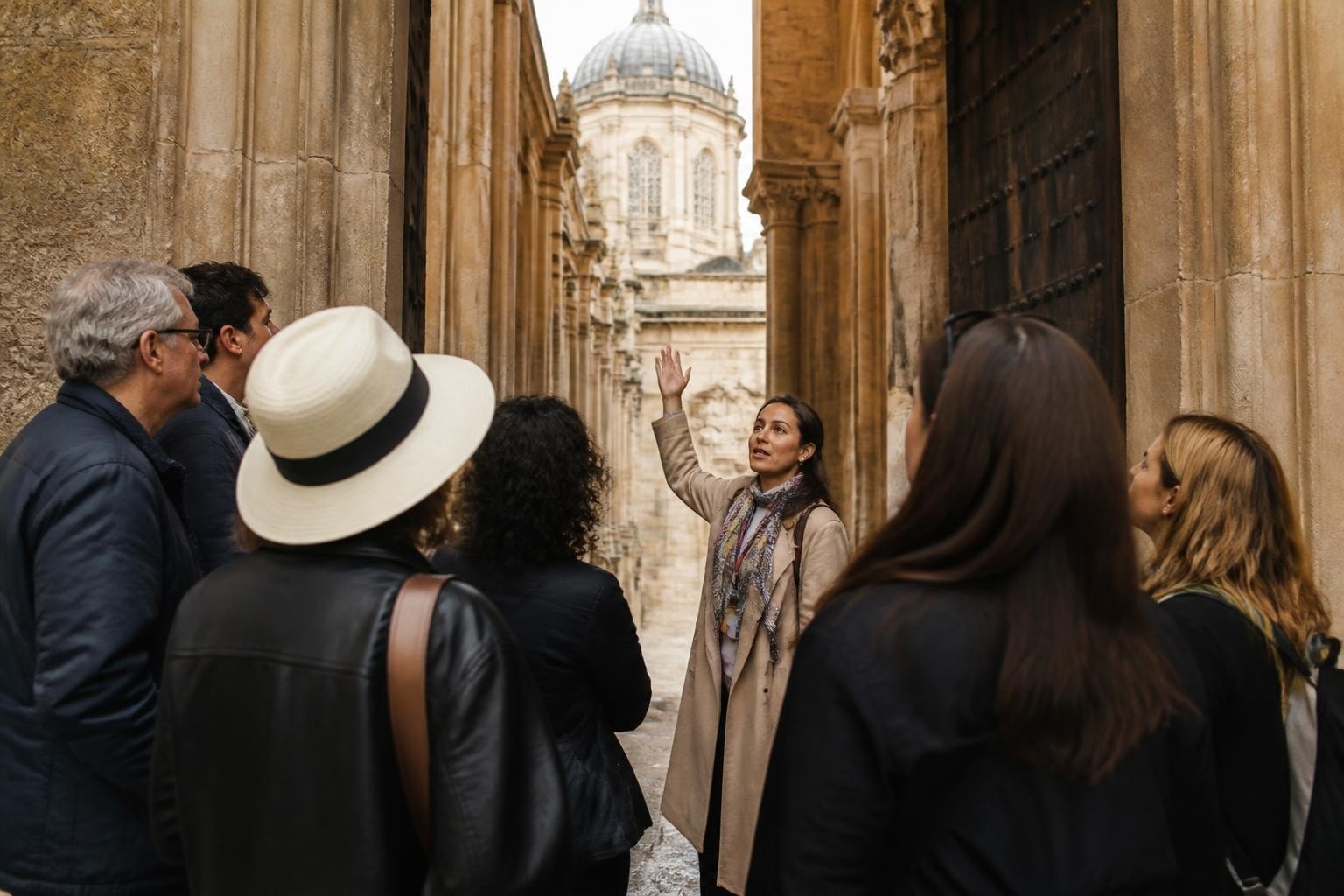
Every great travel memory begins with a story told well. When you step into a historic city or cultural landmark, the difference between merely seeing it and truly understanding it often comes down to one thing: the quality of your guide visit. Whether you're exploring ancient Silk Road cities or wandering through museum corridors, a well-crafted guide visit transforms sightseeing into something magical-a portal to another time, a connection to people whose stories built the very stones beneath your feet. This comprehensive handbook explores what makes exceptional guide visits work, how to plan them thoughtfully, and why they matter more than ever in our increasingly connected yet disconnected world.
Understanding the Anatomy of a Meaningful Guide Visit
A guide visit is far more than a person reciting facts while walking backwards. It's an intricate dance between storytelling, education, logistics, and human connection.
At its heart, every successful guide visit balances three elements: content, delivery, and experience design. Content encompasses the historical facts, cultural context, and narrative threads that give meaning to what travellers see. Delivery involves the guide's communication skills, pacing, and ability to read the group. Experience design considers routing, timing, accessibility, and those small touches that elevate a tour from good to unforgettable.
The Psychology Behind Memorable Tours
People remember stories, not statistics. Cognitive science tells us that narratives activate multiple brain regions, creating stronger memories than raw information alone. When planning your guide visit, consider how each stop connects to a larger human story.
Key elements that enhance retention:
- Personal anecdotes from local life
- Sensory details (sounds, smells, textures)
- Emotional connections to historical events
- Interactive moments requiring participation
- Unexpected perspectives that challenge assumptions
The most effective guides weave these elements seamlessly into their narratives, creating what researchers call "memorable tourism experiences"-moments that travellers recall years later, often with remarkable clarity.
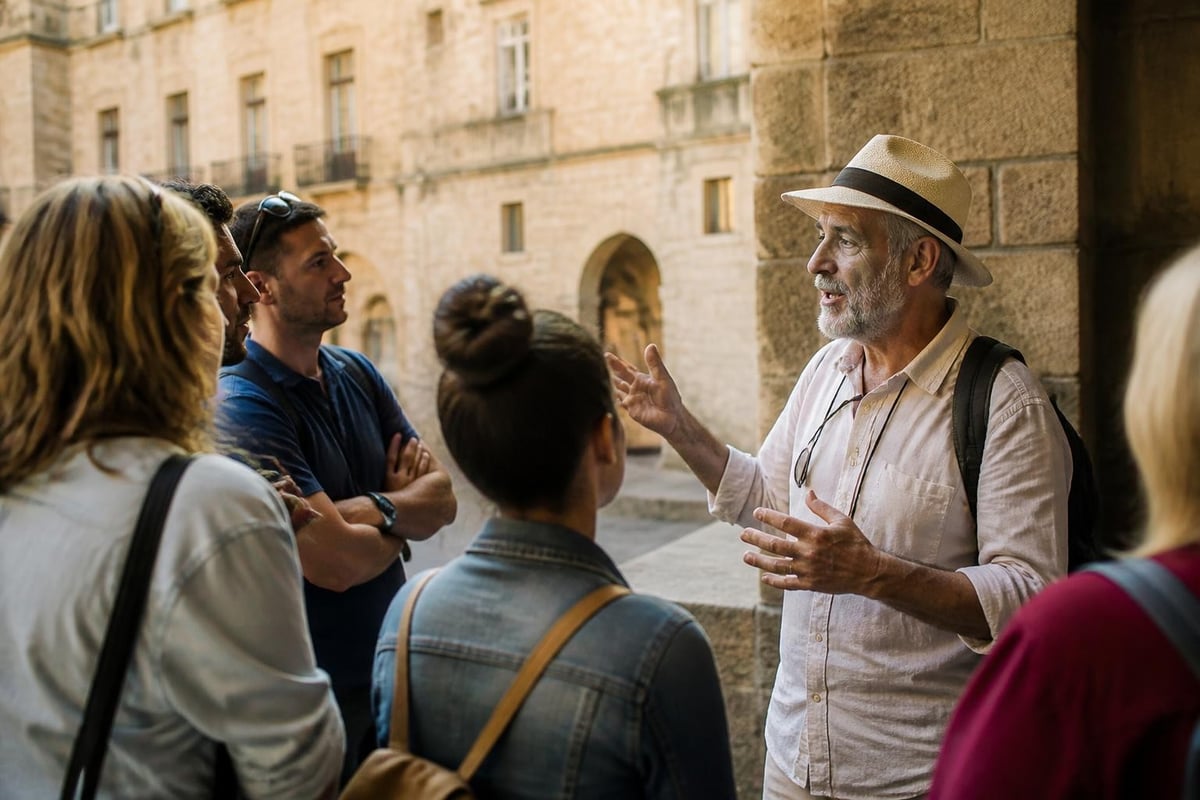
Designing Guide Visits for Different Audiences
Not every traveller wants the same experience. Some crave deep historical analysis, while others prefer light cultural highlights. Successful guide visit planning begins with audience understanding.
| Audience Type | Preferred Content | Ideal Duration | Engagement Style |
|---|---|---|---|
| Cultural enthusiasts | Deep historical context, architecture details | 2-3 hours | Q&A, detailed explanations |
| Casual tourists | Highlights, photo opportunities, fun facts | 60-90 minutes | Light, entertaining, social |
| Academic groups | Primary sources, scholarly debates, methodology | Half-day | Discussion-based, critical thinking |
| Families with children | Interactive stories, games, relatable comparisons | 60 minutes max | Hands-on, frequent breaks |
Creating flexible guide visit frameworks allows adaptation on the fly. The best guides carry a mental library of stories and can adjust depth and complexity based on group energy and interest.
Accessibility: The Non-Negotiable Foundation
Every guide visit must be accessible-not just physically, but intellectually and culturally. The Americans with Disabilities Act guidance provides essential frameworks, though the spirit matters more than mere compliance.
Physical accessibility considerations:
- Route assessment for wheelchair and mobility aid users
- Rest points at regular intervals
- Clear communication about terrain and distances
- Alternative formats for visual or auditory information
- Consideration for invisible disabilities (chronic pain, cognitive differences)
Beyond physical access, think about linguistic accessibility, cultural sensitivity, and economic barriers. Free walking tours democratise access to cultural heritage, ensuring that budget doesn't determine who gets to learn.
The Art of Route Planning and Timing
Geography and chronology rarely align perfectly, creating one of the guide visit planner's greatest challenges. Do you follow physical logic or historical narrative?
Experienced guides often use a "nested loops" approach: establish a geographical circuit, then weave chronological and thematic stories throughout. This technique keeps groups moving efficiently while building narrative momentum.
Pacing: The Hidden Success Factor
Energy management makes or breaks longer guide visits. Human attention spans fluctuate, and smart guides orchestrate this rhythm deliberately.
Effective pacing structure:
- Strong opening (5-10 minutes): Establish connection, set expectations, create intrigue
- Rising action (first third): Build foundational knowledge, lighter pace
- Climax moments (middle third): Showcase star attractions with peak energy
- Strategic breathers: Lower-key stops between major sites
- Memorable closing (final 10 minutes): Circle back to themes, invite questions
The traditional two-hour guide visit isn't arbitrary-it aligns with natural attention cycles and physical comfort limits. Pushing beyond this requires intentional breaks and format variation.
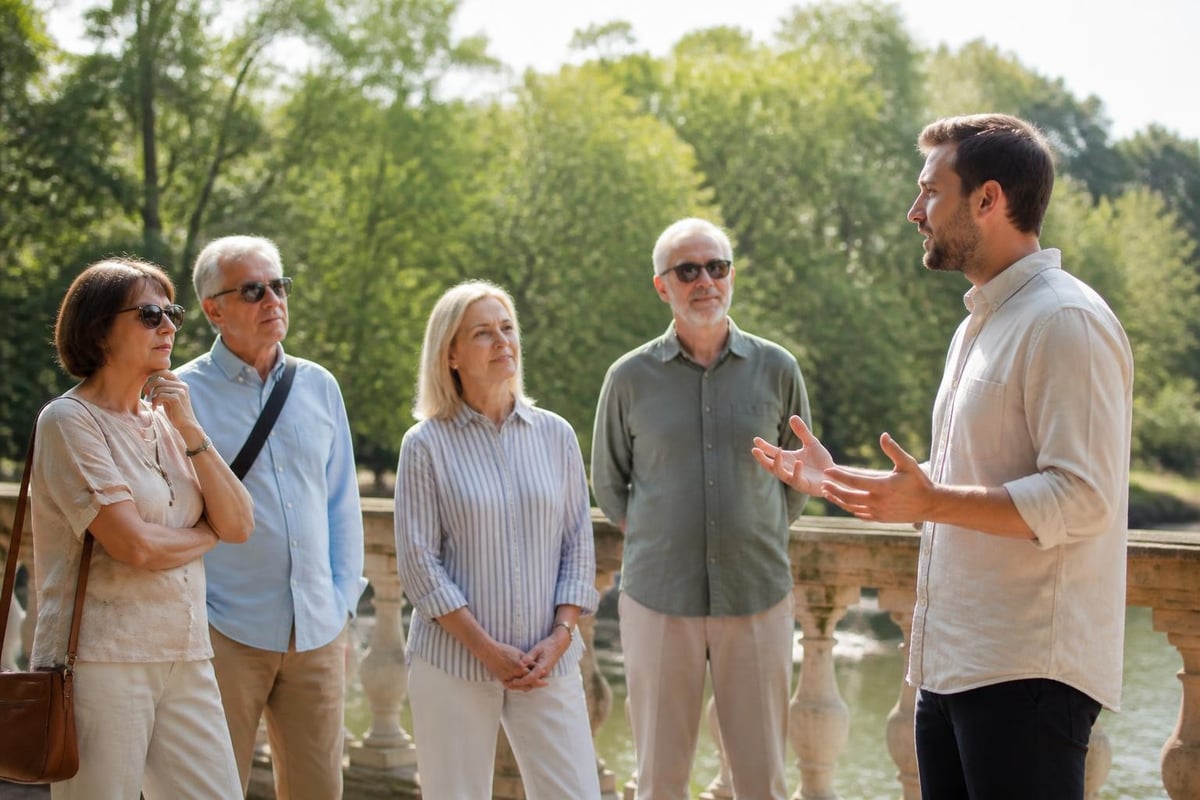
Technology Integration: Enhancing Without Overwhelming
Digital tools have revolutionised guide visits, though they shouldn't replace human connection. Research on augmented reality in collaborative tourism experiences shows that technology works best when it supplements storytelling rather than dominating it.
Smart audio systems allow whisper-tour delivery, essential for crowded sites. Mobile apps can provide pre-visit context and post-tour resources. QR codes at specific locations offer depth for curious visitors without slowing the main group.
Yet the most powerful technology remains the human voice, the expressive gesture, the knowing glance that says "wait until you see what's around this corner."
Digital Tools That Actually Help
- Translation apps: Break language barriers in multilingual groups
- Visual aids on tablets: Show "then and now" comparisons
- Weather apps: Real-time route adjustment decisions
- Group messaging: Keep everyone connected in crowded spaces
- Digital tipping platforms: Simplify gratuity for free tours
The key is seamless integration. Technology should be invisible infrastructure, not the main event.
Training and Knowledge Development for Guides
A guide visit succeeds or fails based on the guide's expertise, presence, and adaptability. This expertise extends far beyond memorising facts.
The International Council of Museums standards emphasise ongoing education, ethical interpretation, and cultural sensitivity-principles equally relevant whether guiding museum tours or city walks. Great guides commit to lifelong learning about their subjects.
Core competencies for exceptional guides:
- Historical accuracy: Fact-checking, citing sources, acknowledging uncertainty
- Narrative craft: Story structure, pacing, suspense building
- Group management: Reading dynamics, inclusive facilitation
- Crisis response: Medical emergencies, difficult participants, weather disruptions
- Cultural mediation: Bridging understanding between cultures respectfully
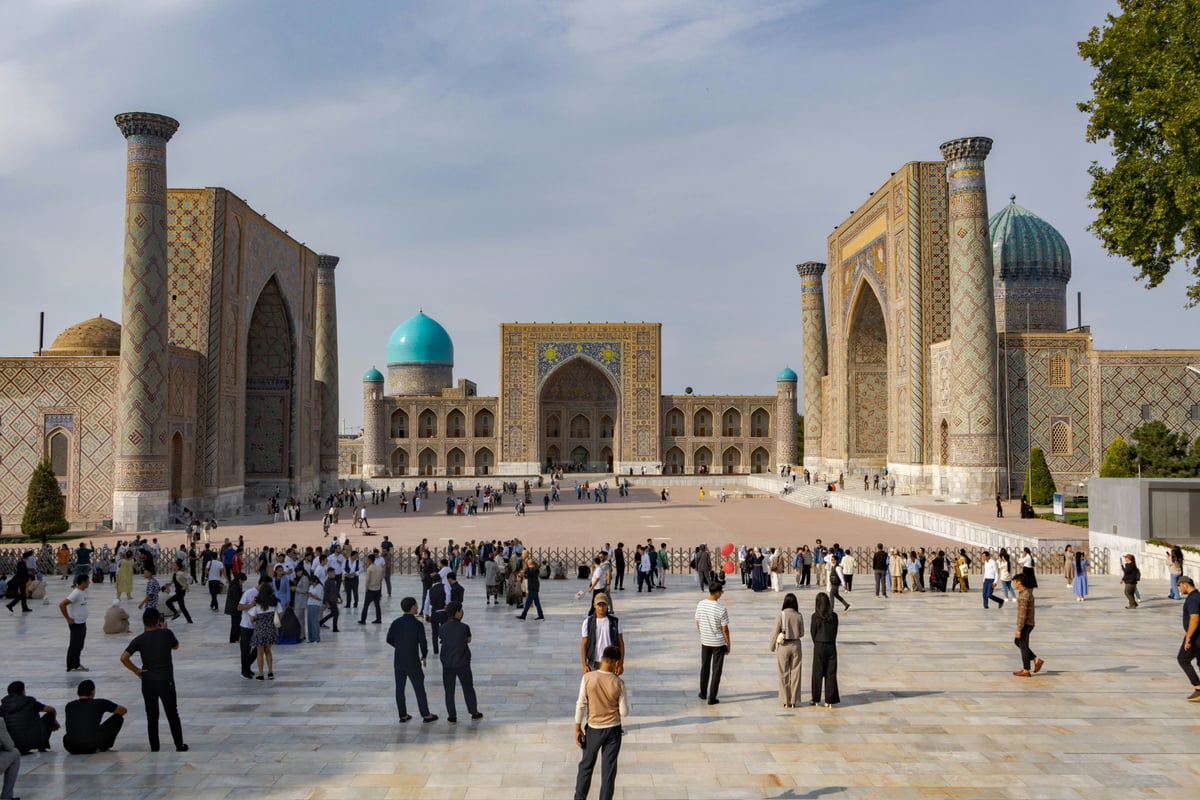
Consider how guides in heritage cities like those along the Silk Road don't just recite dates-they embody living connections to centuries of trade, scholarship, and cultural exchange.
Sustainable and Responsible Guide Practices
The tourism industry's impact on communities and environments demands thoughtful stewardship. The Preferred by Nature sustainable tourism standards offer practical frameworks for ethical guide visit operations.
| Sustainability Dimension | Guide Visit Application |
|---|---|
| Environmental | Route selection avoiding fragile areas, waste minimisation, noise control |
| Economic | Fair guide compensation, promoting local businesses, reinvesting in preservation |
| Social | Respecting resident privacy, accurate cultural representation, community benefit |
| Cultural | Preventing commodification, authentic storytelling, involving local voices |
Sustainable guide visits balance visitor access with preservation needs-a delicate equilibrium requiring constant attention.
Community-Centred Tourism Models
The UN Tourism Best Tourism Villages initiative demonstrates how guide visits can support rather than exploit communities. When local residents train as guides, they control their own narratives and benefit economically from tourism.
Free walking tours exemplify this model when operated transparently. Visitors receive accessible cultural education, guides earn through voluntary gratuities reflecting service quality, and the community maintains agency over how its stories are told.
Quality Control and Continuous Improvement
How do you know if your guide visit truly succeeds? Beyond positive reviews, meaningful assessment requires multiple metrics.
Feedback mechanisms worth implementing:
- Post-tour surveys focusing on specific elements
- Mystery shopper programmes for objective assessment
- Peer review sessions among guide teams
- Visitor retention data (do they book additional experiences?)
- Long-term impact tracking (do they recommend to others?)
The best guide visit programmes establish clear quality standards while allowing individual guide personality to shine. McDonald's-style uniformity kills the magic; complete inconsistency frustrates visitors. The sweet spot balances structure with spontaneity.
Handling Difficult Situations Gracefully
Even perfectly planned guide visits encounter challenges. Weather turns, visitors arrive unprepared, historical sites close unexpectedly, or group dynamics sour.
Experienced guides develop robust contingency planning. They know alternative routes, carry backup stories, and maintain composure when plans crumble. This resilience often impresses visitors more than perfect execution would have.
The guide who gracefully adapts when rain forces an indoor pivot, who tactfully manages the person monopolising questions, who finds creative solutions when a key site is unexpectedly closed-these professionals demonstrate true expertise.
Marketing Guide Visits in 2026
Digital discovery has fundamentally changed how travellers find and book guide visits. SEO, social proof, and authentic content creation now matter as much as service quality.
Effective marketing channels:
- Instagram storytelling showcasing real tour moments (not staged photos)
- Google Business Profile optimisation with consistent booking information
- Partnership with accommodation providers and tourist information centres
- User-generated content encouraging participants to share experiences
- Email sequences providing pre-visit context and post-tour resources
Authenticity matters enormously. Travellers detect and reject artificial promotion. Share real stories, genuine participant reactions, and honest information about what to expect.
Pricing Models and Value Communication
The free walking tour model, pioneered by companies across Europe and now global, raises interesting questions about value and compensation. When done well, it democratises access while allowing quality-based earning for guides.
Communicating value clearly matters whether tours are free, fixed-price, or premium-priced. What transformation do participants experience? What exclusive access or expertise do you provide? Why does this particular guide visit matter?
Building Guide Visit Programmes That Scale
Whether you're a solo guide or managing a team, scalability challenges emerge as demand grows. How do you maintain quality while serving more people?
Scalability strategies:
- Content systematisation: Core scripts with room for personalisation
- Training programmes: Onboarding new guides to consistent standards
- Quality assurance: Regular audits and feedback integration
- Technology leverage: Booking systems, communication tools, resource libraries
- Specialist development: Different guides for different tour types or languages
Growing sustainably means resisting the temptation to pack routes beyond comfortable capacity or compromise on guide expertise. Sometimes the right answer is limiting availability rather than diluting quality.
Seasonal Variation Management
Most destinations experience seasonal tourism fluctuation. Winter guide visits in Central Asia require different clothing advice, shorter outdoor segments, and adjusted expectations compared to spring tours among blooming gardens.
Smart operators develop seasonal variations of core routes, alternative indoor-focused options for extreme weather, and guide training that addresses season-specific challenges. This flexibility protects both visitor satisfaction and guide wellbeing.
The Future of Guide Visits
Emerging technologies and shifting traveller values are reshaping what guide visits can be. Virtual reality pre-tour preparation, AI-powered translation enabling real-time multilingual tours, and blockchain-verified guide credentials all loom on the horizon.
Yet fundamental human needs remain constant. People crave connection, meaning, and authentic encounter with places and cultures. Technology enhances these connections; it doesn't replace them.
The guide visit of 2030 will likely blend physical and digital elements seamlessly-imagine augmented reality overlays showing historical scenes while a skilled guide provides context and emotional narrative. The technology serves the story; the story serves understanding; understanding builds connection.
Emerging trends to watch:
- Hyper-local, neighbourhood-specific tours moving beyond major monuments
- Themed tours around specific interests (architecture, food systems, women's history)
- Multi-day expedition-style guide visits for deeper immersion
- Climate-conscious routing and carbon-offset integration
- Neurodiverse-friendly tour adaptations with sensory considerations
The core principle endures: great guide visits transform seeing into understanding, understanding into appreciation, and appreciation into connection that outlasts the tour itself.
Transforming tourism from passive consumption into active cultural exchange requires thoughtful guide visit design, skilled delivery, and genuine respect for both visitors and communities. Whether you're exploring ancient cities, discovering hidden neighbourhoods, or diving deep into museum collections, the right guide makes all the difference. Visit Samarkand offers free walking tours that embody these principles, connecting travellers with the Silk Road's living heritage through expert-led excursions accessible to everyone. Ready to experience the difference a truly exceptional guide visit makes?