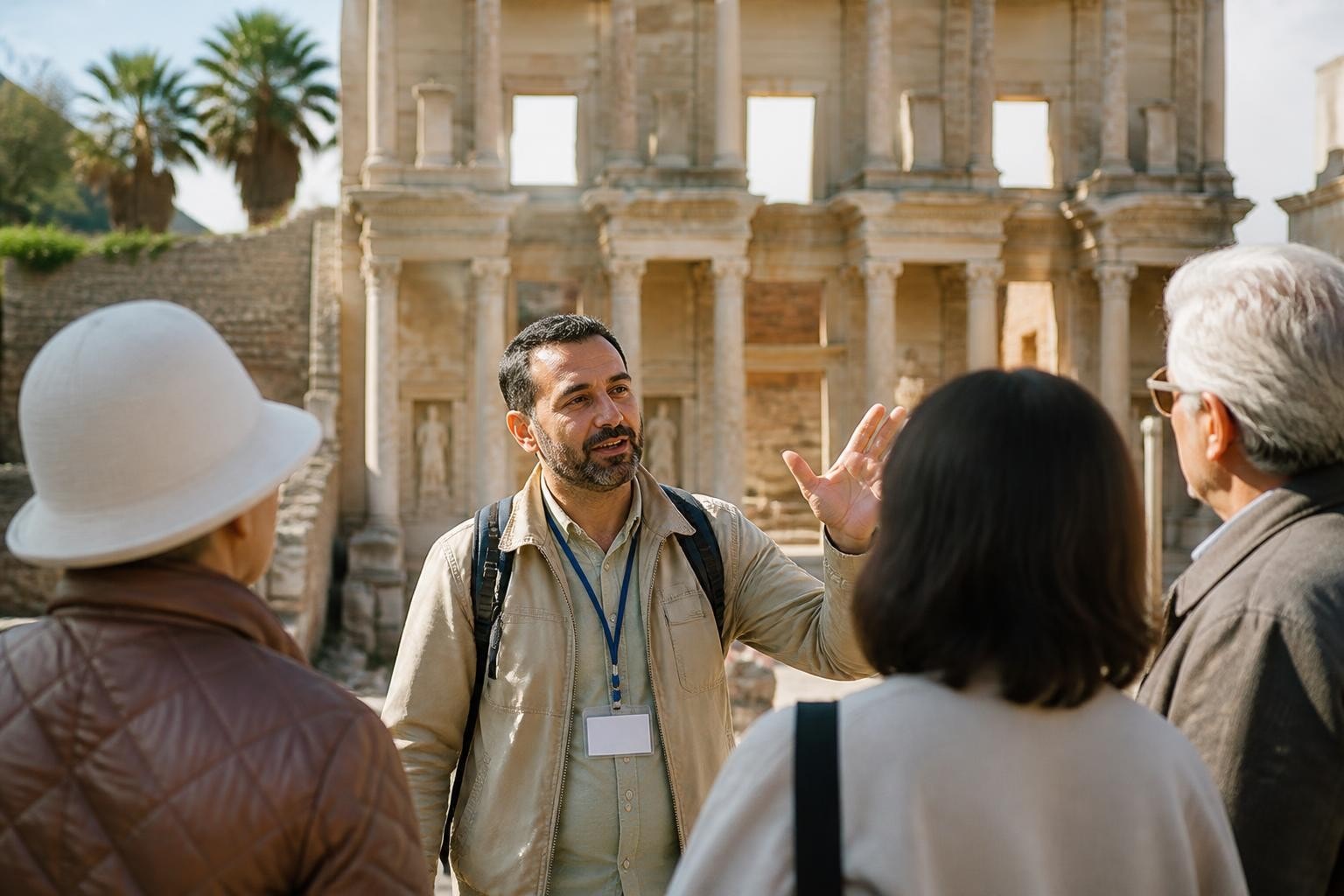
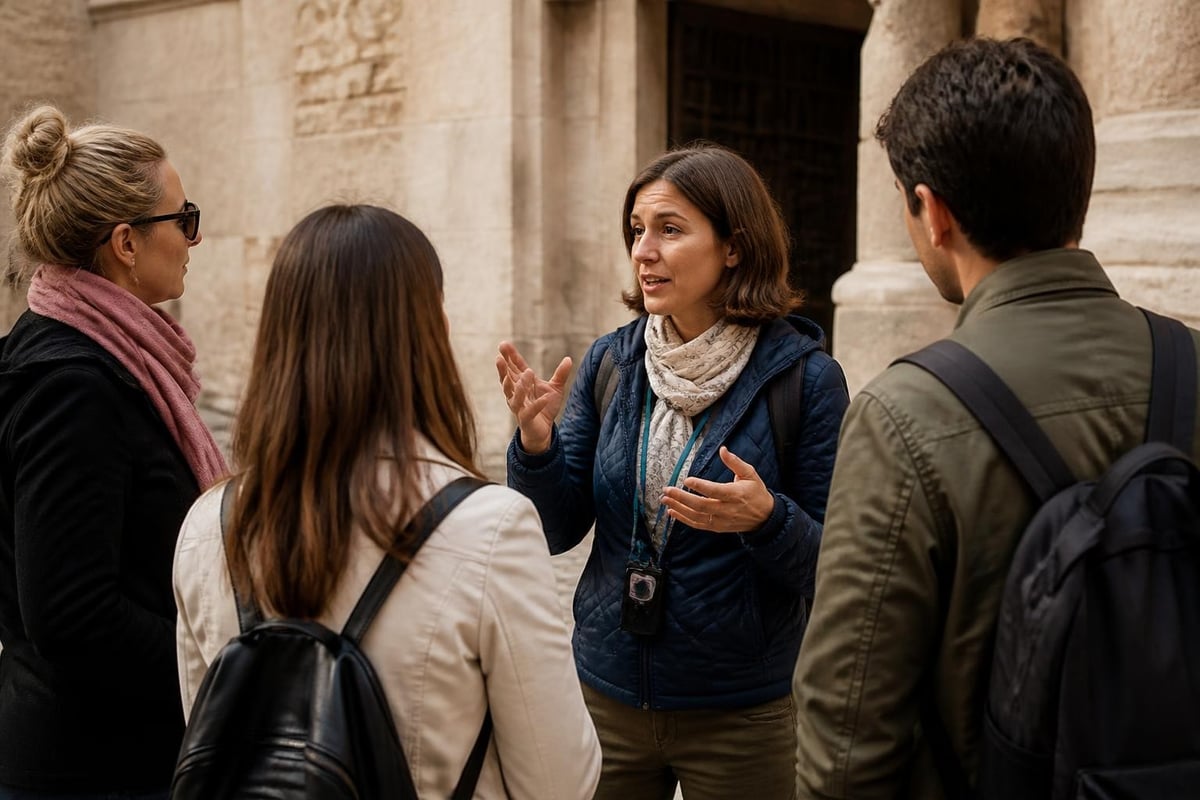
Standing at the entrance to a centuries-old monument, watching a group of strangers transform into curious explorers as they hear the stories behind ancient stones-that's the magic moment when you realise you've found your calling. If you've ever felt that spark when sharing your city's secrets or recounting historical tales, you're already halfway on the path to become a tour guide. This isn't just a job; it's an invitation to be a storyteller, educator, and cultural ambassador all at once. Whether you dream of leading travellers through bustling bazaars, historic cathedrals, or hidden neighbourhood gems, the journey begins with understanding what it truly takes to turn your passion into a profession.
Understanding What It Means to Become a Tour Guide
The romantic image of a guide holding an umbrella aloft whilst reciting facts barely scratches the surface. To truly become a tour guide is to accept responsibility as the bridge between a place and the people experiencing it for the first time.
Modern tour guides wear many hats:
- Cultural interpreter translating history into meaningful narratives
- Safety officer ensuring every guest returns home intact
- Educator who makes learning feel like adventure
- Problem-solver navigating everything from missed coaches to sudden weather changes
- Entertainer who keeps energy high even on the tenth tour of the week
The role has evolved dramatically since 2020. Today's travellers crave authentic experiences over scripted performances, seeking guides who share genuine passion rather than rehearsed monologues. They want to understand not just what happened in a place, but why it matters.
The Personal Rewards Beyond the Pay Packet
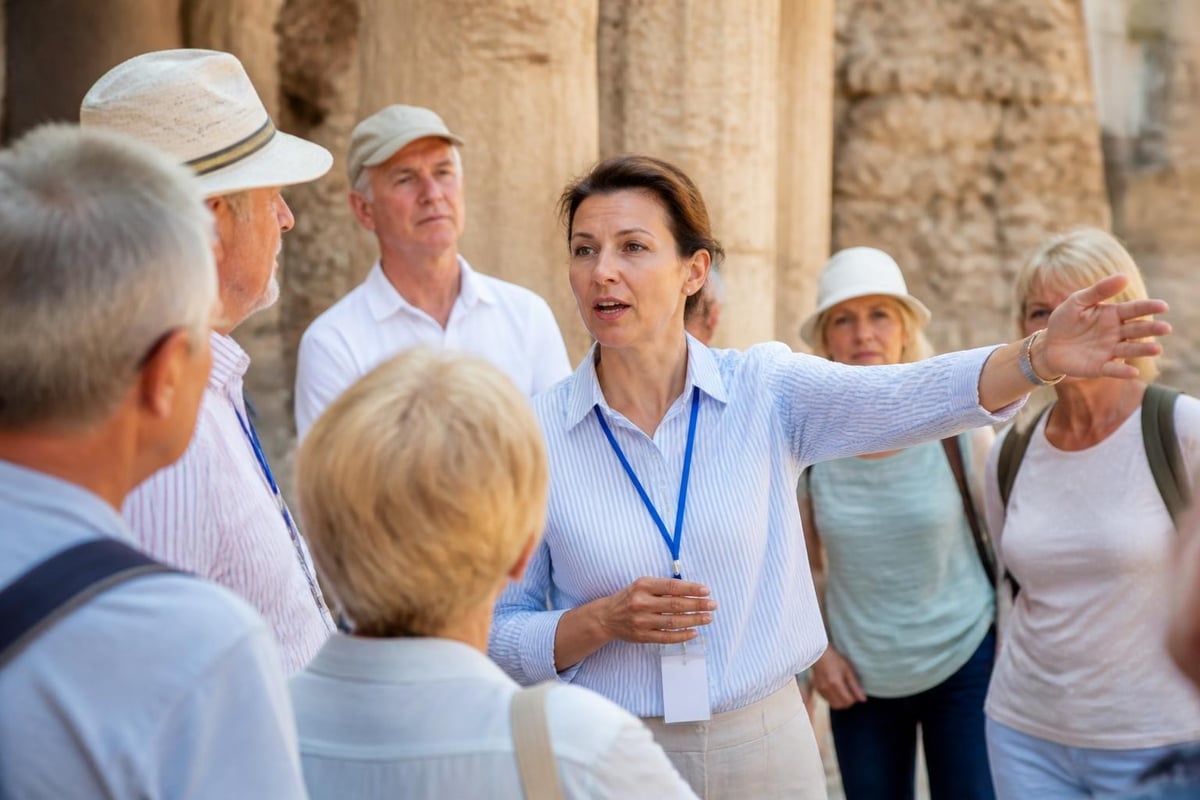
Sarah, a guide in Edinburgh, tells the story of a visitor who'd saved for three years to visit Scotland, the homeland she'd only heard about in her grandmother's stories. "When I saw her crying at Holyrood Palace, touching the stones her ancestors might have walked past, I remembered exactly why I chose this path," she recalls.
These moments-when you witness someone connect deeply with a place through your storytelling-become the currency that sustains you through rainy days and difficult groups. The financial rewards vary wildly depending on location, language skills, and specialisation, but the emotional dividends are universal.
Building Your Foundation of Knowledge
You cannot lead others through territory you don't intimately know yourself. The journey to become a tour guide demands dedicating yourself to becoming an expert in your chosen domain.
Deep Research and Continuous Learning
Start by consuming everything about your intended tour area:
- Read primary historical sources, not just tourist brochures
- Interview local residents, especially elderly community members with living memories
- Walk every street, alley, and pathway in your area at different times of day
- Document changes with photographs and notes
- Study comparative contexts to understand how your place fits into broader narratives
The World Federation of Tourist Guide Associations provides excellent resources on professional standards and the depth of knowledge expected in the industry. Their guidelines emphasise that guides must maintain accuracy whilst making information accessible.
| Knowledge Area | Why It Matters | How to Build It |
|---|---|---|
| Historical facts | Credibility foundation | Academic texts, archives, museums |
| Local legends | Emotional connection | Community interviews, folklore collections |
| Current affairs | Relevance and context | Daily news, local publications |
| Comparative history | Broader understanding | Travel, documentaries, books |
Specialisation: Finding Your Unique Voice
Generic tours are ten-a-penny. What makes travellers choose you? Perhaps you're passionate about culinary history, architectural details, ghost stories, or the role women played in shaping your city. This specialisation becomes your signature.
When I decided to become a tour guide focusing on Silk Road trade routes, I spent six months tracing ancient merchant paths, studying Persian trade records, and learning basic Uzbek phrases. That investment transformed me from just another guide into someone offering an experience nobody else could replicate.
Gaining Qualifications and Credentials
Whilst passion provides the fuel, proper credentials open the doors. Requirements vary dramatically by location and tour type.
Formal Training Programmes
Many destinations require licensed guides to complete accredited training. These programmes typically cover:
- Historical and cultural content specific to the region
- Guiding techniques and group management
- Legal responsibilities and insurance requirements
- First aid and emergency procedures
- Customer service and conflict resolution
The British Red Cross offers essential first-aid training that most reputable tour operators now require. This isn't merely ticking boxes-when a guest collapsed from heat exhaustion during my third week guiding, that training quite literally saved a life.
Self-Directed Learning Paths
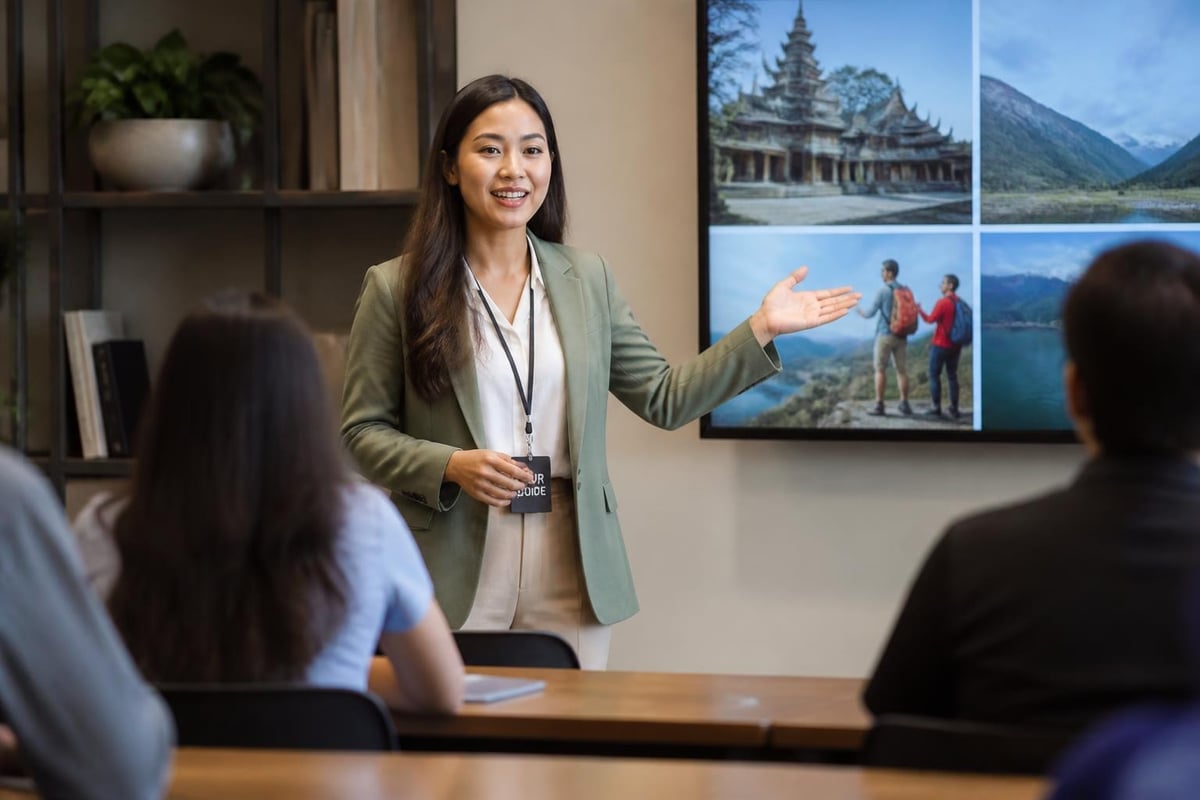
Not every route to become a tour guide runs through formal institutions. Free walking tour models, particularly those pioneered by organisations like Visit Samarkand, create opportunities for passionate individuals to start guiding whilst learning on the job.
Self-taught guides should prioritise:
- Shadowing experienced guides (with permission)
- Joining local historical societies
- Completing online courses in public speaking
- Practising tours with friends who'll give honest feedback
- Reading customer reviews of established tours to understand expectations
The National Park Service’s guidelines on interpretation and education offer valuable frameworks for developing engaging, educational narratives even if you're not working within national parks.
Developing Essential Skills
Knowledge fills your mind, but skills fill your tours with life. To successfully become a tour guide, you must cultivate abilities that extend far beyond memorising dates.
The Art of Storytelling
Facts tell, but stories sell. Compare these two approaches:
Approach A: "This mosque was built in 1404 by order of Timur. It took 50 craftsmen to complete the tilework."
Approach B: "Picture fifty artisans, each a master of his craft, working through blistering summers and bitter winters. Timur visited this site weekly, they say, his presence both inspiration and threat. One tilemaker, legend tells, carved his lover's face into a geometric pattern-can you spot which one?"
The second approach invites participation, creates visual images, and embeds facts within narrative. This transformation happens through deliberate practice.
Managing Groups Like a Conductor
A tour group is an orchestra of different personalities, energy levels, and interests. Your job resembles that of a conductor:
- Read the room constantly, adjusting pace and content to match energy
- Include everyone through questions, eye contact, and strategic positioning
- Handle disruptions gracefully, whether chatty individuals or mobile phones
- Create micro-moments where different people feel specially acknowledged
One technique that transformed my guiding: the "three-person rule." I ensure I make meaningful eye contact and direct at least one comment specifically to three different people every five minutes. This prevents the entire group feeling like they're listening to a lecture.
Establishing Your Business Foundation
Unless you're joining an established company, you'll need business acumen to complement your guiding skills. Those who become a tour guide often underestimate this dimension until facing it head-on.
The Business Planning Essentials
The U.S. Small Business Administration provides excellent templates for creating a business plan, even for UK-based guides. Adapt these resources to your local context, addressing:
- Market research: Who are your potential clients? What tours already exist?
- Pricing strategy: Calculate costs (time, transport, insurance, marketing) before setting rates
- Marketing channels: Website, social media, partnerships with hotels, online travel agencies
- Risk management: Insurance, cancellation policies, emergency protocols
- Financial projections: Realistic income forecasts accounting for seasonal variations
| Business Model | Pros | Cons | Best For |
|---|---|---|---|
| Free walking tours | Low barrier to entry, build reputation | Unpredictable income, weather-dependent | New guides, supplementary income |
| Fixed-price private tours | Premium rates, personalised service | Requires marketing investment, slower scale | Specialists, experienced guides |
| Commission with operators | Steady bookings, reduced admin | Lower margins, less creative control | Risk-averse beginners |
| Themed experiences | Premium pricing, passionate audience | Niche limits volume, seasonal peaks | Experts with unique angles |
Building Your Digital Presence
In 2026, your online presence often determines whether you succeed or struggle. Travellers book guides through Google searches, Instagram inspiration, and TripAdvisor reviews.
Priority digital assets:
- Professional website with booking capability
- Active Instagram showcasing your tours through story-driven posts
- Google Business profile with genuine reviews
- YouTube channel with short educational videos about your area
- Email list for repeat visitors and referral requests
Navigating Legal and Practical Requirements
Romance dims when confronted with insurance forms and tax returns, yet these foundations prevent disaster. Every region has different requirements for those who become a tour guide professionally.
Insurance and Liability
Essential coverage includes:
- Public liability insurance (minimum £5 million coverage recommended)
- Professional indemnity insurance
- Personal accident insurance
- Equipment insurance if you use audio devices or props
One claim can bankrupt an uninsured guide. When Marcus, a guide I knew, had a guest trip on uneven pavement and break an ankle, the lawsuit exceeded £30,000. His insurance handled it; without coverage, he'd have lost his home.
Permits and Licensing
Many heritage sites, museums, and even public spaces require guides to hold specific permits. Research your local requirements thoroughly:
- City or regional guide licences
- Site-specific authorisations for monuments
- Business registration and tax numbers
- Right to work documentation if guiding internationally
The CBI’s guidance on sustainable tour operations offers valuable insights into meeting European market expectations, particularly important if you plan to work with international tour operators.
Launching Your First Tours
Theory meets reality when you welcome your first paying guests. Those initial tours, however nerve-wracking, provide irreplaceable learning.
The Free Walking Tour Model
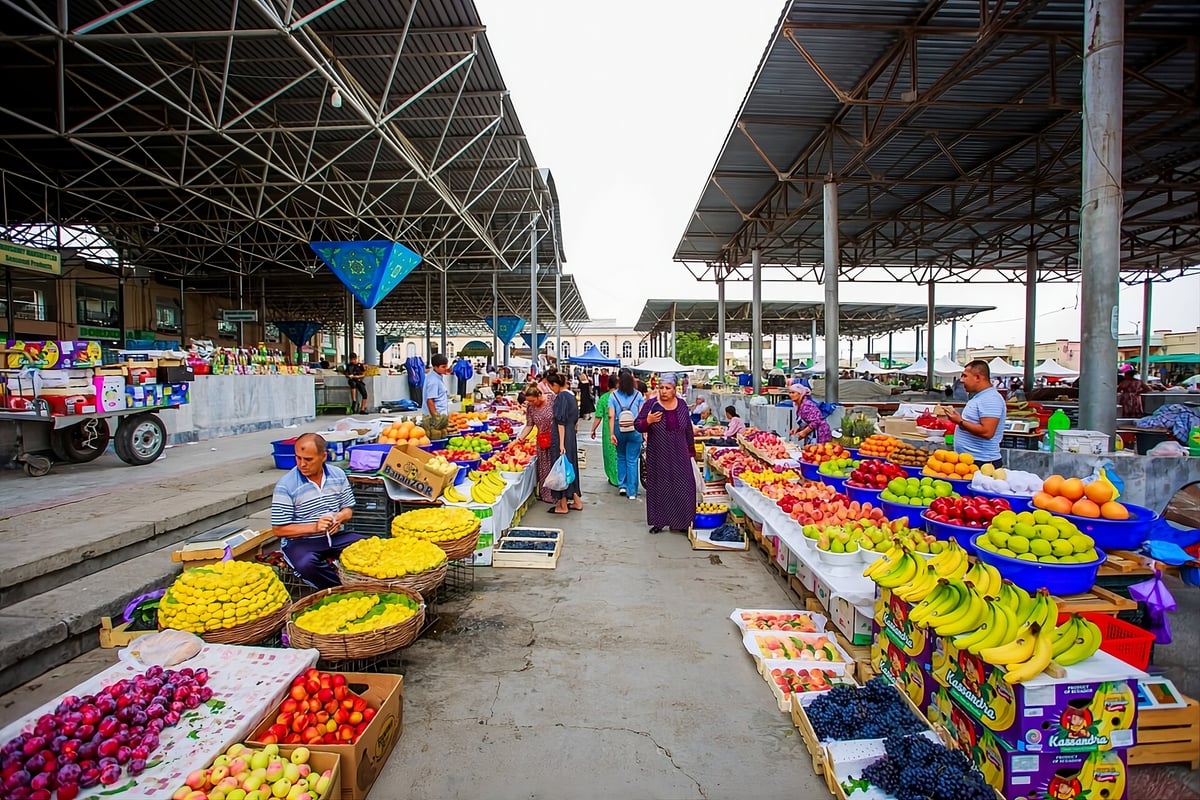
Organisations like Visit Samarkand have demonstrated how free walking tours create win-win scenarios. Guides gain experience and build portfolios whilst travellers access quality experiences regardless of budget. The model operates on gratuities, meaning your income directly reflects the value you deliver. Free sight-seeing tours allow both new guides and budget-conscious travellers to connect meaningfully, often creating more authentic experiences than their paid counterparts.
Testing and Refining Your Content
Your first tour script will feel clunky. That's expected. What matters is systematic improvement:
- Record yourself (audio only) during tours to identify verbal tics and pacing issues
- Request specific feedback with post-tour surveys asking detailed questions
- Time each segment to identify where you rush or drag
- Note which stories land and which leave audiences cold
- Adapt weather-dependent elements after experiencing different conditions
Emma, who started guiding in Bath, tells of her mortifying first tour: "I forgot entire sections, spoke too quietly, and lost three people who wandered into a shop. But I showed up for tour two, then tour three. By tour ten, I actually felt like a guide."
Growing Beyond Your First Steps
Once you've completed dozens of tours and built confidence, expansion becomes possible. To become a tour guide is to commit to perpetual evolution.
Expanding Your Offering
Growth opportunities include:
- Adding languages (each new language typically doubles your market)
- Developing seasonal or event-specific tours
- Creating premium experiences with exclusive access
- Training and mentoring junior guides
- Writing guidebooks or creating digital courses
- Partnering with hotels, cruise lines, or educational institutions
Embracing Sustainability and Responsibility
Modern travellers increasingly choose guides who demonstrate environmental and cultural sensitivity. Those who become a tour guide today must consider their impact:
- Promoting responsible behaviour at heritage sites
- Supporting local businesses in tour itineraries
- Educating visitors about conservation challenges
- Limiting group sizes to reduce environmental strain
- Respecting local communities and sacred spaces
This shift isn't merely ethical-it's economic. Sustainable tourism attracts premium-paying, conscientious travellers whilst preserving the very resources your business depends upon.
Handling Challenges and Difficult Situations
Romanticising the role does nobody favours. Tour guiding involves managing humans, which means navigating complexity, disappointment, and occasional conflict.
Common Challenges and Solutions
| Challenge | Why It Happens | Professional Response |
|---|---|---|
| No-shows | Overbooking, forgetfulness | Clear confirmation systems, minimum group policies |
| Demanding guests | High expectations, cultural differences | Set boundaries politely, under-promise and over-deliver |
| Weather disruptions | Outdoor tours, seasonal work | Indoor alternatives, flexible rescheduling, weather guarantees |
| Conflicting information | Historical debate, local myths | Acknowledge uncertainty, present multiple perspectives |
| Physical limitations | Diverse fitness levels | Clear pre-tour descriptions, alternative routes prepared |
Maintaining Energy and Avoiding Burnout
When your passion becomes your daily job, protecting that spark requires deliberate effort. Guides who thrive long-term build sustainable rhythms:
- Schedule rest days even during peak season
- Vary your tours to maintain personal interest
- Maintain hobbies completely unrelated to tourism
- Build a community with other guides for support and camaraderie
- Set financial targets that allow off-season regeneration
James, a guide for fifteen years, learned this lesson painfully: "I guided seven days weekly for two summers straight. The money was brilliant, but by autumn I'd started resenting my favourite monuments. Now I cap myself at five tours weekly, and I still love this work."
The Future of Tour Guiding
Technology promises both threat and opportunity. Virtual tours, AI-generated itineraries, and audio guides might seem like competition, but human guides offer something algorithms cannot replicate: authentic connection and adaptive storytelling.
Emerging opportunities:
- Hybrid tours combining digital preparation with in-person guiding
- Specialist guides for niche interests (true crime, LGBTQ+ history, accessibility-focused tours)
- Multi-day immersive experiences beyond traditional sightseeing
- Corporate team-building through guided experiences
- Educational partnerships with schools and universities
Those who become a tour guide in 2026 enter a profession being redefined. The guides who'll thrive are those who embrace technology as a tool whilst doubling down on the irreplaceable human elements: spontaneity, empathy, and presence.
Becoming a tour guide transforms how you see your own city and creates connections that ripple far beyond each tour's final stop. Whether you start by leading free walking tours to build experience or jump straight into specialised private experiences, the journey begins with taking that first nervous step in front of a group. If you're ready to experience the magic of Samarkand whilst seeing firsthand how passionate guides bring ancient stories to life, Visit Samarkand offers free walking tours where you can witness master storytellers at work-and perhaps find the inspiration to start your own guiding journey.