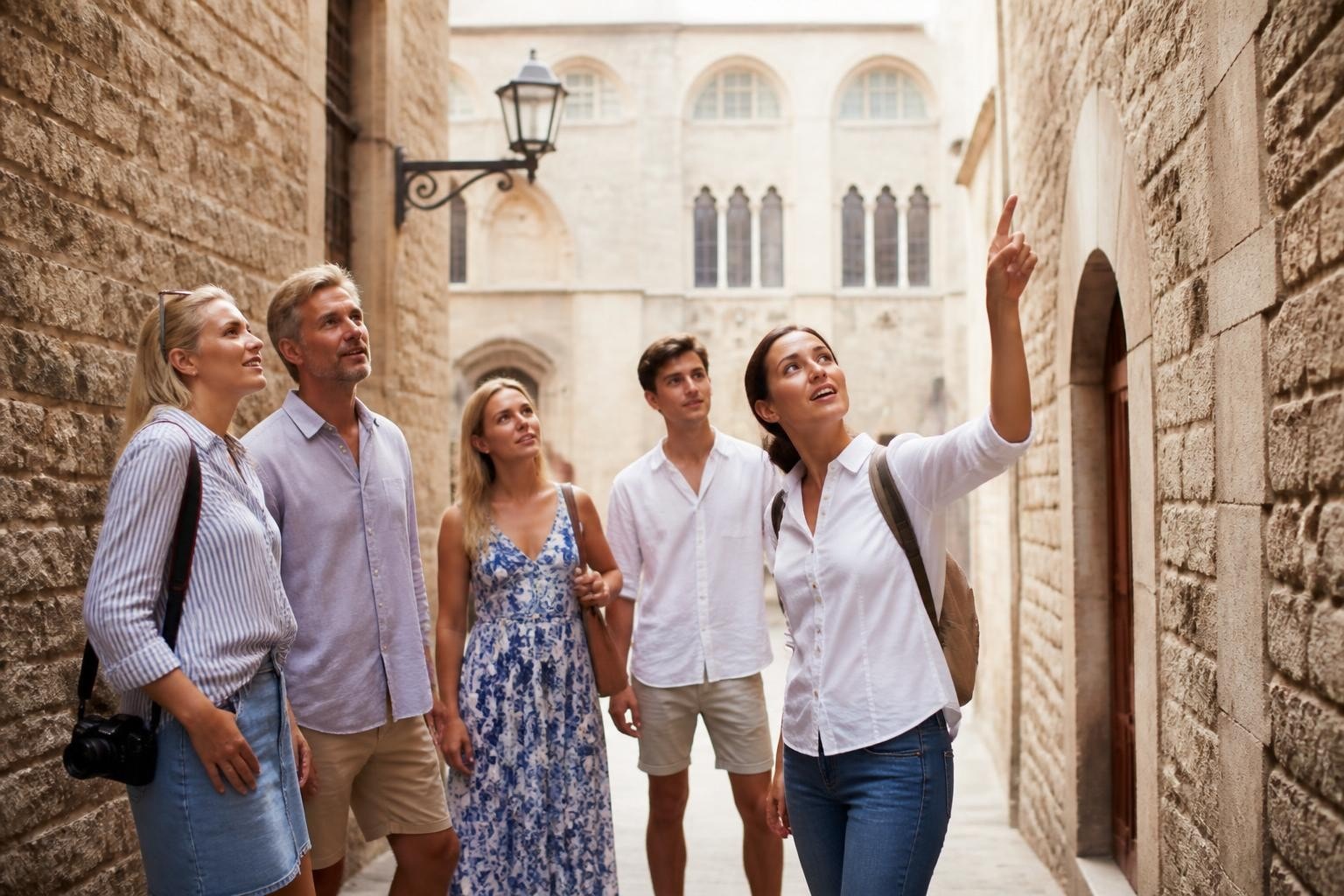
When you close your eyes and think back to your favourite journey, what surfaces first? It's rarely the hotel room or the flight. Instead, you remember the moment a local shopkeeper shared tea and stories, the sudden understanding when a guide revealed hidden meanings in ancient mosaics, or the unexpected laughter shared with fellow travellers. These aren't just pleasant memories. They're the best experiences, the ones that transform ordinary trips into life-changing adventures.
Why Some Experiences Stick While Others Fade
The science behind memorable moments reveals something fascinating about human psychology. Researchers have discovered that our brains don't record experiences like video cameras. Instead, we remember peaks, valleys, and endings.
This means that the best experiences aren't necessarily the longest or most expensive. They're the ones that create emotional resonance.
The Peak-End Rule in Travel
Psychology research on how we retrospectively evaluate complex experiences shows that two moments dominate our memories: the most intense point and the final moment. A three-hour walking tour might be remembered entirely based on one magical encounter with a craftsman and the heartfelt goodbye from your guide.
Consider these elements that create peaks:
- Surprise and novelty: Unexpected discoveries in familiar places
- Personal connection: Meaningful interactions with locals or guides
- Achievement: Learning something new or overcoming a challenge
- Beauty: Moments of genuine aesthetic wonder
- Shared joy: Collective experiences with others
The transition from passive tourism to active experience-making represents a fundamental shift in how we approach travel. According to the foundational work on the Experience Economy, we've moved beyond simply consuming goods or services. Today's travellers seek transformation.
Crafting the Best Experiences in Cultural Travel
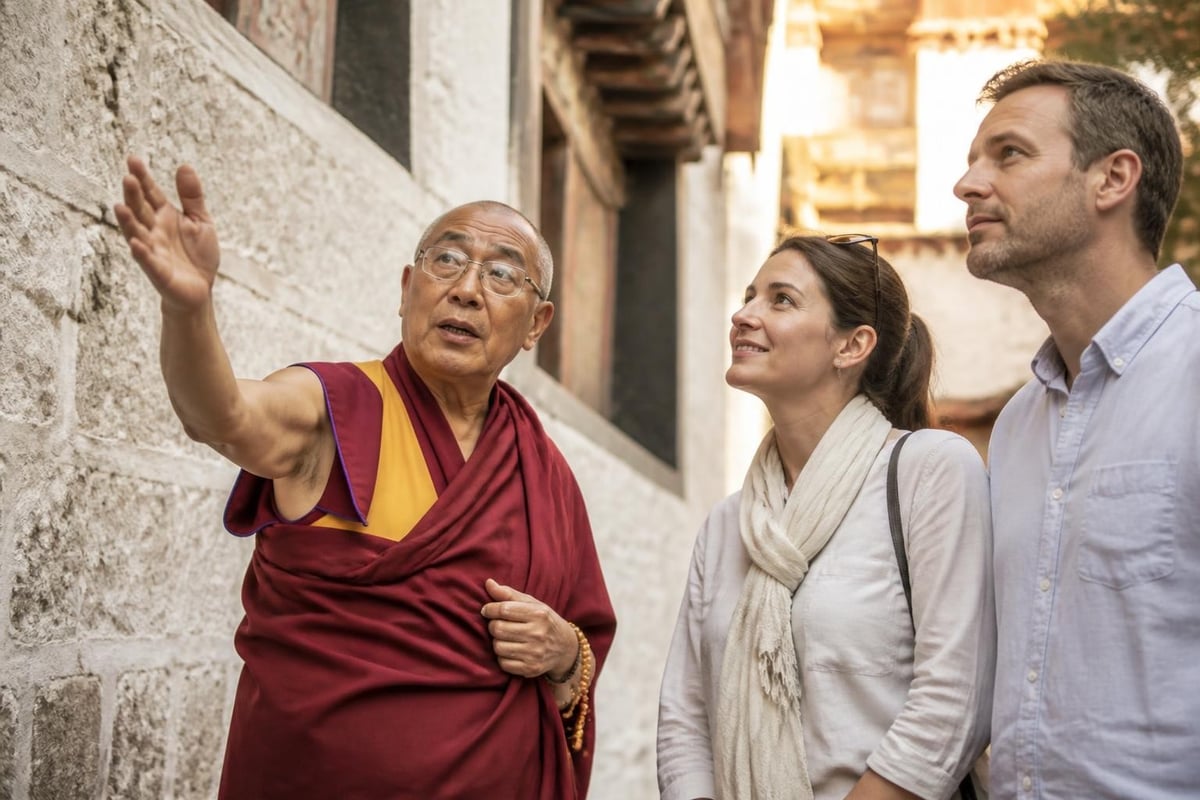
Walking through a city without context is like reading a book in a language you don't speak. You might appreciate the visual beauty, but the deeper meaning remains locked away.
This is where thoughtfully designed experiences make all the difference.
The Architecture of Memorable Tours
The best experiences in cultural tourism share common architectural elements. They begin with anticipation, build through engagement, peak with revelation, and close with reflection.
When you join a well-designed walking tour, you're not simply following someone from point A to point B. You're entering a carefully constructed narrative.
| Experience Element | Traditional Tour | Transformative Experience |
|---|---|---|
| Information delivery | Facts and dates recited | Stories that connect past to present |
| Visitor role | Passive listener | Active participant |
| Cultural engagement | Observing from outside | Immersing within context |
| Memory creation | Photo opportunities | Emotional connections |
| Value measure | Sites visited | Understanding gained |
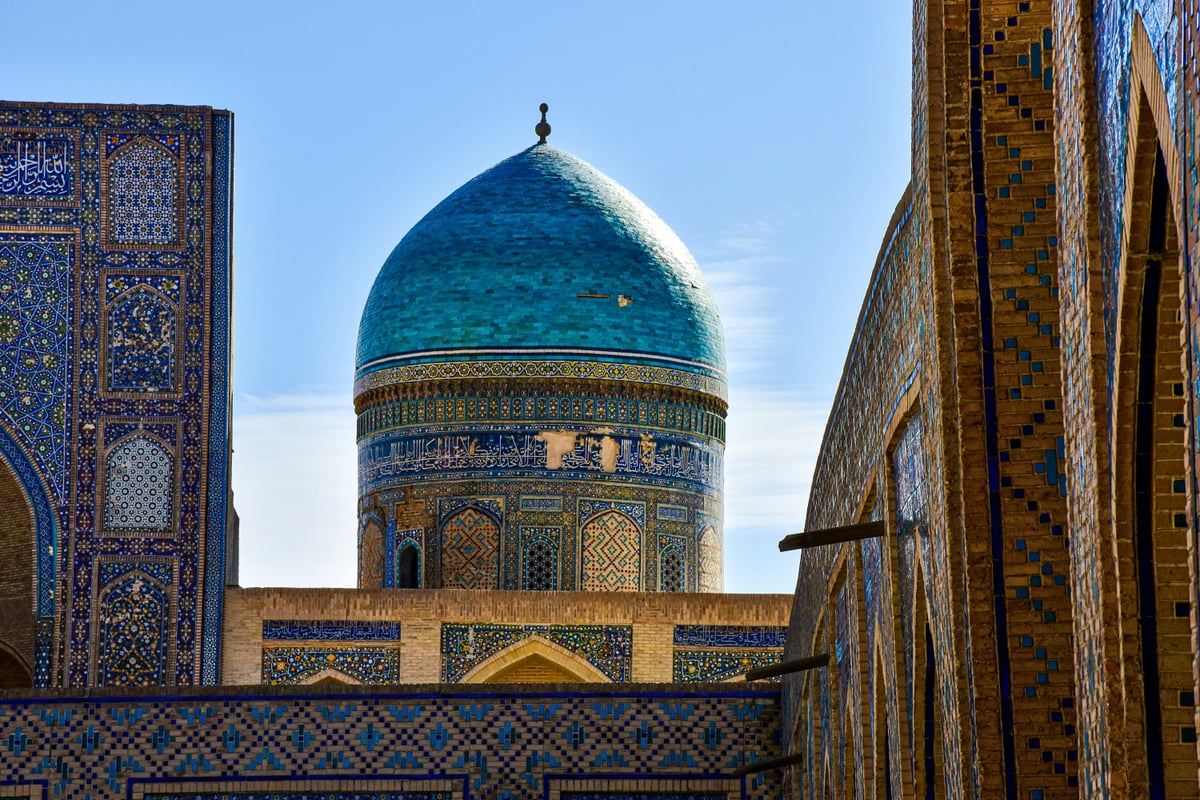
Modern experience design principles emphasize that the best experiences emerge when physical, digital, and emotional elements align. In Samarkand's ancient streets, this might mean combining the tactile reality of 600-year-old walls with historical context and personal stories that bring those stones to life.
Hidden Gems and Local Perspectives
The phrase "hidden gem" has become tourism cliché, yet genuine discovery remains one of the most powerful elements in creating the best experiences. The secret isn't finding places no one knows. It's accessing perspectives few travellers encounter.
Beyond the Guidebook
Every city contains multiple layers of stories. Surface-level tourism scratches only the outermost narrative. The best experiences dive deeper.
Three approaches unlock these layers:
- Local guides with personal connections: Someone who learned their grandmother's recipes in this neighbourhood offers different insights than someone who memorised a script
- Temporal variation: Visiting the same location at dawn, midday, and dusk reveals different characters
- Thematic coherence: Following a thread (craftsmanship, culinary tradition, architectural evolution) creates understanding that scattered site-hopping cannot
In Samarkand specifically, the Free Sight seeing of Samarkand demonstrates this principle beautifully, offering travellers authentic encounters with local colour and traditions through guided exploration that prioritizes cultural connection over checklist tourism.
The shift toward experience-based travel reflects broader changes in what we value. The UN’s guidance on sustainable tourism emphasizes that the best experiences should enrich both visitors and host communities, creating reciprocal value rather than extractive relationships.
The Role of Storytelling in Experience Creation
Human brains are wired for narrative. We remember stories far more readily than isolated facts. This neurological reality shapes what becomes memorable.
Narrative Techniques That Elevate Experiences
The best experiences employ storytelling techniques that have captivated humans for millennia. These aren't manipulative tricks. They're frameworks that help our minds process and retain complex information.
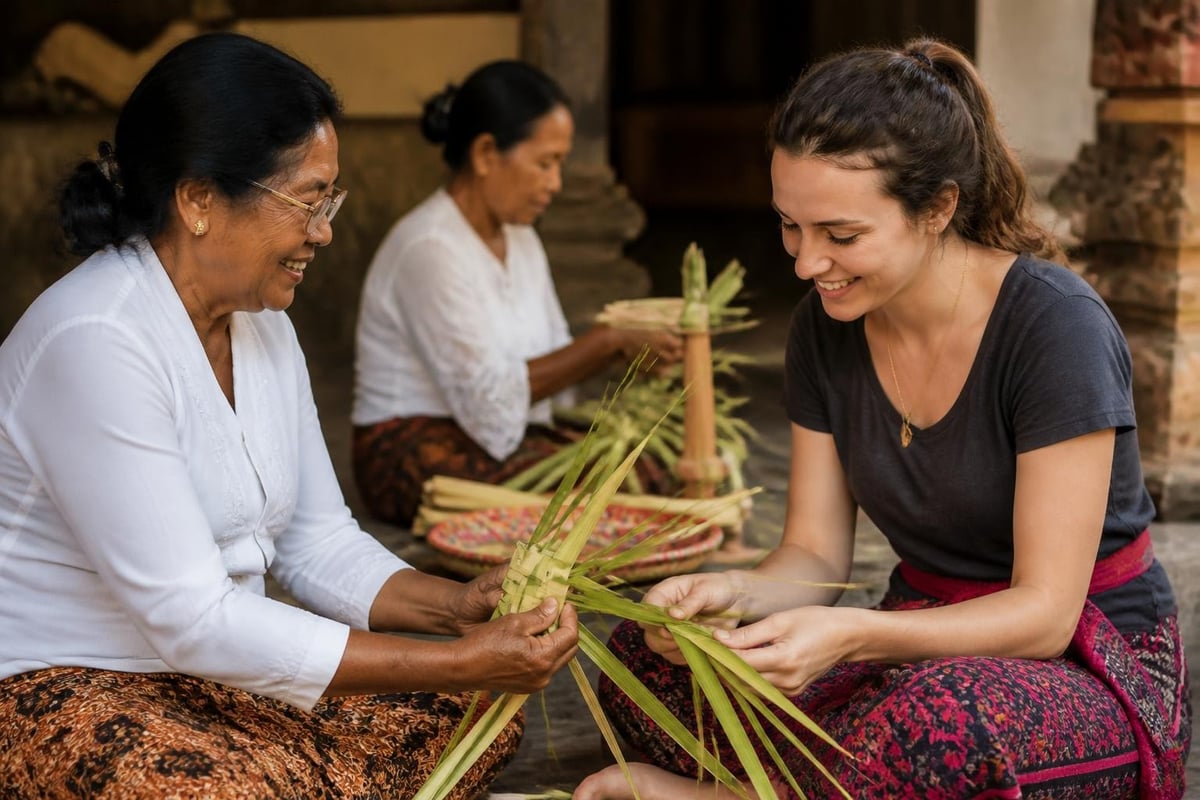
Character development matters even in a three-hour tour. When your guide shares their own connection to a place, they transform from information source to character in your story. You remember both the facts they share and the person who shared them.
Conflict and resolution create narrative tension. "This mosque was nearly destroyed three times but survived through clever adaptation" engages us differently than "This mosque was built in 1404."
Sensory details anchor memories. The smell of fresh bread from a tandoor oven, the particular quality of light filtering through turquoise tiles, the sound of craftsmen's tools on metal-these details become memory markers.
According to IDEO’s research on designing unforgettable experiences, the most powerful moments combine multiple senses with emotional resonance and opportunities for active participation.
What Modern Travellers Seek in 2026
Travel preferences evolve continuously, shaped by technological change, cultural shifts, and global events. Understanding current trends helps us identify what constitutes the best experiences in today's context.
Experiential Travel Trends
Recent industry analysis reveals several converging patterns:
- Authenticity over perfection: Travellers increasingly prefer genuine local experiences over polished but sterile tourist products
- Learning and skill development: The best experiences often involve acquiring new knowledge or abilities
- Sustainable and responsible tourism: Consciousness about travel impact shapes experience selection
- Social connection: Opportunities to meet locals and fellow travellers rank highly
- Flexibility and personalization: One-size-fits-all tours lose appeal compared to adaptable experiences
The 2026 Experiential Travel Trends report confirms that travellers now prioritize transformative experiences that offer cultural immersion and personal growth over traditional sightseeing.
The Economic Value of Experience
The best experiences justify their value not through duration or included amenities but through lasting impact. A traveller might forget the specifics of an expensive restaurant meal within weeks but remember a conversation with a craftsman for decades.
| Value Metric | Traditional Tourism | Experience-Focused Travel |
|---|---|---|
| Primary measure | Cost per day | Impact per experience |
| Success indicator | Sites visited | Depth of understanding |
| ROI calculation | Photos taken | Stories gained |
| Repeat likelihood | Low (novelty exhausted) | High (relationship established) |
This economic reframing helps explain why free walking tours, when well-executed, can deliver tremendous value. The absence of financial barrier paradoxically increases psychological investment.
Creating Your Own Best Experiences
While guides and tour operators craft frameworks, the best experiences ultimately emerge from your own engagement and openness.
Practical Approaches to Maximizing Travel Moments
Arrive with questions, not just cameras. The best experiences unfold when curiosity leads the way. Before visiting a site, consider what puzzles you or what you'd genuinely like to understand.
Engage all senses consciously. Notice not just what you see but what you hear, smell, and feel. These sensory memories anchor experiences far more effectively than photographs alone.
Build in reflection time. The best experiences deepen through contemplation. Schedule moments to process what you've encountered rather than rushing from sight to sight.
Connect with people, not just places. A conversation with a local artisan, cafe owner, or guide often becomes the most treasured memory.
Embrace serendipity. The best experiences frequently arrive unplanned. Rigid itineraries prevent the flexibility needed for magical accidents.
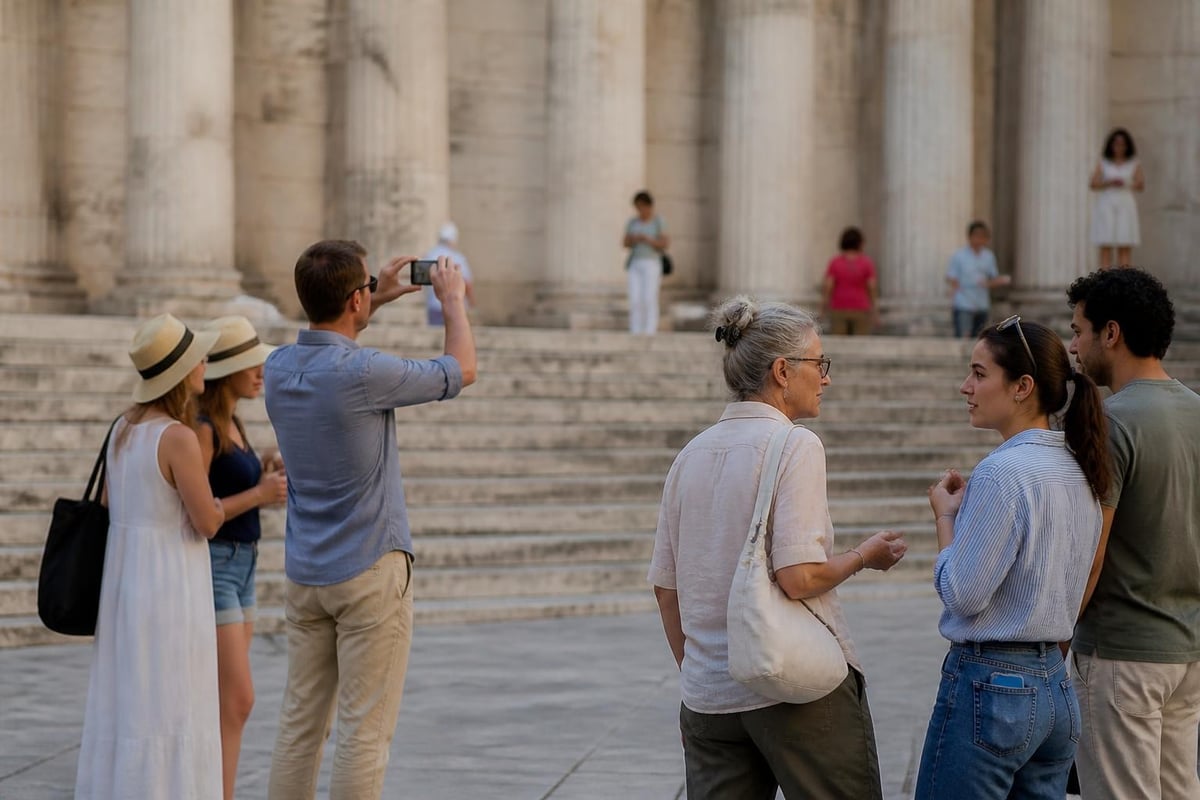
The Social Dimension of Shared Experiences
Humans are fundamentally social creatures. The best experiences often gain resonance through shared participation.
Group Dynamics in Walking Tours
Free walking tours create unique social environments. Unlike private tours, they bring together strangers united by common curiosity. This collective exploration generates unexpected benefits.
Diverse perspectives emerge. Someone asks a question you hadn't considered. Another traveller shares relevant context from their own culture. These interactions enrich everyone's understanding.
Collective energy amplifies engagement. Group laughter, shared wonder, and collaborative problem-solving create emotional peaks that solitary exploration cannot match.
Temporary community forms. The best experiences often involve feeling part of something larger than yourself, even briefly.
Walking through Samarkand's historic sites alongside fellow explorers from different countries, ages, and backgrounds creates layers of meaning that enhance the architectural and historical significance you're encountering.
Accessibility and Inclusivity in Experience Design
The best experiences shouldn't be reserved for those with substantial budgets. Democratizing access to cultural understanding represents both ethical imperative and practical wisdom.
Breaking Down Barriers
Several barriers traditionally limited who could access quality guided experiences:
- Financial: High tour costs excluded budget travellers
- Social: Intimidating booking processes or exclusive atmospheres
- Informational: Lack of awareness about options
- Logistical: Complicated arrangements or scheduling
Free walking tours, particularly those supported by organizations like the Silk Road Travel Academy, directly address these barriers. They prove that the best experiences can be both accessible and exceptional.
Measuring the Impact of Great Experiences
How do we know when we've truly had one of the best experiences? The markers extend well beyond simple satisfaction ratings.
Long-Term Indicators
Stories you tell repeatedly. The experiences that become part of your personal narrative, the ones you share with friends years later, reveal genuine impact.
Behaviour change. Did the experience shift how you think about culture, history, or human connection? The best experiences alter perspectives.
Ongoing curiosity. Do you find yourself reading more about Silk Road history, Central Asian architecture, or Uzbek culture months after your visit? Sustained interest signals deep engagement.
Relationship maintenance. Do you stay in touch with your guide or fellow travellers? The best experiences create ongoing connections.
Return desire. The ultimate compliment: wanting to come back, not because you missed something, but because the experience was so rich you want to deepen it.
Balancing Structure and Spontaneity
Tour designers face a constant tension: how much to orchestrate versus how much to leave open. The best experiences typically achieve careful balance.
The Framework Paradox
Too much structure kills spontaneity and prevents organic moments. Too little structure results in confusion and missed opportunities.
Effective experience design provides:
- Clear framework: Beginning, trajectory, and conclusion that give shape to the experience
- Flexible elements: Space for questions, detours, and unexpected discoveries
- Intentional pauses: Moments for absorption and reflection rather than constant information flow
- Optional depth: Ways for highly engaged participants to dive deeper while others process at their own pace
This balance is particularly evident in well-designed walking tours, where the route and key stories provide structure but the pace and interactions remain responsive to the group's energy and interests.
The Lasting Value of Transformative Travel
Investment in the best experiences pays dividends long after the journey ends. These aren't consumable products that disappear. They're additions to your permanent internal landscape.
When you invest time in genuine cultural exploration, you're not just collecting memories. You're expanding your understanding of human creativity, resilience, and diversity. You're building bridges between your experience and historical narratives that span centuries.
The best experiences transform how you see not just the places you visit but your own home and life. Encountering different ways of organizing cities, conducting commerce, expressing spirituality, and building community provides perspective that enriches your entire existence.
The best experiences in travel come from authentic connection, thoughtful design, and genuine curiosity about the world's remarkable diversity. Whether you're drawn to Samarkand's stunning architecture, its position on the ancient Silk Road, or the living culture that continues to thrive in its streets, the key is finding experiences that prioritize depth over breadth and transformation over transaction. Visit Samarkand offers exactly this approach through accessible walking tours that reveal the city's hidden stories and create lasting connections between travellers and this extraordinary place.