
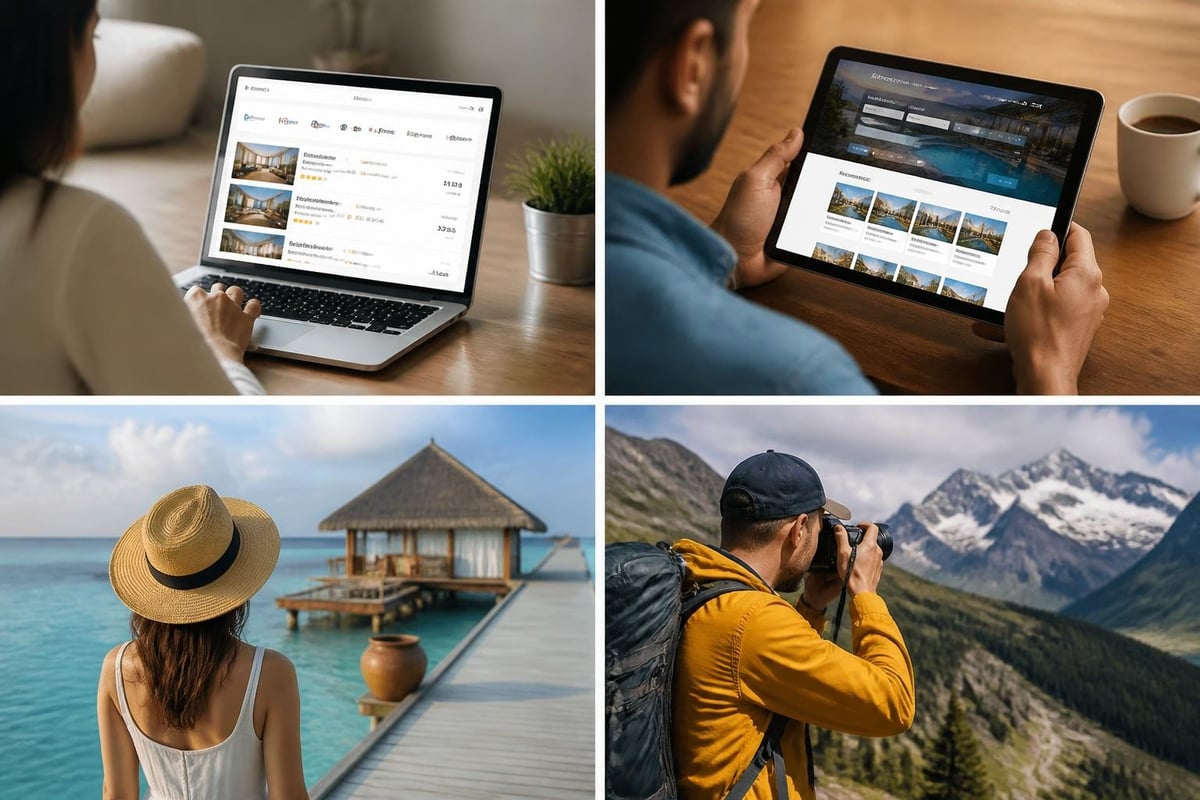
Planning a journey used to mean visiting a travel agent with a handful of brochures and hoping for the best. Today, the digital landscape offers travellers an unprecedented array of tools to craft their perfect adventure. The best trip websites have transformed how we discover destinations, compare prices, read authentic reviews, and ultimately book our holidays. Whether you're dreaming of wandering through ancient Silk Road cities like Samarkand or lounging on tropical beaches, the right online platforms can turn vague wanderlust into concrete plans. But with hundreds of booking sites, aggregators, and planning tools competing for your attention, how do you separate the genuinely useful from the merely flashy? This guide explores the essential platforms that savvy travellers rely on, helping you navigate the digital maze and spend less time clicking and more time exploring.
Understanding the Trip Website Landscape
The world of travel booking has evolved into a complex ecosystem. According to Skift Research’s State of Online Travel 2025, travellers now use an average of 5.3 different websites before making a booking decision, each serving a distinct purpose in the planning journey.
The Different Categories That Matter
Not all trip websites serve the same function, and understanding these distinctions helps you build an efficient planning toolkit.
Meta-search engines scan hundreds of booking sites simultaneously, presenting consolidated results. They don't actually process your reservation but redirect you to the booking platform offering the best deal. Think of them as your personal shopping assistant, doing the legwork across the internet whilst you sip your morning coffee.
Online travel agencies (OTAs) actually handle your booking and payment. They offer package deals, bundled discounts, and customer service when things go pear-shaped. These platforms maintain relationships with airlines, hotels, and tour operators, often securing exclusive rates.
Direct booking platforms connect you straight to the provider, whether that's an airline's website or a hotel chain's reservation system. These increasingly offer price-match guarantees and loyalty perks that third parties simply cannot match.
Specialist and niche platforms focus on specific travel styles. Adventure travel, sustainable tourism, cultural immersion, historical exploration, each has dedicated websites curated by experts rather than algorithms alone.
| Website Type | Primary Function | Best Used For | Typical Example |
|---|---|---|---|
| Meta-search | Price comparison | Finding lowest fares | Kayak, Skyscanner |
| OTA | Booking & packages | Bundled deals | Booking.com, Expedia |
| Direct Provider | Brand bookings | Loyalty benefits | Airline/hotel sites |
| Specialist | Curated experiences | Unique travel styles | Culture Trip, Atlas Obscura |
Flight Booking Platforms Worth Your Time
Finding affordable flights requires patience and the right tools. The best trip websites for flights combine powerful search algorithms with flexible date options and fare alerts.
Google Flights has earned its reputation through clean design and exceptional functionality. The calendar view shows price fluctuations across entire months, helping you identify cheaper travel dates at a glance. The price tracking feature sends alerts when fares drop, whilst the "explore" function suggests destinations within your budget, perfect when you're flexible about where wanderlust takes you.
Skyscanner excels at finding hidden routing options that traditional searches miss. Its "everywhere" search lets you enter your departure city and see a world map colour-coded by price. This feature has inspired countless spontaneous adventures when travellers discover affordable fares to places they'd never considered.
The platform also searches smaller regional airlines often overlooked by competitors. For travellers heading to Central Asia or planning connections through Istanbul or Dubai, this comprehensive coverage proves invaluable.
When Direct Booking Makes More Sense
Despite the appeal of aggregators, airline websites themselves deserve consideration. Budget carriers like Ryanair and Southwest often exclude their inventory from third-party sites, making direct searches essential. Additionally, when irregular operations cause delays or cancellations, you'll find customer service far more helpful when you've booked directly rather than through an intermediary.
Here's when to skip the aggregators:
- You're flying a budget carrier with restricted distribution
- Loyalty points or status matter to you
- Complex multi-city itineraries need human assistance
- You want flexible rebooking options
Accommodation Platforms That Deliver
Where you rest your head shapes your entire travel experience. The best trip websites for accommodation go beyond listing properties, offering insights into neighbourhoods, authentic reviews, and booking protections.
The Major Players and Their Strengths
Booking.com dominates European and global markets with an inventory spanning luxury hotels to modest guesthouses. According to Statista’s data on leading travel websites, it consistently ranks among travellers' first stops when planning trips. The platform's free cancellation policies on many properties reduce booking anxiety, whilst its "Genius" loyalty programme offers modest discounts for frequent users.
Airbnb revolutionised accommodation by connecting travellers with local hosts. Beyond spare rooms and entire flats, the platform now features unique stays like renovated caravanserai, traditional yurts, and converted historical buildings. For travellers seeking authentic cultural immersion rather than standardised hotel experiences, Airbnb opens doors that traditional hospitality cannot match.
The "Experiences" section also connects visitors with local guides offering everything from cooking classes to historical walking tours. When planning a visit to cultural heritage sites, these peer-to-peer offerings often provide deeper context than standard group tours.
Specialist Accommodation Platforms
Hostelworld remains essential for budget travellers and those seeking social accommodation. Private rooms in hostels frequently cost half the price of budget hotels whilst offering communal spaces where solo travellers forge friendships that outlast their journeys.
Historic Hotels curates properties with genuine heritage, from Ottoman-era caravanserai to Art Deco masterpieces. When your accommodation becomes part of the experience rather than merely enabling it, these specialist platforms prove their worth.
Planning and Inspiration Resources
Before you book anything, you need inspiration and practical information. The best trip websites for research help you discover destinations, understand logistics, and craft realistic itineraries.

Atlas Obscura has built a devoted following by highlighting the wonderfully weird and genuinely fascinating. Rather than recycling the same tourist attractions everyone photographs, the platform uncovers hidden museums, unusual monuments, and local traditions that mainstream guidebooks overlook. Their city guides often reveal that the place you thought you knew still holds secrets worth discovering.
TripAdvisor remains valuable primarily for its review volume. Individual reviews require critical reading, but aggregate scores and patterns help identify consistently good or problematic establishments. The forums also contain answers to obscure questions that guidebooks never anticipated.
Making Sense of Reviews and Ratings
Not all five-star reviews deserve equal weight. Look for detailed accounts mentioning specific aspects: cleanliness, location accuracy, host responsiveness. Generic praise like "amazing!" tells you nothing useful.
Similarly, one-star reviews deserve scrutiny. Was the complaint about something genuinely problematic or simply mismatched expectations? A backpacker complaining about a boutique hotel's lack of party atmosphere says more about the reviewer than the property.
Comprehensive Multi-Service Platforms
Some websites attempt to handle every aspect of trip planning under one digital roof. These all-in-one platforms suit travellers who value convenience over exhaustive comparison shopping.
Expedia and its family of brands (Hotels.com, Orbitz, Travelocity) offer flights, accommodation, car rentals, and activities through a single interface. Bundling services often triggers discounts unavailable when booking separately. The Consumer Reports guide to do-it-yourself travel planning notes that package deals can save 10-25% compared to individual bookings, though this requires comparing final prices rather than trusting percentage claims.
The loyalty programmes across these platforms accumulate points regardless of whether you're booking flights or hotels, appealing to travellers who prefer concentrating their spending for rewards.
Priceline pioneered opaque booking with its "Name Your Own Price" and "Express Deals" features. You commit to a booking before knowing the exact hotel or precise flight times, trading certainty for savings. This works brilliantly for flexible travellers in familiar cities but proves stressful when you absolutely need to stay in a specific neighbourhood or catch a particular connection.
Regional and Specialist Platforms
The best trip websites often specialise in particular regions or travel styles rather than attempting global coverage.
Cultural and Educational Travel
When you're travelling to learn rather than simply tick boxes, specialist platforms connect you with experiences that matter. Cultural heritage sites across Central Asia, for instance, benefit from guides who understand context beyond dates and architectural styles.
For those planning to explore historical cities like Samarkand with its magnificent Registan Square, Bibi-Khanym Mosque, and Shah-i-Zinda necropolis, free walking tours offer an accessible introduction to centuries of Silk Road history. These guided excursions reveal hidden details that independent exploration might miss whilst connecting you with local perspectives that transform monuments into living history.

Adventure and Activity Specialists
Viator (owned by TripAdvisor) aggregates thousands of tours, activities, and experiences worldwide. From hot air balloon rides over Cappadocia to cooking classes in Bologna, the platform simplifies comparing options and reading verified reviews from participants rather than promotional copy from tour operators.
GetYourGuide operates similarly but often features better mobile integration and last-minute booking options. Both platforms handle payment and provide refunds if providers cancel, offering peace of mind that direct bookings through small operators sometimes lack.
Transportation Beyond Flights
Getting around once you've arrived requires different tools than booking your initial flight.
Rail and Bus Platforms
Omio (formerly GoEuro) excels at European rail and bus bookings, comparing routes across multiple carriers and presenting coherent itineraries. The platform proves particularly valuable when journeys involve crossing borders or transferring between train operators with separate booking systems.
Rome2rio doesn't handle bookings but brilliantly answers the question "how do I get from A to B?" by displaying every possible route (plane, train, bus, car, ferry) with approximate costs and journey times. This planning tool helps you understand options before diving into booking platforms.
| Transportation Platform | Coverage Area | Best Feature | Booking Capability |
|---|---|---|---|
| Omio | Europe, USA | Multi-modal comparison | Yes |
| Rome2rio | Global | Route discovery | No (links to partners) |
| Trainline | Europe | UK rail integration | Yes |
| Busbud | Global | Bus network coverage | Yes |
Car Rental Aggregators
AutoSlash monitors your car rental booking after purchase, automatically rebooking if prices drop. This set-it-and-forget-it approach eliminates the need to manually check for better rates.
Discover Cars compares both international brands and local operators, often surfacing options that single-company sites don't display. Always verify excess/deductible amounts and insurance coverage, as these significantly impact total costs beyond the daily rate.
Mobile Apps vs Desktop Websites
According to Eurostat tourism statistics, mobile bookings now represent over 60% of online travel purchases in Europe, yet desktop sites still offer advantages for complex planning.
When Mobile Apps Excel
- Last-minute bookings whilst already travelling
- Accessing confirmation details without internet
- Receiving real-time notifications about gate changes or delays
- Quick price checks when you spot something interesting
- Mobile-exclusive discounts and flash sales
When Desktop Makes Sense
Research suggests that complex multi-city itineraries and extended trips benefit from larger screens and multiple browser tabs. Comparing detailed reviews, analysing maps, and managing spreadsheets becomes tedious on phone screens.
The research on smart tourism tools highlights that whilst mobile platforms excel at transactions, desktop environments still dominate the initial discovery and planning phases where travellers consume significant content before making decisions.
Practical Tips for Using Trip Websites Effectively
Even the best trip websites require strategic use to deliver maximum value. Here are approaches that experienced travellers employ:
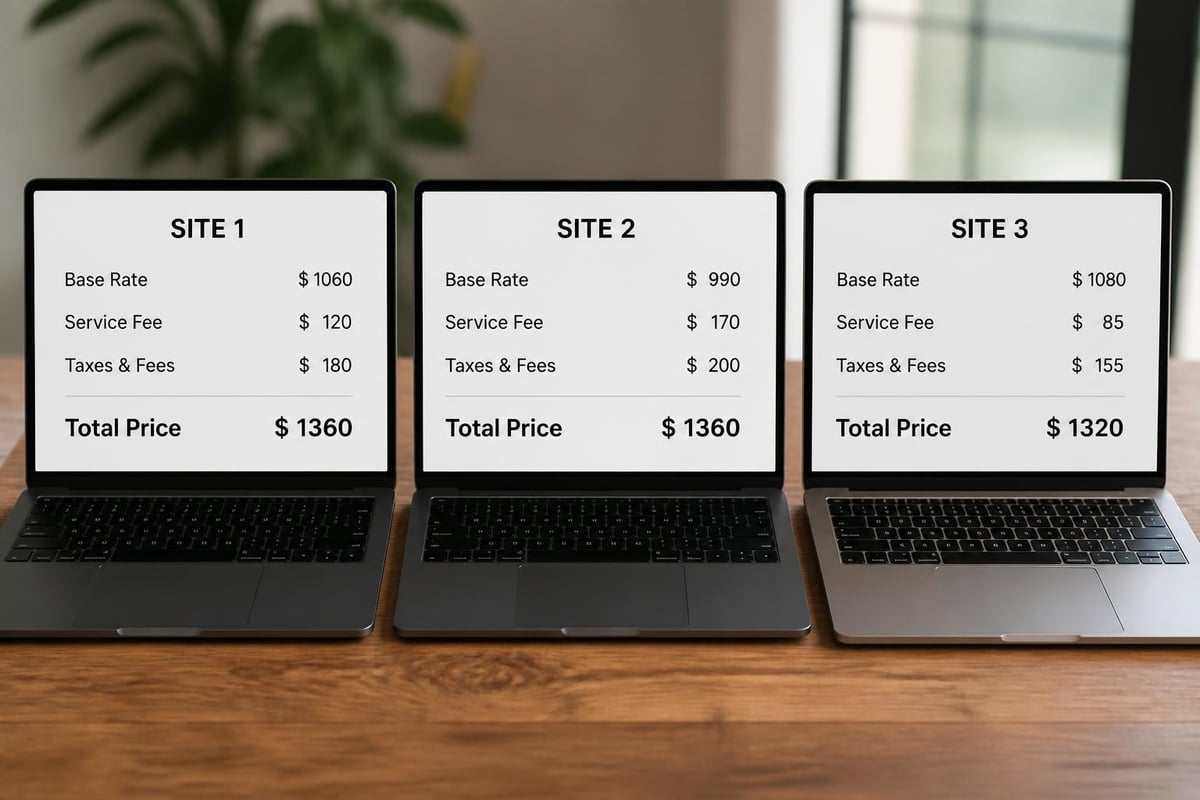
Clear your cookies and cache regularly. Some booking platforms display different prices based on browsing history, attempting to create urgency through artificial scarcity. Incognito mode provides a baseline for comparison.
Check prices in different currencies. Occasionally, booking in the hotel or airline's local currency (even with conversion fees) undercuts the price displayed in your home currency due to how platforms set exchange rates.
Set up price alerts early. Most platforms let you track specific routes or properties. Prices for international flights typically hit their lowest point 6-8 weeks before departure for economy class, though this varies by destination and season.
Read cancellation policies thoroughly. "Free cancellation" often means "free until 24-48 hours before arrival," not "cancel whenever you fancy." Understanding these terms prevents nasty surprises when plans change.
Screenshot everything. Confirmation numbers, booking details, property addresses, contact information. When internet access fails or apps glitch, having screenshots in your photo library proves invaluable.
Combining Platforms Strategically
Rather than loyalty to a single website, smart travellers use each platform for its strengths:
- Discovery phase: Atlas Obscura, travel blogs, Instagram for inspiration
- Initial research: TripAdvisor forums, Reddit travel communities for questions
- Price comparison: Google Flights, Skyscanner, Kayak for flights
- Booking: Direct with provider if price-matched, otherwise best OTA deal
- Activities: Viator or GetYourGuide for verified experiences
- Ground transport: Omio or Rome2rio for connections
This approach extracts maximum value whilst maintaining booking protections and loyalty benefits where they matter most.
Looking Ahead: The Evolution of Trip Websites
Artificial intelligence and machine learning continue reshaping how we discover and book travel. Personalised recommendations based on previous trips, dynamic pricing that adjusts to demand in real-time, and virtual reality previews of hotels and destinations all represent the near future rather than distant possibilities.
Yet the fundamental questions remain unchanged: where shall I go, how will I get there, where will I stay, and what will I do? The best trip websites simply make answering these questions easier, faster, and more enjoyable than ever before. They've democratised travel planning, making it possible for anyone with internet access to craft journeys that previous generations could only dream about.
The key lies not in finding the single "perfect" platform but in understanding which tools serve which purposes in your planning journey. Master this, and you'll spend less time comparing browser tabs and more time creating memories worth returning home to share.
The digital revolution in travel planning means you're no longer constrained by what a single agent knows or what a printed guidebook includes. The best trip websites empower you to craft journeys tailored precisely to your interests, budget, and schedule. When you're ready to experience the rich history and vibrant culture of the Silk Road firsthand, Visit Samarkand offers free walking tours that bring centuries of fascinating heritage to life through expert guides who reveal the stories behind the stunning architecture. Whether you're booking flights through aggregators or exploring ancient cities on foot, the tools exist to turn your travel dreams into unforgettable realities.