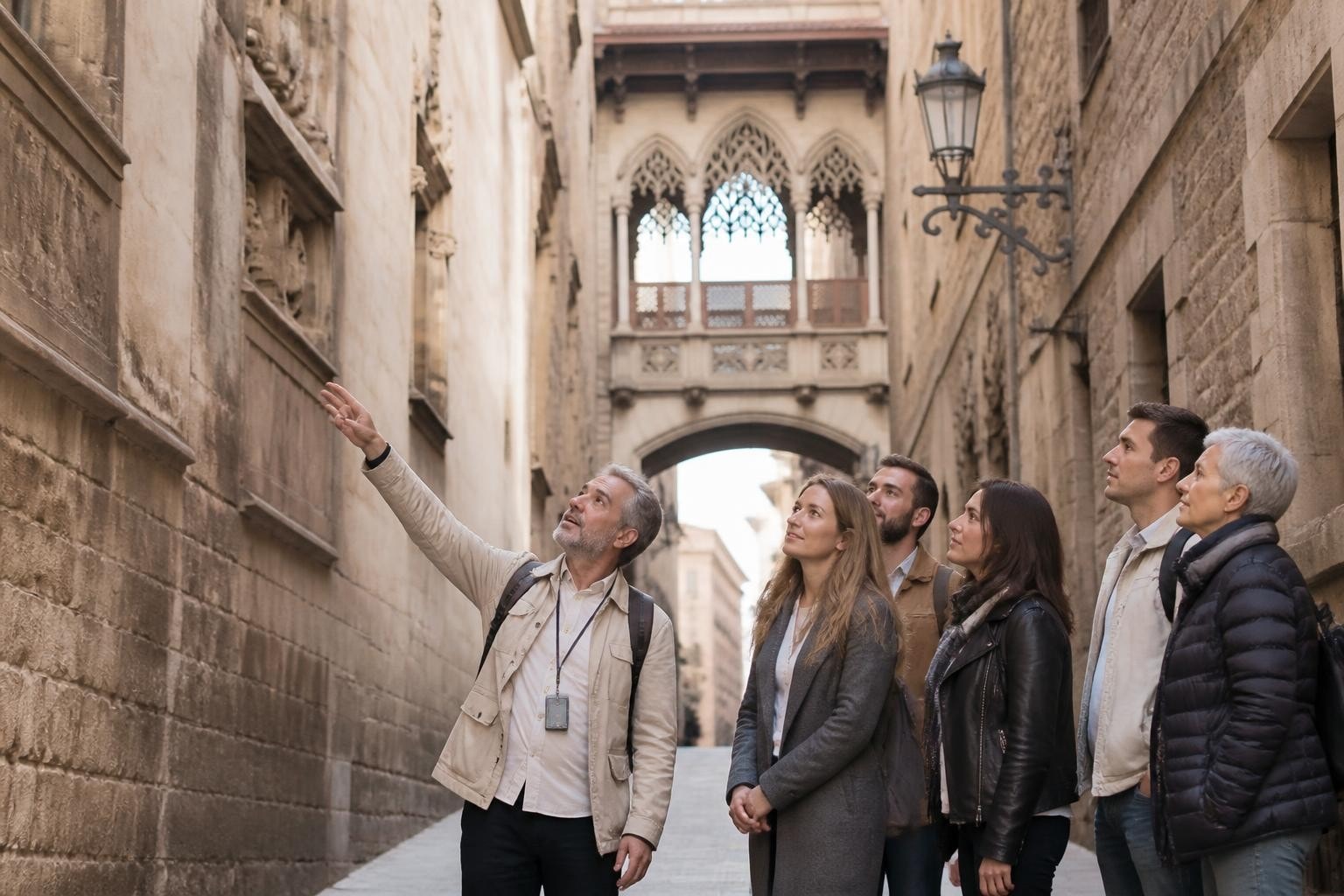
Picture yourself standing in a centuries-old square, the morning sun casting long shadows across ornate facades whilst a passionate local guide brings the stones beneath your feet to life with tales of merchants, scholars, and dreamers who walked this same path hundreds of years ago. That's the magic of city tours, an experience that transforms ordinary sightseeing into an unforgettable journey through time, culture, and human connection. Whether you're drawn to grand monuments or hidden alleyways, these guided experiences have evolved from simple sightseeing trips into sophisticated journeys that cater to every interest, budget, and curiosity level imaginable.
The Evolution of Urban Exploration
City tours have come a long way from the rigid, clipboard-wielding guides of decades past. Today's urban exploration experiences blend technology, local knowledge, and storytelling into immersive adventures that respect both the destination and its visitors.
The transformation began quietly in the early 2000s when backpackers in European capitals started offering "pay what you think it's fair" walking tours. This grassroots movement democratised access to quality guided experiences, proving that you didn't need deep pockets to unlock a city's secrets. Fast forward to 2026, and the landscape has matured beautifully, with operators now offering everything from traditional group walks to virtual reality-enhanced historical reconstructions.
Understanding Different Tour Formats
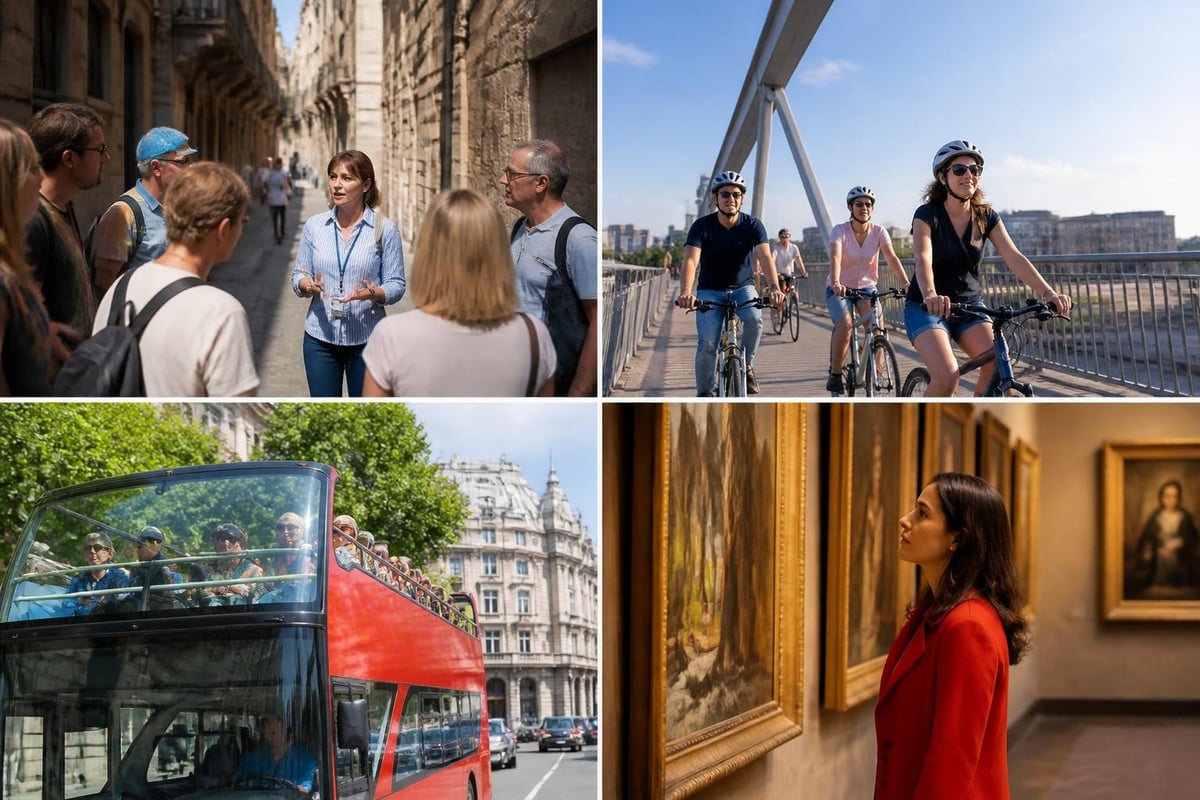
Modern city tours come in more flavours than you might imagine, each designed to serve different needs and preferences:
- Walking tours that emphasize slower, more intimate exploration
- Bicycle tours covering greater distances whilst maintaining environmental consciousness
- Bus tours providing comprehensive overviews for mobility-challenged visitors
- Specialised thematic tours focusing on food, architecture, street art, or local legends
- Private bespoke experiences tailored to individual interests and pace
The digital distribution landscape has revolutionised how travellers discover and book these experiences, with platforms now offering sophisticated filtering, reviews, and instant booking capabilities.
What Makes a City Tour Truly Memorable
I'll never forget my first proper city tour in Istanbul, where our guide didn't just recite dates and architectural facts. Instead, she wove together personal family stories, local recipes, and political history into a tapestry that made the Hagia Sophia feel less like a museum piece and more like a living character in an ongoing story. That's when I understood: the difference between a good tour and an extraordinary one isn't the monuments you visit, it's the connections you make.
The Human Element
Exceptional guides share several key qualities:
- Deep local knowledge that goes beyond Wikipedia facts
- Storytelling ability that transforms information into narrative
- Cultural sensitivity and awareness of diverse visitor backgrounds
- Adaptability to read the group's energy and adjust accordingly
- Passion that's genuinely infectious rather than performative
Research shows that travellers consistently rate the guide's personality and knowledge as more important than the specific sites visited. This human-centred approach explains why some tours of "lesser-known" neighbourhoods receive higher satisfaction ratings than those covering famous landmarks.
| Tour Quality Factor | Importance Rating | Visitor Impact |
|---|---|---|
| Guide expertise | 9.2/10 | High emotional connection |
| Storytelling ability | 8.8/10 | Enhanced memory retention |
| Group size | 7.9/10 | Better interaction quality |
| Route diversity | 7.3/10 | Broader perspective |
Creating Sustainable Experiences
The World Travel & Tourism Council’s guidance on sustainable destinations highlights how responsible city tours can actually benefit local communities rather than burden them. Forward-thinking operators now implement crowd management strategies, support local businesses along their routes, and educate visitors about respectful behaviour.
Sustainability in city tours isn't just environmental (though that matters). It's about economic impact that reaches beyond tour operators to local artisans, family-run cafés, and community projects. When a guide brings their group to purchase bread from a fourth-generation bakery instead of a chain restaurant, they're creating ripples of positive impact that extend far beyond the two-hour tour window.
Accessibility and Inclusivity in Modern Tours
The best city tours in 2026 recognise that travellers come with diverse needs, abilities, and preferences. Progressive operators have moved beyond token gestures to embed genuine accessibility into their core operations.
Physical Accessibility Considerations
Meeting ADA standards isn't just about legal compliance; it's about ensuring everyone can participate in the joy of discovery. This means thinking carefully about:
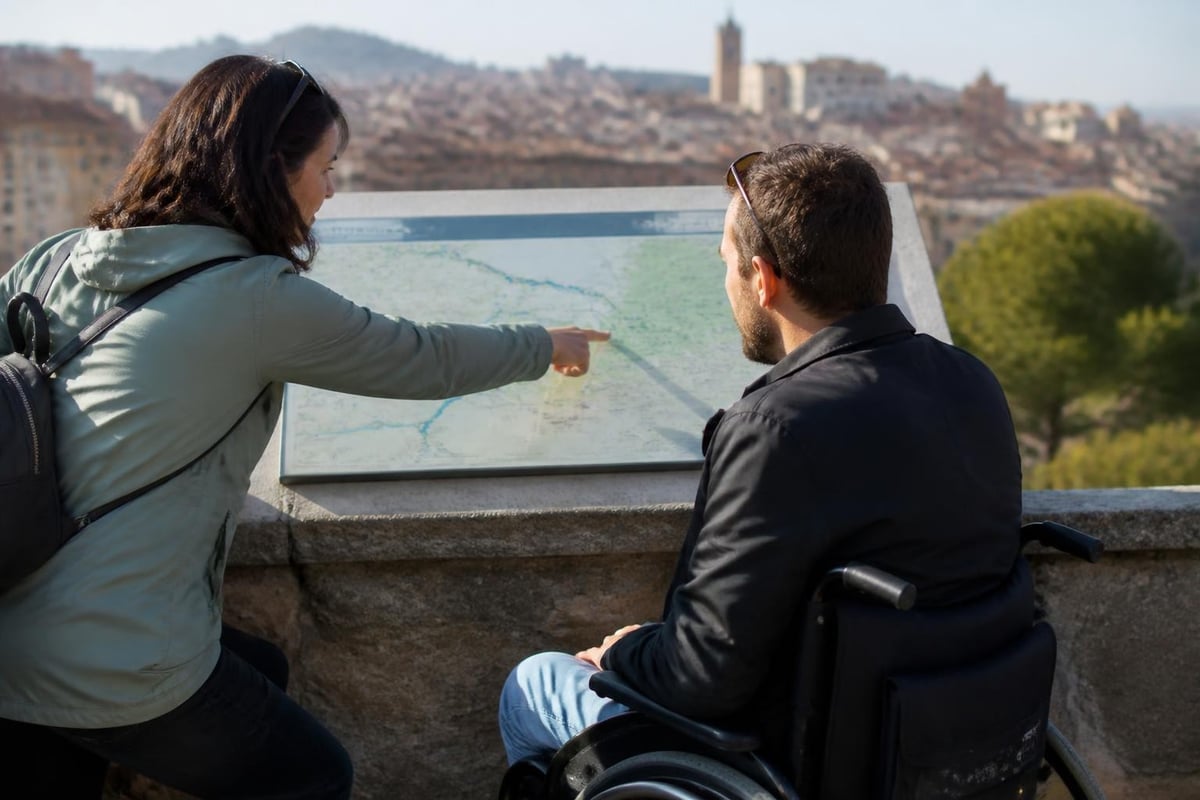
- Route planning that accounts for wheelchair users and those with limited mobility
- Rest stops strategically placed for visitors who tire easily
- Alternative formats for visitors with visual or hearing impairments
- Communication methods that don't rely solely on verbal delivery
One innovative approach I've witnessed involves tours offering detailed pre-tour route maps with elevation changes, surface types, and rest stop locations clearly marked. This empowers visitors to make informed decisions about their participation rather than discovering halfway through that they can't complete the route.
Cultural and Linguistic Inclusivity
Language shouldn't be a barrier to exploration. Multi-lingual tours, translation apps integrated into the experience, and visual storytelling techniques all help bridge communication gaps. Some operators now offer tours specifically designed for non-native speakers, using simplified language without sacrificing depth or authenticity.
The Economics of City Tours
Understanding the business side helps travellers make informed choices and appreciate the value different models provide.
Free vs Paid Models
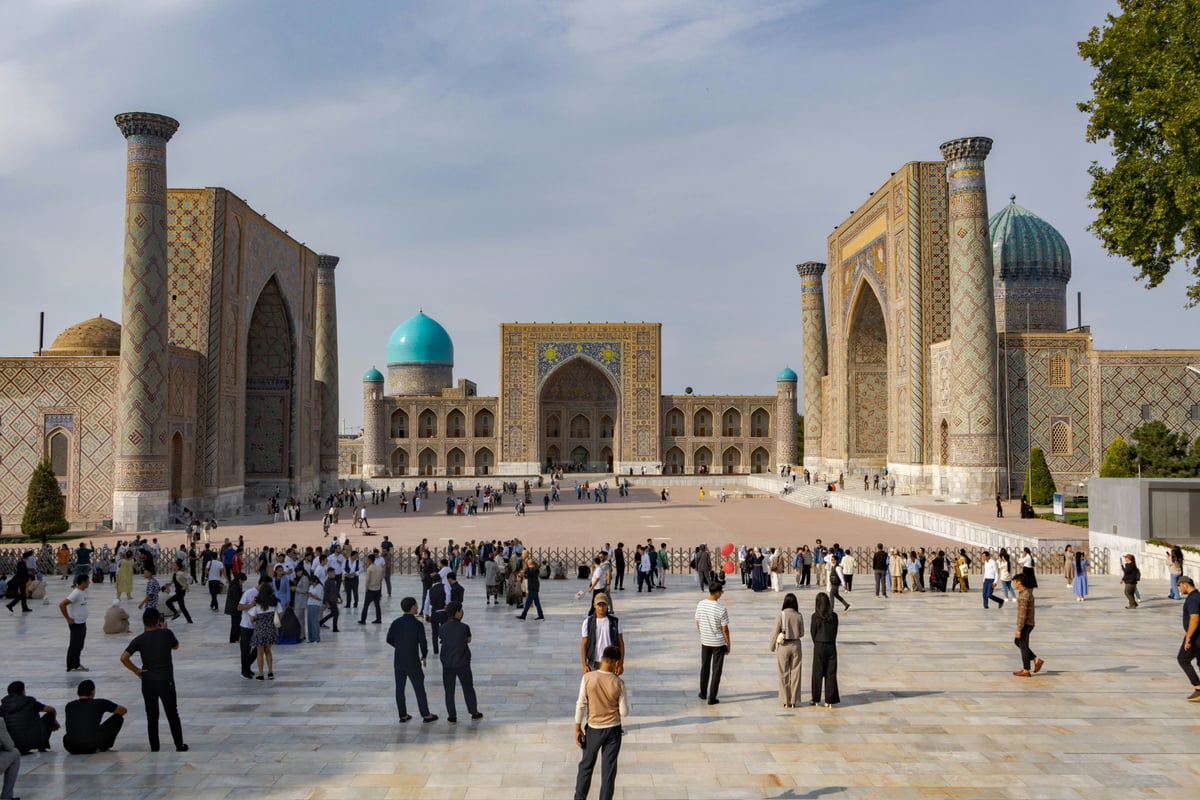
The free walking tour model revolutionised accessibility, operating on tips and optional donations. Samarkand exemplifies this approach perfectly, with free walking tours allowing everyone to experience the city's remarkable Silk Road heritage regardless of budget constraints. This model works because passionate guides invest in creating exceptional experiences, knowing that satisfied visitors typically compensate them fairly.
Paid tours typically offer:
- Smaller, guaranteed group sizes
- Specialized expertise in niche topics
- Access to exclusive locations or experiences
- Premium amenities like audio equipment or refreshments
- Fixed schedules and guaranteed operation regardless of attendance
Neither model is inherently superior. They serve different needs and preferences within the travel ecosystem.
| Tour Model | Average Cost | Group Size | Best For |
|---|---|---|---|
| Free (tip-based) | £0-15 per person | 15-25 people | Budget travellers, first-time visitors |
| Standard paid | £20-40 per person | 8-15 people | Structured experience seekers |
| Premium private | £150-500+ total | 1-6 people | Customised, in-depth exploration |
| Specialist thematic | £35-75 per person | 6-12 people | Enthusiasts with specific interests |
Hidden Value Beyond the Ticket Price
City tours deliver value that transcends their monetary cost. They provide orientation that helps visitors navigate independently later, insider recommendations that enhance the entire trip, and social connection with fellow travellers who might become friends or travel companions. I've met people on city tours who remained in contact for years, planning future trips together based on that initial shared experience.
Planning Your City Tour Experience
Choosing the right tour requires matching your interests, energy levels, and travel style with what's on offer.
Timing Matters More Than You Think
Early morning tours offer cooler temperatures, better light for photography, and smaller crowds at popular sites. Evening tours provide atmospheric lighting and often culminate in sunset views or nightlife introductions. Mid-day tours might struggle with heat and crowds but offer the most schedule flexibility.
Seasonal considerations include:
- Summer months bring longer days but higher temperatures and tourist volumes
- Spring and autumn offer comfortable weather and manageable crowd levels
- Winter tours can be magical in cities that embrace the season
- Local festivals and events might enhance or complicate the experience
Research and Preparation Strategies
Reading recent reviews matters, but look for patterns rather than individual complaints. One person's "too much walking" might be another's "perfect pace." Check whether tours operate in all weather or cancel during rain. Understand the cancellation policy before booking. Verify what's included (sometimes entrance fees are extra, sometimes they're covered).
Contact operators directly if you have specific questions or needs. Professional tour companies appreciate the opportunity to ensure their offering suits your requirements rather than disappointing you on the day.
Maximising Your Tour Experience
Showing up is just the beginning. Getting the most from your city tour requires active participation and smart preparation.
What to Bring and Wear
Comfortable footwear isn't optional; it's essential. Most walking tours cover several kilometres, often on uneven surfaces. Dress in layers for temperature changes throughout the day. Bring water, especially during warmer months. A small notebook captures insights and recommendations that might slip your memory later.
Essential items checklist:
- Comfortable, broken-in walking shoes
- Weather-appropriate clothing in layers
- Reusable water bottle
- Sun protection (hat, sunscreen, sunglasses)
- Small amount of local currency for tips or spontaneous purchases
- Smartphone with mapping app as backup
- Portable charger if you're planning to take many photos
Engagement Etiquette
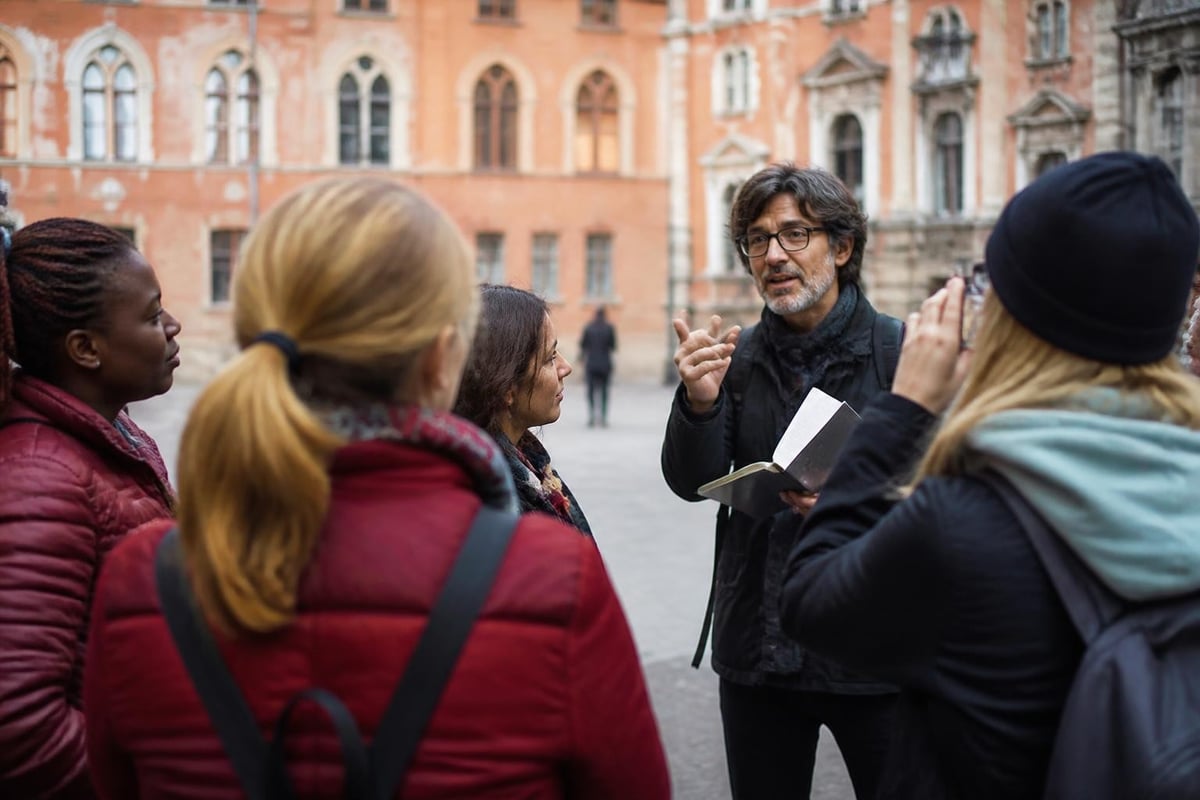
Great tour participants ask questions but don't monopolise the guide's attention. They arrive on time, showing respect for fellow travellers and the guide's schedule. They silence phones during narratives and save detailed discussions for breaks. They engage with the group whilst respecting those who prefer quieter observation.
Photography deserves special mention. By all means, capture memories, but don't experience the entire tour through a screen. Some moments deserve your full presence rather than your camera's attention.
The Future of City Tours
Technology and changing traveller expectations are reshaping what city tours can be, opening exciting possibilities whilst raising important questions about authenticity and connection.
Digital Integration Without Losing Soul
Augmented reality apps now overlay historical scenes onto present-day views, helping visitors visualise how locations looked centuries ago. Audio guides triggered by GPS create self-paced experiences that still benefit from expert curation. Virtual reality previews let travellers sample tours before booking.
Yet the most successful implementations enhance rather than replace human connection. Technology works best when it handles information delivery, freeing guides to focus on interpretation, storytelling, and responding to visitor curiosity in real-time.
Hyper-Specialisation and Niche Markets
Generic "see all the highlights" tours now compete with incredibly specific alternatives: Soviet-era architecture walks, feminist history tours, underground music scene explorations, or culinary adventures focusing solely on street food. This specialisation lets visitors dive deep into personal passions rather than settling for surface-level overviews.
The trend benefits both travellers and guides. Visitors connect with content that genuinely interests them. Guides develop true expertise in their chosen niche rather than maintaining broad but shallow knowledge across all topics.
Creating Connections That Outlast the Tour
The most profound impact of city tours often reveals itself days, weeks, or even years later. That casual restaurant recommendation leads to your best meal of the trip. The historical context transforms how you understand current events. The fellow traveller you chatted with becomes a lasting friend.
Beyond the Obvious Attractions
Skilled guides know their city's rhythm, understanding when famous sites are least crowded and which lesser-known locations deserve equal attention. They share neighbourhood cafés where locals actually gather, markets that haven't become tourist traps, and viewpoints that don't appear in guidebooks.
This insider knowledge holds immense practical value. After a quality city tour, visitors navigate more confidently, make better independent choices, and feel more connected to their temporary home. They stop being tourists stumbling through an unfamiliar place and start being temporary residents engaging with a living community.
The Ripple Effect of Shared Stories
When you return home and friends ask about your trip, the stories you share often originate from your city tour. That anecdote your guide told about the midnight baker who saved the neighbourhood during a crisis. The hidden courtyard where dissidents once met. The building that survived catastrophe through sheer luck and community determination. These narratives become part of how you represent the destination to others, extending the guide's storytelling reach far beyond that original group of listeners.
Responsible Tourism Through Guided Experiences
Well-designed city tours actively contribute to sustainable tourism goals rather than undermining them. They educate visitors about local customs, environmental challenges, and appropriate behaviour. They distribute economic benefits across neighbourhoods rather than concentrating them in obvious tourist zones. They preserve cultural heritage by creating economic incentives for maintenance and protection.
Supporting Local Communities
When tour operators employ local guides, purchase supplies from neighbourhood businesses, and design routes that showcase diverse areas, they create economic opportunities that strengthen communities. This stands in stark contrast to cruise ship tourism that floods cities with thousands of visitors who contribute little to local economies beyond entry fees at major attractions.
The difference becomes visible in places like Samarkand's old town, where sustainable tourism models help fund restoration projects whilst providing livelihoods for residents. Visitors become stakeholders in preservation rather than threats to it.
Educating for Impact
The best guides don't just inform; they inspire responsible behaviour that extends beyond the tour itself. They explain why staying on designated paths protects archaeological sites. They demonstrate respectful photography that doesn't intrude on local life. They model interactions that honour cultural differences rather than exploiting them for entertainment.
This educational dimension transforms passive sightseeing into active citizenship, creating travellers who think carefully about their impact wherever they go.
City tours represent travel at its finest: educational yet entertaining, structured yet spontaneous, affordable yet invaluable. Whether you're drawn to sweeping historical overviews or intimate cultural deep-dives, there's a guided experience waiting to transform how you understand and remember your destination. Ready to experience the Silk Road's jewel through local eyes? Visit Samarkand offers both free walking tours and comprehensive paid experiences that bring centuries of history alive through passionate guides who call this remarkable city home.