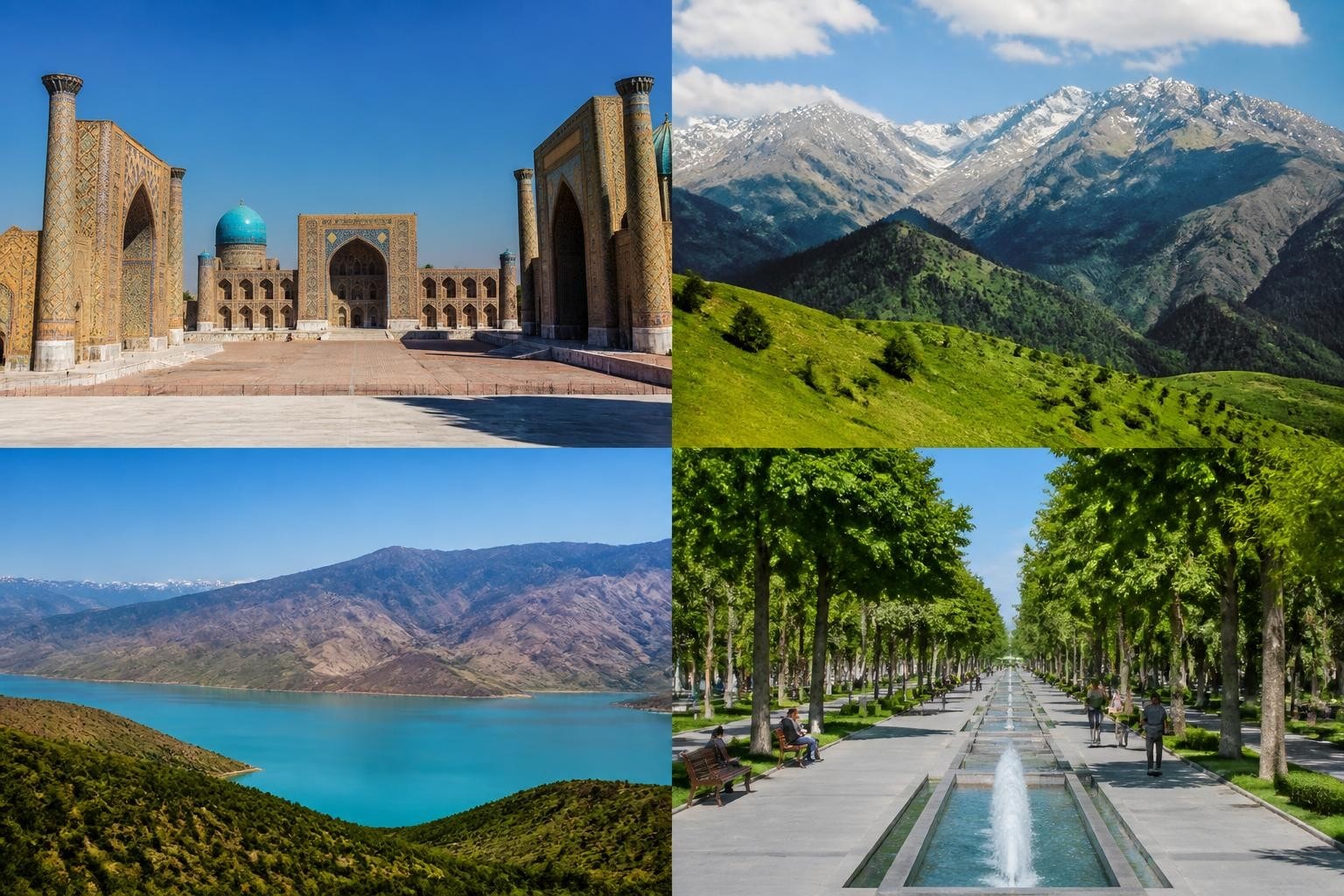
The capital of Uzbekistan hums with modern energy, its wide boulevards and Soviet-era monuments telling one chapter of Central Asia's story. Yet the most compelling tales lie beyond the city limits, where ancient caravanserais whisper of silk-laden camels and turquoise domes pierce endless skies. Day trips from Tashkent open doorways to experiences that transform a simple capital visit into an unforgettable journey through time and landscape. Whether you're drawn to archaeological wonders or alpine meadows, the regions surrounding Tashkent offer astonishing variety within reach of a single day's adventure.
The Jewel of the Silk Road Awaits
Samarkand stands as the crown jewel among day trips from Tashkent, though calling it a "day trip" hardly does justice to a city that once commanded empires. The high-speed Afrosiyob train rockets passengers across 344 kilometres in just over two hours, depositing them in a world where Tamerlane's architectural ambitions still dominate the skyline.
The Registan Square alone could consume an entire day. Three magnificent madrasahs frame this central plaza, their facades adorned with geometric patterns that seem to shift in the changing light. Standing here at dawn, when the first rays illuminate the turquoise tiles, feels like witnessing the medieval Islamic world at its artistic zenith.
Beyond the Postcard Views
Most visitors photograph the obvious monuments and depart, but Samarkand rewards those who venture deeper. The Shah-i-Zinda necropolis climbs a hillside in a procession of mausoleums, each more intricately decorated than the last. Local families still visit to honour ancestors buried here centuries ago, their quiet reverence a reminder that these aren't merely tourist attractions but living sacred spaces.
For travellers seeking authentic encounters with Samarkand's culture and history, Visit Samarkand offers free walking tours that reveal the city's hidden corners and untold stories, making this ancient metropolis accessible through guided excursions that go far beyond the standard tourist circuit.
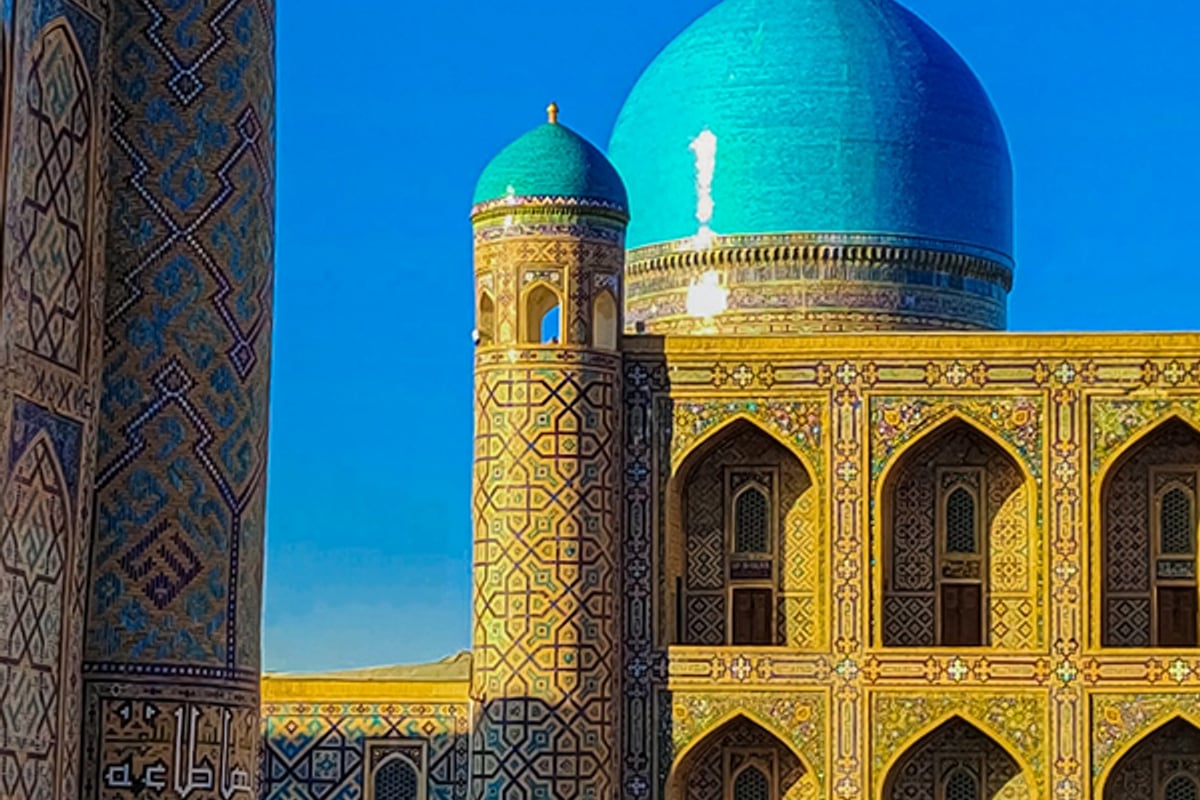
The Bibi-Khanym Mosque tells a story of ambition and heartbreak. Commissioned by Tamerlane to be the grandest mosque in the Islamic world, its architect supposedly fell in love with the emperor's favourite wife, leading to tragedy. Whether the tale holds truth or merely legend, the massive structure certainly speaks to outsize dreams.
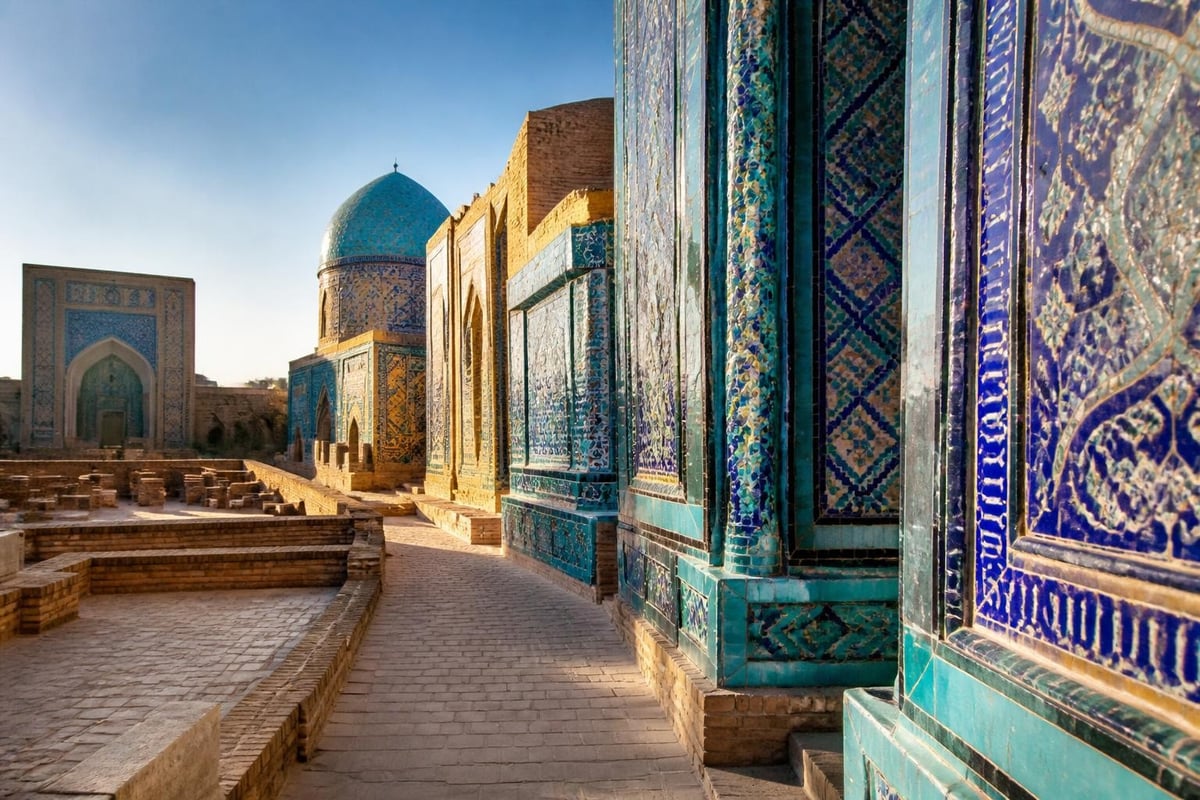
Planning requires realistic expectations. Those hoping to explore Samarkand thoroughly in a day face disappointment. The train journey consumes roughly five hours round-trip, leaving perhaps six hours for exploration. Many experienced travellers suggest focusing on either the Registan and surrounding old town or the Shah-i-Zinda and Ulugh Beg Observatory, saving a comprehensive visit for a future overnight stay. The destination certainly merits multiple days, but even a brief taste of Samarkand's splendour makes the journey worthwhile.
Mountain Escapes and Alpine Adventures
The Chimgan Mountains rise northeast of Tashkent like a wall separating the capital from the wild heart of Central Asia. These peaks, part of the Western Tian Shan range, offer day trips from Tashkent that appeal to active travellers seeking fresh air and dramatic landscapes.
Seasonal Transformations
Winter transforms Chimgan into Uzbekistan's premier skiing destination, though visitors accustomed to Alpine or North American resorts should adjust expectations accordingly. The facilities remain modest, but the slopes offer genuine enjoyment without the crowds or expense of more famous destinations. Local families pack the hills on weekends, their laughter echoing across snow-covered ridges.
Summer brings different pleasures:
- Hiking trails wind through valleys carpeted with wildflowers
- Paragliding launches from ridge tops offer bird's-eye views
- Horseback riding follows routes used by shepherds for centuries
- Rock climbing challenges experienced climbers on limestone faces
The journey from Tashkent covers approximately 80 kilometres and takes between ninety minutes and two hours depending on traffic and road conditions. Shared taxis leave from designated stands near the Tashkent metro, though hiring a private driver offers more flexibility for those wanting to explore multiple sites.
| Season | Key Activities | Best For | Typical Costs |
|---|---|---|---|
| Winter | Skiing, snowboarding | Snow sports enthusiasts | Moderate |
| Spring | Hiking, photography | Nature lovers | Low |
| Summer | Paragliding, camping | Adventure seekers | Moderate |
| Autumn | Trekking, horse riding | Hikers | Low |
Charvak Reservoir sparkles at the base of these mountains like a turquoise gemstone set in granite. Created in the 1970s by damming the Chirchiq River, this artificial lake has become the capital's favourite summer escape. Beaches (using the term loosely) line portions of the shore, where families picnic and children splash in surprisingly cold waters fed by snowmelt.
Desert Fortresses and Ancient Cities
Nurata lies roughly 290 kilometres southwest of Tashkent, positioned where the Kyzylkum Desert meets the final ridges of the Nuratau Mountains. This small town draws visitors interested in desert culture and exploring ancient fortifications that once guarded caravan routes.
The Chashma Complex centres on a sacred spring believed to possess healing properties. Pilgrims have visited this site for centuries, and the current structure incorporates elements from different eras. Enormous fish glide through the spring's clear waters, protected by religious tradition that forbids their capture.
Yurt Camp Experiences
Several tourism initiatives near Nurata offer authentic yurt stays in traditional felt dwellings. While technically requiring an overnight visit to fully appreciate, determined day-trippers can visit these camps for lunch and cultural demonstrations. The experience provides glimpses into nomadic traditions that persisted in these regions until recent decades.
Women demonstrate felt-making techniques passed through generations. Watching raw wool transform into sturdy fabric through washing, beating, and rolling reveals the ingenuity required to thrive in harsh climates. These aren't performances for tourists but genuine skills still practiced for practical purposes.
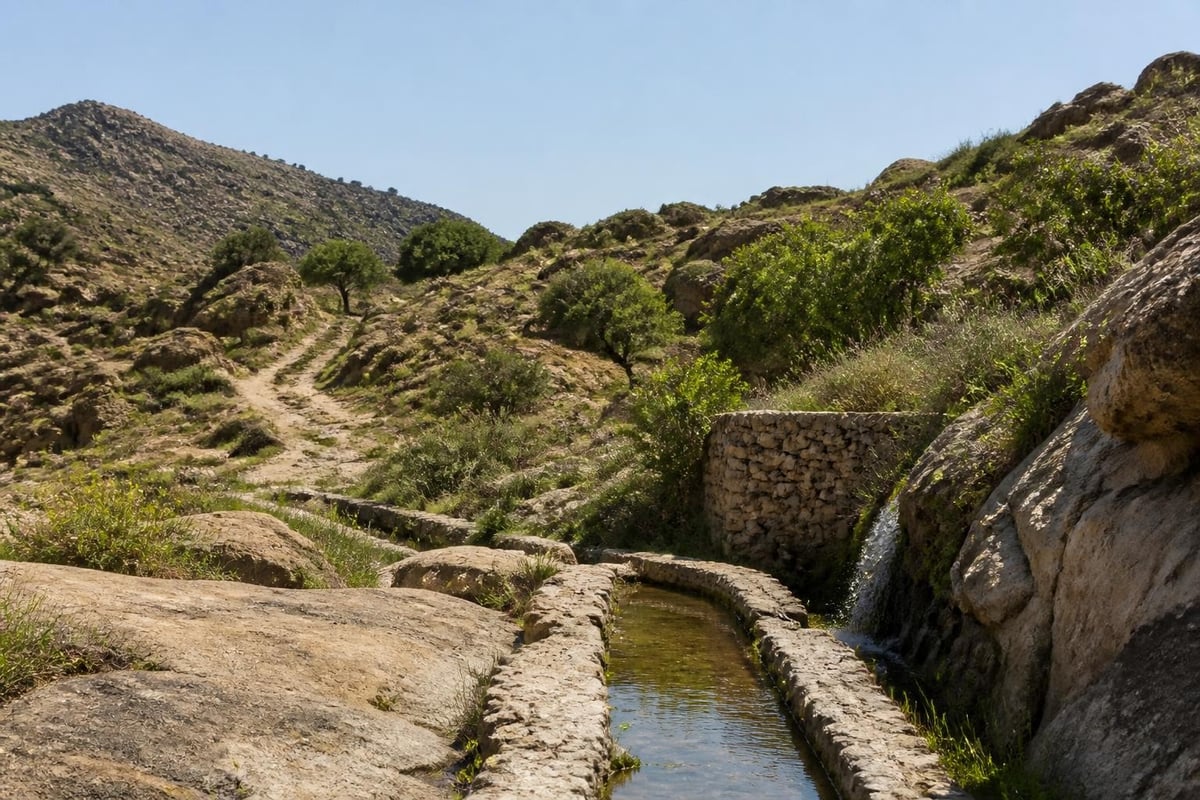
The Sarmish Gorge, accessible via rough tracks from Nurata, contains some of Central Asia's most significant petroglyphs. Ancient artists carved images of animals, hunters, and mysterious symbols into dark rocks, creating a gallery that spans millennia. Dating these carvings precisely remains challenging, but archaeologists believe some reach back four thousand years.
Hidden Valleys and Secret Gardens
Ugam-Chatkal National Park encompasses vast wilderness areas where brown bears still roam and snow leopards occasionally leave tracks. While the park's remoteness prevents comprehensive day trips from Tashkent, its northwestern edges offer accessible hiking along crystal streams and through juniper forests.
Beldersay presents another mountain option, located near Chimgan but feeling distinctly different in character. A cable car built during the Soviet era (and showing its age) climbs to highland meadows where shepherds graze flocks during summer months. The views encompass seemingly endless ridges, each successively hazier until they merge with the sky.
Adventure companies increasingly offer specialized day trips from Tashkent that combine multiple destinations into comprehensive itineraries. These might link Chimgan hiking with Charvak swimming, or pair Beldersay's cable car with a traditional Uzbek lunch in a mountain village. The efficiency appeals to time-pressed travellers wanting maximum experience from minimal days.
Getting Around Logistics
Transportation represents the primary challenge for day trips from Tashkent. Public options exist but require patience and flexibility:
- Shared taxis offer the most economical choice but follow fixed routes and schedules
- Private hire vehicles provide freedom but cost significantly more
- Organized tours eliminate logistics stress while reducing spontaneity
- Rental cars remain possible but roads vary wildly in quality
Most travellers find that hiring a driver for the day strikes the best balance between cost and convenience. Negotiating prices in advance prevents misunderstandings, and clarifying exactly which sites will be visited ensures everyone shares the same expectations.
Border Crossings and International Adventures
Uzbekistan's location permits intriguing cross-border day trips from Tashkent, though these require advance planning and proper documentation. The capital sits relatively close to Kazakhstan and Kyrgyzstan, making international excursions feasible for adventurous travellers.
Shymkent, Kazakhstan's third-largest city, lies approximately 120 kilometres north of Tashkent. The land crossing operates smoothly for most nationalities, though visa requirements vary. The city offers pleasant parks, decent museums, and a glimpse into Kazakhstan's rapid modernization. Compared to Uzbekistan's more traditional atmosphere, Shymkent feels distinctly contemporary.
Osh, Kyrgyzstan's southern capital, presents a more ambitious option at roughly 400 kilometres from Tashkent. The journey crosses the dramatic Kamchik Pass and requires a full day even with efficient border procedures. Osh's massive bazaar ranks among Central Asia's most vibrant, and Sulaiman-Too Mountain dominates the cityscape as a UNESCO World Heritage site.
Documentation Essentials
International day trips require careful preparation:
- Valid passport with appropriate visas
- Vehicle insurance documentation for drivers
- Customs declaration awareness
- Currency exchange planning
- Mobile phone roaming considerations
Border crossings can consume unpredictable amounts of time. Even with proper documentation, officials sometimes process travellers slowly, particularly during peak periods. Building substantial buffer time into itineraries prevents stress and disappointment.
Crafts, Cuisine, and Cultural Encounters
Rishtan, famous throughout Central Asia for distinctive ceramics, sits approximately 250 kilometres from Tashkent en route to the Fergana Valley. The town's pottery workshops produce vibrant blue-and-white pieces using techniques refined over centuries. Watching master craftsmen paint intricate patterns freehand, without sketches or guides, demonstrates skill levels achieved only through decades of practice.
Fergana Valley itself deserves more than a day but can be sampled through focused visits. This fertile agricultural region produces the finest fruits and vegetables in Uzbekistan, and travellers seeking authentic experiences often find village homestays and farm visits more memorable than monument touring. Similar to how Tanzania offers diverse safari experiences beyond the popular circuits, Uzbekistan's countryside rewards those venturing beyond obvious destinations.
Kokand served as capital of an independent khanate until Russian conquest in the 1870s. The Khudoyar Khan Palace remains the primary attraction, its gaudy facade reflecting the last khan's extravagant tastes. The structure feels excessive compared to Samarkand's refined elegance, yet precisely this over-the-top quality makes Kokand memorable.
Traditional craft techniques practiced in villages near Tashkent, including ceramic glazing in Rishtan, silk ikat weaving in Margilan, and bread baking in clay ovens, showing the continuation of artisan skills across generations
Practical Wisdom for Day Explorers
Successful day trips from Tashkent depend on realistic planning and cultural awareness. Uzbekistan remains a conservative society where modest dress receives appreciation, particularly when visiting religious sites or rural areas. Women should carry scarves for covering hair if entering active mosques, though tourist sites typically don't enforce strict dress codes.
Summer temperatures in Tashkent and surrounding regions frequently exceed 40°C, making early morning departures essential. Starting before dawn allows visiting outdoor sites during cooler hours and avoiding the punishing midday sun. Mountain destinations offer relief from lowland heat, though altitude brings its own considerations including intense UV exposure and potential altitude effects.
Food and water safety requires attention. Bottled water stays widely available and inexpensive. Street food tempts adventurous eaters, but choosing vendors with obvious local patronage reduces risk. Fresh bread (non) from traditional clay ovens makes a safe and delicious snack, and seasonal fruits purchased directly from farms offer unmatched flavour.
Language barriers exist but needn't prevent communication. Russian remains widely spoken among older generations, while younger Uzbeks increasingly learn English. Translation apps prove invaluable for complex discussions, though smiles and gestures accomplish surprising amounts. The Uzbek people generally show remarkable patience and helpfulness toward foreign visitors attempting to navigate their country.
Much like planning requires consideration when booking helicopter tours across European landscapes or organizing memorable travel experiences, researching day trips from Tashkent benefits from understanding seasonal variations, local customs, and realistic time requirements. The difference between a frustrating rush and a rewarding adventure often comes down to planning an appropriate pace and maintaining flexibility when unexpected situations arise.
Weather Windows and Seasonal Strategies
Climate dramatically affects which day trips from Tashkent make sense during different months. The comprehensive guides available online help visitors time their excursions appropriately, but understanding basic patterns allows independent planning.
Spring (March-May) brings wildflowers to mountain valleys and comfortable temperatures throughout the lowlands. This represents peak season for Samarkand and other historic sites, though occasional rain showers require waterproof layers. Desert trips become particularly appealing before summer heat makes them punishing.
Summer (June-August) drives locals and tourists alike toward the mountains. Charvak and Chimgan see maximum crowds, particularly on weekends. Historic cities like Samarkand swelter, though the intense light creates stunning photographs of tilework and architecture. Early morning or evening visits work best.
Autumn (September-November) rivals spring as the ideal period for day trips from Tashkent. Temperatures moderate, autumn colours paint mountain forests, and harvest season brings markets overflowing with fresh produce. Tourist numbers decline, making popular sites more peaceful.
Winter (December-February) limits options but offers unique experiences. Skiing becomes possible in Chimgan, while historic cities gain atmospheric qualities under occasional snow. Some mountain passes close due to weather, and shorter daylight hours constrain itineraries.
Transportation Evolution and Future Prospects
Infrastructure improvements continue transforming day trip possibilities from Tashkent. The high-speed rail network expansion, though primarily connecting major cities, makes destinations like Samarkand increasingly accessible. Roads to mountain regions steadily improve, though some routes remain challenging during poor weather.
Tourism development brings both opportunities and concerns. Increased visitor numbers support local economies but risk overwhelming fragile sites and traditional communities. Responsible travellers consider their impact, supporting businesses that benefit local people and respecting cultural norms even when inconvenient. Just as thoughtful event planning considers participant experience and venue capacity, sustainable tourism requires balancing access with preservation.
Private transportation services specifically targeting day-trippers have emerged, offering vehicles ranging from budget sedans to luxury vans. These services typically include English-speaking drivers familiar with tourist interests, though costs exceed traditional taxi rates. Booking through established companies provides recourse if problems arise, whereas informal arrangements offer no such protections.
Cultural Sensitivity and Photography Ethics
Photography enthusiasts find endless subjects throughout day trips from Tashkent, but cultural awareness prevents uncomfortable situations. Always asking permission before photographing people shows basic respect, and gracefully accepting refusals maintains dignity on all sides. Many Uzbeks happily pose for photographs, particularly in tourist areas, but assuming consent causes offense.
Religious sites require particular sensitivity. Active mosques welcome respectful visitors during non-prayer times, but pointing cameras during worship services shows poor judgment. Some sites prohibit photography entirely, and these restrictions deserve respect regardless of personal opinions about their necessity.
Military installations and border areas throughout Uzbekistan strictly forbid photography. Soldiers take these restrictions seriously, and violations can result in detainment, confiscated equipment, and significant legal complications. When uncertain whether photography is permitted, asking prevents problems.
The regions surrounding Tashkent contain enough diversity to satisfy months of exploration, yet even brief excursions reveal layers of history, culture, and natural beauty that make Uzbekistan such a compelling destination. Whether you're drawn to Samarkand's architectural wonders or the Chimgan Mountains' alpine meadows, day trips from Tashkent transform a capital city visit into a genuine journey through Central Asia's soul. For those planning to explore further afield, Visit Samarkand provides guided walking tours that unlock the ancient city's secrets through local expertise and passionate storytelling, ensuring your Silk Road adventure extends beyond surface impressions into authentic understanding.