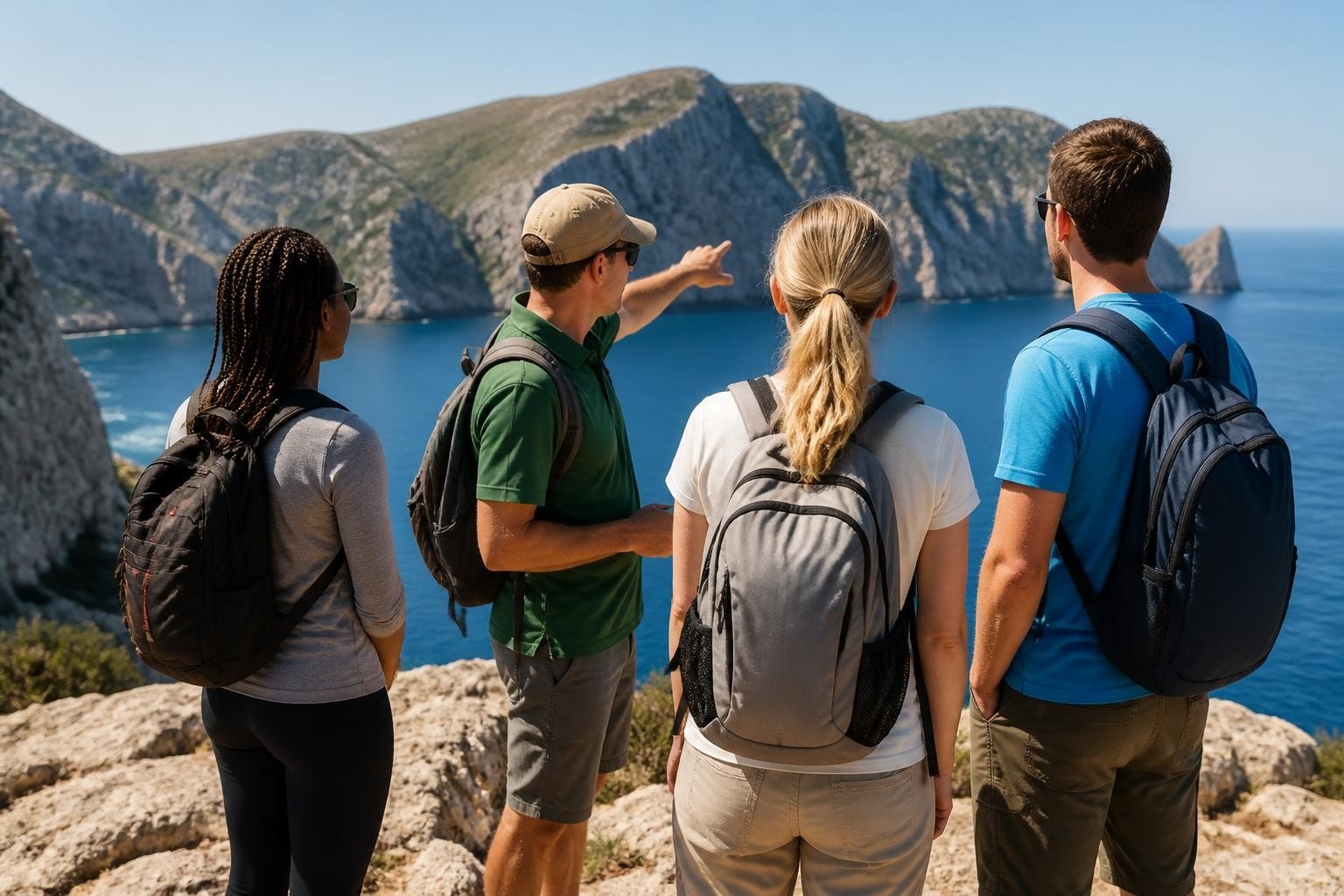
The morning light filtered through the arched gateway as our small group gathered in Registan Square, maps in hand and anticipation written across every face. What began as a simple day trip would become one of those transformative travel moments that lingers long after you've returned home. That's the magic of excursion travel: the ability to craft meaningful experiences within a single day, connecting with places and people in ways that change how you see the world. Whether you're a solo wanderer seeking authentic encounters or a family chasing shared adventures, understanding how to make the most of your excursions can turn ordinary sightseeing into extraordinary storytelling.
Understanding the Modern Excursion Travel Landscape
Excursion travel has evolved dramatically from its origins as simple coach tours to become one of the fastest-growing segments in the tourism industry. Today's travelers seek more than passive observation; they crave active participation, cultural immersion, and genuine connection with the places they visit.
The numbers tell a compelling story. According to Adventure Travel Trade Association research, experiential travel continues to surge as visitors prioritise authentic encounters over superficial attractions. Day excursions now represent a significant portion of tourism spending, with travelers willing to invest in quality experiences that deliver depth rather than breadth.
What Defines Excursion Travel Today
Modern excursion travel encompasses far more than traditional tour buses and scripted commentary. It includes:
- Walking tours that reveal hidden neighborhoods and untold stories
- Culinary excursions connecting food, culture, and community
- Adventure day trips from kayaking to mountain trekking
- Cultural immersion experiences including workshops and local encounters
- Historical explorations that bring the past vividly to life
What distinguishes excursion travel from general tourism is its focused, intentional nature. These aren't merely activities to fill time; they're carefully designed experiences that create lasting memories within a condensed timeframe.
Planning Your Excursion Travel Strategy
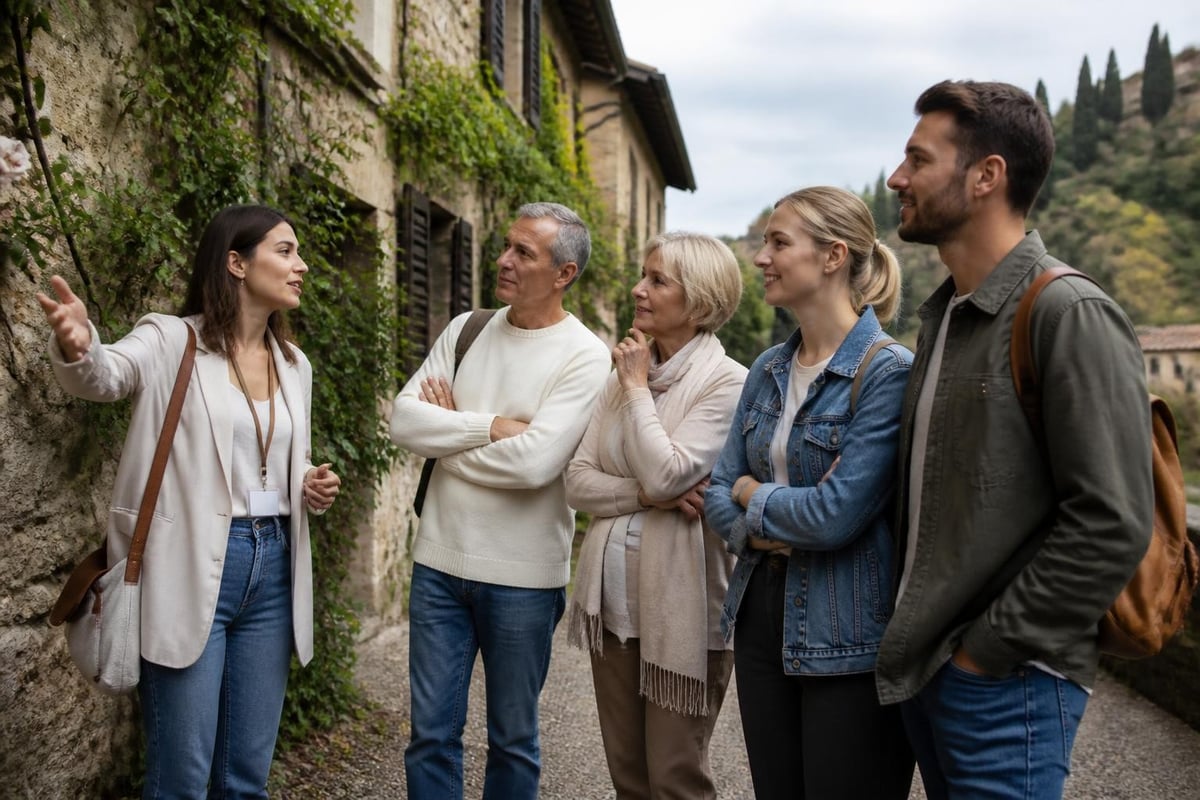
I learned the hard way that the best excursions rarely happen by accident. During my first visit to Central Asia, I wandered aimlessly for days before discovering that a local guide could have unlocked stories and perspectives I'd completely missed. That lesson shaped how I approach excursion travel today.
Research and Selection
Start by identifying what genuinely interests you rather than what guidebooks insist you "must see." Your excursion travel experiences should align with your passions, whether that's architecture, cuisine, textiles, or social history.
European tourism statistics show that day-trip participation varies significantly based on how well experiences match visitor interests. The sweet spot lies in choosing excursions that challenge you slightly while remaining accessible.
Key planning considerations include:
- Duration and pacing — How much ground can you realistically cover?
- Group size preferences — Do you thrive in intimate groups or larger gatherings?
- Physical requirements — Match excursions to your fitness level
- Local expertise — Prioritise guides with deep knowledge and storytelling ability
- Flexibility — Leave space for spontaneous discoveries
| Planning Factor | Questions to Ask | Why It Matters |
|---|---|---|
| Time allocation | How many hours feels comfortable? | Prevents fatigue and rushing |
| Transportation | Walking, cycling, or vehicle-based? | Impacts what you can see and experience |
| Language support | Do you need translation assistance? | Ensures full comprehension of stories |
| Accessibility needs | Are routes suitable for all abilities? | Makes travel inclusive and enjoyable |
Balancing Structure and Spontaneity
The most memorable excursion travel moments often arise from the unexpected. A scheduled walking tour might lead to an impromptu tea invitation from a local artisan, or a wrong turn could reveal a neighborhood festival. Build your itinerary with enough structure to ensure you hit key highlights, but leave breathing room for serendipity.
When exploring historical cities like Samarkand, this balance becomes especially important. The sight seeing of Samarkand demonstrates how structured programmes can introduce you to centuries of architecture and culture whilst still allowing personal discovery and connection with local legends that make the experience uniquely yours.
The Value of Guided Excursion Travel
There's an ongoing debate in travel circles about independent exploration versus guided experiences. I've done both extensively, and here's what I've discovered: guides don't limit your freedom; the right ones expand it exponentially.
What Expert Guides Bring to Excursions
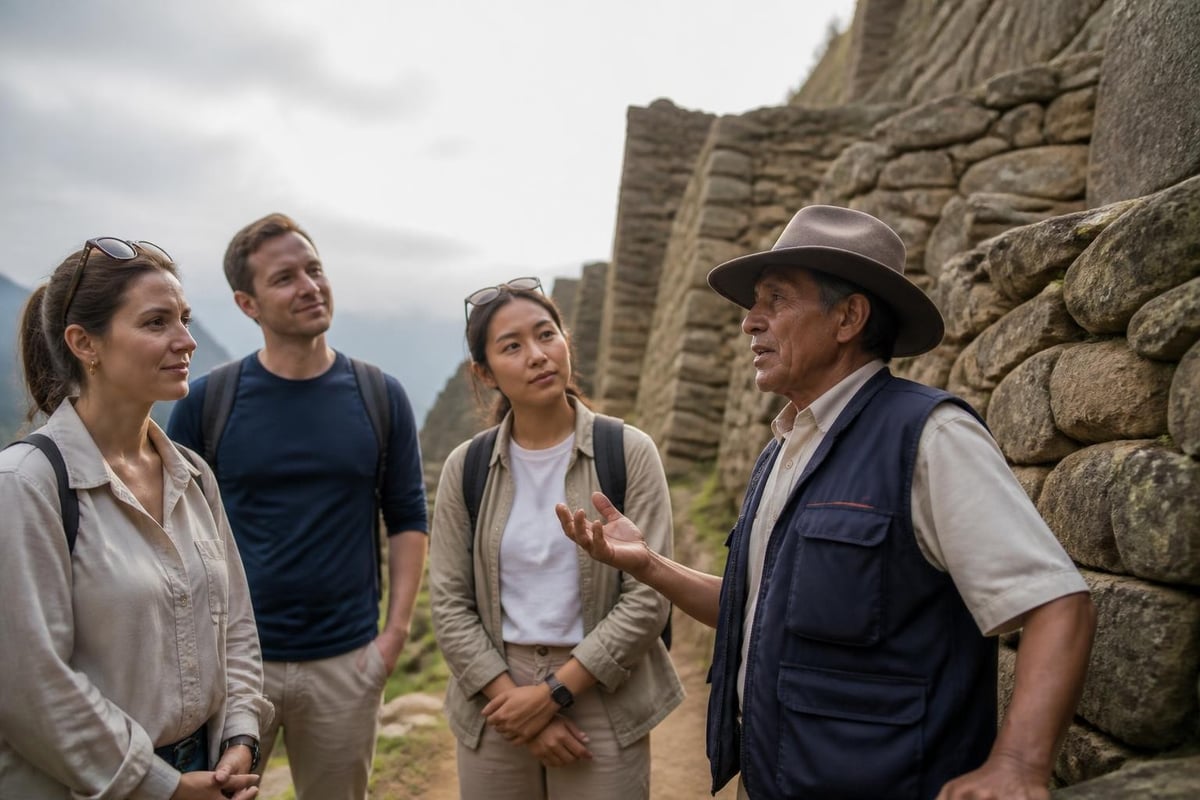
A truly skilled guide serves as translator, historian, storyteller, and cultural bridge. They notice details you'd miss, access spaces you couldn't enter alone, and provide context that transforms buildings from pretty facades into narratives of human triumph and tragedy.
Consider the difference between photographing a monument and understanding the hands that built it, the decisions that shaped it, and the lives it touched. That depth comes from local expertise.
Expert guides offer:
- Historical accuracy beyond Wikipedia summaries
- Local connections that open doors literally and figuratively
- Safety awareness particularly in unfamiliar environments
- Logistical efficiency maximising your limited time
- Cultural interpretation helping you understand what you're seeing
Finding Quality Excursion Providers
Not all tour operators deliver equal value. Skift Research findings indicate that travelers increasingly scrutinise experience quality, reading reviews carefully and prioritising operators with transparent pricing and authentic local connections.
Look for providers who:
- Employ local guides with genuine community ties
- Limit group sizes for better interaction
- Demonstrate cultural sensitivity and respect
- Offer clear information about physical requirements
- Support sustainable tourism practices
The UNWTO’s emphasis on green investments reminds us that responsible excursion travel considers environmental and social impact, choosing operators who contribute positively to local communities.
Making Excursion Travel Accessible and Inclusive
One of the most heartening developments in modern excursion travel is the growing commitment to accessibility. Everyone deserves the opportunity to explore, learn, and connect through travel experiences.
Breaking Down Barriers
The UNWTO’s Manual on Accessible Tourism provides comprehensive guidance on creating inclusive excursions. This isn't merely about wheelchair ramps; it's about designing experiences that accommodate diverse needs whilst maintaining quality and authenticity.
Physical accessibility matters, but so does financial accessibility. Free walking tours have democratised excursion travel, proving that cost shouldn't prevent people from accessing expert guidance and meaningful experiences. This model, supported by organisations like the Silk Road Travel Academy, makes cultural exploration available to budget travelers, students, and anyone for whom paid tours might be prohibitive.
Health and Safety Considerations
Before embarking on any excursion travel, particularly in unfamiliar destinations, consider health preparations. The CDC’s travel health guidance recommends assessing medical needs, preparing appropriate kits, and understanding local healthcare access.
For excursions, this means:
- Carrying necessary medications with backup supplies
- Understanding heat, altitude, or climate challenges
- Knowing where to access help if needed
- Communicating special requirements to guides in advance
- Packing appropriate clothing and footwear
Maximising Your Excursion Travel Experience
The difference between a forgettable tour and an unforgettable journey often comes down to how you engage with the experience. Active participation amplifies every element of excursion travel.
Engagement Strategies That Transform Experiences
Ask questions. The guide who seems to be delivering a scripted speech often comes alive when you ask about their personal connection to a place or request deeper explanation of a custom. Your curiosity signals genuine interest and typically unlocks richer storytelling.
Observe beyond the obvious. While your guide highlights major monuments, notice the daily life happening around them: the grandmother selling bread, the children playing ancient games, the sounds and smells that define the atmosphere. These sensory memories become the connective tissue of your travel stories.
Connect with fellow travelers. Small group excursions create temporary communities. The couple from Melbourne, the student from Berlin, and the retired teacher from Tokyo each bring perspectives that enrich everyone's understanding.
| Engagement Level | Example Behaviours | Experience Impact |
|---|---|---|
| Passive | Taking photos, following along | Limited retention, surface memories |
| Attentive | Listening carefully, asking basic questions | Good understanding, some lasting impressions |
| Active | Engaging deeply, making connections, participating | Rich comprehension, transformative memories |
| Immersive | Building relationships, returning, sharing knowledge | Life-changing impact, ongoing connection |
Documenting Without Distraction
Photography has become both blessing and curse for excursion travel. Images preserve memories wonderfully, but the compulsion to photograph everything can prevent you from actually experiencing anything.
Try this approach: take a few thoughtful photos at each stop, then put the camera away and simply be present. Your brain captures more nuanced memories than any lens, recording the feeling of sunlight on ancient stones, the rhythm of a storyteller's voice, or the taste of unfamiliar spices.
Excursion Travel Economics and Value
Understanding the financial aspects of excursion travel helps you make informed decisions and appreciate where your money goes.
The True Cost of Quality Experiences
Free walking tours operate on a tip-based model, whilst paid excursions range from budget-friendly to luxury pricing. VisitBritain research on day visits reveals that travelers willingly invest in experiences they perceive as authentic and well-delivered.
What determines value isn't price alone but rather the relationship between cost and experience quality. A free walking tour with an exceptional guide might deliver more value than an expensive coach tour with superficial commentary.
When evaluating excursion travel options, consider:
- Guide expertise and enthusiasm
- Group size and personalisation potential
- Duration and pacing appropriateness
- Inclusions (meals, entrance fees, materials)
- Operator reputation and community impact
Supporting Local Economies Through Excursions
Every excursion choice represents an economic decision that ripples through communities. Choosing local operators, eating at family-run restaurants, and purchasing from artisan workshops ensures your travel spending benefits people directly rather than distant corporations.
This matters particularly in heritage destinations where tourism can either support cultural preservation or accelerate its erosion. Responsible excursion travel seeks operators who employ local guides, respect cultural norms, and contribute to community wellbeing.
Regional Variations in Excursion Travel
Excursion travel takes wonderfully diverse forms across different regions, each reflecting local geography, culture, and historical patterns.
Urban vs Rural Excursions
City excursions typically focus on architecture, museums, neighbourhoods, and culinary scenes. They offer density of experience, with multiple points of interest within walking distance. The challenge lies in filtering options and avoiding superficial rushing between highlights.
Rural excursions emphasise landscape, traditional lifestyles, and slower rhythms. They require different pacing, often involving more time in fewer locations but with greater depth of engagement. Agricultural visits, craft workshops, and nature-based activities dominate these experiences.
Climate and Seasonal Considerations
Excursion travel varies dramatically by season. Summer enables outdoor adventures but brings crowds and heat. Winter offers solitude and different beauty but limits some activities. Spring and autumn frequently provide the sweet spot of pleasant weather and moderate visitor numbers.
Smart travelers align excursions with seasonal strengths. Autumn harvest festivals, spring blossom viewings, winter cultural events, and summer adventure activities each offer unique opportunities that enhance rather than fight against natural cycles.
Cultural Sensitivity in Excursion Travel
The most meaningful excursion travel experiences arise from mutual respect between visitors and hosts. Cultural sensitivity isn't about walking on eggshells; it's about approaching difference with curiosity rather than judgment.
Learning Local Customs and Expectations
Before arriving, research basic customs: appropriate dress, greeting protocols, photography permissions, and religious considerations. This preparation demonstrates respect and opens doors to deeper engagement.
During excursions, watch and follow local behaviour. If your guide removes shoes before entering a space, do likewise without needing explanation. If locals speak softly in sacred areas, match that tone. These small acts of cultural awareness signal that you're there to learn rather than impose.
Essential cultural sensitivity practices include:
- Asking permission before photographing people
- Dressing appropriately for religious and traditional sites
- Learning basic local greetings and thank you phrases
- Respecting personal space and local interaction norms
- Following guide instructions about sensitive locations
Building Authentic Connections
The travellers I know who've had the most transformative excursion travel experiences share a common trait: genuine interest in people rather than merely places. They ask about daily life, listen to personal stories, and treat guides as knowledgeable individuals rather than service providers.
This shift in perspective changes everything. Suddenly you're not consuming a product; you're sharing an experience with someone who has deep knowledge and personal connection to the place you're visiting. That human element transforms excursion travel from transaction to relationship.
Technology's Role in Modern Excursion Travel
Digital tools have revolutionised how we discover, book, and experience excursions, whilst also creating new challenges around authentic engagement.
Booking and Discovery Platforms
Online platforms make finding excursions easier than ever, with reviews, photos, and instant booking. This transparency benefits travelers whilst pressuring operators to maintain quality standards.
However, algorithms often prioritise paid placements over best fits, and reviews can be manipulated. Cross-reference multiple sources, read detailed reviews carefully, and don't assume the top-ranked option is necessarily the best for your specific interests.
Apps and Audio Guides
Self-guided excursion travel via smartphone apps offers flexibility and cost savings. Quality varies enormously, from brilliant narrative experiences to dry information dumps.
The limitation of technology-guided excursions is their inability to read group energy, answer specific questions, or adapt to interests. They work best as supplements rather than replacements for human guides, providing background information that enhances rather than substitutes for personal expertise.
Excursion travel transforms how we experience destinations, turning days into meaningful journeys that resonate long after we've returned home. Whether through structured programmes that reveal layers of history or spontaneous discoveries in hidden neighborhoods, the right excursions create connections between places, people, and ourselves. If you're ready to explore Samarkand's architectural wonders and centuries-old stories through guided experiences that bring the Silk Road alive, Visit Samarkand offers both free walking tours and in-depth excursions that welcome everyone to discover this remarkable city's cultural treasures, making authentic exploration accessible regardless of budget.