
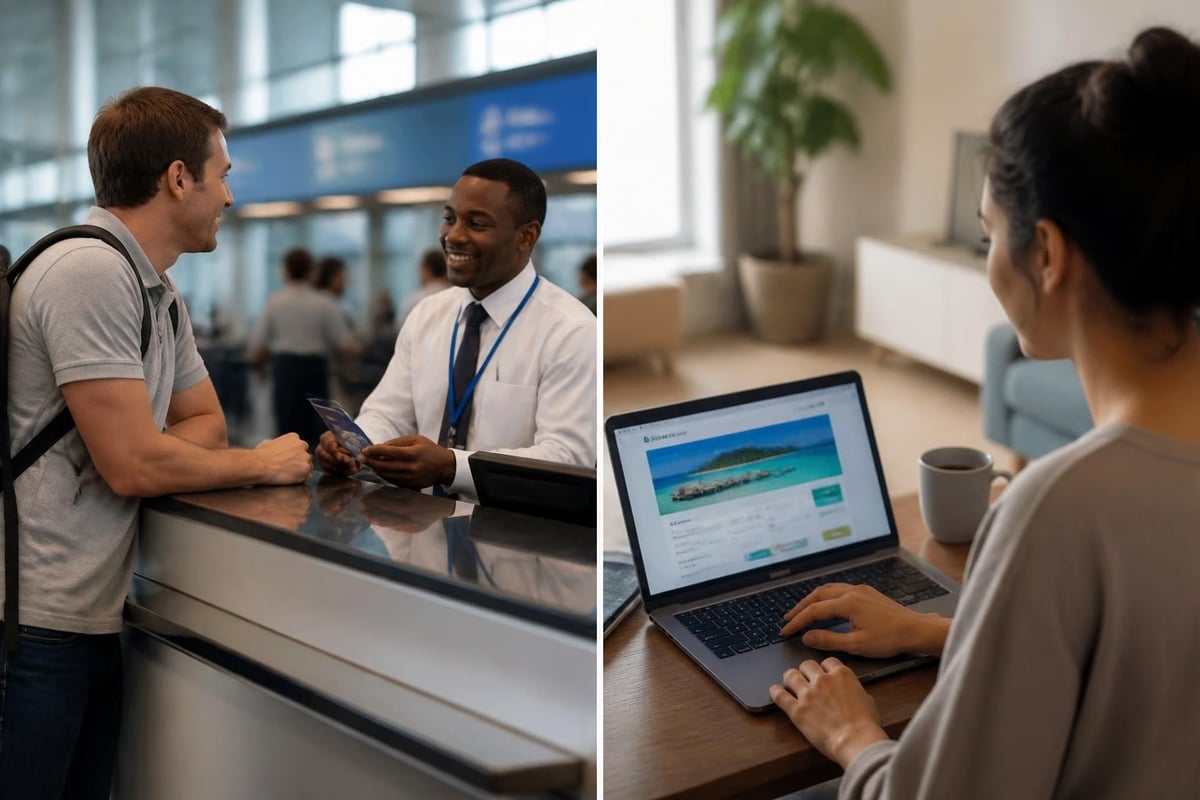
The way we discover and secure our travel memories has shifted dramatically. Gone are the days when holidaymakers would arrive in a new city and simply wander until they stumbled upon something interesting. Today's travellers arrive with itineraries carefully crafted around experiences they've researched, compared, and booked weeks or months in advance. This transformation has made experience booking one of the most dynamic segments in the travel industry, fundamentally changing how tour operators, museums, cultural sites, and activity providers connect with their audiences.
The Evolution of Experience Booking
Remember when booking a holiday meant securing flights and accommodation, then figuring out what to do once you arrived? That approach feels almost quaint now.
The modern traveller begins their journey online, scrolling through countless options, reading reviews, and comparing prices long before they pack a suitcase. This shift has created both tremendous opportunities and significant challenges for experience providers. Small operators who once relied on walk-up traffic now find themselves competing in a global marketplace, whilst also gaining access to audiences they never could have reached through traditional marketing alone.
Why Digital-First Booking Matters
The numbers tell a compelling story. According to Amadeus’s 2023 Global Report, experiences and activities have become integral to the modern travel distribution stack, with travellers increasingly expecting the same seamless booking process they enjoy for flights and hotels.
This expectation isn't unreasonable. When someone can book a hotel room in Tokyo from their phone in under three minutes, they naturally wonder why securing a walking tour should be any more complicated.
Key drivers behind the digital shift include:
- Smartphone ubiquity and improved mobile booking interfaces
- Rising demand for pre-planned, curated experiences
- Desire for price transparency and instant confirmation
- Need for flexibility and easy modification or cancellation
- Trust in verified reviews and peer recommendations
Building an Effective Experience Booking System
Creating a booking system that actually serves both your business and your customers requires more than just a calendar and a payment button.
The best systems balance ease of use with functionality, providing clear information whilst minimising friction at every step. Think about the last time you abandoned a booking partway through because the process felt too complicated or asked for too much information too soon. Your potential customers feel exactly the same frustration.
Essential Components of Modern Booking Platforms
| Feature | Why It Matters | Implementation Priority |
|---|---|---|
| Mobile-responsive design | Over 60% of browsing happens on mobile | Critical |
| Real-time availability | Prevents double-bookings and disappointment | Critical |
| Secure payment processing | Builds trust and ensures PCI DSS compliance | Critical |
| Multi-language support | Expands your potential market | High |
| Easy modification/cancellation | Reduces support burden | High |
| Integrated reviews | Social proof increases conversions | Medium |
The technical architecture matters less than the outcome. Whether you build custom software, use a specialised booking platform, or integrate with larger distribution networks, the goal remains constant: make it ridiculously easy for someone to say yes.
Pricing and Availability Management
Here's where experience booking gets genuinely interesting from a strategic perspective.
Unlike hotel rooms or airline seats, experiences often have variable capacity, weather dependencies, and complex resource allocation. A walking tour might accommodate fifteen people or thirty, depending on the guide's comfort level and group dynamics. Dynamic pricing and time-slot management can help operators optimise both revenue and guest experience.

Effective pricing strategies include:
- Early-bird discounts that reward advance planning and help forecast demand
- Dynamic pricing that adjusts based on day, season, or remaining capacity
- Package deals combining multiple experiences or including add-ons
- Free-plus-premium models offering basic access whilst monetising enhanced options
- Group discounts that encourage larger bookings and word-of-mouth marketing
The Stripe marketplace guidance offers valuable perspectives on pricing psychology and payment infrastructure, particularly for operators managing multiple experience types or working with partner providers.
Distribution Channels and Visibility
Creating a brilliant experience booking system means nothing if travellers can't find you.
Distribution strategy has become increasingly complex as the digital landscape fragments into countless channels. Should you list on large OTA platforms? Build your own direct booking engine? Partner with local hotels? Appear in Google's things-to-do features? The answer, frustratingly and truthfully, is usually "all of the above" with careful attention to the economics of each channel.
Direct vs. Indirect Booking Channels
Direct bookings through your own website offer the highest margins and the most valuable customer relationships. You own the data, control the narrative, and keep the entire transaction value minus payment processing fees.
But indirect channels provide reach that's nearly impossible to replicate independently. A listing on major platforms puts you in front of millions of potential customers actively planning trips to your region. The commission costs sting, but the volume often justifies the expense.
| Channel Type | Advantages | Considerations |
|---|---|---|
| Own website | Highest margin, full control, direct customer relationship | Requires marketing investment, limited reach initially |
| OTA platforms | Massive reach, established trust, built-in marketing | Commission costs (15-30%), less control, commodification |
| Hotel partnerships | Targeted local audience, trusted referrals | Requires relationship building, profit sharing |
| Google Actions | Discovery in search journey, integration with Google ecosystem | Technical requirements, data feed maintenance |
The smartest operators develop a balanced portfolio, using indirect channels for discovery whilst investing in direct booking conversion through superior content, better pricing, or exclusive options.
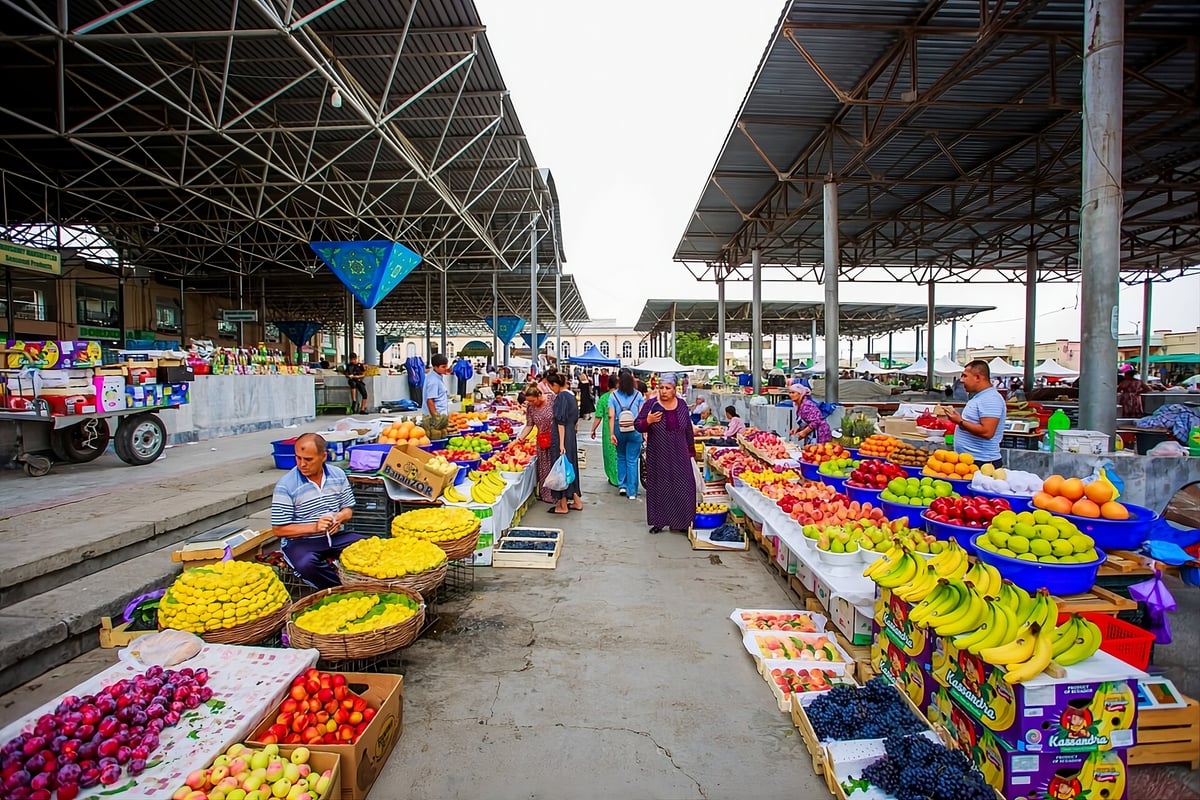
For walking tour providers, particularly those operating on a free-plus-gratuity model, the economic calculation differs slightly. The primary goal shifts from maximising booking revenue to ensuring strong attendance and encouraging generous tips. Free walking tours in Samarkand exemplify this approach, removing the booking barrier entirely whilst creating memorable experiences that naturally lead to compensation through gratuities and word-of-mouth promotion.
Guest Experience and Digital Touchpoints
The booking itself represents just one moment in a much longer journey.
Modern experience booking extends far beyond the transaction, encompassing every digital interaction from initial discovery through post-experience follow-up. According to research on digital guest experiences, travellers now expect seamless integration across all touchpoints, with particular emphasis on mobile convenience and personalised communication.
Pre-Experience Communication
What happens between "booking confirmed" and "tour begins" significantly impacts both attendance rates and overall satisfaction.
Effective operators use this window to build anticipation, provide practical information, and establish rapport. Automated email sequences work well here, but the content must feel helpful rather than promotional.
Strong pre-experience communication includes:
- Immediate confirmation with clear details (date, time, meeting point, what to bring)
- Reminder messages at strategic intervals (one week, one day before)
- Practical guidance on weather, accessibility, or local customs
- Upsell opportunities presented as helpful suggestions, not aggressive sales
- Easy access to modification or questions through multiple channels
The meeting point deserves special attention. "In front of the main entrance" means nothing when a building has four entrances and crowds milling about. Specific coordinates, photos, and even short videos eliminate confusion and late starts.

During and After the Experience
Mobile technology has transformed the on-experience component as well.
Digital tickets eliminate printing hassles whilst providing data on attendance patterns. QR codes enable contactless check-in. In-app guides supplement live narration. GPS-triggered content delivers location-specific information automatically.
The post-experience phase, often neglected, offers tremendous value. Prompt review requests (within 24 hours whilst memories remain fresh) generate social proof that influences future bookings. Follow-up emails can suggest complementary experiences, share photos, or simply thank guests for their participation.
Timing matters enormously:
- Immediate: Digital ticket/confirmation
- 24-48 hours before: Practical reminder with meeting details
- 2 hours before: Final reminder (reduces no-shows by 15-20%)
- Immediately after: Thank you and digital momento (photo gallery link)
- 24 hours after: Review request with easy one-click access
- One week after: Complementary suggestions or special offers
Managing Capacity and Resources
Experience booking presents unique operational challenges that distinguish it from other forms of travel commerce.
A hotel room stays the same size regardless of how it's booked. An airline seat doesn't change character based on when someone reserves it. But experiences depend entirely on human resources, weather conditions, and group dynamics that resist perfect prediction.
Balancing Demand and Quality
More bookings don't always mean better outcomes.
A walking tour crammed with forty people delivers an objectively worse experience than one with fifteen engaged participants. The economics push toward filling every slot, but the long-term brand implications of overcrowding can prove devastating. One-star reviews mentioning "couldn't hear the guide" or "too crowded to enjoy" hurt far more than they help.
Smart capacity management involves:
- Hard caps based on quality thresholds, not just physical limits
- Multiple departures during peak periods rather than oversized groups
- Waitlists that capture demand whilst maintaining standards
- Surge pricing that uses market mechanisms to regulate attendance
- Seasonal adjustment recognising that winter and summer present different constraints
Some operators experiment with tiered offerings where premium bookings guarantee smaller groups or enhanced access, allowing them to serve both budget-conscious and luxury-seeking segments without compromising either.
Technology Integration and Future Trends
The experience booking landscape continues evolving rapidly.
Technologies that seemed futuristic just five years ago now form the baseline expectation. Contactless everything. Instant confirmation. Mobile-first interfaces. AI-powered customer service. These aren't differentiators anymore; they're table stakes.
Emerging Technologies Worth Watching
Artificial intelligence and machine learning increasingly power personalised recommendations, predicting which experiences match individual preferences based on booking history, browsing patterns, and similar user cohorts.
Voice booking through smart speakers remains niche but grows steadily, particularly for routine reservations or frequently visited attractions.
Augmented reality previews help potential guests visualise experiences before booking, addressing the inherent challenge of selling something intangible.
Blockchain-based verification might eventually tackle fake reviews and credential verification, though widespread adoption remains distant.
Integrated travel wallets that consolidate all bookings, tickets, and travel documents into single apps reduce friction and improve the overall journey.
The most significant trend isn't a specific technology but rather the continued integration of "things to do" into the broader travel ecosystem. When someone books accommodation, they increasingly expect curated experience recommendations matched to their dates and interests, with one-click booking directly through the hotel or airline platform.
Accessibility and Inclusivity in Experience Booking
Creating booking systems that genuinely serve all potential guests requires intentional design decisions.
Accessibility isn't merely a legal checkbox or nice-to-have feature. It's both a moral imperative and a business opportunity, expanding your potential market whilst demonstrating values that resonate with modern travellers.
Technical and Practical Accessibility
Website accessibility means following WCAG guidelines: proper heading structure, alt text for images, keyboard navigation, sufficient colour contrast, and screen-reader compatibility. These requirements benefit everyone, not just those with disabilities.
Language accessibility extends beyond translation to cultural adaptation. Idioms don't translate. Assumptions about baseline knowledge vary. Payment methods differ by region. Booking systems must flex to accommodate global diversity.
Financial accessibility matters too. Not everyone can afford premium experiences, but that shouldn't exclude them from meaningful engagement with a destination's culture and history. Free walking tours democratise access whilst still creating sustainable business models through gratuities and optional paid upgrades.
Information accessibility requires clear, honest communication about physical requirements, mobility challenges, sensory considerations, and duration. Better to lose a booking upfront than disappoint someone who arrives unprepared.
The booking interface itself should accommodate different abilities and comfort levels. Some people want minimal information and quick checkout. Others need extensive detail before committing. Progressive disclosure-showing essential information first with easy access to comprehensive details-serves both groups effectively.
Experience booking has transformed from a nice-to-have convenience into an essential component of modern travel, reshaping how providers connect with guests and how travellers plan their journeys. The operators who thrive recognise that technology serves the experience, not the other way around, using digital tools to enhance rather than replace human connection.
Whether you're planning your first visit to Central Asia or returning to explore deeper, Visit Samarkand offers accessible walking tours that bring the city's rich history and vibrant culture to life, combining professional guidance with flexible booking options that welcome everyone to discover this remarkable destination.