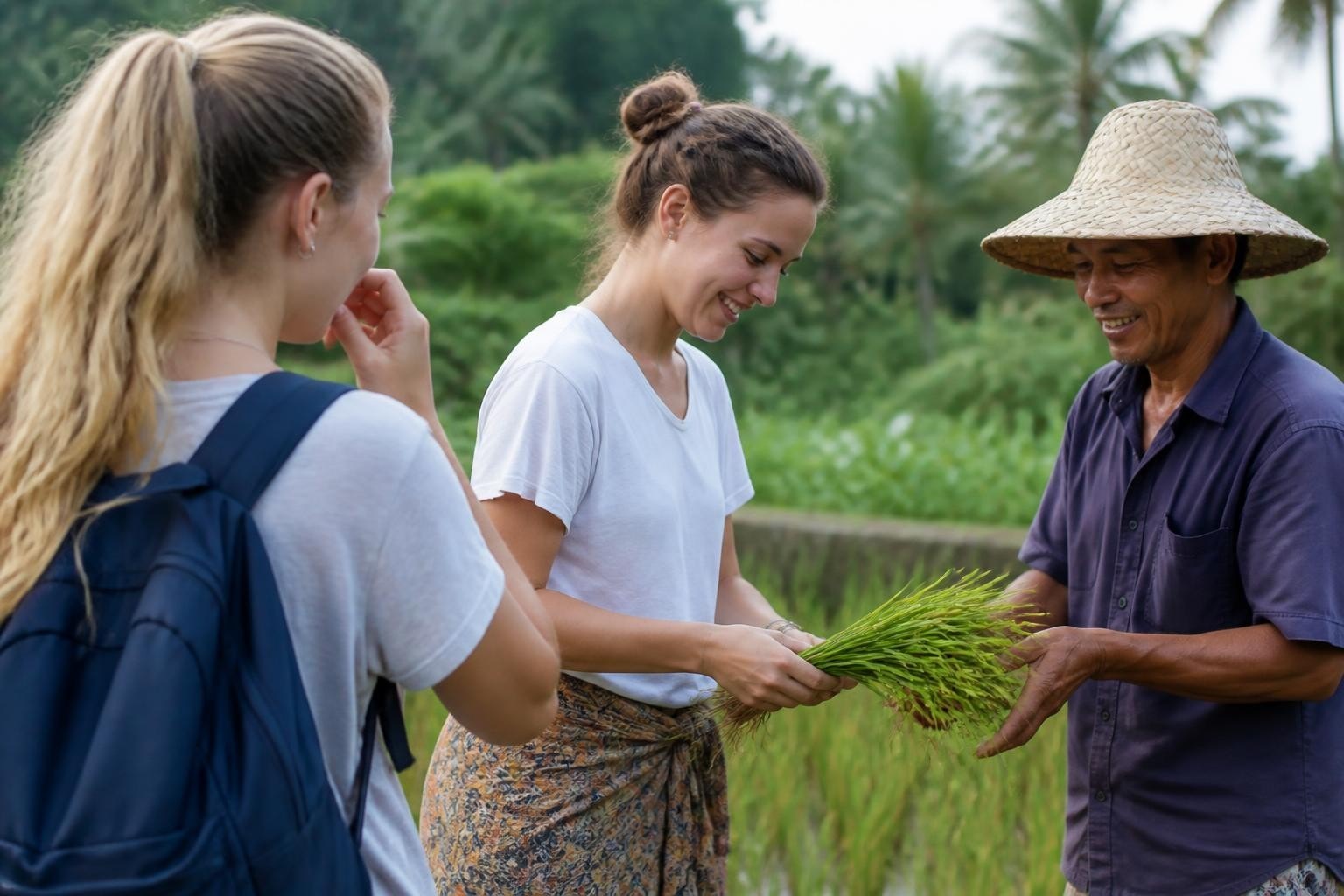
The travel industry has witnessed a seismic shift over the past decade, and nowhere is this more evident than in the rise of experience tours. Gone are the days when tourists were content to snap photos from behind velvet ropes or tick off landmarks from a bucket list. Today's travellers crave something deeper, something that transforms them from mere observers into active participants in the stories of the places they visit. This hunger for authenticity has sparked a revolution in how we explore the world, particularly in cities rich with history and culture where every cobblestone whispers tales of centuries past.
The Evolution of Tourist Expectations
Twenty years ago, a successful tour meant covering the maximum number of attractions in the minimum amount of time. Tour buses would discharge passengers at famous sites, allow fifteen minutes for photos, then whisk them off to the next destination. The experience was transactional, superficial, and ultimately forgettable.
The modern traveller rejects this model entirely. Research shows that today's visitors prioritise depth over breadth, seeking authentic experiences that shape meaningful connections with local culture and communities. This shift didn't happen overnight. It emerged gradually as social media exposed travellers to more nuanced stories from destinations worldwide, and as global connectivity made the world feel simultaneously smaller and more complex.
What Defines an Experience Tour
Experience tours distinguish themselves through several key characteristics:
- Active participation rather than passive observation
- Cultural immersion through interaction with local communities
- Storytelling that contextualises historical and contemporary significance
- Smaller group sizes enabling personalised engagement
- Flexible itineraries responding to participant interests
- Local expertise from guides who share personal connections to the destination
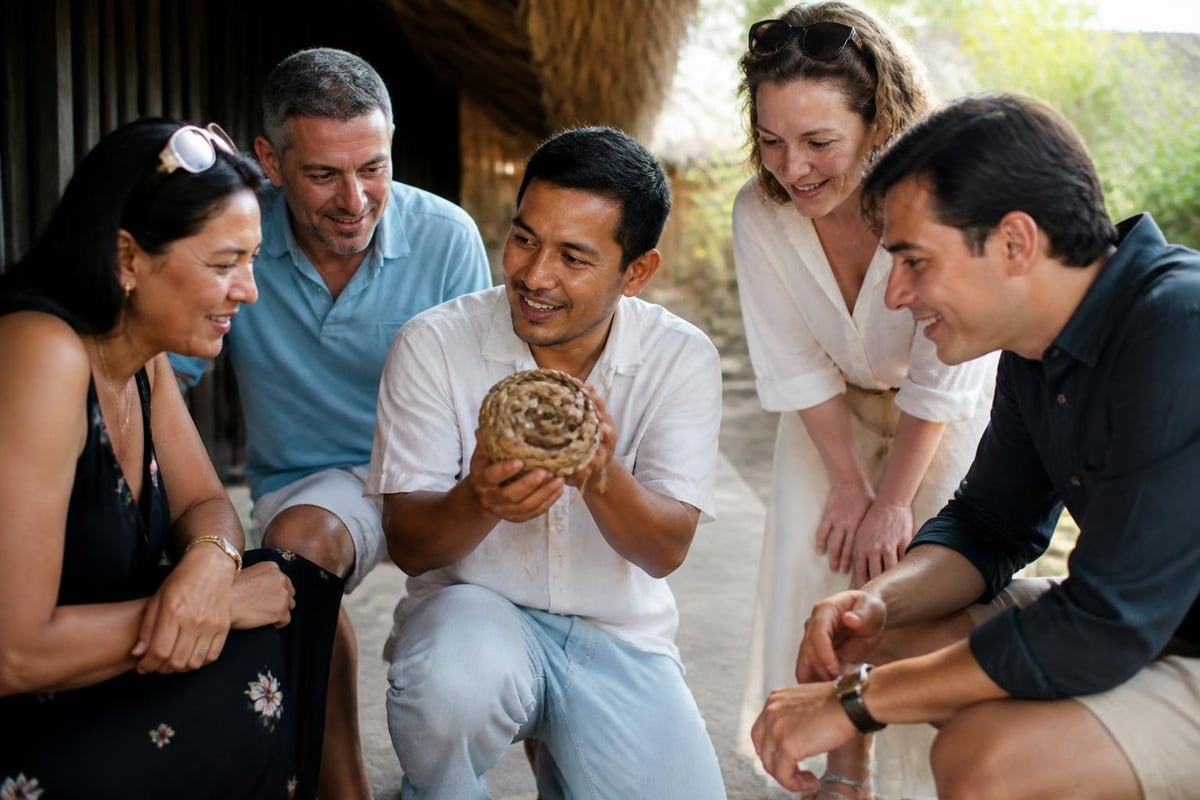
The difference is palpable. Rather than rushing past a historic building to photograph its facade, participants on experience tours might meet the family who has maintained that building for generations, hear stories passed down through their ancestors, or even learn a traditional craft practiced within those ancient walls.
The Economics of Meaningful Travel
The financial landscape of tourism has transformed alongside traveller preferences. Traditional tour operators initially feared that the shift toward experience tours would damage profit margins, as these journeys require more time, smaller groups, and deeper expertise. The opposite proved true.
Premium pricing for experience tours reflects their value proposition. Travellers willingly pay more for tours that promise genuine cultural exchange and lasting memories. A recent economic analysis of experience attractions demonstrated significant positive impacts on local tourism demand and regional economic development.
| Tour Type | Average Group Size | Price Point | Participant Satisfaction | Repeat Booking Rate |
|---|---|---|---|---|
| Traditional Bus Tour | 40-50 | £25-40 | 62% | 18% |
| Standard Walking Tour | 15-20 | £35-50 | 78% | 34% |
| Experience Tour | 6-12 | £60-120 | 94% | 67% |
These figures reveal a compelling truth: experience tours generate higher satisfaction, stronger word-of-mouth marketing, and significantly better customer retention. The investment in quality guides, limited group sizes, and deeper content pays dividends through premium pricing and loyal clientele.
Beyond Financial Returns
The value of experience tours extends well beyond immediate revenue. They contribute to sustainable tourism by:
- Distributing tourism benefits more equitably throughout communities
- Preserving cultural heritage by creating economic incentives for maintenance
- Educating visitors who become advocates for cultural preservation
- Supporting local artisans and traditional craftspeople
- Reducing overtourism through smaller, more dispersed groups
In cities like Samarkand, where the architectural splendour and centuries-old past could easily be reduced to Instagram backdrops, experience tours ensure that tourism serves as a force for cultural preservation rather than commodification.
Designing Compelling Experience Tours
Creating an effective experience tour requires more than simply reducing group size or adding local food tastings. The most successful tours follow a deliberate design philosophy that prioritises narrative coherence and emotional resonance.
The Narrative Arc
Every exceptional experience tour tells a story. This isn't about fabricating drama where none exists, but rather about structuring the journey so participants can follow a clear narrative thread from beginning to end.
Consider a tour exploring the Silk Road heritage of Central Asia. A traditional approach might visit several caravanserais, explaining the architectural features of each. An experience tour approach would frame the journey as following in the footsteps of a specific historical merchant, revealing how trade routes shaped cultural exchange, influenced local cuisine, and created the cosmopolitan cities we see today.
The structure typically follows this pattern:
- Opening context that establishes relevance and hooks interest
- Rising action through increasingly complex cultural insights
- Climax at a particularly significant site or experience
- Resolution connecting historical narratives to contemporary life
The Human Element
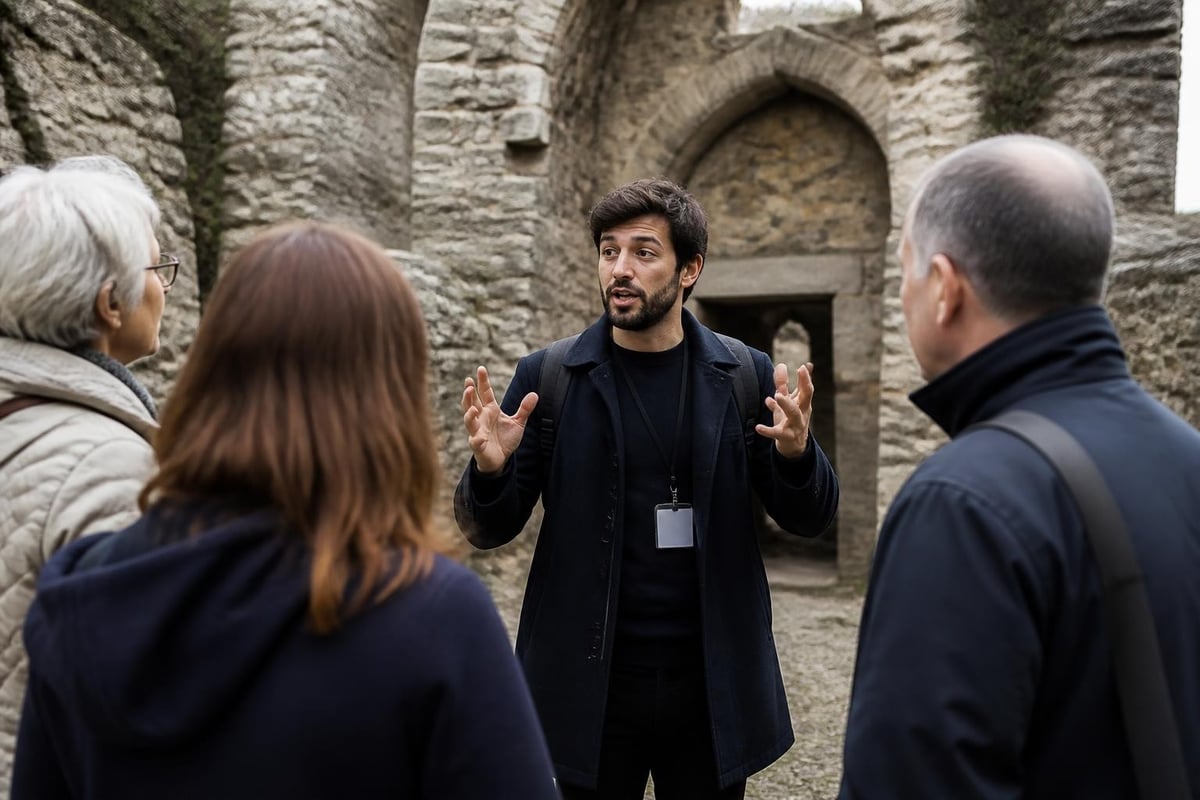
The guide makes or breaks an experience tour. Unlike traditional tours where guides function as information dispensers, experience tours demand storytellers, cultural interpreters, and conversation facilitators.
Exceptional guides possess:
- Deep knowledge extending beyond memorised facts
- Personal connections to the stories they share
- Ability to read group dynamics and adjust accordingly
- Skills in fostering dialogue rather than delivering monologues
- Authentic passion that proves contagious
Training guides for experience tours requires a fundamental rethinking of professional development. Rather than emphasising the accumulation of historical dates and architectural terminology, training focuses on narrative techniques, active listening, and cultural sensitivity.
Technology's Role in Human-Centred Experiences
The relationship between experience tours and technology is nuanced. While the entire concept celebrates human connection and physical presence, technology plays an increasingly sophisticated supporting role.
Virtual elements now enhance rather than replace physical experiences. Some tour operators incorporate augmented reality applications that overlay historical reconstructions onto modern streetscapes, allowing participants to visualise how spaces evolved across centuries. Research into virtual tour experiences shows how digital elements can strengthen memory formation and deepen engagement when thoughtfully integrated.
Finding the Balance
The key is ensuring technology serves the experience rather than dominating it. Successful implementations include:
- Pre-tour content that provides context without spoiling discovery
- Audio supplements for optional deeper dives into specific topics
- Post-tour resources helping participants continue learning
- Translation tools breaking down language barriers
- Booking platforms streamlining logistics while maintaining personal service
What experience tours avoid is the trap of letting screens mediate all interaction. The smartphone should enhance your understanding of the tile work in a 15th-century madrasa, not replace the experience of running your fingers across its surface and hearing the master craftsman's grandson explain traditional techniques.
The Free Walking Tour Revolution
Perhaps no innovation has democratised experience tours more effectively than the free walking tour model. By eliminating upfront fees and operating on a tips-only basis, these tours make guided exploration accessible to travellers of all budgets.
The model works because it aligns incentives perfectly. Guides earn based on the quality of experience they deliver, motivating them to continually refine their craft. Participants feel empowered to pay what they believe the tour was worth, removing the anxiety of committing to an unknown experience.
For destinations with rich cultural heritage, free walking tours serve multiple purposes. They provide accessible entry points for visitors who might otherwise never engage with local culture. They create opportunities for passionate locals to share their knowledge. And they demonstrate that the most valuable aspects of travel cannot be commodified or monetised in traditional ways.
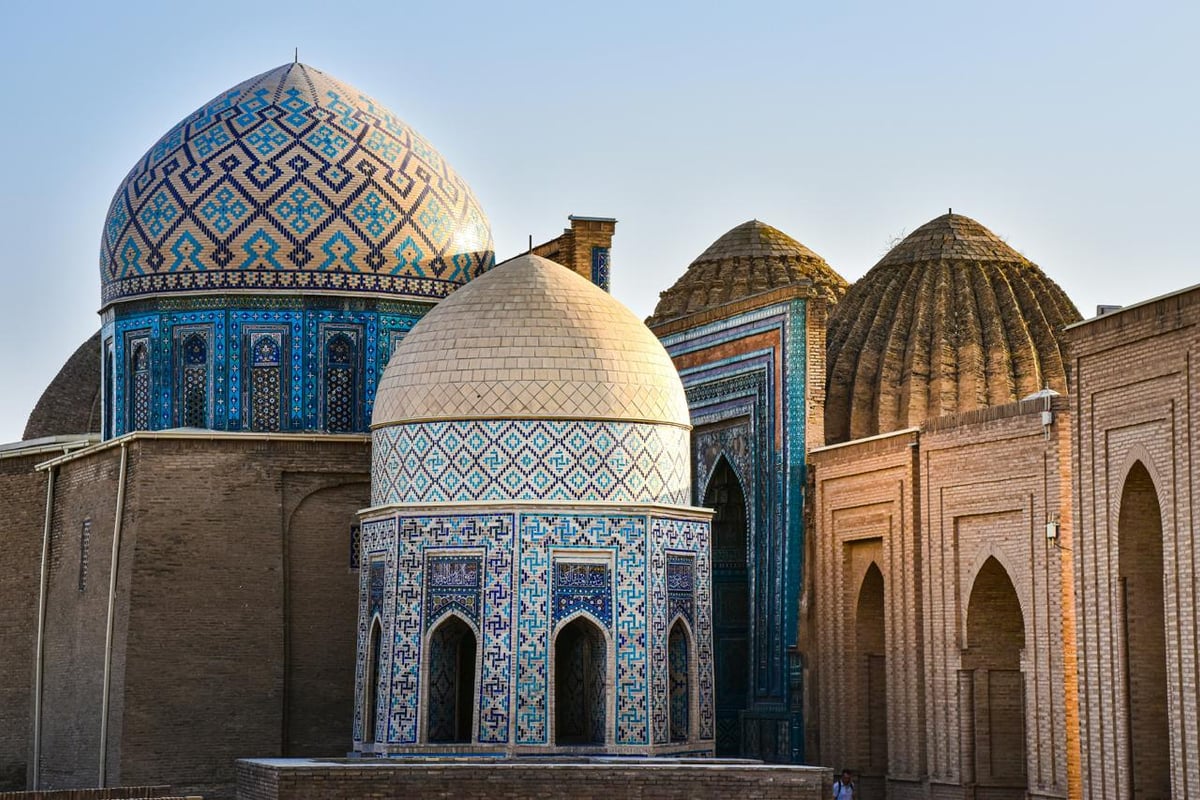
Cities of vibrant contrasts and deep cultural layers benefit enormously from this model, as it allows visitors to gradually peel back layers of meaning through extended engagement with knowledgeable locals.
Adapting to Evolving Traveller Needs
The experience tour sector continues evolving as traveller demographics and preferences shift. Several trends are shaping the industry's trajectory in 2026:
Hyper-personalisation has moved beyond simple customisation. Tour operators now use pre-trip questionnaires, social media analysis, and AI-assisted matching to create groups with complementary interests and compatible pacing preferences.
Sustainability integration is no longer optional. Experience tours increasingly incorporate environmental and social responsibility as central themes, from highlighting local conservation efforts to ensuring tourism revenue directly benefits community projects.
Multi-sensory engagement recognises that memorable experiences engage all senses. The best tours now deliberately incorporate:
- Taste through local cuisine and traditional beverages
- Sound via traditional music or ambient urban soundscapes
- Touch with hands-on craft demonstrations
- Smell connecting aromas to cultural memories and traditions
- Sight going beyond visual spectacle to detailed observation
The Intimacy Advantage
Perhaps the most significant competitive advantage of experience tours is their inherent intimacy. In an era of mass tourism overwhelming popular destinations, the ability to offer small-group, personalised experiences becomes increasingly valuable.
This intimacy creates space for authentic questions, spontaneous detours, and serendipitous encounters. When a participant asks about the symbolism in architectural details, the guide can spend ten minutes exploring that specific interest rather than rigidly adhering to a scripted timeline. When the group passes a local celebration, they can stop and participate rather than wave from a bus window.
Measuring Success Beyond Reviews
While online reviews and star ratings provide useful feedback, truly successful experience tours generate impacts that extend far beyond numerical scores.
| Success Indicator | Traditional Measure | Experience Tour Measure |
|---|---|---|
| Satisfaction | Star rating | Depth of post-tour engagement |
| Value | Price comparison | Life impact and perspective shift |
| Quality | Guide knowledge | Emotional connection formed |
| Impact | Sites visited | Cultural understanding gained |
| Memorability | Photos taken | Stories shared years later |
The most meaningful metric is perhaps the hardest to quantify: how many participants return home changed by what they learned and experienced. Do they become ambassadors for cultural preservation? Do they continue studying the region's history? Do they develop lasting relationships with people they met during their journey?
These outcomes matter because they represent tourism at its highest potential, functioning as a bridge between cultures rather than a barrier.
Challenges Facing the Industry
Despite tremendous growth and positive impacts, the experience tour sector faces several persistent challenges that operators must navigate thoughtfully.
Scaling without losing intimacy presents a fundamental paradox. As demand grows, operators face pressure to expand capacity. Yet the core value proposition depends on small groups and personalised attention. Some operators are experimenting with training more guides to run parallel tours rather than increasing group sizes, but this requires significant investment in quality control.
Maintaining authenticity becomes more difficult as experience tours themselves become popular. The risk of cultural performances becoming staged specifically for tourists rather than genuine expressions requires constant vigilance and honest self-assessment.
Weather and seasonality affect experience tours more than bus tours, as outdoor walking tours in harsh conditions simply cannot deliver the intended experience. Developing compelling indoor alternatives for inclement weather requires creativity and flexibility.
Guide burnout is a real concern in a model that demands emotional investment and constant adaptation. The best guides bring their authentic selves to each tour, but this vulnerability can be exhausting over time.
Experience tours represent more than a trend; they embody a fundamental reimagining of what travel can achieve. By prioritising depth over breadth, connection over collection, and understanding over entertainment, these journeys transform tourists into cultural participants and temporary visitors into lifelong advocates. For travellers seeking to truly understand the places they visit, Visit Samarkand offers a gateway into this richer form of exploration, where ancient Silk Road cities reveal their stories through the voices of passionate local guides who transform historical sites into living narratives.