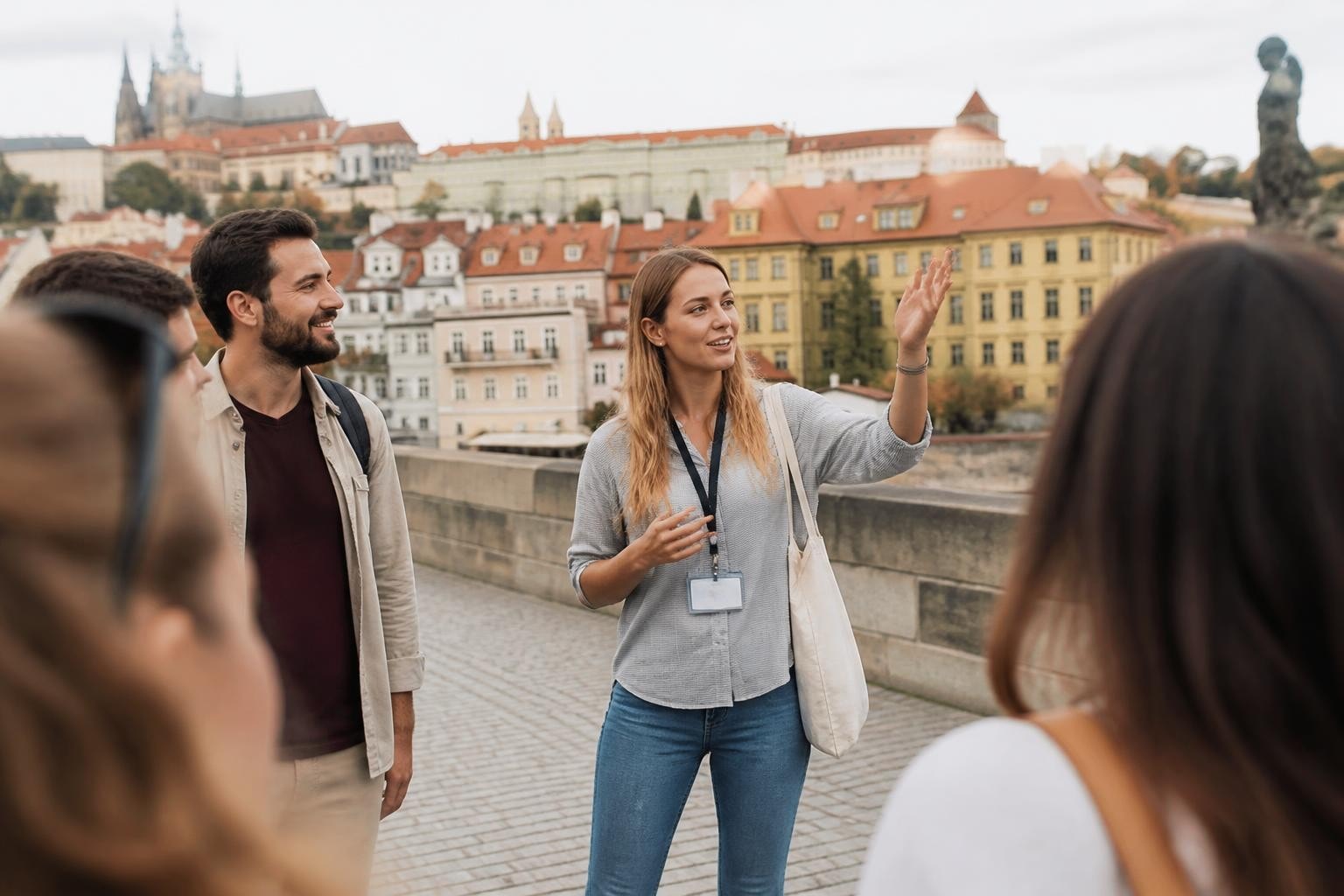
There's something wonderfully democratic about walking into a city square, meeting a guide holding a colourful umbrella, and embarking on a journey through history without paying a penny upfront. The free walking tour model has transformed how we explore cities, and at the heart of this revolution stands a name that's become synonymous with the movement itself: Sandeman. This isn't just about getting a bargain or saving money whilst travelling. It's a story about reimagining what tourism could be, about trust, community, and the simple belief that everyone deserves access to quality guided experiences. The free walking tour Sandeman pioneered has inspired countless operators worldwide, creating a ripple effect that's changed the landscape of urban exploration forever.
The Birth of a Revolutionary Idea
Picture Berlin in 2004. A young entrepreneur named Stephen Sandeman noticed something peculiar about the travel industry. Backpackers and budget travellers were flooding into European cities, hungry for authentic experiences but priced out of traditional guided tours. The expensive coach tours felt impersonal, whilst the affordable DIY approach meant missing crucial stories and hidden corners. There had to be another way.
The solution was beautifully simple: offer professional tours at no upfront cost, allowing travellers to pay what they felt the experience was worth at the end. This wasn't just clever marketing. It was a fundamental shift in how tours operated, placing trust in visitors and confidence in guides' abilities to deliver exceptional value.
What made the original concept work:
- Guides earned money directly from satisfied customers
- Travellers could assess quality before committing financially
- No risk meant more people willing to try guided experiences
- Word-of-mouth became the primary marketing tool
The free walking tour Sandeman created wasn't actually "free" in the traditional sense. It operated on a tips-based model, where participants decide the tour's value after experiencing it. This alignment of interests proved transformative, motivating guides to deliver their absolute best whilst empowering travellers with choice.
Understanding the Business Model Behind the Red Umbrella
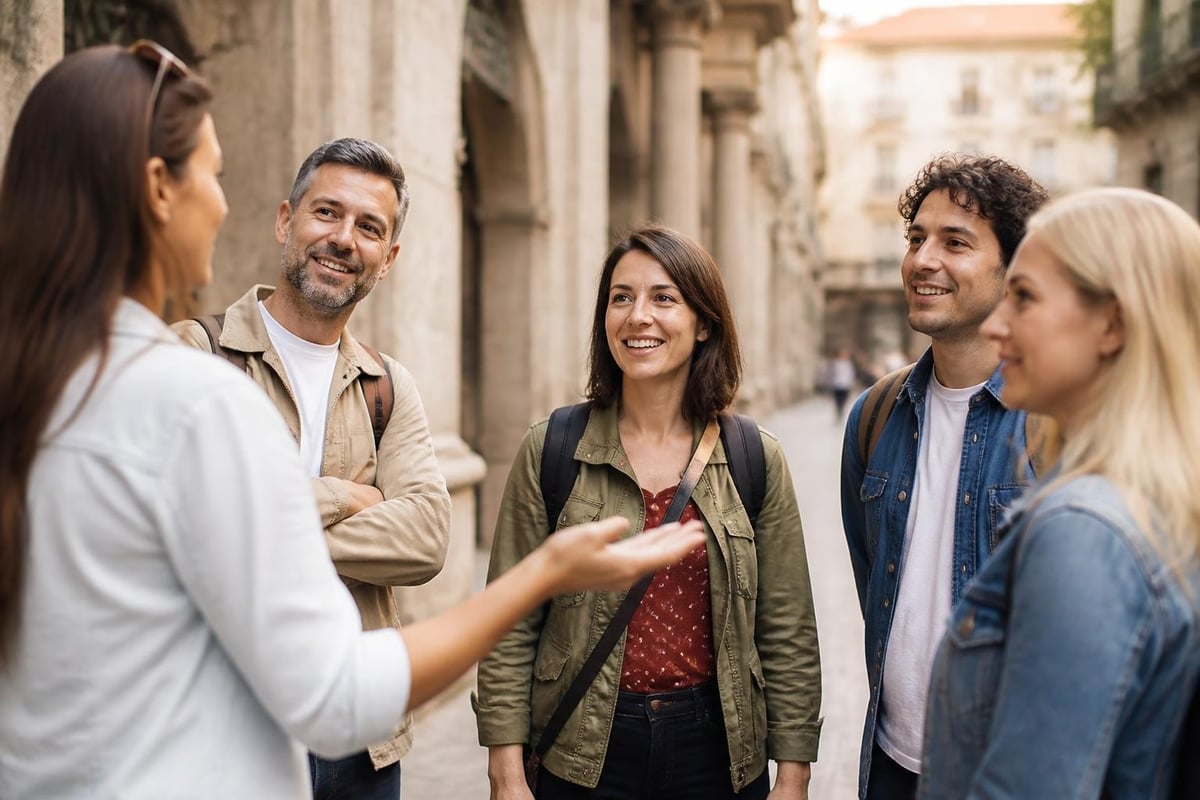
The distinctive red umbrellas became iconic, but the business structure underneath was equally innovative. Traditional tour companies relied on fixed pricing and advance bookings. The free walking tour Sandeman model flipped this entirely, building a platform where exceptional guides could thrive without the barrier of upfront fees.
How Guides Earn Their Living
This wasn't a volunteer programme or a hobby project. Professional guides made this their livelihood, often earning comparable or better income than traditional tour guides. The model worked because it incentivised excellence: better storytelling, deeper knowledge, and genuine engagement translated directly into higher earnings.
| Traditional Tours | Sandeman-Style Free Tours |
|---|---|
| Fixed salary or commission | 100% tip-based earnings |
| Limited guest interaction | Direct relationship with travellers |
| Company sets prices | Market determines value |
| Risk on company | Risk shared with guide |
| Less flexibility | Guide entrepreneurship |
The rise of free walking tours created a new category of tourism professional: the entrepreneurial guide. These weren’t employees reading scripts. They were performers, historians, comedians, and storytellers rolled into one, each tour a unique performance where audience approval directly determined success.
Expansion Across Continents
From those early days in Berlin, the free walking tour Sandeman concept spread like wildfire across Europe. Prague, Amsterdam, Barcelona, Edinburgh-city after city embraced the model. By 2010, the company had established itself in over a dozen European cities, and competitors were emerging everywhere, testament to the model's viability.
Cities that quickly adopted the model:
- Prague, Czech Republic
- Amsterdam, Netherlands
- Barcelona, Spain
- Edinburgh, Scotland
- Dublin, Ireland
- Paris, France
What made expansion possible was the relatively low barrier to entry. Unlike traditional tour operators requiring significant capital for vehicles and infrastructure, free walking tours needed passionate guides, local knowledge, and effective marketing. The broader free tour market exploded as independent guides and new companies recognised the opportunity.
Cultural Adaptation and Local Flavours
Each city developed its own character within the free walking tour framework. Berlin tours focused on the city's complex 20th-century history. Barcelona guides wove Gaudí's architectural genius with Catalan independence movements. Edinburgh's tours dripped with ghost stories and medieval intrigue. The Sandeman brand maintained quality standards whilst allowing local guides to inject authentic perspectives.
This wasn't cultural homogenisation. It was a framework that celebrated local knowledge and individual storytelling styles. The best guides became minor celebrities, with travellers specifically requesting certain personalities, much like diners might request their favourite waiter.
What Actually Happens on These Tours
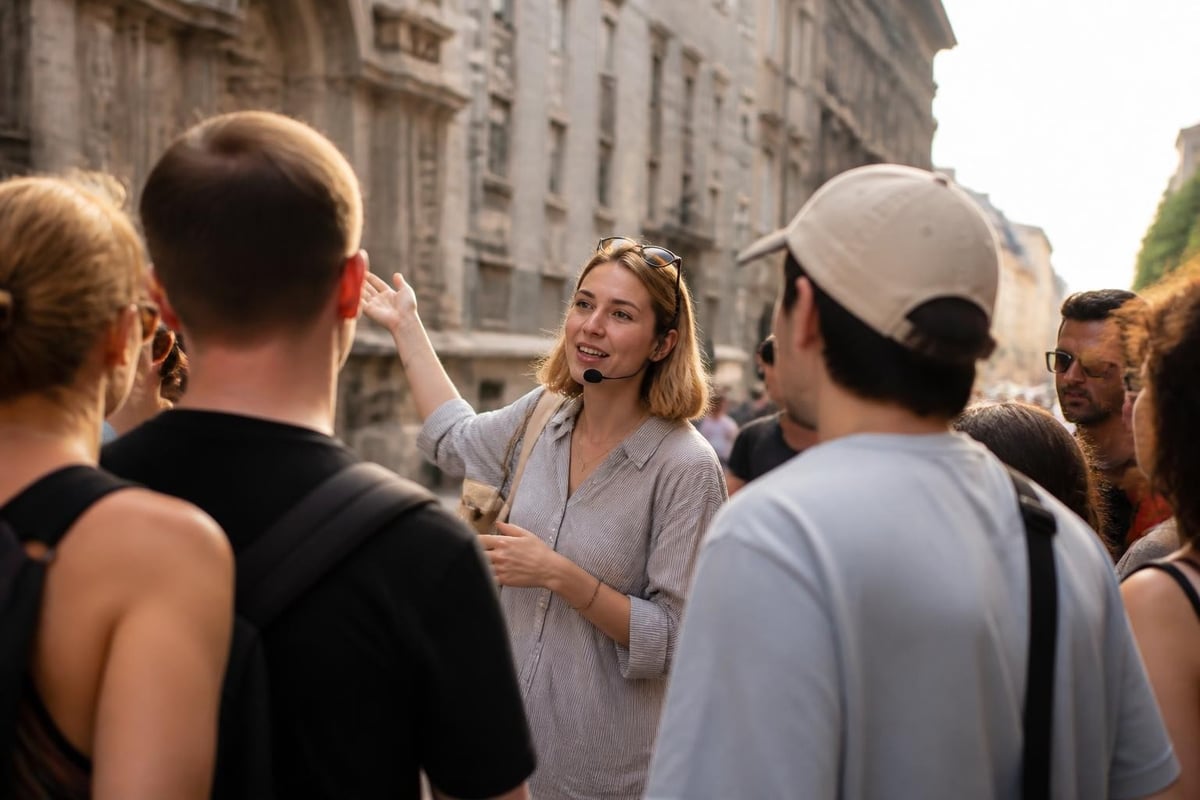
Let me paint you a picture. You arrive at the designated meeting point-usually a famous square or landmark-fifteen minutes early, as instructed. A guide holding that iconic red umbrella greets newcomers with genuine warmth. There's no ticket booth, no payment desk, just a friendly face and growing crowd of curious travellers from every corner of the globe.
The tour typically lasts two to three hours, covering major landmarks whilst diving deep into lesser-known stories. A skilled guide on a free walking tour Sandeman experience doesn't just recite dates and facts. They transport you through time, making you feel the weight of history beneath your feet.
The Anatomy of Excellence
- Strong opening: Guides establish credibility and rapport within minutes
- Balanced pacing: Major sights mixed with hidden gems and rest stops
- Interactive elements: Questions, discussions, personal anecdotes
- Historical depth: Context that brings monuments to life
- Local insights: Restaurant recommendations, cultural tips, practical advice
- Graceful closing: Clear explanation of tipping expectations without pressure
The magic happens in unexpected moments. A guide might stop mid-sentence to point out an architectural detail you'd walked past a hundred times without noticing. They'll share a legend that makes an ordinary building extraordinary. The best tours feel less like lectures and more like conversations with a knowledgeable friend who happens to be deeply in love with their city.
The Economics of Tipping and Value
Here's where things get interesting. How much should you tip? The free walking tour Sandeman model deliberately avoids setting fixed amounts, but guidelines emerged through market forces. Most travellers in European cities tip between €10-20 per person for a quality three-hour experience, though amounts vary based on budget, satisfaction, and local norms.
| Tipping Factors | Impact on Amount |
|---|---|
| Tour quality | Most significant |
| Duration | Longer = higher |
| Group size | Smaller often = more per person |
| Location economy | Varies by city costs |
| Traveller budget | Personal consideration |
Some critics argued the model created uncomfortable pressure or confused travellers about expectations. Comparing free walking tours with paid private experiences reveals different value propositions. The free tours offer flexibility and low risk; paid tours provide guaranteed service levels and often smaller, more intimate groups.
But the genius of the Sandeman approach was recognising that most people naturally want to reciprocate good service. Psychological research shows we feel more satisfied with experiences when we've chosen their value ourselves rather than having it imposed. The free walking tour model tapped into this beautifully.
Impact on Traditional Tourism
The emergence of free walking tours didn't happen in a vacuum. Traditional tour operators watched nervously as their market shifted. Some adapted, launching their own tip-based options. Others doubled down on premium experiences, differentiating through exclusivity and specialisation. How free tours are changing the guiding industry sparked intense debate amongst tourism professionals.
Effects on the broader industry:
- Increased pressure on pricing transparency
- Greater emphasis on guide personality and knowledge
- More travellers experiencing guided tours overall
- Democratisation of cultural education
- New career paths for aspiring guides
The World Federation of Tourist Guide Associations weighed in on quality and professionalism concerns. Some established guides worried about undercutting and devaluation of expertise. Others saw opportunity in the expanded market, recognising that free tours introduced many travellers to guided experiences they'd never have tried otherwise.
Beyond Europe: A Global Movement
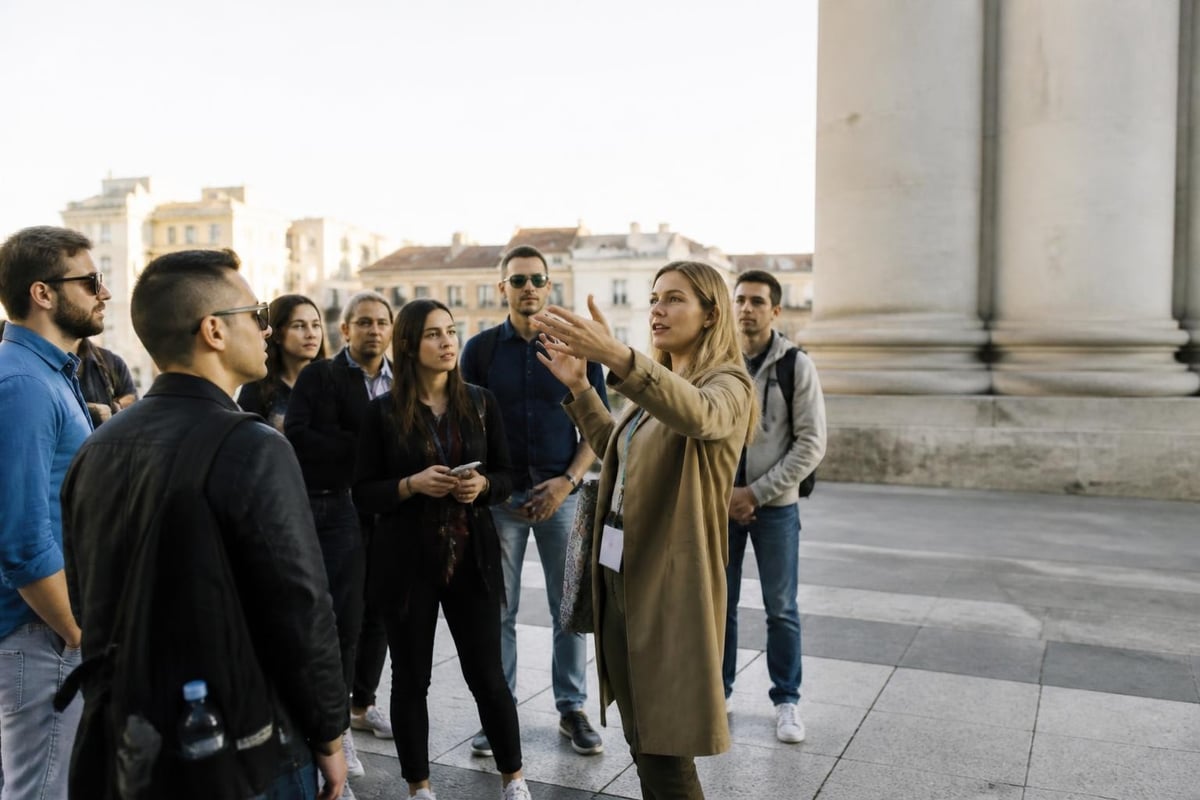
Whilst the free walking tour Sandeman brand remained primarily European, the concept it pioneered spread globally. From South America to Asia, Australia to Africa, cities worldwide adopted variations of the model. Buenos Aires developed thriving free tour scenes. Bangkok guides led travellers through chaotic markets and gleaming temples. Cape Town's tours tackled complex histories of apartheid and reconciliation.
Each region adapted the model to local contexts. In some Asian cities, tips averaged lower but tour groups swelled larger. Latin American tours often incorporated more social elements, with guides extending invitations to local bars or cultural events. The core principle-quality guides earning directly from satisfied customers-proved remarkably adaptable across cultures.
The Digital Age and Booking Platforms
Technology accelerated growth exponentially. Platforms like TripAdvisor, Google Reviews, and specialised booking sites allowed travellers to compare guides and read detailed feedback. The digital transformation of free tours created new opportunities and challenges, with algorithms and reviews becoming crucial for guide success.
Social media turned exceptional guides into micro-influencers. A viral video or glowing Instagram post could transform someone's tour business overnight. Meanwhile, booking platforms consolidated market power, sometimes charging guides fees or commissions that complicated the "free" model's economics.
Lessons for the Industry
What can other tourism businesses learn from the free walking tour Sandeman story? The fundamental insight was radical simplicity: remove barriers, trust people, and deliver undeniable value. This approach works beyond walking tours, applicable to various service industries where quality and personal connection matter.
Key takeaways:
- Reducing risk increases trial and participation
- Aligning incentives between providers and customers creates excellence
- Trust can be a competitive advantage
- Word-of-mouth remains incredibly powerful
- Personal connection trumps corporate polish
The model also demonstrated that "free" doesn't mean unprofitable or unsustainable. When structured thoughtfully, tip-based services can generate healthy incomes for providers whilst offering tremendous value to customers. The key lies in maintaining quality standards and creating genuine value worth rewarding.
Challenges and Criticisms
No innovation escapes scrutiny, and free walking tours faced legitimate concerns. Some cities reported overcrowding at popular sites, with multiple tour groups competing for space. Quality control proved challenging as the model's success attracted less skilled guides hoping for easy money. Without proper training or historical knowledge, some tours devolved into entertainment without substance.
| Common Criticisms | Industry Responses |
|---|---|
| Variable quality | Review systems, certification programmes |
| Overcrowding | Permit systems, group size limits |
| Unfair to paid tours | Market differentiation, premium offerings |
| Guide exploitation | Professional associations, minimum standards |
| Historical accuracy | Training requirements, expert consultations |
The free walking tour Sandeman brand and similar established operators invested heavily in guide training and quality control. But the open nature of the model meant anyone could claim to offer "free tours," leading to mixed experiences for travellers. Cities like Prague and Barcelona eventually implemented licensing requirements, balancing accessibility with professionalism.
The Human Element
Strip away the business models and marketing strategies, and you're left with something beautifully human: storytelling. The success of free walking tours ultimately rests on guides who care deeply about their craft and cities they represent. I've met guides who spent hours researching obscure historical details for a single tour joke. Others learned multiple languages to connect with diverse audiences.
These weren't just jobs. For many guides, leading tours became vocations, ways of sharing love for history, architecture, culture, and human stories that deserve telling. The tip-based model rewarded this passion directly, creating a virtuous cycle where enthusiasm generated better tours, which earned higher tips, which sustained the guides' dedication.
Modern Developments and Future Directions
By 2026, the landscape has matured considerably. The original Sandeman's Tours evolved and adapted, whilst countless independent operators carved their own niches. Specialised tours emerged-street art tours, food tours, LGBT+ history tours, architecture-focused walks-each applying the free tour model to specific interests.
Virtual and hybrid tours appeared during pandemic years, with some persisting as permanent offerings. Guides led remote participants through cities via video, demonstrating the model's flexibility. Augmented reality experiments combined human guides with digital enhancements, though nothing quite replaced the magic of in-person storytelling.
Sustainability became a bigger focus. Responsible operators emphasised small group sizes, off-peak timing, and supporting local businesses. The motivations for joining free walking tours evolved beyond budget considerations to include environmental consciousness and supporting local communities.
Regional Variations Worth Noting
Whilst European cities birthed the movement, other regions contributed unique innovations. In Central Asia, cities rich with Silk Road heritage began offering free walking tours in places like Samarkand, where ancient monuments and fascinating histories created perfect conditions for guided exploration. These tours opened UNESCO World Heritage sites to budget travellers who might otherwise miss crucial context.
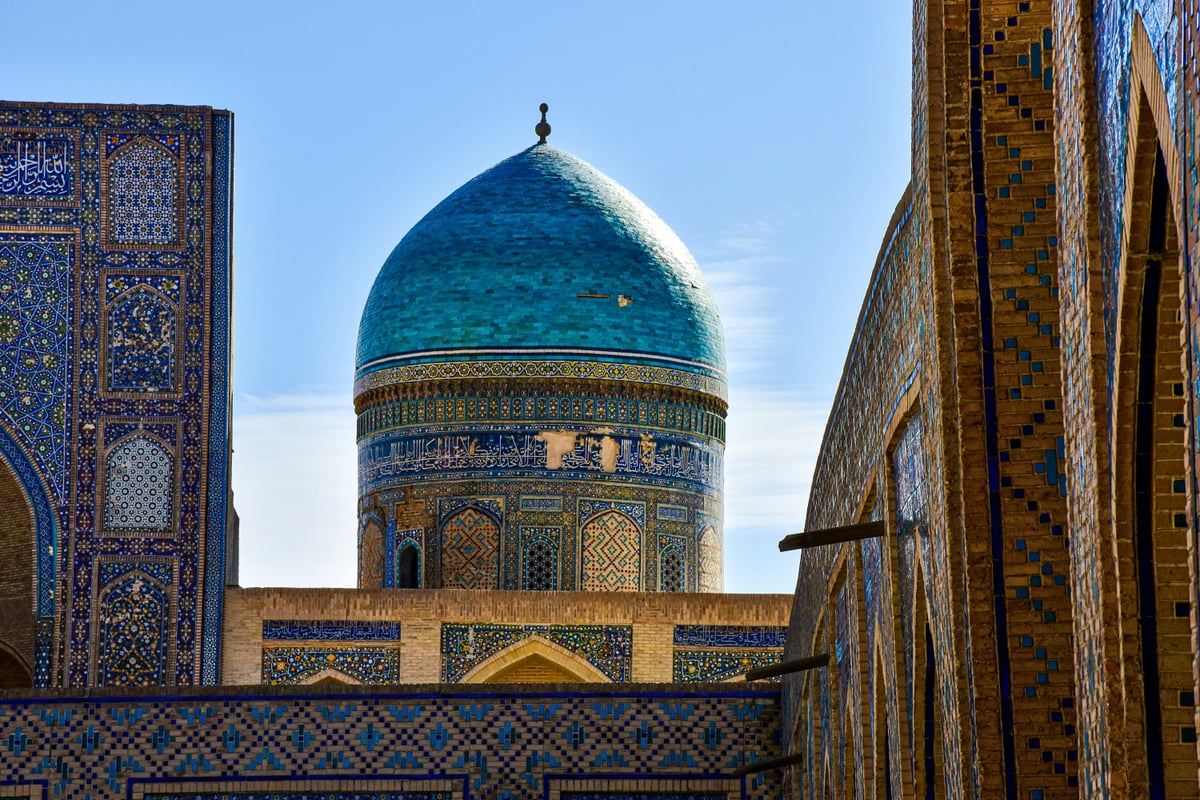
The Sandeman approach proved that great guides with compelling stories could thrive anywhere, regardless of a city's fame or tourism infrastructure. Smaller destinations benefited enormously, as free tours created awareness and interest where expensive marketing budgets couldn't reach.
Training the Next Generation
Professional development became crucial as the industry matured. The best free walking tour Sandeman-style operators developed comprehensive training programmes covering historical research, public speaking, crowd management, and cultural sensitivity. Aspiring guides learned not just facts but storytelling techniques that transform information into memorable experiences.
Essential guide skills:
- Deep historical and cultural knowledge
- Public speaking and performance ability
- Crowd reading and adaptation
- Linguistic capabilities
- Crisis management and safety awareness
- Ethical tourism practices
Some cities established guide schools specifically for the free tour model, recognising it as a legitimate career path requiring professional preparation. This formalisation helped address quality concerns whilst maintaining the entrepreneurial spirit that made the model successful.
Why the Model Endures
Twenty-two years after those first Berlin tours, the free walking tour concept remains vibrant and growing. Why? Because it addresses fundamental human desires: curiosity about places, connection with knowledgeable locals, and experiences that feel authentic rather than commercialised. The free walking tour Sandeman pioneered isn't just a business model; it's a philosophy about how tourism should work.
In an industry often criticised for extracting value from destinations whilst giving little back, free tours created more balanced exchanges. Guides earned livelihoods sharing their culture. Travellers gained insights money alone couldn't buy. Cities benefited from better-informed, more respectful visitors who understood context beyond Instagram opportunities.
The model proved that putting trust and quality first, rather than profit maximisation, could create thriving businesses. It demonstrated that reducing barriers to access expanded markets rather than destroying them. Most importantly, it showed that tourism could be more than transaction-it could be transformation.
The story of free walking tours and the revolution they sparked reminds us that sometimes the best innovations are the simplest ones, built on trust and genuine value rather than complex business structures. Whether you're exploring European capitals or discovering lesser-known gems, these experiences demonstrate tourism's power to educate, connect, and inspire. If you're planning to explore the magnificent Silk Road city of Samarkand with its stunning madrasas, mausoleums, and centuries of history, Visit Samarkand offers free walking tours that bring this UNESCO World Heritage site to life through expert local guides passionate about sharing their city's incredible stories.