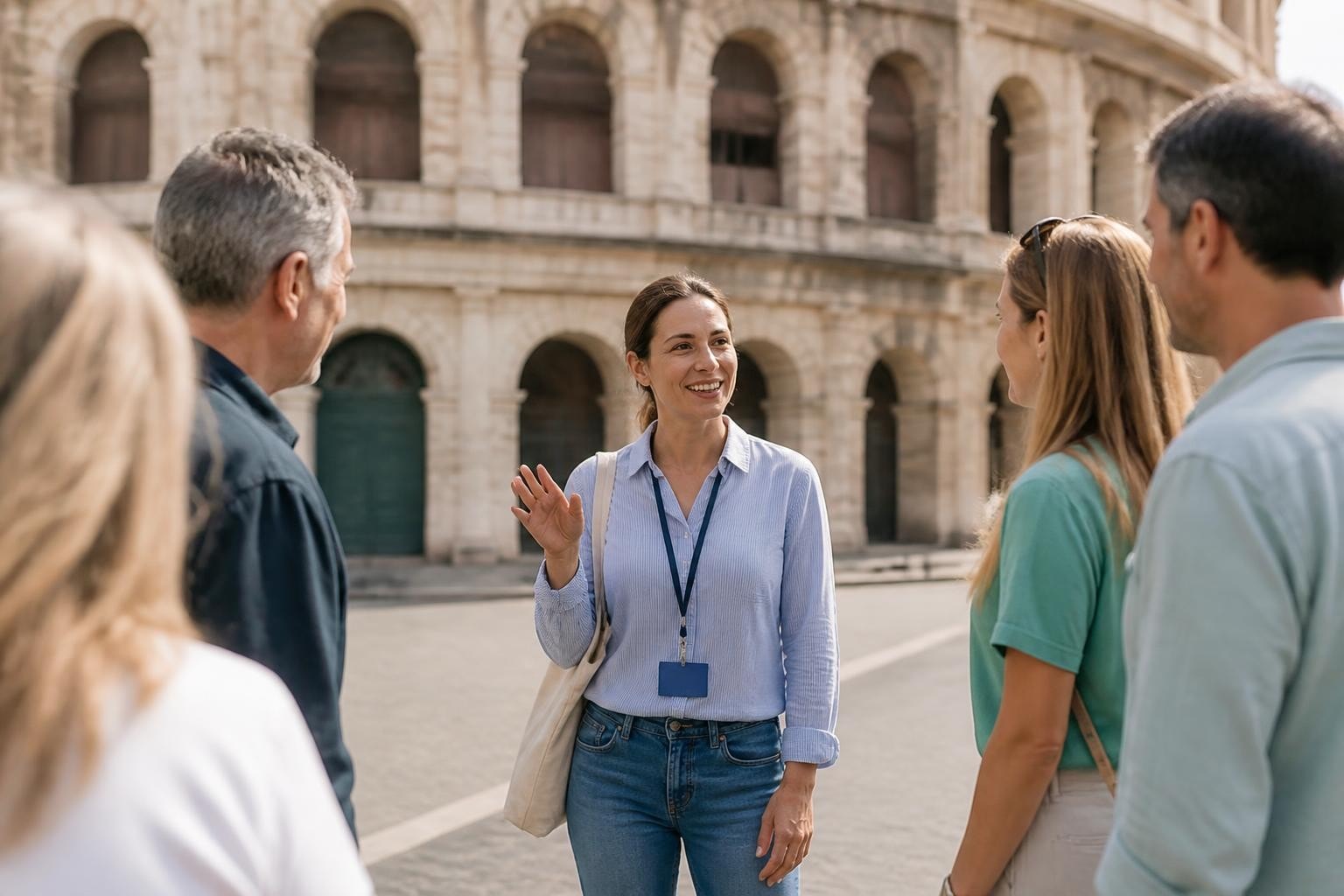
Picture this: a traveller halfway around the world, sipping coffee at dawn, scrolling through tour options for their upcoming trip to Samarkand. They've found the perfect walking tour, their cursor hovers over the 'Book Now' button, and then… confusion. The form is unclear. The calendar won't load. They close the tab and book with a competitor instead. This scenario plays out thousands of times daily across the travel industry, and it all comes down to one crucial element: guide booking systems that either work beautifully or fail spectacularly. In 2026, as travel experiences continue to surge in popularity, mastering the art and science of guide booking isn't just helpful-it's essential for any tour operator who wants to thrive.
Understanding the Modern Guide Booking Landscape
Guide booking has evolved dramatically over the past decade. What once meant a phone call or an email exchange has transformed into sophisticated digital systems that handle everything from real-time availability to automated confirmations and payment processing.
The shift started gradually but accelerated sharply during the pandemic years. Travellers became accustomed to booking everything online, and that expectation didn't disappear when restrictions lifted. Today's visitor expects to browse tours, check availability, and secure their spot within minutes-preferably on their mobile device.
The Psychological Journey of Booking
When someone decides to book a guided tour, they're not just making a transaction. They're investing in an experience, in memories yet to be made. Understanding this emotional component changes how we approach guide booking entirely.
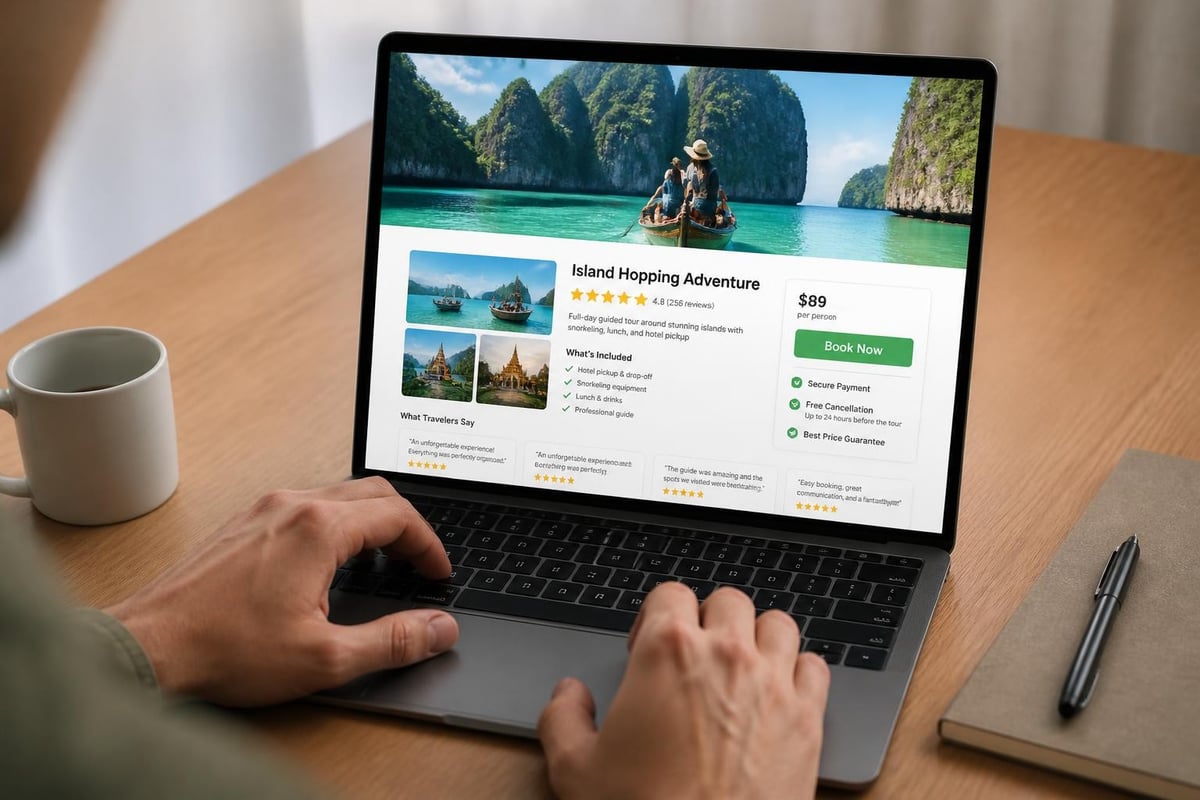
Trust signals matter immensely:
- Clear pricing with no hidden fees
- Genuine reviews from previous participants
- Professional photography showing real tours
- Transparent cancellation policies
- Secure payment processing that inspires confidence
Every element of your guide booking interface either builds trust or erodes it. A clunky calendar selector might seem like a minor detail, but to your potential customer, it signals professionalism-or the lack thereof.
Building an Effective Guide Booking System
The technical foundation of guide booking deserves careful consideration. You're not just creating a form; you're architecting an experience that needs to work flawlessly across devices, time zones, and user scenarios.
Essential Features Every System Needs
| Feature | Purpose | Impact on Conversion |
|---|---|---|
| Real-time availability | Prevents double-bookings and disappointment | High — reduces abandoned bookings |
| Mobile-responsive design | Accommodates on-the-go travellers | Critical — 60%+ book via mobile |
| Multi-language support | Serves international visitors | Medium-High for diverse destinations |
| Automated confirmations | Provides immediate reassurance | High — reduces anxiety |
| Calendar integration | Helps guests plan their trip | Medium — improves user experience |
When implementing a guide booking system, start with the core functionality and build outward. A simple, reliable booking flow outperforms a feature-laden system that confuses users every single time.
The Accessibility Imperative
Accessible guide booking isn't just good practice-it's good business. Following W3C’s comprehensive guidance on accessible forms ensures that everyone, regardless of ability, can book your tours with ease.
Consider the visitor using a screen reader, someone with motor difficulties trying to select dates, or a person with cognitive differences processing your instructions. Your guide booking system should welcome them all. Clear labels, logical tab order, error messages that actually help-these aren't optional extras.
In 2026, with WCAG 3.0 standards continuing to evolve, accessibility has become more nuanced and outcome-focused. Design your booking flow with diverse users in mind from the start, not as an afterthought.
Streamlining the Booking Journey
The path from "I'm interested" to "I'm booked" should be as smooth as a well-worn stone pathway through a historic city. Every unnecessary click, every confusing field, every moment of doubt increases the chance your visitor will abandon their booking.
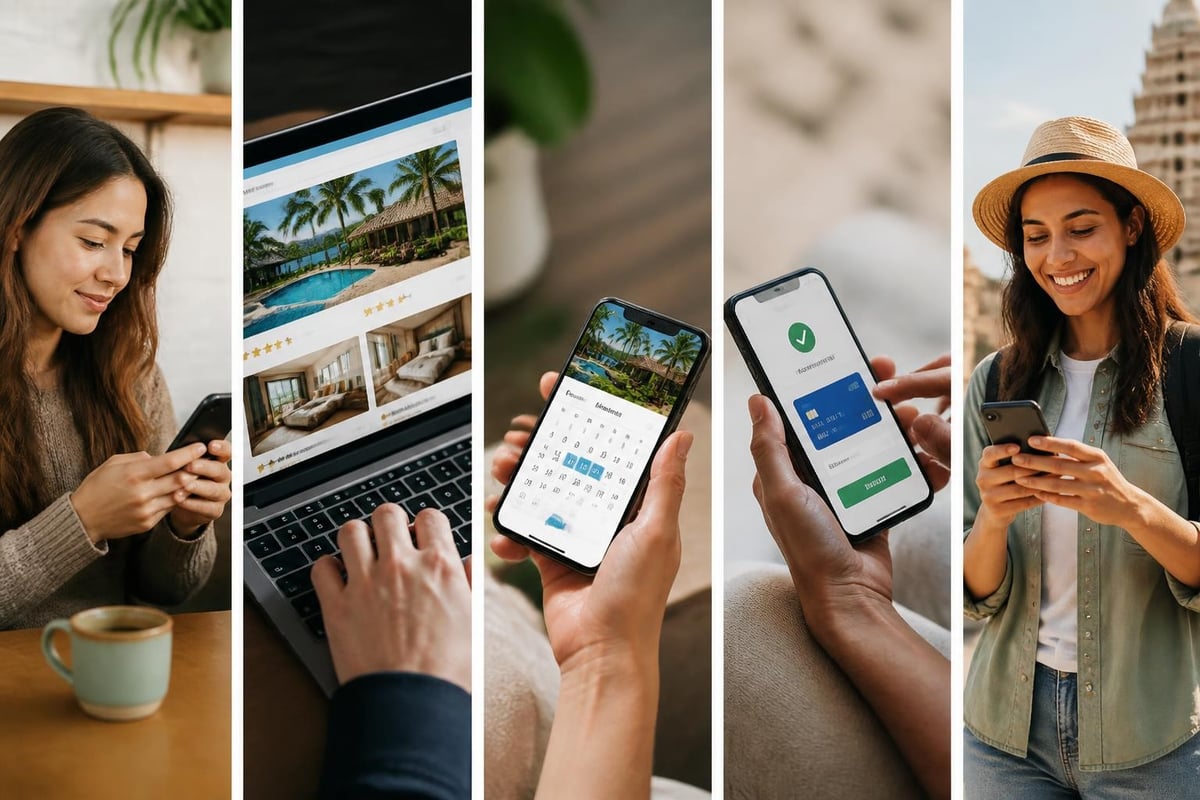
The Five-Step Framework
- Discovery: The visitor finds your tour through search, social media, or referral
- Evaluation: They review details, read reviews, check pricing and availability
- Decision: They choose a specific date and tour option
- Completion: They enter details and confirm payment
- Anticipation: They receive confirmation and prepare for their experience
Your guide booking system needs to support each stage seamlessly. During discovery, fast-loading pages and compelling imagery matter most. In evaluation, detailed information and social proof build confidence. The decision phase demands clear pricing and available dates. Completion requires a frictionless form and secure payment processing.
Mobile-First Booking Design
More than half of all travel bookings now happen on smartphones. Yet many guide booking systems still feel like desktop experiences awkwardly squeezed onto smaller screens.
Mobile optimisation checklist:
- Touch-friendly buttons (minimum 44×44 pixels)
- Vertical scrolling rather than horizontal
- Minimal typing required
- Auto-fill support for contact details
- Simplified payment with mobile wallets
- Progress indicators for multi-step forms
When designing for mobile, test your guide booking flow on actual devices, not just in browser simulators. The difference between how something looks and how it feels when you're actually trying to book a tour while standing in a hotel lobby can be substantial.
Managing Capacity and Availability
Perhaps nothing frustrates potential customers more than a guide booking system that shows availability only to reveal later that the tour is actually full. Real-time capacity management solves this problem and prevents operational headaches.
Dynamic Availability Systems
Smart guide booking platforms track not just how many spots remain, but also factor in guide availability, weather restrictions, and operational constraints. If your walking tour requires a minimum of four participants, the system should handle that logic automatically.
Consider these scenarios:
- A group books six spots, filling a small-group tour
- Someone cancels, opening a spot that becomes immediately bookable
- A guide calls in sick, requiring quick reallocation or cancellations
- Peak season demand requires adding extra tour times
Your system should gracefully handle all of these without manual intervention-or at least make manual adjustments simple and immediate.
The Overbooking Question
Airlines overbook strategically because they know some passengers won't show up. Should tour operators use similar tactics for guide booking? The answer depends on your no-show rates and your tolerance for operational complexity.
For walking tours where the experience quality depends on group size, overbooking risks disappointing guests or compromising the tour itself. Better strategies include:
- Waitlist functionality that automatically contacts interested parties
- Flexible date-change policies that reduce cancellations
- Reminder messages that decrease no-shows
- Small booking deposits that increase commitment
Payment Processing and Security
The moment someone enters their payment card details is the highest-trust moment in your entire guide booking journey. Everything must work perfectly, and security must be unquestionable.
PCI DSS compliance isn't optional-it's the baseline for handling card payments safely. But beyond technical compliance, perceived security matters too. Visible trust badges, HTTPS everywhere, and clear privacy statements all reassure guests that their information is safe.
Payment Options in 2026
| Payment Method | Adoption Rate | Benefits | Considerations |
|---|---|---|---|
| Credit/Debit Cards | 85% | Universal acceptance | Processing fees |
| Digital Wallets | 45% | Speed and convenience | Regional variation |
| Buy Now, Pay Later | 25% | Increases average booking value | Age restrictions |
| Cryptocurrency | 5% | Low fees, global reach | Volatility concerns |
| Cash on Arrival | 40% | No processing fees | Payment uncertainty |
Offering multiple payment options reduces friction in your guide booking process. Someone might prefer to pay through PayPal while another finds Apple Pay more convenient. The easier you make it to pay, the more bookings you'll complete.
Confirmation, Communication, and Follow-up
The booking doesn't end when payment processes. What happens next shapes whether your guest arrives excited and prepared or confused and uncertain.
Immediate automated confirmation emails should include:
- Tour details (date, time, meeting point)
- What to bring and wear
- Weather-related guidance
- Contact information for questions
- Calendar file attachment
- Clear cancellation policy
But don't stop there. A well-timed reminder message 24-48 hours before the tour reduces no-shows significantly. It's also an opportunity to build excitement and address common questions proactively.
Post-Tour Engagement
Smart guide booking systems think beyond the tour itself. Following up after the experience accomplishes several goals:
- Gathering reviews that help future bookings
- Identifying service issues quickly
- Building long-term relationships
- Encouraging repeat bookings
- Generating referrals and word-of-mouth
A simple, personalised email thanking guests for joining and inviting feedback can transform one-time visitors into advocates who recommend your tours to everyone they meet.

Integration with Larger Travel Platforms
Individual tour operators rarely exist in isolation anymore. Guide booking often happens through third-party platforms, review sites, and travel marketplaces. According to Skift’s analysis of travel experience trends, the tours and activities sector continues evolving rapidly, with booking channels becoming increasingly diverse.
Channel Management Strategies
Managing guide booking across multiple platforms requires either sophisticated software or very organised spreadsheets. Availability must sync across channels to prevent double-bookings. Pricing should remain consistent unless you have strategic reasons for variations.
Many operators use channel managers that connect with major travel platforms through APIs, automatically updating availability and accepting bookings from multiple sources. The investment in these tools often pays for itself through increased bookings and reduced administrative headaches.
Platform considerations:
- Commission structures and fees
- Review and rating systems
- Customer service requirements
- Payment timing and terms
- Cancellation policies and handling
Each booking channel brings different customers with different expectations. TripAdvisor visitors might prioritise reviews, while Instagram referrals might value authentic photography and storytelling.
Special Considerations for Free Tours
When your primary offering involves free walking tours, guide booking takes on unique dimensions. The word "free" attracts curious visitors, but it also requires clear communication about what's included and how the tip-based model works.
Visit Samarkand's approach demonstrates this beautifully. Their free walking tours make guided exploration accessible to everyone, with transparent information about the tip-based system that supports their guides. This model requires booking systems that handle zero-cost reservations while still collecting necessary guest information and managing capacity.

Managing Free Tour Bookings
Free tours face higher no-show rates than paid experiences, which makes capacity planning trickier. Some strategies that help:
- Require email confirmation (not just click-to-book)
- Send engaging reminder messages
- Build a waitlist for popular times
- Communicate the value guides provide
- Make the tipping culture clear upfront
The goal is attracting genuinely interested participants while maintaining operational efficiency. Too many no-shows waste guide time and disappoint the guests who do arrive expecting a certain group size.
Data, Analytics, and Continuous Improvement
Every guide booking provides data that can improve your operations. Which tours book fastest? What days see highest demand? Where do bookings abandon? When do cancellations typically occur?
Modern booking systems capture this information automatically, but the real value comes from actually analysing it and acting on insights. Perhaps Tuesday morning tours consistently underperform-maybe that slot should shift to afternoon. If mobile bookings abandon at the payment stage, perhaps your mobile checkout needs simplification.
Key Metrics to Track
- Conversion rate (visitors to completed bookings)
- Average time to complete booking
- Abandoned booking rate and where abandonment occurs
- Channel performance and ROI
- No-show rates by tour type and booking source
- Average booking value
- Time between booking and tour date
These metrics tell stories about your business and your customers. Listen to what the data reveals, then test improvements systematically. Even small increases in conversion rate compound significantly over months and years.
Future Trends in Guide Booking
Looking ahead through 2026 and beyond, several trends are reshaping how guide booking works. Artificial intelligence is enabling smarter chatbots that can answer questions and help with bookings conversationally. Voice booking through smart devices is growing slowly but steadily.
Personalisation is becoming more sophisticated, with systems remembering preferences and suggesting tours based on past bookings and interests. Augmented reality previews let potential guests "see" tours before booking.
But amid all this technological evolution, the fundamentals remain constant: make booking simple, build trust at every step, communicate clearly, and deliver experiences worth remembering. Technology should enhance these principles, not replace them.
Mastering guide booking transforms how travellers discover and commit to your tours, turning casual interest into confirmed participants ready for unforgettable experiences. Whether you're managing walking tours through ancient cities or adventure experiences in natural landscapes, the booking system you build shapes every relationship with every guest. If you're ready to explore Samarkand's rich history and culture, Visit Samarkand offers accessible walking tours that bring the Silk Road's storied past to life, with booking systems designed to make joining as simple as the tours themselves are enriching.