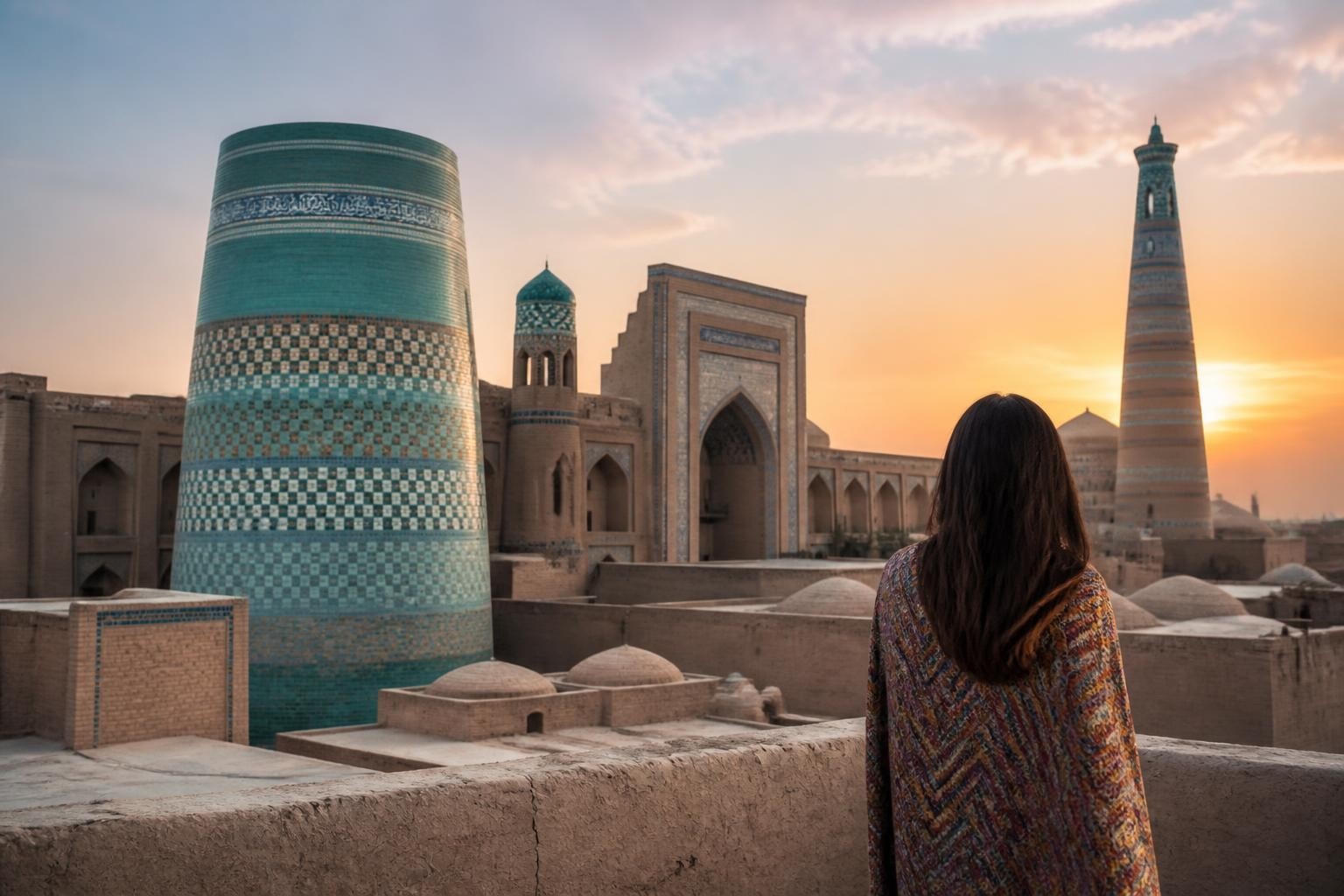
There's a moment that every historical traveller knows well. You're standing in a courtyard that's centuries old, perhaps touching a wall that's witnessed empires rise and fall, and suddenly the gap between past and present collapses entirely. The guidebook in your hand becomes irrelevant. The timeline you memorised melts away. You're not reading history anymore; you're inside it, breathing the same air that countless others breathed, walking paths worn smooth by generations of footsteps. This is the magic of historical travel, and it's fundamentally different from simply visiting old places.
Why Historical Travel Matters Now More Than Ever
In 2026, we're drowning in digital information yet starving for genuine connection. Historical travel offers an antidote to our screen-saturated lives by providing something no virtual experience can replicate: physical presence in places where history unfolded. When you stand in Samarkand's Registan Square, you're not just seeing photographs brought to life. You're experiencing the spatial relationships, the scale, the textures that shaped how people actually lived.
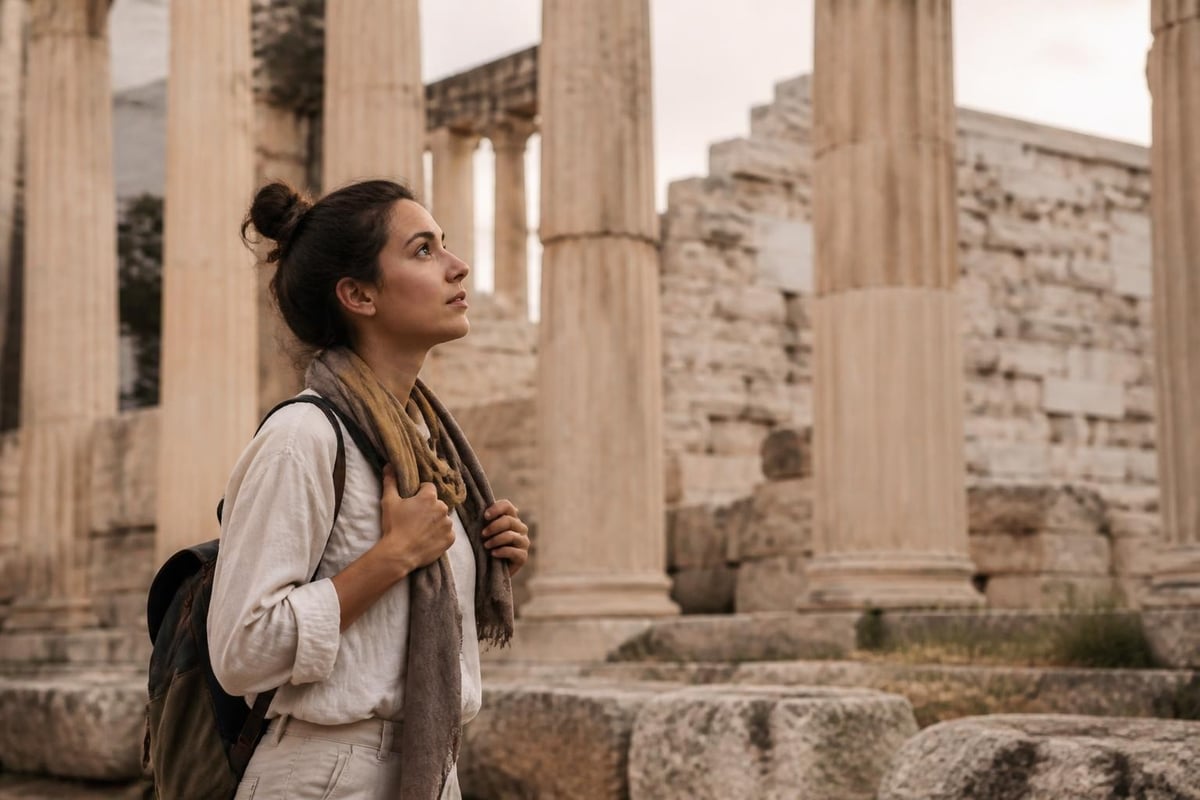
The International Charter for Cultural Heritage Tourism recognises this power, establishing principles that balance conservation with access. Historical sites aren't museums to be looked at from behind rope barriers; they're living spaces that tell ongoing stories.
The Difference Between Tourism and Historical Travel
Let me share something I learned from a guide in Uzbekistan. He told me there are two types of visitors to historical sites: those who tick boxes and those who collect stories. The box-tickers arrive, snap photos, confirm the place matches their expectations, and leave. The story-collectors arrive with questions, leave with more questions, and return home fundamentally changed.
Historical travel belongs to the second category. It's characterised by:
- Preparation before arrival: researching context, understanding timelines, reading primary sources
- Engagement with local narratives: listening to guides who've inherited generational knowledge
- Physical interaction: walking routes that matter, touching stones (where permitted), experiencing spaces as they were designed
- Reflective processing: journaling, discussing, connecting dots between different historical periods
- Continued learning: following up on discoveries, reading recommended books, tracking ongoing archaeological work
The U.S. National Park Service’s guidance on interpretation emphasises that historical understanding requires more than facts; it demands emotional and intellectual connections forged through carefully designed experiences.
Choosing Your Historical Travel Destinations Wisely
Not all historical sites offer equal opportunities for deep engagement. The best destinations for historical travel share several characteristics that transform passive viewing into active participation.
Layers of History
The most rewarding sites reveal multiple historical periods simultaneously. Samarkand exemplifies this perfectly. Walking through the city, you encounter Sogdian foundations, Timurid grandeur, Persian influences, Soviet-era additions, and contemporary Uzbek culture all layered atop one another. Each stratum tells its own story whilst connecting to the larger narrative.
| Era | Visible Evidence | What It Reveals |
|---|---|---|
| Ancient Sogdiana (6th-8th century) | Archaeological foundations, citadel remains | Pre-Islamic Central Asian civilisation |
| Mongol Period (13th century) | Destruction patterns, rebuilt structures | Conquest and recovery cycles |
| Timurid Renaissance (14th-15th century) | Registan, Shah-i-Zinda, Gur-e-Amir | Golden age of arts and sciences |
| Soviet Era (20th century) | Restoration work, urban planning | Modern preservation approaches |
Accessible Interpretation
Historical travel requires guides who can bridge centuries. The best interpretation doesn't just recite dates; it helps you understand motivations, challenges, triumphs, and tragedies of the people who shaped these places. Free walking tours in Samarkand demonstrate how expert local guidance can unlock layers of meaning invisible to solo visitors, making the city's role as a Silk Road crossroads tangible through stories of merchants, scholars, and artisans who passed through its gates.
Primary Source Connections
Exceptional historical travel destinations offer connections to original documents, accounts, and artefacts. The British Library’s digital collections contain travel narratives from merchants, diplomats, and explorers who visited Central Asian cities centuries ago. Reading these accounts before or during your visit adds extraordinary depth.
How Historical Travel Changes Your Perspective
I once met a woman in her seventies on a tour of ancient sites. She'd spent forty years teaching medieval history but had never visited the regions she taught about. When she finally walked through spaces she'd only seen in manuscripts, she wept. "I got it all wrong," she said. "The scale, the relationships between buildings, the way light moves across the tiles. I taught facts, but I didn't understand the experience."
Challenging Your Assumptions
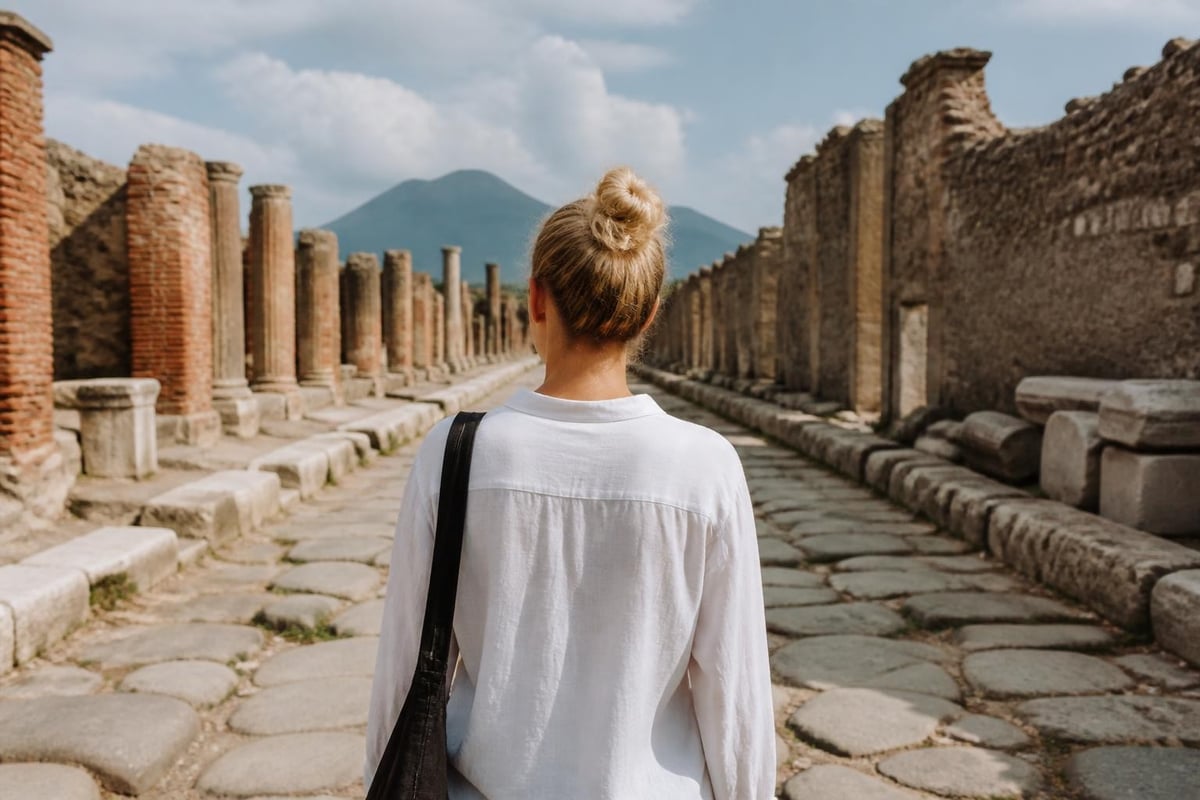
Historical travel forces you to confront the gap between received narratives and lived reality. Western history books often portray the medieval period as Europe's story with occasional glimpses elsewhere. Standing in Samarkand's astronomical observatories from the 15th century, you realise Central Asian scientists were calculating celestial movements with stunning accuracy whilst operating in a thriving cosmopolitan environment that challenges simplistic historical narratives.
Key assumptions historical travel challenges:
- Linear progress narratives (civilisations rise and fall in cycles, not straight lines)
- Geographic isolation (ancient trade networks were stunningly interconnected)
- Technological determinism (social organisation mattered as much as tools)
- Cultural superiority (every civilisation had sophisticated achievements)
Building Empathy Across Time
When you walk the same streets that medieval traders walked, you begin to understand their world not as abstract history but as lived experience. You feel the summer heat they endured, navigate the spatial logic of their cities, recognise the careful engineering of their water systems. Historical travel builds empathy with people separated from us by centuries but connected through shared human needs and aspirations.
Planning Meaningful Historical Travel Experiences
Successful historical travel requires more preparation than standard tourism. You're not just booking hotels and flights; you're designing an educational journey that will fundamentally expand your understanding.
Pre-Trip Research Strategy
Start three months before departure. Your research should follow this progression:
Month One: Broad Context
- Read general histories covering your destination's role in regional and global patterns
- Watch documentaries and lectures available online
- Study maps showing how the area's geography influenced its development
- Create a timeline of major events and figures
Month Two: Deep Dives
- Focus on specific periods or themes that interest you most
- Read primary sources: travel accounts, diplomatic correspondence, literary works from the era
- Study architectural and artistic styles you'll encounter
- Follow current archaeological and conservation work
Month Three: Practical Preparation
- Identify specific sites, museums, and experiences to prioritise
- Book guides with expertise in areas that fascinate you
- Prepare questions you want answered
- Gather relevant images, diagrams, and reconstruction drawings to bring along
On-Site Engagement Techniques
Historical travel works best when you actively engage rather than passively observe. Try these approaches:
| Technique | How It Works | What You Gain |
|---|---|---|
| Walking meditation | Move slowly, pause frequently, observe details | Deeper sensory connection to space |
| Sketch journaling | Draw architectural elements, patterns, spatial relationships | Better visual memory and understanding |
| Guided questioning | Ask "why here?" and "why this way?" constantly | Insight into decision-making processes |
| Temporal imagination | Visualise the space in different historical periods | Appreciation for change over time |
| Narrative tracking | Follow specific historical figures through the site | Personal connection to events |
The ICCROM guidance on sustainable tourism emphasises that meaningful visitor experiences support conservation by creating stakeholders who care about preservation.
The Ethics of Historical Travel
Every footstep on a historical site causes microscopic wear. Every photograph shared on social media potentially drives more traffic to fragile places. Historical travel carries responsibilities that casual tourism doesn't.
Respecting Conservation Needs
Heritage sites balance accessibility with preservation. Impact assessment frameworks help site managers understand how visitor pressure affects conservation. As a historical traveller, you should:
- Follow all site rules without exception (they exist for good reasons)
- Support sites financially through entrance fees, donations, or ethical tour operators
- Avoid peak times when possible to reduce crowding
- Never touch surfaces unless explicitly permitted
- Question whether your social media sharing helps or harms the site
Engaging with Living Communities
Historical sites often exist within living communities for whom these aren't museums but neighbourhoods, places of worship, or working spaces. The updated International Charter for Cultural Heritage Tourism stresses that tourism must benefit local communities whilst respecting their needs and rights.
Respectful engagement means:
- Learning basic phrases in local languages
- Purchasing from local businesses rather than international chains
- Dressing appropriately for cultural contexts
- Asking permission before photographing people
- Listening to contemporary stories as well as historical ones
- Understanding that you're a guest in someone's home place
Beyond the Blockbuster Sites
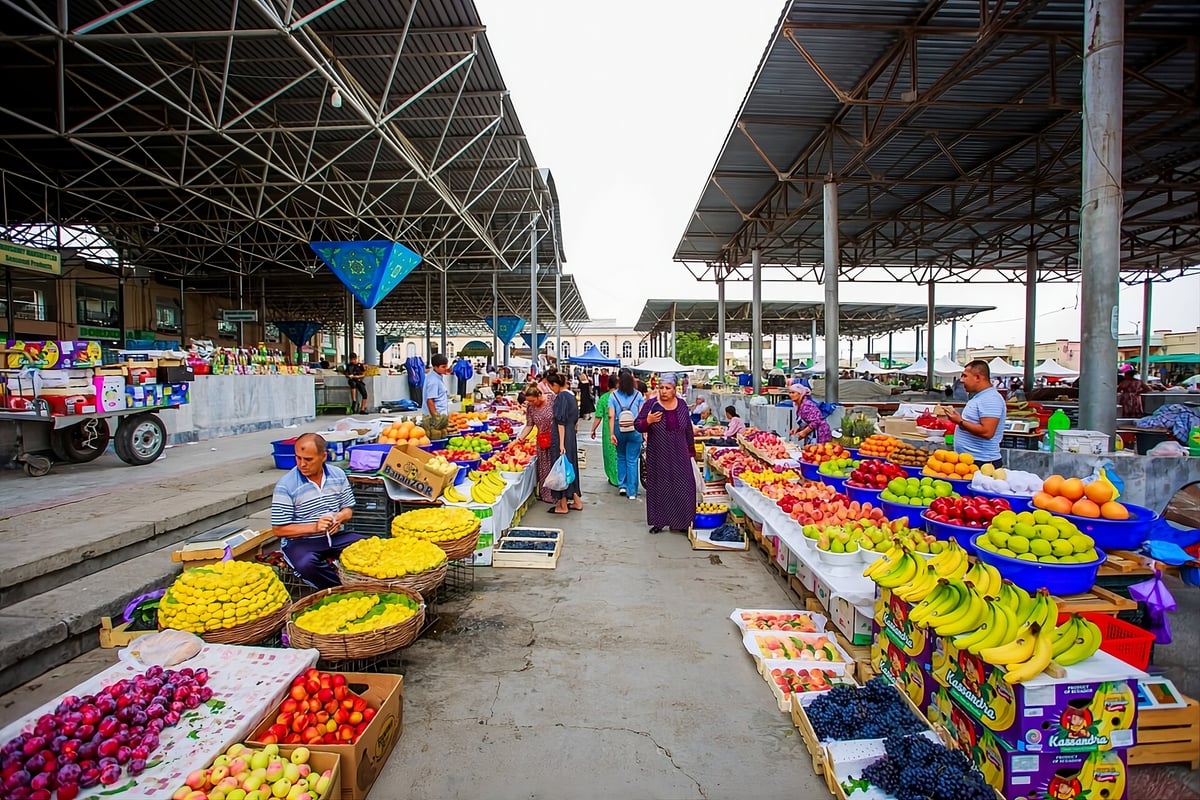
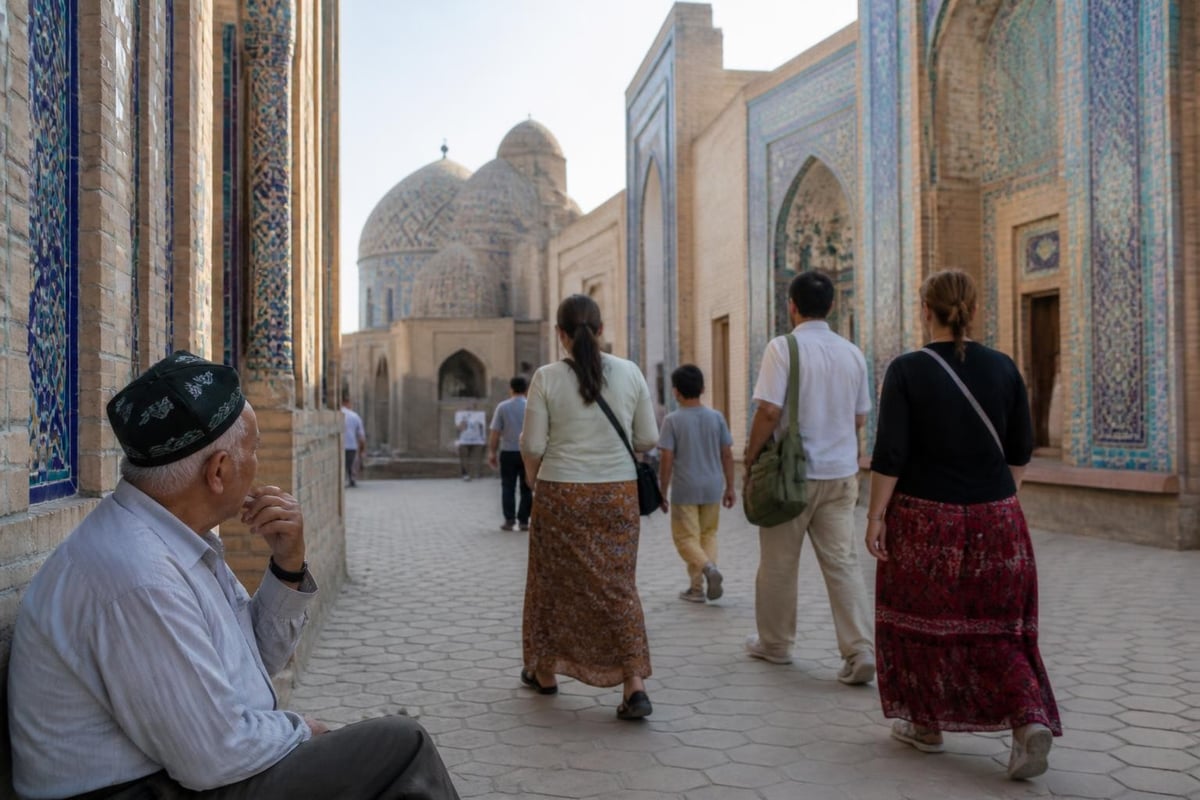
Everyone visits the famous locations, but historical travel often rewards those who venture beyond UNESCO plaques and tourist board highlights. Samarkand's smaller neighbourhood mosques, workshops where traditional crafts continue, and residential areas built around ancient street patterns offer insights invisible at the major monuments.
Following Thematic Threads
Instead of trying to see everything, consider following a single theme deeply. Perhaps you track water management systems, studying how ancient engineers solved irrigation challenges. Or you focus on women's spaces, investigating where and how women lived, worked, and influenced society despite their absence from many official records.
Pursuing Personal Connections
Historical travel becomes most meaningful when you find personal connections. Perhaps your profession has ancient precedents (teaching, medicine, crafts, trade). Seeking out how people did your work centuries ago creates unexpected resonances. Or maybe your family history intersects with the region. Tracing those threads adds layers of personal significance.
The Transformation Continues After You Return
The best historical travel doesn't end when you board your flight home. The experience should catalyse ongoing learning, perspective shifts, and connections.
Processing and Sharing
Within the first week after returning:
- Organise your notes, photographs, and materials whilst memories remain fresh
- Write detailed accounts of experiences that moved or surprised you
- Research questions that arose during your travels
- Connect with fellow travellers or guides via social media to continue conversations
- Share your experiences thoughtfully, focusing on insights rather than just images
Deepening Understanding
Over the following months, use your travel experience as a foundation for deeper learning. Read academic papers about sites you visited. Follow conservation projects online. Join webinars or courses covering topics you encountered. Your physical experience provides context that makes this continued learning more vivid and meaningful.
Becoming an Advocate
Historical travellers often become advocates for preservation, cultural understanding, and responsible tourism. You can support this by promoting ethical tour operators, contributing to conservation organisations, sharing thoughtful perspectives on heritage protection, and encouraging others to approach historical sites with curiosity and respect rather than just cameras.
Historical Travel in the Digital Age
Technology offers unprecedented tools for historical travellers whilst also creating new challenges. Used wisely, digital resources enhance understanding without replacing direct experience.
Augmented Reality and Reconstruction
Apps that overlay historical reconstructions onto current ruins help visualise original appearances. However, the most effective tools allow you to toggle between past and present, understanding both what was and what remains. They enhance rather than replace your perception of actual stones, spaces, and structures.
Virtual Research Before and After
Digital archives grant access to documents, maps, and images impossible to consult just decades ago. Plan your physical travels by exploring virtual collections. Return home and dive deeper into manuscripts or archaeological reports related to sites you visited.
The Importance of Disconnecting
Paradoxically, the best historical travel often requires putting devices away. Standing in a 600-year-old courtyard whilst checking notifications prevents the temporal displacement that makes historical travel transformative. Schedule device-free hours to simply be present in these ancient spaces.
Historical travel transforms how we understand humanity's journey by connecting intellectual knowledge with visceral experience, turning dates and names into felt reality. Whether you're walking Silk Road cities or exploring heritage sites closer to home, approaching ancient places with curiosity, respect, and openness creates encounters that reshape your perspective long after you've returned. Ready to experience history as a living story rather than a distant abstraction? Visit Samarkand offers expertly guided walking tours that bring the city's extraordinary past to life, with both free and paid options designed to help every traveller discover the human stories hidden within these architectural marvels.