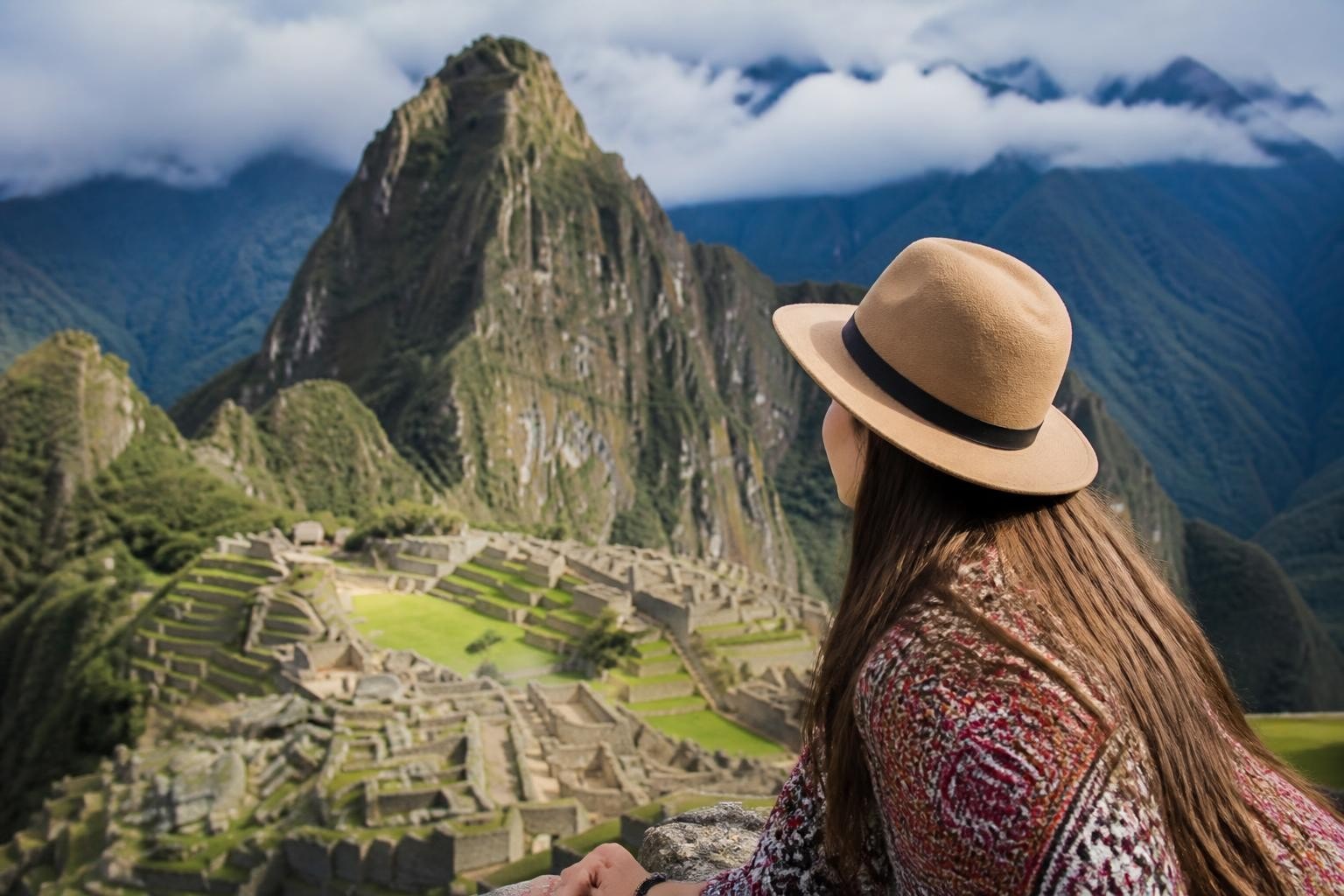
Every traveller carries a mental postcard collection of places that took their breath away. Perhaps it was the way morning light caught on ancient tiles, or how a local guide's story brought centuries-old stones to life. Nice tourist attractions aren't just about ticking boxes on a bucket list; they're about those moments when a place reaches inside and leaves something behind, a memory that shifts how we see the world.
What Truly Defines Nice Tourist Attractions
The question seems simple enough, yet defining what makes an attraction genuinely "nice" reveals layers of complexity. We're not talking about merely popular sites or heavily photographed monuments. According to National Geographic’s curated destinations for 2026, the most compelling attractions balance accessibility with authenticity, offering visitors something beyond superficial tourism.
Nice tourist attractions possess several distinguishing characteristics:
- Cultural significance that connects visitors to human heritage
- Aesthetic appeal that engages multiple senses
- Educational value without feeling like a classroom
- Emotional resonance that creates lasting memories
- Sustainable practices that preserve the site for future generations
The Role of Authenticity in Travel Experiences
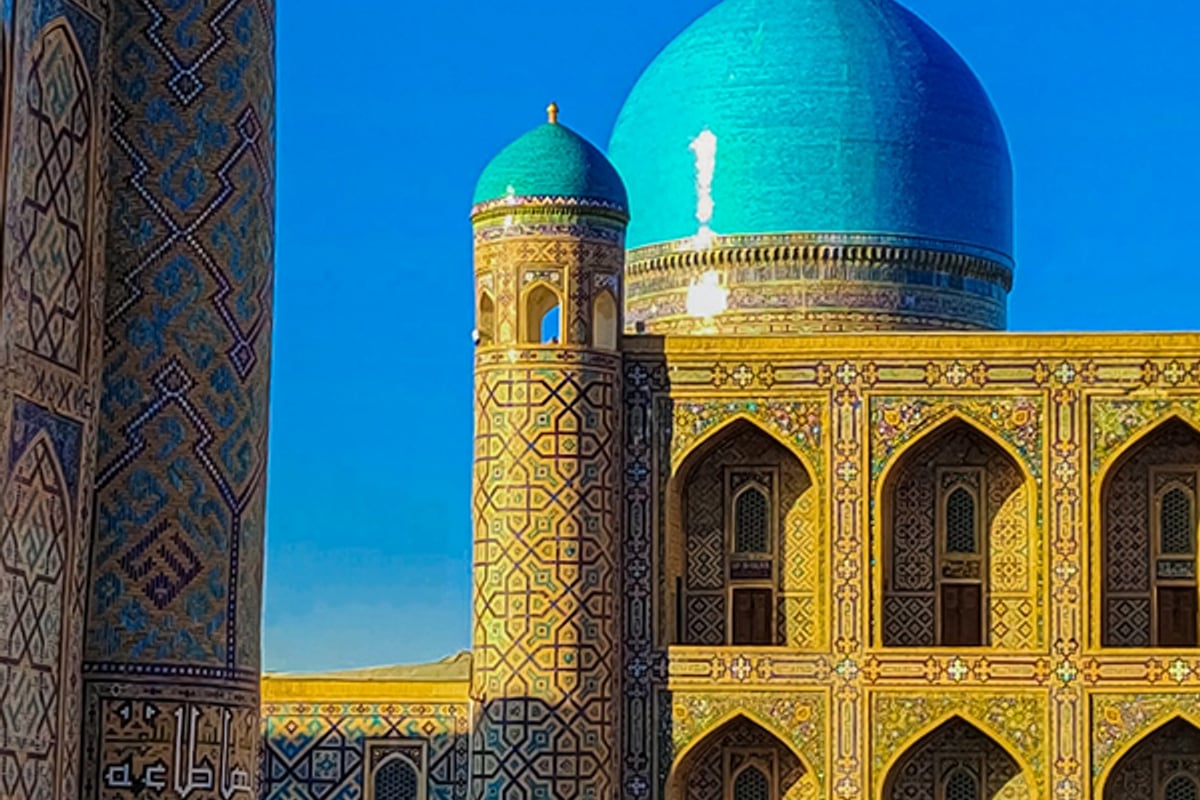
I once watched a grandmother in Samarkand explain to her granddaughter how craftsmen carved the intricate patterns in Registan Square five centuries ago. The child's eyes widened, not because someone told her it was important, but because the story made her feel connected to something larger than herself. That's the magic of authentic experiences.
Authenticity transforms a nice tourist attraction from a photo opportunity into a meaningful encounter. It's the difference between walking past a building and understanding the lives of people who worshipped, studied, or governed within its walls.
Natural Wonders Versus Cultural Heritage Sites
The travel world often divides itself between nature lovers and history enthusiasts, yet the most memorable nice tourist attractions blur these boundaries entirely.
| Attraction Type | Primary Appeal | Visitor Experience | Preservation Challenges |
|---|---|---|---|
| Natural Wonders | Untouched beauty, adventure | Physical engagement, awe | Climate change, overtourism |
| Cultural Heritage | Human achievement, stories | Intellectual connection | Weathering, maintenance costs |
| Living Heritage Sites | Ongoing traditions, authentic culture | Immersive participation | Balancing tourism with local life |
| Modern Attractions | Innovation, entertainment | Convenience, novelty | Maintaining relevance |
Research from UNESCO’s recent reports highlights how the most sustainable tourist destinations integrate both natural and cultural elements, creating experiences where visitors understand humanity's relationship with the landscape.
Why Local Knowledge Matters
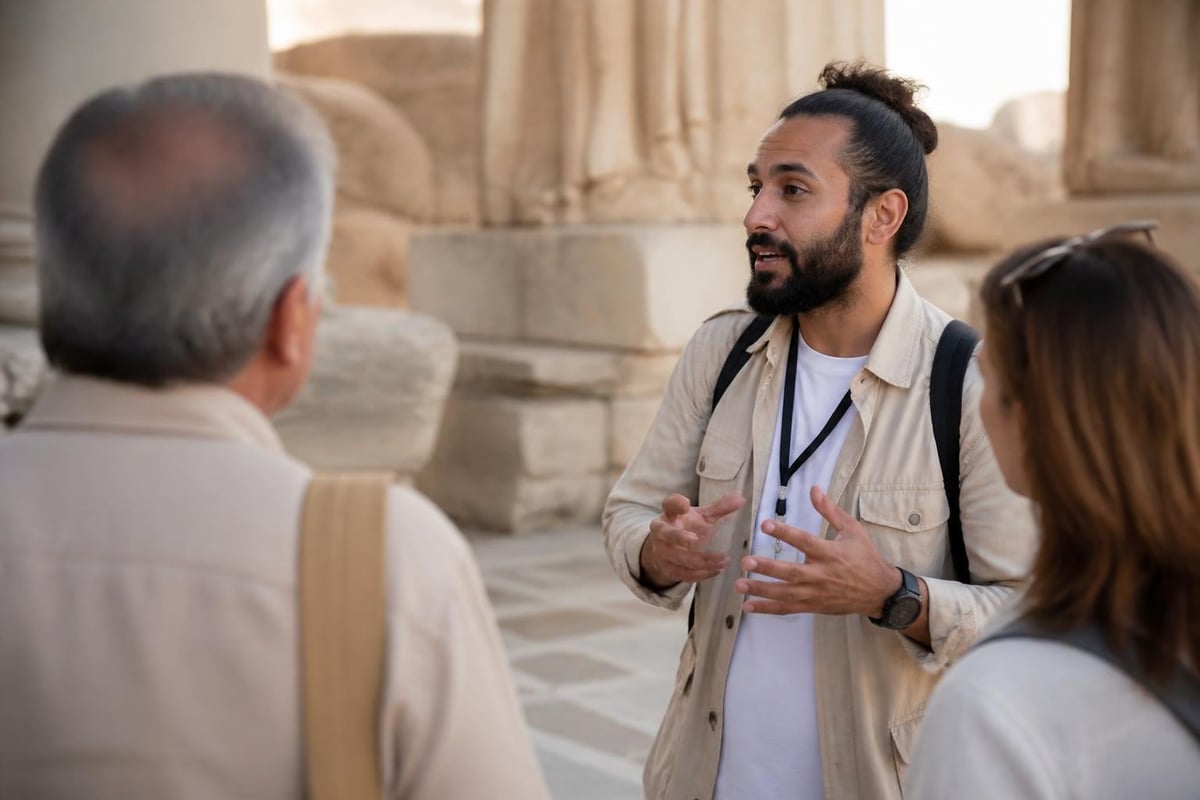
Generic guidebooks tell you where to stand and when to visit. Local guides tell you why it matters. They share the ghost stories, the political intrigues, the love affairs that played out in courtyards now filled with tourists. This distinction separates forgettable visits from transformative ones.
When exploring cities along the ancient Silk Road, for instance, understanding how merchants, scholars, and armies shaped architecture and culture adds depth that no photograph can capture. The stories of real people who walked the same stones centuries ago create bridges across time.
The Hidden Gems Philosophy
Everyone knows the Eiffel Tower and the Taj Mahal. These icons deserve their reputation. Yet some of the nicest tourist attractions wait just beyond the spotlight, in neighbourhoods where locals still outnumber visitors and ancient traditions continue without performance.
Hidden gems offer several advantages:
- Fewer crowds allowing for contemplative experiences
- Lower costs making travel more accessible
- Authentic interactions with local communities
- Unique stories you won't find in standard guidebooks
- Supporting local economies directly
I remember stumbling into a workshop in Samarkand where artisans still create paper using methods from the 8th century. No signs announced it. No tour buses idled outside. Just a doorway leading to people preserving knowledge their great-great-grandparents taught them. That unexpected discovery became the highlight of the journey.
How to Discover Lesser-Known Attractions
Finding nice tourist attractions off the beaten path requires curiosity and flexibility. Start conversations with locals. Follow your interests rather than itineraries. When something catches your eye, pause and explore rather than rushing to the next scheduled stop.
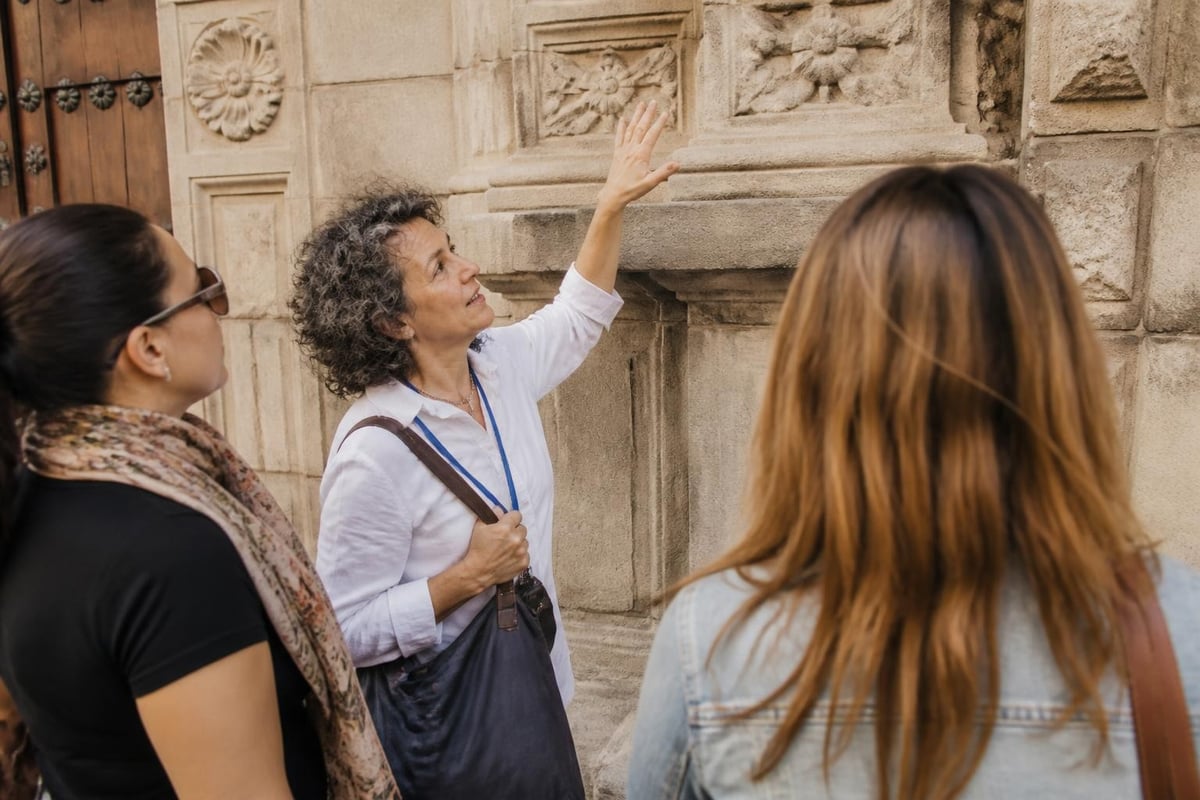
Walking tours led by residents prove particularly valuable for discovering hidden layers within cities. Unlike bus tours that skim surfaces, walking allows you to notice details: a carved inscription, an unusual architectural feature, the way light falls through ancient windows.
Balancing Iconic Sites With Authentic Experiences
The travel industry's dirty secret is that many famous attractions disappoint in person, overrun by crowds and commercialization. Yet completely avoiding popular sites means missing genuinely extraordinary places. The solution lies in approach rather than avoidance.
Strategic timing transforms experiences. Visit famous sites during shoulder seasons, early mornings, or late afternoons when crowds thin. The same monument that feels like a theme park at midday might offer solitude and magic at dawn.
Context deepens appreciation. Before visiting major attractions, invest time learning their stories. Who built them? Why? What controversies surrounded their construction? What happened within their walls? This preparation converts sightseeing into genuine understanding.
Combine icons with neighbourhood exploration. After visiting a famous site, wander surrounding streets where tour groups don't venture. The contrast often proves illuminating, showing how tourist attractions exist within living communities.
According to Tripadvisor’s 2026 rankings of top-rated experiences, travellers increasingly value immersive activities that provide context and connection over passive viewing of famous landmarks.
The Economics of Nice Tourist Attractions
Understanding what makes attractions financially accessible matters, particularly for travellers watching budgets or communities ensuring tourism benefits locals rather than just extracting resources.
Free and Low-Cost Options
Many of the world's nicest tourist attractions require no admission fee. Public spaces, religious sites (outside service times), architectural exteriors, markets, and parks offer rich experiences without tickets. Walking becomes both transportation and attraction, especially in historic cities where simply strolling reveals layers of history.
Free walking tours have revolutionized budget travel over the past decade. Operating on gratuities rather than fixed fees, these tours provide professional guidance while remaining accessible to all economic levels. They also tend to attract passionate guides who choose the work for love of their city rather than purely for income.
The Free Sight seeing of Samarkand exemplifies this approach, offering guided explorations of one of Central Asia's most historically significant cities without financial barriers. This model allows visitors to experience Samarkand's architectural wonders, vibrant bazaars, and living traditions regardless of budget constraints.
| Cost Category | Typical Offerings | Advantages | Considerations |
|---|---|---|---|
| Free | Walking tours, parks, religious sites | Accessible, flexible, authentic | May lack depth, crowded |
| Budget (Under £20) | Museums, guided walks, local transport | Good value, educational | Limited access, basic amenities |
| Mid-range (£20-50) | Special exhibitions, combination tickets | Comprehensive, skip queues | Still significant for budget travellers |
| Premium (£50+) | Private guides, exclusive access | Personalized, uncrowded | Excludes many visitors |
Seasonal Considerations for Tourist Attractions
Nice tourist attractions change personality with seasons. Summer brings crowds and heat but also festivals and long daylight. Winter offers solitude and different beauty but shorter visiting hours and sometimes closures.
Spring and autumn emerge as sweet spots for many destinations. Weather moderates, crowds thin compared to peak season, and prices drop. Cherry blossoms in Japan, fall colours in New England, or spring flowers in Mediterranean regions add natural beauty to cultural sites.
Climate and Comfort
Consider not just weather but how climate affects your experience of nice tourist attractions. Exploring ancient ruins under a scorching sun differs dramatically from the same visit during mild temperatures. Desert sites become more accessible in winter. Mountain attractions might require summer access when snow clears.
I learned this lesson visiting Samarkand in early June when temperatures hadn't yet reached the brutal heat of July and August. The morning light illuminating the turquoise domes of Gur-e-Amir Mausoleum created photography opportunities impossible during midday glare or when tourist groups crowded the courtyard.
Cultural Sensitivity at Tourist Attractions
The nicest tourist attractions often remain nice because visitors respect them. Cultural sensitivity isn't political correctness; it's recognition that you're a guest in places meaningful to others.
Research cultural norms before visiting. Some sites require specific dress codes. Others have photography restrictions. Many have prayer times when tourist access pauses. Understanding and honouring these requirements demonstrates respect and often leads to warmer interactions with locals.
Support doesn't always mean spending. Yes, purchasing from local artisans helps communities. But equally valuable is your respect: not climbing on monuments, following rules, acknowledging sacred spaces, and treating sites as living heritage rather than backdrops for selfies.
Learn basic phrases in the local language. Even fumbling through "hello," "thank you," and "beautiful" in the local tongue shows effort that people appreciate. It transforms you from a faceless tourist into an individual attempting connection.
The Impact of Technology on Discovering Attractions
Smartphones changed how we find and experience nice tourist attractions. Apps provide instant access to reviews, directions, audio guides, and translations. Yet this same technology can distance us from actual experiences when we view sites primarily through screens.
Augmented reality applications overlay historical information onto current views, showing how sites appeared centuries ago. This technology enhances understanding without replacing the actual experience of being present.
Social media's dual nature helps discover lesser-known attractions through genuine recommendations while also creating overcrowding at "Instagram-worthy" spots that suddenly become famous. Balance using technology for research with being present during actual visits.
Navigation and Planning Tools
Digital tools excel at logistics. Mapping applications prevent getting lost. Translation apps break language barriers. Booking platforms secure tickets and avoid queues. Use technology for what it does best, then put devices away to fully engage with places you've planned so carefully to visit.
Making Memories Beyond Photography
Everyone photographs nice tourist attractions. Fewer people truly see them. The irony of modern travel is spending so much time documenting experiences that we miss experiencing them.
Try this experiment: at your next significant attraction, spend the first ten minutes simply observing without your camera. Notice details. Watch how light changes. Listen to sounds. Smell the air. Feel textures if appropriate. Then photograph if desired, but from a foundation of actual experience rather than mediated observation.
Journaling creates different memories than photographs. Writing about what you noticed, felt, or learned engages different mental processes, often capturing aspects that images miss. A sentence about the scent of incense in an ancient temple or the echo of footsteps in a marble hall preserves sensory memories photographs can't capture.
Collect specific memories rather than comprehensive coverage. Rather than photographing everything, choose one or two elements that particularly moved you. This focused approach creates stronger recollections than hundreds of similar images blurring together.
Sustainable Tourism and Preservation
The nicest tourist attractions face an existential paradox: they attract visitors precisely because they're special, yet too many visitors threaten what makes them special. Responsible travellers consider their impact.
Choose attractions that practice sustainable tourism:
- Limit visitor numbers to prevent overcrowding
- Employ local guides and staff
- Fund preservation through admission fees
- Educate visitors about cultural and environmental significance
- Partner with communities rather than exploiting them
According to UN World Tourism Organization data, destinations implementing sustainable practices report higher visitor satisfaction alongside better preservation outcomes. Tourists increasingly seek experiences that benefit rather than burden local communities.
Your Role in Preservation
Small actions aggregate into significant impact. Stay on marked paths. Don't touch fragile surfaces. Properly dispose of waste. Choose accommodations and tour operators with environmental commitments. Consider visiting during shoulder seasons to distribute tourist pressure across more months.
Learning from Local Perspectives
The same attraction means different things to different people. For tourists, a beautiful mosque might represent architectural achievement and photo opportunities. For local worshippers, it's a sacred space for daily prayer and community gathering. Both perspectives are valid, but awareness of this difference shapes respectful behaviour.
Engage with local perspectives when possible. Many nice tourist attractions offer interactions with residents, artisans, or guides who grew up nearby. These conversations reveal layers invisible to outside observers, transforming sites from interesting to meaningful.
I remember a guide in Samarkand explaining that the tiles decorating Registan Square contained mathematical principles that influenced European Renaissance architecture. This connection between Islamic scholarship and Western development completely reframed my understanding of both cultures. That's the value of local expertise.
Creating Your Personal Definition
Ultimately, what makes tourist attractions nice is deeply personal. Some people find museums boring and mountains transcendent. Others feel opposite. The travel industry tries to create universal hierarchies of worthiness, but your perfect attraction might not appear on any "top ten" list.
Consider what actually brings you joy and meaning:
- Do you prefer nature or human-made wonders?
- Does history fascinate or bore you?
- Do crowds energize or exhaust you?
- Is photography important or distracting?
- Do you like structured tours or independent exploration?
Honest self-assessment prevents wasting time at attractions that don't align with your interests just because guidebooks recommend them. It's perfectly acceptable to skip world-famous sites that don't appeal to you and spend that time at obscure places that do.
Building Your Own Itinerary
Rather than following pre-packaged itineraries, build trips around your genuine interests. Love ceramics? Seek pottery workshops and museums. Fascinated by astronomy? Find observatories and sites with astronomical significance. Passionate about textiles? Visit weaving communities and fabric markets.
This focused approach creates more satisfying experiences than attempting comprehensive coverage of everything deemed important. You'll remember the trip where you learned traditional dyeing techniques far better than the blur of racing between twenty famous monuments.
Nice tourist attractions ultimately combine beauty, meaning, and connection in ways that resonate personally. Whether you're drawn to architectural masterpieces, natural wonders, or living cultural traditions, the most memorable sites share a quality of authenticity that transforms casual sightseeing into genuine understanding. If you're seeking to experience one of Central Asia's most remarkable historical cities through local expertise and authentic storytelling, Visit Samarkand offers guided walking tours that reveal both famous landmarks and hidden treasures along the ancient Silk Road. Their free tours make professional guidance accessible to all travellers, ensuring budget never becomes a barrier to discovering the profound beauty and rich history of this extraordinary destination.