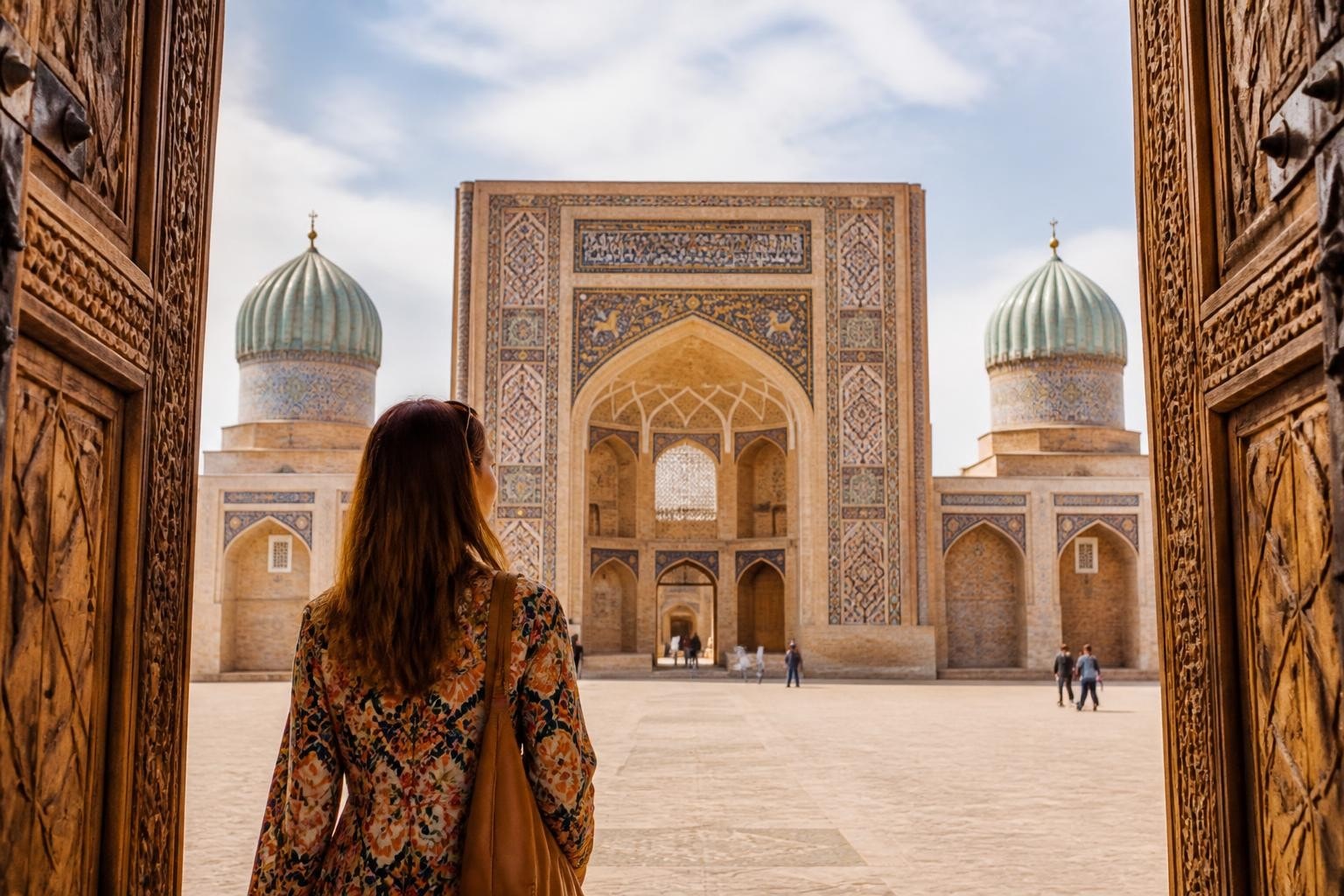
The ancient trade routes that once connected East and West still whisper their secrets to modern travelers. A silk road trip isn't just about visiting historical sites; it's about stepping into a narrative that shaped civilizations, transformed cultures, and created the interconnected world we know today. For those seeking adventure beyond typical tourist paths, following these legendary routes through Central Asia offers something truly transformative: a chance to walk where merchants, pilgrims, and explorers once tread, discovering how their journeys echo into our present.
The Living History of the Silk Road
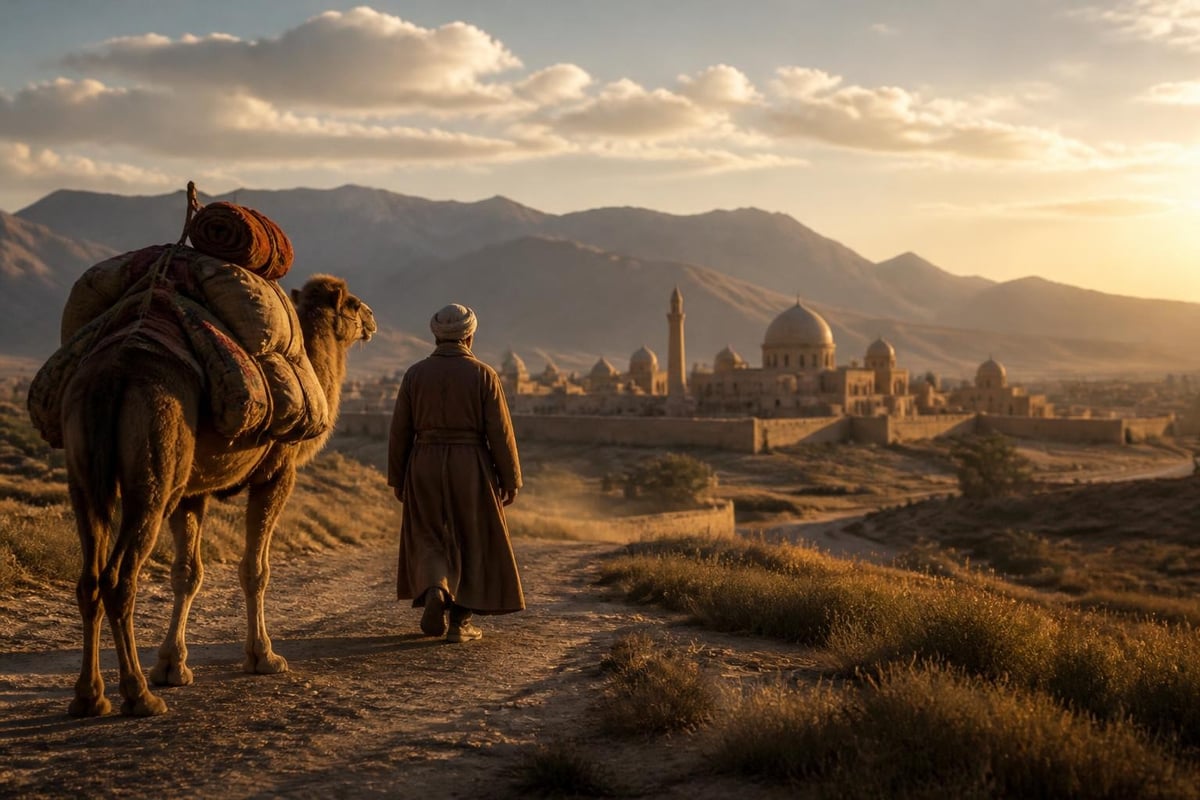
The Silk Road was never a single route but rather a vast network of pathways stretching from China to the Mediterranean. These arteries of commerce carried far more than silk; they transported ideas, religions, technologies, and dreams across continents.
Planning a silk road trip means choosing your own adventure through this network. Will you focus on the desert cities of Uzbekistan? The mountain passes of Tajikistan? The ancient capitals of Iran? Each route offers distinct experiences, yet all share that common thread of human connection across impossible distances. If you’d rather have someone else handle the routing, our silk road tours cover the main cities and border crossings.
The most popular silk road trip routes include:
- The Fergana Valley route through Uzbekistan
- The Pamir Highway through Tajikistan
- The desert routes connecting Turkmenistan's oases
- Northern routes through Kazakhstan
- Western extensions into Iran and Turkey
Why Samarkand Anchors Your Journey
Among all the jewels scattered along these ancient routes, Samarkand stands apart. This city doesn't just preserve history; it embodies the very essence of cultural exchange that defined the Silk Road era.
The Registan Square, with its three madrasahs adorned in turquoise tiles, tells stories in architectural language. Shah-i-Zinda's avenue of mausoleums showcases how artistic traditions flowed along trade routes, creating unique fusion styles found nowhere else on Earth.
When you're planning your silk road trip, Samarkand serves as an ideal starting point or centerpiece. The city offers manageable scale for first-time visitors while providing depth that rewards extended exploration.
Crafting Your Silk Road Adventure
Modern silk road trip planning requires balancing historical authenticity with contemporary comfort. Unlike the merchants of old, you won't spend months crossing deserts, but you'll face different challenges: visa requirements, transportation logistics, and choosing between dozens of must-see sites.
| Planning Element | Traditional Approach | Modern Silk Road Trip |
|---|---|---|
| Duration | Months to years | 2-6 weeks typical |
| Transportation | Camel caravans, horses | Trains, buses, flights |
| Accommodation | Caravanserais | Hotels, guesthouses, homestays |
| Navigation | Local guides, stars | GPS, tour operators, apps |
| Safety | Armed guards, large groups | Standard travel precautions |
The National Geographic approach to Silk Road planning emphasizes immersion over rushing. Rather than trying to cover every site, focus on truly experiencing fewer places.
Seasonal Considerations Matter
Spring and autumn offer the most comfortable conditions for a silk road trip. Summer temperatures in desert cities can exceed 40°C, making outdoor exploration challenging. Winter brings its own magic, with fewer tourists and snow-capped mountains providing dramatic backdrops, but some mountain passes become impassable.
Optimal travel windows:
- April to May: Spring blooms, mild temperatures
- September to October: Harvest season, clear skies
- June to August: Hot but festive, local celebrations
- November to March: Off-season discounts, winter landscapes
Cultural Immersion Along the Route
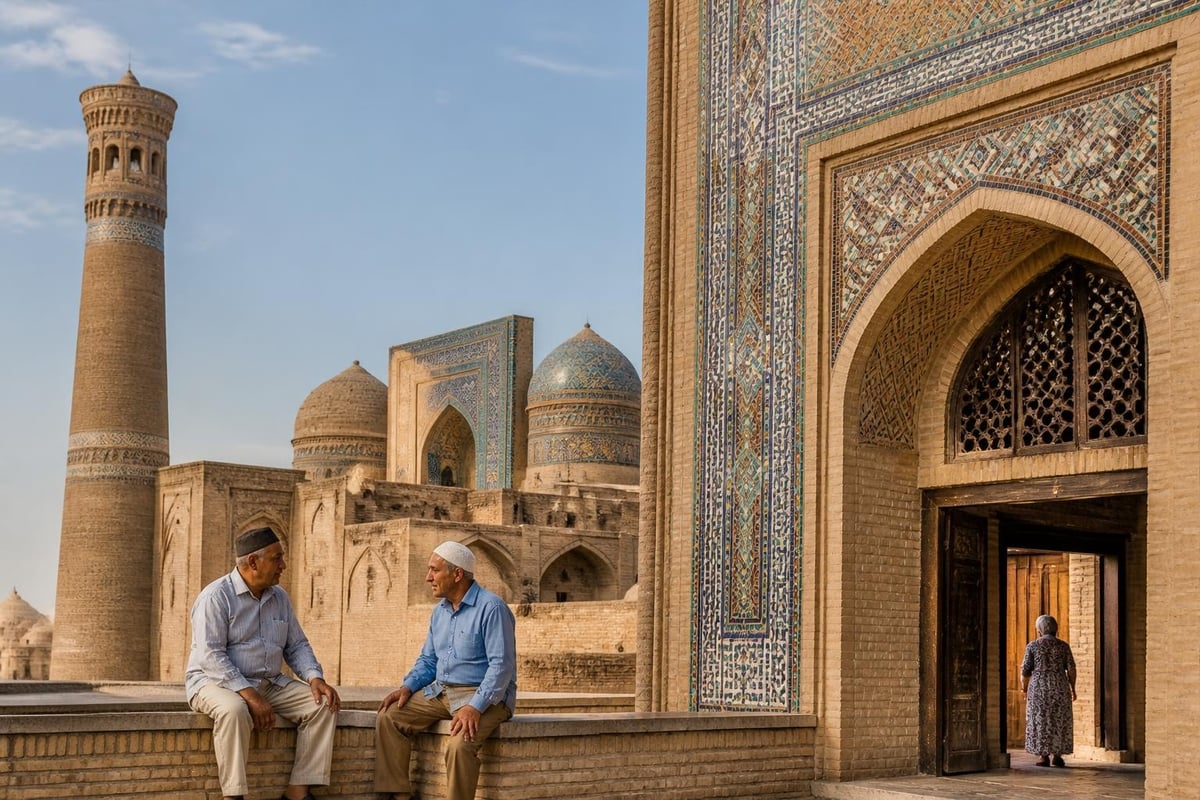
The true reward of any silk road trip lies not in checking off monuments but in those unexpected moments of human connection. Sharing tea with a ceramic artist in Rishtan. Listening to a grandmother's stories in a Bukhara courtyard. Watching bread being slapped onto the walls of a traditional tandoor oven.
These encounters transform tourism into genuine cultural exchange, echoing the spirit of those ancient traders who didn't just move goods but shared stories, recipes, songs, and wisdom across language barriers.
The Power of Local Guides
While independent travel has its appeal, local guides unlock layers of meaning invisible to outsiders. They know which doors to knock on, which stories haven't made it into guidebooks, and how to read the subtle signs in architecture that reveal deeper histories.
Free walking tours in cities like Samarkand provide an accessible entry point to this deeper understanding. Led by passionate locals who grew up surrounded by these monuments, these walking experiences reveal the living culture behind the historical facades. You'll learn not just when the Bibi-Khanym Mosque was built, but about the legends that still circulate in the bazaars surrounding it.
Practical Navigation of Modern Challenges
Every silk road trip encounters logistical hurdles that would bewilder ancient merchants: e-visas, currency exchange, SIM card registration, and the eternal question of whether your power adapter will fit.
Essential preparation checklist:
- Research visa requirements for each country (constantly changing)
- Download offline maps before departure
- Learn basic Russian phrases (widely spoken in Central Asia)
- Carry cash in small denominations
- Pack layers for dramatic temperature shifts
- Bring modest clothing for religious sites
Transportation between cities has improved dramatically in recent years. High-speed trains now connect major Uzbek cities. Shared taxis fill gaps in the network. For adventurous travelers, hitchhiking remains surprisingly common and safe in many regions, though basic language skills help enormously.
Digital Resources Meet Ancient Routes
The UNESCO interactive map of Silk Road routes provides excellent visual context for understanding how your journey fits into the broader network. Combined with contemporary reporting like recent BBC coverage of Central Asian tourism trends, you can plan trips that balance historical significance with current on-the-ground realities.
Beyond the Obvious Monuments
While the architectural masterpieces rightfully draw attention, some of the most memorable silk road trip experiences happen in less celebrated spaces. The workshop where sixth-generation papermakers still practice techniques brought from China. The teahouse where old men play backgammon using boards worn smooth by decades of games. The suburban cemetery where locals picnic among family graves, celebrating life alongside death.
These everyday spaces offer windows into how Silk Road traditions continue shaping daily life. They're where you'll encounter the real Central Asia, unpolished and unscripted.
| Hidden Experience | Location Type | Why It Matters |
|---|---|---|
| Workshop visits | Artisan quarters | See traditional crafts still practiced |
| Local markets | Residential neighborhoods | Authentic food, prices, interactions |
| Suburban shrines | Outside tourist zones | Active religious practice |
| Chaihanas (teahouses) | Throughout cities | Social hubs, male gathering spaces |
| Family meals | Homestays | Real hospitality, home cooking |
Just as travelers throughout history found unexpected adventures and unplanned connections, the most transformative moments of your silk road trip will likely occur off-itinerary. Perhaps you'll be invited to a wedding. Maybe a chance conversation leads to an impromptu tour of someone's ancestral home. These serendipitous encounters require openness and flexibility.
The Archaeological Perspective
Recent scholarship, including work published in Cambridge’s Journal of Global History, has revolutionized our understanding of these trade networks. We now know that exchange occurred much earlier and more extensively than once believed, with connections reaching deep into Africa and Southeast Asia.
For travelers interested in archaeology, numerous excavation sites welcome visitors. The ancient city of Afrasiyab, just outside modern Samarkand, reveals layers of occupation spanning over two millennia. Walking through partially excavated streets, you can trace urban evolution from Sogdian settlements through Islamic periods.
Reading the Landscape
Every element tells stories:
- Watchtower ruins mark ancient defensive positions
- Abandoned caravanserais show spacing between rest stops
- Irrigation channels reveal engineering sophistication
- Cemetery locations indicate shifting settlement patterns
- Architectural styles document cultural influences
Learning to read these landscape clues transforms any silk road trip into an ongoing detective story. Why was this city built here? What happened when? Who influenced whom?
Food as Cultural Currency
No silk road trip would be complete without deep engagement with culinary traditions. Central Asian cuisine reflects the same synthesis that characterizes the region's art and architecture: Chinese influences in noodle dishes, Persian aromatics in pilafs, Russian contributions to bread-making, and indigenous pastoral traditions in meat preparations.
Must-try dishes and their origins:
- Plov (pilaf): Rice dish with Central Asian variations
- Lagman: Hand-pulled noodles showing Chinese influence
- Samsa: Baked pastries with multiple cultural roots
- Shurpa: Hearty soup found across the region
- Non: Flatbread baked in clay ovens
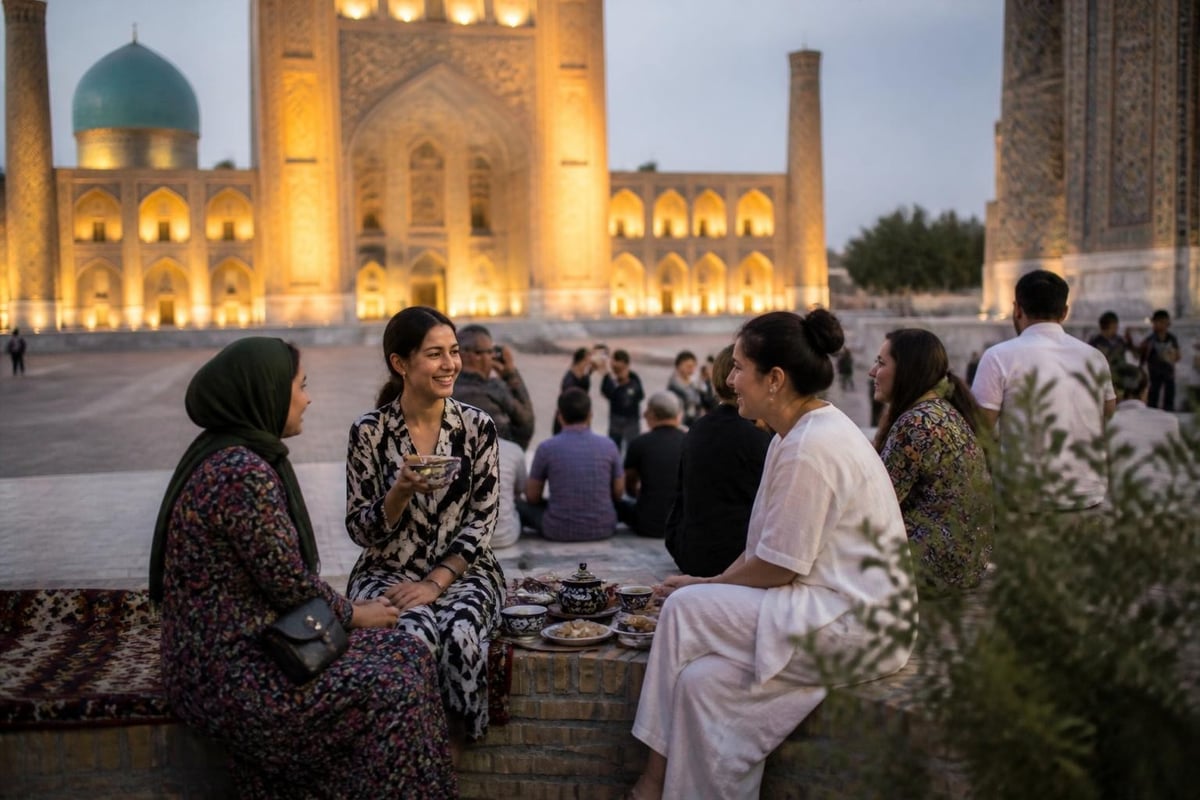
Many travelers find that food provides the most accessible entry point to cultural understanding. Sharing meals breaks down barriers. Discussing recipes reveals family histories. Learning to make traditional dishes creates tangible connections to place.
Connecting Past and Present
Contemporary travel writing, such as recent Guardian features on Silk Road journeys, highlights how these routes remain relevant in 2026. New infrastructure projects echo ancient connectivity. Digital nomads follow paths once trodden by merchants. Cultural exchanges continue, now measured in Instagram posts rather than camel loads.
Your silk road trip participates in this ongoing story. Every photo shared, every conversation had, every connection made adds another thread to the network that has bound East and West for millennia.
Sustainable Tourism Considerations
As silk road trip popularity grows, thoughtful travelers must consider their impact. How can you contribute positively rather than merely consuming experiences? Supporting local guides and artisans. Choosing family-run guesthouses over international chains. Learning enough language to show respect. Understanding that your presence changes what you observe.
The most ethical approach often involves slowing down. Rather than rushing through ten cities in two weeks, spend meaningful time in fewer places. Build relationships. Contribute to local economies thoughtfully.
The Human Element
At its core, every silk road trip is about people. Ancient merchants weren't motivated primarily by wanderlust but by the universal human desires to provide for families, improve circumstances, and create connections beyond their immediate communities.
When you stand in Samarkand's Registan Square at sunset, surrounded by other travelers from dozens of countries, you're participating in that same impulse toward connection that built these monuments. The merchants who commissioned those buildings sought immortality through architecture. You seek meaning through experience. Different methods, same fundamentally human motivation.
Paid tours offer deeper dives into specific aspects of history, architecture, or culture. Guides with specialized knowledge can reveal details you'd never notice independently. Whether exploring independently or with structured support, the key is engagement rather than passive observation.
Skills Worth Developing
Pre-trip preparation that pays dividends:
- Basic photography beyond phone snapshots
- Rudimentary language skills (Russian, Uzbek, or local languages)
- Understanding of Islamic art and architecture fundamentals
- Knowledge of regional history beyond superficial tourist facts
- Bargaining etiquette for markets
- Meal-sharing customs
None of these are requirements, but each enhances your experience geometrically. Even minimal language skills open doors. A basic understanding of architectural terminology helps you appreciate what you're seeing. Knowing how to gracefully navigate market interactions prevents awkwardness.
Unexpected Connections
Some of the most fascinating aspects of a silk road trip emerge from unexpected parallels with other cultural exchange routes. Just as maritime trade routes connected coastal civilizations, creating their own cultural syntheses, the Silk Road's overland networks produced unique fusions.
Interestingly, the same impulse that draws modern travelers to Central Asia appears in other contexts. People seeking authentic cultural experiences might explore coastal heritage routes in New England, discovering how maritime trade shaped American culture. Others pursue pilgrimage journeys that follow ancient religious paths, seeking spiritual rather than commercial connections. The common thread is that meaningful travel requires engagement with deep historical and cultural contexts.
Even seemingly unrelated activities like adventure sports can share philosophical ground with silk road trip motivations. Those who seek adrenaline experiences in destinations like Thailand often describe similar desires for transformation through challenging experiences, though expressed through physical rather than cultural immersion.
Extended Itinerary Possibilities
While many travelers focus exclusively on Uzbekistan's golden triangle (Samarkand, Bukhara, Khiva), extending your silk road trip opens remarkable possibilities. The Wakhan Corridor in Tajikistan offers arguably the most spectacular mountain scenery along any Silk Road route. Turkmenistan's desert cities preserve unique architectural traditions. Kazakhstan's vast steppes reveal nomadic heritage.
Three-week extended itinerary example:
- Days 1-5: Tashkent and Samarkand (Uzbekistan)
- Days 6-9: Bukhara (Uzbekistan)
- Days 10-12: Khiva (Uzbekistan)
- Days 13-16: Dushanbe and Pamir Highway (Tajikistan)
- Days 17-19: Almaty and surrounding areas (Kazakhstan)
- Days 20-21: Return journey and reflection
This routing allows for depth in major sites while providing geographical and cultural variety. The contrast between desert cities and mountain regions, settled agriculture and pastoral nomadism, creates a richer understanding of Central Asian diversity.
Documenting Your Journey
How you record your silk road trip shapes your experience and memory. Some travelers maintain detailed journals. Others focus on photography. Many now create digital content, sharing experiences in real-time through social platforms.
Whatever approach you choose, consider documenting not just what you see but what you learn, who you meet, and how your understanding evolves. The most valuable souvenirs aren't carpets or ceramics but insights and connections that reshape your worldview.
Documentation approaches:
- Visual: Photography, sketching, video
- Written: Journal, blog, letters
- Audio: Voice notes, field recordings, music
- Social: Real-time sharing, conversation
- Internal: Reflection, meditation, mindfulness
The act of documenting forces you to process experiences more deeply. Why did that conversation matter? What made that moment significant? How has this changed your perspective?
A silk road trip offers far more than historical tourism; it provides a framework for understanding how cultures connect, evolve, and enrich each other across time and space. Whether you spend three days or three months exploring these legendary routes, you'll discover that the real treasure isn't architectural splendor but the human stories embedded in every stone, told through every meal, and continued through every genuine connection you make. If you're ready to begin your own journey through this living history, Visit Samarkand offers free walking tours that transform monuments into narratives, led by guides who know these streets as home, helping you discover not just where merchants once walked, but why their legacy still matters today.