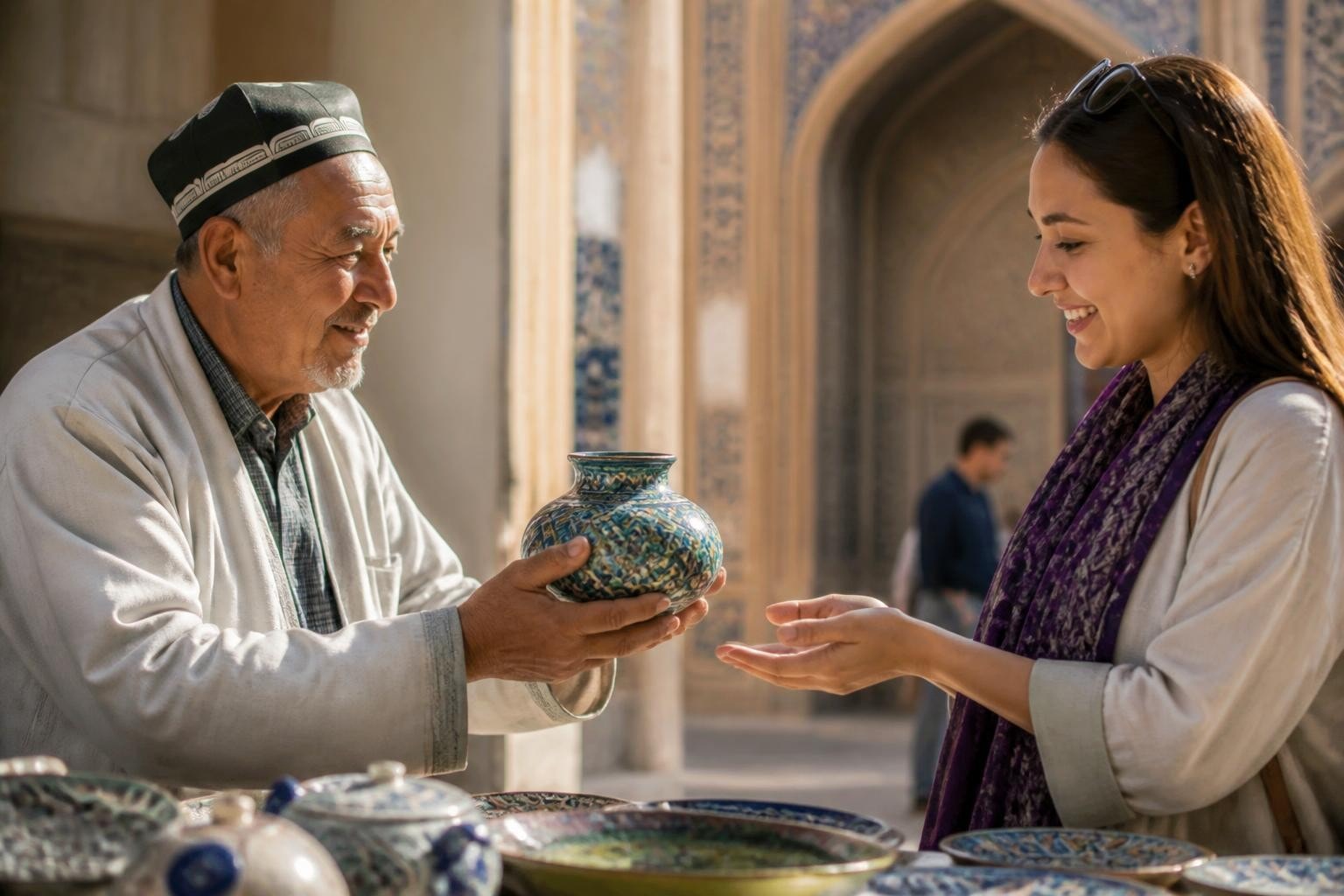
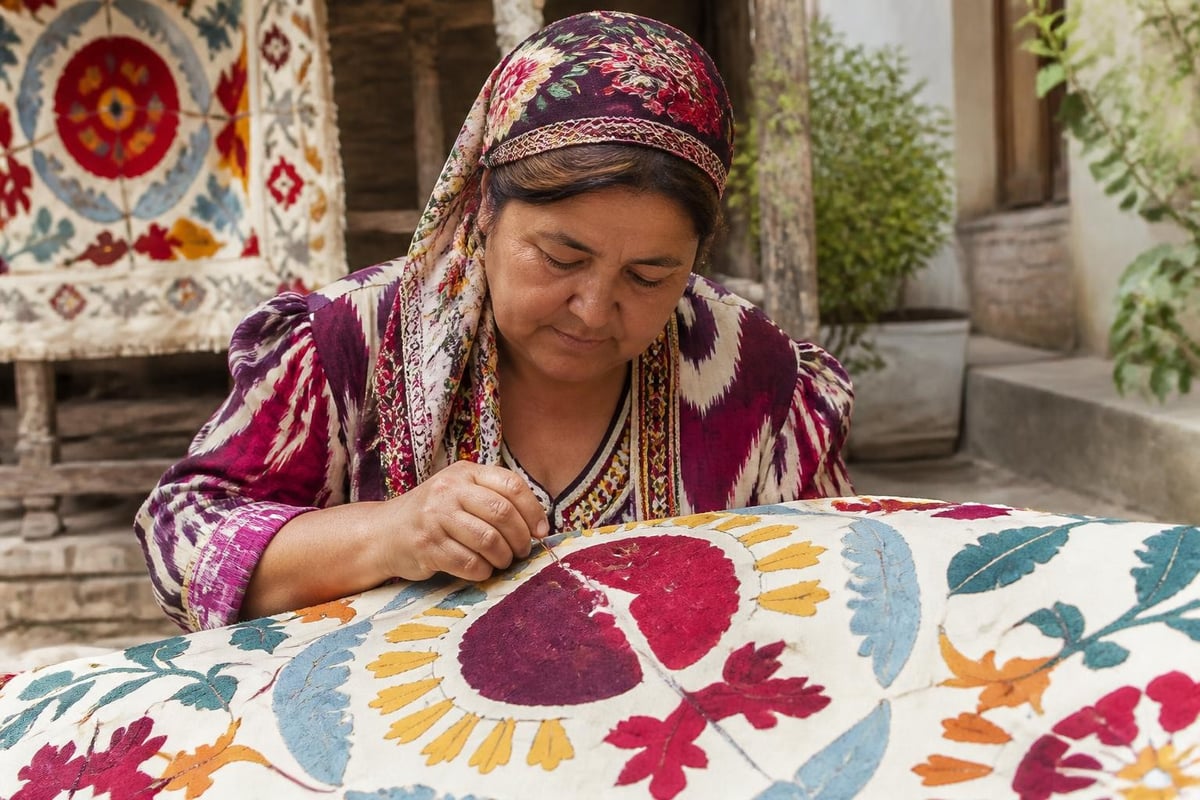
There's something profoundly moving about holding a piece of history in your hands. When you search for the perfect souvenir Uzbekistan offers, you're not just browsing market stalls; you're touching threads that connect you to centuries of Silk Road traders, master craftspeople, and nomadic traditions. I remember my first visit to Samarkand's Siyob Bazaar, where an elderly woman sat cross-legged, embroidering intricate pomegranate motifs onto silk. Her grandmother had taught her the patterns. Her great-grandmother had taught those before her. The suzani she created wasn't merely fabric. It was memory, skill, and soul stitched together.
Uzbekistan stands at the crossroads of ancient civilizations, and its souvenirs reflect this extraordinary heritage. From the turquoise-domed cities of Samarkand and Bukhara to the bustling bazaars of Tashkent, each region offers distinctive treasures that tell stories of Islamic artistry, Persian influences, and Soviet-era resilience.
The Art of Suzani: Uzbekistan's Embroidered Legacy
When collectors and travellers think about authentic souvenir Uzbekistan produces, suzani embroidery often tops the list. These magnificent textiles feature bold, nature-inspired designs hand-stitched onto cotton or silk backgrounds, creating wall hangings, bedcovers, and ceremonial cloths that transform any space.
Understanding Suzani Symbolism
Traditional suzani patterns aren't arbitrary decoration. Each motif carries deep cultural significance:
- Pomegranates represent fertility, abundance, and the continuation of family lines
- Circular sun patterns symbolize life-giving energy and divine light
- Moon crescents embody feminine beauty and the passage of time
- Tulips and iris flowers signify spring renewal and spiritual awakening
- Chili peppers ward off the evil eye and protect households
The Suzani Museum & Research Center documents how these patterns evolved across different regions. Bukharan suzanis typically feature large, bold medallions on white backgrounds, while Tashkent styles embrace more delicate floral compositions. Shakhrisabz suzanis stand out with their dense, all-over patterns that leave little negative space.
What makes suzani such a cherished souvenir Uzbekistan artisans create is the time investment. A single large suzani might require six months to a year of dedicated stitching. Master embroiderers work without sketched patterns, holding generations of design knowledge in their minds and muscle memory.
Where to Find Authentic Suzani
| Location | Specialty | Price Range | Authenticity Tips |
|---|---|---|---|
| Samarkand's Siyob Bazaar | Traditional wall hangings | £80-£600 | Look for natural dyes, irregular stitching |
| Bukhara Trading Domes | Vintage pieces | £200-£2,000 | Check fabric age, pattern complexity |
| Tashkent Chorsu Bazaar | Contemporary designs | £50-£400 | Meet artisans directly, verify handwork |
Authentic suzanis feel substantial. The embroidery thread creates visible texture on both sides of the fabric. Modern mass-produced versions often use synthetic threads and machine stitching that appears too uniform and perfect.
Ceramics: The Blue Treasures of Rishtan
Drive northeast from Samarkand into the Fergana Valley, and you'll discover Rishtan, a town where ceramic tradition stretches back over a millennium. The distinctive cobalt-blue pottery produced here represents one of the most sought-after souvenir Uzbekistan regions offer.
Rishtan ceramics draw their striking colour from ishkor, a local mineral that produces the characteristic turquoise and deep blue glazes. Master potters still dig clay from ancestral deposits, shape vessels on kick wheels, and fire pieces in traditional wood-burning kilns that reach temperatures exceeding 1,000 degrees Celsius.
Popular Ceramic Souvenir Styles
Lyagan (Large Serving Platters)
These broad, shallow dishes serve as the centrepiece of Uzbek dining tables, but many travellers display them as wall art. Traditional lyagan patterns include geometric borders, floral centres, and fish motifs symbolizing prosperity.
Kosa (Drinking Bowls)
Small, handleless tea bowls in graduated sizes reflect the Uzbek tea-drinking culture. Authentic kosa nestle together in sets of six or eight, each slightly different due to handcrafting variations.
Decorative Tiles
Islamic geometric patterns and calligraphy adorn square tiles perfect for creating custom installations. These tiles reference the magnificent tilework covering Samarkand’s UNESCO-listed monuments, bringing architectural grandeur into domestic spaces.
The weight matters when selecting ceramic souvenirs. Authentic Rishtan pottery feels heavier than expected because artisans layer glazes thickly to achieve depth of colour. Factory-made imitations feel lighter and show thinner glaze application.
Textiles Beyond Suzani: Silk, Cotton, and Chapan
Uzbekistan's textile heritage extends far beyond embroidered suzani. The country produces some of Central Asia's finest silk through centuries-old sericulture traditions, whilst cotton cultivation shaped Soviet-era economics and continues today under reformed agricultural policies.
Ikat Fabrics and Adras Silk
Ikat weaving creates those mesmerizing blurred patterns you'll spot in markets across Uzbekistan. Called "abr" (cloud) locally, this resist-dyeing technique involves binding warp threads before dyeing, creating soft-edged designs when woven.
Margilan, another Fergana Valley town, serves as Uzbekistan's silk capital. Here, workshops produce both pure silk ikat and adras, a silk-cotton blend that offers suzani-like luxury at more accessible prices. A metre of pure silk ikat fabric makes an exceptional souvenir Uzbekistan artisans have perfected over generations.
The Revival of the Chapan
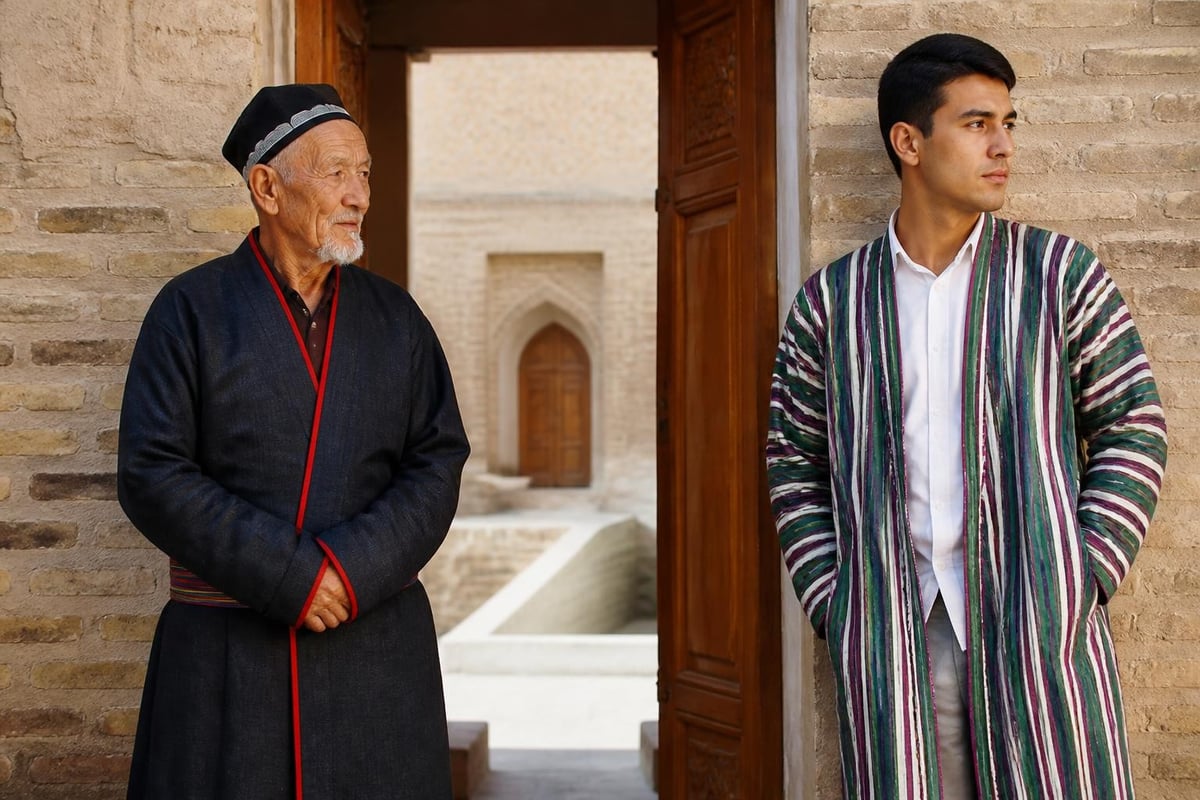
The traditional chapan robe experienced remarkable revival in recent years. These quilted, knee-length coats once distinguished social status through fabric quality and pattern complexity. Soviet authorities discouraged traditional dress, but independence sparked renewed appreciation for cultural heritage.
Modern designers now create chapans in contemporary cuts whilst honouring traditional ikat patterns. You'll find options ranging from lightweight cotton versions suitable for British autumn weather to heavy silk robes intended for ceremonial occasions. Prices vary from £60 for simple cotton chapans to over £400 for antique silk pieces featuring intricate ikat and embroidery.
When you join a free walking tour of Samarkand, guides often point out how locals incorporate traditional textiles into daily wardrobes, blending heritage with modern style.
Metalwork and Jewellery: Hammered Heritage
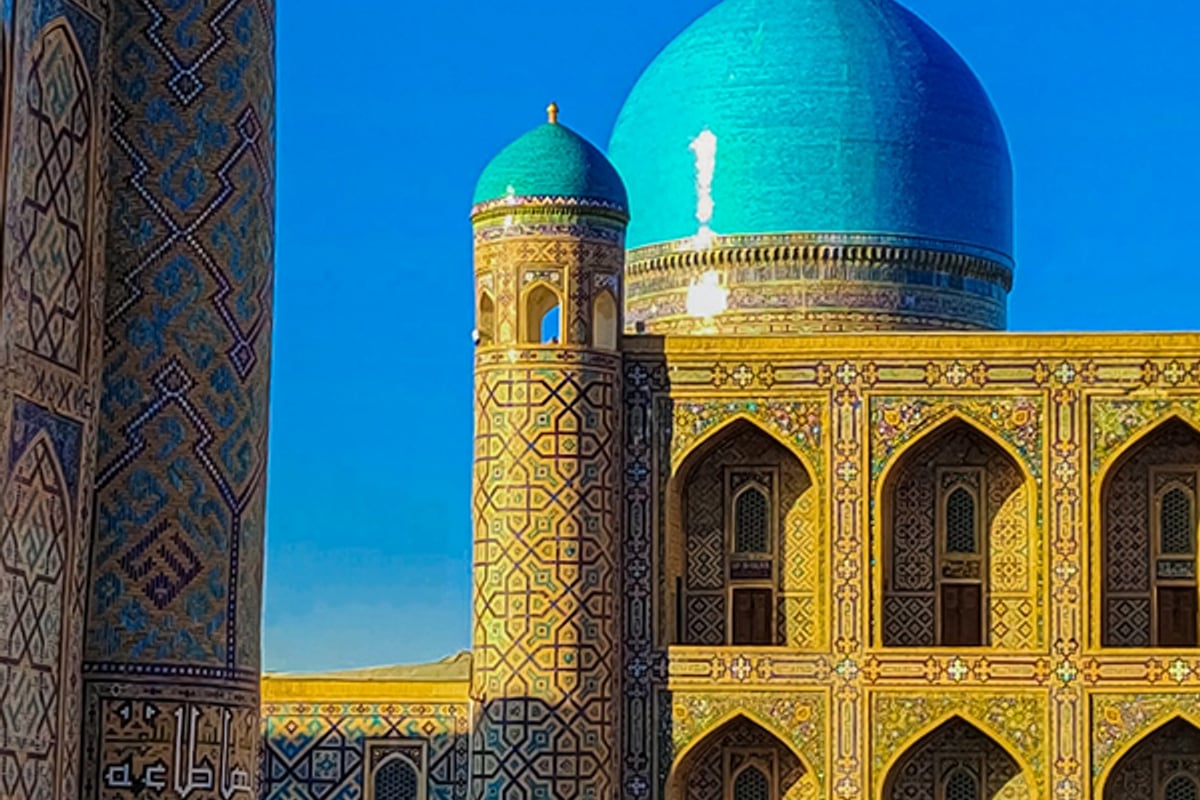
The rhythmic clang of hammer on copper echoes through Bukhara's covered trading domes, where metalworkers continue traditions stretching back to when the city controlled Silk Road commerce. Copper vessels, brass ornaments, and silver jewellery constitute another category of distinctive souvenir Uzbekistan craftspeople produce with remarkable skill.
Copper and Brass Vessels
- Kumgan (Pitcher and Basin Sets): Traditional ablution sets featuring engraved geometric patterns
- Choynak (Teapots): Long-spouted vessels designed for precise tea pouring
- Decorated Trays: Serving pieces ranging from hand-sized to enormous ceremonial platters
- Hanging Ornaments: Pierced brass lanterns and decorative medallions
Quality metalwork shows consistent, deep engraving rather than shallow surface scratching. Authentic pieces feel substantial and balanced. The patina on older items adds character, though many travellers prefer newly polished surfaces.
Traditional Jewellery Styles
Uzbek jewellery reflects multiple cultural influences. Islamic geometric preferences merge with Persian floral motifs and occasional Russian stylistic elements from the imperial era.
| Jewellery Type | Materials | Typical Features | Cultural Significance |
|---|---|---|---|
| Tilla-Kosh | Gold-washed silver | Pendant earrings, 5-8cm | Bridal jewellery, fertility symbols |
| Tumors | Silver, carnelian | Triangular amulets | Protection against evil eye |
| Bilakuzuk | Silver, turquoise | Wide cuff bracelets | Symbol of marital status |
| Zanjir | Silver chains | Multi-strand necklaces | Connect to nomadic heritage |
Contemporary jewellers reinterpret these forms with modern sensibilities. You'll find delicate silver earrings featuring miniature suzani-inspired patterns or rings incorporating traditional turquoise settings in streamlined designs.
Woodcraft: From Kitchen Utensils to Musical Instruments
Wood carving represents another vital strand in Uzbekistan's craft tapestry. Master woodworkers create everything from humble kitchen spoons to elaborately decorated chess sets, musical instruments, and architectural elements.
Practical Wooden Souvenirs
Mulberry wood dominates Uzbek woodcraft because the trees grow abundantly and the timber resists cracking. Popular items include:
Non Boards: Specialized cutting boards designed for shaping non (flatbread) before baking
Spice Boxes: Multi-compartmented containers with sliding lids
Backgammon Sets: Inlaid boards featuring geometric patterns in contrasting woods
Doira Frames: Traditional hand drums with carved patterns (though playing quality varies)
The applied folk art collections documented by cultural institutions showcase how wooden items blend utility with decoration, a hallmark of Islamic craft philosophy.
Musical Heritage in Miniature
Small decorative versions of traditional instruments make distinctive souvenirs. The dutar (two-stringed lute), rubab (plucked lute), and doira (frame drum) available in markets won't produce concert-quality sound, but they capture the aesthetic beauty and cultural significance of Uzbek musical tradition.
When selecting wooden souvenirs, inspect joints and seams carefully. Quality pieces show tight joinery without visible glue gaps. The finish should feel smooth but not plasticky-natural oils produce subtle lustre rather than high gloss.
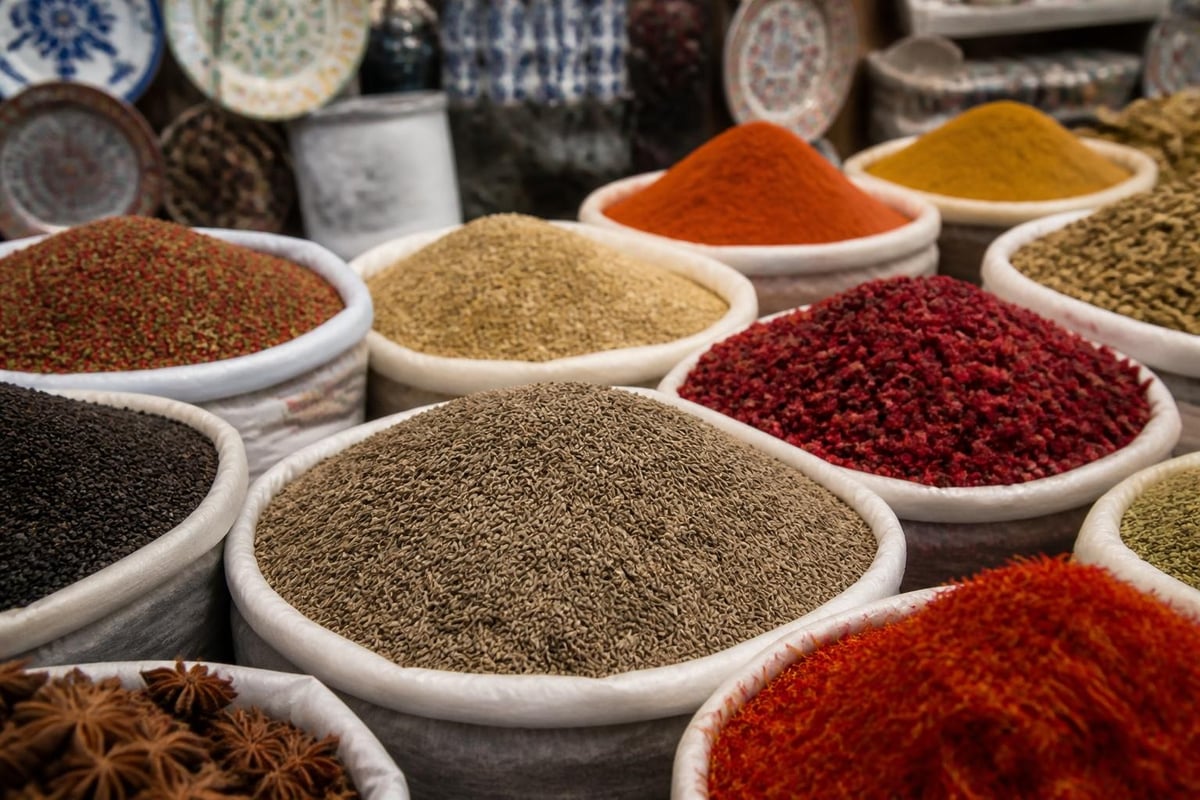
Spices, Teas, and Edible Treasures
Not every memorable souvenir Uzbekistan offers needs to last forever. The country's culinary traditions create wonderful edible keepsakes that extend your journey through taste and aroma long after you've returned home.
Signature Spices and Seasonings
- Cumin (Zira): The foundation of Uzbek pilaf, fresher and more aromatic than supermarket versions
- Dried Barberries: Tart red berries that add colour and tang to rice dishes
- Coriander Seeds: Toasted whole seeds with citrus-pine complexity
- Red Pepper Flakes: Mild to moderately hot varieties depending on region
- Mixed Pilaf Spice: Pre-blended combinations including cumin, coriander, barberries, and garlic
Chorsu Bazaar in Tashkent dedicates entire sections to spice merchants who'll blend custom mixtures whilst explaining traditional uses. Buy from vendors who store spices in sealed containers rather than open sacks exposed to air and light.
Tea Culture in a Package
Uzbek green tea (kok choy) plays a central ceremonial role in daily life. High-quality loose-leaf versions cost a fraction of European prices and taste noticeably fresher. Some merchants offer specialty blends incorporating dried fruits, flowers, or herbs.
Siyob Bazaar in Samarkand features tea vendors happy to let you sample before purchasing. This ensures you find flavours that suit your palate whilst experiencing traditional Uzbek hospitality.
Miniature Paintings and Contemporary Art
Whilst traditional crafts dominate souvenir conversations, Uzbekistan's contemporary art scene produces equally compelling keepsakes. Miniature painting, a Persian-influenced tradition, flourishes in modern interpretations that blend classical techniques with contemporary themes.
Traditional Miniature Characteristics
Authentic miniature paintings feature:
- Natural pigments ground from minerals and plants
- Gold leaf details highlighting architectural elements and clothing
- Flattened perspective following Islamic artistic conventions
- Dense composition with minimal negative space
- Narrative scenes depicting historical events, poetry, or daily life
Talented artists work in studios near major monuments, particularly around Registan Square in Samarkand. Visiting these workshops allows you to watch the painstaking process and verify authenticity.
Spotting Quality and Value
Miniature painting quality varies enormously. Museum-grade works by established masters command thousands of pounds, whilst student pieces or mass-produced prints cost under £20. Understanding the differences helps you select appropriate souvenirs within your budget.
Examine brushwork carefully. Quality miniatures show incredibly fine detail-individual brick patterns in buildings, facial expressions, textile patterns. The paint surface should appear perfectly smooth without visible brushstrokes or texture. Original work on paper feels different from prints; you'll notice slight paint relief when viewing at an angle.
Practical Guidance for Souvenir Shopping
Navigating Uzbek markets requires different skills than shopping in Western retail environments. Bargaining isn't just expected-it's part of the social ritual. Vendors quote initial prices expecting negotiation, and reaching fair value creates satisfaction on both sides.
Bargaining Basics
Start by browsing without immediately showing strong interest in specific items. Vendors read body language expertly, and obvious enthusiasm eliminates negotiating leverage. When you've identified something genuinely appealing, ask the price whilst continuing to examine other goods.
The opening quote typically sits 30-50% above the vendor's acceptable price. Counter with approximately 50-60% of the asking price. This dance continues through several rounds until you reach middle ground. Walking away often produces the vendor's actual bottom price as a final offer.
Remember that particularly fine handwork deserves fair compensation. The goal isn't extracting the absolute lowest price but reaching value that respects both the artisan's skill and your budget constraints.
Ensuring Authenticity
| Red Flags | Green Flags |
|---|---|
| Perfectly uniform stitching | Slight irregularities showing handwork |
| Synthetic, shiny threads | Natural silk or cotton with subtle sheen |
| Chemical dye smell | Neutral or slightly earthy scent |
| Suspiciously low prices | Prices reflecting time and skill investment |
| Vendor unwilling to discuss process | Detailed explanations of techniques and materials |
The British Museum’s exhibition on Silk Roads treasures demonstrates the historical importance of Uzbek material culture, providing context for understanding why authentic pieces command premium prices.
Meeting artisans directly provides the best authenticity guarantee. Many workshops welcome visitors, especially those who've learned about their craft through walking tours or personal recommendations. These interactions enrich your understanding and ensure the souvenir Uzbekistan artisan creates carries genuine provenance.
Shipping and Transport Considerations
Larger ceramic pieces, substantial textile purchases, or antique metalwork create transport challenges. Most international airlines allow 20-23kg checked baggage, which fills quickly with dense ceramics or heavy copper vessels.
Smart Packing Strategies
For Ceramics: Bubble wrap isn't readily available in bazaars, but vendors can wrap purchases in layers of newspaper and fabric scraps. Place wrapped ceramics in the centre of your suitcase surrounded by soft items like clothing. Hard-sided luggage offers better protection than soft bags.
For Textiles: Suzanis and silk fabrics compress well and weigh relatively little. Roll rather than fold to minimize creasing. Large suzanis might exceed carry-on size restrictions, so plan for checked baggage.
For Metalwork: Copper and brass items are heavy but durable. Distribute weight across multiple bags if travelling with companions. Sharp edges on engraved pieces can damage other items, so wrap carefully.
International Shipping Options
Larger purchases justify shipping costs. Samarkand, Bukhara, and Tashkent all have postal services offering international parcel post. Expect 6-8 weeks for delivery to the UK and costs approximately £15-30 per kilogram depending on service level.
Private shipping companies operate in major cities, offering faster delivery and better tracking at higher prices. For valuable antiques or substantial suzani collections, this investment provides peace of mind.
Remember that antiques over 50 years old may require export documentation. Reputable dealers handle this paperwork, but verify requirements before purchasing genuinely old pieces.
Regional Variations: Where to Find What
Uzbekistan's different cities and regions specialize in particular crafts, making your souvenir hunting more focused and rewarding when you understand these distinctions.
Samarkand Specialties
- High-quality suzani (particularly Urgut region)
- Contemporary miniature paintings
- Handmade paper from mulberry bark
- Jewellery incorporating turquoise and carnelian
- Decorative ceramics influenced by tilework patterns
Bukhara's Unique Offerings
- Antique metalwork and vintage textiles
- Gold embroidery (zardozi) on velvet
- Miniature painted boxes
- Bukhara rugs and carpets
- Authentic 18th-19th century coins
Fergana Valley Treasures
- Rishtan ceramics (cobalt blue pottery)
- Margilan silk and ikat fabrics
- Kokand pottery with distinctive yellow glazes
- Hand-carved wooden items
- Traditional knives with decorated handles
Understanding these specializations helps you prioritize which cities to allocate more shopping time. Samarkand offers the broadest selection across categories, whilst Bukhara excels in antiques and the Fergana Valley provides the finest textiles and ceramics.
The Stories Behind Your Souvenirs
Every authentic souvenir Uzbekistan artisan creates carries human stories. The grandmother teaching embroidery patterns. The potter whose family has worked the same clay deposit for twelve generations. The metalworker who learned engraving techniques as a ten-year-old apprentice.
These narratives transform objects from mere decorative items into meaningful connections with a culture and place. When you display that suzani on your wall or serve tea in a Rishtan bowl, you're not just using attractive objects. You're participating in living traditions that survived empires, revolutions, and the homogenizing pressures of globalization.
Take time during your travels to ask questions. Most artisans love sharing their knowledge, especially with genuinely interested visitors. Through walking tours and market interactions, you'll gather the context that makes your souvenirs truly precious-not because of monetary value but because of the understanding and appreciation you've developed.
The weight of that ceramic lyagan, the texture of hand-spun silk thread, the irregularity proving human hands shaped every element-these qualities resist mass production's efficiency. They represent choices to preserve heritage even when faster, cheaper methods exist. Supporting these artisans ensures these traditions continue for future generations to discover and cherish.
The souvenirs you select from Uzbekistan's markets and workshops become far more meaningful when you understand the cultural context, artistic traditions, and human stories behind them. Whether you're drawn to intricate suzani embroidery, cobalt-glazed Rishtan ceramics, or contemporary miniature paintings, each piece connects you to Central Asia's extraordinary Silk Road heritage. Visit Samarkand helps you discover these treasures through guided explorations that reveal not just where to shop, but why these crafts matter and how to recognize authentic quality-transforming your souvenir hunting into genuine cultural engagement that honours the artisans who keep these ancient traditions alive.