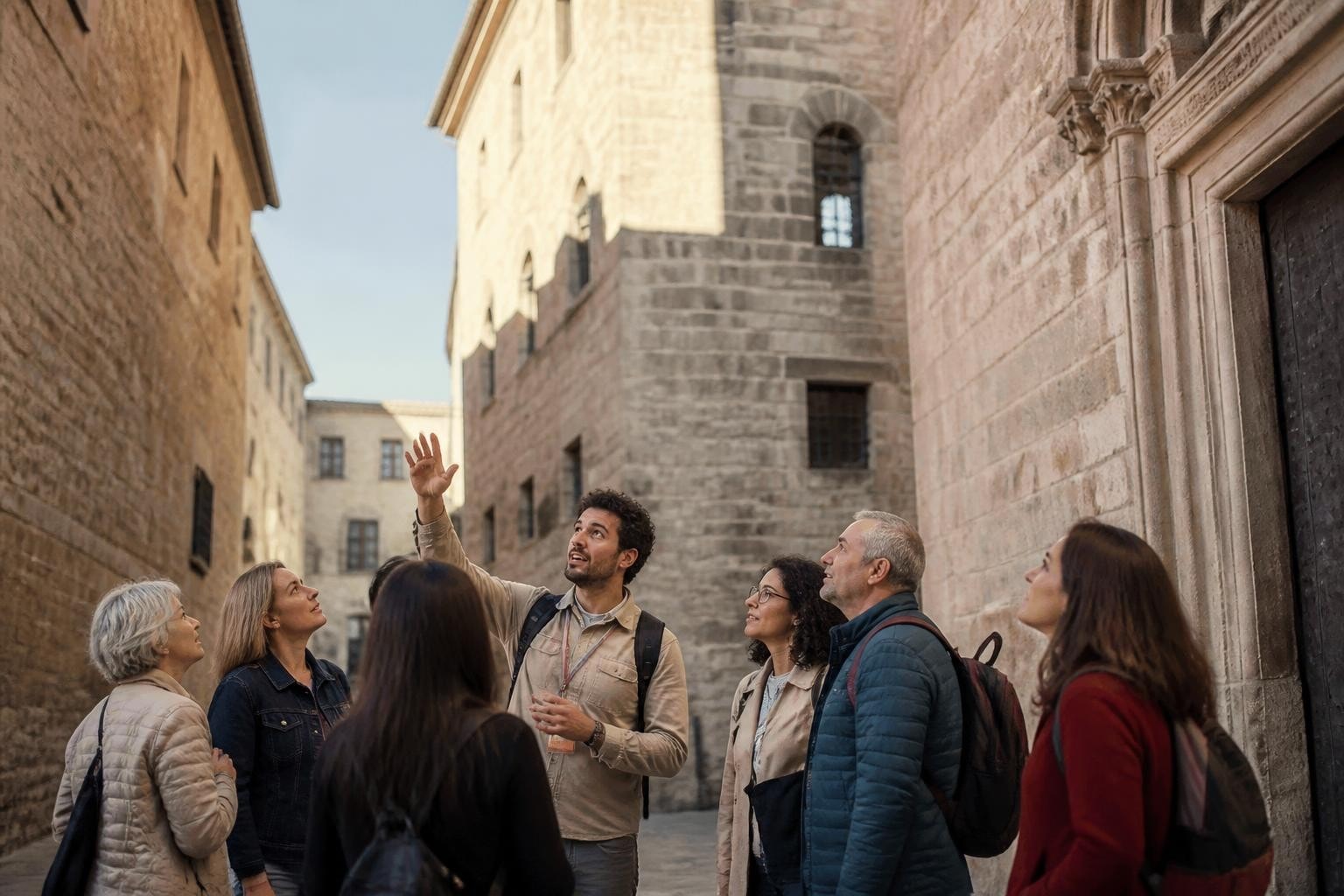
There's something magical about discovering a city on foot, particularly when you're following the stories woven through its streets by someone who knows every corner, every legend, and every hidden treasure. Tour walking has evolved from simple city strolls into immersive cultural experiences that connect travellers with destinations in ways that bus tours and audio guides simply cannot match. In 2026, this approach to exploration has become more popular than ever, with walkers seeking authentic encounters and local insights that bring history to life beneath their feet.
The Evolution of Tour Walking
The practice of tour walking has transformed dramatically over the past decade. What began as informal meetups led by passionate locals has blossomed into a sophisticated industry offering everything from architectural deep-dives to culinary adventures through historic quarters.
Walking tours today cater to every interest imaginable. Food enthusiasts can taste their way through neighbourhoods, history buffs can trace ancient trade routes, and photography lovers can capture perfect shots whilst learning about composition from expert guides. The beauty lies in the variety and the personal connection these experiences foster.
Why Walking Tours Matter in 2026
Modern travellers crave authenticity. They want to understand the soul of a place, not just tick off landmarks from a list. Tour walking delivers this authenticity by creating intimate group sizes where questions flow freely and conversations develop naturally between guide and participants.
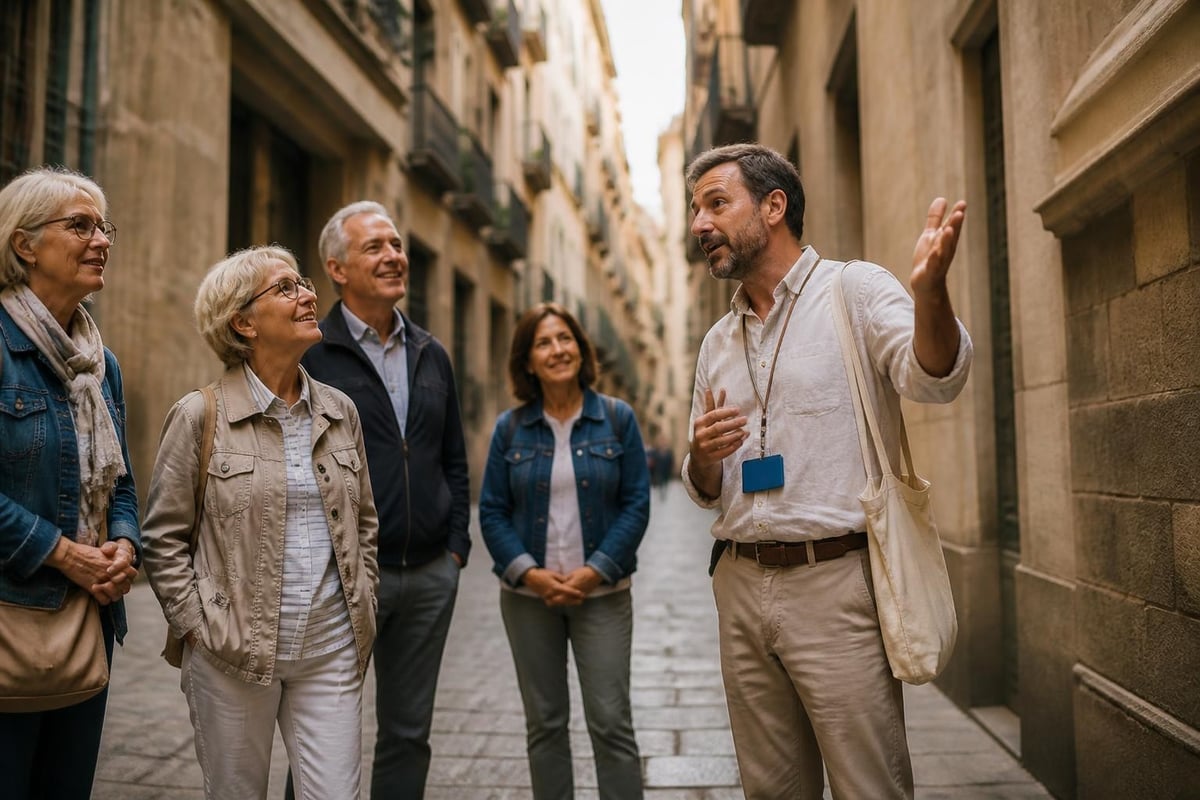
The environmental benefits cannot be ignored either. As sustainable tourism gains momentum, walking tours represent the lowest-impact way to explore urban environments. No emissions, no noise pollution-just the gentle rhythm of footsteps and the rustle of discovery.
Key benefits of tour walking include:
- Direct interaction with knowledgeable local guides
- Flexible pacing that accommodates different fitness levels
- Opportunity to ask questions and deviate from rigid itineraries
- Access to pedestrian-only areas inaccessible to vehicles
- Genuine connections with fellow travellers
- Support for local economies through guide employment
Planning Your Walking Tour Experience
Successful tour walking requires more thoughtful preparation than many assume. The difference between an exhausting trudge and an exhilarating exploration often comes down to planning decisions made before you lace up your shoes.
Choosing the Right Tour
Not all walking tours suit every traveller. Consider your interests, fitness level, and the amount of time you have available. Some tours last ninety minutes and cover compact historic centres, whilst others stretch across four or five hours, encompassing wider districts and multiple neighbourhoods.
Research the tour operator's reputation thoroughly. Read recent reviews, check whether guides receive proper training, and understand the booking terms. Free walking tours have democratized access to quality guided experiences, though tipping guides fairly remains essential etiquette.
| Tour Type | Typical Duration | Best For | Difficulty Level |
|---|---|---|---|
| Historical Overview | 2-3 hours | First-time visitors | Easy |
| Neighbourhood Deep-Dive | 3-4 hours | Return visitors | Moderate |
| Thematic Specialist | 2 hours | Specific interests | Easy-Moderate |
| Full-Day Explorer | 5-6 hours | In-depth learning | Moderate-Challenging |
Essential Preparation Steps
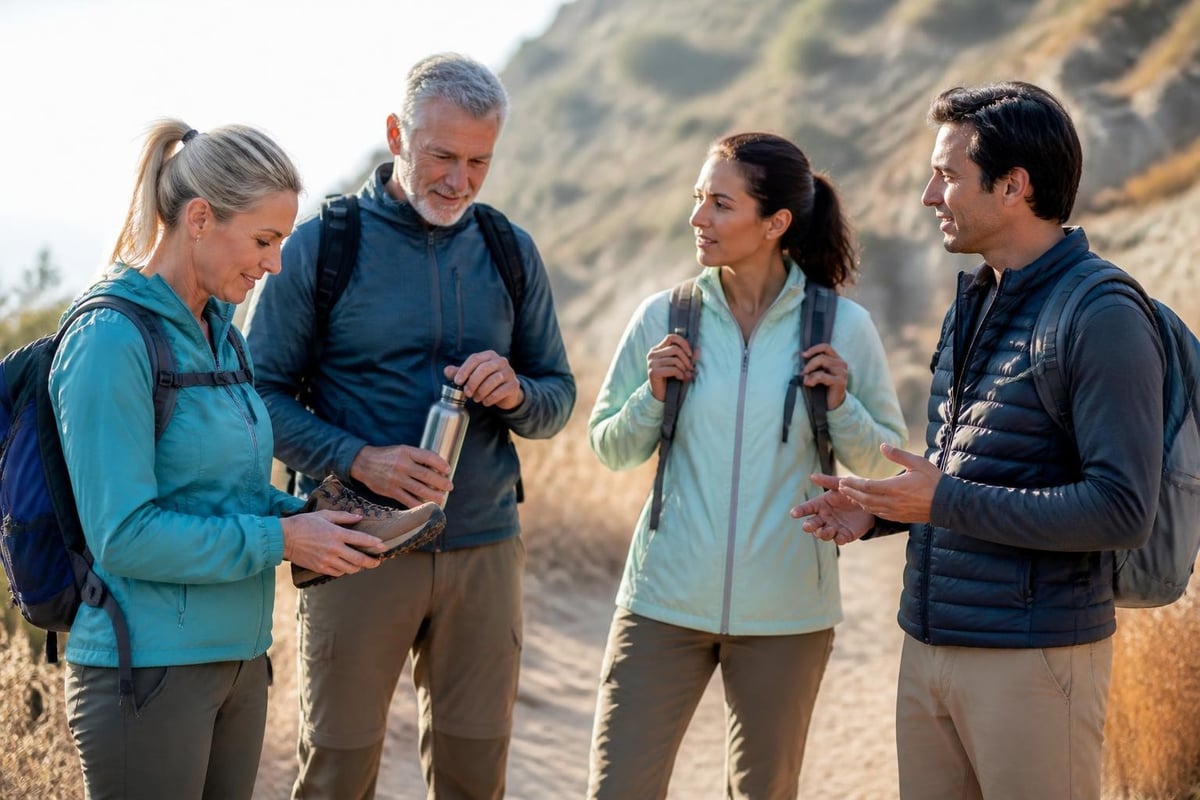
- Wear appropriate footwear that you've already broken in-new shoes spell disaster on cobblestones
- Check the weather forecast and dress in layers you can adjust throughout the day
- Bring water even for short tours, as dehydration affects concentration and enjoyment
- Charge your phone but resist the urge to photograph everything at the expense of presence
- Eat beforehand so low blood sugar doesn't undermine your experience
- Arrive early to introduce yourself to the guide and settle into the group dynamic
The University of Nebraska-Lincoln emphasizes the importance of route planning and staying alert to surroundings, advice that applies equally whether you're walking independently or with a group.
Safety Considerations for Tour Walking
Safety might not seem glamorous, but it's fundamental to enjoying tour walking without incident. Both tour operators and participants share responsibility for maintaining secure environments throughout excursions.
Group Safety Dynamics
Walking in organized groups provides inherent security advantages. Guides monitor participants, ensure no one gets separated, and navigate safely through busy intersections and crowded spaces. However, individual awareness remains crucial.
The City of Tampa recommends walking in pairs and staying alert, principles that extend naturally to group tour contexts. Even within organized tours, maintaining situational awareness prevents accidents and theft.
Personal safety checklist for tour walking:
- Keep valuables secure in front-facing bags or hidden pockets
- Stay with the group and inform the guide if you need to step away
- Watch for uneven pavement, especially in historic districts
- Avoid using phones whilst walking through traffic
- Stay hydrated and communicate if you feel unwell
- Know basic local emergency numbers
Weather and Physical Challenges
Different seasons present unique challenges for tour walking. Summer heat demands sun protection and frequent hydration breaks, whilst winter conditions require appropriate layering and traction-enhanced footwear for icy surfaces.
Texas A&M University provides valuable guidance on starting walking routines safely, including advice on proper footwear and hydration that directly applies to tour participation. Listen to your body and don't push beyond comfortable limits-good guides will accommodate varying fitness levels.
Maximizing Your Tour Walking Experience
Getting the most from tour walking involves more than simply showing up and following along. Active participation and thoughtful engagement transform good tours into unforgettable journeys.
Engaging with Your Guide
Guides appreciate curious participants who ask thoughtful questions. They've spent years accumulating knowledge and genuinely enjoy sharing deeper insights when prompted. Don't hesitate to seek clarification or request elaboration on topics that fascinate you.
However, balance curiosity with consideration for others. Save lengthy discussions for tour endings when you can chat privately with guides whilst others depart. This respects everyone's time whilst still satisfying your intellectual hunger.
Taking Meaningful Notes
Whilst smartphones make capturing information easy, consider bringing a small notebook for jotting down recommendations, historical dates, or quotations that resonate. The physical act of writing enhances memory retention and creates a tangible souvenir of your experience.
Photograph strategically rather than constantly. Choose moments that capture atmosphere and context, not just architectural details you could find online. The best photographs emerge when you're present and engaged, not distracted by screens.
The Cultural Impact of Tour Walking
Tour walking serves functions beyond individual enjoyment. These excursions play vital roles in cultural preservation, economic development, and cross-cultural understanding throughout destinations worldwide.
Preserving Local Stories
In an age of rapid globalization, tour walking helps preserve regional narratives that might otherwise fade into obscurity. Guides share folklore, family histories, and community memories that formal history books overlook, keeping these stories alive through oral tradition.
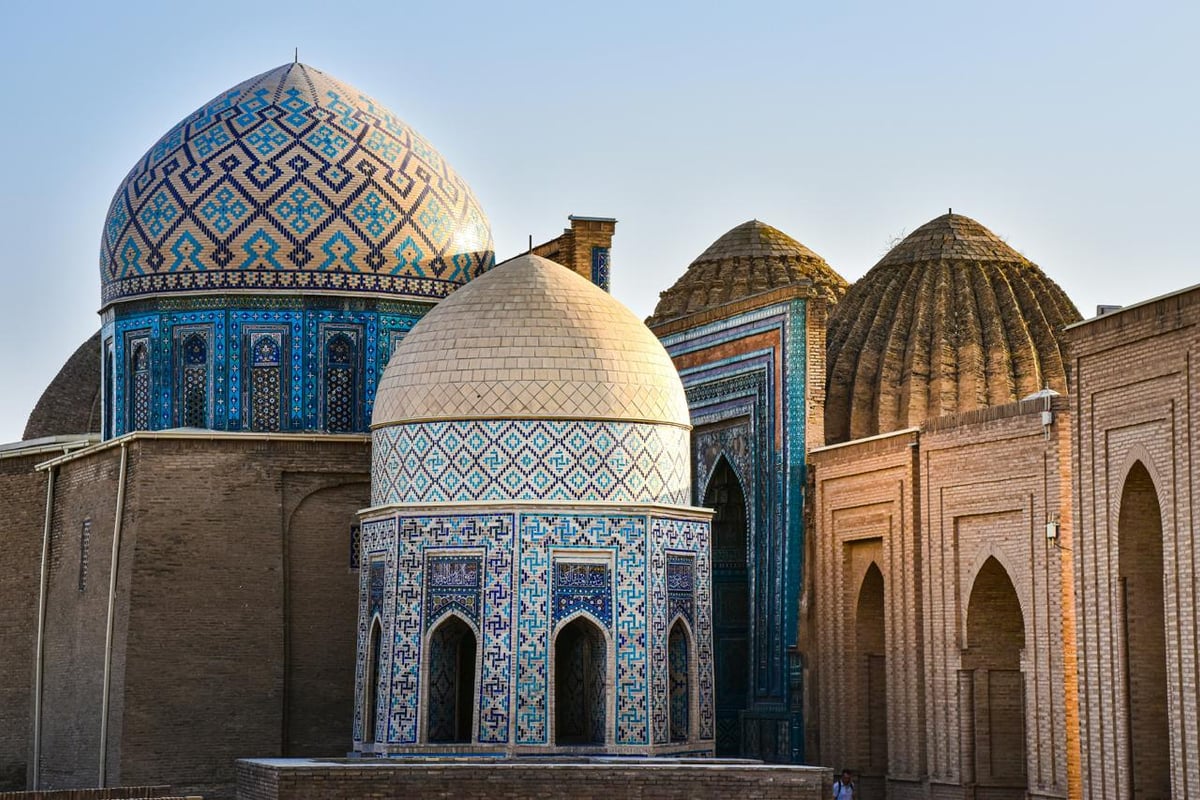
When you participate in a free walking tour of Samarkand, you're not just learning about architecture and dates-you're becoming part of an ongoing conversation between past and present. Guides share legends passed down through generations, connecting ancient Silk Road heritage with contemporary life.
Economic and Social Benefits
Tour walking creates sustainable employment for local residents who possess deep community knowledge. Unlike many tourism sectors that extract profits to distant corporations, walking tours typically support individuals and small businesses directly embedded within destinations.
| Benefit Category | Impact on Communities |
|---|---|
| Employment | Direct income for local guides and indirect support for cafés, shops |
| Cultural Exchange | Meaningful dialogue between residents and visitors |
| Heritage Awareness | Increased community pride and preservation efforts |
| Sustainable Tourism | Low environmental impact with high cultural value |
These economic benefits ripple outward. Tour participants often purchase from businesses their guides recommend, dine at family restaurants, and return for deeper exploration, creating sustained economic impact beyond the tour itself.
Specialized Tour Walking Approaches
The world of tour walking extends far beyond general historical overviews. Specialized tours cater to niche interests, creating communities of enthusiasts who share particular passions.
Thematic Walking Experiences
Architectural tours dissect building styles, construction techniques, and urban planning evolution. Literary walks trace authors' footsteps through neighbourhoods that inspired famous works. Ghost tours blend history with entertainment, exploring darker chapters through atmospheric evening rambles.
Food tours represent perhaps the fastest-growing specialty category, combining walking with tasting to create multisensory experiences. Participants might sample seven dishes across four hours, learning about culinary history whilst satisfying appetites.
Accessibility and Inclusive Tour Walking
Progressive tour operators increasingly prioritize accessibility, designing routes that accommodate wheelchair users, providing sensory experiences for visually impaired participants, and creating quiet-friendly options for those with sensory processing differences.
The Blue Walk emphasizes preparation for extensive walking, including foot care and pacing strategies that benefit anyone concerned about physical demands. Communicating access needs when booking ensures operators can accommodate requirements or suggest suitable alternatives.
Building Tour Walking into Your Travel Strategy
Savvy travellers incorporate tour walking strategically into broader itineraries, using these experiences as foundations for deeper exploration rather than isolated activities.
Timing Your Tours
Schedule walking tours early in your visit, ideally within the first day or two. Guides provide orientation, recommend restaurants and attractions, and answer practical questions about navigation and local customs. This knowledge enriches your entire stay.
Morning tours often offer advantages-cooler temperatures, better light for photography, and fewer crowds at popular sites. However, evening tours provide unique atmospheres, particularly in cities where architecture illuminates beautifully or night markets come alive.
Following Up After Tours
The real magic of tour walking often unfolds after the official experience ends. Return independently to sites that particularly interested you, armed with context and understanding gained through guided interpretation. Revisit that tucked-away courtyard, that viewpoint overlooking the valley, that artisan workshop your guide mentioned.
Many participants develop ongoing relationships with guides, seeking recommendations for future visits or even maintaining correspondence that deepens cultural understanding over time. These connections represent tour walking at its finest-genuine human bonds formed through shared discovery.
The Health Benefits of Tour Walking
Beyond cultural and educational advantages, tour walking provides significant physical and mental health benefits that enhance overall wellbeing during travel and beyond.
Physical Wellness Through Walking
Mayo Clinic's Sports Medicine department highlights how walking helps trim waistlines and improve health, making tour walking a pleasant way to maintain fitness whilst travelling. Unlike gym sessions or forced exercise, walking tours disguise physical activity within engaging experiences.
Most walking tours cover between three to six kilometres, providing moderate cardiovascular exercise whilst remaining accessible to various fitness levels. The varied pace-stopping for explanations, pausing for photographs, occasional stair climbing-creates natural interval training that benefits heart health without exhausting participants.
Mental and Emotional Wellbeing
Walking outdoors reduces stress, improves mood, and enhances cognitive function. When combined with learning new information and experiencing novel environments, tour walking creates powerful mental stimulation that keeps minds sharp and engaged.
The social dimension matters too. Travelling can feel isolating, particularly for solo explorers. Walking tours create instant communities where conversations spark naturally and temporary friendships form around shared interests and experiences.
Technology and Modern Tour Walking
Technology has transformed tour walking in recent years, though the fundamental appeal of human-led exploration remains unchanged. Smart integration enhances experiences without replacing the irreplaceable element of personal guidance.
Digital Enhancements
GPS-enabled apps help participants navigate to meeting points, whilst translation tools break down language barriers during international tours. Many operators now offer hybrid experiences where audio components supplement live guiding for optional deeper dives into specific topics.
Social media has democratized tour discovery, with travellers sharing recommendations and reviews across platforms. However, the ephemeral nature of human interaction-the spontaneous joke, the adapted route based on group interests, the personalized recommendation-remains impossible to digitize.
Booking and Communication
Online booking systems have simplified tour access whilst creating transparency around pricing, availability, and operator credentials. Read recent reviews carefully, as tour quality can vary even within the same company depending on individual guides.
Direct communication with operators before booking helps clarify questions about accessibility, group sizes, or content focus. Reputable companies respond promptly and helpfully, a good indicator of overall service quality.
Tour walking represents travel at its most human and authentic, creating connections between places, people, and stories that transform how we understand the world around us. Whether you're exploring familiar streets with fresh perspective or discovering entirely new destinations, guided walks offer unmatched depth and accessibility. Visit Samarkand brings this transformative approach to one of Central Asia's most historically significant cities, offering both free and paid walking tours that reveal hidden gems and centuries of Silk Road heritage through the eyes of passionate local guides.