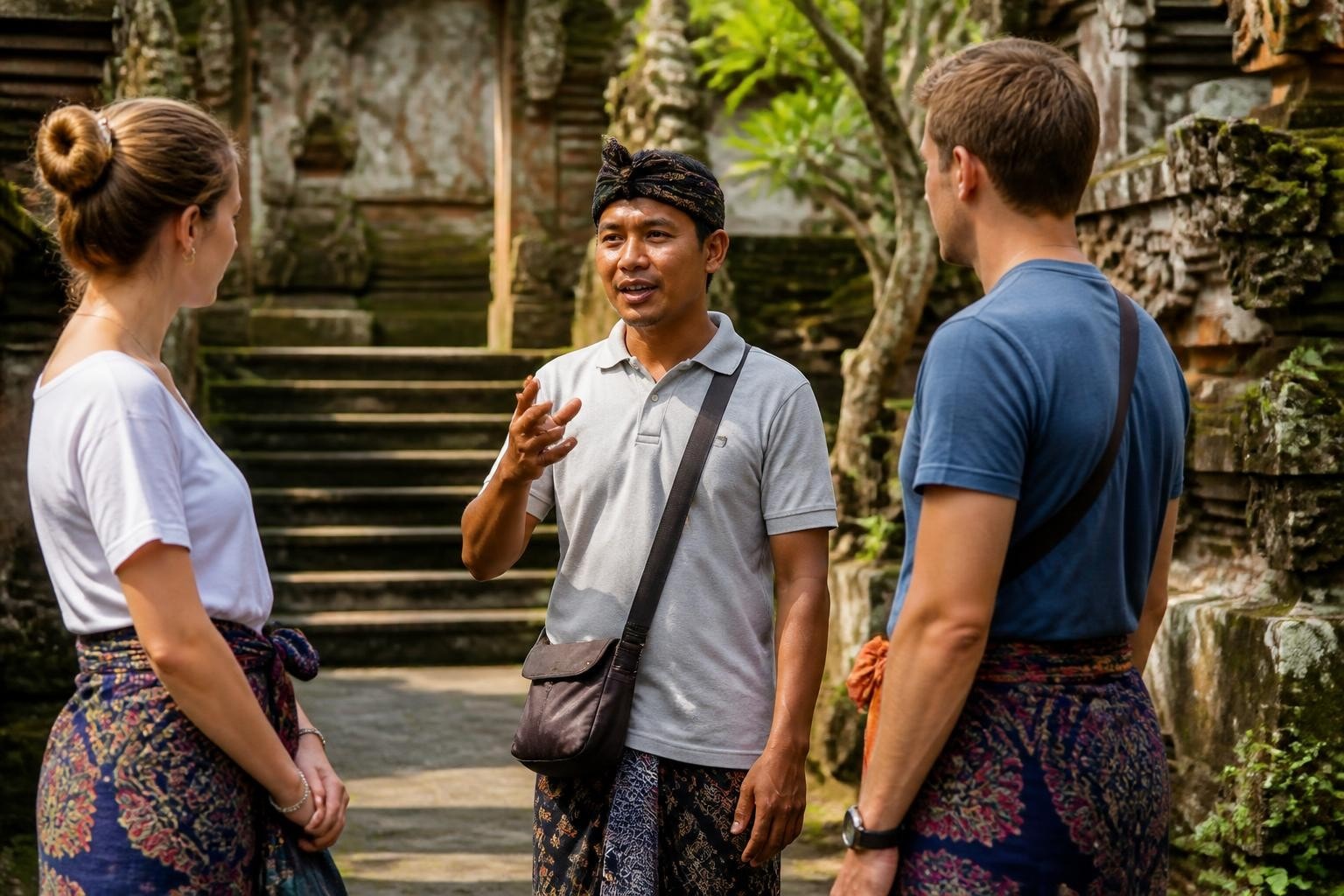
The sun rises over ancient domes and turquoise tiles, and somewhere between the guidebook and the cobblestone beneath your feet, a story waits to be discovered. Tourist trips have evolved dramatically from their rigid, checklist-driven origins into something far more nuanced-journeys that weave together heritage, human connection, and the kind of moments that linger long after the suitcase is unpacked. In 2026, travellers aren't just visiting destinations; they're seeking experiences that resonate on a deeper level, transforming simple sightseeing into genuine cultural exchange.
The Changing Landscape of Tourist Trips
Tourist trips today reflect a fundamental shift in how we approach travel. Gone are the days when success was measured solely by the number of stamps in a passport or selfies at famous monuments.
Modern travellers crave authenticity. They want to taste bread baked in a centuries-old tandoor, hear stories passed down through generations, and understand the rhythm of daily life in the places they visit. This evolution hasn't happened overnight-it's the result of increased accessibility, digital connectivity, and a collective recognition that tourism can be both enlightening and responsible.
Understanding What Makes a Trip Truly Tourist-Focused
The term "tourist trip" might conjure images of coach buses and camera-laden groups, but the reality is far more diverse. These journeys encompass everything from meticulously planned cultural tours to spontaneous wanderings through local markets.
Key elements that define memorable tourist trips:
- Guided expertise that provides context and depth
- Cultural immersion opportunities beyond surface-level observation
- Flexible itineraries that allow for discovery
- Sustainable practices that respect local communities
- Safety and accessibility considerations
According to World Travel & Tourism Council research, the tourism sector's economic contribution has rebounded significantly, with travellers increasingly prioritising quality experiences over quantity of destinations visited.
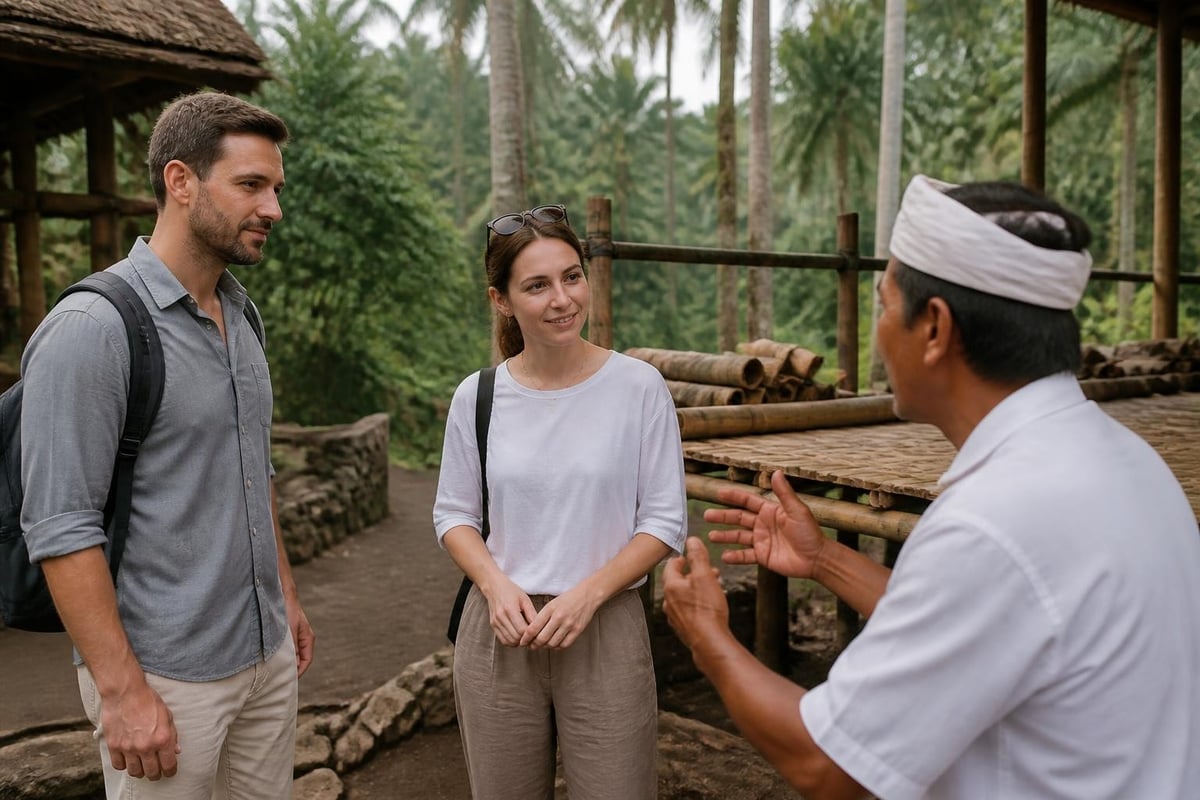
Planning Your Tourist Trip: From Dream to Departure
Every remarkable journey begins with a question: What do I want to discover? The planning phase sets the tone for everything that follows, and in 2026, the tools and approaches available have never been more sophisticated.
Research That Goes Beyond Search Engines
Start by understanding not just what to see, but why it matters. Historical context transforms ruins into stories; cultural knowledge turns meals into memories. When researching tourist trips, dig into local blogs, watch documentary content, and read accounts from travellers who've walked those paths before you.
The World Economic Forum’s Travel & Tourism Development Index offers valuable insights into destination sustainability and readiness, helping you choose places that balance visitor infrastructure with authentic preservation.
| Planning Phase | Traditional Approach | Modern Best Practice |
|---|---|---|
| Destination selection | Popular rankings | Personal interests + impact consideration |
| Accommodation | Star ratings only | Local character + community benefit |
| Activities | Top 10 lists | Mix of guided experiences and free exploration |
| Budget | Fixed package price | Flexible allocation prioritising meaningful experiences |
Booking Strategies for 2026
The booking landscape has become increasingly nuanced. While package deals still exist, savvy travellers now blend different booking methods to create customised experiences.
Smart booking tactics include:
- Early research for free walking tours and local-led experiences
- Direct booking with small operators when possible
- Flexible dates to take advantage of shoulder seasons
- Travel insurance that covers modern contingencies
- Health preparation following guidance from CDC Travelers’ Health resources
Tourist trips benefit enormously from a foundation of thorough preparation, but the most magical moments often arise from space left unplanned-time to follow a recommendation, explore a side street, or accept an unexpected invitation.
The Art of Cultural Exploration on Tourist Trips
Once you've arrived, the real journey begins. Cultural exploration isn't about ticking boxes; it's about opening yourself to perspective shifts and genuine encounters.
Walking Tours: The Gateway to Authentic Discovery
Few experiences offer better value-both financially and experientially-than well-crafted walking tours. They provide orientation, historical context, and often become the highlight of any tourist trip.
Free walking tours in destinations like Samarkand exemplify this approach, making guided cultural exploration accessible to travellers regardless of budget whilst supporting local guides who are passionate about sharing their heritage.
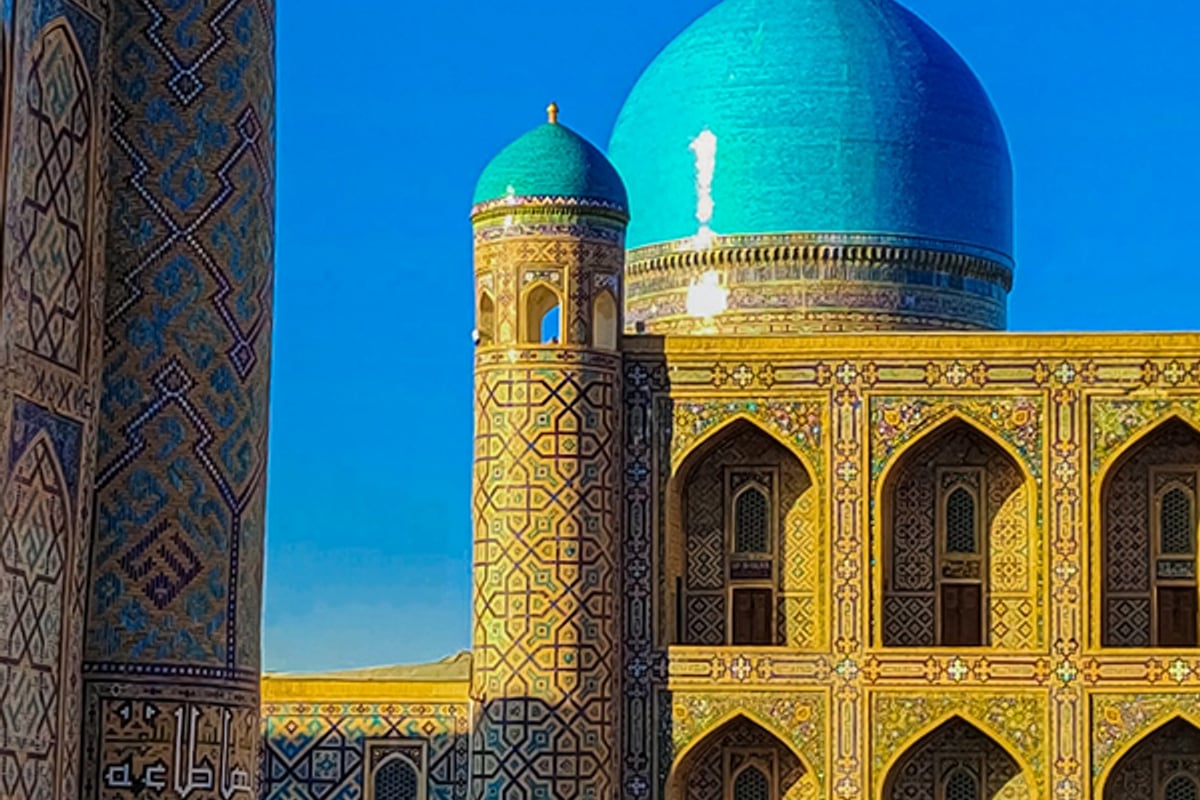
These excursions transform the experience from mere sightseeing into storytelling, where every monument, market, and mosque comes alive through the narratives of those who call the place home. The Silk Road cities, with their layered histories of conquest, commerce, and creativity, particularly benefit from expert interpretation that helps visitors understand the significance of what they're witnessing.
Beyond the Guidebook Highlights
The tension between must-see landmarks and hidden gems defines many tourist trips. How do you honour the iconic whilst discovering the overlooked?
- Morning strategy: Visit popular sites early, before crowds
- Afternoon exploration: Seek neighbourhood cafes and local workshops
- Evening immersion: Attend cultural performances or community events
According to insights from Deloitte’s 2026 travel industry outlook, experiential travel continues its upward trajectory, with travellers allocating more budget to activities that provide genuine cultural engagement rather than passive consumption.
Sustainable and Responsible Tourist Trips
The conversation around tourism's impact has matured considerably. Today's conscientious traveller recognises that every journey carries both opportunity and responsibility.
Making Positive Contributions
Tourist trips can be forces for good when approached thoughtfully. Your presence, spending, and interactions all ripple outward, affecting communities in ways both visible and subtle.
Practical ways to travel responsibly:
- Choose guides and operators from local communities
- Eat at family-run restaurants rather than international chains
- Purchase handicrafts directly from artisans
- Respect photography guidelines, especially at sacred sites
- Learn basic phrases in the local language
- Follow local customs regarding dress and behaviour
Understanding Overtourism and Its Solutions
Some destinations struggle under visitor pressure whilst others welcome more tourists. Research from the World Economic Forum highlights that successful tourist trips increasingly involve choosing less-pressured destinations or visiting popular places during off-peak periods.
The concept of "slow travel"-spending longer in fewer places-has gained traction as travellers recognise that depth of experience often matters more than breadth of territory covered.
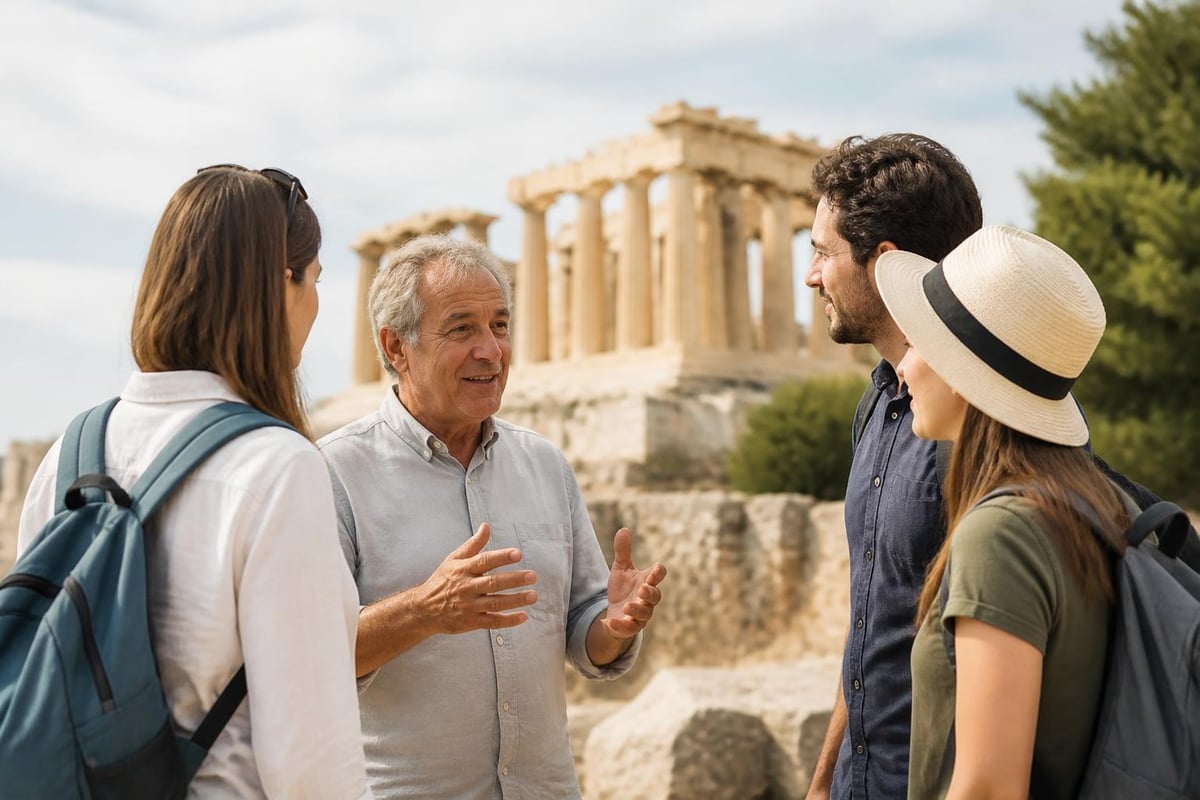
Emerging Trends Shaping Tourist Trips
The travel landscape continues evolving, influenced by technology, environmental awareness, and shifting values. Understanding these trends helps you craft tourist trips that align with current best practices.
Technology-Enhanced Exploration
Digital tools now complement rather than replace human expertise. Virtual reality pre-trip research, translation apps that facilitate conversation, and mobile guides that provide on-demand information all enhance the tourist trip experience without diminishing the essential human elements.
Yet the most successful journeys in 2026 still centre on person-to-person connection-the guide who shares family recipes, the shop owner who explains traditional crafts, the fellow traveller who offers an unexpected perspective.
Adventure and Experiential Focus
Data from the Adventure Travel Trade Association’s 2026 report reveals growing interest in active, immersive tourist trips that challenge participants physically and intellectually. This doesn't necessarily mean extreme sports; often it's about engaging more actively with destinations through cooking classes, craft workshops, or volunteer opportunities.
| Trend | Description | Example Application |
|---|---|---|
| Micro-adventures | Short, intense local experiences | Day hikes to archaeological sites |
| Skill-learning travel | Trips focused on acquiring new abilities | Traditional craft workshops |
| Heritage immersion | Deep dives into cultural practices | Multi-day cultural festivals |
| Culinary tourism | Food-centred exploration | Market tours and cooking sessions |
Budgeting and Value in Modern Tourist Trips
The relationship between cost and value has grown more complex. Savvy travellers now allocate their budgets strategically, splurging on experiences that matter whilst economising on elements that don't.
Where to Invest Your Travel Budget
High-value expenditures:
- Quality guided tours that provide expert interpretation
- Locally-owned accommodation with character
- Authentic cultural experiences and performances
- Meals at establishments that source locally
Lower-priority spending:
- Generic souvenir shop purchases
- International chain accommodation
- Tourist-trap restaurants near major sites
Research from Skift indicates that 2026 travellers are willing to pay premium prices for authenticity and expertise, but increasingly resistant to perceived tourist exploitation or low-value experiences.
Free and Low-Cost Enrichment
Many of the most rewarding aspects of tourist trips cost little or nothing. Walking through historic neighbourhoods, attending local markets, observing daily life, and engaging in conversation with residents provide insight that no amount of money can purchase.
Free walking tours, supported through tip-based models, democratise access to expert guidance whilst allowing travellers to pay according to their means and the value received. This approach has revolutionised tourist trips to heritage destinations, making cultural education accessible whilst supporting local guide communities.
Health, Safety, and Practical Considerations
The practicalities matter enormously. Even the most culturally rich tourist trip can be derailed by preventable health issues or safety oversights.
Pre-Trip Health Preparation
Consult CDC travel health resources specific to your destination at least 4-6 weeks before departure. Required or recommended vaccinations, medication considerations, and health precautions vary significantly by region.
Essential health preparations include:
- Vaccination review and updates
- Prescription medications in original packaging
- Basic first-aid supplies
- Travel insurance with medical coverage
- Understanding of local healthcare access
Safety Without Paranoia
Tourist trips require awareness rather than anxiety. Research destination-specific considerations, register with your embassy if appropriate, and maintain situational awareness without letting fear prevent genuine engagement.
The reality is that most destinations welcome visitors warmly, and problems arise far less frequently than sensationalised media coverage might suggest. Common sense-securing valuables, avoiding isolated areas at night, trusting your instincts-serves travellers well across virtually all contexts.
The Emotional Journey of Tourist Trips
Beyond logistics and itineraries lies the emotional arc of travel-the anticipation, challenges, delights, and transformations that define memorable journeys.
Embracing the Unexpected
The gap between expectation and reality defines many tourist trips. Weather changes plans, language barriers create confusion, exhaustion sets in. Yet these moments of disruption often become the stories we tell, the experiences that reveal character and build resilience.
Flexibility matters more than perfect execution. The "failed" day that leads to an unexpected discovery, the wrong turn that reveals a hidden neighbourhood, the cancelled tour that frees time for spontaneous connection-these deviations from plan often deliver the richest rewards.
Building Connections That Transcend Tourism
The distinction between tourist and traveller has been debated endlessly, but perhaps it's less about labels and more about approach. Tourist trips become transformative when they create genuine human connection, when curiosity trumps judgment, and when we're willing to be students rather than merely observers.
These connections manifest in countless ways: the guide who shares personal stories alongside historical facts, the shop owner who invites you for tea, the fellow traveller who becomes a lifelong friend, the local who helps when you're lost and confused.
Bringing the Journey Home
The final measure of any tourist trip isn't what we saw but what we carry forward-how the experience shifts perspective, influences choices, and enriches our understanding.
Processing and Sharing Your Experience
Give yourself time after returning to reflect on what you've experienced. Journal about moments that surprised or moved you, share photos thoughtfully rather than indiscriminately, and seek opportunities to support the places and people who hosted you.
Many travellers find that their appreciation deepens in the weeks and months following a trip, as immediate impressions mature into lasting understanding. The flavours, sounds, and stories that seemed overwhelming in the moment settle into clearer patterns, revealing connections you didn't initially perceive.
Tourist trips in 2026 represent something far richer than simple vacation getaways-they're opportunities for education, connection, and transformation that benefit both traveller and host communities when approached thoughtfully. Whether you're drawn to the ancient Silk Road cities or seeking cultural immersion closer to home, the principles remain consistent: research thoroughly, engage authentically, travel responsibly, and remain open to the unexpected moments that make journeys truly memorable. Visit Samarkand offers an accessible entry point to this kind of meaningful exploration, where free walking tours and expert local guides transform sightseeing into genuine cultural exchange, making the rich heritage of one of Central Asia's most remarkable cities available to all who wish to discover its stories.