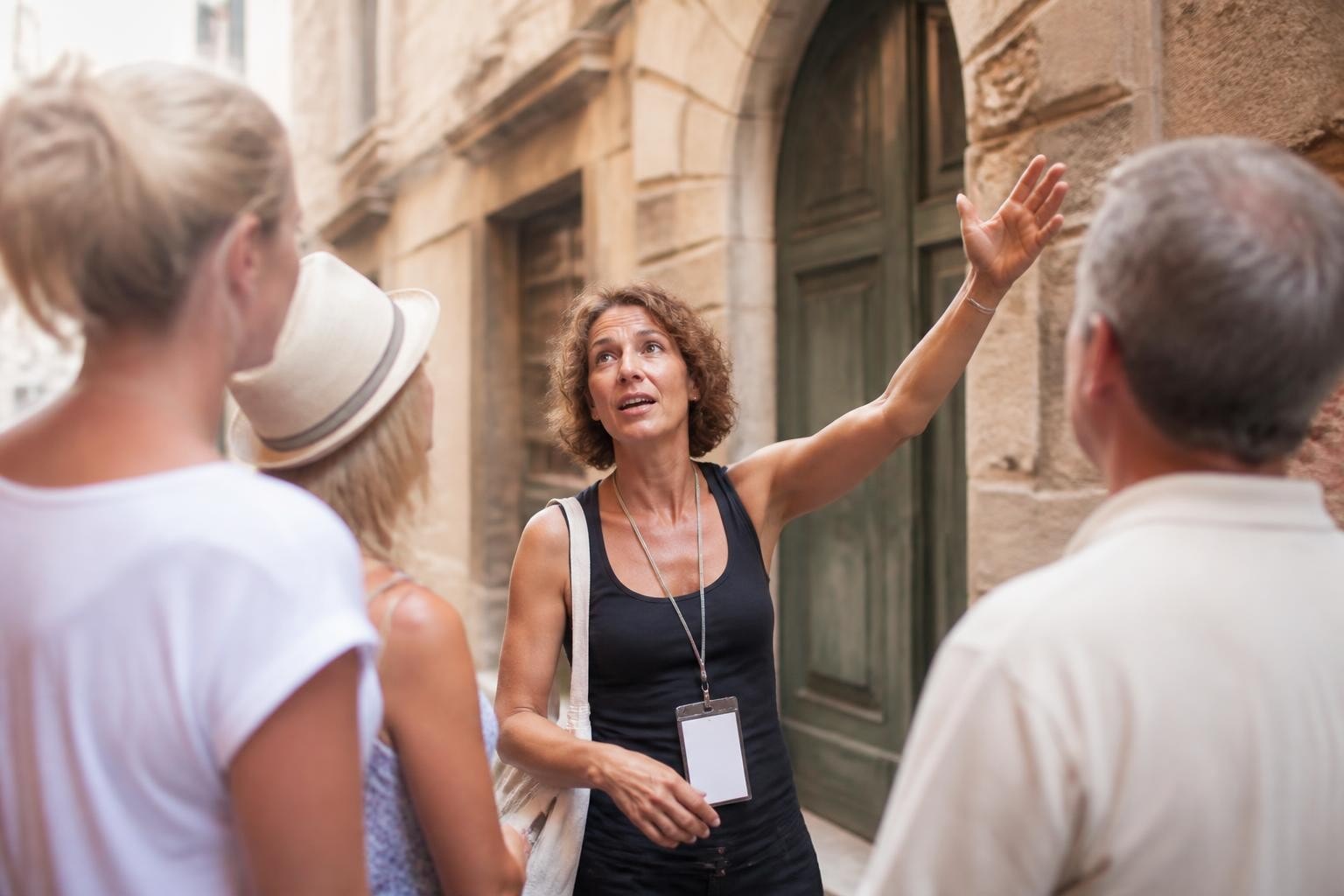
The morning sun had barely risen over the ancient domes of Samarkand when I joined a small group of travellers gathering near Registan Square. Our guide, a local historian whose family had lived in the city for generations, began weaving stories that transformed ornate facades into living narratives. This moment crystallised something I'd suspected for years: tours and sightseeing are no longer simply about ticking off landmarks on a checklist. They've evolved into profound journeys of cultural connection, personal discovery, and authentic human exchange that reshape how we understand both the places we visit and ourselves.
The Changing Landscape of Travel Exploration
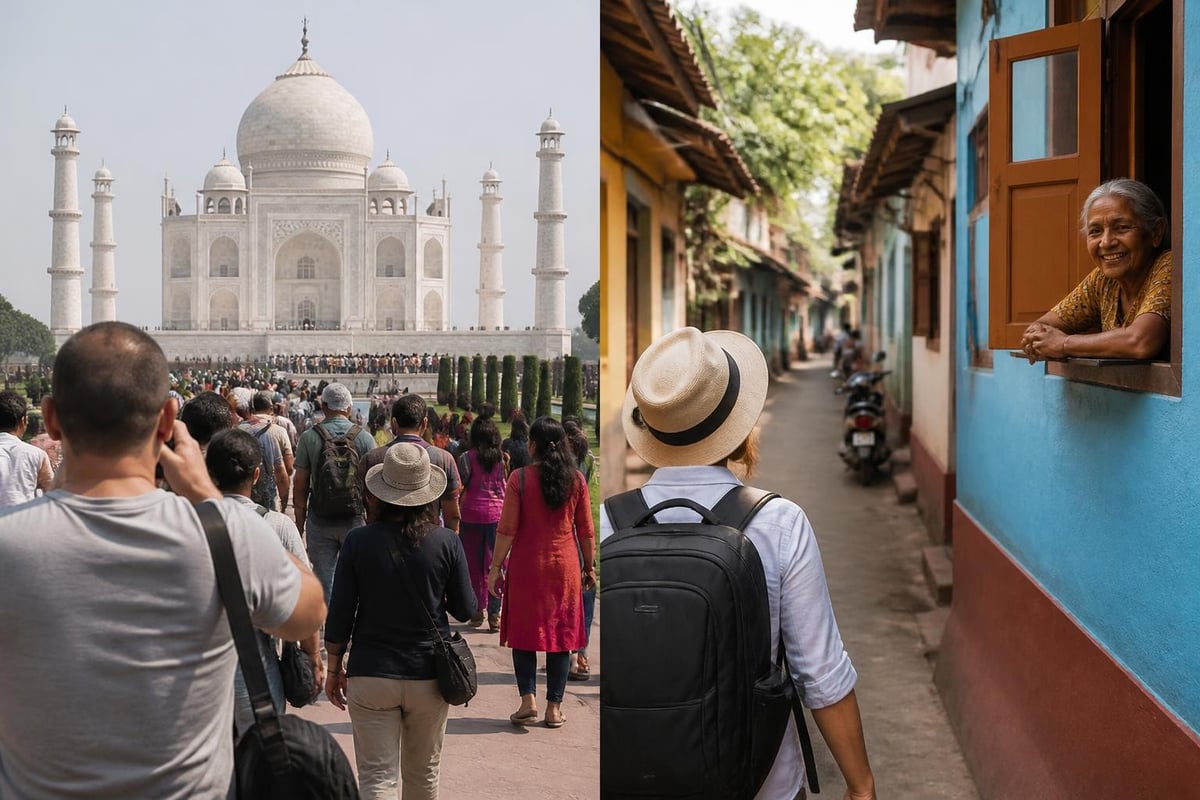
Tours and sightseeing have undergone a remarkable transformation over the past decade. Where once travellers queued for coach tours stopping briefly at famous monuments, today's explorers seek deeper engagement with destinations.
The shift represents more than changing preferences. It reflects a fundamental rethinking of what travel means in an interconnected world. According to recent cross-border tourism consumption trends, immersive and niche experiences now significantly outpace classic sightseeing formats, with travellers prioritising authenticity over convenience.
What Modern Travellers Actually Want
Today's visitors arrive with different expectations:
- Storytelling over statistics: Facts matter less than the narratives connecting past to present
- Local perspectives: Residents' insights trump guidebook descriptions
- Flexible pacing: Time to absorb atmosphere rather than rushing between stops
- Personal connections: Opportunities for genuine exchange with communities
- Sustainable practices: Experiences that respect both culture and environment
The numbers support this evolution. Travellers now spend considerably more time researching unique experiences than searching for discounted package tours.
Why Walking Tours Lead the Revolution
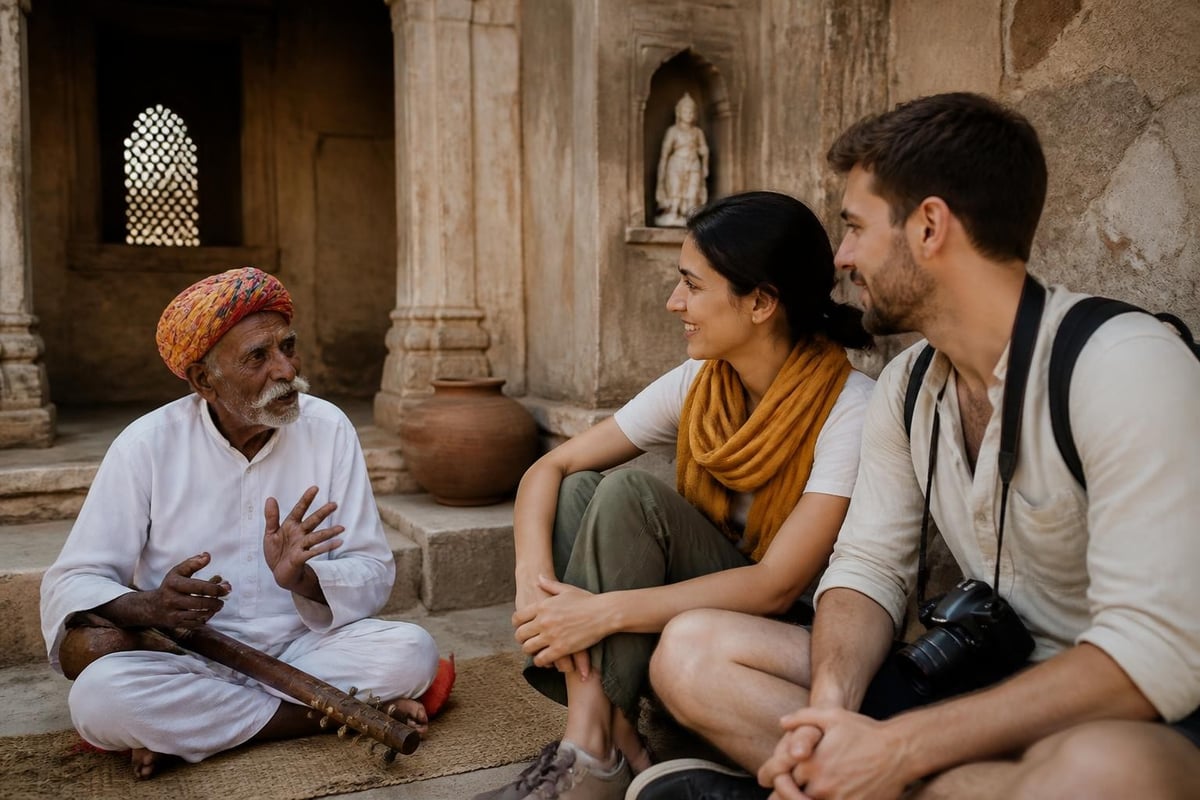
Walking tours have emerged as the perfect vehicle for this new approach to tours and sightseeing. Something magical happens when you explore a city on foot rather than from behind glass windows.
I've experienced this transformation firsthand. The rhythm of walking creates natural conversation. You notice details: the wear patterns on ancient stones, the smell of bread from neighbourhood bakeries, the sound of craftspeople at work. These sensory elements transform sightseeing from passive observation into active participation.
The Intimacy Advantage
Smaller groups foster genuine connection. Where bus tours might carry forty people, walking tours typically accommodate eight to fifteen participants. This scale allows guides to adapt to group interests, answer questions thoroughly, and share stories they might not tell larger crowds.
The format also encourages interaction amongst travellers themselves. I've watched friendships form as people share observations, photograph each other against stunning backdrops, and exchange contact details for future meetups.
| Traditional Tours | Walking Tours |
|---|---|
| 30-50 participants | 8-15 participants |
| Fixed itinerary | Flexible routing |
| Limited interaction | Conversational format |
| Surface-level facts | Deep storytelling |
| Motorised transport | Human-paced exploration |
Designing Meaningful Sightseeing Experiences
Creating truly memorable tours and sightseeing opportunities requires more than knowledge of local history. The finest guides understand dramaturgy, pacing, and emotional resonance.
Consider how information is delivered. Rather than reciting dates and architectural styles, skilled guides build narratives with tension, character development, and satisfying conclusions. They might introduce a historical figure at the tour's beginning, weave their story throughout multiple locations, and reveal a surprising conclusion at the final stop.
The Power of Hidden Gems
Counterintuitively, the best tours and sightseeing experiences often bypass the most famous attractions in favour of lesser-known locations. These hidden gems offer several advantages:
Authentic atmosphere: Fewer tourists means sites retain their genuine character and community function.
Unique perspective: Discovering something unexpected creates stronger memories than seeing famous landmarks you've viewed countless times in photographs.
Local support: Highlighting neighbourhood businesses, family workshops, and community spaces distributes tourism benefits more equitably.
For cities like Samarkand, where majesty coexists with everyday life, this approach reveals layers invisible to conventional tours. A free walking tour might spend less time at Registan's gates and more time exploring the craftspeople's workshops behind the squares, where traditional techniques persist unchanged for centuries.
The Economics of Accessible Exploration
The "free walking tour" model has democratised tours and sightseeing worldwide. By removing financial barriers to entry, these experiences welcome travellers regardless of budget constraints.
The approach works elegantly. Tours operate on a tip-based system, where participants pay what they feel the experience was worth. This model benefits everyone:
- Travellers can explore confidently without upfront costs
- Guides earn based on the quality they deliver, incentivising excellence
- Cities attract visitors who might otherwise skip guided exploration
- Local economies benefit from engaged visitors who understand and appreciate the destination
Quality Through Passion
Free tours attract guides driven by genuine enthusiasm rather than just employment. The format self-selects people who love their cities and want to share them, creating a virtuous cycle where passionate guides deliver exceptional experiences, earn strong tips, and continue developing their craft.
I've observed this particularly in heritage cities along historic trade routes. Guides whose families have lived through generations of change bring irreplaceable perspective to tours and sightseeing. Their stories aren't memorised from textbooks but passed down through family tradition, making every tour feel like privileged access to living history.
Sustainability and Community Impact
Responsible tours and sightseeing must address their footprint. Research on tourist experience and heritage site conservation demonstrates that visitor behaviour significantly influences preservation outcomes at world heritage locations.
Walking tours inherently support sustainable tourism. They create no emissions, require no infrastructure beyond human knowledge, and distribute visitors across neighbourhoods rather than concentrating crowds at fragile monuments.
Managing Impact Thoughtfully
Tour operators increasingly consider carrying capacity and community well-being. The World Travel & Tourism Council’s recent environmental and social research highlights how thoughtful tour design can mitigate overtourism whilst maintaining economic benefits.
Best practices include:
- Rotating routes to prevent path erosion and crowding
- Scheduling tours during off-peak hours
- Partnering with local businesses for refreshment stops
- Educating visitors about respectful behaviour
- Contributing portion of earnings to preservation funds
Training the Next Generation
The future of quality tours and sightseeing depends on developing skilled guides. Organisations like the Silk Road Travel Academy recognise this, investing in comprehensive training programmes that go beyond basic historical facts.
Effective guide training encompasses:
| Skill Category | Components | Why It Matters |
|---|---|---|
| Content Knowledge | History, architecture, culture, current affairs | Credibility and depth |
| Presentation Skills | Storytelling, voice projection, pacing | Engagement and retention |
| Group Management | Crowd control, safety awareness, inclusivity | Smooth operations |
| Cultural Sensitivity | Local customs, religious awareness, appropriate behaviour | Respect and authenticity |
| Business Acumen | Customer service, conflict resolution, financial management | Professional sustainability |
I've witnessed remarkable transformation when guides complete professional development. Their confidence blossoms, allowing personality to shine through facts. They learn to read groups, adjusting energy and content to match audience engagement levels.
Tailoring Experiences to Different Audiences
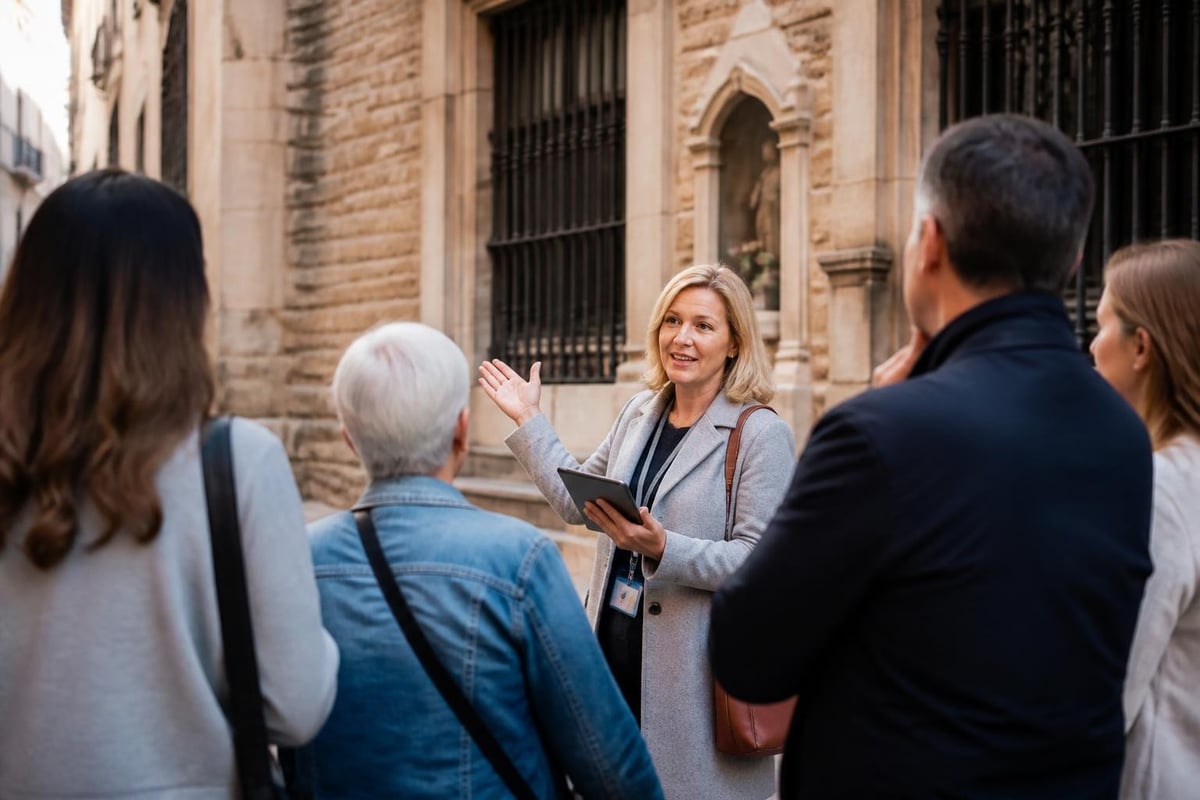
Not every visitor wants the same tours and sightseeing experience. Successful operators offer variety whilst maintaining quality across different formats.
Audience Segments and Their Preferences
Solo travellers often seek social connection alongside cultural education. They appreciate opportunities to meet fellow explorers whilst avoiding awkward isolation.
Couples typically want romantic ambiance and photo opportunities, valuing intimate moments and beautiful backdrops for memories.
Families need engaging content for multiple age groups, with pacing that accommodates shorter attention spans and physical limitations.
Special interest groups arrive with specific focuses, whether architecture, culinary traditions, textile arts, or religious history, expecting deep expertise in their passion area.
Smart tour design acknowledges these differences without fragmenting operations unsustainably. A single core route might offer different emphasis depending on group composition, or operators might schedule specialised tours weekly rather than daily.
The Role of Technology in Traditional Experiences
Modern tours and sightseeing paradoxically blend ancient storytelling with contemporary tools. Technology enhances rather than replaces human guidance when implemented thoughtfully.
GPS-based audio tours allow self-paced exploration but lack the responsiveness and warmth of live guides. The sweet spot involves:
- Pre-tour digital resources setting historical context
- Mobile apps providing route maps and background reading
- Photo-sharing platforms building community amongst past participants
- Online booking systems reducing administrative friction
- Post-tour content extending the learning experience
However, the tour itself remains fundamentally human. The magic emerges from eye contact, spontaneous anecdotes, questions sparking unexpected tangents, and the irreplaceable energy of shared discovery.
Creating Lasting Memories Beyond the Tour
Exceptional tours and sightseeing experiences extend beyond their scheduled duration. They change how participants see the world, inspiring further exploration and deeper cultural curiosity.
The best guides plant seeds of ongoing interest. They recommend books, films, and music connecting to themes explored during the tour. They suggest related destinations worth future visits. They encourage participants to support specific artisans or causes benefiting the community.
The Ripple Effect
When someone experiences a truly transformative tour, they become ambassadors for both the destination and thoughtful travel generally. They share stories with friends, post detailed reviews helping future visitors choose quality experiences, and return themselves with family or friends.
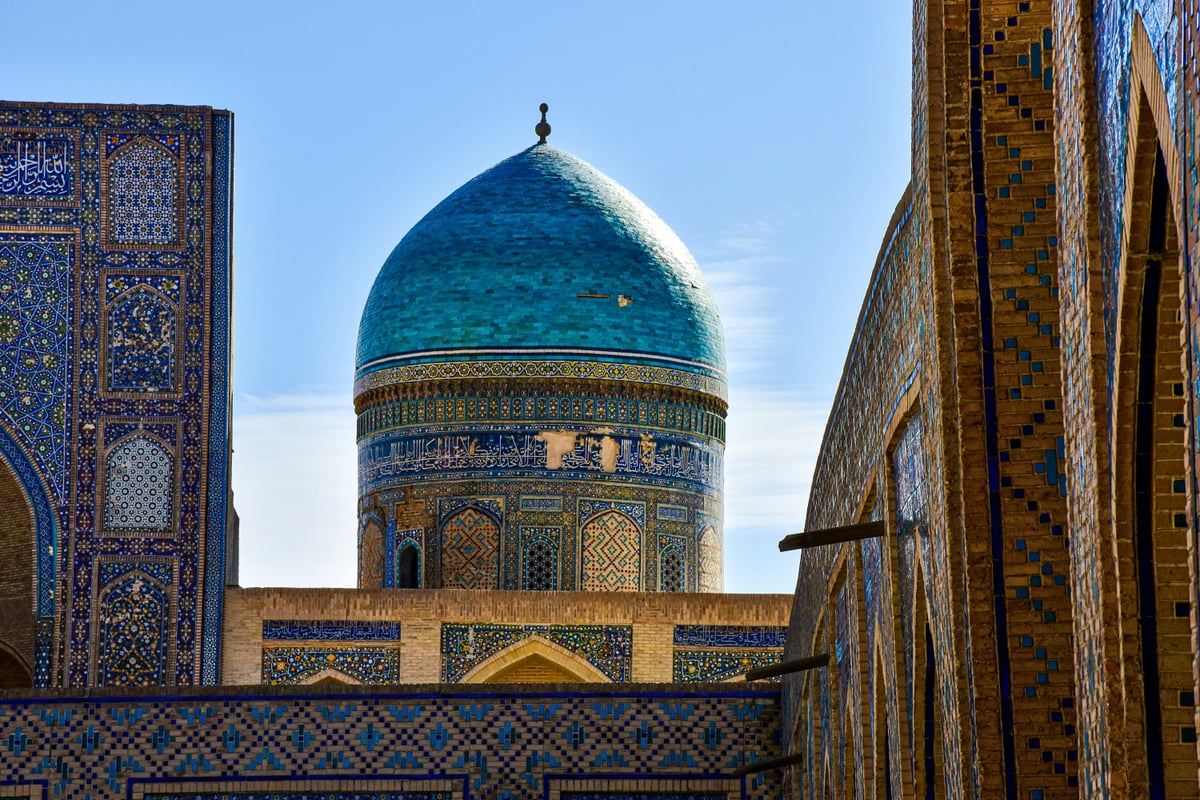
This ripple effect proves particularly powerful for cities like Samarkand, where free walking tours introduce visitors to cultural treasures they might never have discovered independently. Travellers arrive expecting beautiful architecture and leave understanding the human stories woven into every mosaic, every dome, every weathered stone pathway.
Navigating Challenges in Tour Operations
Running successful tours and sightseeing businesses presents distinct challenges beyond those facing other tourism sectors. Weather disrupts outdoor itineraries. Group dynamics occasionally turn difficult. Unexpected site closures force last-minute route changes.
Skilled operators develop contingency plans and maintain flexibility. They cultivate relationships with alternative venues. They train guides in conflict resolution and crowd management. They purchase appropriate insurance and implement safety protocols.
The human element introduces both unpredictability and irreplaceable value. No two tours unfold identically, even when following the same route with the same guide. This variability makes the work challenging and endlessly engaging.
Building Authentic Cultural Exchange
At their finest, tours and sightseeing facilitate genuine cultural exchange rather than mere observation. This requires moving beyond the performer-audience dynamic toward mutual sharing.
Progressive guides invite questions about contemporary life alongside historical topics. They acknowledge complexities rather than presenting sanitised narratives. They create space for participants to share their own experiences and perspectives, recognising that cultural exchange flows in multiple directions.
I've watched guides handle difficult questions about political history, economic challenges, and social changes with remarkable grace. By addressing uncomfortable topics honestly whilst maintaining respect for all perspectives, they model the type of open dialogue that builds understanding across cultures.
The Future of Guided Exploration
Looking ahead, tours and sightseeing will continue evolving alongside broader travel trends. Several developments seem particularly promising:
Hyper-local focus: Tours exploring single neighbourhoods in exhaustive detail rather than covering entire cities superficially.
Thematic specialisation: Experiences built around specific interests like textile traditions, culinary heritage, architectural styles, or religious history.
Multi-day immersions: Extended programmes combining tours with workshops, meals, and hands-on cultural activities.
Virtual-physical hybrids: Pre-trip virtual tours building context for subsequent in-person visits, or post-trip online sessions maintaining connections.
Community co-creation: Local residents helping design tour content and participating as co-guides, ensuring authentic representation.
The common thread across these innovations remains human connection. Technology and format may evolve, but the fundamental appeal of learning from passionate locals in meaningful settings endures.
The transformation of tours and sightseeing from impersonal monument-viewing to intimate cultural exchange represents one of travel's most positive developments. When exploration centres on story, connection, and mutual respect, everyone benefits-visitors gain deeper understanding, communities receive recognition and support, and cultural heritage finds renewed relevance for contemporary audiences. Whether you're planning your first visit to a historic Silk Road city or your fiftieth journey of cultural discovery, Visit Samarkand offers accessible walking tours that transform sightseeing into genuine connection, revealing the stories behind the stunning architecture and the living traditions that make this ancient city extraordinary.